
The Tastiest Street Food Photos
A world tour in stall light—crepes, pav bhaji, burritos, Thai fruit, zapiekanka, and more—photographs of street eats that still look ready to walk away with.
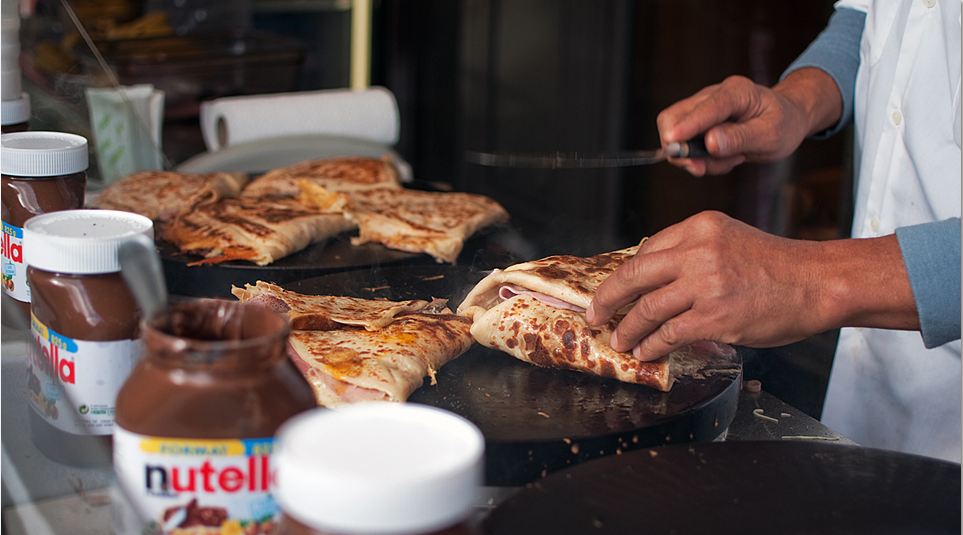
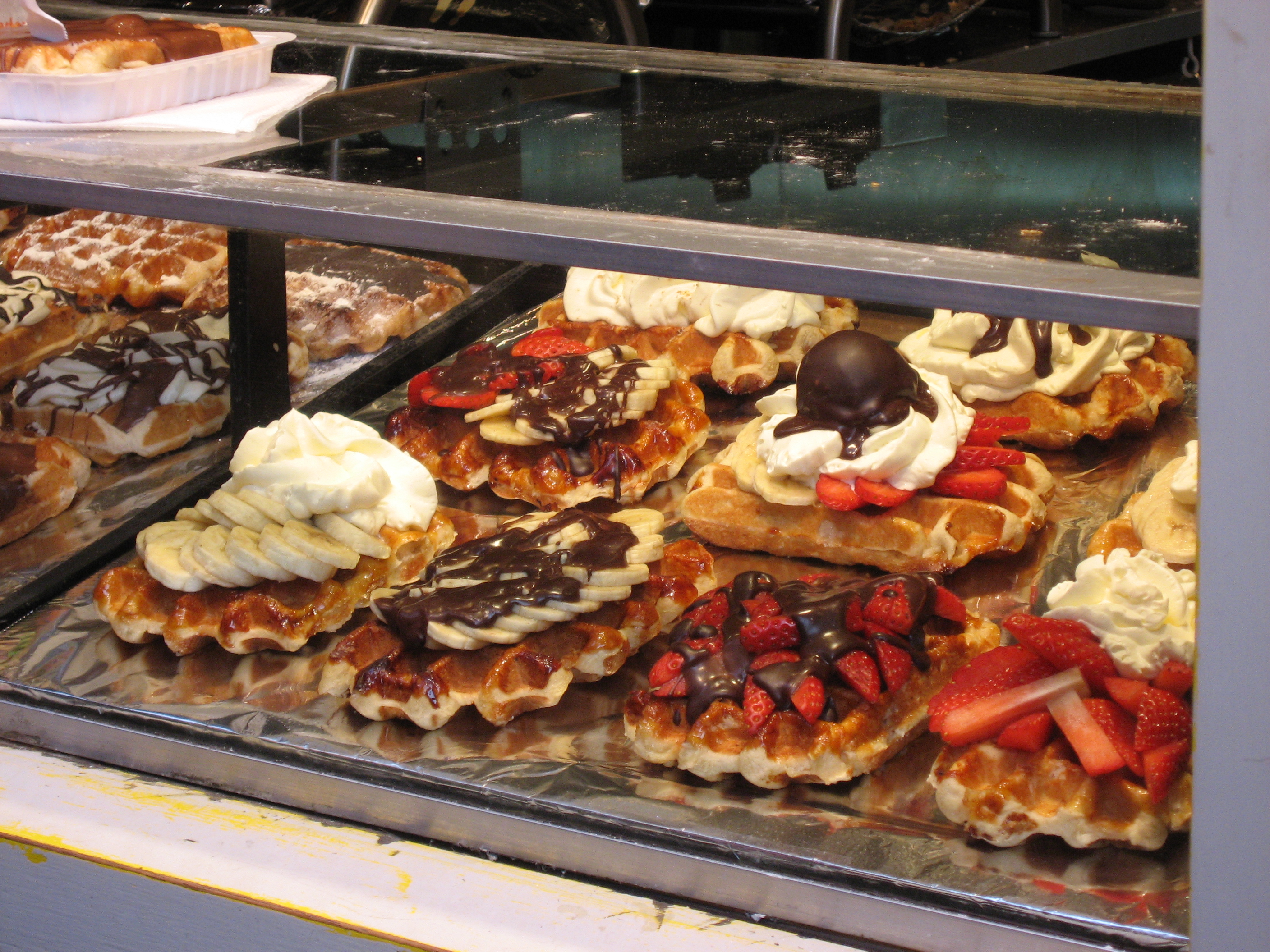
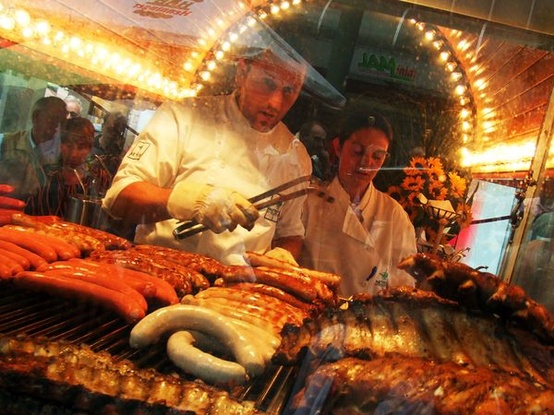
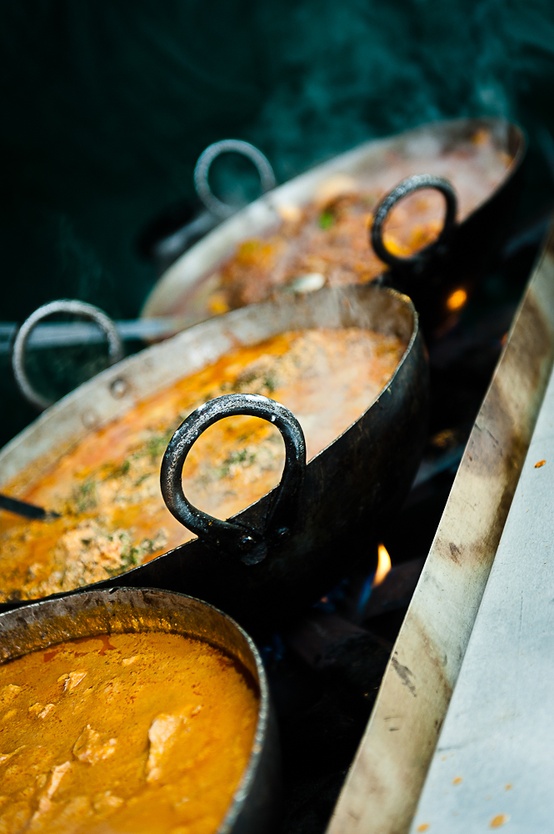
Street food photographs well because it already lives in public. Steam rises into open air. Hands pass trays over counters. Color arrives without a stylist’s permission—chili oil, mango, batter, mustard, pickled onion. The pictures gathered here are a world tour of that kind of appetite: French crepes, a Los Angeles breakfast burrito, Belgian waffles, Thai fruit, Mumbai pav bhaji, London stalls, Japanese festival trays, Indian chaat energy, German sausages, Thai plates, Hong Kong night snacks, and Polish zapiekanka. Guessing the country is half the fun. Noticing how light, packaging, and haste sell hunger is the other half.
These frames are not restaurant hero shots under softboxes. They are closer to travel notes: food caught between cooking and eating, often still in paper, foil, or plastic, held at chest height or parked on a counter that has seen a thousand lunches. That unfinished quality is why they still make you hungry years later. You are not looking at a plated fantasy. You are looking at something that was meant to be finished before it cooled.
Europe’s fold, crisp, and smash
Start with the crepe. Thin batter meets a hot circular griddle; the fold becomes the serving vessel. In photographs, French street crepes often look almost delicate—pale batter, dark caramelized lace at the edges, a filling that threatens to escape. The camera loves that tension between elegance and mess. Crepes are street food that still remembers the cafe: portable, but composed; sweet or savory; folded with a little pride.
Belgian waffles take the opposite route: deep pockets, sugar that stays crunchy, toppings that turn breakfast into spectacle. In a photograph, the waffle’s geometry does half the storytelling. Grid, gloss, cream, fruit—each square is a tiny stage. Street versions can be eaten walking, which means the best pictures catch a waffle still rigid enough to hold, not yet collapsed into souvenir syrup. Depth of field helps too. When the nearest pocket is sharp and the rest softens, you feel the bite before you take it.
Germany’s street repertoire often photographs as honest protein and bread: sausages, rolls, mustard, maybe fried potatoes. The aesthetic is less garnish, more steam and casing snap. There is a visual honesty to food that does not apologize for being lunch on foot. London’s street scene, by contrast, reads as a collage—global stalls, market light, food that travels with immigrant kitchens and festival carts. A single London frame can feel like several countries at once, which is accurate to how the city’s pavement eating actually works. Multicultural stalls under one roof or one market canopy are not a metaphor there; they are Tuesday.
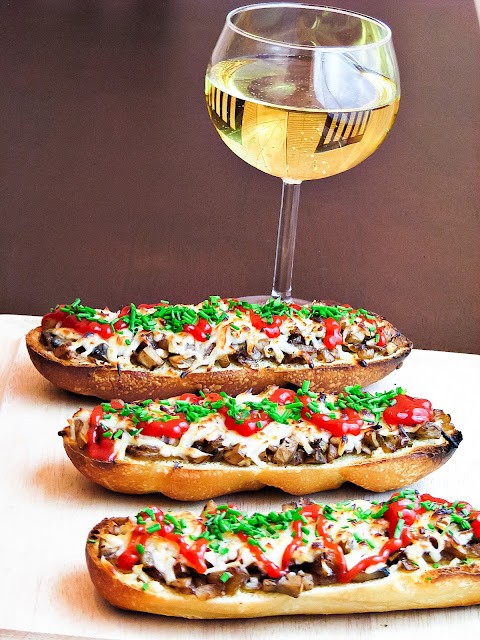
Poland’s zapiekanka is a different kind of street classic: an open-faced baguette, mushrooms, cheese, and whatever toppings the stall favors, finished under heat until the top blisters. Photographed well, it looks like pizza’s cousin who prefers walking. The long shape fits a hand; the melted surface catches highlights; ketchup or garlic sauce becomes the color accent. It is comfort food designed for night buses, stadium exits, and the hour when restaurants have closed but hunger has not.
North America’s handheld heat
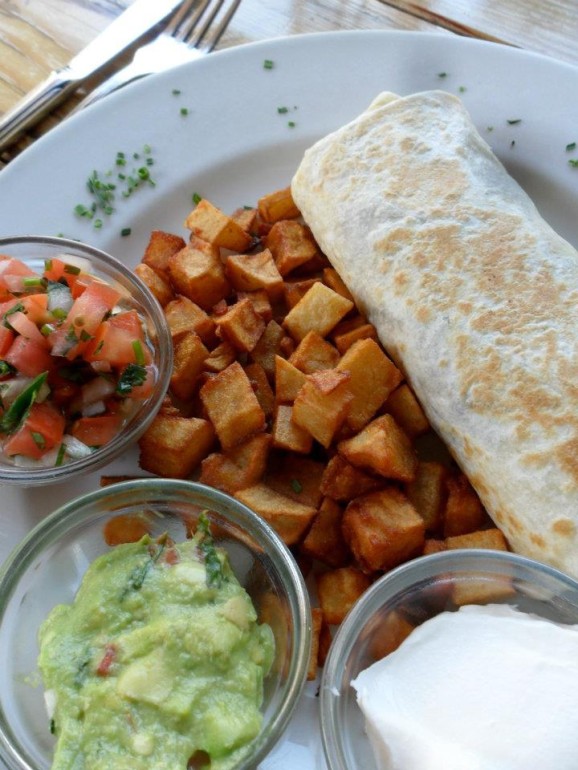
A breakfast burrito from Toast on West 3rd Street in Los Angeles belongs to a West Coast habit: eggs, potatoes, salsa, tortilla, and the promise that morning can be eaten standing up. In photos, burritos sell through foil sheen and cross-section drama—if the wrap is cut, you see layers; if it isn’t, you read steam and girth. Los Angeles street and counter food often looks bright because the light is bright. Even a casual snapshot can feel cinematic when chile and avocado enter the frame. Place names in captions matter here: a specific shop on a specific street turns a generic “burrito pic” into a small document of where someone actually ate.
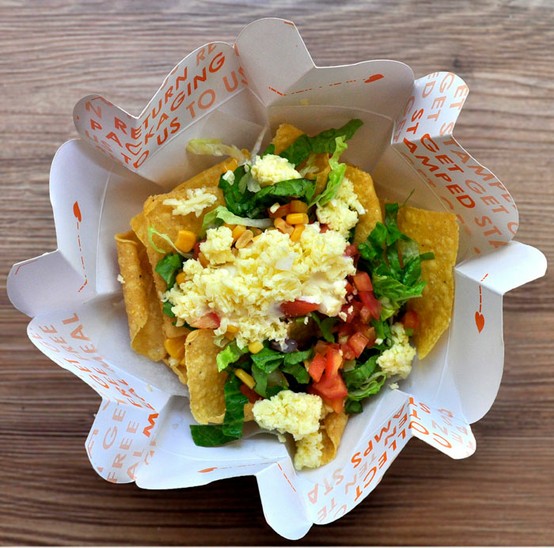
American street food photography also loves packaging as character—checkered paper, cardboard boats, branded stickers, napkins already failing. One frame in this set leans into that beautiful-package idea: the container becomes part of the dish’s identity. Street eating is logistics as much as recipe. The photo that remembers the wrapper remembers the walk, the glove box, the park bench. Grease marks and folded foil are not flaws in this genre; they are proof of use.
South Asia’s spice and crowd energy
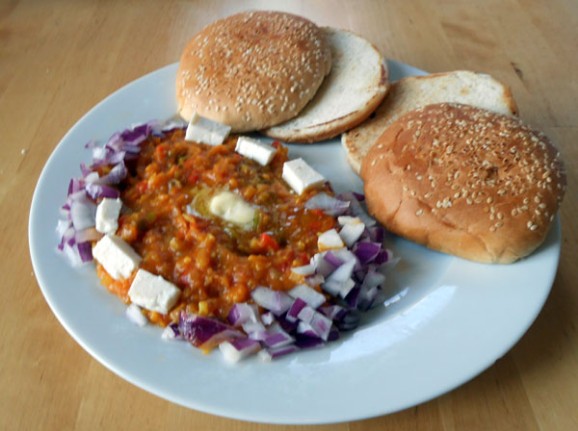
Mumbai’s pav bhaji is a lesson in color. Mashed vegetable curry stained with spices sits beside soft bread rolls, butter often melting into both. It is popular because it is loud in flavor and efficient in serving. Photographs of pav bhaji usually win on reds and oranges—chili, tomato, garnish—against stainless steel or banana leaf contexts. You can almost hear the griddle scrape. The dish also photographs as generosity: a mound meant to be shared or attacked with appetite, not nibbled politely.
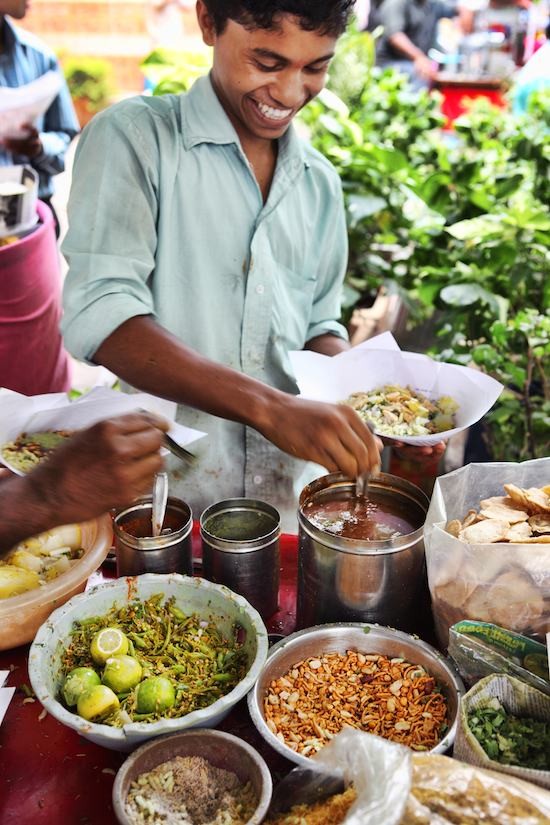
Broader Indian street food pictures expand that palette: chaat textures, fried crisps, chutneys in small cups, crowds in the soft background blur. The camera rarely needs a white plate. Appetite is already staged by vendors who understand that visibility sells. A good photograph of India’s street food often includes a hint of motion—a hand reaching, a ladle mid-pour—because the cuisine is performance as much as plate. Sound is missing from stills, but composition can imply it: stacked pans, open flames, the vertical clutter of a busy stall.
East and Southeast Asia: fruit, skewers, night light
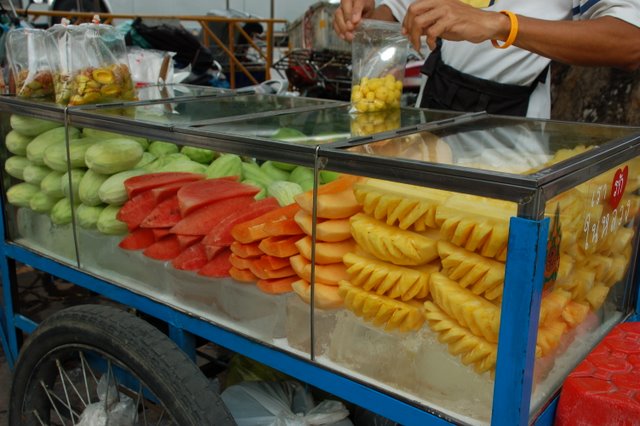
Thai street fruit is a different kind of mouth-watering. Cut mango, papaya, pineapple, sometimes dusted with chili-salt, stacked in bags or cups that catch daylight like stained glass. Fruit stalls photograph as freshness contests: wet cut surfaces, neat knife work, color gradients from pale to saturated. They remind you that street food is not only fried. Sometimes the most tempting picture is simply ripe. In humid heat, cold fruit can look more luxurious than meat.
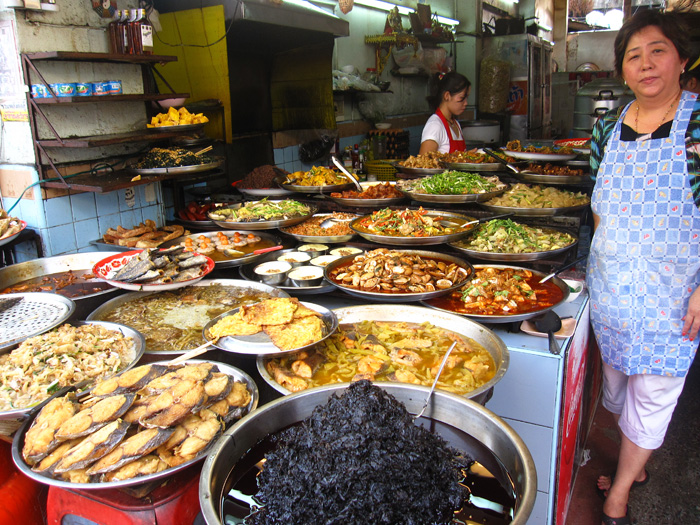
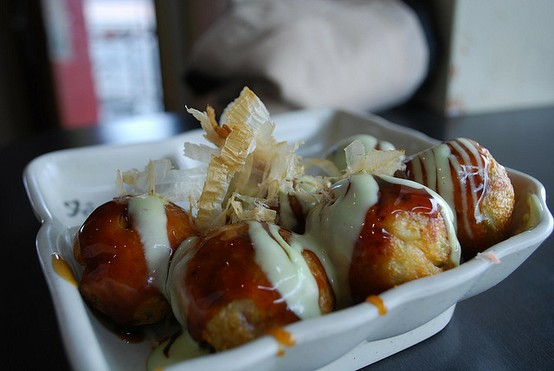
Thai cooked dishes bring herbs, lime, fish sauce, and wok heat into the frame. Leaves stay vivid. Broths reflect neon or late sun. Skewers line up like inventory. Japanese street food, meanwhile, often photographs with a neater geometry—takoyaki trays, yakitori rows, neatly boxed snacks—where portion control and presentation still matter even at speed. The pictures can look almost retail-clean while remaining unmistakably outdoor or festival-adjacent. That cleanliness is part of the appetite: you trust the bite because the arrangement looks intentional.
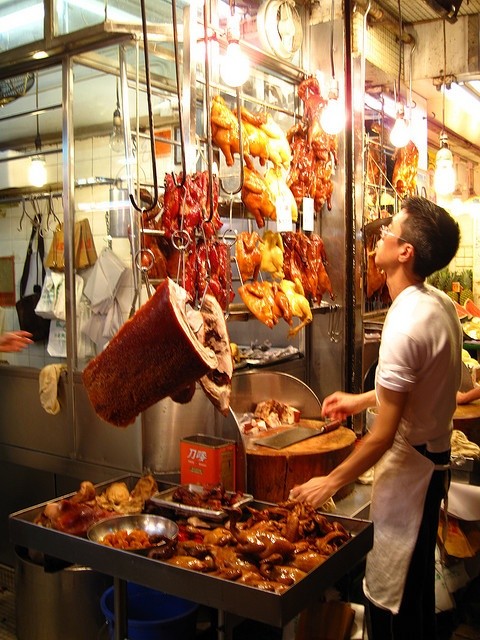
Hong Kong’s street and market snacks thrive under night light: stall bulbs, reflective sauces, steam in humid air. Photographs from that world often look warmer and denser, with shallow depth of field turning crowds into color. Egg waffles, fish balls, cured meats, and quick noodles all share a visual family resemblance—gloss, heat, and the sense that dinner is happening three feet from traffic. Night changes the genre. Daylight fruit stalls feel like markets; night stalls feel like theater.
What makes a street-food photo work
Across this set, a few habits repeat. Close cropping keeps the food large enough to feel edible on a small screen. Natural or stall light beats studio perfection because it matches memory—the way you actually saw the dish. Hands, tongs, and wrappers are not clutter; they are context. Titles and captions matter: crepes, pav bhaji, zapiekanka, Thai fruit, a burrito shop on West 3rd. Naming anchors the guess-the-country game and turns a pretty picture into a small geography lesson.
Another habit is respecting speed. Street food is cooked to order and eaten soon after. Photographs that freeze mid-serve—sauce still moving, cheese still stretching, fruit still wet from the knife—feel truer than arrangements that have been perfected for five minutes on a side table. Imperfection is information.
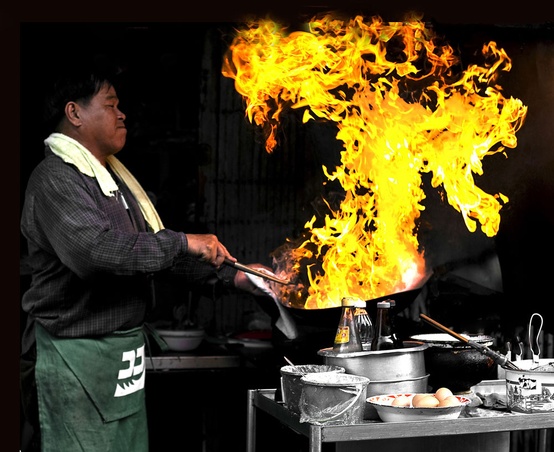
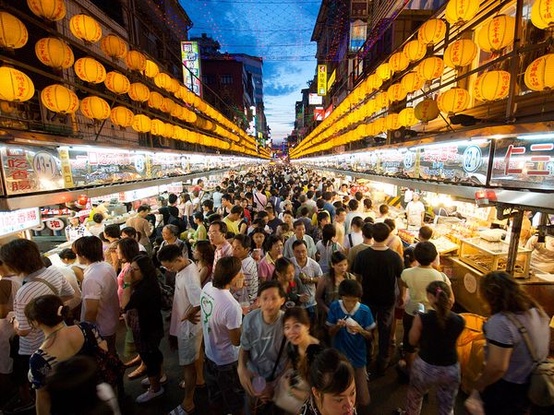
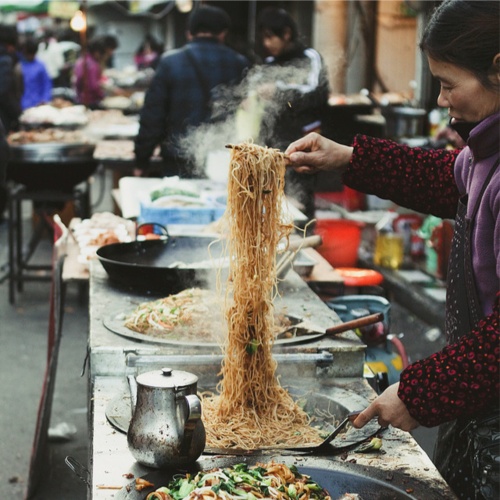
Try one pass through the gallery as a traveler: can you name the city or country from food alone? Then try a second pass as a photographer: where is the light coming from, and what is doing the storytelling—texture, color, steam, or packaging? Street food is democracy with a napkin. The tastiest photographs understand that. They do not polish away grease, paper, or impatience. They show food designed for the walk home, in cities where the best table might be a curb.

Comments
Continue reading

Funny Animal Signs That Warn People (While Animals Ignore Them)
From a seagull on a no-birds disc to classic zoo and park ironies—why animal warning signs get funny, and what the rules are still for.
How to Find Local Amenities on Vacation: Mechanics, Haircuts & More
Locate trustworthy local services and everyday spots while traveling or settling in—using publications, reviews, map apps, neighbor tips, and low-pressure exploration.

Kristen Stewart for V Magazine, Spring Preview 2013
V81’s Wild at Heart cover story—Kristen Stewart shot by Inez & Vinoodh, styled by Joe McKenna, in pale minimal spring glamour.