
The Lust List: Sally Spratt’s Fashion Drawings
Australian illustrator Sally Spratt’s Lust List—if she can’t have the bag or shoe, she draws it—graphic fashion still lifes that turned coveting into a daily editorial habit.
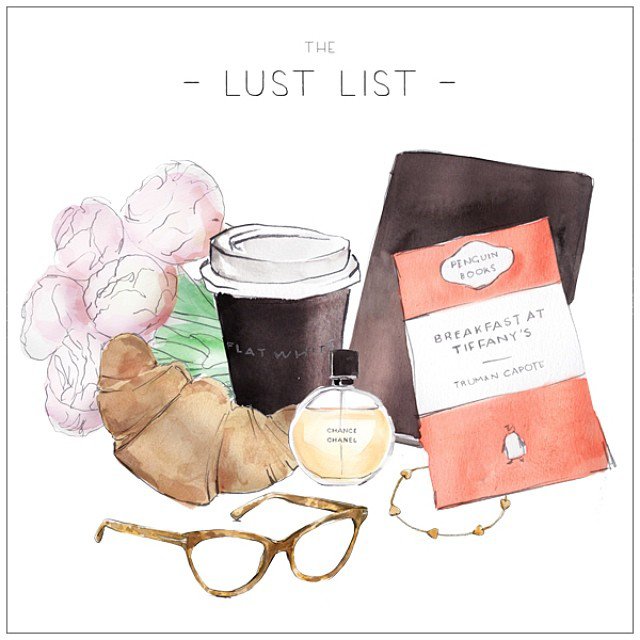
Some wish lists live in browser tabs. Sally Spratt’s lived on paper—and then on Instagram—as drawn objects she could not yet own. The Australian graphic designer and illustrator built The Lust List around a crisp rule: if she could not have the piece, she would draw it. Handbags, shoes, jewels, runway looks, and cult beauty products became daily studies in desire, detail, and graphic restraint.
This feature sits with that project as fashion-editorial illustration: not a shopping roundup of links, but a look at how Spratt turned coveting into a public sketchbook with its own style.
Designer first, lust list second
Spratt belongs to the minority of people whose day job and talent actually match. Her background in graphic design shows up in the cleanliness of her compositions—type-aware balance, disciplined negative space, and a sense that each object is “laid out” as much as drawn. Illustration supplies the fluid line and the pleasure of rendering leather grain, metal hardware, or the soft architecture of a shoe.
Fashion, graphics, typography, and illustration are not separate hobbies in her case; they are overlapping muscles. That mix is why The Lust List never feels like a careless doodle of a logo. It feels like someone who understands how luxury goods are designed—proportion, silhouette, signature details—and can rebuild those cues by hand.
The origin story in one sentence
“If I can’t have them, I’ll draw them.” The line is both joke and method. Early on, the project was a personal workaround for expensive taste: draw the Boy bag, the heel, the perfume bottle, and keep the fantasy without the receipt. Posted regularly—especially in the Instagram era when the account @_thelustlist_ gathered an audience—the drawings stopped being only private consolation. They became a recognizable editorial voice: lust as curation.
That origin matters because it keeps the work human. The list is not a brand catalog pretending to be art. It began as someone looking at objects she loved and translating want into skill practice. Later collaborations with fashion and beauty names make a neat full circle, but the spark was ordinary: desire plus discipline.
What makes a Lust List drawing read as “fashion”
Fashion illustration has many dialects—gesture sketches from the runway, exaggerated couture cartoons, hyperreal product renders. Spratt’s dialect sits in a sweet spot: lifelike enough that you recognize the object, stylized enough that the drawing remains a drawing. Typical tells:
- Product hero framing — the bag or shoe centered like an editorial still life
- Material honesty — stitching, shine, matte leather, chain links rendered with patience
- Color as branding — signature hues that cue a house without needing a paragraph of text
- Clean edges and calm backgrounds — graphic-design hygiene that lets the object speak
- Playfulness without mess — charm that does not dissolve into clutter
Scroll a sequence of her posts and you start to feel a magazine’s accessories page rebuilt as a daily practice. The “list” format is editorial: today’s lust, tomorrow’s lust, a rhythm of appetite.
Why the project worked on Instagram
Instagram rewards immediate recognition and repeatable style. The Lust List offered both. Followers could spot a Spratt drawing in a feed the way they spot a photographer’s light. The subject matter—covetable goods—matched the platform’s aspirational scroll, yet the handmade layer slowed the usual purchase impulse. You were not only wanting the object; you were admiring someone’s attention to it.
There is also a quiet critique inside the charm. Fashion cycles discard; a lust list asks you to linger. Drawing a piece forces consideration of form. For viewers, the illustration can become a pause button: admire, save, maybe buy later with clearer intent—or never buy, and keep the picture.
From personal sketch habit to fashion-adjacent career
What began between freelance design jobs grew into a calling card. As the audience expanded, brands that once lived only on the wish list began to notice the woman drawing them. Over time Spratt’s studio work moved across commissions, campaigns, packaging moments, murals, and other surfaces where fashion and beauty want a human hand. The children’s-book chapter of her career is a later expansion; the Lust List remains the origin myth that explains her eye.
For readers meeting the project through this page, you do not need the full client roster to understand the appeal. One strong drawing of a coveted object already demonstrates the thesis: luxury can be studied, stylized, and shared without pretending the drawing is a substitute checkout button.
How to “read” the list like an editorial
Try treating a run of Lust List images the way you would a fashion magazine’s must-have spread:
- Identify the archetype — evening bag, trainer, lip color, jewel, coat.
- Find the hero detail — clasp, heel curve, typography on packaging, stone setting.
- Note the mood — cool minimal, romantic gloss, playful pop.
- Ask what is edited out — backgrounds, clutter, lifestyle models; the object carries the story alone.
- Compare two days — see how silhouette and palette shift while the hand stays consistent.
That reading turns fandom into visual literacy. It is also a useful exercise for illustrators: pick one object you cannot afford and draw it until the materials convince you.
A small studio prompt inspired by Spratt
If you want to borrow the method without copying her line:
- Choose three objects you currently lust after.
- Draw each twice—once quick gesture, once slow detail pass.
- Limit your palette to the object’s real colors plus one background neutral.
- Title the set as a list, not as separate orphans.
- Post or pin them in a fixed order, as if paging a mini lookbook.
The goal is not to become a luxury illustrator overnight. It is to learn how desire sharpens observation.
Sally Spratt’s Lust List remains a neat proof that fashion content does not have to be a haul video or a product grid. It can be a drawn diary of appetite—graphic, stylish, and oddly generous. You leave with the feeling that looking closely is itself a kind of owning. The image on this page is one frame from that ongoing list; the rest of the list keeps unspooling wherever she still puts pen to want.

Comments
Continue reading
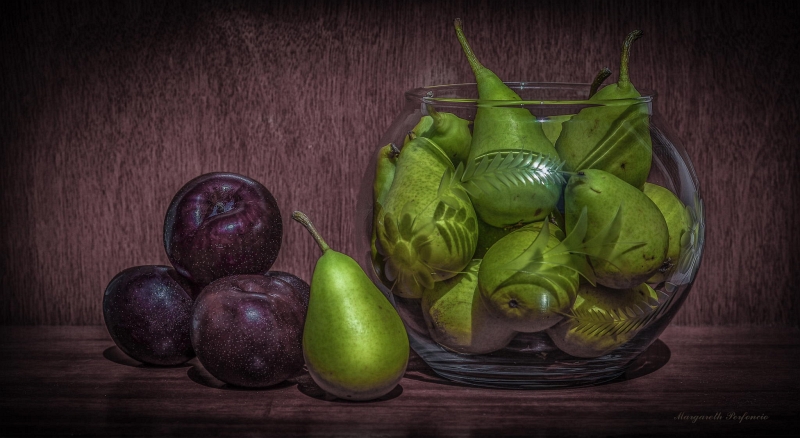
Still-Life Photography by Margareth Perfoncio
São Paulo photographer Margareth Perfoncio’s still lifes of food and flowers—Old Master light, dark wood, and tables that feel inevitable.
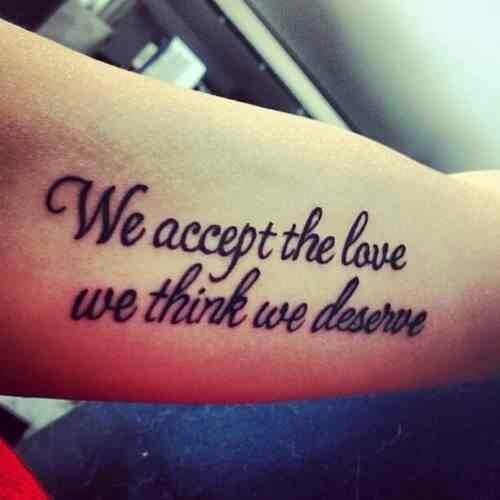
Meaningful Love Quotes for Inspiration (and Ink)
Meaningful love quotes that still feel true — short lines for tattoos, gifts, and everyday reminders, with placement and wording tips.
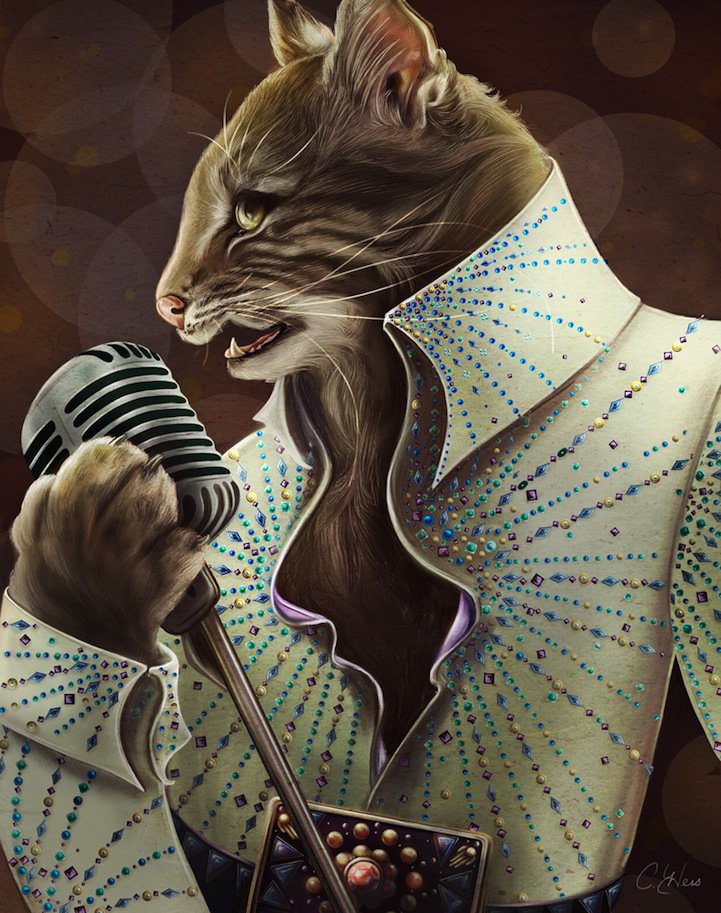
Christina Hess’s Animals From History: Costumed Pets as Playful Portraits
Illustrator Christina Hess reimagines historical icons as ornate animal portraits—Elvis Petme and friends—mixing puns, costume detail, and soft history lessons.