
The Female Back #2
A quieter second gallery: figure photography that studies planes, crop, and light on the turned back—craft-first looking, not runway chatter.
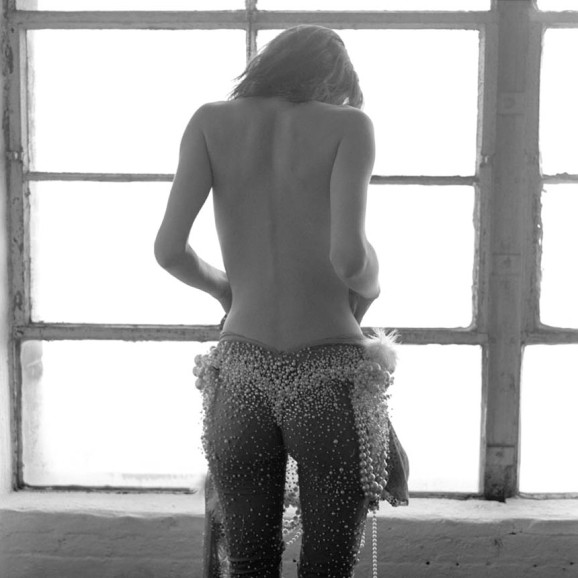
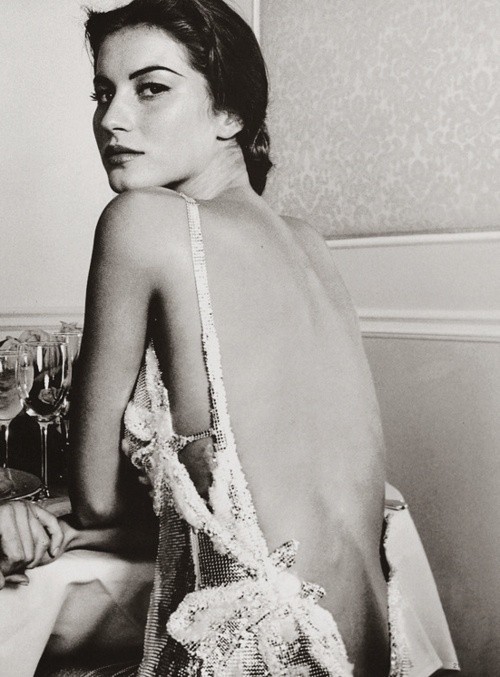
Turn a figure away from the lens and the photograph changes jobs. It stops auditioning personality and starts studying volume. In this second gallery of images centered on the female back, the mood is less runway bulletin and more studio inquiry: how light climbs a shoulder, how a crop turns anatomy into calligraphy, how absence of eye contact can still feel like presence.
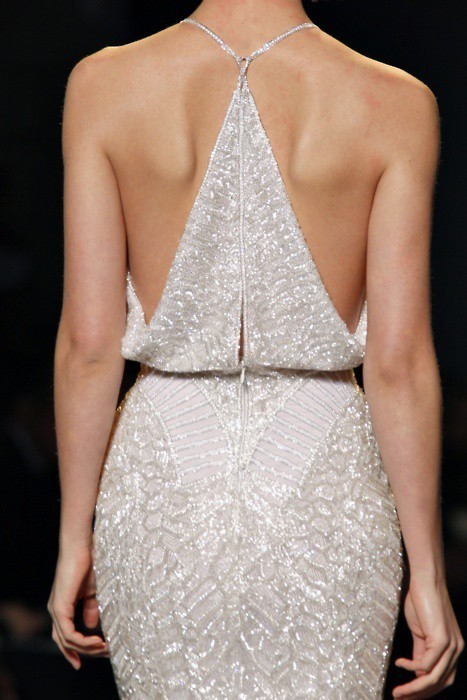
Where fashion coverage often begins with the backless dress as trend, these pictures reward a slower, craft-first read. Some subjects wear open garments; others need almost no costume thesis at all. What repeats is attention—careful exposure, deliberate negative space, a refusal to treat the body as a punchline. Think of the set as a small lesson in photographic looking rather than a moodboard for shopping.
That lesson belongs as much to art and illustration traditions as to editorial fashion. Drawing instructors still ask students to render a back before a face because the exercise trains observation without the shortcut of likeness. Photography inherits the same drill when it keeps the face withheld. You cannot lean on charisma; you must earn the frame with planes, edges, and tone.
The back as a landscape of planes
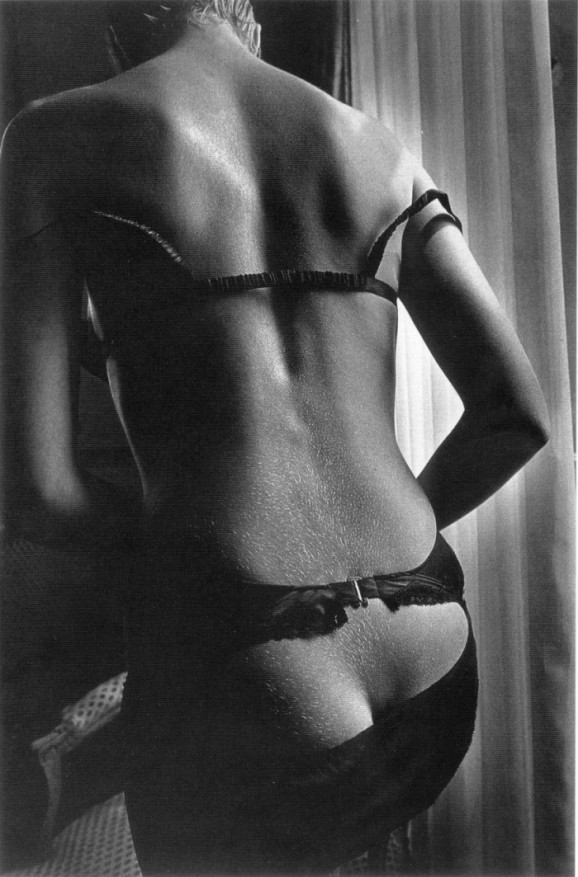
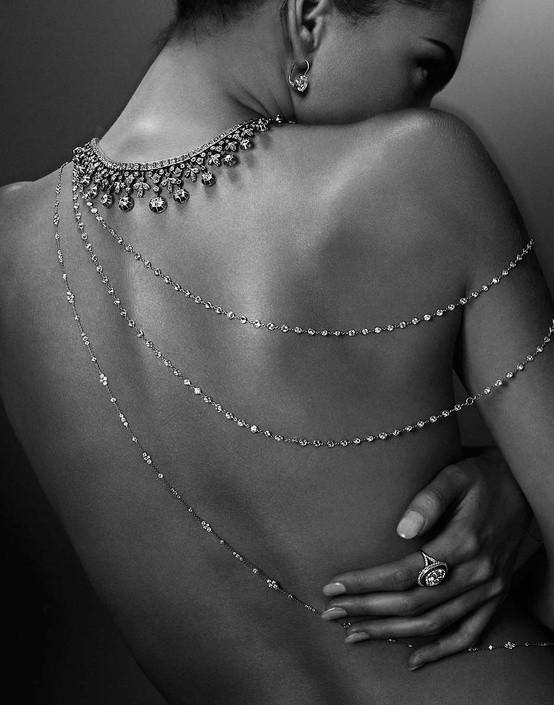
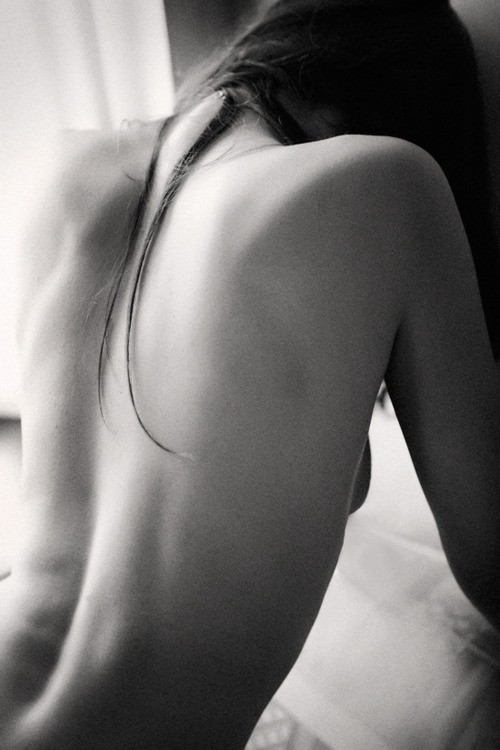
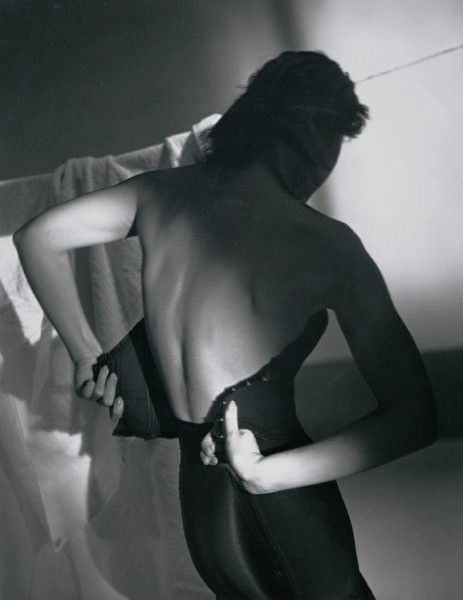
Painters learn early that a back is not a flat plate. It is a system of planes: the broad kite of the scapulae, the shallow valley along the spine, the soft transitions into waist and arm. Photographers who honor that complexity use light the way a draftsperson uses hatching. A hard side source etches ridges; a broad soft source melts them into porcelain calm. Neither approach is automatically “better.” Each declares a different interest—structure versus atmosphere.
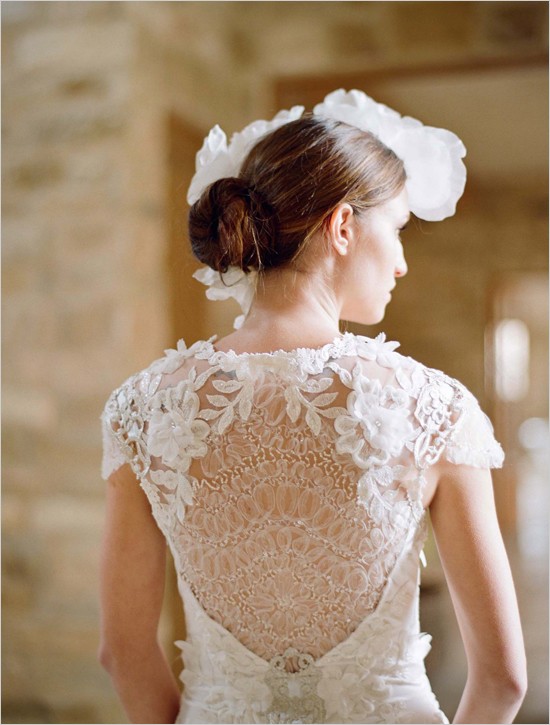
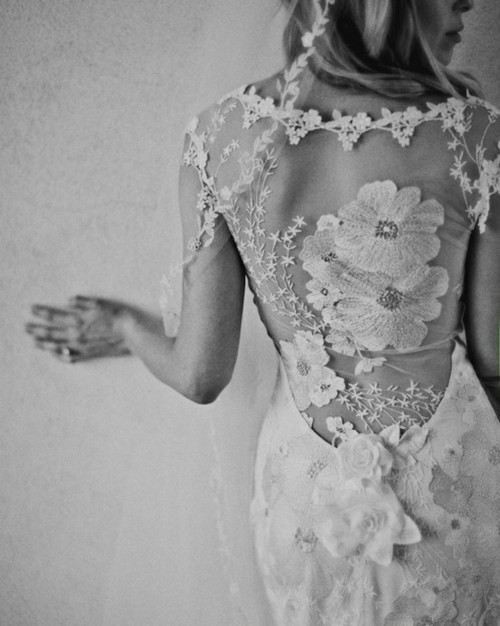
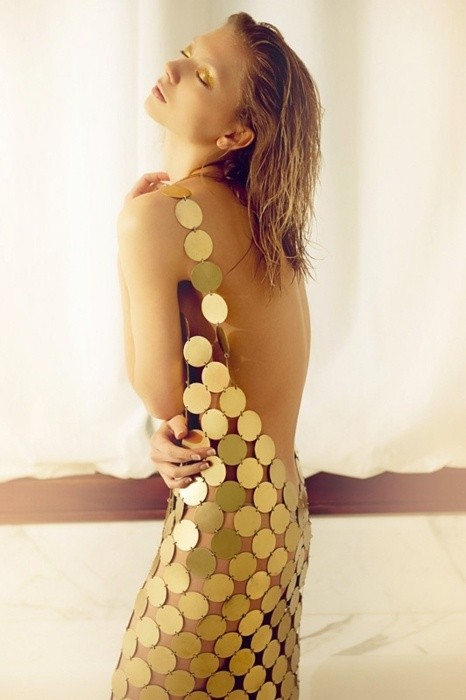
Black-and-white frames, when they appear in sets like this, often clarify the lesson. Without hue competing for attention, tonal steps do the storytelling. A bright edge on a shoulder can matter as much as any necklace. Color frames, by contrast, ask you to notice temperature: cool wall against warmer skin, a dress dye that pulls the eye downward, hair that behaves like a secondary brushstroke across the upper third.
Spend a minute naming midtones. Many viewers only register highlight and shadow, then decide whether an image is “bright” or “dark.” Midtones carry most of the sculptural information on a back—the gentle roll from rib to waist, the faint depression beside the spine. If those midtones collapse into mud, the figure looks pasted. If they are separated with care, the figure occupies space.
Pose without performance
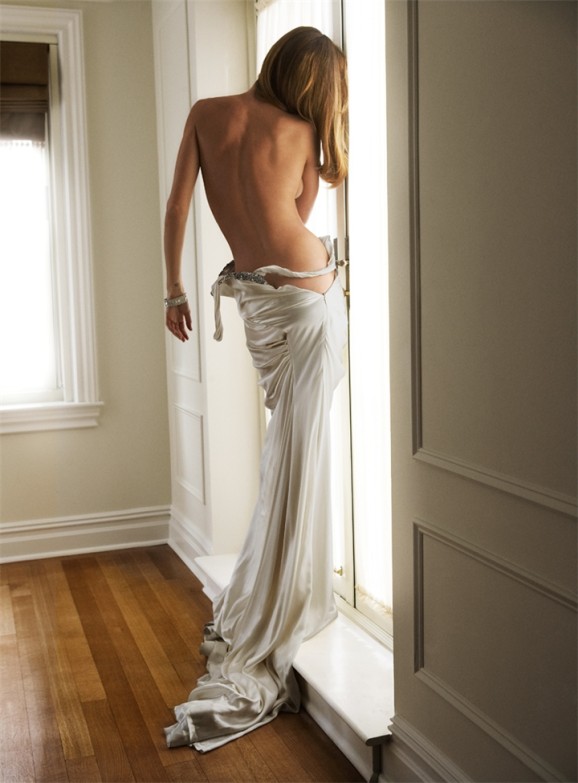
There is a difference between a pose that announces itself and a pose that simply holds. In stronger frames here, weight settles into one hip or the balls of the feet with the unshowy logic of standing in a quiet room. Arms hang, lift hair, or cross loosely—not as semaphore for the viewer, but as balance for the subject. That restraint keeps the work on the art-illustration side of the spectrum: observation before spectacle.
Breath matters more than viewers admit. A held breath raises the ribs and sharpens the waist; an exhale softens everything. You can sometimes guess which moment the shutter caught by how “drawn” the torso looks. Photographers who shoot sequences know this; one frame in a burst will feel statuesque, the next merely stiff. The keepers in a gallery like this tend to be the statuesque ones that still look inhabited.
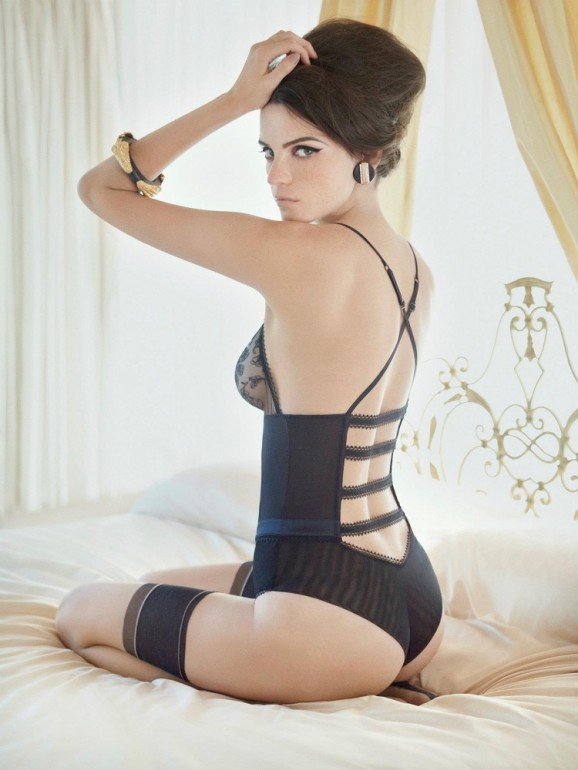
Compare that inhabited stillness with fashion’s more declarative gestures—hand on hip, chin over shoulder, a twist designed to show both face and back at once. Those gestures have their place on a commercial page. Here, the quieter stance is the point. It asks whether beauty can survive without constant signaling. Often it can, and the survival is instructive.
Crop as argument
A full-length standing figure tells one story: proportion, stance, relation to floor and room. A tighter crop that begins at the nape and ends at the mid-back tells another: intimacy of surface, almost abstract. Both appear across this collection. Neither is automatically more artistic. The question is whether the crop feels decided. Accidental cropping—joints amputated without compositional reason—reads as haste. Intentional cropping—an edge that lands where a plane changes—reads as authorship.
Watch the corners of each frame. Good prints often “breathe” there: a little empty wall, a soft falloff of light, enough space that the body does not feel pressed against glass. Crowded corners make even graceful posture look anxious. Anxiety can be a valid mood, but it should be chosen, not stumbled into.
Aspect ratio quietly steers emotion too. A tall vertical exaggerates the spine’s climb and can feel monumental. A squarer frame can make the same back feel closer, more conversational, almost like a study pinned above a desk. When you scroll a mixed gallery, notice how your body responds to those shape changes before you invent a verbal critique. That first bodily response is useful data.
Dignity, anonymity, and the turned face
Anonymity in figure photography can protect or erase. Protection looks like consent and composure: the subject appears self-possessed even without a returning gaze. Erasure looks like the body used only as texture for someone else’s mood. While credits for older web galleries are often incomplete, viewers can still practice a standard. Ask whether the photograph grants interiority—a sense that a person with thoughts occupies the skin—or whether it flattens into ornament.
That standard does not ban beauty or sensuality. It asks that beauty arrive with agency in the pose and care in the lighting. The turned face is then not a dodge; it is a compositional choice that relocates expression into posture. Many classical sculptures work the same way. Photography inherits that permission when it inherits that seriousness.
Seriousness also means refusing the cheap hierarchy that ranks faces above backs as if only one side of a person counted as human. A back can carry fatigue, pride, shyness, athletic history, the memory of a garment’s weight. If you look long enough, narrative returns without requiring a smile aimed at you. The narrative simply refuses to perform on demand.
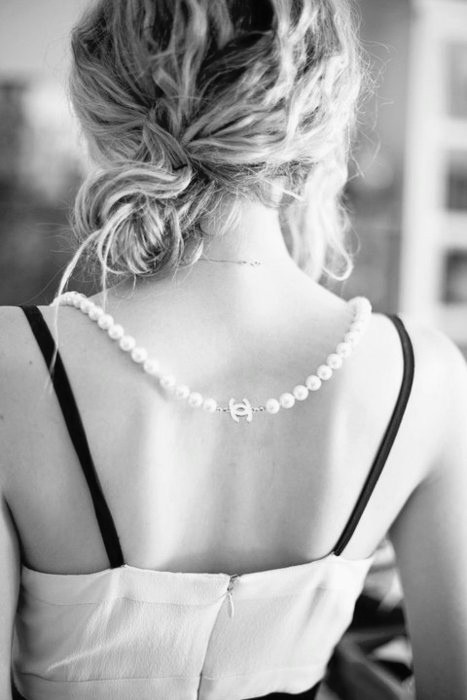
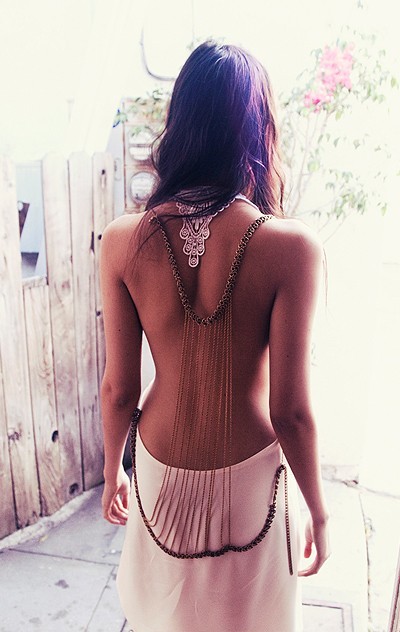
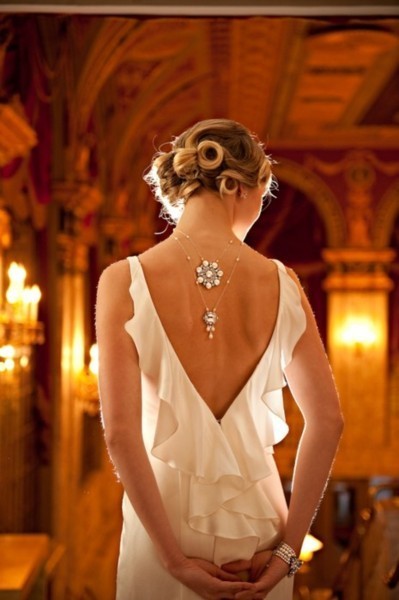
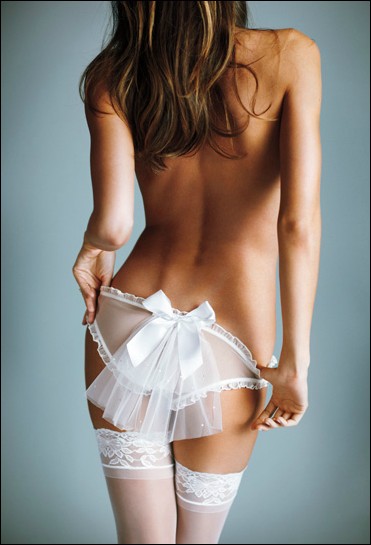
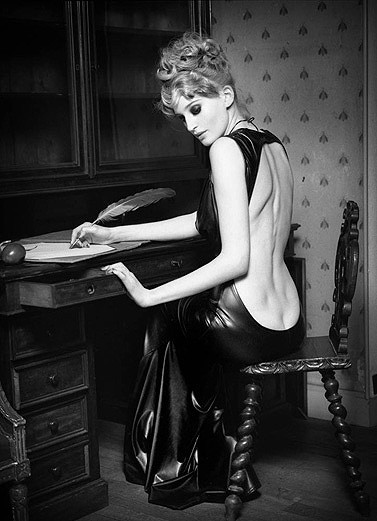
Before you click away, pick one image and name three decisions you can actually see: direction of the key light, where the crop lands, and how much of the room is allowed to exist around the figure. If you can answer those without sliding into empty adjectives, the photograph has done its quieter job—it has trained your eye on form, not on noise.

Comments
Continue reading
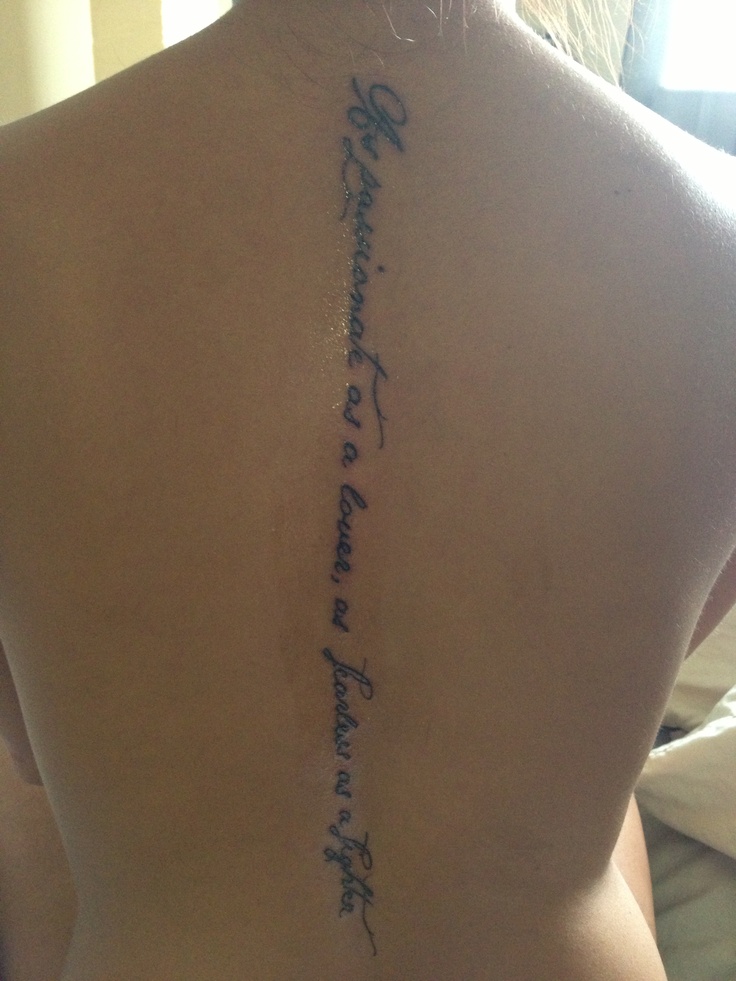
Spine and Back Tattoo Designs: Vertical Quotes and Back Canvas Ideas
How midline lettering and back pieces use a tall canvas—typography, clothing visibility, and consult planning—without medical claims.
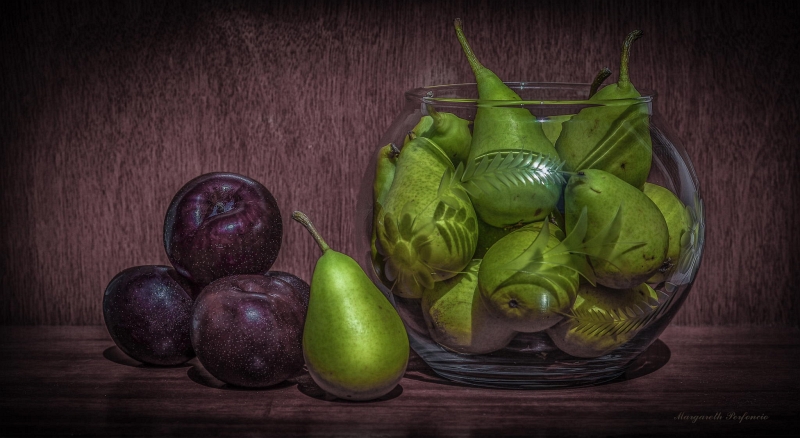
Still-Life Photography by Margareth Perfoncio
São Paulo photographer Margareth Perfoncio’s still lifes of food and flowers—Old Master light, dark wood, and tables that feel inevitable.
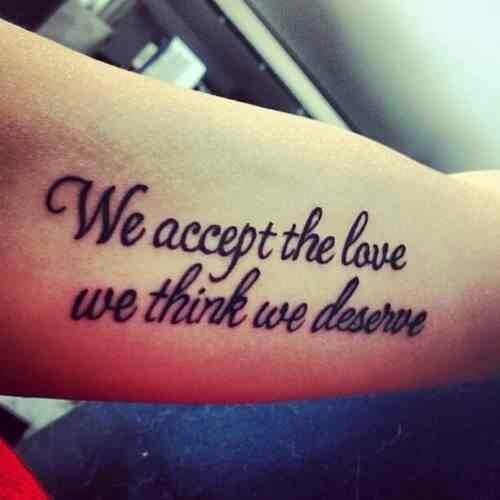
Meaningful Love Quotes for Inspiration (and Ink)
Meaningful love quotes that still feel true — short lines for tattoos, gifts, and everyday reminders, with placement and wording tips.