
Ursus Wehrli: The Art of Clean Up
Swiss comedian-artist Ursus Wehrli’s photo book turns everyday mess into deadpan grids and color sorts—tidiness as joke, labor, and gentle satire of control.
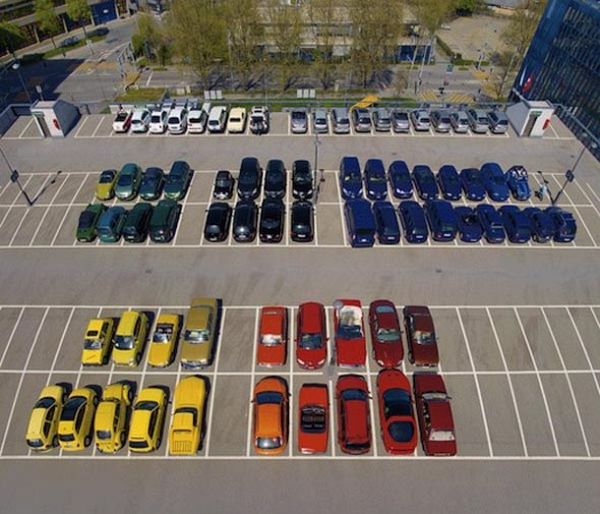
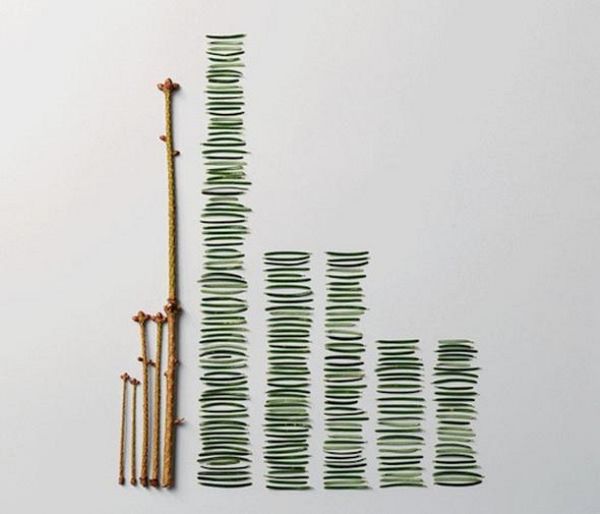
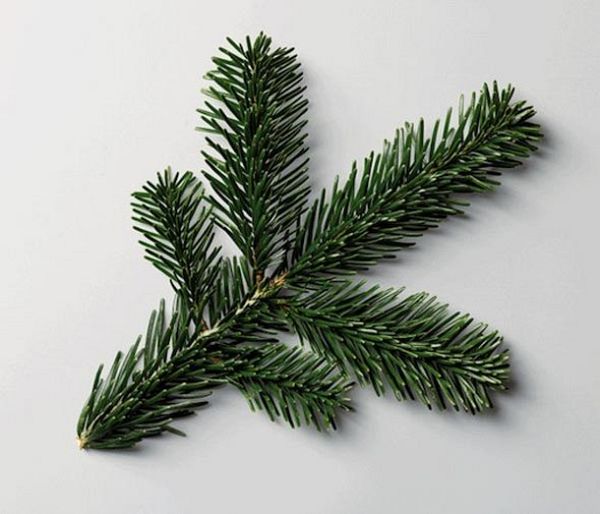
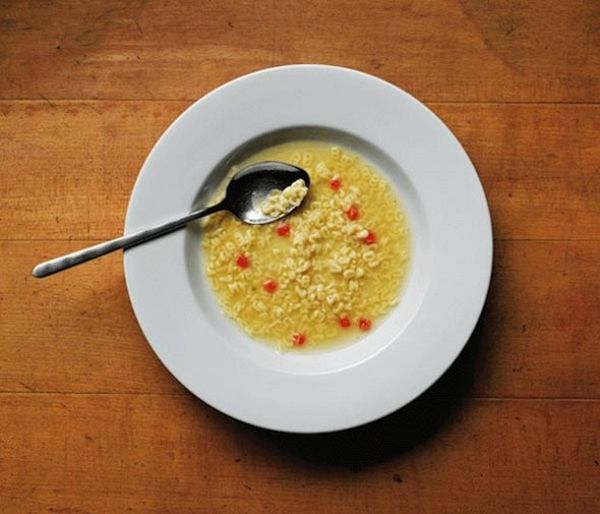
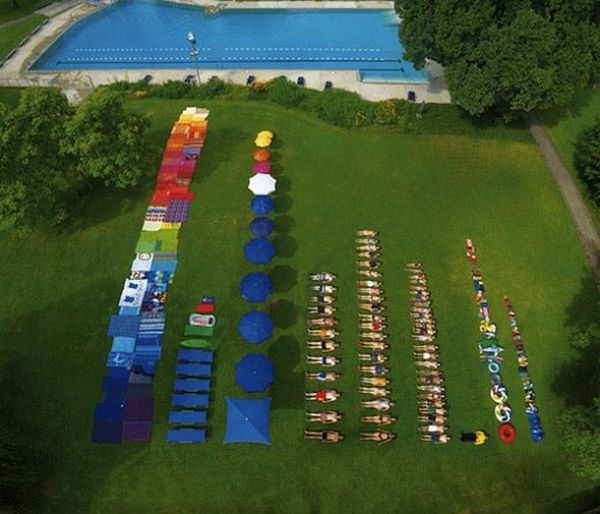
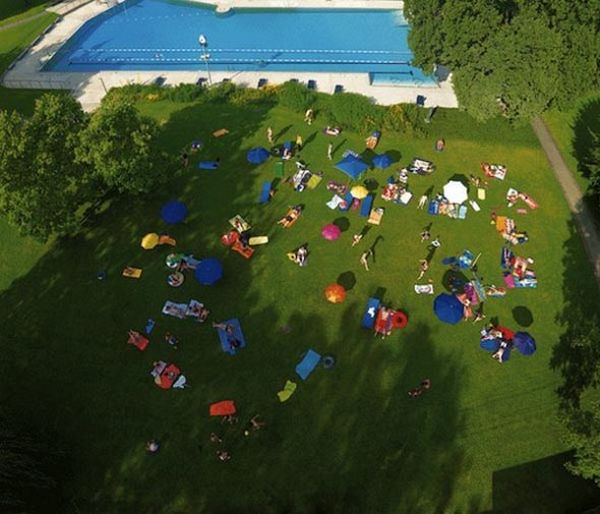
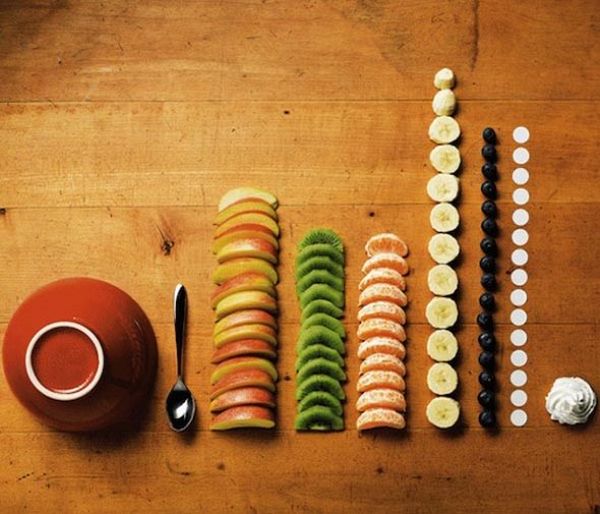
Swiss artist and comedian Ursus Wehrli treats tidiness as a punchline you can photograph. In The Art of Clean Up: Life Made Neat and Tidy—a wordless photo book that followed his earlier Tidying Up Art—he takes ordinary messes and “improves” them into grids, stacks, and color-sorted arrangements. Alphabet soup becomes alphabetical. Beach clutter lines up. Parking lots, snacks, and starfields get the same deadpan reorganization. The joke lands because the labor looks sincere and the results look slightly insane.
This gallery preserves Wehrli’s before-and-after logic as it circulated online around the book’s early life: bright photographs of everyday scenes remade by obsessive order. Credit the maker. The pleasure is his.
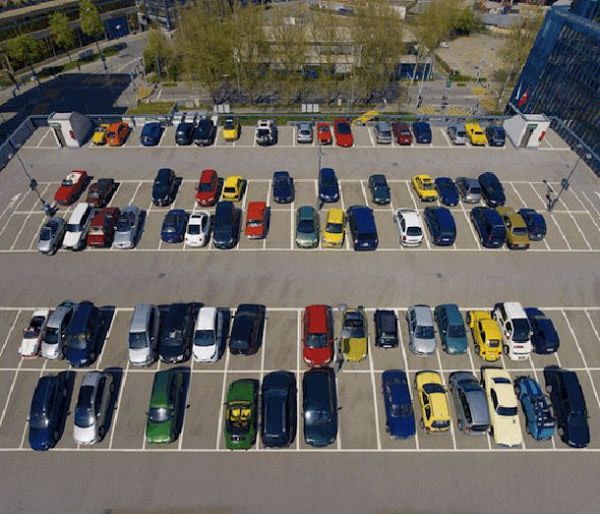
Comedy with a ruler
Wehrli’s public persona sits between cabaret and conceptual art. He is funny without needing captions because the photographs themselves perform the gag: chaos on one side of the idea, categorical order on the other. Viewers who love sorting—librarians, designers, anyone who has ever lined up pens by hue—feel recognized. Viewers who live in productive mess feel gently mocked. Both reactions are invited. The work is not a manifesto for minimalism. It is a satire of the longing for control.
That longing is human and slightly ridiculous. Life refuses grids. Soup letters float. Towels fall. Cars park where they park. Wehrli’s “cleanup” pretends the world consented to taxonomy. The photographs freeze that pretend world long enough for you to enjoy the lie—and then remember your own desk.
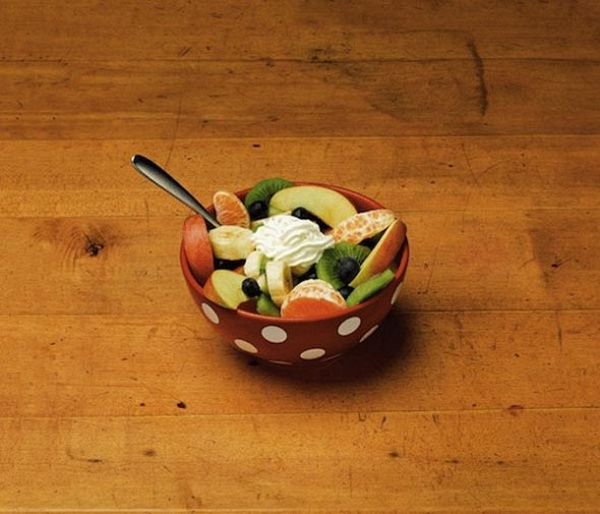
Important: the humor depends on recognizing the original disorder as normal. If Wehrli only showed perfect grids with no memory of mess, the project would look like sterile product photography. The cleanup is funny because you can still feel the before-state in your muscles—the scatter that had to be undone. Even when a single frame shows only the tidy result, the title and the series context supply the missing chaos. Your brain fills in the spilled version.
From tidying paintings to tidying life
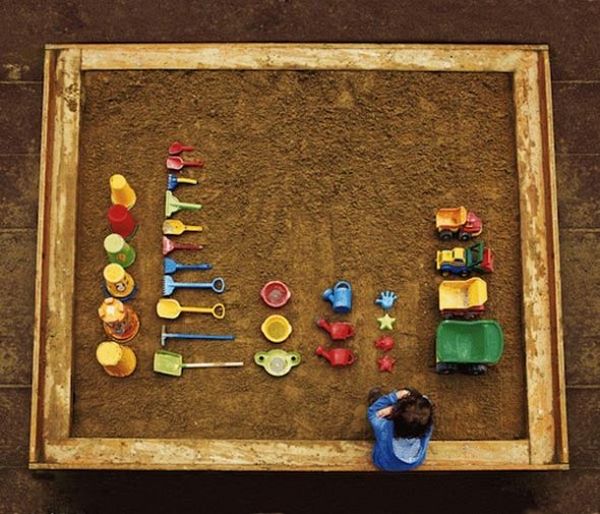
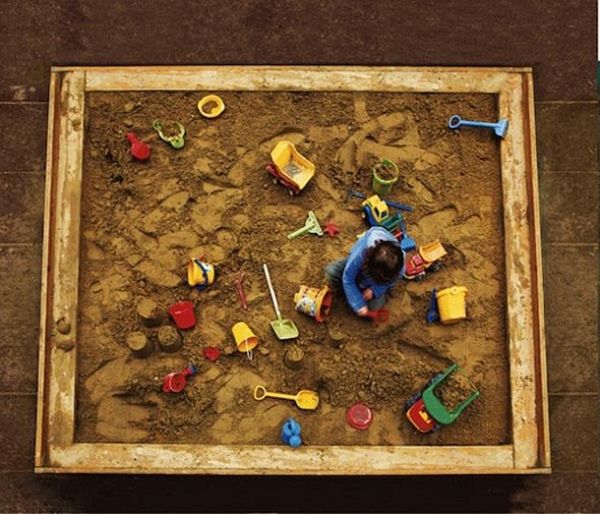
Tidying Up Art applied the same impulse to famous artworks: break a painting into its visual parts, then rearrange those parts into neat stacks and rows. The Art of Clean Up brings the method outdoors and into kitchens, beaches, and parking lots. The shift matters. Tidying a painting comments on how we look at masterpieces. Tidying a picnic comments on how we live. One is art history with a smirk; the other is anthropology with a sorting tray.
German audiences met the cleanup book early; English-language editions and blog features followed, spreading the images across design and culture sites. The spread worked because each diptych-like idea is instantly legible even without fluent German or a museum wall text. You see mess. You see order. You laugh, or you feel a weird calm, or both.
Rules that make the gag sharp
Wehrli’s best images follow clear internal rules: sort by color, by size, by shape, by type. Ambiguous rules produce weak jokes. Strict rules produce photographs that look almost bureaucratic—until you remember a human spent hours aligning pretzel sticks or rearranging a fruit salad into a chromatic parade. The labor is visible in the precision. That visibility is kindness to the viewer. You are not asked to invent the concept; you are asked to enjoy the execution.
Color is a frequent organizing principle because it photographs well and because it converts function into palette. A grocery basket sorted by hue stops being “shopping” and becomes a swatch book. People in a scene can stay where they are while their objects reorganize around them—life continuing while taxonomy takes over the props. The dissonance is the point.
Looking at the gallery as a set of experiments
Read these frames as experiments with different scales of order. Some cleanups feel intimate—food, small objects, tabletop chaos made into rows. Others feel civic—public spaces and group scenes pressed into temporary geometry. The intimate ones flatter the neat-freak fantasy. The civic ones expose how odd it would be if cities obeyed a comedian’s sorting key. Together they sketch a world where everything could be filed, and then ask whether you would want to live there.
Photography is essential to the joke. Drawing the same idea would look like illustration. The camera insists these arrangements existed in physical space, under real light, with real edges touching. That documentary tone makes the absurdity sharper. You believe the labor. Therefore you believe the comedy. Bright, even lighting in many frames helps too: nothing hides in moody shadow; the order is offered as plainly as a receipt.
What the book withholds on purpose
Presented largely without explanatory text, The Art of Clean Up refuses to lecture. You are not handed a theory of order, a productivity system, or a shopping list of organizing products. The photographs do the arguing. That silence is strategic. Captions would flatten the gag into explanation; explanation kills timing. Wehrli trusts visual intelligence the way a good stage comedian trusts a pause.
The wordless approach also travels well across languages—one reason the images moved so easily through international design blogs when the book was new. You do not need a translation to understand that the beach towels have been drafted into a regiment, or that food has been reassigned from appetite to spectrum.
Why the neatness still charms
Design blogs loved these pictures because they sit at the intersection of graphic order and human foible. They are also gentle. Nobody is harmed by a sorted salad. The critique of control-freak culture arrives wrapped in delight. In an era thick with productivity theater and aestheticized decluttering, Wehrli’s project remains usefully ambiguous: is he celebrating order, or roasting it? The safest answer is yes.
Leave the set with Wehrli’s name attached and with one private experiment if you like: photograph one small mess on your table, then spend twenty minutes making it obey a single rule—color only, or size only. Compare the two frames. You will understand the book’s labor in your wrists, and you will understand the joke in your hesitation when it is time to mix the objects back into life.

Comments
Continue reading
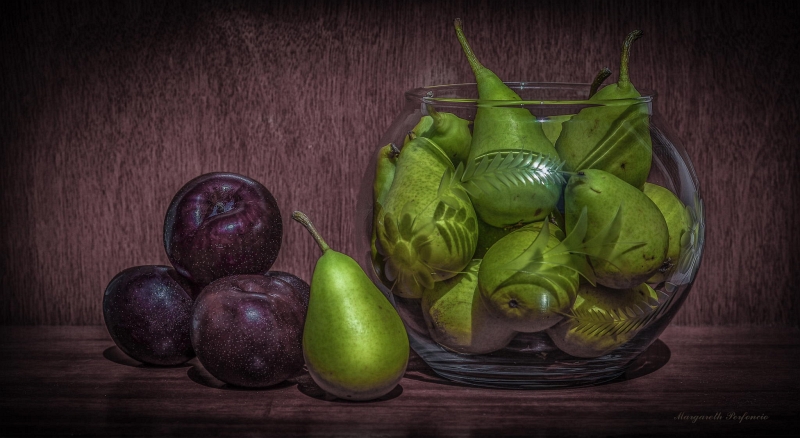
Still-Life Photography by Margareth Perfoncio
São Paulo photographer Margareth Perfoncio’s still lifes of food and flowers—Old Master light, dark wood, and tables that feel inevitable.

Meaningful Love Quotes for Inspiration (and Ink)
Meaningful love quotes that still feel true — short lines for tattoos, gifts, and everyday reminders, with placement and wording tips.
Christina Hess’s Animals From History: Costumed Pets as Playful Portraits
Illustrator Christina Hess reimagines historical icons as ornate animal portraits—Elvis Petme and friends—mixing puns, costume detail, and soft history lessons.