
Jasper and Zoey: Baby-and-Rescue Portraits by Grace Chon
Grace Chon’s short, gentle sessions of ten-month-old Jasper and Taiwan rescue Zoey in matching outfits—patience, craft, and viral tenderness without the hard sell.
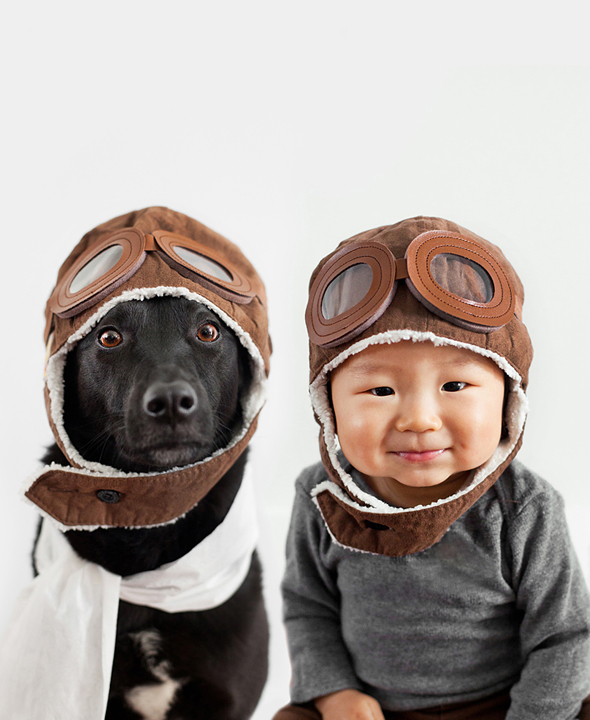
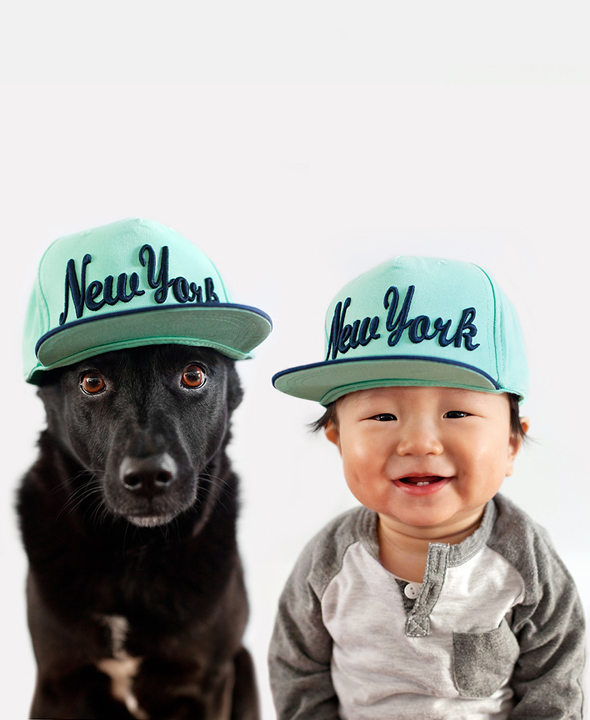
Some photograph pairs do not need a manifesto. A baby and a dog, sitting side by side in matching hats, already tell a story about trust, patience, and the small theater of family life. Jasper and Zoey became one of those pairs: a ten-month-old child and a seven-year-old rescue mutt, photographed by Los Angeles commercial photographer Grace Chon for a Tumblr series that traveled far beyond the living room where it began.
Period coverage in 2014 described Jasper as Chon’s son and Zoey as the family’s rescue dog from Taiwan. Everyday props—beanies, bows, scarves, silly costume pieces—turned ordinary afternoons into miniature fashion sittings. The mother behind the camera had long dressed her dogs for fun; after Jasper arrived, baby hats migrated onto canine heads, and a sister’s suggestion to seat them together became a project with its own rhythm.
Why this duo lands differently
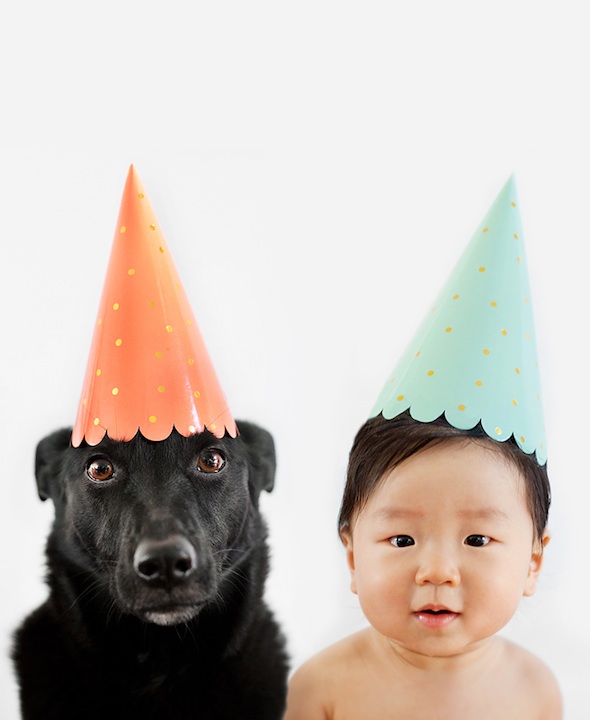
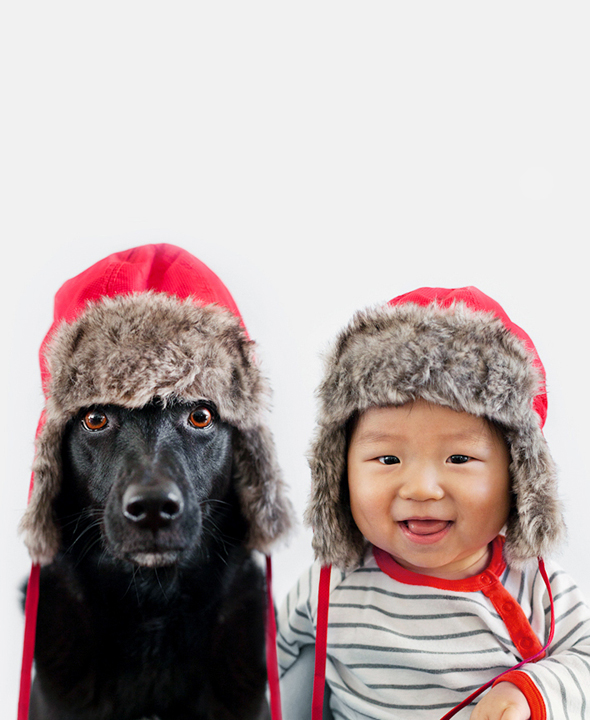
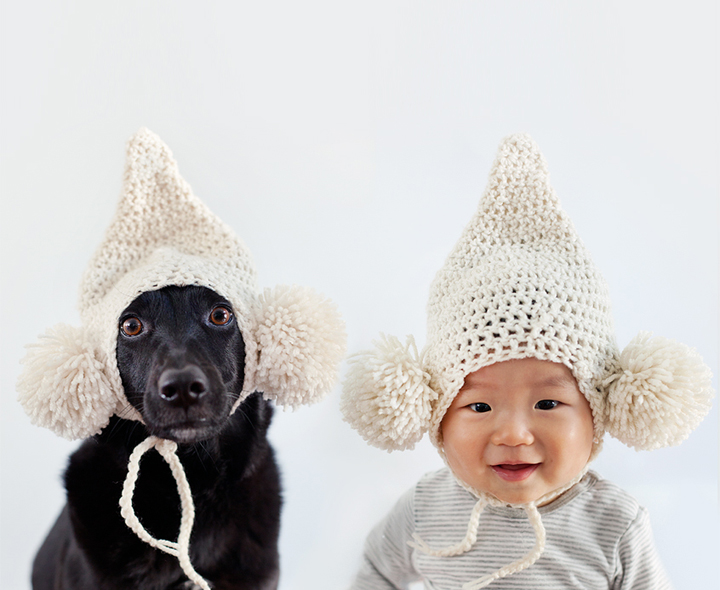
Internet culture has always loved baby-and-pet images. What separates a disposable scroll moment from a series people return to is specificity. Jasper’s expression tends toward open delight; Zoey’s toward calm, slightly shy composure. Together they read as partners rather than props. Matching outfits amplify the comedy without erasing species difference: the dog remains a dog, the baby remains a baby, and the shared costume becomes a temporary costume drama both can leave behind after ten minutes.
Chon has described Zoey as shy after a difficult early life as a mistreated rescue in Taiwan. Warming up to Jasper took months. The household waited for Zoey’s cue—an eventual belly roll that invited petting—rather than forcing closeness for a camera. That patience shows in the pictures. Zoey is not mid-struggle. She sits. She wears the hat. She looks like a participant who has agreed to the game.
Jasper, by contrast, was already camera-fluent. Chon noted that he smiled for photographs from early on and that sessions stayed short—often under five to ten minutes—so crawling and exploring could resume. Speed matters ethically and practically. Fast shooting protects a baby’s patience and a rescue dog’s comfort. The resulting stills look relaxed because the work was designed to end before anyone needed bribing into endurance.
Costume as confidence, not spectacle
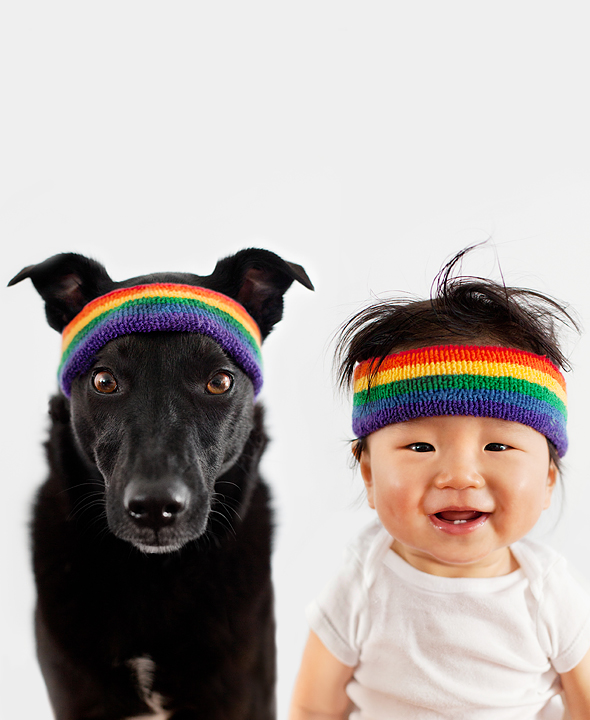
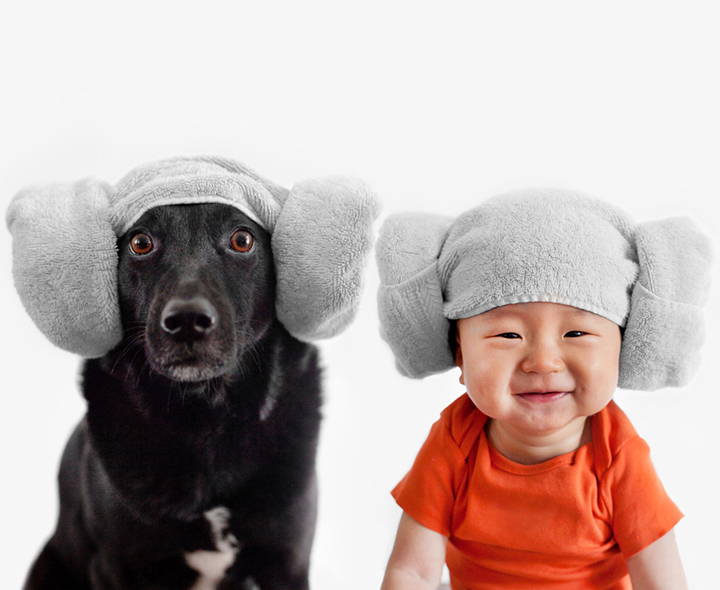
Dressing animals for photographs can tip into mockery. Here the tone stays affectionate. Chon has said Zoey surprised her by taking to clothing, even doing a “happy dance” when props appeared, and posing without the treat economy many dog photographers rely on. Whether clothes truly build confidence is a subjective claim; what the images show is cooperation. The dog’s posture is steady. The accessories sit lightly. Nothing in the frames suggests panic or restraint beyond ordinary portrait sitting.
For Jasper, costume is play. Hats and coordinated colors turn photo time into a game with a clear ending. The series does not invent a fictional narrative about talking pets or celebrity babies. It invents a recurring visual joke: two family members, one human and one canine, wearing the same kind of silly thing and looking at the same lens.
Reading a commercial eye inside a home project
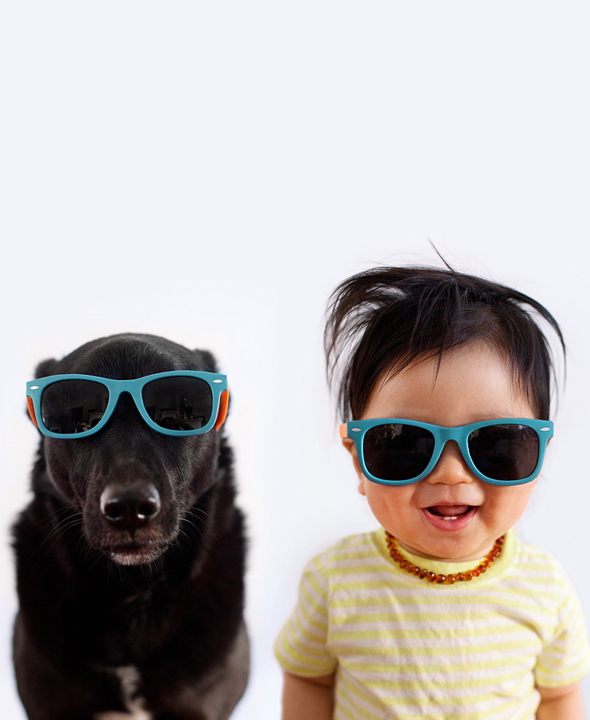
Chon’s day job as a pet and lifestyle photographer matters. Soft light, clean backgrounds, and timed expressions are not accidents of a phone dump. Even when the subjects are her own child and dog, craft remains: framing that balances two heights, colors that rhyme without shouting, and enough negative space for the pair to feel monumental rather than cluttered.
That craft is why the series survived virality. Mashable, HuffPost, PetaPixel, and similar outlets circulated the images in 2014 because the pictures hold up as portraits, not only as cuteness bait. Virality often flattens authorship; returning to the frames restores it. Someone chose the hat. Someone waited for Zoey’s comfort. Someone clicked at the moment both faces settled.
Rescue history without turning Zoey into a mascot
Zoey’s backstory—rescued from a harsh start in Taiwan, fostered, then adopted—adds gravity without needing melodrama in every caption. Knowing it changes how you read her stillness. A shy rescue who eventually becomes “big sister,” first to Jasper’s room in the morning, is not a cartoon sidekick. She is an animal with a nervous system that had to learn a home.
Tasteful presentation means resisting the urge to narrate every frame as redemption theater. The photographs already show affection. Over-explaining can make the dog a symbol and the baby a prop. Better to let the side-by-side compositions do the work: equal seating, shared costume language, and a camera that treats both as subjects worthy of care.
What home photographers can borrow—and what they should not
If these images inspire your own family shoots, borrow the ethics first: short sessions, voluntary participation, and costumes that come off the moment play ends. Borrow craft second: consistent light, simple backgrounds, and one clear joke per frame. Do not borrow the internet’s pressure to escalate—more props, more brands, more forced “content.” Jasper and Zoey work because the idea stays small and repeatable.
Also respect privacy boundaries that virality erodes. A parent may choose to share a child’s face widely; viewers do not need to demand more ages, schools, or schedules. The public gift is the portrait series, not an ongoing claim on a family’s private growth.
A series about matching, not merging
Look again at the gallery as a sequence of outfits rather than a single viral meme. Each pairing invents a new temporary identity—weekend explorers, holiday twins, soft-color companions—while keeping the same compositional contract: two beings, one frame, shared silliness. The Chinese-Korean and Taiwanese threads of the household story, as older write-ups sketched them, sit quietly under that contract. What the camera records is simpler: a child and a dog who learned each other, and a photographer who knew when to stop.
Leave these pictures with a quieter ambition than “more cute content.” Notice how little time a good portrait sometimes needs, and how much trust it assumes. Jasper’s smile and Zoey’s patience are not interchangeable internet stickers. They are a family collaboration, timed in minutes, remembered in stills—and still gentle enough to look at without needing a punchline louder than the hats.

Comments
Continue reading

Dramatic Photo Art by Sukron Ma’mun (Ipoenk Graphic)
Cirebon, Indonesia photographer Sukron Ma’mun uses theatrical natural light to frame village life, play, and place in lyrical photo art.
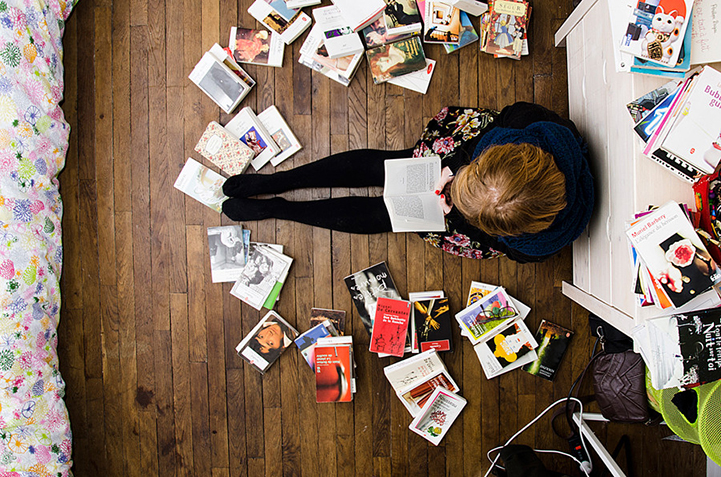
Bird’s-Eye Views: Florian Beaudenon’s Instant Life
Paris photographer Florian Beaudenon’s Instant Life series captures people in their rooms from above—intimate, collaborative overhead portraits of everyday joy.
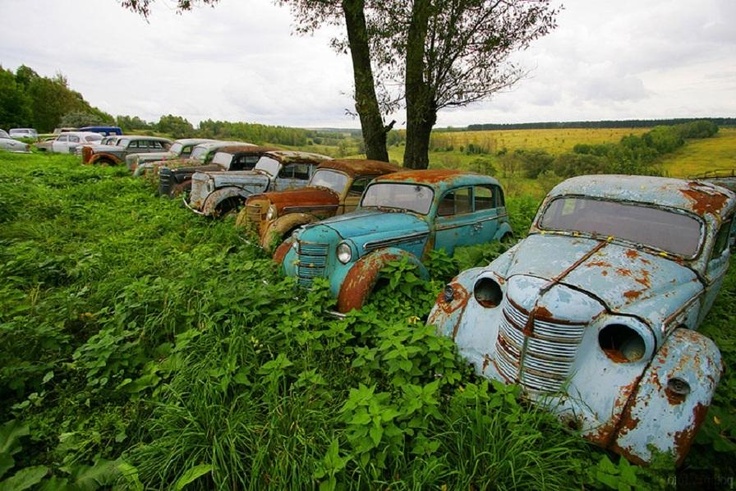
Abandoned Cars Reclaimed by Nature: Rust, Growth, and Quiet Ruin
When neglected vehicles are left outdoors long enough, rust, moss, and trees rewrite them into strange still lifes—sad, photogenic, and slowly returning to the ground.