
Men’s Summer Street Style: Heat, Ease, and Clean Outlines
Warm-weather menswear from the street—breathable shirts, tailored shorts, honest shoes, light layers, and a small capsule that survives city heat.
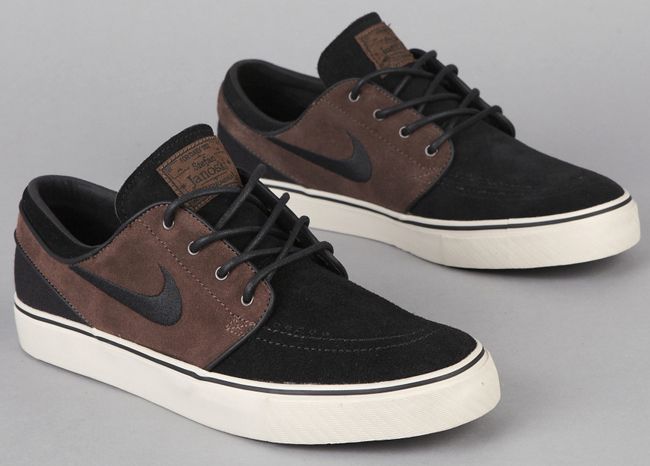
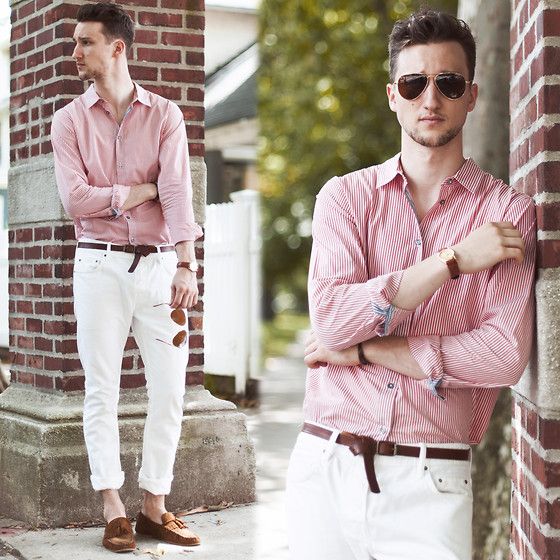
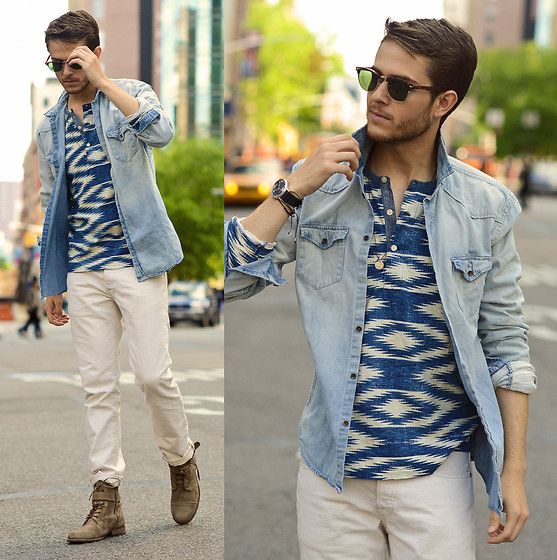
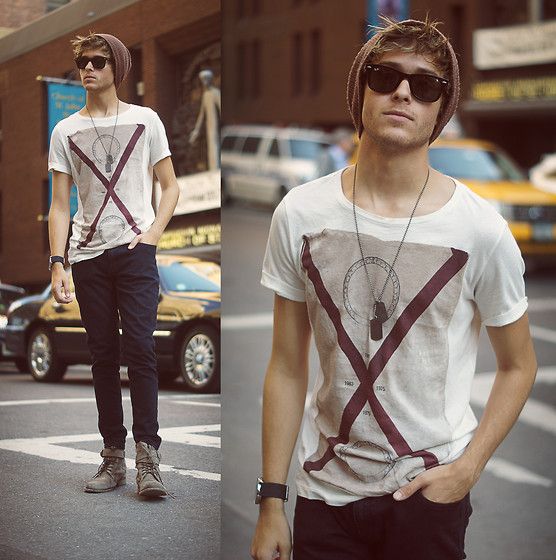
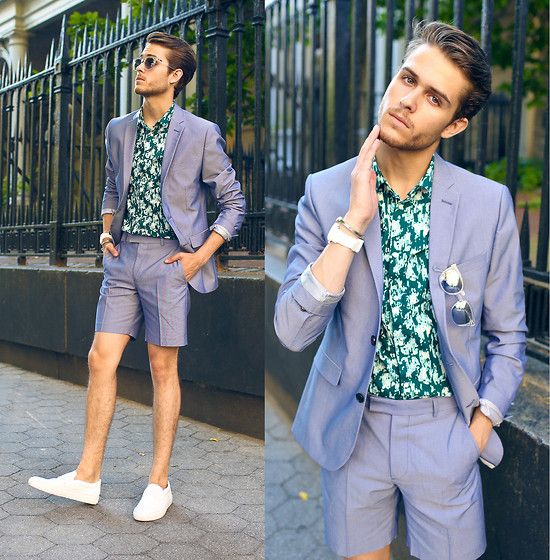
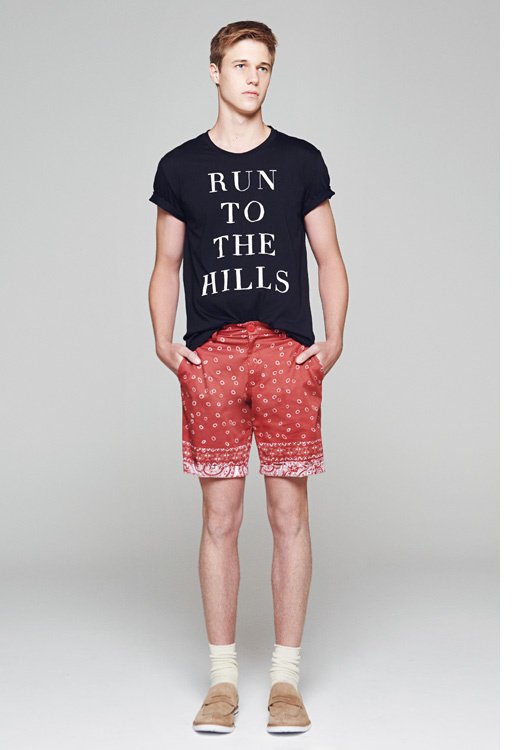
Summer menswear on the street is a negotiation with heat, not a runway transplant. By August, designers may already be showing autumn, but people walking between offices, cafés, and evening plans still have to dress for humidity, bright light, and shoes that survive pavement. The looks gathered here come from that real-weather layer of style—early-2010s summer street fashion for men—when shorts got sharper, shirts got lighter, and accessories carried more of the personality once coats disappeared.
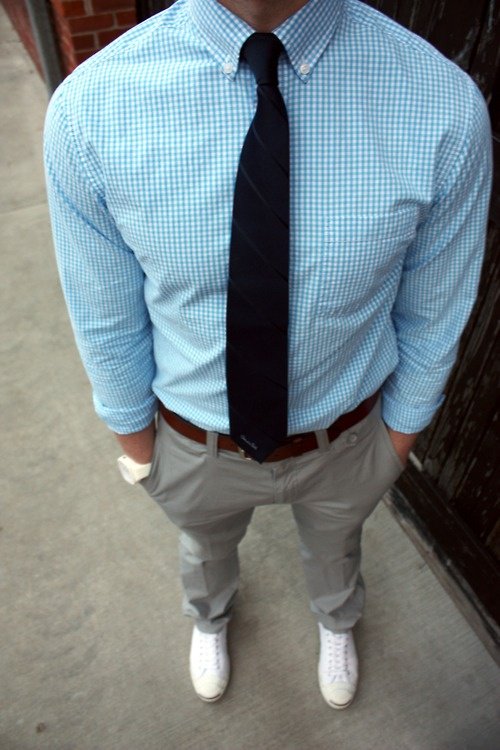
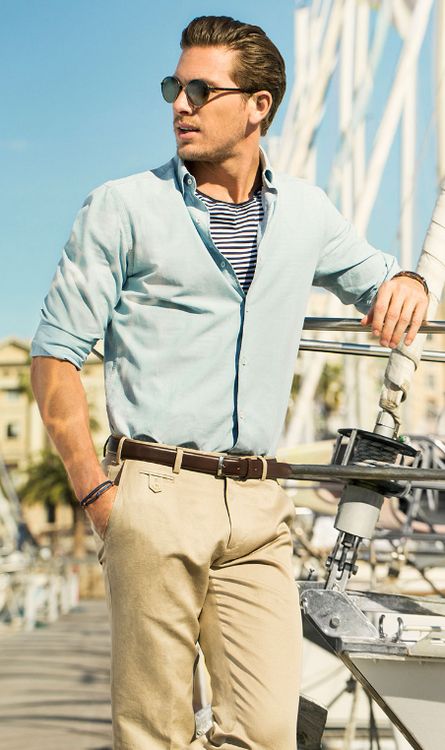
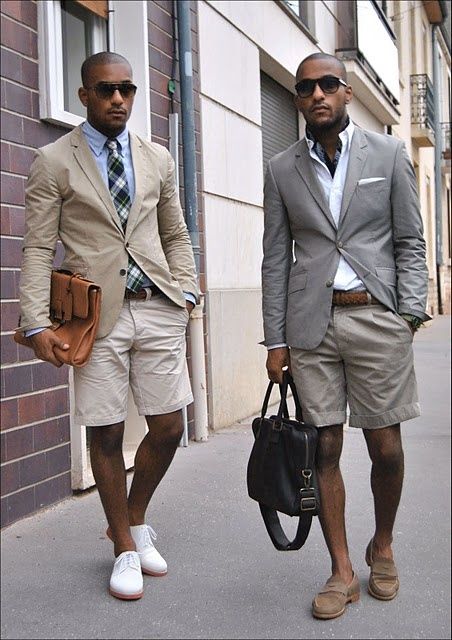
Treat the gallery as a field guide. Note proportions, fabric weight, colour under harsh light, and how a simple outline stays intentional after a long afternoon. Steal formulas, not costumes.
Heat rewrites the silhouette
Winter menswear can hide inside coats and heavy denim. Summer cannot. Soft shoulders, slight ease through the torso, and trousers or shorts that move air look more deliberate than fabric glued to skin. Skinny cuts in thick cotton become heat traps and photograph as strain by mid-afternoon. A clean taper still works; a vacuum seal rarely does once humidity rises.
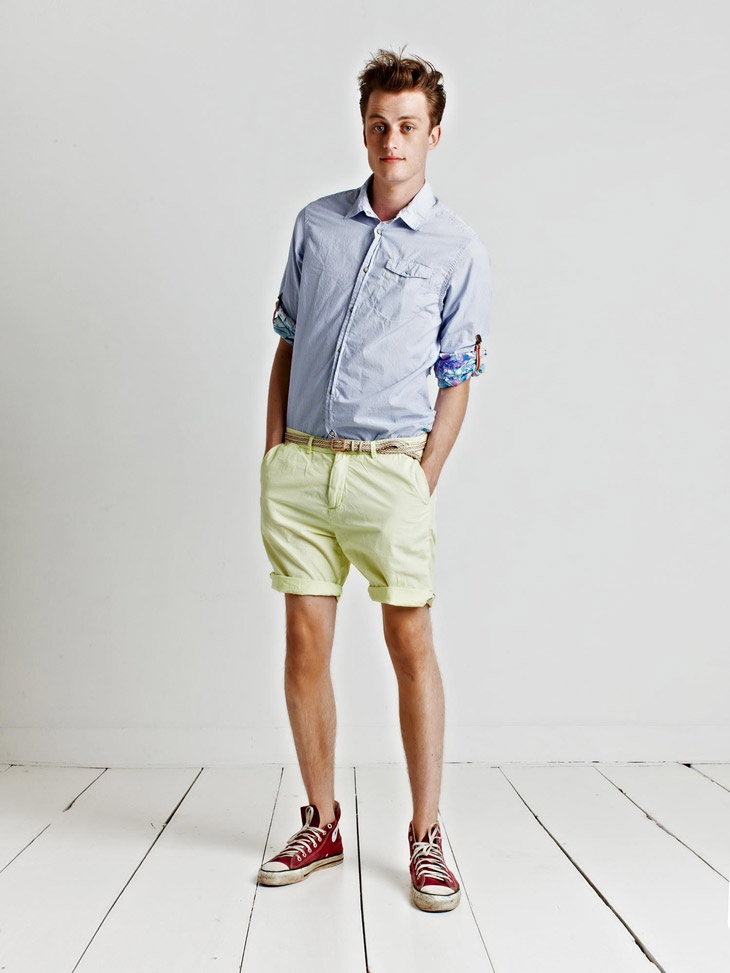
Length is a quiet decision with loud results. Shorts that hit near the knee or just above often look more urban than ultra-short cuts that force the rest of the outfit into beach mode. Cropped trousers show ankle and sock choice—own that on purpose rather than by accident. Full-length linen trousers need a break over the shoe that looks intentional, not puddled into accordion folds that scream “I gave up.”
Colour behaves differently in hard light. Pale tones reflect heat visually and often feel cooler, but they show sweat and city grit. Dark cotton can still work if the cut is open and the fabric is truly light. Mid-tones—stone, olive, washed blue, soft rust—often win for commuting weeks because they balance temperature optics with practicality. One bright accent is usually enough; heat already provides drama.
Shirts, knits, and the open collar
The summer shirt is the engine of most good street looks. Camp collars, soft spreads, and short sleeves in cotton, linen, or light viscose blends move better than stiff formal oxfords built only for air-conditioned offices. Untucked can look sharp if the hem hits mid-fly and the fabric has body; untucked and billowing reads unfinished, especially in wind.
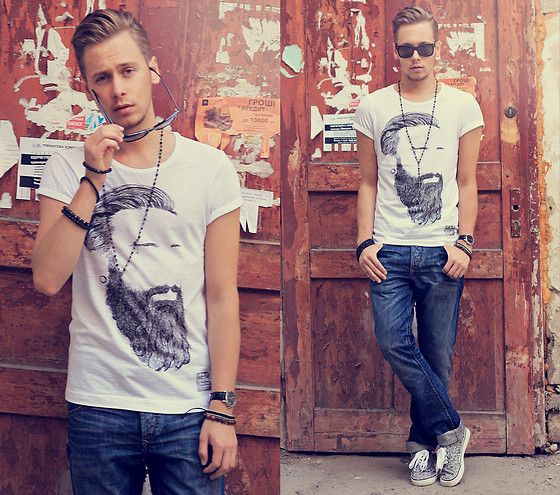
Polos earn their keep when the collar sits clean and the fit is not painted on. Fine-gauge short-sleeve knits add polish without a tie. White tees still work as a base, but they advertise every crease and sweat map—choose a weight that holds shape and keep a spare if your day includes transit plus dinner. Grey and soft navy tees hide more and often photograph calmer.
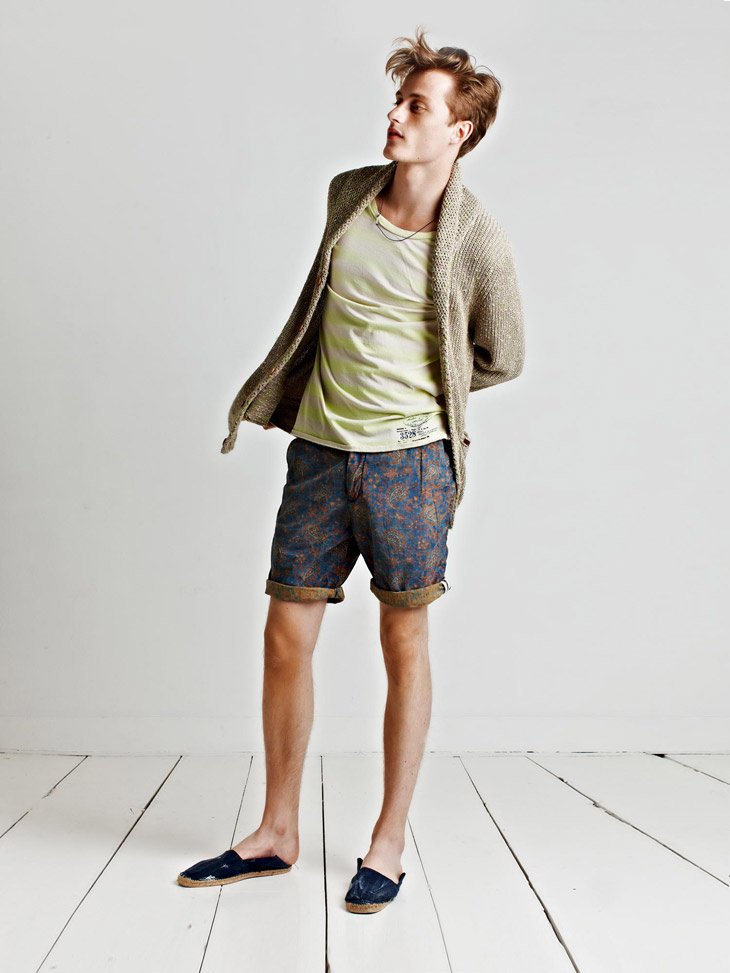
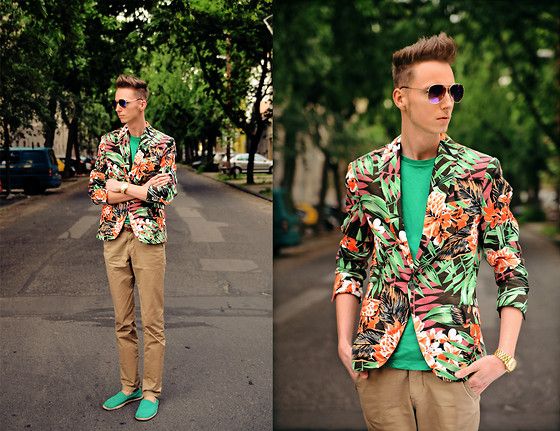
Prints belong in summer, yet one print per outfit is usually enough. A patterned shirt with plain shorts beats pattern-on-pattern unless you are deliberately chasing clash. Stripes, small geometrics, and washed florals from that early-2010s moment still teach the same lesson: colour and pattern can carry personality when the cut stays simple. Roll sleeves with care; a messy cuff under harsh light looks accidental.
Shorts, trousers, and denim when the air is thick
Tailored shorts in chino cloth or lightweight wool-blend fabrics raise the formality of a tee or polo. Cargo pockets and boardshort nylon push the look toward leisure—fine for weekends, harder next to a structured bag and leather shoes. Match the shoe to the short: clean sneakers or loafers for city shorts; sport sandals only if the whole outfit accepts that language without apology.
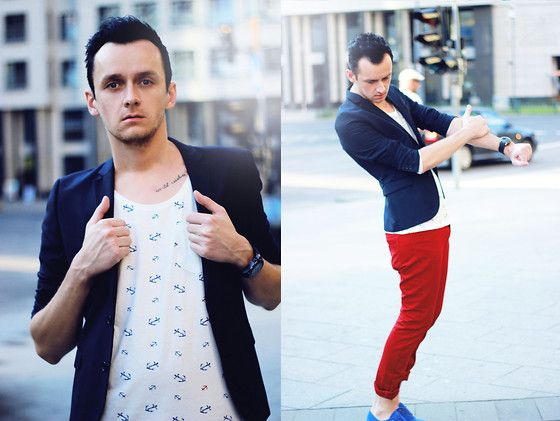
Lightweight denim and cotton trousers in stone, olive, navy, and washed blue survive summer better than raw rigid jeans. Roll cuffs carefully; a messy fold looks accidental under bright light. Linen wrinkles—that can be charm if the cut is generous and the colour is confident. Pressed linen with a terrified-of-creases energy usually loses the fight by lunch. Soft drawstring trousers can work for casual days if the top half stays sharper; pajama energy on both halves rarely reads as street polish.
Belts should match the formality of the shoes more than the mood of the shirt. A battered canvas belt under a crisp camp collar shirt creates noise. Sometimes no belt and a clean waistband is the quieter answer.
Shoes, bags, sunglasses, and portable polish
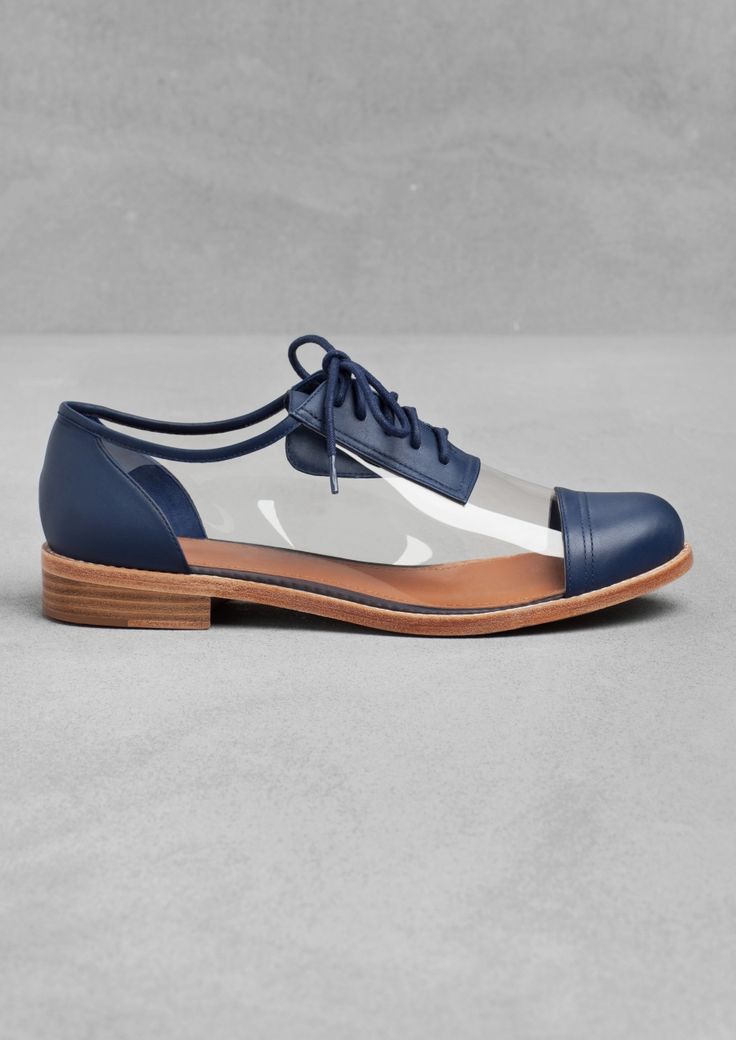
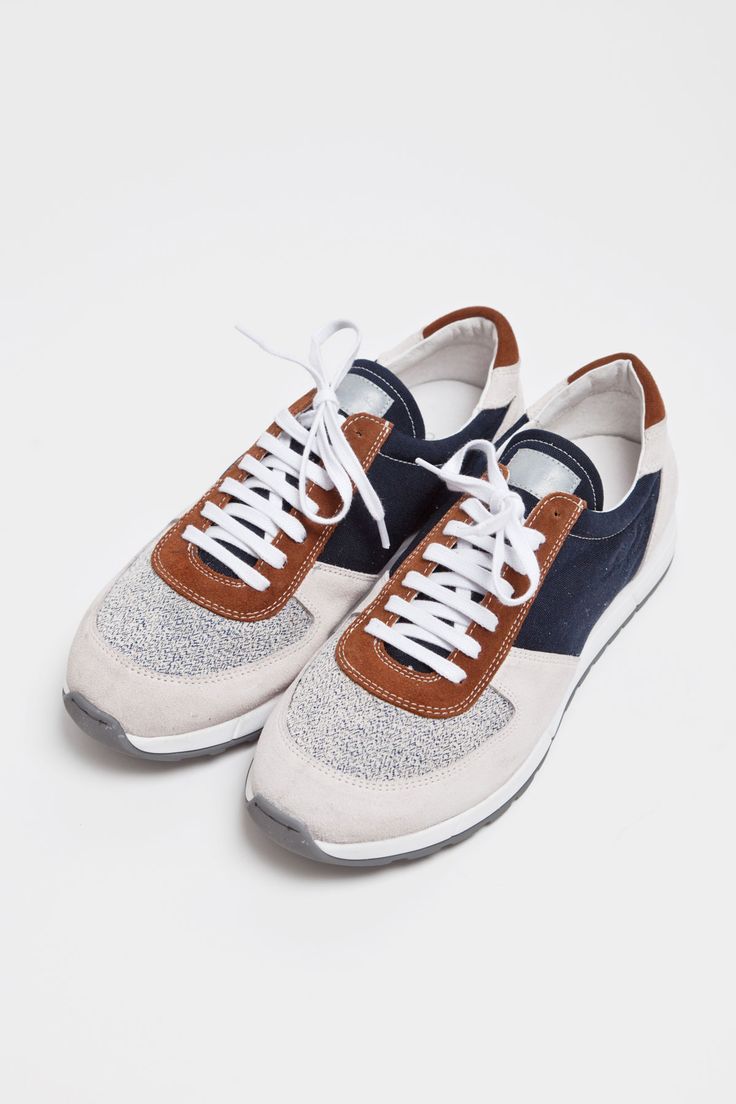
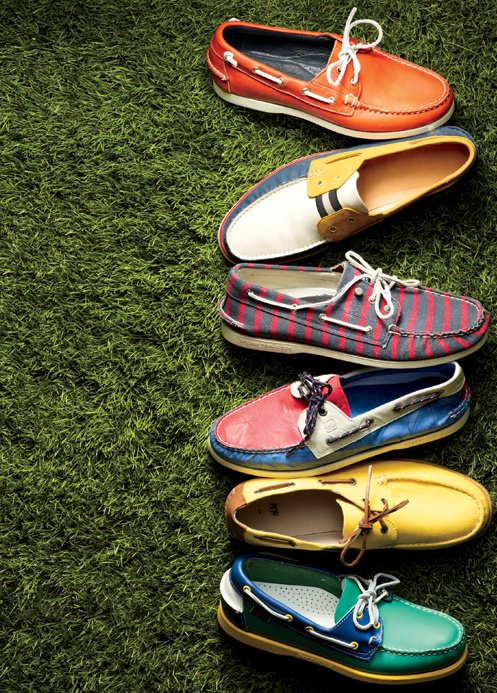
Summer footwear fails more outfits than shirts do. Dusty sneakers, collapsing flip-flops, and scraped loafers all announce themselves in daylight. Clean white or minimal sneakers remain the default city answer. Leather sandals can look intentional with tailored shorts if the rest of the look is edited. Boat shoes and loafers without socks suit some climates and some offices—blister reality varies, so test on real walking days before an important week.
Socks, when visible, should be a decision: no-show that stay put, or a short sock with colour that finishes the ankle. Socks that slide into the shoe and leave a sweaty ring at the collar of the shoe ruin otherwise good proportions.
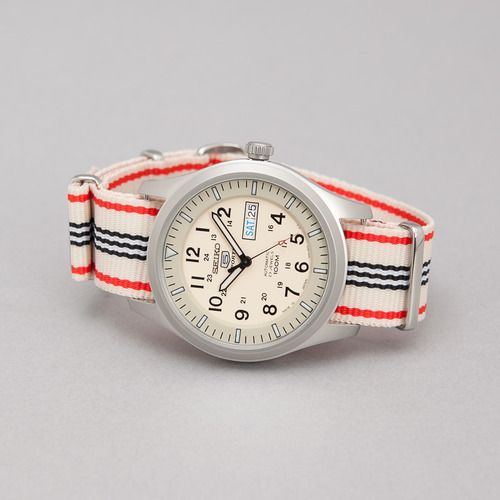
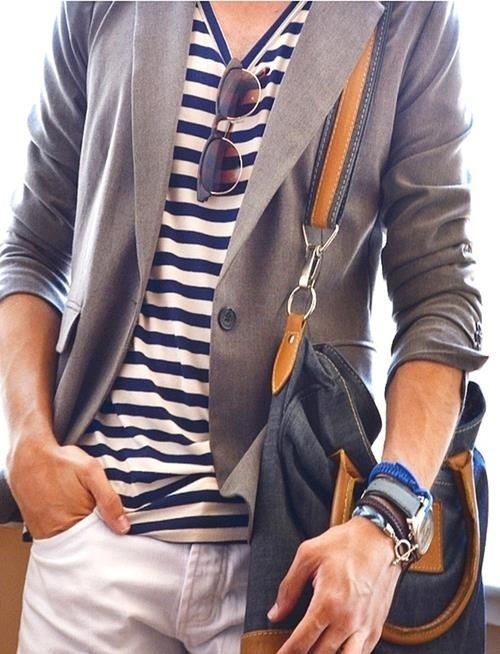
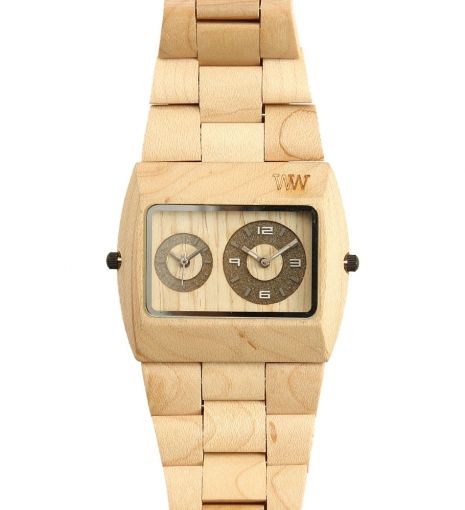
Bags should not become heat packs against your ribs if you can help it. A light backpack, crossbody, or structured tote that switches shoulders helps. Sunglasses are both tool and punctuation; scratched lenses undercut an otherwise sharp fit. Watches and simple bracelets finish wrists that summer sleeves leave exposed. Edit jewelry; three competing metals at the wrist read like clutter in close photos.
Layering when the street is a furnace and the room is a fridge
City summer is bipolar. Outside: heat radiating off pavement. Inside: aggressive air conditioning. A single light layer—an unlined blazer, an open overshirt, a fine cardigan—solves the swing if it looks good on and acceptable carried over an arm. Avoid winter-weight denim jackets as all-day armor unless evenings are truly cool; they become punishment by midday.
Build removable systems: a base that stands alone, a layer that elevates, shoes that match both states. If the base only works under the jacket, you will overheat rather than edit. If the layer only works as a prop, you will freeze through dinner. Test the system on a commuting day, not only in a bedroom mirror at 8 a.m. when the air still feels forgiving.
Grooming shows more when fabric shows more. Clean nails, managed hair in humidity, and clothes that are actually clean matter when there is less wool to hide behind. A wrinkled linen shirt can look chic; a stained one just looks neglected.
A small summer capsule that covers most city days
You do not need a new personality every June. Two pairs of breathable trousers, one sharp short if your life allows it, three shirts that layer, two polos or tees that hold shape, one light jacket, two shoe options, and one bag will cover most city summers. Add one pattern piece for days that need lift. Rotate and wash ruthlessly; summer multiplies odor and collar rings faster than winter wool ever did.
Read street photographs the way stylists do: hem length against sneaker volume, tucked versus untucked ratios, how a neutral column makes one bright object enough. The gallery is a set of solved equations under sunlight. Copy the math—ease, fabric, editing—not every logo or trend spike from the year the shutter clicked.
Separate resort clothes from street clothes mentally even when they share a closet. Sheer vacation shirts and ceremonial sandals that only need to walk from pool to dinner do not automatically translate to subway stairs. Borrow colour and ease from holiday looks; keep footwear honest for pavement.
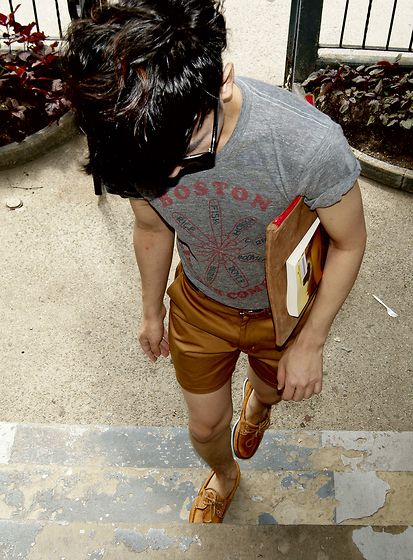
Plan for the hottest stretch of pavement on your route, then keep one layer ready for the coldest room you will enter. When fabric breathes and the outline stays clean after three hours outdoors, summer street style stops reading like endurance and starts reading like taste.

Comments
Continue reading
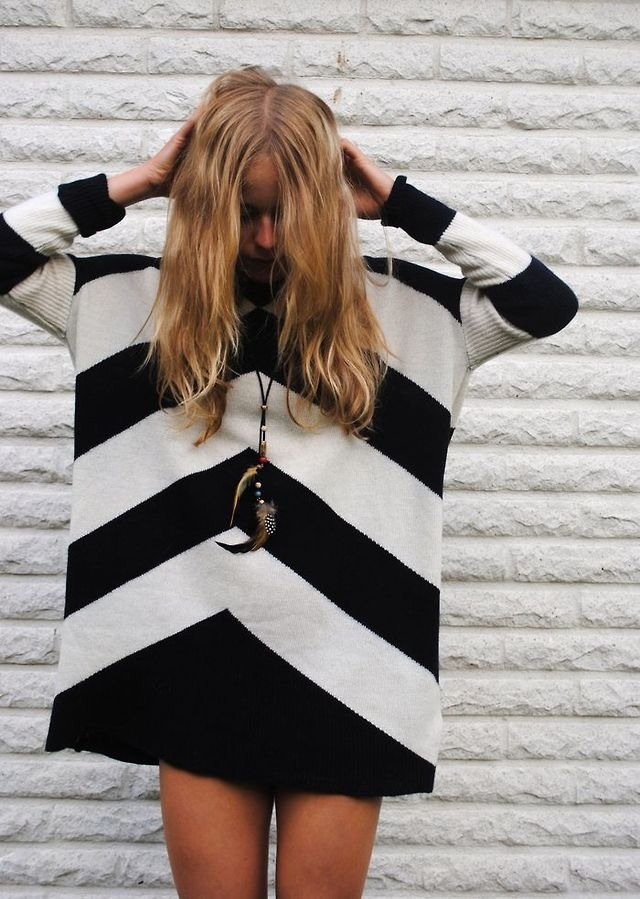
Street Style Stripes: Rhythm, Scale, and Colour Partners
How to wear stripes as personal style tools—scale, direction, mixing patterns, and colour partners that keep graphic looks intentional.
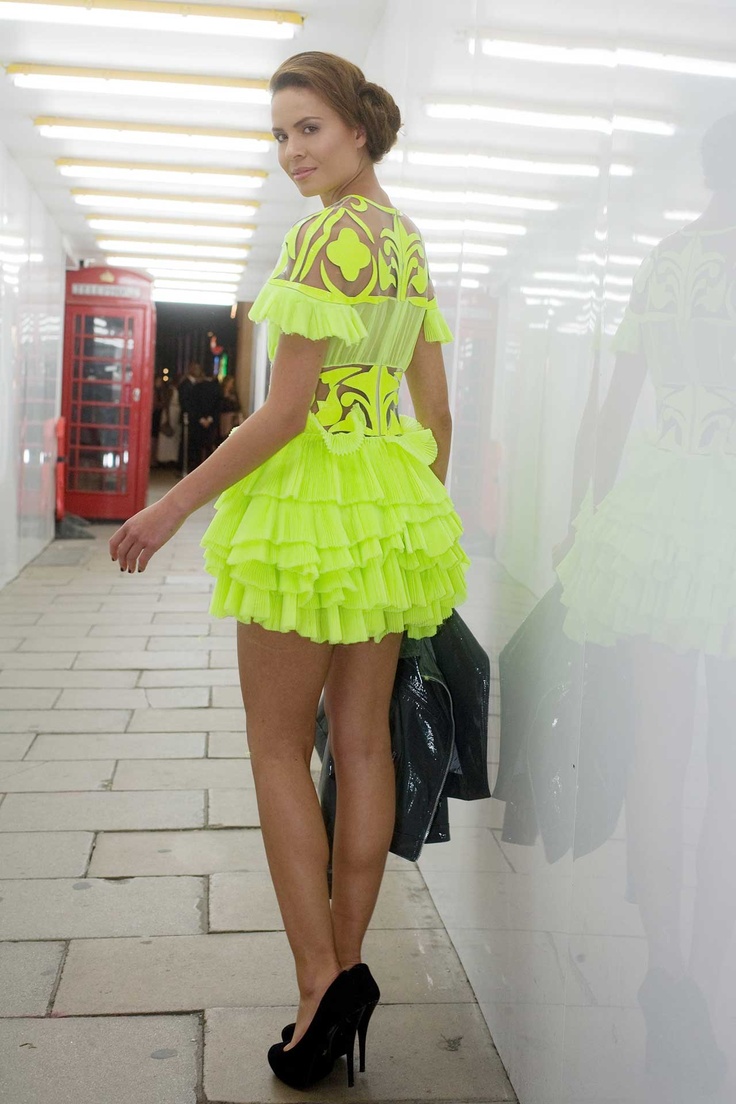
Street Style Neon Colours #2: Night Heat Voltage
A second neon chapter for warm evenings and artificial light—signal colour in crowds, shine after dark, and heat-ready saturation instead of spring thaw accents.
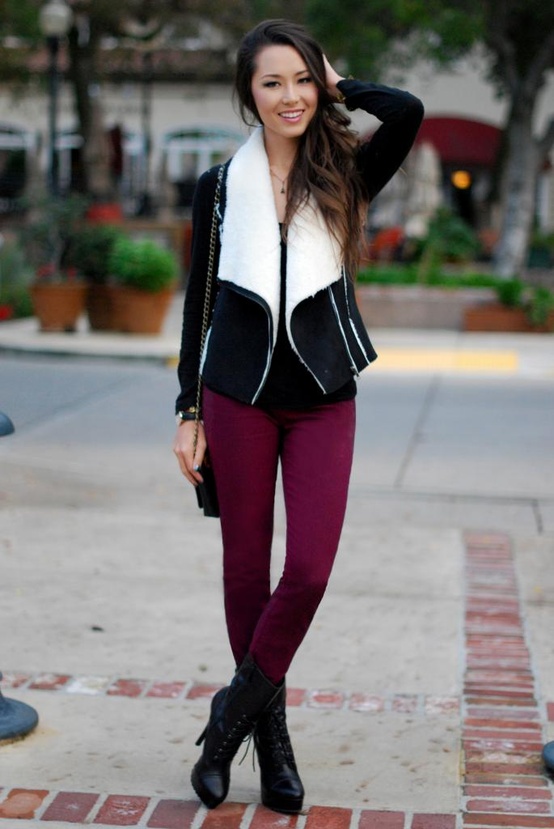
Global Street Style #3: Color, Warm Climates, and Hero Accessories
LA, Mediterranean, and Rio-spirited street looks where bags, shoes, sunglasses, and jewelry lead the silhouette instead of heavy coats.