
Stunning Photos by Aaron Groen
South Dakota photographer Aaron Groen’s Dark Places series finds drama in prairie weather, open roads, and light that refuses to flatter.
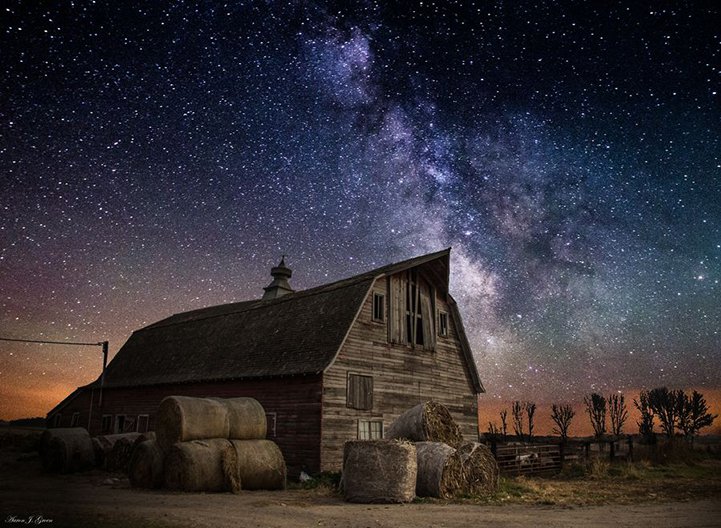
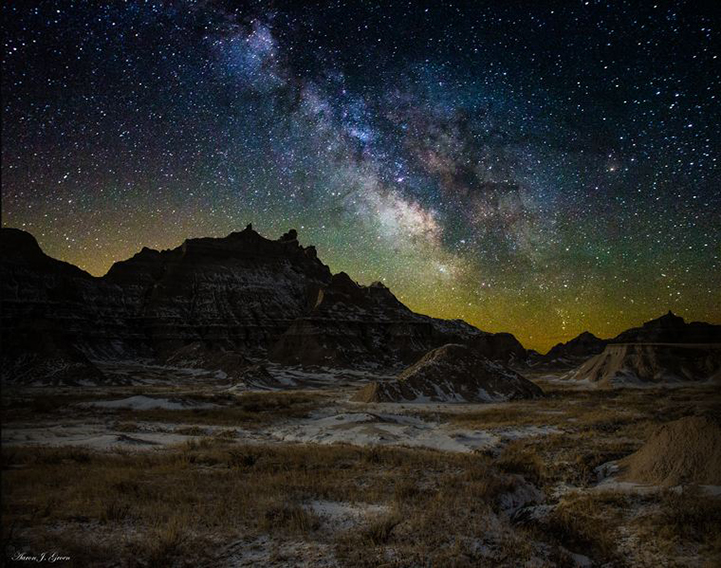
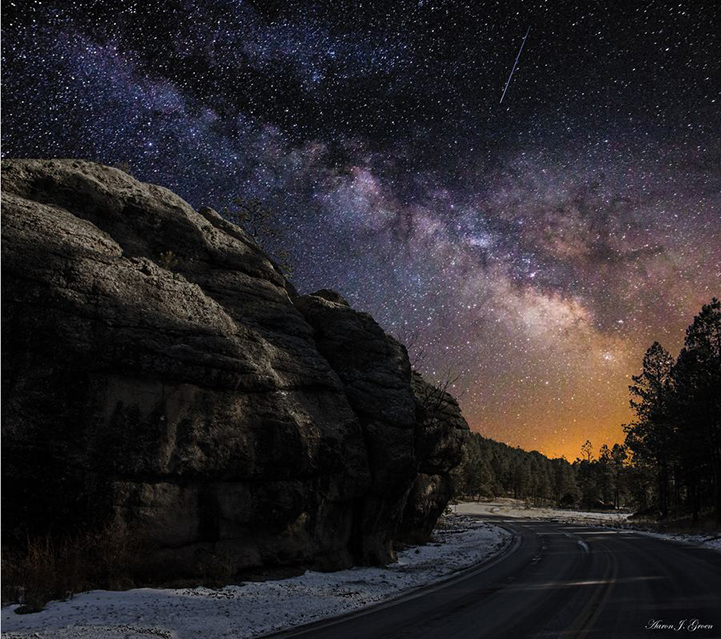
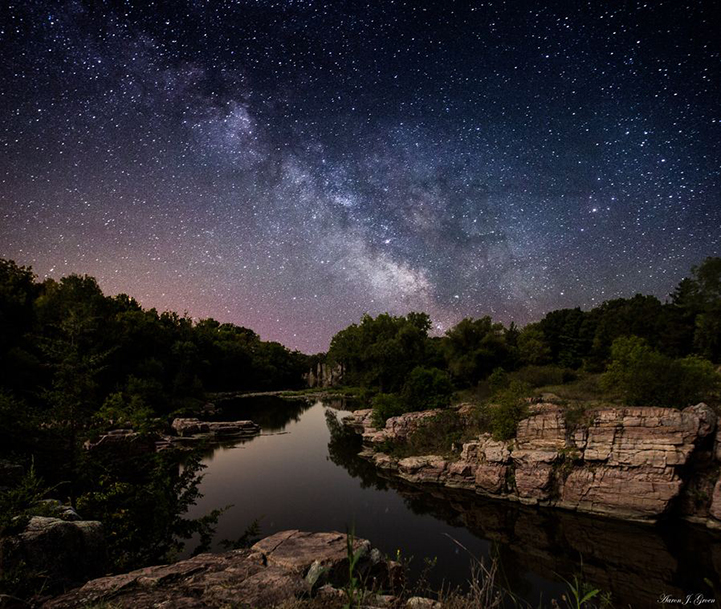
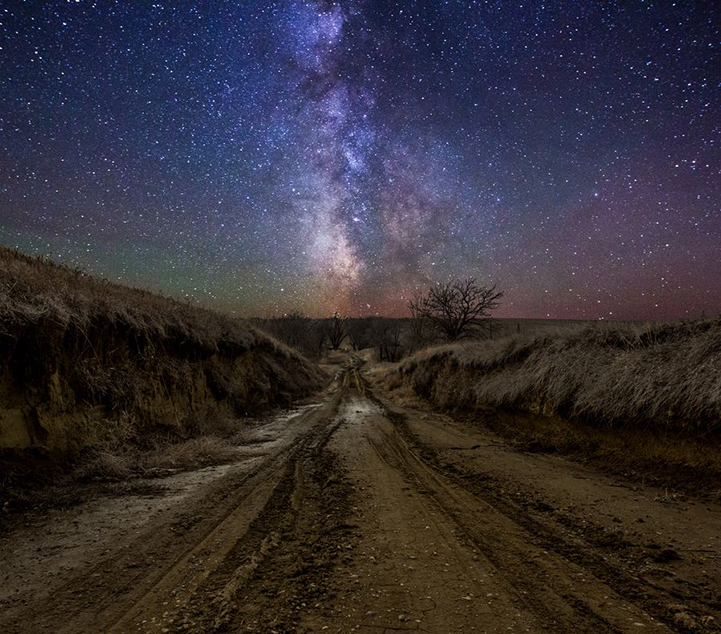
South Dakota does not need myth to feel vast. Photographer Aaron Groen makes that plain in the series titled Dark Places: open land, hard weather, and light that arrives like a rumor. The pictures are not postcards of pretty dusk. They are studies of how emptiness can still hold drama—how a road, a cloud bank, or a strip of prairie can carry the mood of a noir set without a single actor.
Groen works from the Upper Midwest with a landscape eye that favors atmosphere over spectacle. You can see more of his portfolio on his 500px profile. The set below stays with Dark Places: storms, horizons, and the quiet threat of weather that has already decided what the day will be.
What “dark” means when the land is the subject
Darkness here is not only low exposure. It is tonal gravity—the way greens flatten under cloud, the way gravel roads swallow distance, the way a break of sun can feel more like interrogation than blessing. Groen’s frames often place the brightest event far from the center, or thin it into a seam. Your eye has to travel. That travel is the photograph’s plot.
Landscape series named for mood walk a thin line. Lean too hard into gloom and you get Halloween wallpaper. Lean too soft and you get calendar sweetness. Dark Places holds the middle: real Midwestern weather, carefully metered, with enough negative space that silence becomes part of the composition. You feel the air more than you count the landmarks.
South Dakota’s plains help. Without mountain theatrics, the sky becomes architecture. Clouds stack like unfinished buildings. Wind is implied by the lean of grass and the softness of distant edges. Groen shoots as if the land were a character with few lines and a strong face.
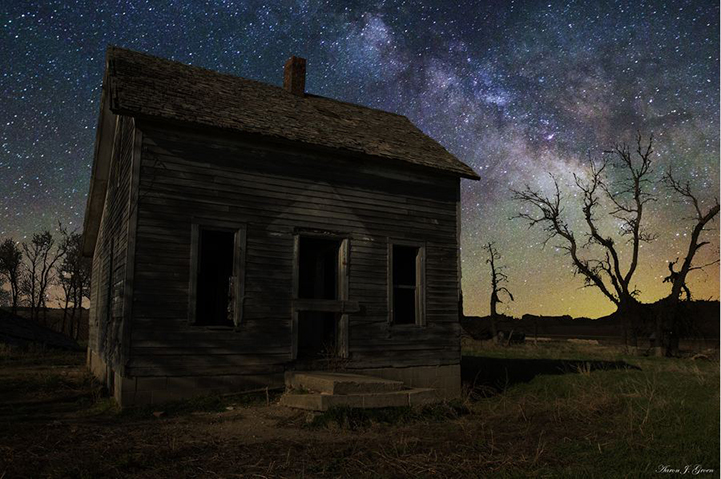
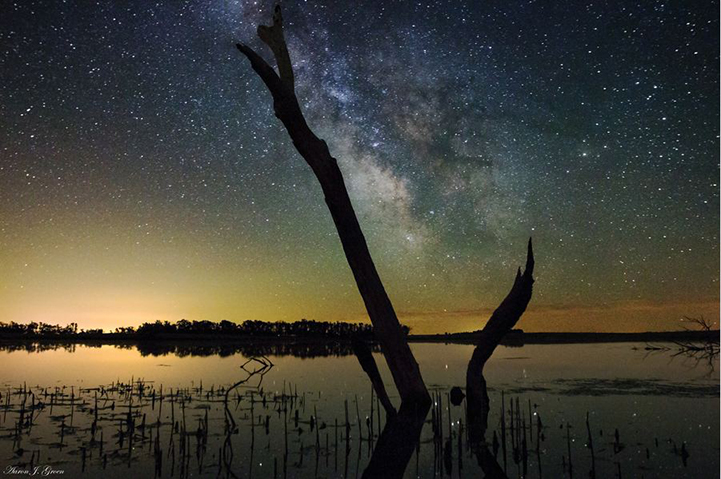
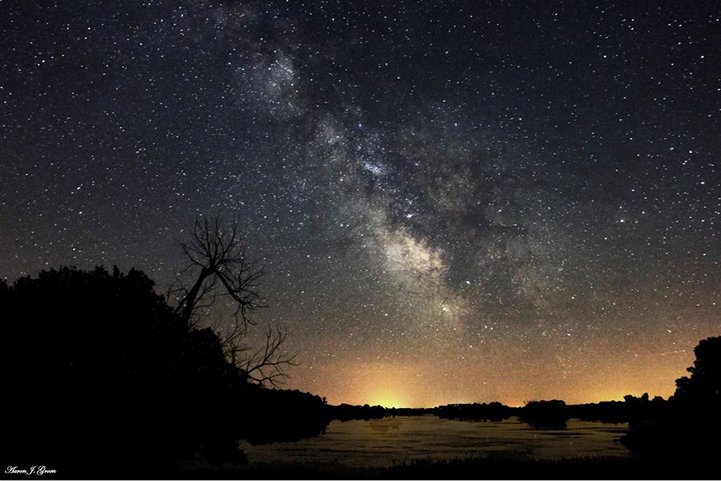
Looking notes for a storm-minded gallery
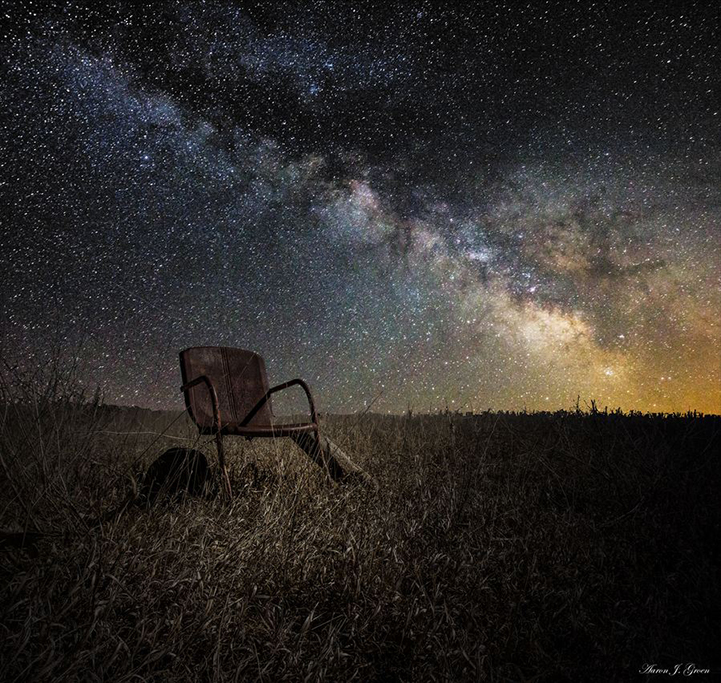
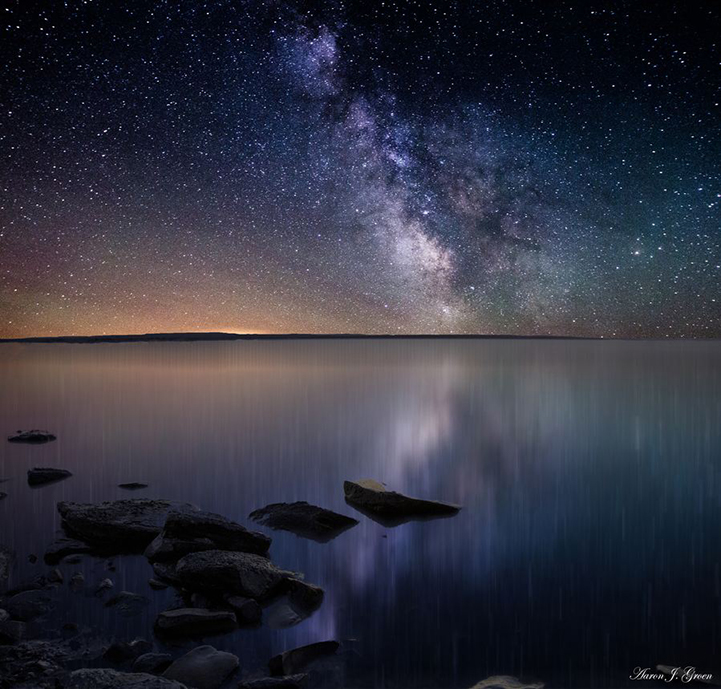
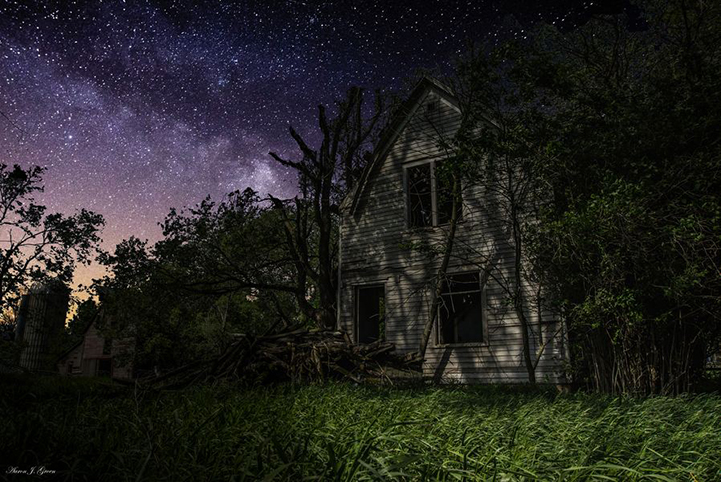
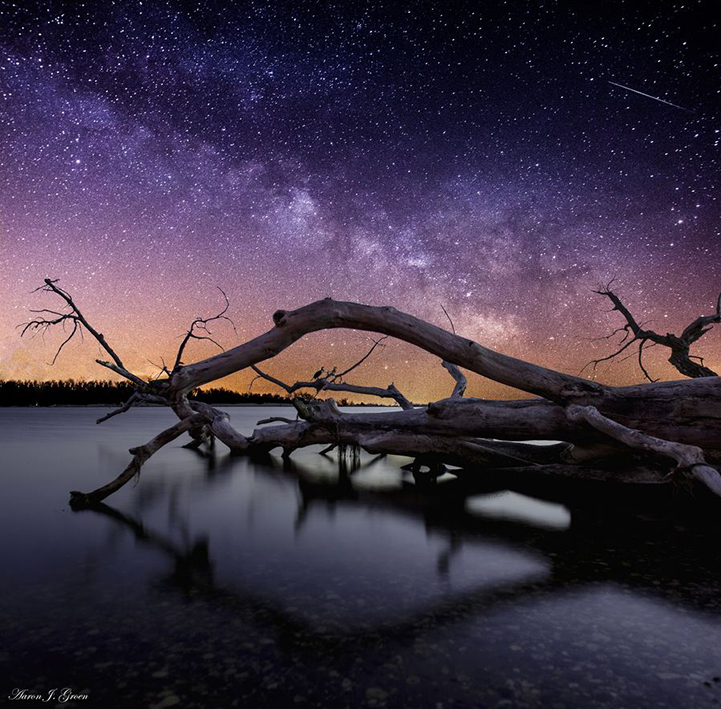
Move through the images slowly. For each frame, name the horizon first—where earth ends and weather begins. Then locate the brightest patch and ask what it illuminates: a road cut, a rise of land, a farm structure, or only more cloud. That question keeps you from treating every sky as decoration. In Groen’s work the sky is often the subject wearing the land as a stage.
Watch the edges. Many of these photographs use a soft falloff or a darkened corner that feels photographic rather than painted—a reminder that the camera was out in air that changed by the minute. Sharpness is selective. Detail gathers where the story needs it and thins where mood needs room.
Color stays restrained. You will find greens that lean olive, blues that refuse postcard cyan, and warm breaks that arrive like a brief apology from the sun. The restraint is stylistic discipline. Over-saturating prairie storm light turns documentary weather into fantasy. Groen keeps the fantasy in composition, not in candy color.
Place without tourism language
Travel photography often sells arrival: look how far I went. Dark Places sells attention: look how long I stayed. The difference shows in framing. Roads appear as lines of decision rather than as invitations to a destination. Fields appear as surfaces that have already been decided by seasons. Human presence, when it exists, is small—a structure, a fence, a cut through grass—never a hero pose.
That scale choice matters ethically as well as visually. Landscape photography can turn rural places into empty playgrounds for outsiders. Groen’s darker register resists that by refusing easy triumph. Beauty arrives with weight. Weather is not a backdrop for adventure branding; it is the event.
Roads in these frames often function as perspective tools rather than destinations. A pale line through dark ground pulls you in, then strand you in weather. That emotional stop—arrival without arrival—is part of why the series feels narrative without needing figures. The land proposes a journey; the sky interrupts it; the photograph keeps both proposals visible.
If you photograph open country yourself, the useful lesson is patience with unfinished light. Wait for the break that is almost gone. Expose for the mood you felt standing there, not for the histogram that flatters a phone screen. Crop less. Let the dull midtones stay dull if dullness is honest. Darkness in a title should be earned in the file, not slapped on in a filter. Carry a spare battery; cold and long waits punish optimism. More useful still: leave before you are bored, then return the next front. Series thinking rewards second visits more than one heroic sunset chase.
Series thinking on a single road
A single dramatic cloud can make one viral image. A series like Dark Places asks for repetition with variation: similar land language, shifting weather grammar. Looking at twelve frames together, you start to hear rhythm—wide horizontal calm, then a tighter vertical of stacked sky, then a return to road and grass. That rhythm is how a photographer builds a place in the viewer’s memory without a map pin.
Return to the first image after the last. You will see it differently. Series work trains the eye to compare. Compare the height of cloud bases. Compare how much ground Groen allows in the frame. Compare how often a man-made line interrupts the prairie. Those comparisons are the quiet essay inside the gallery.
Horizontal frames emphasize breadth and endurance; taller frames stack weather like pressure systems. Groen uses both, which keeps the scroll from becoming one repeated postcard shape. Variety inside constraint is how a regional series avoids tourism sameness without abandoning place.
Online portfolios scatter attention. A titled set gathers it. Dark Places works because the title is a promise kept: not horror, not gloom for its own sake, but land photographed when the light refuses to flatter and the photographer refuses to leave.
After the weather moves on
Close the tab if you must, but take one habit with you. The next time a gray day looks “unphotographable,” ask what Groen would wait for—the thin seam, the darker edge, the road that turns weather into perspective. South Dakota’s open miles are not empty; they are unfinished sentences. Aaron Groen’s Dark Places shows how to finish a few of them without raising your voice.
Somewhere beyond the last frame, another front is already building. The series ends; the plains do not. That mismatch is the invitation: go look again when the sky gets serious, and let the land keep most of the words.

Comments
Continue reading
Models and Their Mothers: Howard Schatz’s Adult Double Portraits
Howard Schatz’s long-running studio series pairs working models with their mothers—adult faces, heredity, aging, and relationship under the same light.
Dramatic Photo Art by Sukron Ma’mun (Ipoenk Graphic)
Cirebon, Indonesia photographer Sukron Ma’mun uses theatrical natural light to frame village life, play, and place in lyrical photo art.

Bird’s-Eye Views: Florian Beaudenon’s Instant Life
Paris photographer Florian Beaudenon’s Instant Life series captures people in their rooms from above—intimate, collaborative overhead portraits of everyday joy.