
Stuffed Hair Selfies by Ahmad El-Abi
Egyptian artist Ahmad El-Abi’s #stuffedhair series packs ducks, Lego, and everyday objects into curly hair—conceptual selfie craft that went viral on Instagram in 2014.
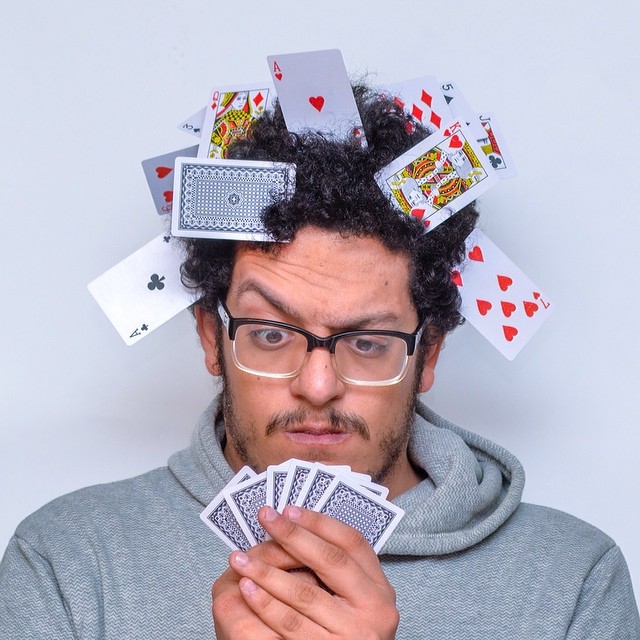
Egyptian artist Ahmad El-Abi turned a head of curly hair into a temporary sculpture garden. In his #stuffedhair series, everyday objects—rubber ducks, Lego bricks, paper boats, spaghetti sticks, straws, matches—are packed into the curls until the hairline becomes a comic still life. The photographs are selfies in the literal sense: he is both sculptor and subject, building each image from concept through camera in a single continuous act.
The project caught fire on Instagram in early 2014 and was featured widely, including by Instagram itself. What looked like a joke at first glance revealed a clear method: constraint, weekly themes, and a willingness to look ridiculous on purpose. Humor was the door; craft was the room behind it.
From medicine to a head full of ducks
El-Abi trained in medicine and worked as a physician before shifting toward conceptual photography and, later, advertising creative work. He has described leaving medicine and letting his hair grow as an early gesture of freedom—an uncut, unmanaged crown that later became material. The first stuffed-hair image grew from yellow rubber ducks he had bought and not used. Instead of a duck-themed still life on a table, he put the ducks in his hair and photographed the result.
That first move mattered because it set the rules. The hair was not a prop standing beside objects; it was the armature. Gravity, curl density, and balance became technical problems. Objects had to lodge without falling during framing. The face had to remain readable enough to keep the image a portrait, not only a pile. The comedy works because the person is still there, staring out from under a ridiculous load.
He has said he cannot create well unless he is in a happy state—an unusually honest creative constraint. The series’ cheerfulness is not accidental branding; it is a working condition. Viewers often wrote that the photos brightened their day. For someone leaving a caregiving profession, that response carried a private rhyme: help, redirected through color and play.
How #stuffedhair works as a project
The series began as a submission to Instagram’s Weekend Hashtag Project around 2014 resolutions. From there it became an ongoing practice with public prompts. El-Abi would announce themes—“food head,” “fire head,” and other weekly frames—and invite followers to post their own attempts under #stuffedhair. The hashtag turned a personal experiment into a participatory game without diluting his authorship. His images remained the sharpest because he controlled lighting, expression, object choice, and the precise chaos of the curls.
Some frames look easy until you imagine the logistics. Bubble-head shots, for instance, confused viewers who could not understand why bubbles did not pop on contact with hair; El-Abi eventually shared making-of process because the illusion required trials. That transparency is part of the work’s charm. The magic is practical: timing, materials, patience, and a camera ready before the arrangement collapses.
Object choices stay ordinary on purpose. Lego, matches, straws, and pasta are recognizable in a fraction of a second. Recognition triggers the laugh; composition sustains the look. Bright colors against hair and skin create graphic contrast that survives small phone screens—the native gallery for the series’ first life.
Selfie as studio practice
Calling these images “selfies” is accurate and incomplete. They use the selfie apparatus—arm’s length or near, face forward, personal account—but they reject the genre’s usual flattery. Beauty filters are irrelevant; the subject is sabotaged into sculpture. In that sense the work sits nearer to conceptual photography and performance documentation than to lifestyle posting.
El-Abi has emphasized doing projects end to end himself: idea, build, shoot, select. That autonomy shows. There is no visible crew rearranging ducks. The intimacy of one person negotiating with his own hair keeps the tone light even when the craft is fussy. You can feel the minutes spent pushing objects deeper into curls, checking the mirror, adjusting, shooting again.
Portraiture here is also self-mythology in a gentle register. The growing hair after leaving medicine; the ducks as accidental muse; the public invitation to play along—these narrative crumbs make the series memorable beyond a single viral spike. People remember the person who did this to himself, not only the novelty of pasta in hair.
Why the images travel
Internet audiences reward clarity. #stuffedhair delivers a premise you can explain in one sentence and a punchline you can see without translation. It also rewards re-looking: density of objects, symmetry versus spill, the calm or comic set of the mouth beneath the load. The best frames balance abundance with order—enough stuff to astonish, enough structure to feel designed.
There is a cultural humor in treating the head as storage. Hats, crowns, and elaborate hairstyles have always been status theater. El-Abi’s version is anti-status theater: supermarket materials, no luxury signal, pride in absurdity. That democratizes the joke. Anyone with hair and a handful of objects can attempt a cousin of the idea; few will match his graphic sense.
The series also sits in a moment when Instagram still felt like a discovery engine for odd, handmade projects. Being featured by the platform mattered because it stamped outsider experiments with mainstream visibility. El-Abi was among the early Egyptian creators to receive that kind of spotlight more than once. The attention helped pivot a private practice into a public identity as a visual artist.
Looking at the photo on this page
Spend a moment with the stuffed-hair image here before scrolling on. Notice how the objects sit in the hair’s architecture rather than floating as collage. Notice whether your eye goes first to the props or to the face—and how the photo manages both. Good versions of this idea never fully hide the person; they negotiate a truce between portrait and still life.
If you try a version yourself, start with light objects and a theme small enough to finish in one sitting. Photograph before anything shifts. Accept that most attempts will be funny failures. El-Abi’s archive looks effortless because the failures stayed off the grid.
Beyond the viral week
Stuffed hair was a turning point, not a single punchline. El-Abi continued conceptual projects—among them work connected to Arabic letterforms that later reached exhibition contexts, including selection tied to the Arabic Type Challenge and showing in Paris in 2017 as part of a biennial of contemporary Arab photographers. Parallel to art practice, he moved into advertising as a creative and art director, carrying the same interest in clear ideas delivered with visual snap.
That career path makes the hair series more interesting, not less. It was never only a bid for likes; it was proof that a precise, joyful concept could travel across languages. Rubber ducks in curls are easy to underestimate. Underestimate them, and you miss the discipline: weekly themes, physical problem-solving, and a face willing to be the stage.
Return to those first yellow ducks for a second. They were unused toys until they became a method. The method was simple enough to invite strangers and rigorous enough to make a signature. That combination—open invitation, personal standard—is why Ahmad El-Abi’s stuffed-hair selfies still read as more than a hashtag stunt: they are portraits of a mind that stores ideas where other people store only hair.

Comments
Continue reading

Dramatic Photo Art by Sukron Ma’mun (Ipoenk Graphic)
Cirebon, Indonesia photographer Sukron Ma’mun uses theatrical natural light to frame village life, play, and place in lyrical photo art.
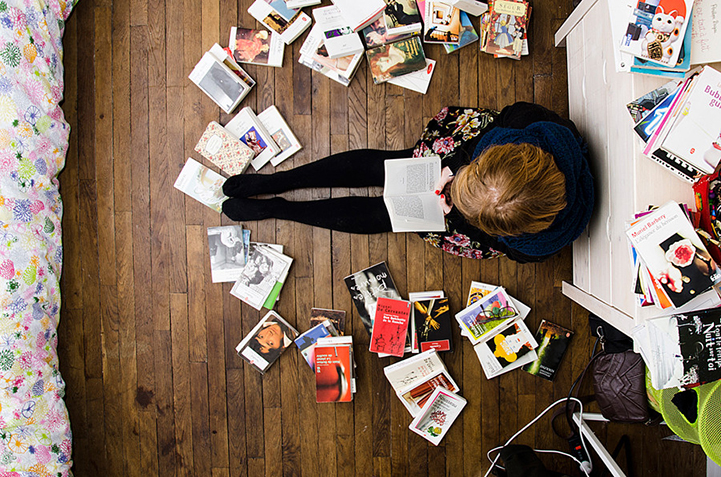
Bird’s-Eye Views: Florian Beaudenon’s Instant Life
Paris photographer Florian Beaudenon’s Instant Life series captures people in their rooms from above—intimate, collaborative overhead portraits of everyday joy.
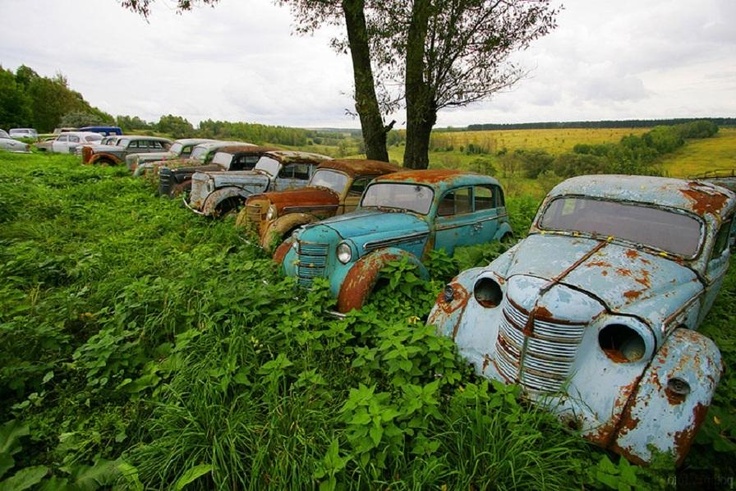
Abandoned Cars Reclaimed by Nature: Rust, Growth, and Quiet Ruin
When neglected vehicles are left outdoors long enough, rust, moss, and trees rewrite them into strange still lifes—sad, photogenic, and slowly returning to the ground.