
Street Style Hair Trends: Matching Hair to Clothes and Weather
A practical hair-and-fashion guide—volume vs coats, texture families, fringe, updos, color, and a light kit for styles that still look intentional by evening.
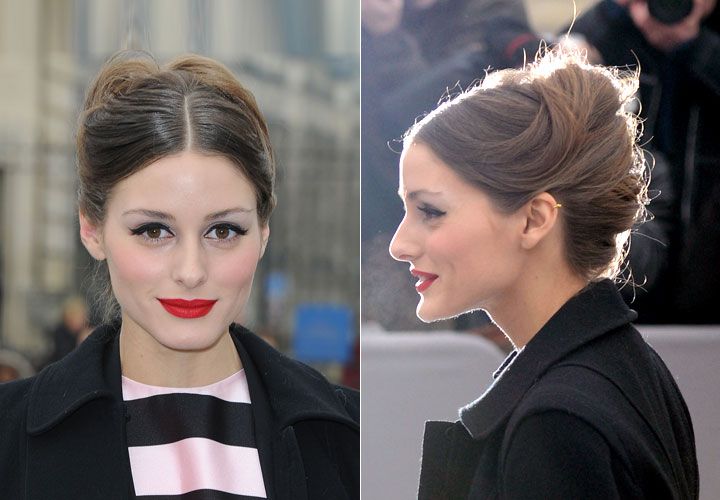
Street style is usually discussed as clothing, but hair is half the silhouette. A coat can be excellent and still look unfinished if the hair fights the collar, the weather, or the outfit’s attitude. Conversely, a simple jacket reads sharper when the hair has a clear shape—sleek, lifted, textured, or deliberately undone. This guide treats hair and street fashion as one system: what works on sidewalks, in wind, and under changing light, not only under salon lights.
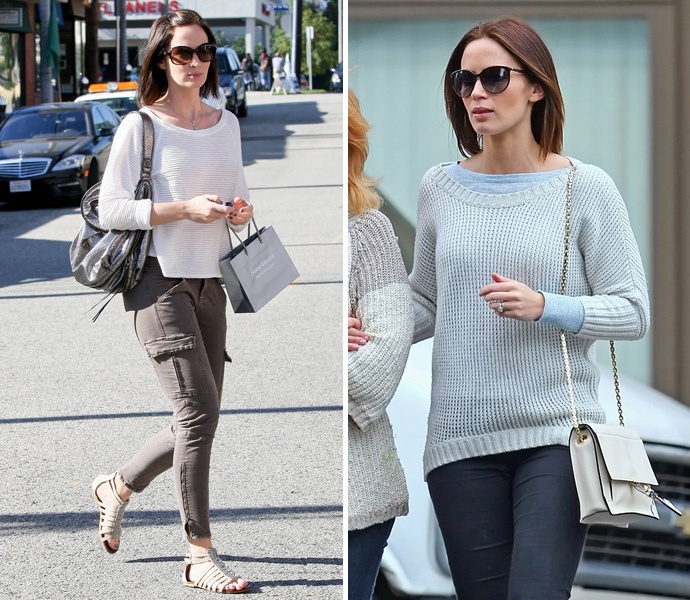
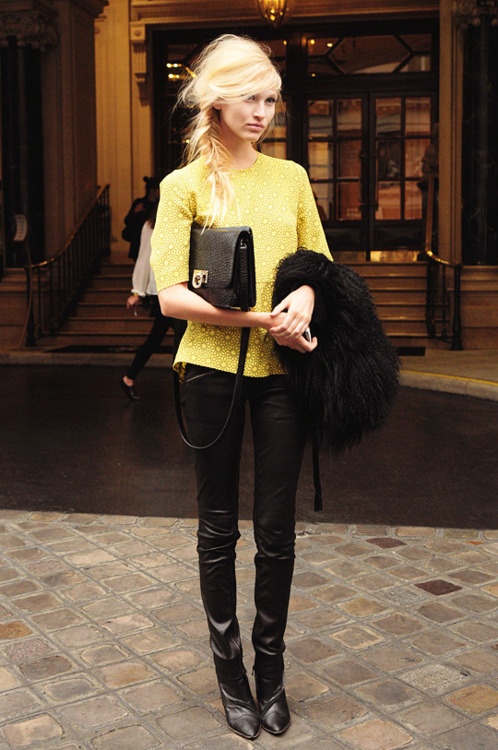
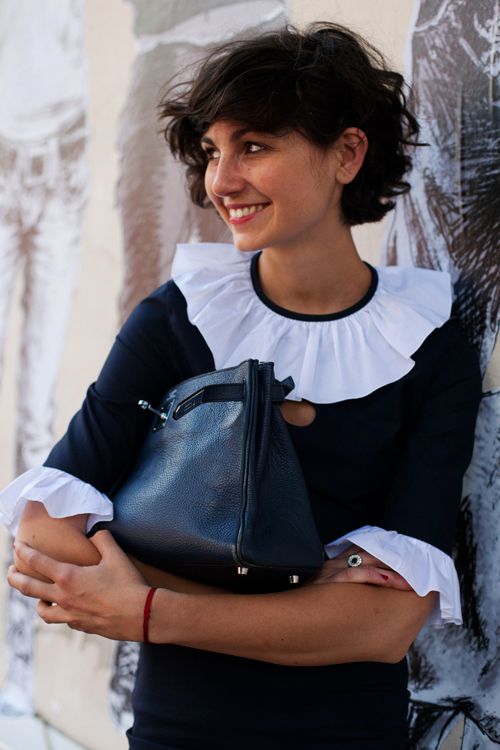
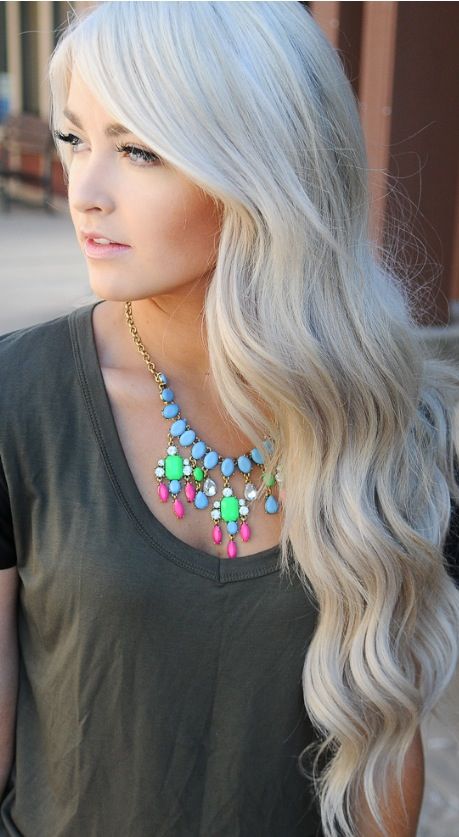
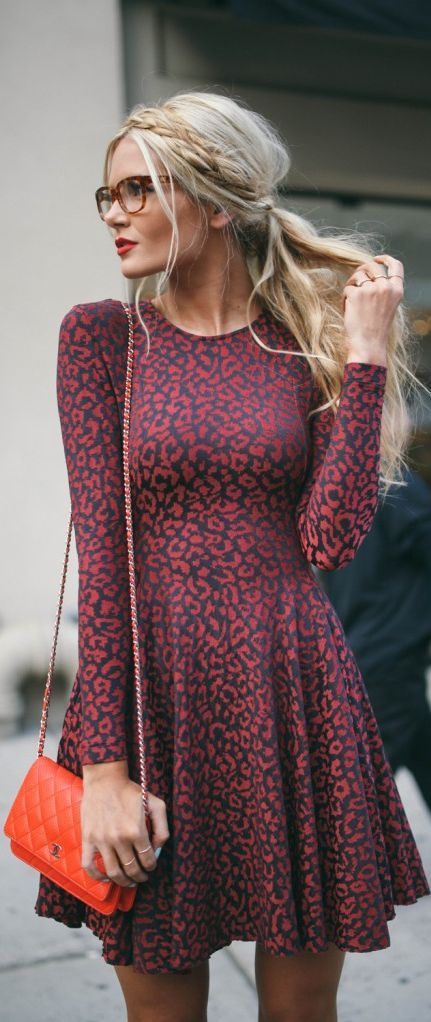
The looks gathered here span length, texture, and finish. Use them as prompts for proportion and maintenance honesty rather than as identical copies. A street-ready hairstyle survives humidity, a bike helmet, a scarf, and a day of being touched by weather. If a style only works for a still photograph, it is editorial. If it still looks intentional at 6 p.m., it is street.
Match hair volume to coat volume
Big coats and big hair can cancel each other. If your outerwear is oversized—puffer, bathrobe coat, heavy shearling—keep hair closer to the head or gather it so the face stays visible. If your coat is slim and tailored, you can afford more height at the crown, a fuller wave, or a graphic fringe that extends the vertical line.
Collars dictate hair length near the neck. A high turtleneck plus long loose hair often creates a hot, tangled nest; a half-up shape or low knot solves it. A deep V or open lapel invites length and movement. Cropped jackets reward short cuts and exposed napes. Before you copy a sidewalk photo, check what the person is wearing at the neckline—that detail explains the hairstyle more than the trend name does.
Shoulder line matters too. Strong padded or structured shoulders pair well with hair that clears the shoulder seam—pulled back, bobbed, or lifted—so the garment’s architecture stays visible. Soft, collapsed shoulders can handle more cascading length because the hair becomes part of the softness.
Texture families that photograph and walk well
Sleek straight hair reads polished against structured tailoring and leather. It needs a real finish plan: heat protectant, a pass with a brush or iron, and a light serum or mist so humidity does not revive frizz in an hour. Sleek looks fail when the roots are oily and the ends are dry; clarify and condition on a schedule that matches your scalp.
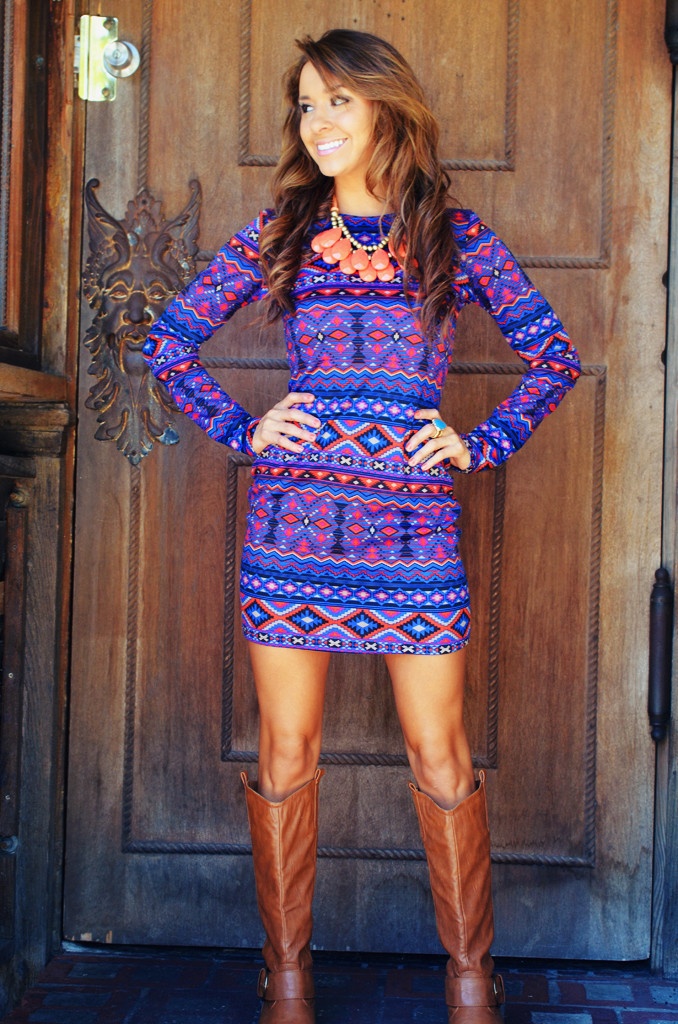
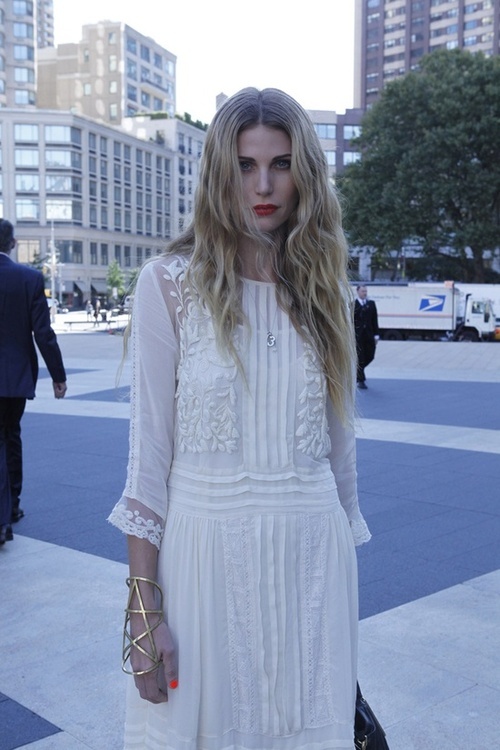
Soft waves and bends are the street default for a reason. They hide imperfect parts, work with scarves, and still look intentional after wind. Create them with a large iron, a twist-and-sleep method, or a diffuser on natural wave. Avoid tight spiral curls if your outfit is already busy; soft S-waves support fashion without competing.
Coily and curly hair in street fashion looks strongest when the cut respects shrinkage and the products define without crunch. A clear shape—tapered sides, a rounded Afro silhouette, defined twist-outs—beats undefined volume that collapses into a triangle by afternoon. Protect edges from harsh scarves; use satin-lined options when you can.
Messy texture is a style, not an accident, when the cut underneath has shape. Piecey ends, a bent part, and a bit of grit product can make a simple tee and jacket look considered. The difference between “I woke up like this” and “I gave up” is usually a thirty-second refresh and a cut that still has a perimeter.
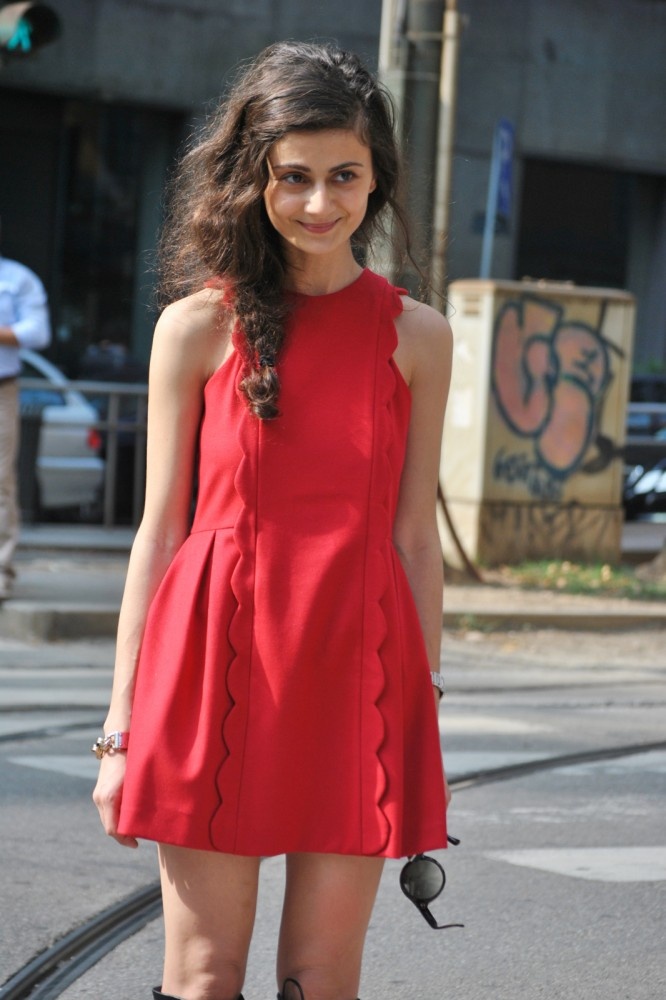
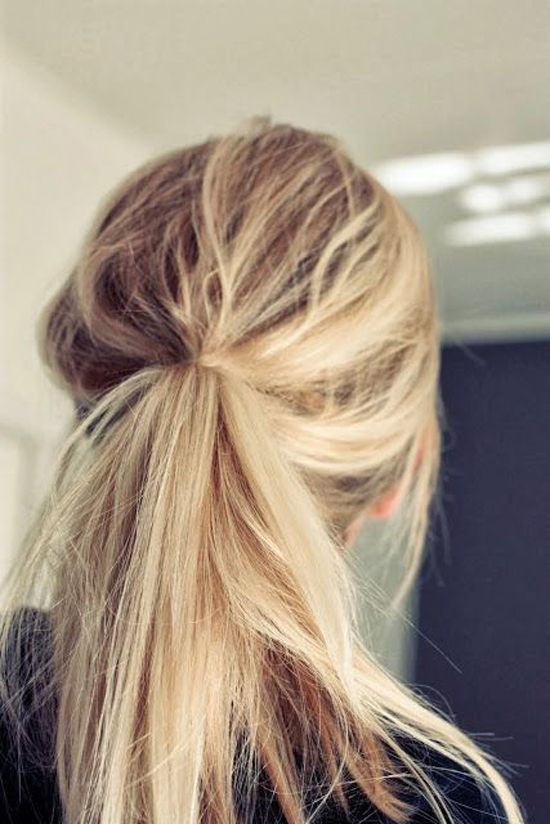
Short cuts, fringe, and the face line
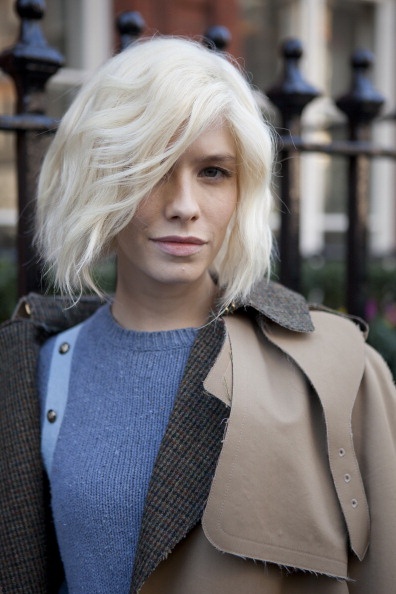
Pixies, crops, and short bobs are high-fashion on the street because they make outerwear and earrings do more work. They also reveal grow-out quickly. If you choose short, budget trims and own a paste or cream for texture. A short cut with flat, unstyled hair can look accidental next to a considered outfit; two minutes of product usually fixes that.
Fringe is architecture. A blunt fringe sharpens a minimalist look. A curtain fringe softens and pairs well with romantic layers and open coats. A side-swept fringe hides awkward growth and works under beanies. If you wear sunglasses daily, practice the fringe-plus-frames combo before committing—some lengths clash with certain lens shapes.
Face shape advice is often oversold, but one practical note holds: if you want to show cheekbones and jaw for fashion photos, keep hair off the sides of the face at least partially. If you want softness, leave length near the cheeks. Street photographers catch that choice in profile as clearly as in front view.
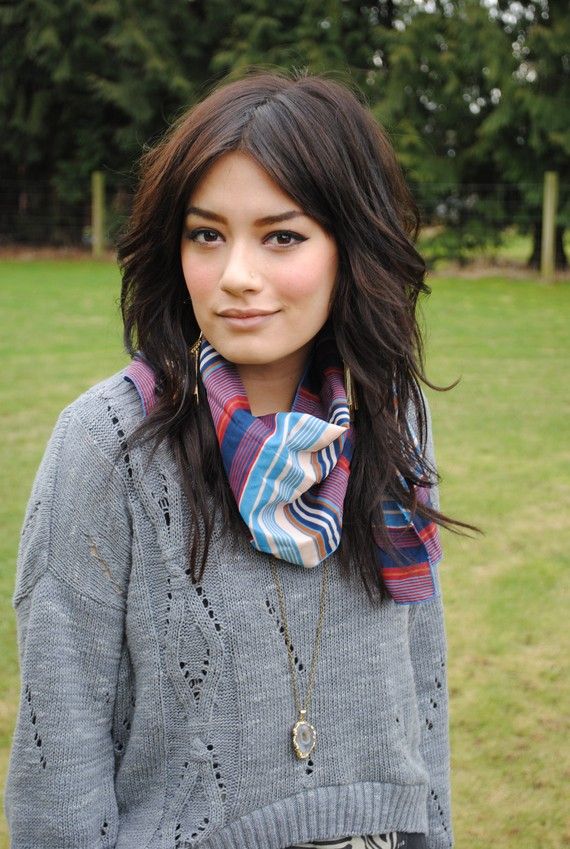
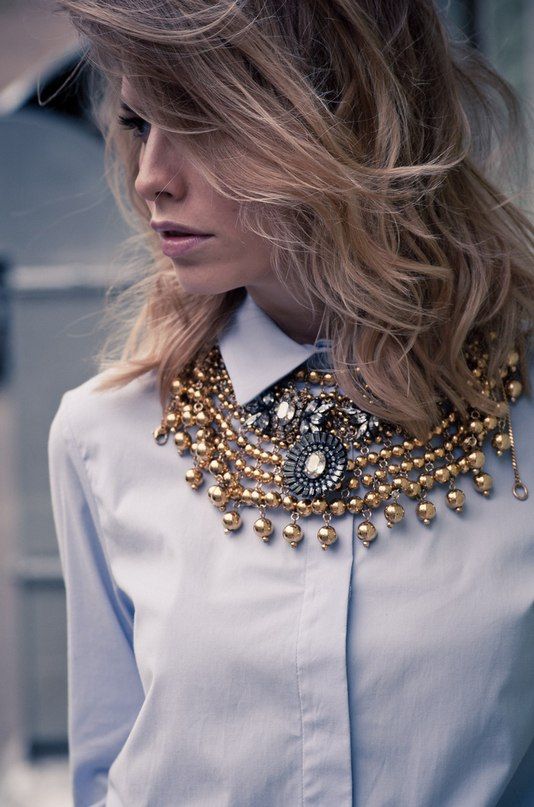
Updos and half-ups that survive real days
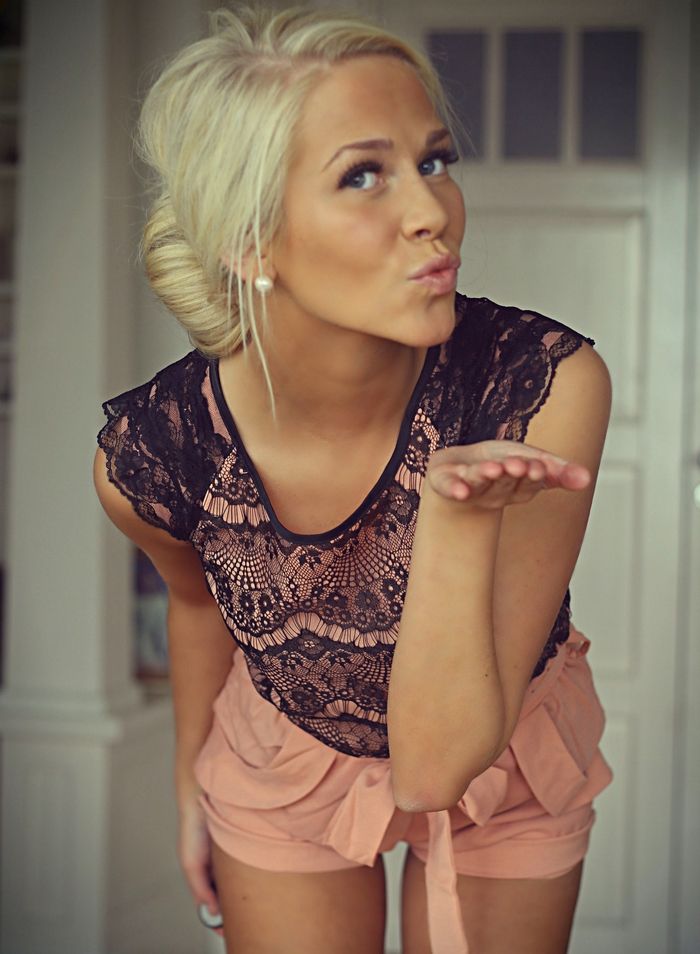
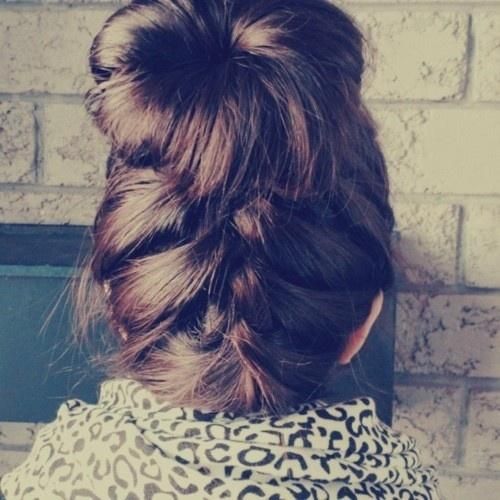
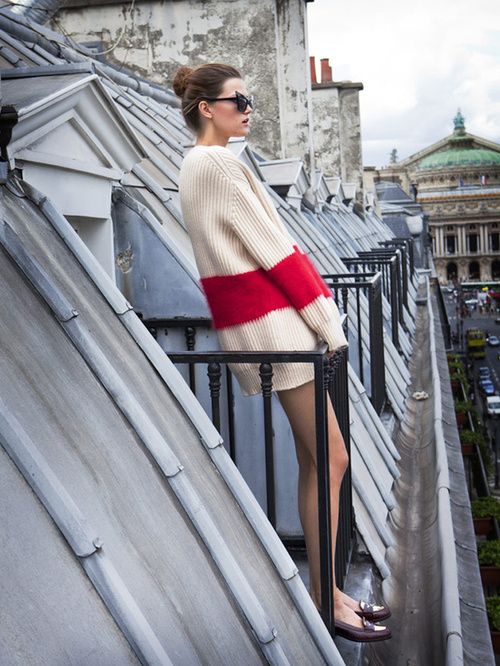
High ponytails and sleek knots look graphic with sharp tailoring. Low knots and twists look quieter with soft knits and long coats. The street test for an updo is simple: can you put on and remove a coat without destroying it? If not, loosen the style or change the placement.
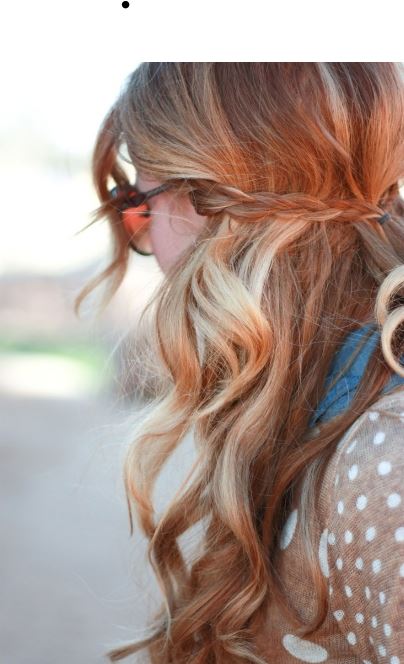
Half-ups are underrated for fashion weeks and ordinary Tuesdays alike. They keep hair off the face for makeup and sunglasses, leave length for movement, and photograph with depth. Secure with a coated elastic and a few pins hidden under a section of hair; visible plastic elastics fight otherwise polished outfits unless you are intentionally casual.
Braids belong here too—not only festival braids, but clean single plaits, soft side braids, and tucked braids that keep hair controlled on bikes and in wind. A braid can be the most practical “styled” look you wear all week if your outfit is already loud.
Color, accessories, and weather reality
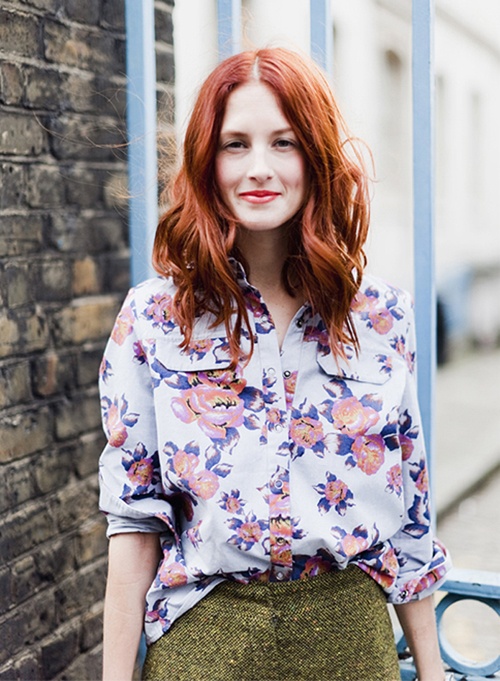
Hair color is a fashion accessory. Dimensional brunettes and soft blondes support most wardrobes. High-contrast fashion colors—vivid reds, pastels, stark platinum—become the outfit’s accent; dress quieter around them or lean into the drama on purpose. Roots showing can look intentional with street fashion if the cut is strong; they look neglected when the cut is grown-out and shapeless.
Clips, barrettes, headbands, and scarves are legitimate street tools. Choose metal and enamel pieces that echo belt buckles or bag hardware. Fabric scrunchies in silk or soft cotton suit romantic looks; athletic elastics suit sporty ones. A scarf tied as a headband solves bad-hair mornings and ties into winter layering.
Weather always edits your plan. Rain favors protective styles and anti-humidity products. Wind favors anchors—knots, braids, tucked ends. Dry cold favors moisture in the hair and less static-prone synthetics near the head. Check the forecast the way you check the coat: hair is outdoor equipment.
A short kit for street-ready hair
Keep the bag light: a travel brush or comb, a mini texture spray or cream, a few pins, a soft elastic, and a clear gel or serum for flyaways. That is enough to refresh a look after lunch or after a beanie. Heavy cans of spray belong at home unless you are photographing all day.
Build a personal default for three outfit moods—sharp, soft, and utilitarian—and assign a hair finish to each. Sharp gets sleek or a clean knot. Soft gets waves or a loose half-up. Utilitarian gets braid, tuck, or textured crop. Decision fatigue drops when hair is part of the outfit formula, not a separate morning panic.
Style for the outfit’s attitude. Soft waves with a romantic dress; sleek with sharp tailoring; textured crop with utilitarian layers; defined curls with clean minimal clothing so texture can lead. When hair and clothes argue, the whole sidewalk read falls apart—even if each piece looked good alone.
Tomorrow’s weather will edit whatever you choose tonight. Pick a shape that can flex—half-up if wind is coming, sleek if you want polish under a collar, texture if rain will ruin perfection anyway—and let the clothes and hair finish the same sentence.

Comments
Continue reading
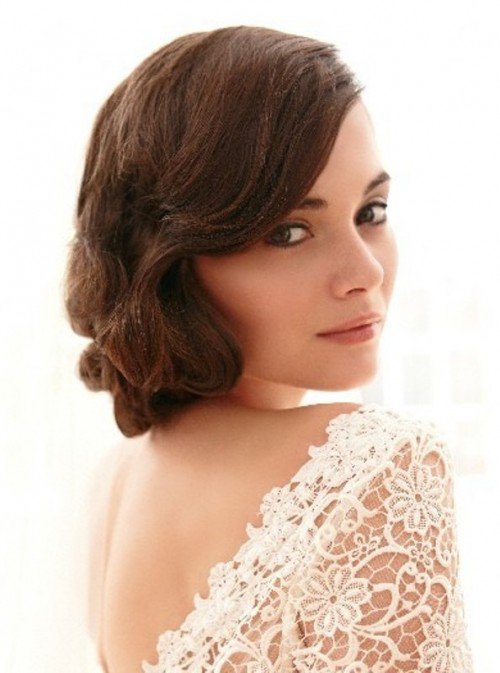
15 Vintage Wedding Hairstyles: Finger Waves, Bouffants, and Birdcage Veils
Fifteen vintage bridal hair looks—from 1920s finger-wave faux bobs to 1960s bouffants, victory rolls, and Hollywood waves with birdcage veils.
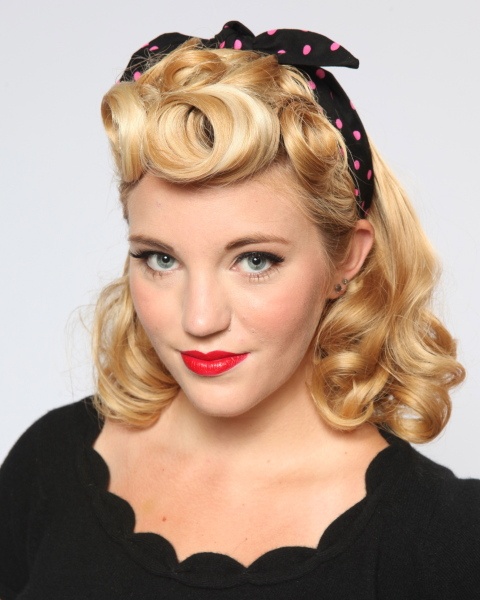
Vintage Hairstyles by Decade—Waves, Rolls, Flips, and Wearable Volume
A practical tour of 1920s waves through seventies feathers: silhouettes, tools, and how to wear period hair without a full costume.
Elegant Updo Hairstyles: Braids, Buns, and Soft Coils
Polished updos that stay wearable—braided structure, low knots, texture tips, and how to match the silhouette to neckline and occasion without looking overdone.