
Street Style Fashion — Autumn
Opening a street-style series with autumn’s weather argument: layered knits, leather, leopard totes, and early-2010s pavement dressing against fall light.
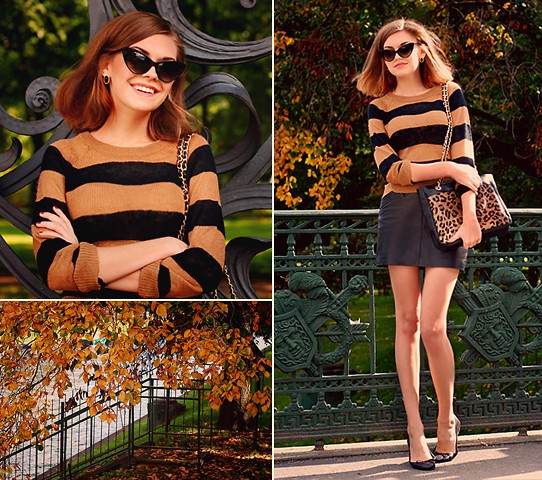
Autumn street style is not a shopping list. It is a weather argument made with cloth: how to keep moving when mornings bite, afternoons soften, and evenings ask for another layer you somehow already wore. This page opens a small series on street fashion by staying with that seasonal problem—the early-2010s look of parks, bridges, and sidewalks when leather meets knit, when leopard print rides beside ballet flats, when a trapper hat and a lace blouse decide to share a body.
The photographs here freeze that argument mid-stride. They belong to a moment when street-style blogging taught a generation to read outfits as essays. Revisit them now as period documents: not “what to buy,” but how autumn once taught people to dress in public.
The season that rewards contrast
Spring wants lightness; summer wants air; winter wants armor. Autumn wants negotiation. A camel-and-black striped crewneck tucked into a short black leather skirt, ballet flats on a bridge, a leopard tote with a gold chain—this is the classic fall contradiction: soft knit against hard shine, animal print against quiet shoes, warm foliage behind a cool silhouette.
Cat-eye sunglasses and a wrought-iron gate finish the frame like punctuation. The outfit is not trying to disappear into nature. It is conversing with it. Yellow leaves supply the drama; the clothes supply the structure. That conversation is why autumn street style photographs so well. The world already provides a color grade.
Notice the proportions. Mini skirt and flat shoes keep the look agile. The tote adds volume without requiring a coat in every shot. Layering is implied more than stacked—ready for a jacket the moment the sun drops. Autumn style often lives in that almost: almost cold enough for the full coat, almost warm enough to show legs, almost dressed up, almost casual.
Layering as autobiography
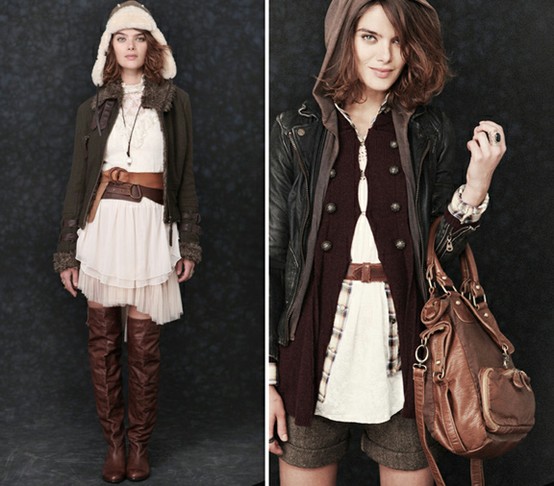
The second set pushes further into early-2010s eclecticism: a cream trapper hat with fur earflaps; an olive military jacket over Victorian lace; double belts; a tulle-ish skirt; slouchy brown boots. Beside it, a leather moto jacket over burgundy knit, white shirt, plaid peeking at the cuffs, tweed shorts, a slouchy bag with zippers like hardware jewelry.
This is layering as personality collage. Each garment brings a different decade’s rumor—utility, romance, biker shorthand, prep plaid—and autumn weather gives permission to stack the rumors until they cohere. Summer would overheat the stack. Winter would bury it under a single heavy coat. Fall lets the seams show.
Belts matter here. Cinching announces a waist through bulk, a practical trick when jackets and knits multiply. The eye needs a place to land; the belt provides it. So do boots that climb toward the hem, shortening the visual distance between warmth and skin.
Texture does as much work as color. Faux fur, leather, lace, tweed, and knit absorb light differently, so even a muted palette of moss, burgundy, cream, and brown feels rich. Autumn street fashion often prefers that richness over neon. The season’s own yellows and rusts are loud enough; clothes answer in earth tones and then steal attention with silhouette.
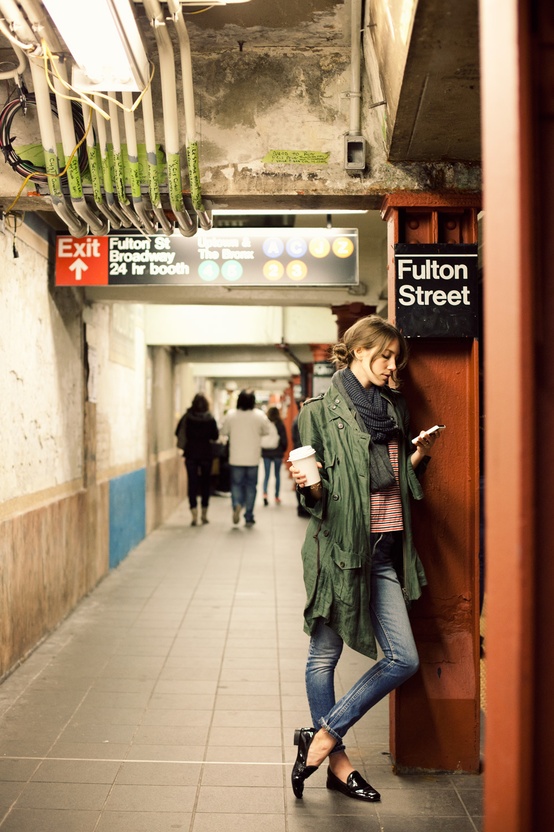
Vertical frames and the sidewalk as runway
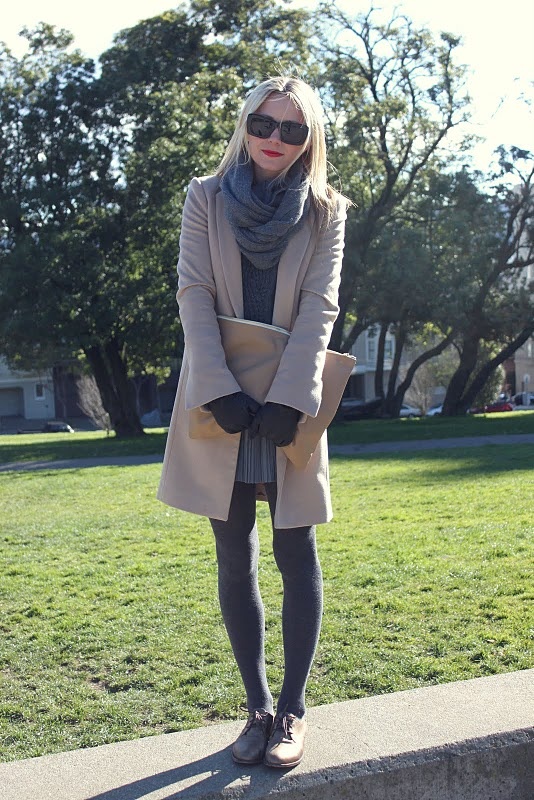
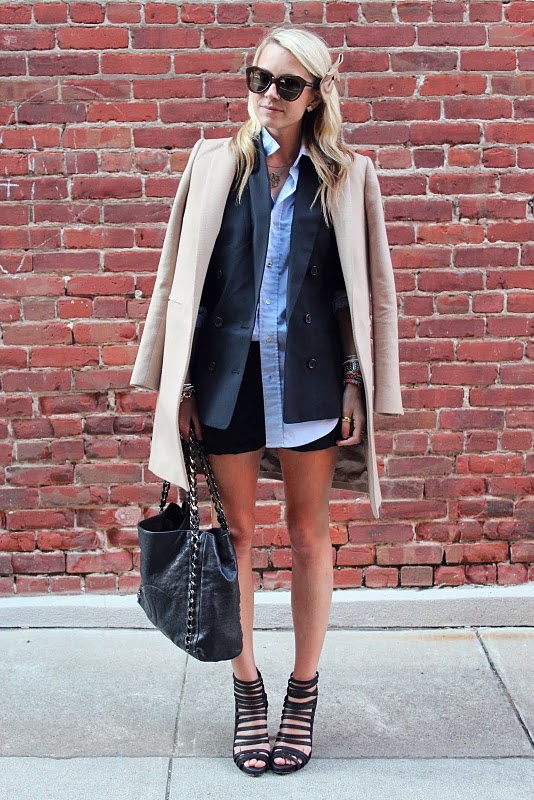
Street-style photography of this period loved the full-length vertical: head to shoe, pavement as studio floor, city blur as backdrop. The format flattered boots and bags, and it taught viewers to judge an outfit as a complete system rather than a single hero piece.
Looking at these frames as period street fashion means noticing what the camera thought counted. Shoes are sharp. Outerwear reads from across a crosswalk. Hair and sunglasses act as finishing graphics. The body is mid-motion or mid-pose that pretends to be motion—the eternal street-style compromise.
Autumn intensifies that theater because coats and scarves create architecture around the torso. A person becomes a moving interior. Pockets hide hands. Collars frame faces. The sidewalk runway is colder, so posture tightens; that tightness photographs as intention.
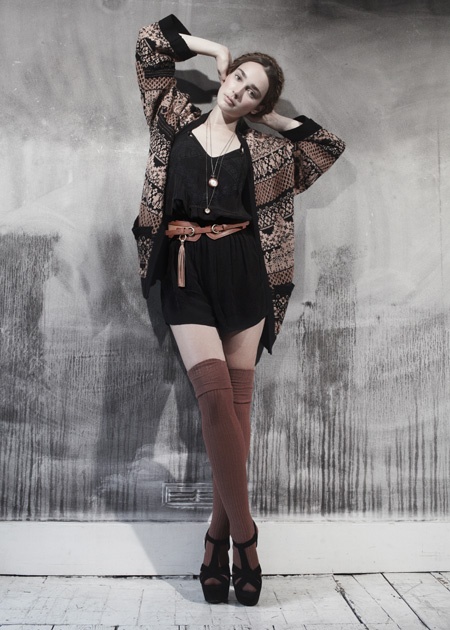
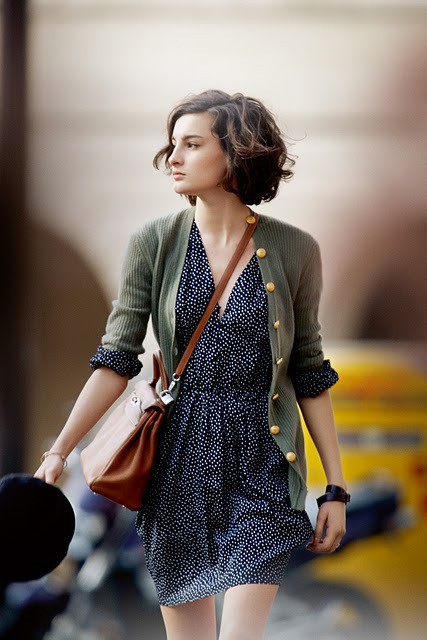
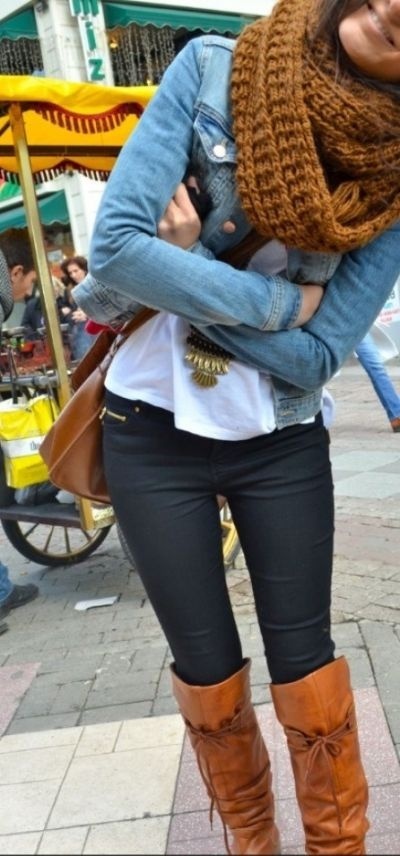
Print, shine, and the fall accessory logic
Leopard print returns every autumn like a migratory bird. In these images it often appears as a bag rather than a head-to-toe animal suit—containment for wildness. Shine follows a similar rule: leather skirt or moto jacket as a single glossy plane among matte knits. The eye gets one mirror, not a disco.
Hats do narrative work. A fur-lined trapper hat announces climate and playfulness at once; it is costume and tool. Sunglasses, even in mild light, signal that street style is performance as much as comfort. None of this is cynical. Dressing for the street has always included being seen.
Jewelry stays relatively quiet in many of these looks, ceding sparkle to hardware—zippers, chains, buckles, belt holes. Autumn fashion of this era liked the industrial accent against soft fiber. The season’s muddy sidewalks make metallic details feel like practical ornaments, as if usefulness itself could gleam.
A series opener, not a closed catalog
Later installments in a street-style series can chase summer’s exposure, winter’s bulk, neon’s shout, stripes’ graphic beat, or a city’s particular pavement. Autumn’s job is to establish the method: read clothes against weather, place, and era. These pictures are early-series evidence—layered, bridge-lit, leaf-backed, slightly nostalgic even when they were new.
What still feels current is the problem they solve. Temperature swings. Daylight shrinks. You want identity and mobility in the same outfit. Knit gives identity; leather gives edge; flats or boots choose the day’s speed; a bag carries the rest of your life. The formulas shift, but the autumn equation remains.
If you are using this gallery as a study set rather than a mood board, try naming the dominant material in each frame, then the accent material, then the one accessory that would remove the outfit’s personality if it vanished. That small exercise reveals how thin the line is between “put together” and “costume.” Autumn street style at its best stays on the put-together side: weather-proof enough to be believed, expressive enough to be remembered.
Walk through the gallery slowly enough to notice how often foliage is doing unpaid styling work. Then notice how the outfits refuse to be mere camouflage for the trees. That refusal is the heart of street style in any season: belonging to the city without dissolving into it. Autumn simply makes the belonging visible—breath in the air, leaf on the shoulder, one more layer waiting on the arm for the moment the sun finally gives up.

Comments
Continue reading
Autumn Street Fashion: Coats, Boots, and Real-World Fall Style
Street-level autumn fashion ideas—coats, boots, knits, and accessories—built around wearable layers and the season’s sidewalk look.
Street Style Stripes: Rhythm, Scale, and Colour Partners
How to wear stripes as personal style tools—scale, direction, mixing patterns, and colour partners that keep graphic looks intentional.
Street Style Neon Colours #2: Night Heat Voltage
A second neon chapter for warm evenings and artificial light—signal colour in crowds, shine after dark, and heat-ready saturation instead of spring thaw accents.