
Stickman Art by Heike Baar
German photographer Heike Baar inserts a sticky-note stickman into real landscapes—clouds, cacti, ledges—turning walks into serial mini adventures. Full gallery and looking notes.
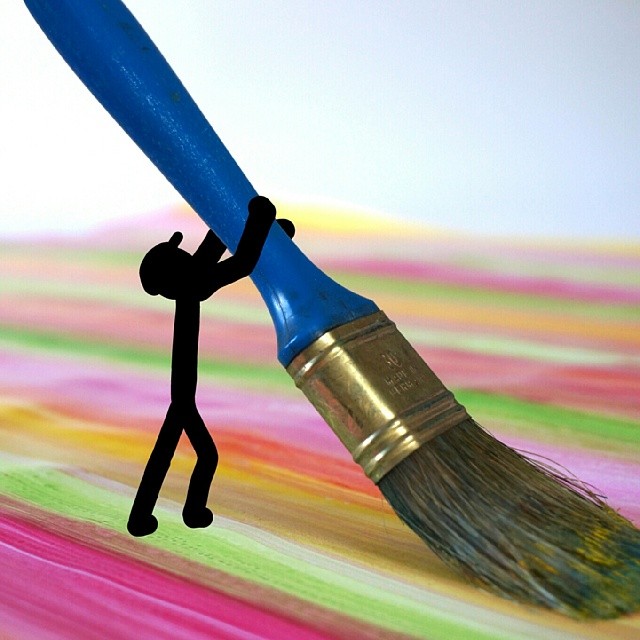
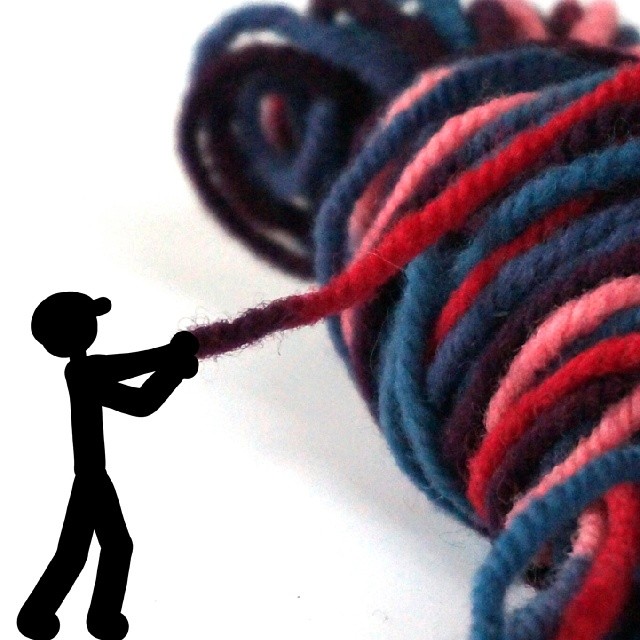
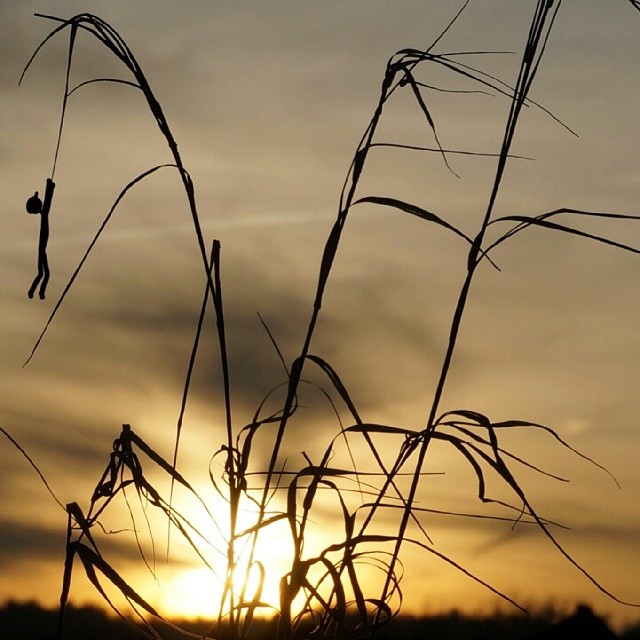
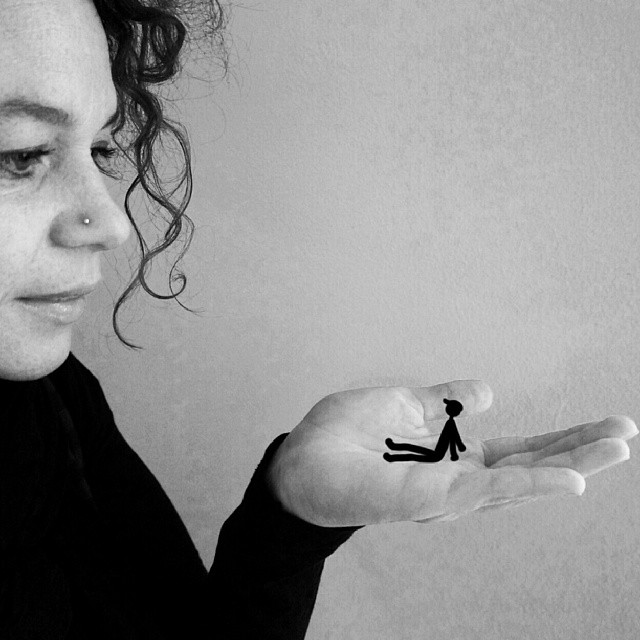
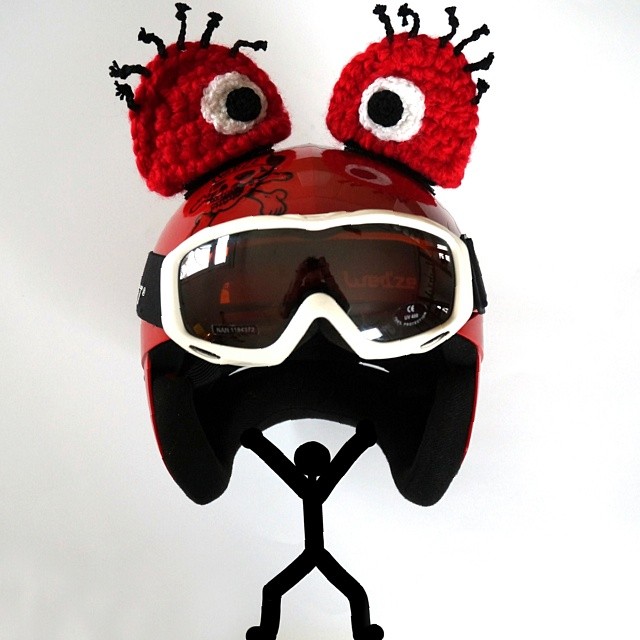
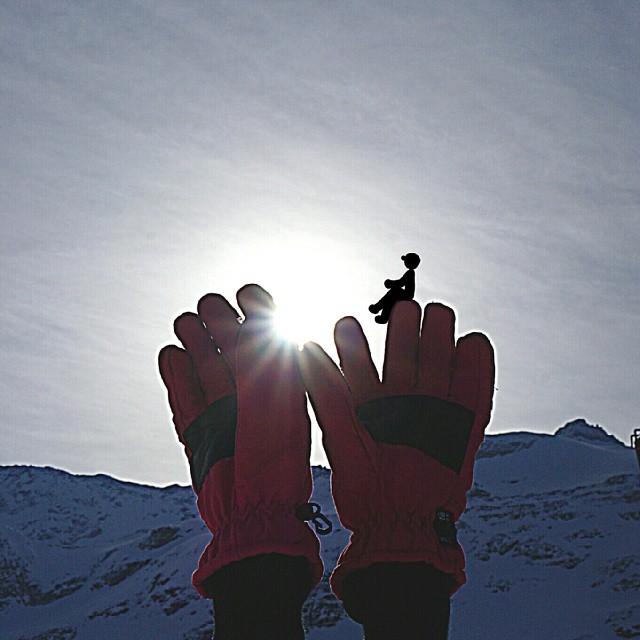
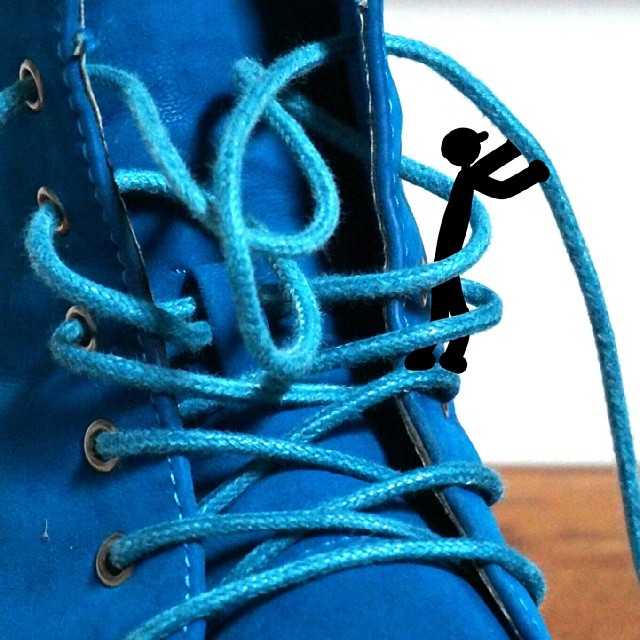
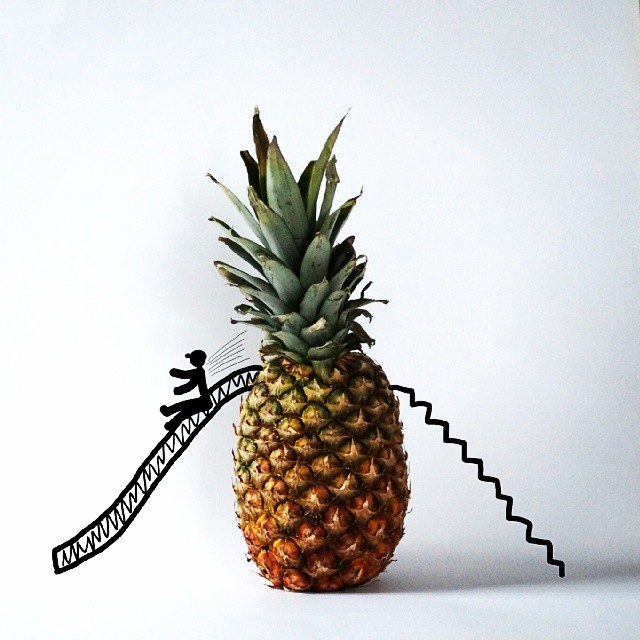
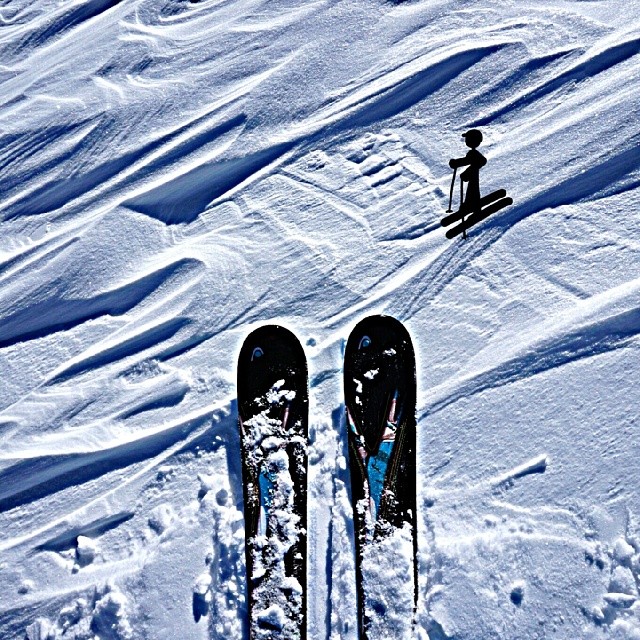
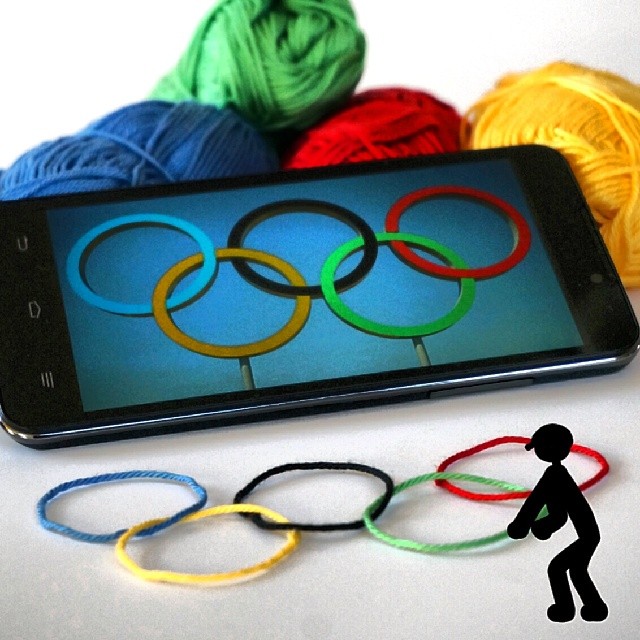
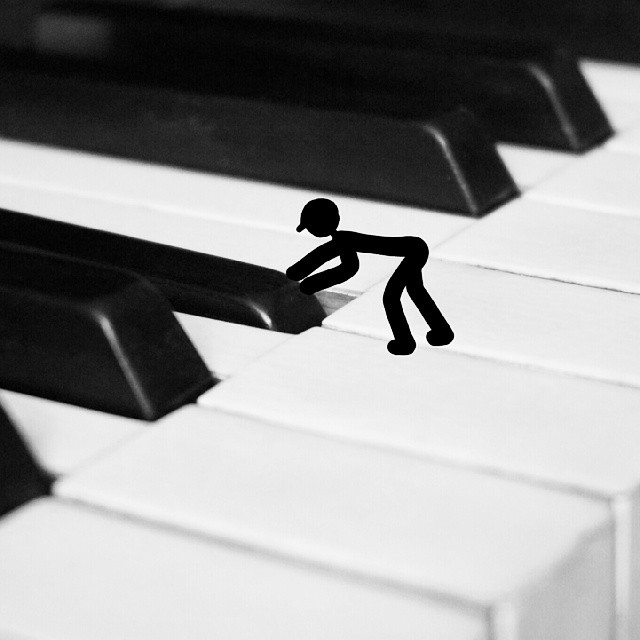
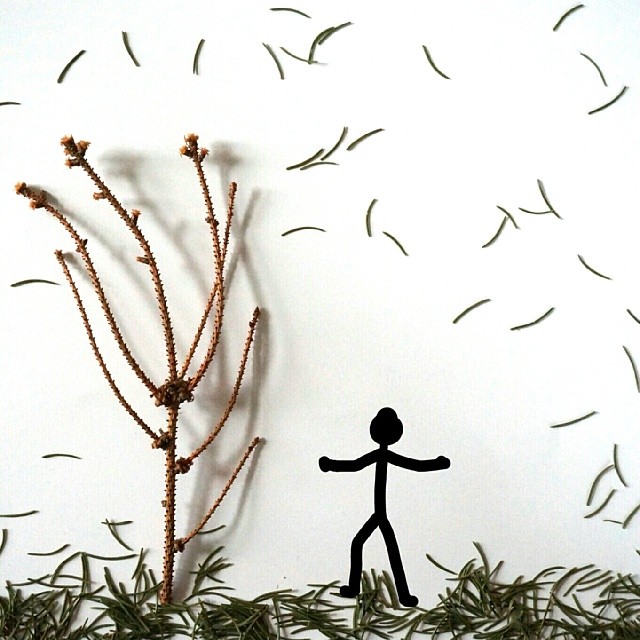
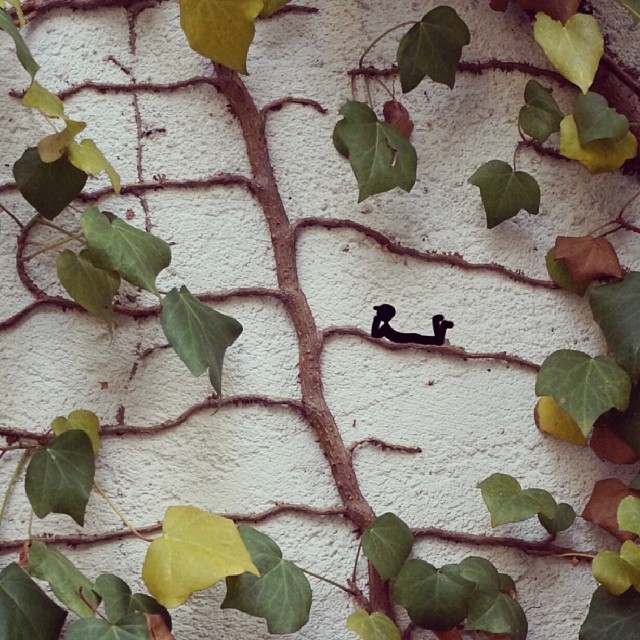
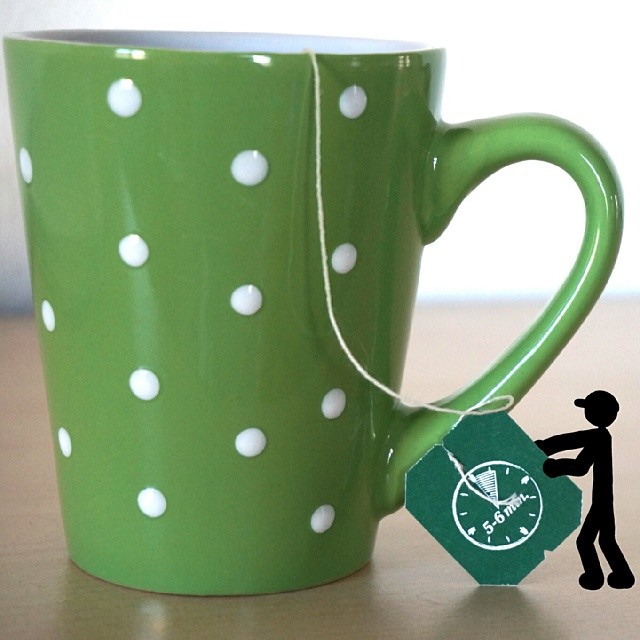
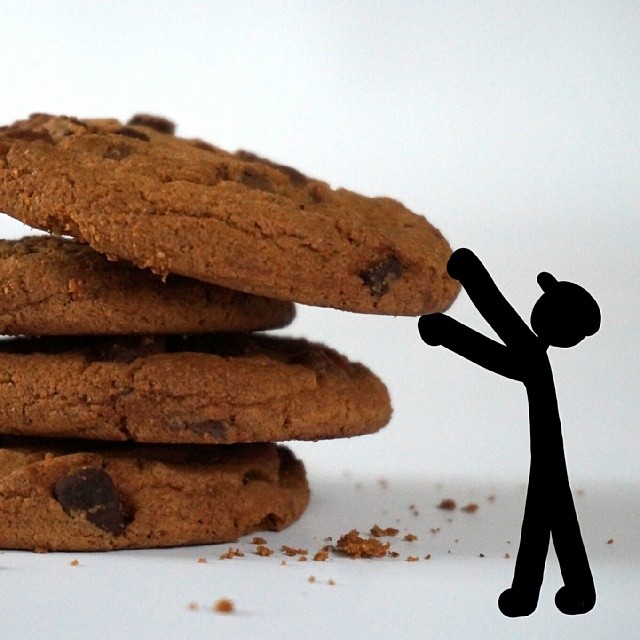
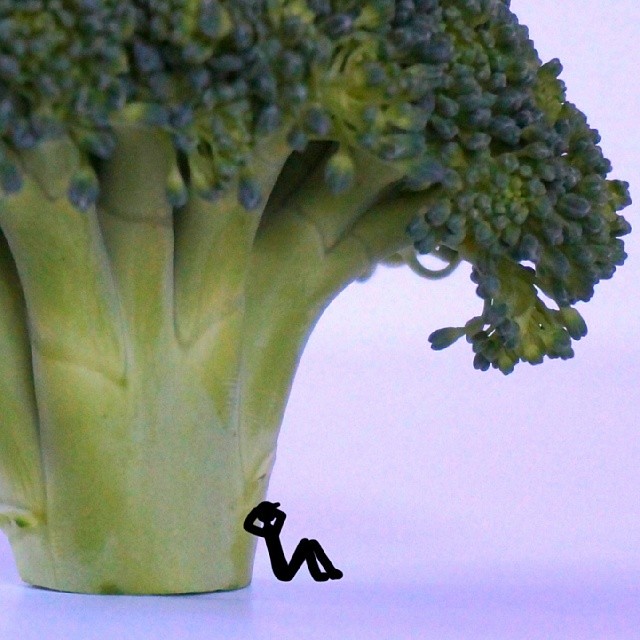
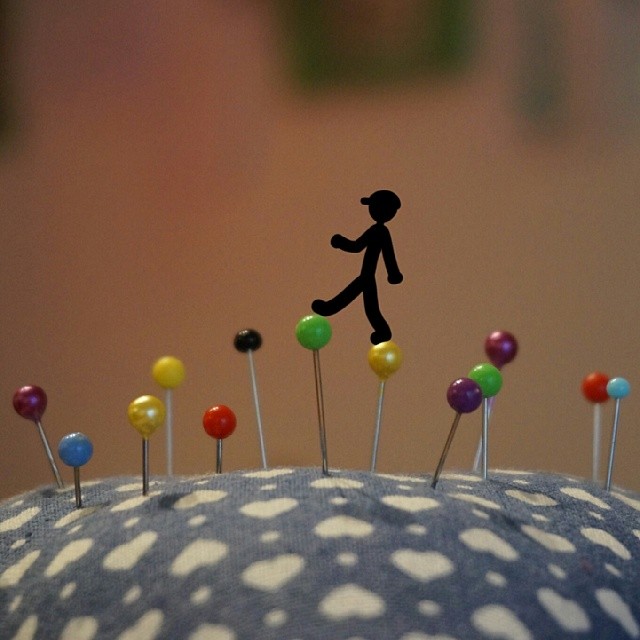
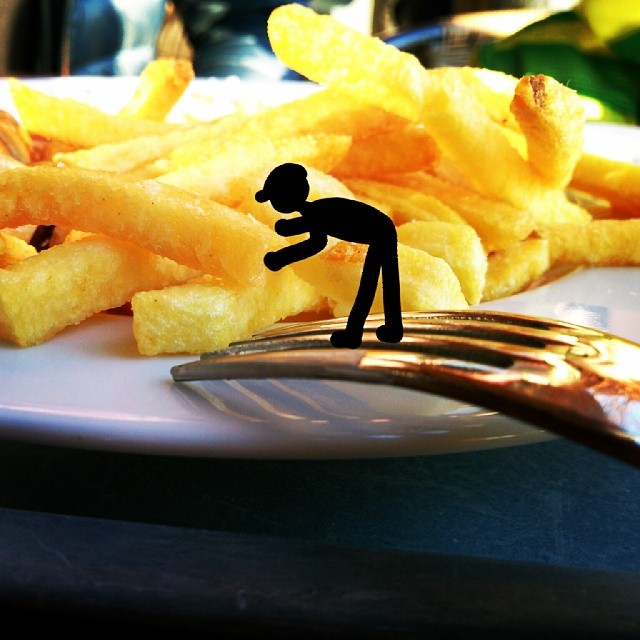
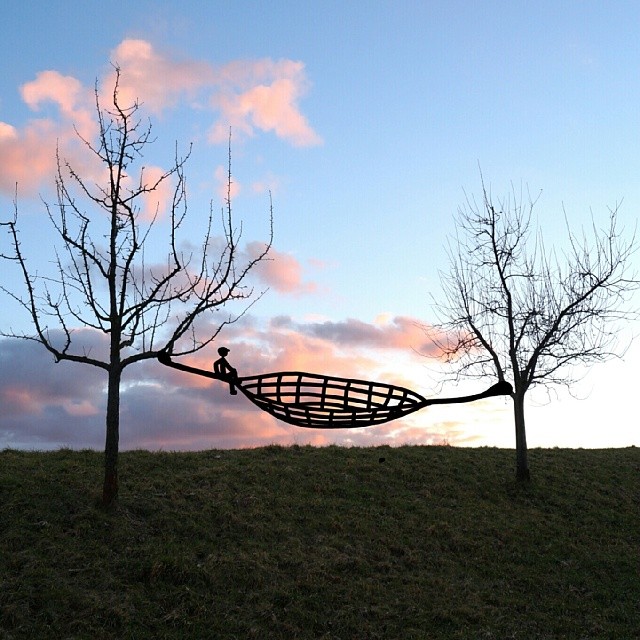
German photographer Heike Baar turns ordinary scenes into short adventures by adding one recurring hero: a tiny stickman, often built from sticky notes or equally humble lines, who climbs, swings, balances, and wanders through the frame. The photographs are not elaborate studio illusions. They are quick narrative edits—real places plus a paper-thin protagonist—and that lightness is the charm. As Baar puts it, the invitation is simple: have fun with some moments in Stickman’s life.
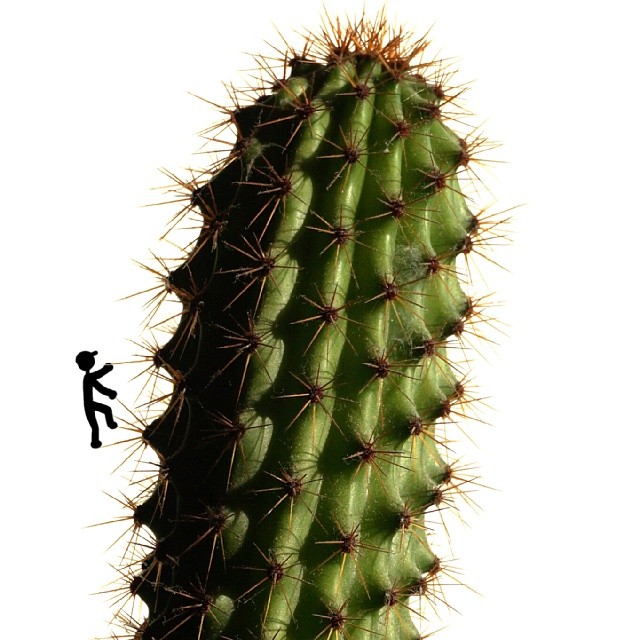
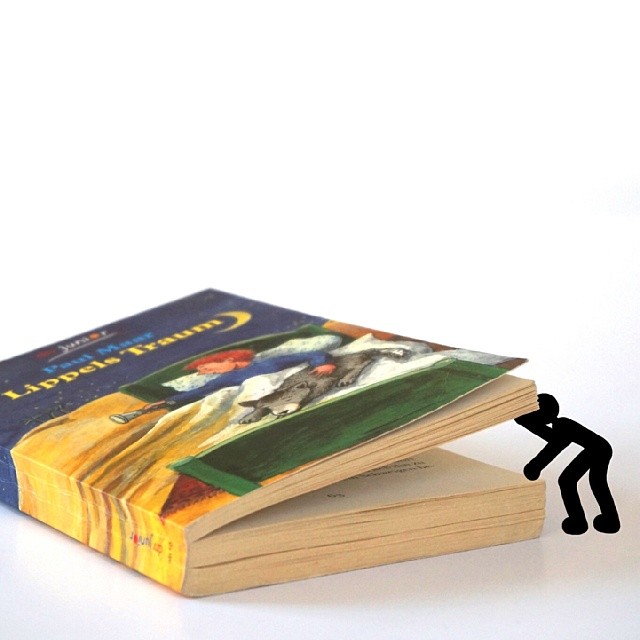
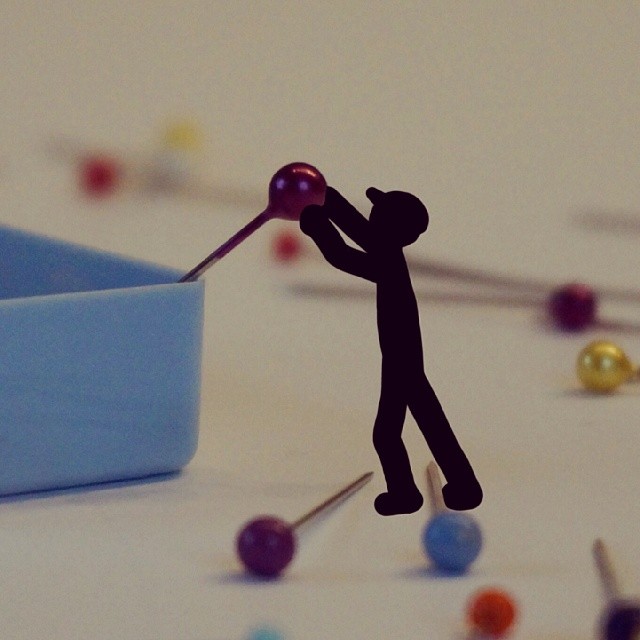
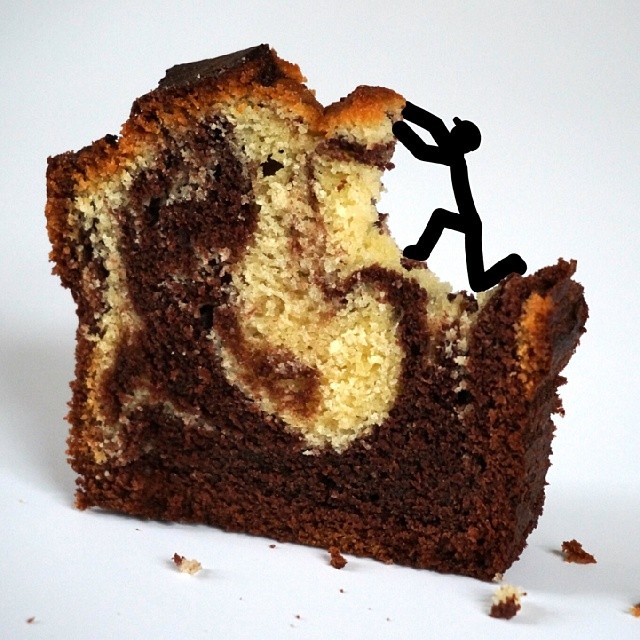
This gallery keeps that spirit. The stickman is small enough to borrow drama from clouds, cacti, railings, and tree limbs without competing with landscape grandeur. Scale does the comedy; gesture does the storytelling. Scroll slowly. Treat each frame as a one-panel comic that happens to be a photograph.
Why a stickman works in a photograph
A stick figure is almost pure verb. Without facial detail or costume spectacle, the viewer reads pose first: climbing, dangling, marching, resting. Placed against a real environment, that simplicity becomes surreal in a friendly way. The world stays photographic and specific; the character stays graphic and portable. You get the pleasure of collage without heavy digital seam work.
Sticky-note and paper construction help the joke land. You can see the craft is approachable. The series feels like something a sharp observer could begin after a walk, not after a grant. That accessibility is part of Instagram-era discovery culture, where a repeating character can turn a feed into a serial rather than a pile of unrelated pretty shots.
Baar’s stronger frames respect three rules. The stickman occupies a believable contact point with the scene—an edge, a stem, a ledge. The camera angle supports the character’s horizon so the environment feels large. And only one clear action dominates, so the brain finishes the story in a second.
Mini stories, not props
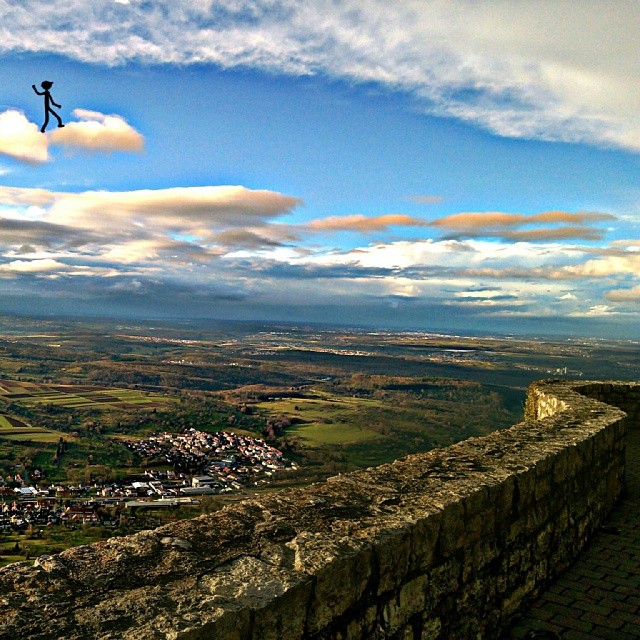
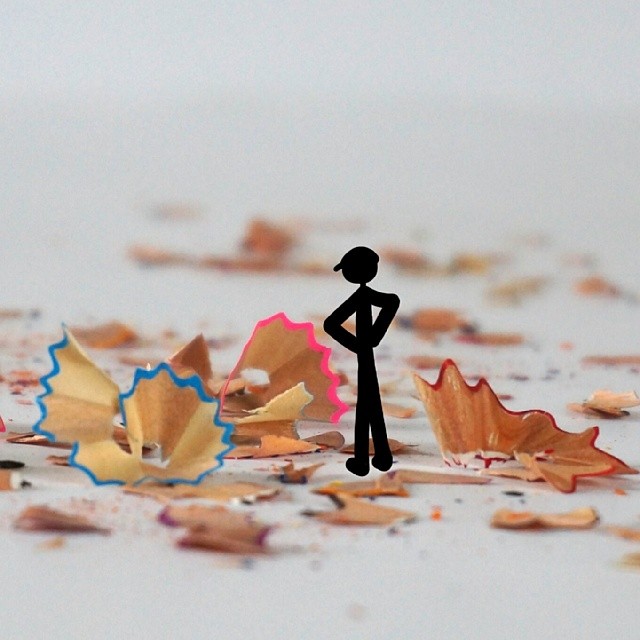
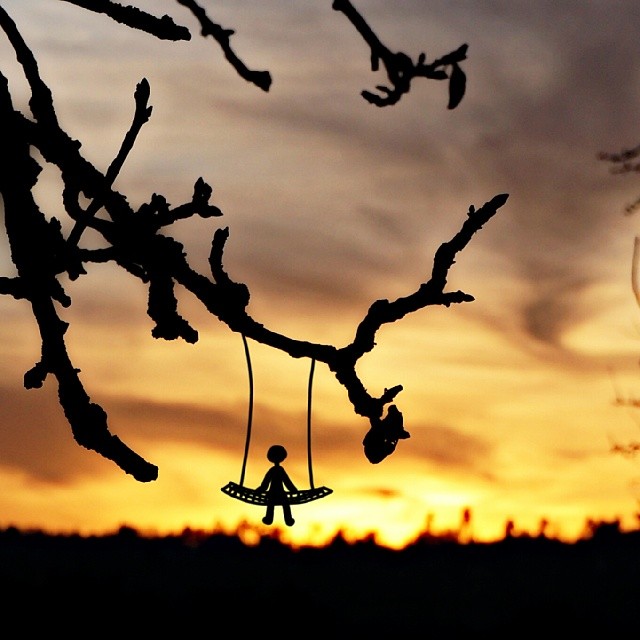
It is easy to reduce this kind of work to “person puts toy in photo.” Baar’s sequences aim higher by implying continuity. The same little hero reappears above clouds, on plant forms, against architecture, as if commuting through a private atlas. Repetition builds affection. You start rooting for the figure the way readers root for a comic-strip cast.
Clouds and sky give epic scale cheaply; a stickman walking above them turns weather into terrain. Trees and cacti offer ready-made climbing gyms with texture and risk. Urban edges—rails, walls, shadows—create quieter episodes, closer to slapstick than to fantasy travel posters. Moving between those registers keeps a long gallery from becoming one gag stretched thin.
How to look at the set
For each image, find the stickman’s feet or contact point first. Ask what the surface has become in the story—cliff, bridge, trampoline, stage. Then name the verb. If you cannot name the verb, the frame is probably too busy or the figure too centered without intent. Baar’s clearer pictures make the verb obvious even at thumbnail size, which is why they travel well in feeds.
Watch negative space. A small graphic character needs air around the pose; cluttered backgrounds swallow line work. When the photograph already has a strong shape—an arc of branch, a triangle of shadow—the stickman can hitch a ride on composition that was halfway finished before he arrived. That collaboration between found geometry and drawn figure is the craft lesson under the cuteness.
Light, weather, and paper
Because the hero is pale and linear, contrast matters. Bright overcast skies can make a white sticky figure vanish; darker foliage or deep blue can make him sparkle. Hard sun casts real shadows that either sell the stickman’s presence or expose him as a flat overlay if the shadow logic fails. The most convincing frames either embrace obvious paper flatness as part of the joke or match lighting carefully enough that the eye forgives the seam.
Weather becomes plot. Wind-implied motion, wet surfaces, heat-radiating desert plants, soft fog—each changes what “adventure” means for a two-dimensional traveler. The stickman does not need a novel’s worth of stakes. Perching on a cactus spine is already a complete episode.
Serial character as artistic discipline
Working with one recurring figure is a constraint that breeds invention. Locations must vary; poses must invent new verbs; the photographer must keep hunting stages where a tiny graphic body can matter. That hunt trains attention. Ordinary walks become location scouts. A railing is no longer only a railing; it is a potential tightrope.
The discipline also protects the gallery from random aesthetic hopping. Filters and trends age fast. A stickman with a consistent silhouette ages like a comic property: new backdrops, same cast. Baar’s set on this page shows that serial logic across dozens of moments—enough episodes to feel like a season, not a one-off novelty post.
If you try a stickman of your own
Start with one character design and refuse to upgrade him for ten pictures. Use paper, washi, or a drawn cutout; keep materials honest. Shoot the environment first, then place the figure where a verb is already half-suggested by the landform. Avoid centering every time—put him on edges where peril and play live. Edit ruthlessly: if the photo is strong without him, maybe it does not need him; if he is the only point of interest in a weak photo, fix the background instead of enlarging the doodle.
Credit matters when you share. This is Heike Baar’s Stickman life—her timing, her locations, her sense of humor. Homage is fine; erasure is not. The internet already has enough anonymous “cute edit” posts missing the name that made the joke land.
What remains after the smile
Novelty photography often expires when the algorithm moves on. What can remain in Baar’s Stickman work is a portable way of seeing: treat the world as a stage for a small consistent actor, and ordinary edges become plot. The humor stays kind. The figure is an adventurer, not a punchline crushed for superiority. That tone is why a long scroll still feels like play rather than spam.
Look once for the giggle, once for the contact point, and once for the landscape’s borrowed epic. Somewhere in that third look, a railing near you may start to resemble a bridge waiting for a traveler made of paper and nerve. Stickman, in Baar’s hands, is still mid-journey—one more cloud, one more cactus, one more quiet ledge—and the gallery ends the way good serials do: not with a finale, but with the sense he is already climbing into the next frame.

Comments
Continue reading
Still-Life Photography by Margareth Perfoncio
São Paulo photographer Margareth Perfoncio’s still lifes of food and flowers—Old Master light, dark wood, and tables that feel inevitable.
Meaningful Love Quotes for Inspiration (and Ink)
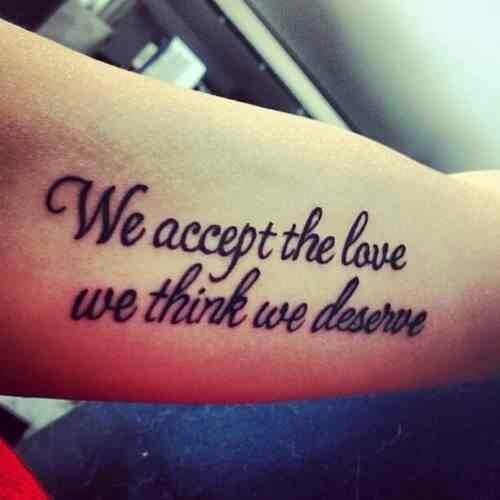
Meaningful love quotes that still feel true — short lines for tattoos, gifts, and everyday reminders, with placement and wording tips.
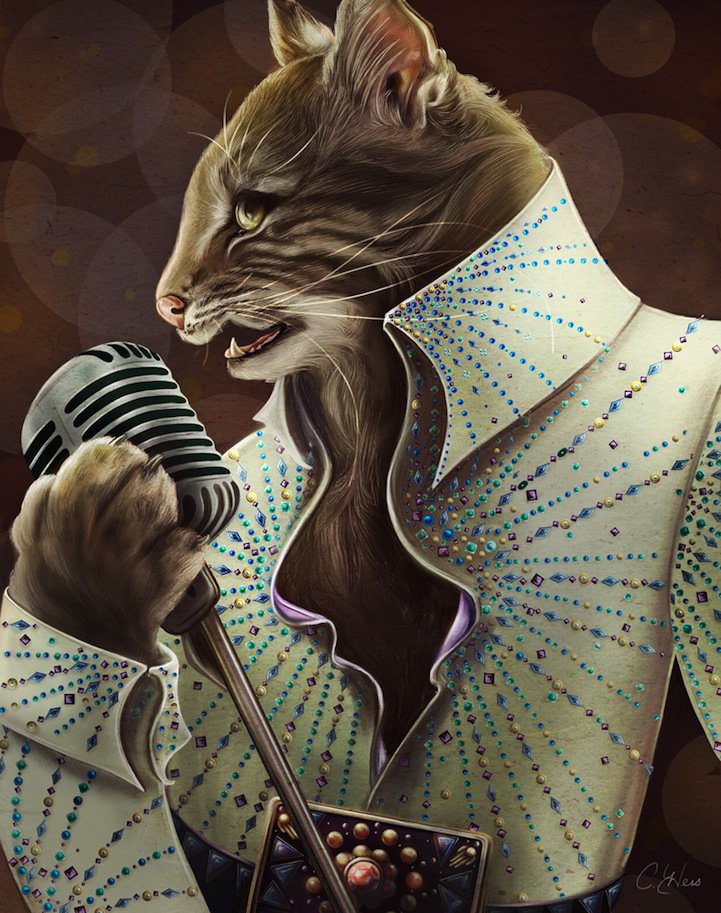
Christina Hess’s Animals From History: Costumed Pets as Playful Portraits
Illustrator Christina Hess reimagines historical icons as ornate animal portraits—Elvis Petme and friends—mixing puns, costume detail, and soft history lessons.