
Spectacular Wooden Old Houses Across Russia
Beyond cathedrals and Red Square, Russia’s carved wooden houses still show nalichniki, porches, and painted timber craft—an architecture photo feature worth slow looking.
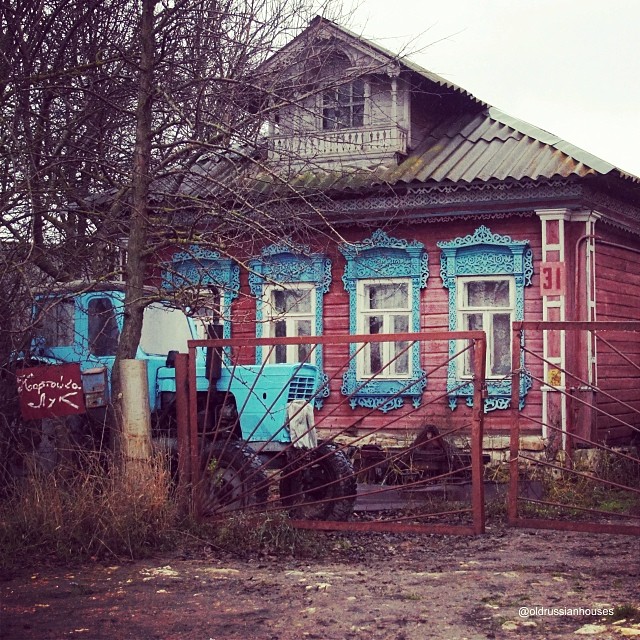
Travel plans for Russia often begin with cathedrals, palace museums, and the ceremonial geometry of Red Square. Those places deserve the attention they get. Still, another architecture waits outside the postcard checklist: wooden houses whose façades carry lace-like trim, painted shutters, carved window frames, and porches that feel half folk art, half shelter. Many survive in provincial towns and village streets rather than capital plazas. Photographed carefully, they read as both residence and archive—timber that has weathered winters, ownership changes, and the quiet risk of being replaced by something simpler and faster to maintain.
This feature gathers photographs of those houses—structures that still show how decorative woodwork once framed everyday life. Look past tourist towers long enough and the country’s residential craft becomes impossible to ignore: boards joined with patience, motifs repeated and varied house by house, color used like punctuation on gray weather.
Why wooden houses still matter
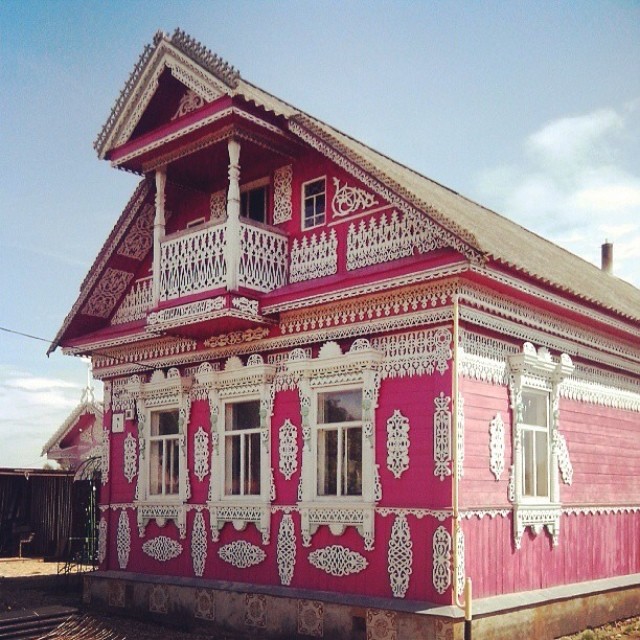
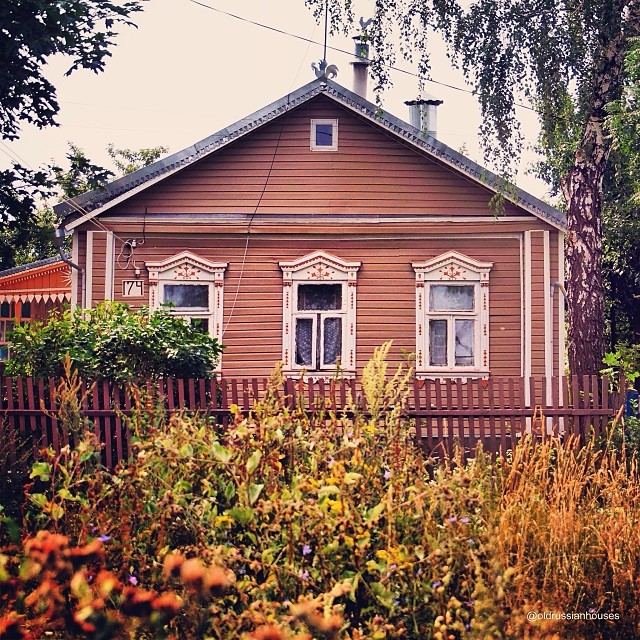
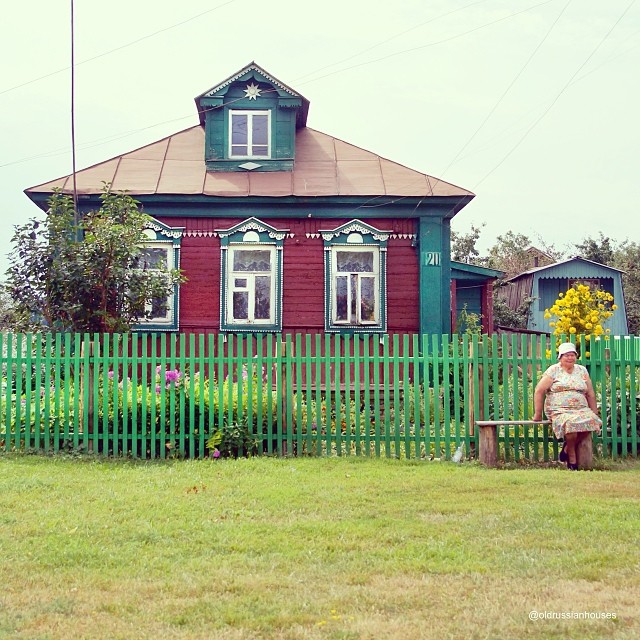
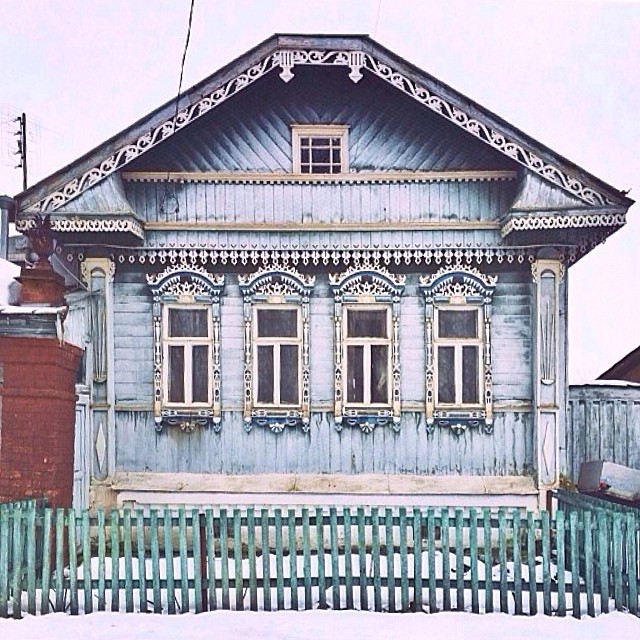
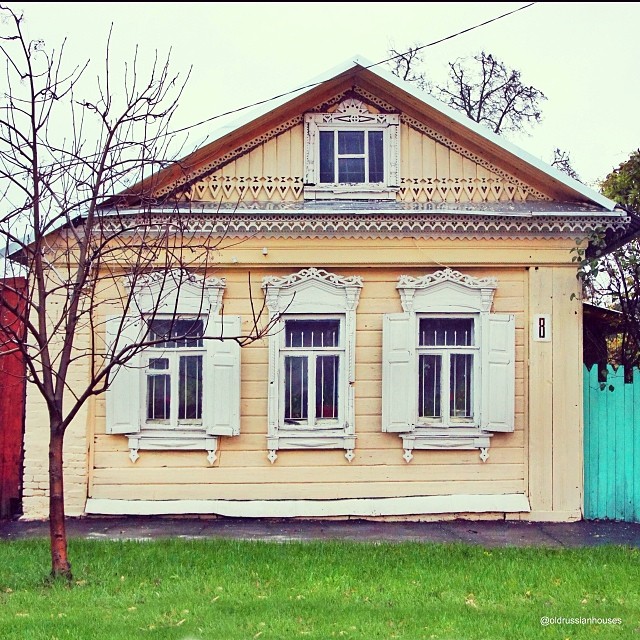
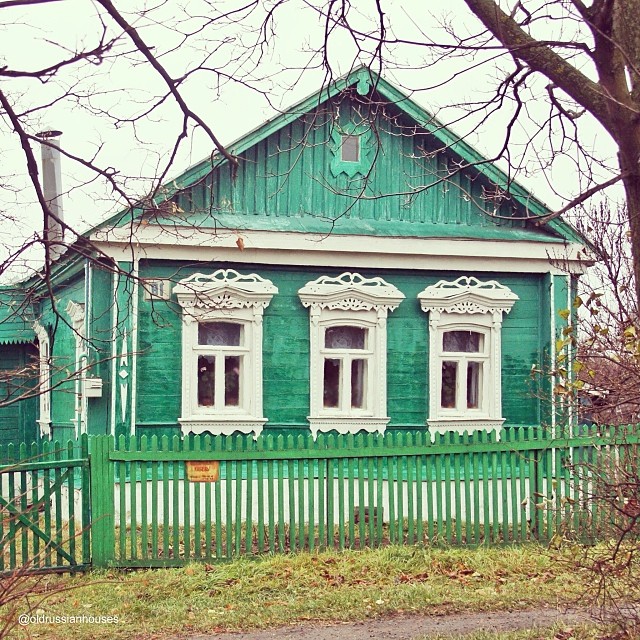
Traditional wooden dwellings in Russia are not a single style. Climate, timber supply, and local carpentry habits produced regional vocabularies—steeper roofs in heavier snow zones, different porch depths, different rhythms of horizontal boarding. What unites many of the most photogenic examples is surface richness: carved window surrounds (often called nalichniki), fretted bargeboards, decorative brackets under eaves, gates that announce the household before you see the door.
That ornament was never only “pretty.” It marked craft skill, neighborhood identity, and sometimes protective symbolism woven into floral and geometric patterns. Even when paint peels and boards darken, the silhouette of a carved cornice still signals care taken by people who expected the house to outlast a season of fashion.
Reading a façade: windows, porches, and gates
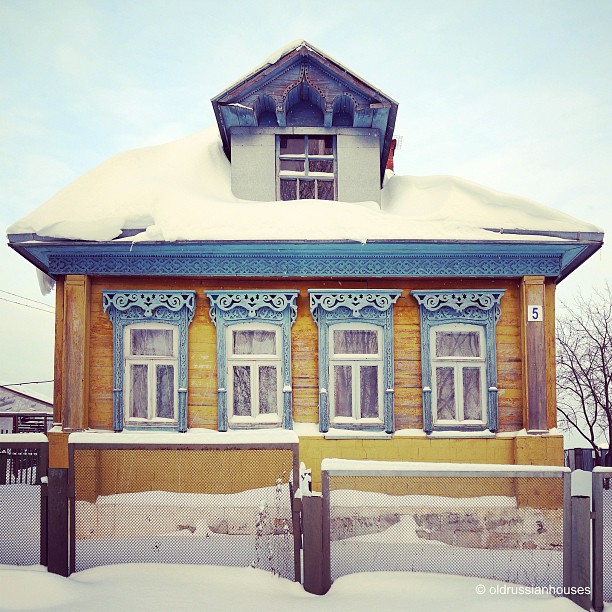
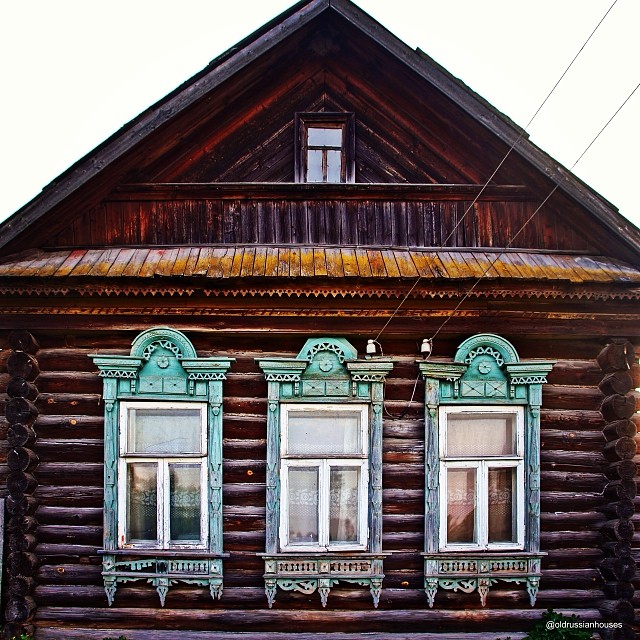
Start with the windows. In many older wooden houses, the frame is the showpiece—layered molding, repeating cutouts, painted accents that make each opening feel framed like a portrait. Photographers often crop tight here because the detail rewards it: shadows rake across the carving at mid-morning and late afternoon, turning flat boards into relief sculpture.
Porches and entry canopies do similar work at human scale. A modest house can feel ceremonial when the approach is framed by turned posts or fretted panels. Gates and fences extend the language to the street edge, so the property reads as a composed front rather than a shed with windows. When you walk a wooden street, notice how neighboring houses rhyme without matching—shared motifs, different hands.
Color, weather, and the look of time
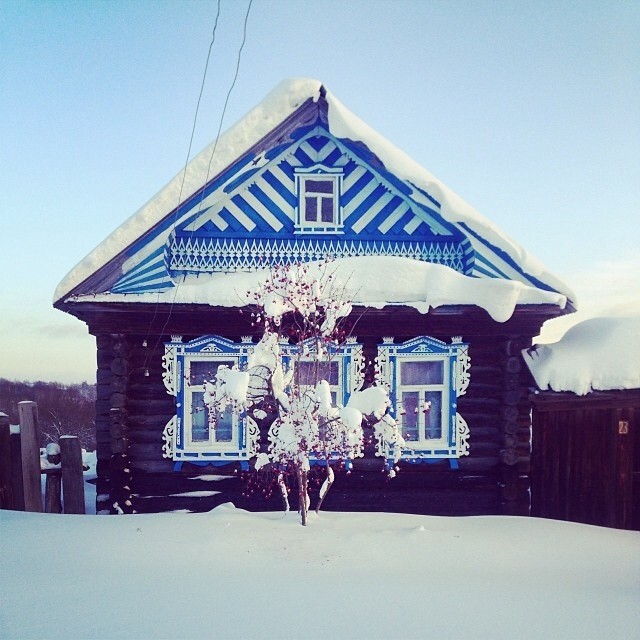
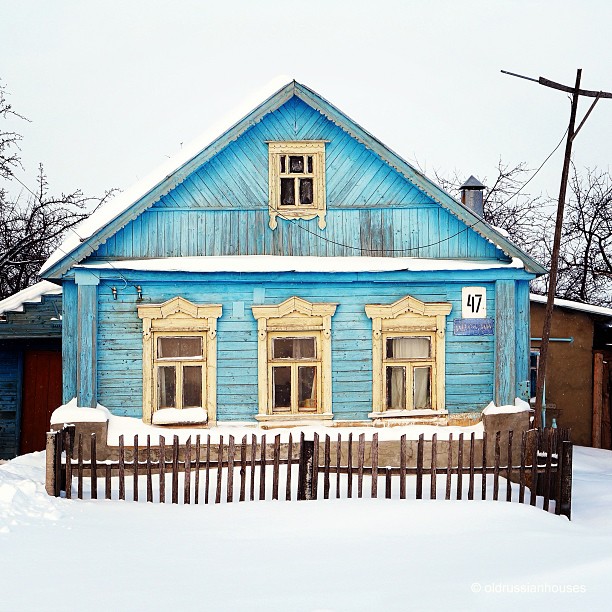
Paint on timber is both decoration and defense. Blues, greens, ochres, and white accents appear again and again in photographs of surviving houses, sometimes crisp, sometimes faded into chalky pastels. Weather does editorial work of its own: snow outlines every edge; rain darkens lower boards; sun bleaches south-facing walls. A house that looks “romantic” in soft light can look stern at noon. That shift is part of why these façades photograph so well—they are never only one mood.
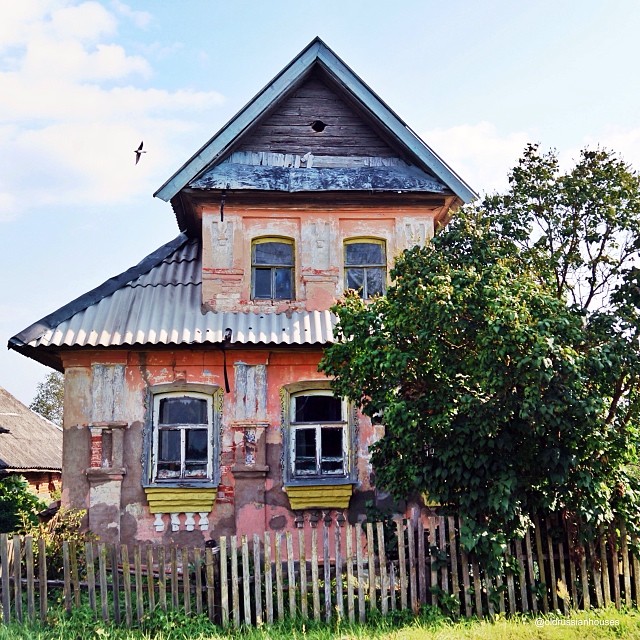
Neglect photographs too. Missing boards, sagging porches, and empty windows are not aesthetic flourishes; they are reminders that wooden fabric needs continuous care. Looking carefully means holding beauty and vulnerability in the same frame.
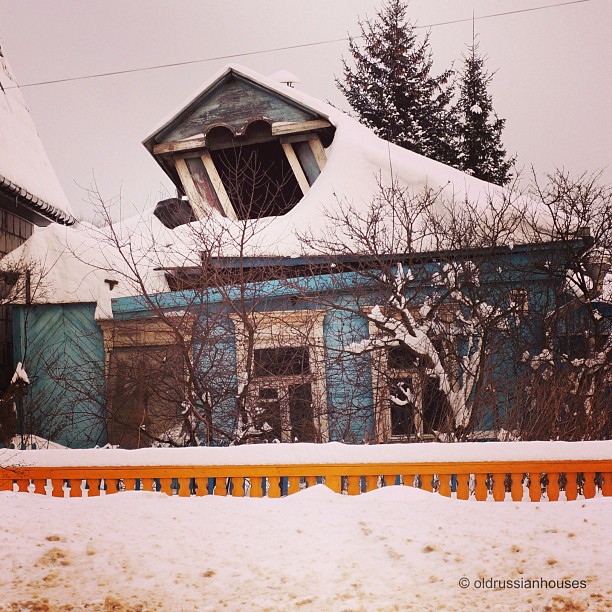
What the camera notices
Architecture photography of wooden houses rewards patience more than exotic gear. Side light reveals carving depth; a slight step left or right can separate a window frame from a busy background of wires and modern signs. Wide shots establish the house in its street or yard; close frames catalog craft. Alternating those distances in a sequence—as this gallery does—keeps the eye from treating every building as the same picturesque type.
People are often absent from these images, yet human presence is implied everywhere: curtains, stacked firewood, a repaired step, a satellite dish interrupting a nineteenth-century silhouette. The interesting photographs do not erase the present; they let eras share a wall.
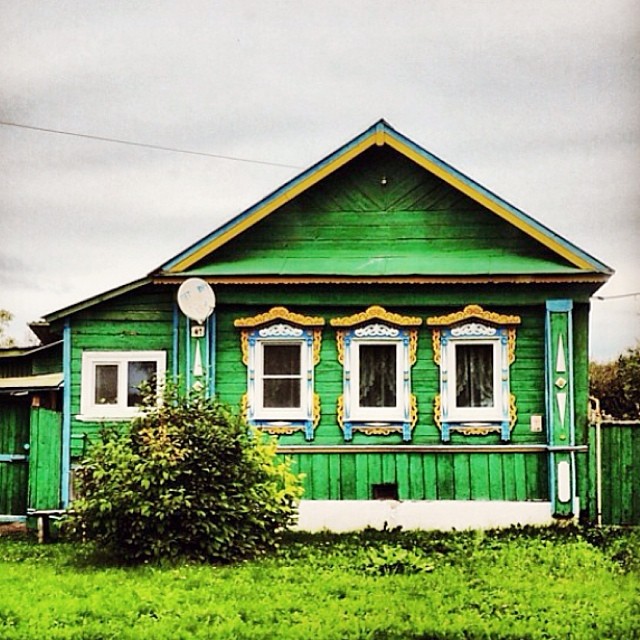
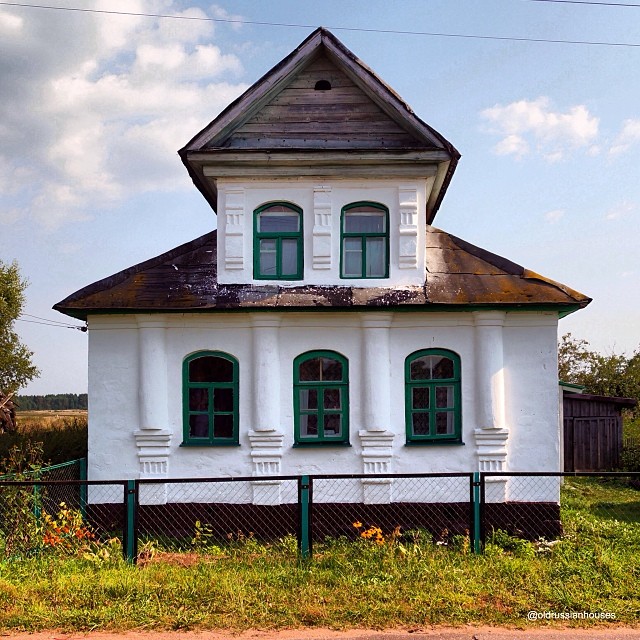
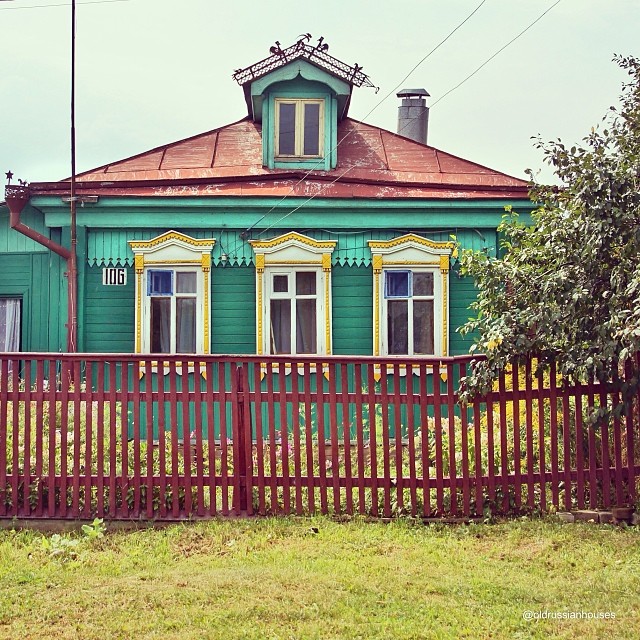
Beyond capitals: where the fabric lives
Moscow and St. Petersburg hold monumental stone and brick stories that dominate itineraries. Wooden residential heritage is easier to miss unless you leave the densest tourist corridors or seek out preserved streets and open-air museum contexts. Provincial towns—especially those with surviving wooden quarters—offer denser concentrations of carved façades, though survival is uneven. Fires, demolitions, and cheap replacements have thinned the stock for decades.
Open-air museums and conserved streets can help newcomers learn the typology before they wander private neighborhoods, but the most affecting encounters are often ordinary: a house still lived in, laundry on a line, a satellite dish interrupting a nineteenth-century silhouette. That mix of continuity and improvisation is part of the architecture’s modern truth.
For travelers and architecture enthusiasts, the practical stance is simple: when you find a wooden street still intact, walk slowly. Do not treat private homes as stage sets. Photograph from the public way, respect privacy, and notice maintenance as much as ornament. A freshly painted nalichnik and a collapsing cornice are both part of the historical record.
Why these images feel urgent
Wooden houses age differently from stone monuments. Moisture, insects, and deferred repair can erase a façade’s character within a generation. Documentation—careful photographs that record trim profiles, color schemes, and street relationships—matters because some of these compositions will not remain to be revisited. That is not melodrama; it is the ordinary math of timber and economics.
Looking at a gallery like this is therefore more than nostalgia. It is a way of studying how ordinary buildings once carried extraordinary craft, and how that craft still flashes from side streets when light hits the right edge of a carved board. Compare houses within the set: some lean on color, others on silhouette; some feel festive, others austere. The shared language of timber ornament still leaves room for local handwriting.
If your travel list already includes the famous towers and squares, leave room for at least one afternoon of quieter looking. Stand across the street from a carved porch, wait for a cloud to soften the glare, and let the house tell you what stone monuments cannot: how beauty once lived in the daily scale of windows, gates, and painted wood. The spectacular part is not only that these houses exist—it is that so many still manage to look handmade in a world that prefers flat walls.

Comments
Continue reading

Dramatic Photo Art by Sukron Ma’mun (Ipoenk Graphic)
Cirebon, Indonesia photographer Sukron Ma’mun uses theatrical natural light to frame village life, play, and place in lyrical photo art.

Bird’s-Eye Views: Florian Beaudenon’s Instant Life
Paris photographer Florian Beaudenon’s Instant Life series captures people in their rooms from above—intimate, collaborative overhead portraits of everyday joy.
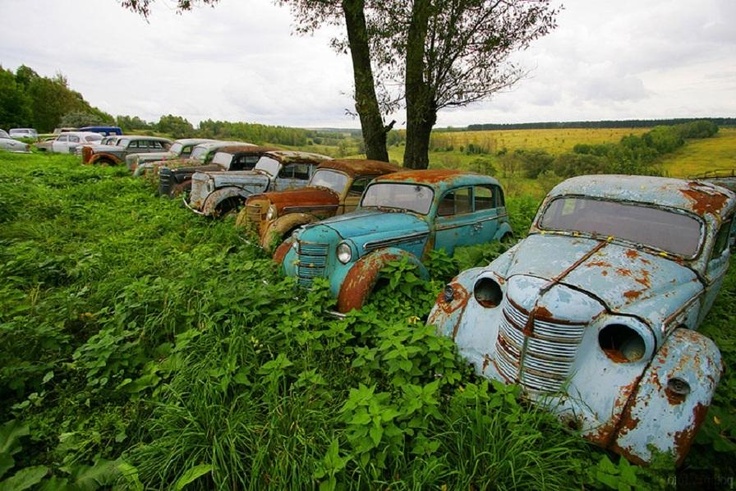
Abandoned Cars Reclaimed by Nature: Rust, Growth, and Quiet Ruin
When neglected vehicles are left outdoors long enough, rust, moss, and trees rewrite them into strange still lifes—sad, photogenic, and slowly returning to the ground.