
Wedding Boudoir Photos: A Tasteful Gift Session Guide
Plan a respectful wedding boudoir session—purpose, photographer trust, wardrobe, posing, boundaries, private gifting—with a tasteful inspiration gallery.
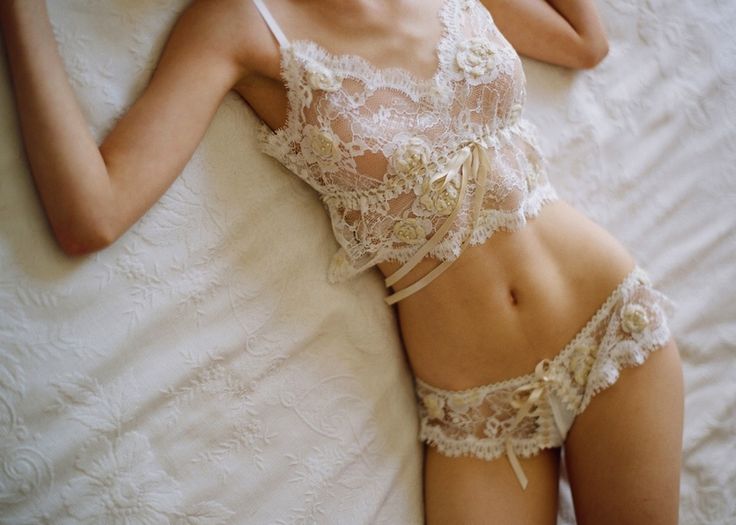
Boudoir, from the French for a private sitting room, describes intimate portraiture made with consent, craft, and care. In a wedding season context, many people book a session as a private gift for a partner—or as a quiet gift to themselves before the public whirl of the wedding day. The tone can be soft, playful, elegant, or quietly sensual. It does not need to perform for strangers, and it should never feel like a dare you cannot refuse.
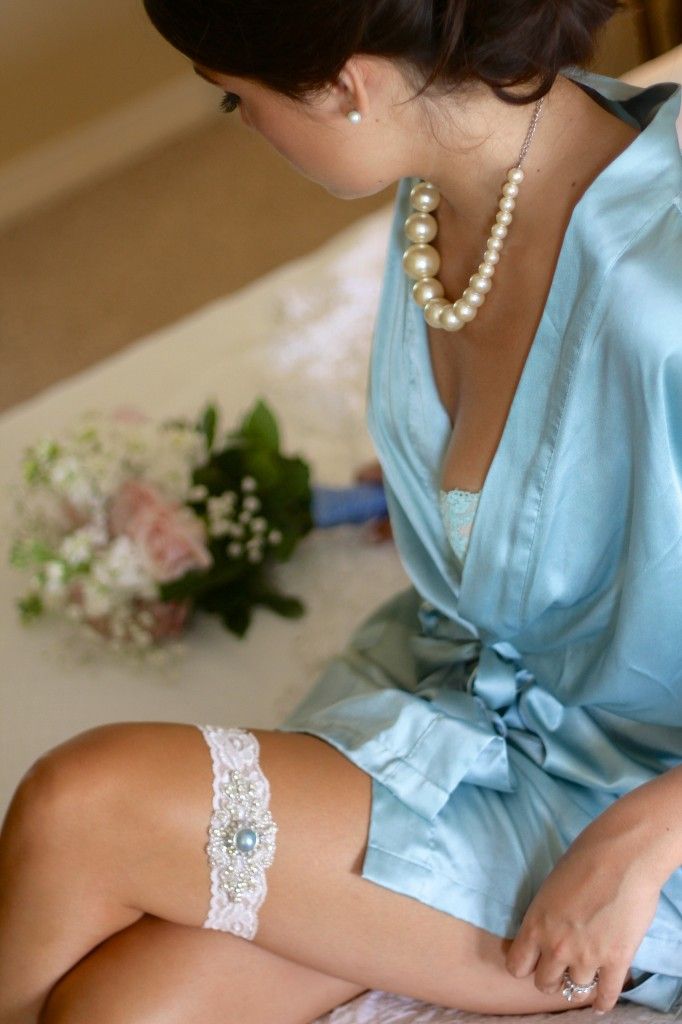
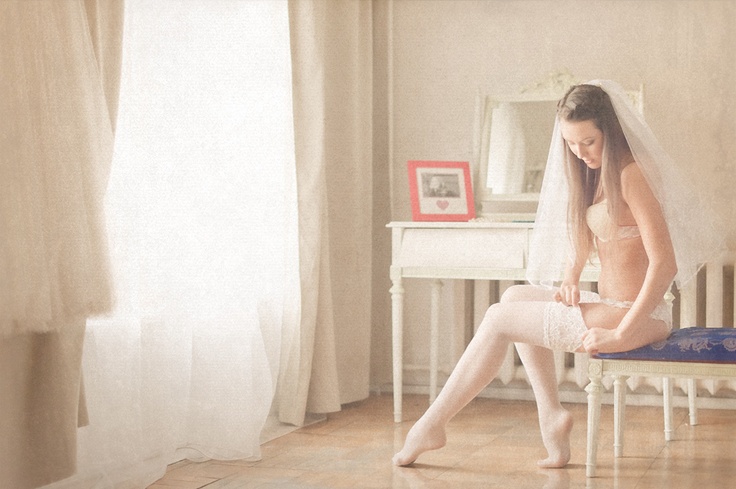
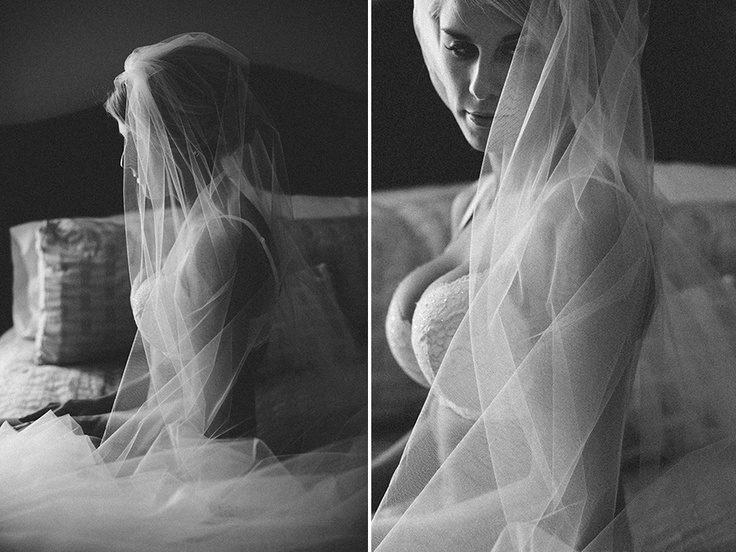
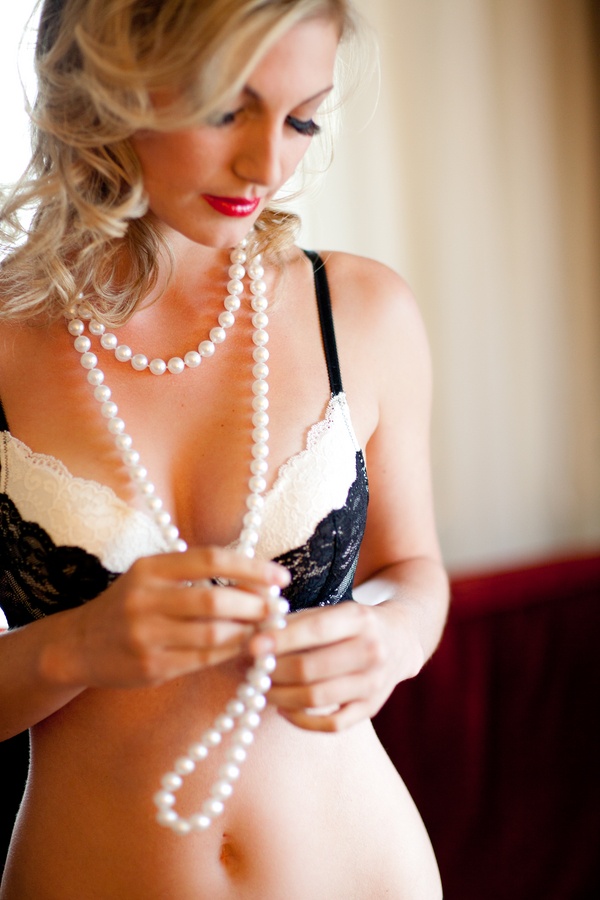
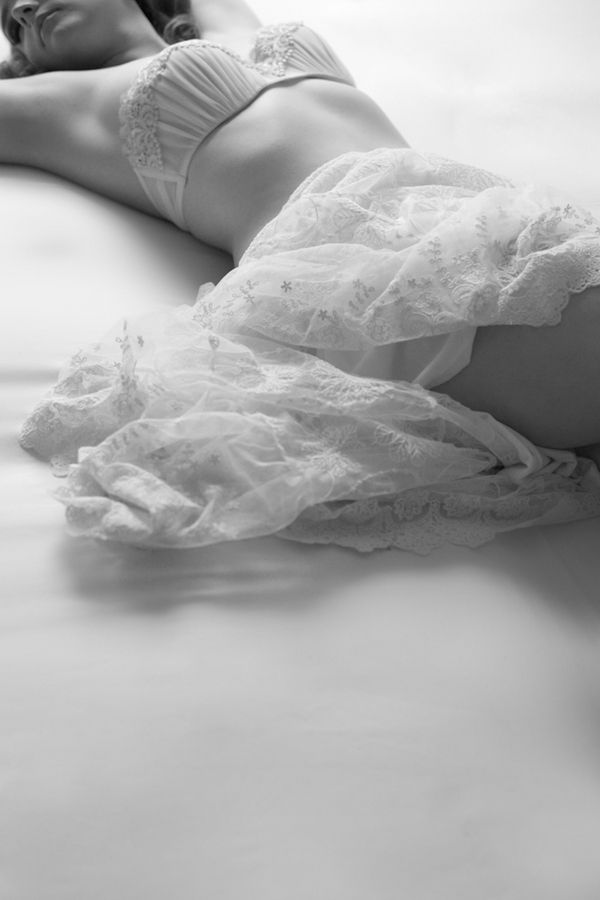
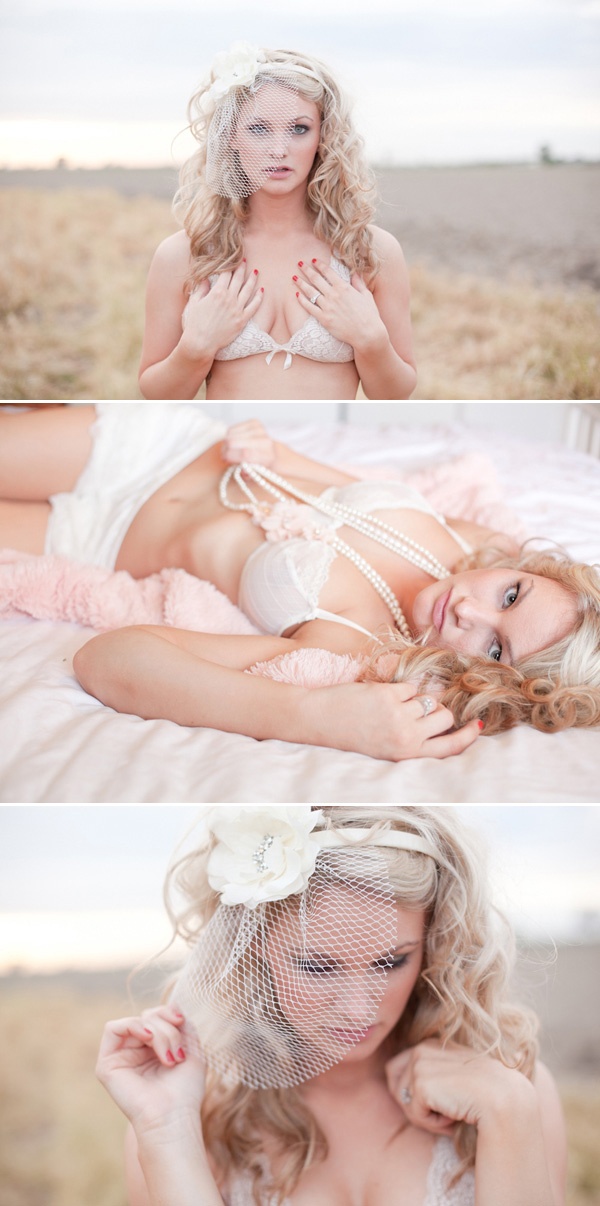
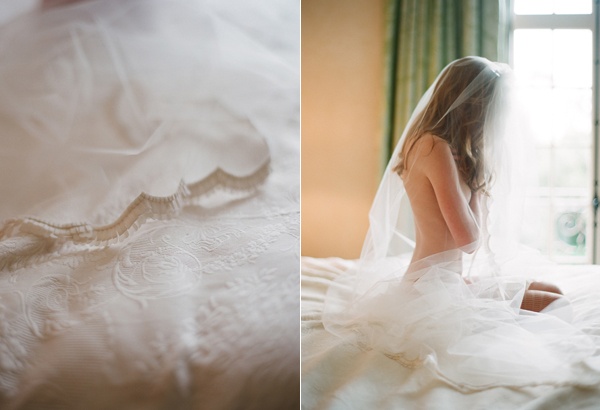
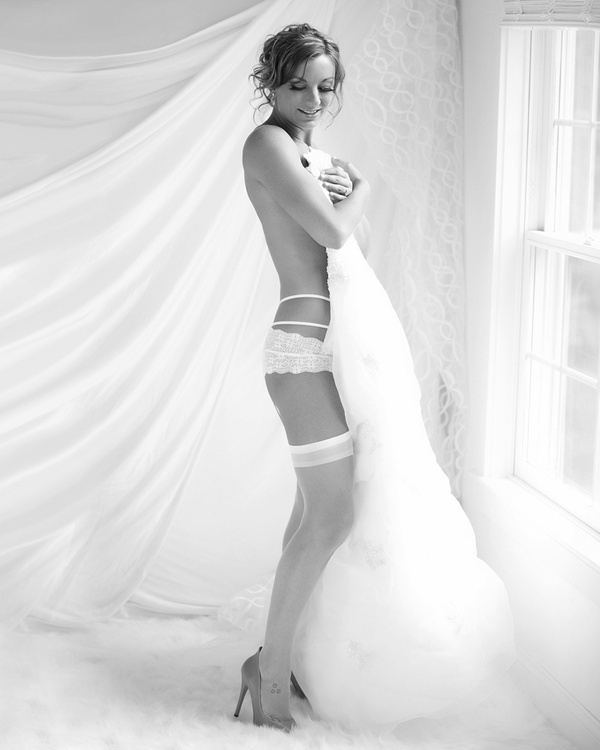
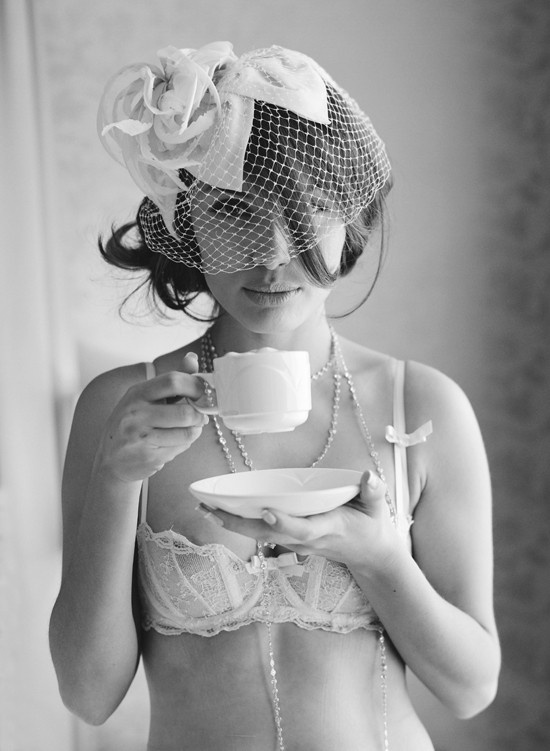
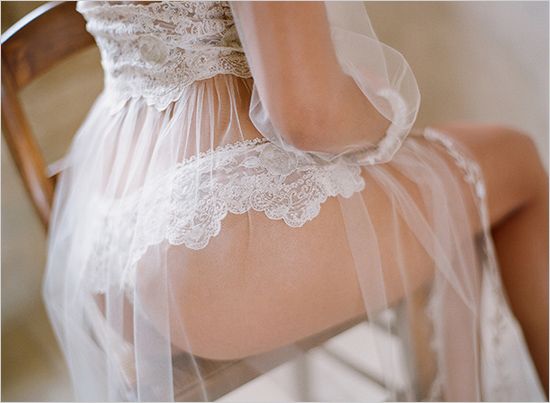
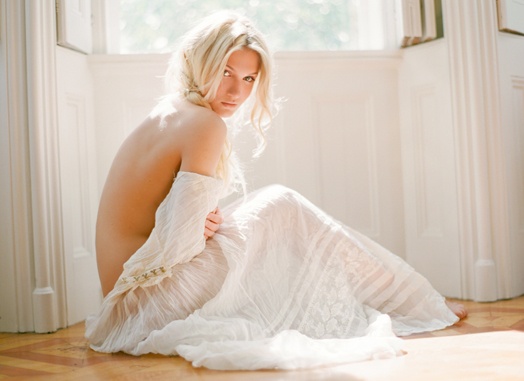
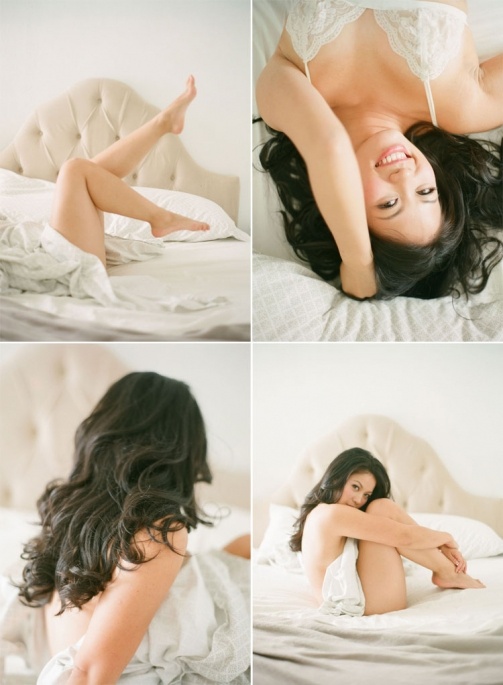
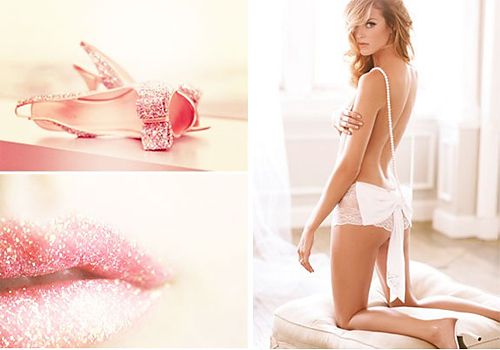
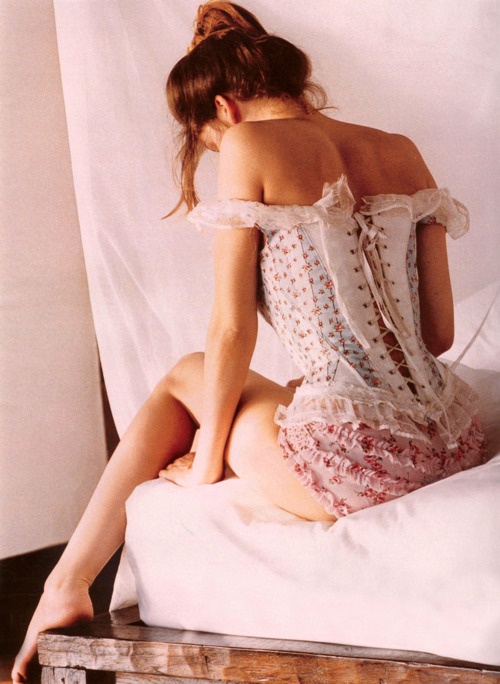
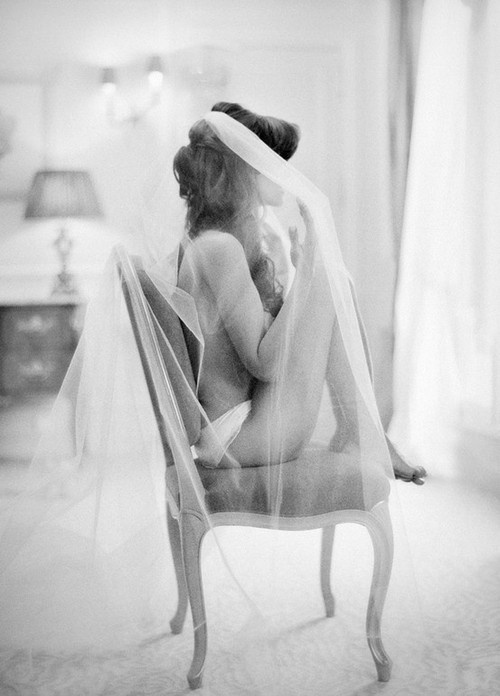
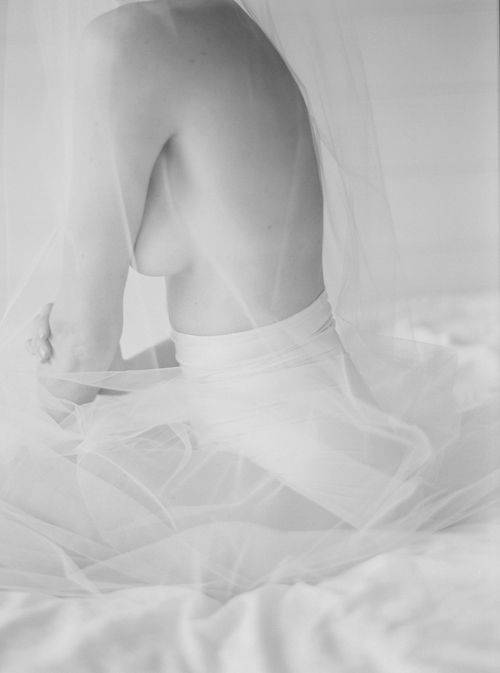
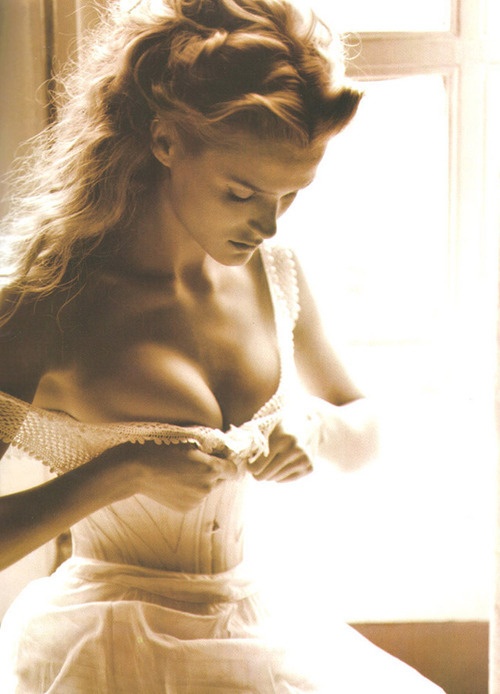
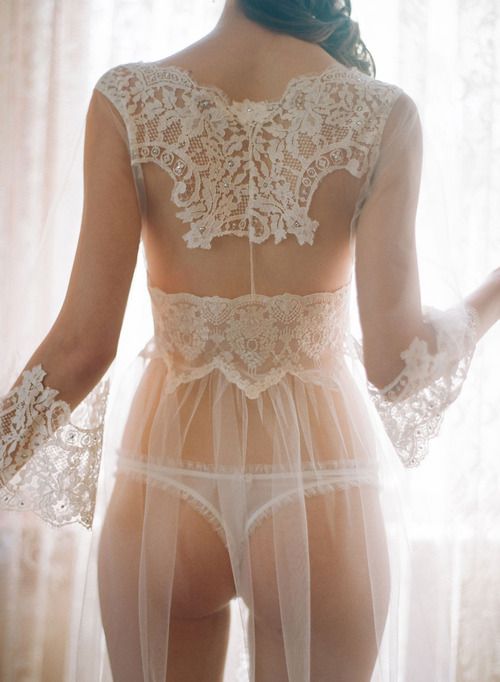
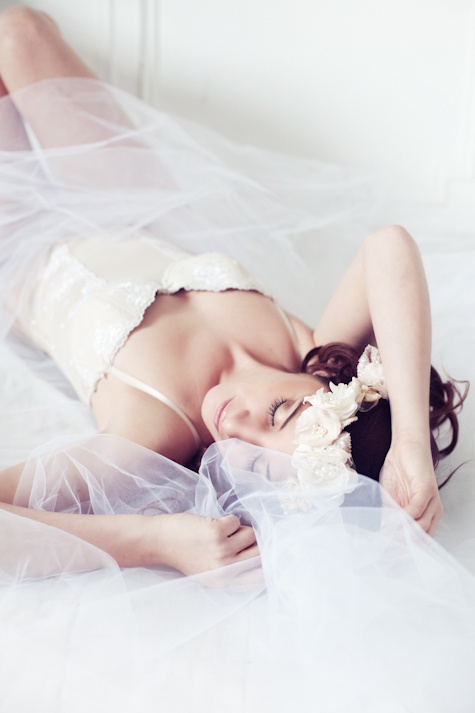
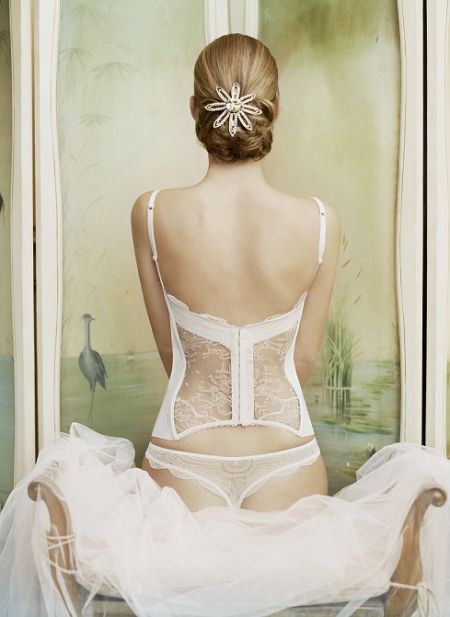
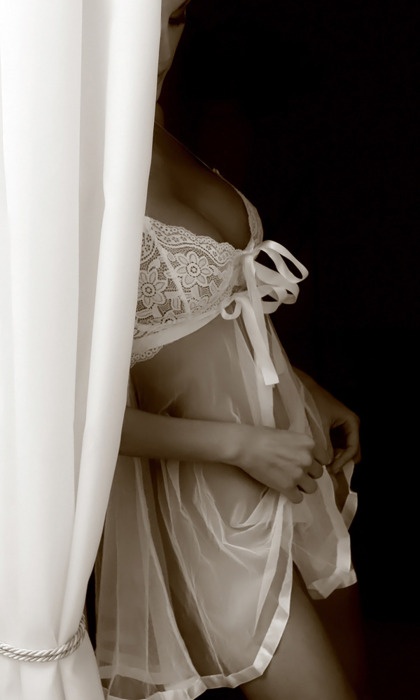
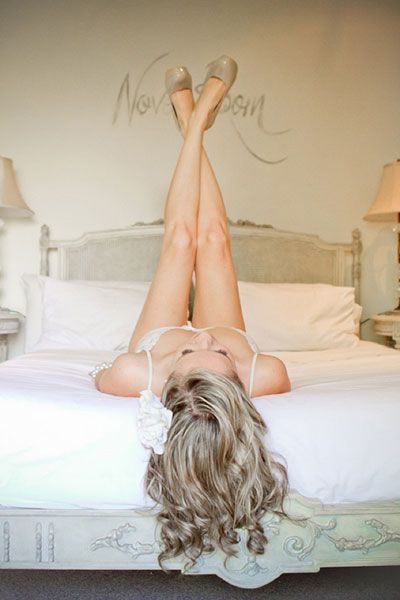
This guide focuses on planning a respectful session: purpose, photographer trust, wardrobe, posing, boundaries, and how to keep finished images intentional. The gallery offers visual reference for light, fabric, and mood. Use it as inspiration, not as a checklist of poses you must recreate frame for frame.
Clarify who the images are for
A curated album meant only for a fiancé is a different editing conversation from a personal confidence project you may never share. Say the intended audience aloud when you inquire. That single sentence shapes how bold or restrained direction should feel, which wardrobe suggestions make sense, and whether any images are released for the photographer’s portfolio.
Portfolio use should be optional and specific. If you agree to a few anonymized frames, decide that in writing—face visible or not, tattoos visible or not, social channels allowed or not. If the gift is strictly private, say so in the contract. Privacy is part of the craft of intimate portraiture, not an awkward afterthought negotiated after proofs arrive.
Schedule with buffer. A session crammed against fittings and rehearsals adds stress; a date several weeks earlier often leaves room to enjoy proofs without rushing. Choose a time of day when you have energy—morning light suits many people who prefer a calmer pace. If your body image fluctuates with cycle, travel, or stress, pick a week when you are more likely to feel steady rather than forcing a date that only serves the wedding calendar.
Build a small mood board before you inquire. Cap it at a dozen images that share a feeling—soft daylight, quiet confidence, playful warmth—rather than a random pile of unrelated pins. Note what you like in each: the robe, the window light, the smile, the crop. Share that board so direction starts from your taste. If something feels exciting online but uncomfortable in your body, remove it. Desire that only exists on a screen is a poor plan for a real hour in front of a camera.
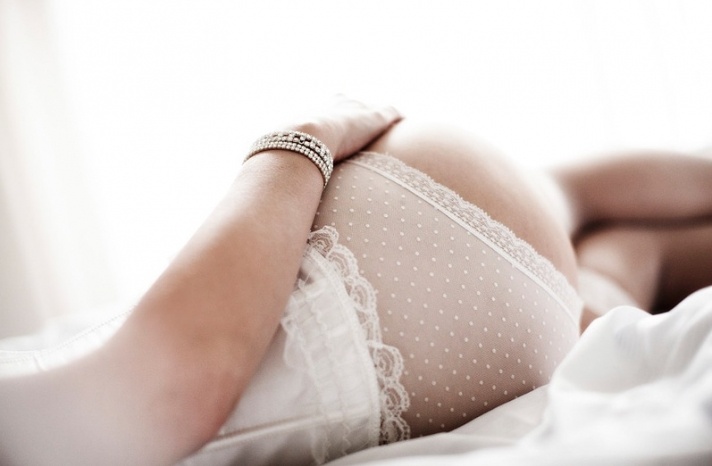
Choose a photographer for trust
Look past dramatic retouching. Study whether clients look comfortable in their bodies, whether lighting is kind, and whether posing looks collaborative. Read contracts for usage, turnaround, delivery format, retouching limits, and cancellation terms. Ask how the photographer works with people who feel shy. Practical answers—start covered, build gradually, offer breaks, never force a pose—matter more than slogans about empowerment.
Studio, hotel suite, or home each change the session. Studios offer control and reliable light; hotels offer clean anonymity and simple backdrops; home offers personal texture if clutter can be cleared. Request a prep list. Steamed fabrics, clean linens, and a cleared surface do more for elegance than novelty props. Ask about parking, changing space, restroom access, and whether music is welcome.
Decide whether a friend may attend for support. One calm helper can steam and steady nerves; a crowd can turn the room into a stage. Choose what helps you specifically. Confirm whether the photographer is comfortable with a support person in the room and where that person should stand so they do not appear in reflections.
Ask about backup plans: equipment failure, sudden illness, or a day when you simply cannot continue. A respectful professional will prefer a pause or reschedule over pushing through visible distress.
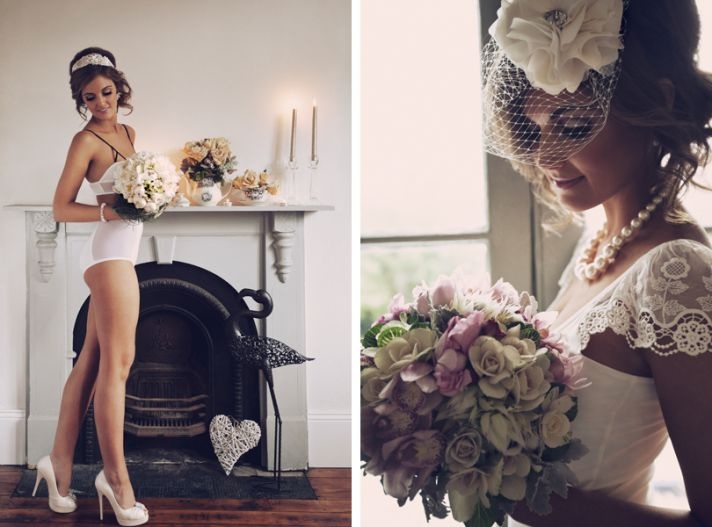
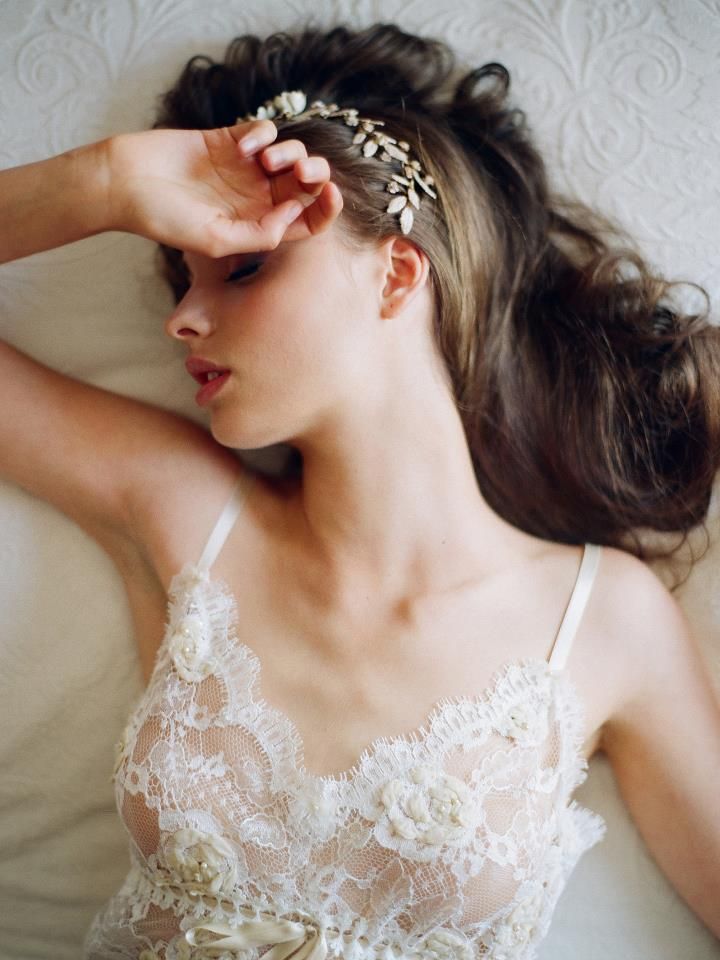
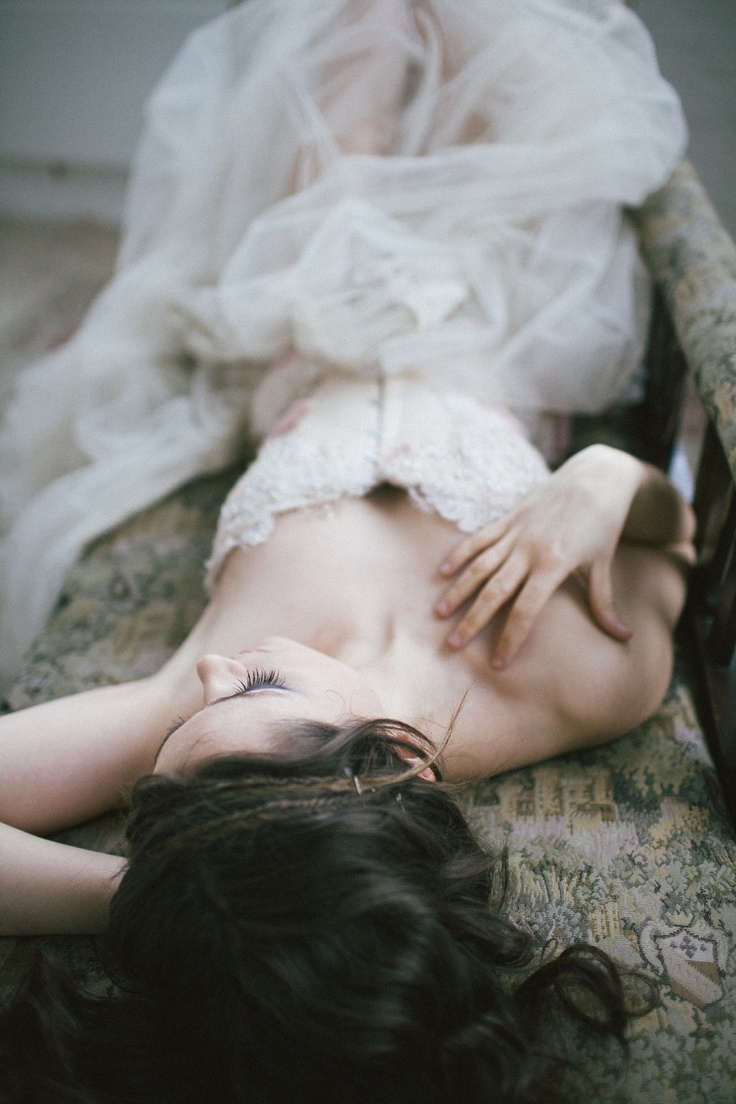
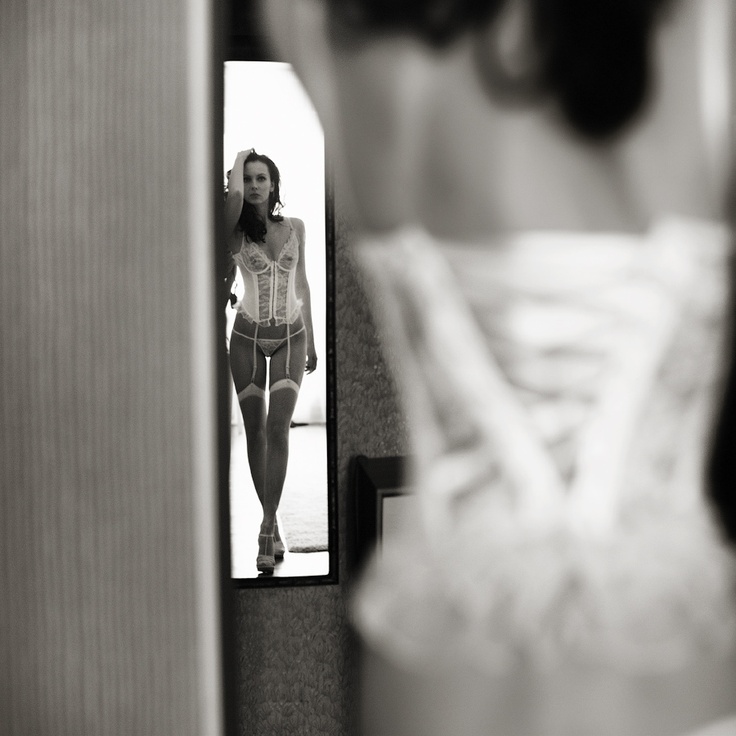
Wardrobe, hair, and makeup that support you
Coverage is a creative choice. Robes, slips, lace sets, a favorite button-down, simple heels you can stand in, and optional wedding-day jewelry or a veil can all belong. Soft fabrics that move photograph kindly; anything that digs, slips constantly, or makes you self-conscious will show in your shoulders and jaw long before it shows in the garment.
Bring two or three looks for a standard session so changing does not consume the hour. Neutrals and soft tones keep attention on expression and light; one deeper color can add contrast if it feels like you. Pack fashion tape, safety pins, and a lint roller. Steam the night before. Think about how wardrobe interacts with movement: a robe that opens cleanly gives options; a complicated corset that needs help for every adjustment will eat clock time.
Hair and makeup should flatter skin under the photographer’s lighting. Soft glam or natural bridal makeup usually photographs more kindly than heavy glitter. If you hire an artist, share a small mood board and ask for longevity without stiffness. Bring blotting papers. Avoid brand-new skincare experiments the morning of the shoot.
Familiar objects that belong to your story—an engagement ring, an heirloom earring, a robe you already love—often photograph with more honesty than rented drama. Sensual does not require novelty. Pack jewelry in a labeled pouch so nothing goes missing during changes.


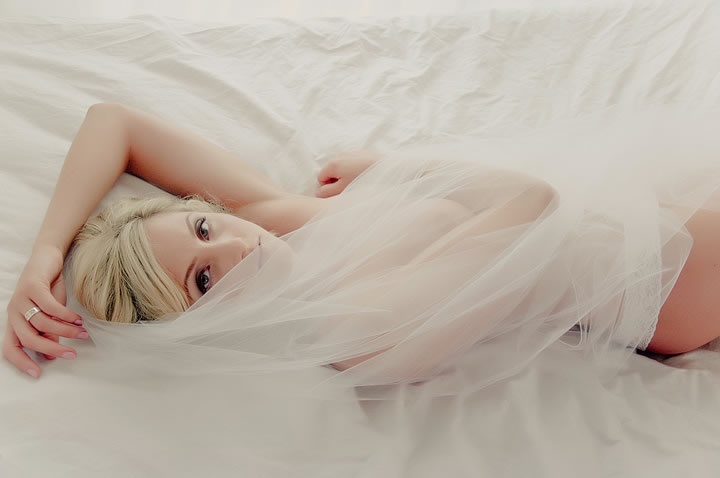

Posing, light, and boundaries in the room
Expect direction. Good photographers give your hands something to do—robe ties, a sheet edge, hair, a chair—so you are not frozen. Weight shifts, over-the-shoulder glances, seated curves, and standing silhouettes near a window are common starting points. You can decline any suggestion without apology. Comfort is visible; so is tension. A respectful session treats “no” as useful information, not as a mood killer.
Window light with sheers, or soft light bounced into a wall, flatters skin. Hard overhead bulbs flatten mood. Ask what the photographer plans and whether certain makeup textures flare under their lights. Between setups, breathe. Music you like, if welcome, can settle nerves. Frames between “official” poses—laughing at a direction, adjusting a strap—often become favorites because they look like you.
A light shot list reduces anxiety: two standing looks, two seated or lounging looks, one detail set (hands, jewelry, fabric), and one quieter frame where expression leads. Tell the photographer which of those matter most if time runs short. Priorities protect the album when the clock is real.
Hydrate, stretch your neck and shoulders before you arrive, and eat something light so you are not shaky. Intimate portraiture is still physical work. Treat your body as a collaborator, not as an obstacle to be ignored until the card is full.
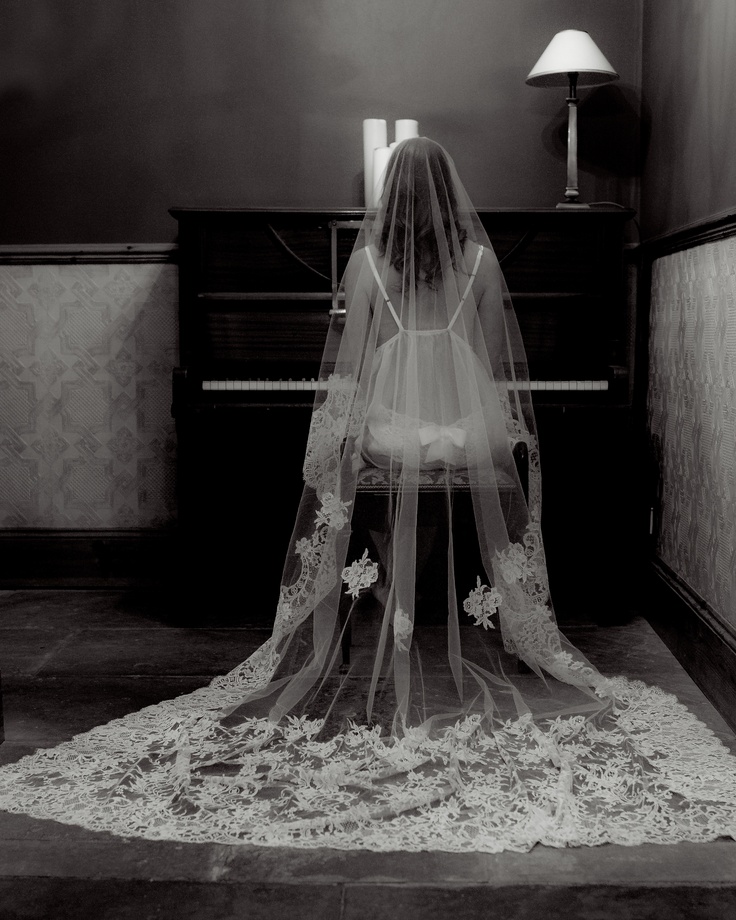
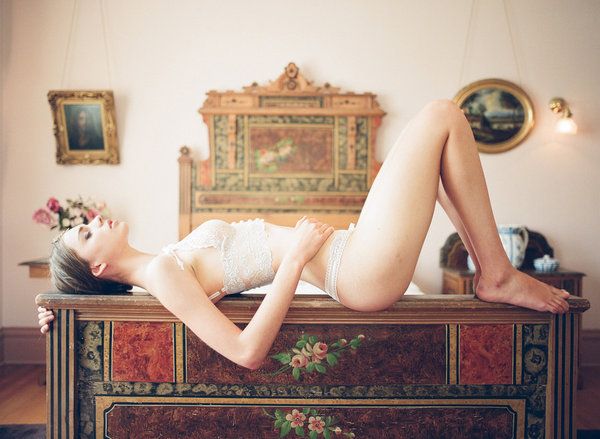
Gifting and keeping files safe
If the set is a gift, present a small edited selection rather than a dump of every frame. A bound album, a hidden folder with a note, or a private viewing together can feel more considered than a public tease. Ask before any image appears on social media—yours or anyone else’s. A partner’s surprise does not override your consent about distribution.
Store files in a password-protected place. Know where backups live. If you ever separate from a partner, revisit who holds copies; intimate images deserve the same seriousness as any private document. Prefer delivery methods that do not leave permanent public links. Delete cloud shares you no longer need.
The best sessions leave you feeling more at ease in your own skin, not more performed. When planning is rooted in respect—your boundaries, your timing, your audience—the photographs become a private chapter of the wedding story, meant for the eyes you choose and no one else’s feed.

Comments
Continue reading
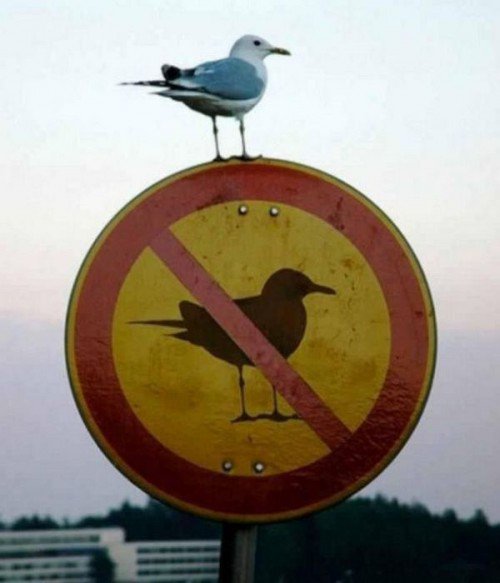
Funny Animal Signs That Warn People (While Animals Ignore Them)
From a seagull on a no-birds disc to classic zoo and park ironies—why animal warning signs get funny, and what the rules are still for.
How to Find Local Amenities on Vacation: Mechanics, Haircuts & More
Locate trustworthy local services and everyday spots while traveling or settling in—using publications, reviews, map apps, neighbor tips, and low-pressure exploration.
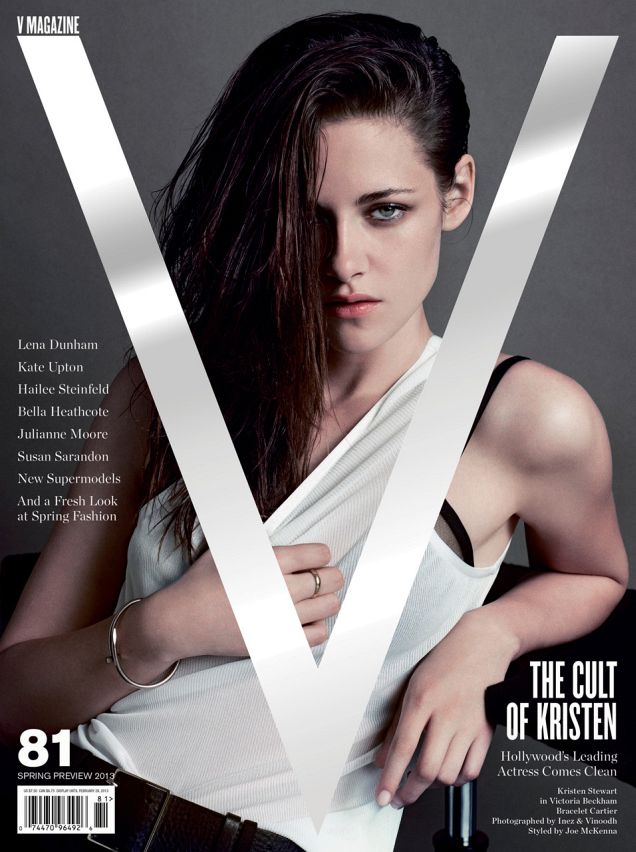
Kristen Stewart for V Magazine, Spring Preview 2013
V81’s Wild at Heart cover story—Kristen Stewart shot by Inez & Vinoodh, styled by Joe McKenna, in pale minimal spring glamour.