
Why the Snooze Button Rarely Gives You the Rest You Want
A practical look at fragmented mornings, sleep inertia, and small habits that make waking once easier—without hard pseudoscience claims.
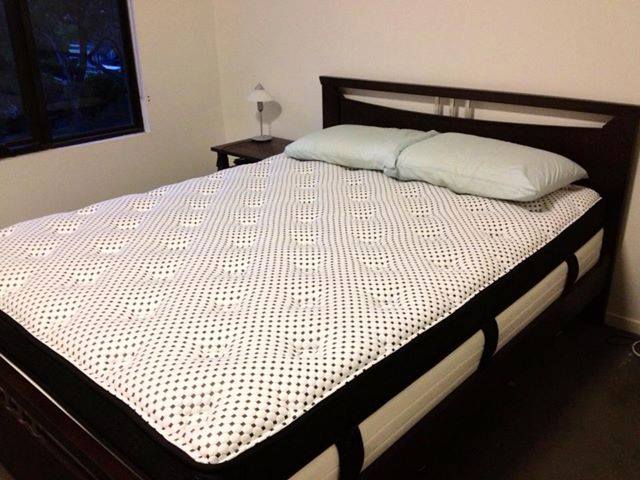
Most mornings begin with a negotiation. The alarm sounds, your body protests, and the snooze button offers a short treaty: ten more minutes, maybe twenty, in a bed that still feels warmer than the day ahead. That bargain feels harmless. Sometimes it is. Often it is simply a habit that trades a little extra time in bed for a groggier start and a less predictable morning.
This is not a lecture about never touching snooze again, and it is not a claim that one button ruins your health. Sleep is personal, messy, and shaped by work schedules, caregiving, stress, and room conditions. What follows is practical awareness: how fragmented wake-ups tend to feel, why the extra doze rarely delivers the rest you hoped for, and which small habits make mornings less of a fight.
What the snooze loop usually does
Overnight sleep moves through lighter and deeper stages, including periods of dream-rich REM sleep that tend to become more prominent toward morning. You do not need a laboratory chart to notice the pattern in daily life: some awakenings feel crisp, others feel sticky. When an alarm cuts into a heavier stretch of sleep, the first sensation is often fog—slow thinking, heavy limbs, a strong urge to close your eyes again.
Hitting snooze answers that urge. You fall back toward sleep, then the alarm returns. That on-off pattern is a form of sleep fragmentation. Many people describe the result as sleep inertia: a stretch of reduced alertness after waking that can linger through a commute, a first meeting, or the opening hour of childcare. Extra minutes in bed do not automatically equal restorative rest, especially when those minutes are shallow, interrupted, and paired with rising anxiety about being late.
There is also a clock problem. If your wake time drifts depending on how many snooze rounds you allow, your body gets mixed signals about when the day actually starts. Consistent wake times—even on weekends within reason—tend to make sleepiness and alertness more predictable. Chaotic wake times make bedtime harder to judge, which can quietly shorten the next night.
Why the extra doze feels so good anyway
Snooze is popular because it works emotionally. The alarm feels like an interruption; snooze feels like reclaiming control. The bed is warm. The room is dark. Responsibilities are still theoretical. In that moment, ten minutes can feel more valuable than an on-time departure. Guilt arrives later, usually with coffee.
Understanding the appeal helps more than shaming it. People snooze when they are sleep-deprived, when bedtime slipped, when the alarm is set unrealistically early “just in case,” or when mornings are the only quiet pocket in a loud life. Fixating on the button ignores the upstream problem: not enough sleep opportunity, or a wake time that does not match the life around it.
If you regularly need multiple snooze rounds to stand up, treat that as information. Your schedule may be asking for more sleep than you are giving it. Or your alarm may be set for a version of yourself who falls asleep earlier than you actually do. The button is a symptom more often than a villain.
Practical habits that reduce the battle
Start with bedtime math instead of morning willpower. If you need seven and a half to eight hours and must be up at 6:30, work backward and protect that window the way you would protect a meeting. Going to bed earlier in small steps—fifteen minutes at a time over a week—often works better than a dramatic new lights-out rule that lasts two nights.
Put the alarm beyond arm’s reach if snooze is automatic. The goal is not punishment; it is friction. Standing up to silence a phone or clock creates a decision point: stay up or walk back to bed consciously. Many people find that once they are vertical, the urge to nest again weakens. If you share a bed, agree on a plan so one person’s alarm theater does not become the other’s sleep fragmentation.
Protect the last part of the evening from bright screens when you can. Phones, tablets, and laptops are stimulating in content and lighting; scrolling in bed tends to delay sleep even when you feel exhausted. A buffer before lights-out—reading on paper, dimming lamps, laying out tomorrow’s clothes—sounds basic because it is basic. Basic is what works when life is already complicated.
Keep wake time steadier than bedtime if you have to choose. Sleep researchers and clinicians often emphasize consistent mornings as an anchor for circadian rhythm. You will not be perfect. Aim for a range, not a military drill. If weekends need a later wake, limit the swing so Monday does not feel like jet lag.
Watch caffeine and alcohol timing without turning either into a moral crusade. Late caffeine can push bedtime later. Alcohol may help you fall asleep faster and then fragment the second half of the night, which makes morning alarms feel crueler. Adjust based on your own patterns rather than absolute rules from strangers online.
When snooze is a reasonable tool
Absolute bans sound cleaner than real life. Shift workers, parents of infants, travelers across time zones, and people with irregular medical or work demands may use short dozes strategically. A single snooze after a brutal night is not a character failure. The useful question is whether snooze is occasional recovery or the default operating system.
If you have persistent insomnia, loud snoring with daytime sleepiness, or mornings that never improve despite adequate time in bed, talk with a clinician. Self-help habits help many people; they are not a diagnosis or a cure-all. Be wary of articles—and of your own midnight googling—that promise dramatic hormone stories or guaranteed brain damage from a snooze button. Sleep science is nuanced. Your routine can improve without catastrophic framing.
A calmer morning experiment
Try a two-week test. Set one alarm for the time you actually need to rise. Move bedtime earlier by a small increment. Place the alarm across the room. Skip snooze on weekdays and note how the first hour feels—not with a spreadsheet, just with honest labels: clearer, same, worse. Adjust one variable at a time. If you still crash into the button daily, the data is pointing at sleep debt or schedule mismatch, not weak discipline.
The snooze button sells a story that rest can be microwaved in ten-minute bursts. Sometimes those bursts soften a rough wake. Often they stretch fog across the morning and train you to distrust your own alarm. Better sleep usually comes from protecting the night before and waking once on purpose. The bed will still be warm tomorrow. The day tends to go better when you meet it upright the first time the sound goes off.

Comments
Continue reading
Funny Animal Signs That Warn People (While Animals Ignore Them)
From a seagull on a no-birds disc to classic zoo and park ironies—why animal warning signs get funny, and what the rules are still for.
How to Find Local Amenities on Vacation: Mechanics, Haircuts & More
Locate trustworthy local services and everyday spots while traveling or settling in—using publications, reviews, map apps, neighbor tips, and low-pressure exploration.

Kristen Stewart for V Magazine, Spring Preview 2013
V81’s Wild at Heart cover story—Kristen Stewart shot by Inez & Vinoodh, styled by Joe McKenna, in pale minimal spring glamour.