
Security Lighting as a Design Feature for Home Exteriors
Practical outdoor lighting criteria that balance safety coverage, glare control, fixture placement, and daytime looks—without an alarm-company sales pitch.
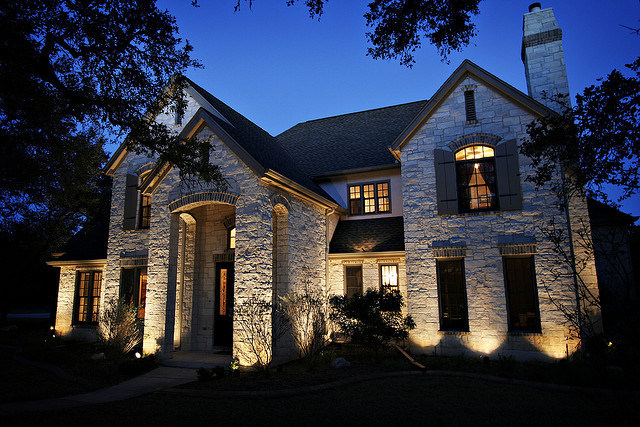
Outdoor light is both a safety tool and a design surface. Done well, it removes the dark pockets that invite loitering, clarifies paths and entries, and gives a house a coherent night presence. Done poorly, it creates glare for neighbors, washes out façades, and still leaves side yards unreadable. This guide treats security lighting as landscape and architecture work—not as a pitch for any alarm company.
The goal is simple: enough light for a person approaching your home to be seen, enough direction so you are not blinding the street, and fixtures you can live with in daylight as well as after dark. Use the photo as a reminder that soft, layered exterior light can feel intentional rather than industrial.
What “secure” light actually means
Security lighting is not maximum brightness. It is predictable coverage of approach routes, entries, and hiding spots. Shadows along shrub lines, under decks, beside garage doors, and at side gates matter more than a single bright wash across the front lawn. A burglar or trespasser prefers darkness that conceals movement; your job is to make those routes uncomfortable without turning your lot into a stadium.
Think in layers. Distant path light helps visitors and deliveries navigate. Mid-range façade or porch light shows who is at the door. Close, shielded accents can mark steps and locks. Motion response can raise intensity when needed so you are not running flood levels all night. Layering also looks better: one harsh flood aimed sideways creates glare; several quieter sources create depth.
Walk your property at dusk with a notebook. Mark where you cannot see the latch on a gate, where a person could stand unseen next to a window, and where your eyes struggle on stairs. Those notes beat any generic product chart. Revisit after leaves fall and after summer growth—vegetation changes the map every season.
Design criteria that still protect
Direction and shielding. Aim light at surfaces you want to reveal—walls, paths, door faces—not into bedroom windows next door or into drivers’ eyes. Full-cutoff or well-shielded fixtures reduce sky glow and neighbor conflict. Uplighting from grade can wash a façade and highlight entries while staying discreet by day; keep beams tight so light does not spill across property lines.
Color and quality. Warm-white exterior LEDs (roughly 2700–3000K) usually flatter brick, wood, and planting better than cold blue-white security bulbs. High glare undoes both beauty and safety: if you squint when you look toward a fixture, visitors and cameras will struggle too. Choose optics with a defined beam rather than bare lamps.
Scale and placement. Path lanterns and low bollards belong where feet travel. Porch sconces belong at human height near doors. Floods belong where they can cover a driveway or rear yard from a sheltered eave or solid mount—not as decorative jewelry on the most visible gable. Hide bulk under eaves, behind fascia, or in mature trees only when the mount is structurally sound and wiring is weather-rated.
Daytime silhouette. Every security fixture spends most of its life visible in daylight. Prefer simple housings that match trim metal, or landscape lights that disappear into planting beds. If a product looks like temporary construction gear, it will still look that way in photographs of your home.
Fixture types and when to use them
Uplights and wall washes. Ground-mounted spots aimed up the house remove the “floating door in a black rectangle” problem. They make climbable façades and entry recesses visible. Use glare shields and aim carefully so light stops at the eave rather than blasting the night sky. Combine with soft path light so the yard is not a bright wall sitting in a black lawn.
Path and step lights. Small lanterns, recessed step lights, and low path fixtures make approach honest. Solar options can work for secondary paths if winter sun and battery quality are adequate; treat them as helpers, not as the only coverage on a primary entry. Keep spacing even so you do not create a dotted “bright, dark, bright” rhythm that tires the eye.
Porch and entry sconces. A lit door face is one of the highest-value security moves. Pair a clear view of the visitor with a camera or peephole if you use them; light that silhouettes a guest against a bright backdrop without lighting their face is less useful. Dimmers or dual-level circuits let you keep a low welcome glow and raise brightness when needed.
Flood and area lights. Use them for wide, open zones—driveways, rear yards, alley sides—preferably on motion or schedules rather than dusk-to-dawn full power. Mount so the lamp is tucked, the beam is aimed down and across the zone, and the fixture does not dominate the elevation. Tree mounting can work on stout limbs with proper hardware; never compromise safe wiring for camouflage.
Motion and controls. Dual-tech or well-aimed motion sensors reduce nuisance triggers from street traffic. Photocells and timers prevent forgotten lights. Smart controls help, but a simple reliable photocell plus motion still outperforms a clever system that fails when Wi-Fi drops. Keep a manual override for parties and maintenance.
Planning the perimeter without overbuilding
Start at entries, then work outward. Front door, side door, garage personnel door, and any basement well come first. Next cover routes: driveway, front walk, side yard passage, rear patio doors. Last, fill deep shadow pockets behind dense shrubs—sometimes pruning plus a small light beats adding wattage.
Balance privacy and visibility. You want your property readable from the street enough that activity is noticeable, without turning indoor life into a stage. Curtains and interior lamp habits still matter; exterior light cannot fix an uncurtained ground-floor room lit like a display case.
Coordinate with landscaping. Thorny or dense planting under windows can discourage approach; lighting should reveal those beds rather than hide behind overgrown hedges. Keep fixtures accessible for bulb or driver replacement—security light that dies and stays dead is worse than a planned lower level.
Energy and maintenance are design constraints too. LEDs cut load and heat, but cheap drivers fail early outdoors. Choose wet-location ratings, sealed connections, and fixtures you can actually buy replacements for. Clean lenses seasonally; a muddy flood becomes a useless glow.
Neighborliness, codes, and common mistakes
Glare directed across a fence is a fast way to create conflict. If a beam crosses a property line into living space, re-aim, add a shield, or lower output. Many communities have outdoor lighting or dark-sky guidelines; check before installing high-output floods. HOA rules may govern fixture style even when they allow security lighting.
Common mistakes include: one front flood and darkness everywhere else; lights aimed outward instead of at the house and ground; decorative string light used as a substitute for entry illumination; motion floods set so sensitive they strobe all night; ignoring stairs and grade changes where falls matter as much as intruders.
Safety is broader than crime. Lit steps reduce trips. Lit house numbers help responders. Lit side paths discourage opportunistic theft of bikes and tools left “just for a minute.” None of that requires a branded monitoring pitch—it requires coverage maps and fixtures that stay on when needed.
A practical evening checklist
- Walk every approach at full dark. Note unreadable spots.
- List doors, gates, and stairs that need face or tread light.
- Choose warm, shielded fixtures that suit daytime elevations.
- Place floods only where area coverage is truly required; tuck mounts.
- Add motion or schedules so brightness matches risk and hour.
- Test from the sidewalk and from a neighbor’s approximate viewpoint.
- Prune or relocate planting that recreates blind corners.
- Label circuits and keep spare lamps or note LED module types.
When budget is tight, prioritize the front entry and the darkest side route before decorative washes. Function still leads—but function and form are not enemies. A house that reads clearly after sunset, without shouting in white glare, is both safer to approach and nicer to come home to. Walk the lot once more a week after install; adjust aim until the night version of your home feels as considered as the day version.

Comments
Continue reading
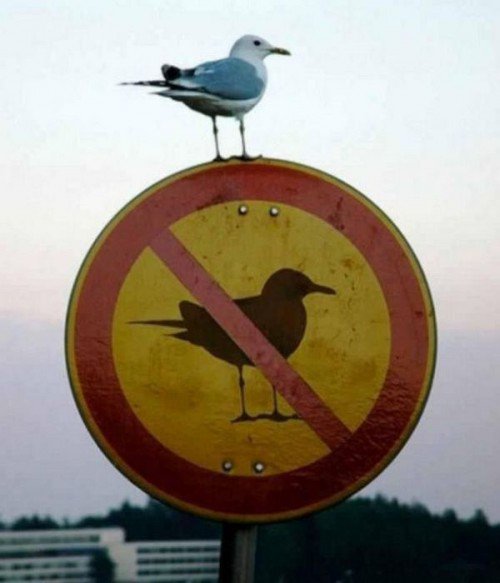
Funny Animal Signs That Warn People (While Animals Ignore Them)
From a seagull on a no-birds disc to classic zoo and park ironies—why animal warning signs get funny, and what the rules are still for.
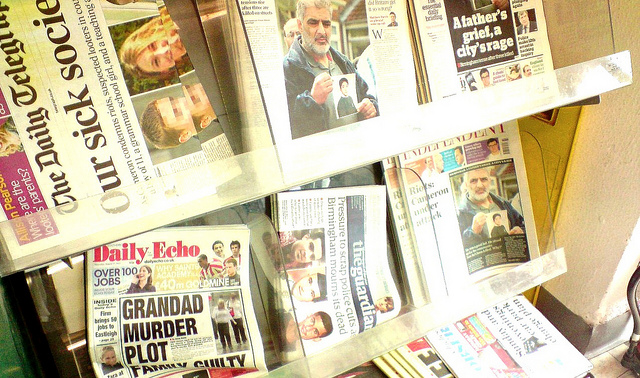
How to Find Local Amenities on Vacation: Mechanics, Haircuts & More
Locate trustworthy local services and everyday spots while traveling or settling in—using publications, reviews, map apps, neighbor tips, and low-pressure exploration.

Kristen Stewart for V Magazine, Spring Preview 2013
V81’s Wild at Heart cover story—Kristen Stewart shot by Inez & Vinoodh, styled by Joe McKenna, in pale minimal spring glamour.