
Rare Celebrity Photos Part 2: Myths, Friendships, and Set Ensembles
A second archival tray—Elvis, Hemingway, Elm Street cast, Hepburn with Pippin—focused on companionship and classic iconography, distinct from the Hollywood-craft first gallery.
This second gallery is a different shelf in the same archive. Where the first set lingered on film-set craft, director-and-creature oddities, and a Hollywood-heavy mix of actors and musicians, this one opens toward classic American myth, literary swagger, horror-family snapshots, and friendship pairings that feel almost album-like. The intent is still historical looking, not tabloid invention: what do less-circulated photographs show when the publicity machine steps aside?
Think of it as a companion tray rather than a sequel with the same plot. Elvis and Hemingway sit near Marlon Brando; a young Johnny Depp shares a frame with the Nightmare on Elm Street company; Audrey Hepburn appears with a fawn. The through-line is companionship and iconography—how legends looked beside friends, co-stars, pets, and the props of their eras.
If you arrived here first, the earlier gallery covers a separate cast and a more production-floor angle. Together they form a two-part browsing experience; alone, each page should still make sense as its own curated walk.
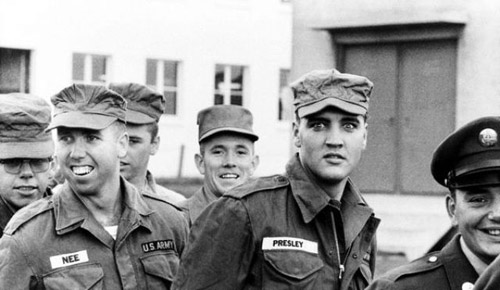
Elvis Presley
Elvis photographs are among the most reprinted images in American popular culture, which makes a less familiar crop feel oddly fresh. Military years, movie sets, Las Vegas residencies, and private moments all produced different silhouettes. A quieter frame tends to emphasize the face and the mid-century styling rather than the jumpsuit spectacle. The King myth is loud; archival stills can be soft without becoming sentimental fiction.
Ernest Hemingway
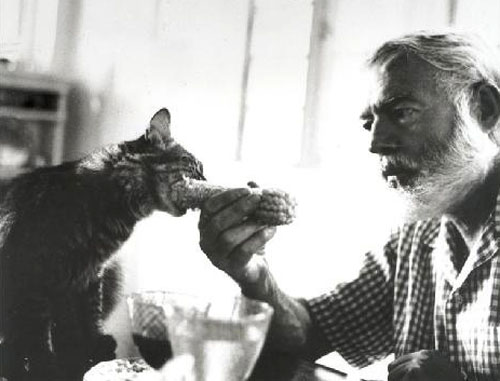
Hemingway’s public image—beard, sweater, adventure geography—was as carefully circulated as any movie star’s. A photograph of the writer belongs in a celebrity gallery because mid-century literary fame traveled through magazines and wire services the same way entertainment news did. You are looking at brand and person at once: the author of lean sentences and the figure who inhabited that legend outdoors.
Marlon Brando and Jean Simmons
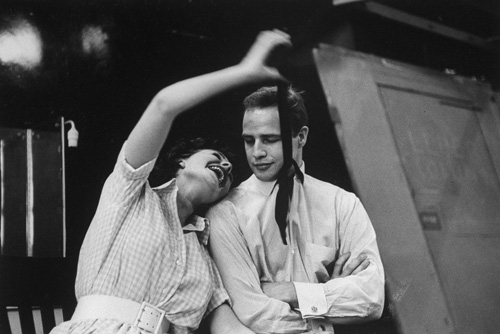
Brando and Simmons share a frame that belongs to studio-era collaboration and publicity culture. Co-star photographs often sit between documentary and advertisement: real people, arranged light, a relationship defined by a script rather than a private diary. Brando’s Method aura and Simmons’s screen presence made them magnetic separately; together, the image is about chemistry as a working tool.
Keanu Reeves
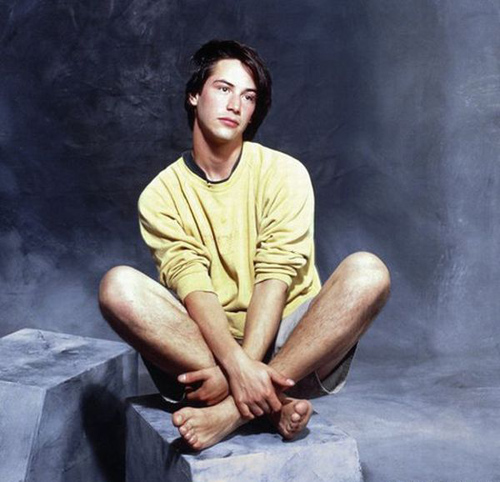
Reeves’s later reputation for kindness and low-key public life makes earlier or less formal photographs feel like previews of that temperament. Action franchises and prestige dramas both used his calm center; a candid still often shows the same unforced posture without a motorcycle or a suit of armor. The rarity is gentleness in an industry that rewards noise.
The Elm Street company
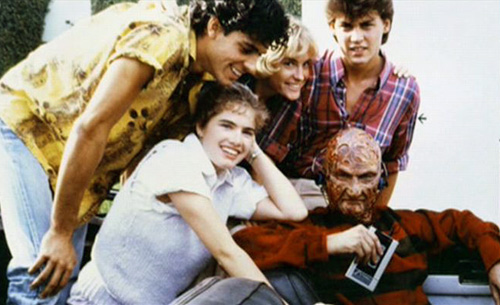
Caption history places Nick Corri, Amanda Wyss, Johnny Depp, Heather Langenkamp, and Robert Englund together around A Nightmare on Elm Street. Horror sets produce a special category of rare photo: young actors in daylight beside the person who plays the nightmare. Englund’s Freddy became a pop-culture mask; the group still reminds you that the mask was built among colleagues on a working production. Depp’s later fame retrospectively charges the frame, but the photograph itself is a cast document, not a prophecy.
Steven Spielberg
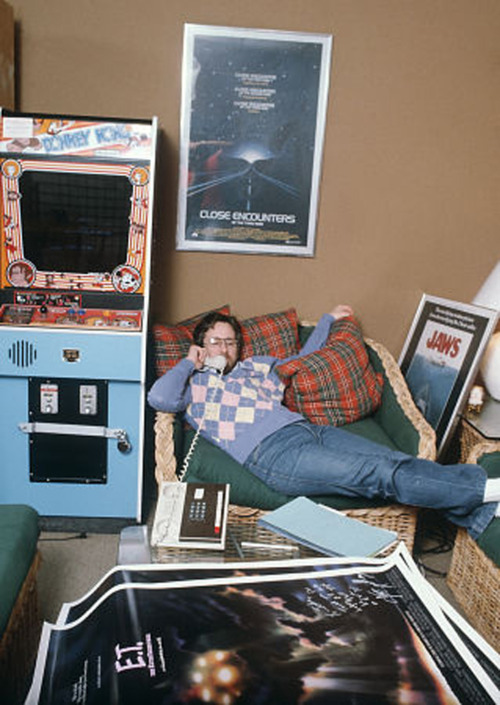
A Spielberg portrait without the E.T. puppet beside him reads differently from the creature-and-director novelty in the companion gallery. Here the subject is authorship alone: baseball caps, intent expression, the visual shorthand of a filmmaker who shaped late-twentieth-century popular cinema. Pair the two pages and you get both the craftsman-with-prop and the craftsman-as-icon.
Charlton Heston on Planet of the Apes
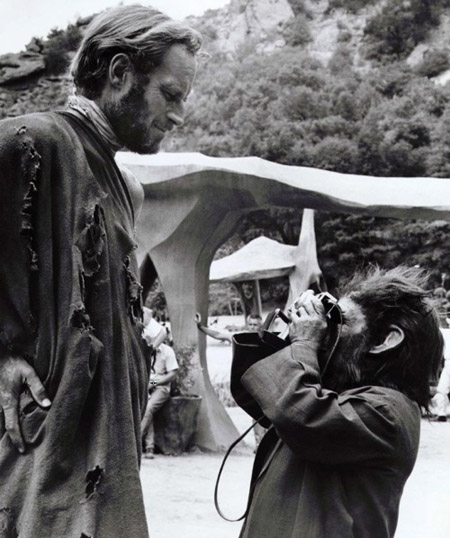
Set photography from Planet of the Apes belongs to a golden age of practical makeup and location mythmaking. Heston’s screen persona—stern, monumental—meets a science-fiction production that still looks handmade. Between-take images from such films preserve latex, heat, and waiting time better than any polished lobby card. The rarity is production texture.
Freddie Mercury
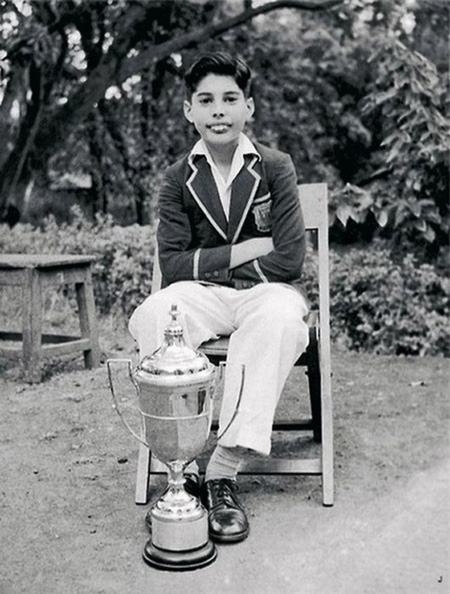
Mercury appears again because archives are generous with musicians who lived visually. This is not a repeat of the first gallery’s frame; different clothes, different light, different moment. Serial rare-photo culture often returns to the same icons with new crops. Treat it as variation in a series, the way jazz standards return with new arrangements.
Muhammad Ali
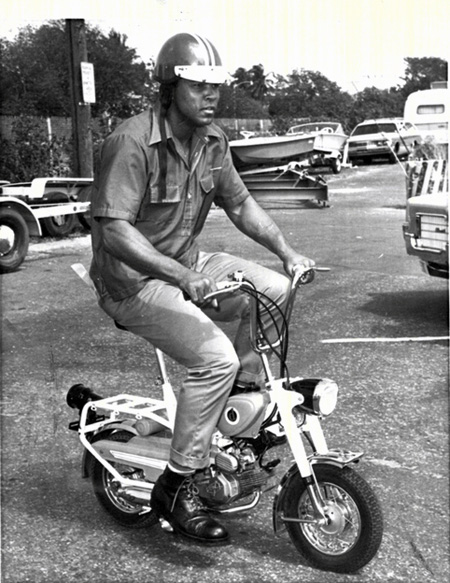
Ali’s fame was athletic, political, and theatrical all at once. A photograph that is not a fight still can still feel kinetic because his face carried the performance. Where the companion gallery shows him sharing space with Schwarzenegger, this frame centers Ali alone. Same historical figure, different editorial job: duel of personas versus solitary icon.
Pete Townshend
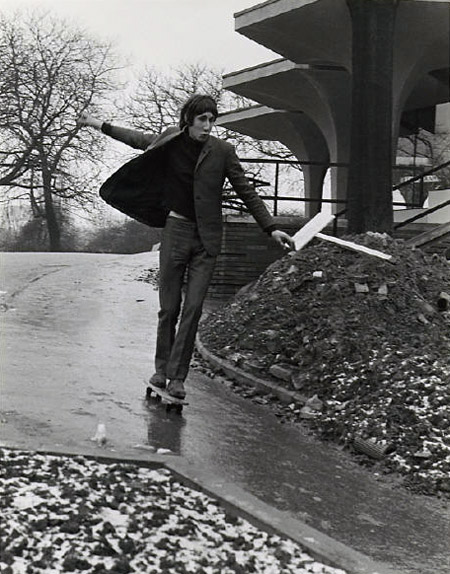
Townshend’s windmill strum and smashed guitars are rock’s kinetic folklore. A still image freezes the thinker behind the gesture—composer, songwriter, band architect. The Who’s catalogue is stadium-sized; a portrait returns the scale to a person holding a guitar or simply looking back at the lens. Music photography’s best rarities often do that quieting work.
Dan Aykroyd and Eddie Murphy
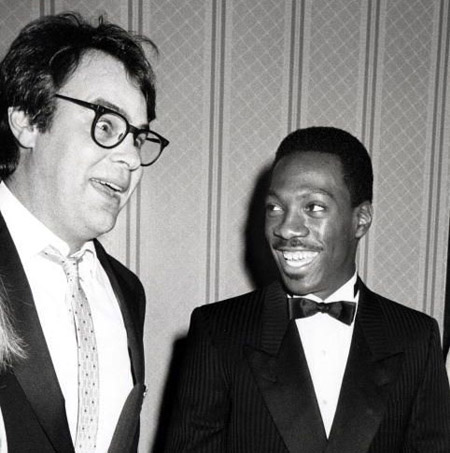
Comedy partnerships leave a paper trail of press junkets and set visits. Aykroyd and Murphy’s shared projects made them a recognizable duo for a stretch of popular film. Friendship-adjacent publicity photos are easy to over-read; safer is to enjoy the costumes, the grin distance, and the era’s comedy styling without inventing off-camera plots.
Michael Jackson
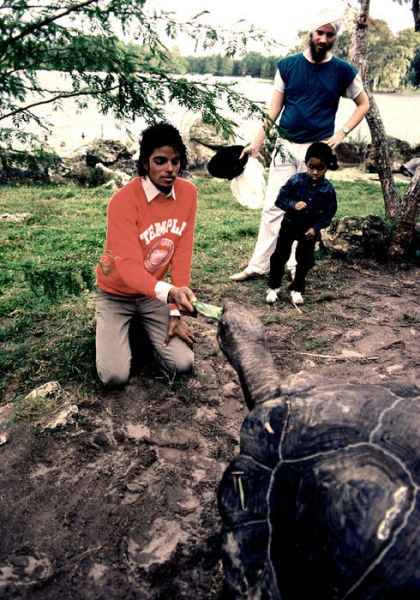
Jackson’s image is among the most scrutinized of the late twentieth century. A less familiar photograph can still feel loaded because viewers bring the entire myth with them. Historical gallery practice suggests focusing on what the frame actually shows—wardrobe, gesture, setting—rather than rehearsing controversies the picture does not document. Looking carefully is not the same as looking invasively.
Leonardo DiCaprio and Tobey Maguire
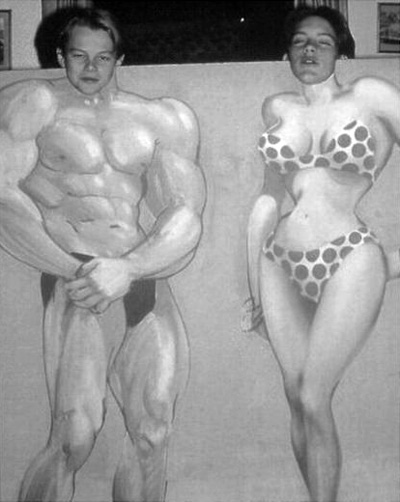
Long friendships between actors produce a subcategory of rare photo: two careers visible in one casual frame. DiCaprio and Maguire’s association is well known enough that such pictures circulate as soft evidence of continuity in an industry that resets every pilot season. The interest is companionship and youth-to-fame timeline, not a manufactured scoop.
Jamie Lee Curtis and Eddie Murphy
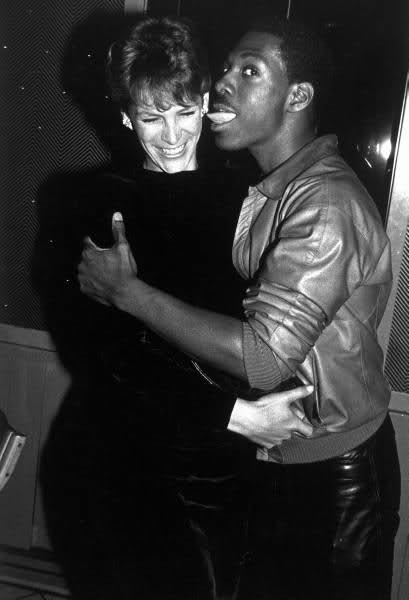
Curtis and Murphy share a promotional or event frame that pairs horror-comedy lineage with stand-up-to-stardom energy. Cross-genre meetings were—and are—common at awards corridors and press days. Read the clothes and the body language; leave the invented dialogue alone. This gallery’s bias toward pairings is deliberate: fame is social as well as solitary.
Audrey Hepburn and Pippin
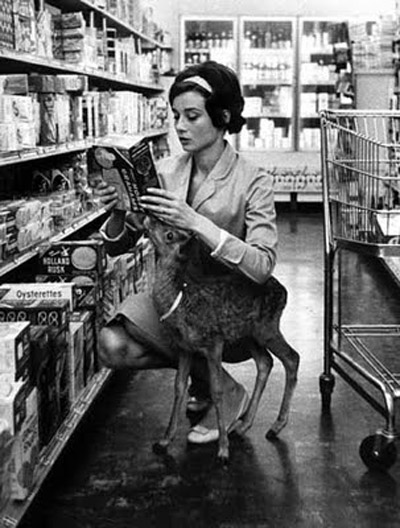
Hepburn with the fawn Pippin is one of those images that feels almost too on-brand for mid-century elegance, which is why it keeps resurfacing. Animal companions humanize icons without requiring gossip. The photograph closes this tray on a note of gentleness after boxers, rock musicians, and horror casts—an intentional soft landing.
Browsing the two galleries as a set
- Part one: production floors, creature effects, actor-musician mix, solitary and duo frames from a Hollywood craft angle.
- Part two: classic myth figures, literary fame, horror-set ensemble, friendship and pet companionship.
- Shared rule: keep captions modest; do not invent private scandals the photograph does not show.
- Shared pleasure: noticing how clothes, props, and company date a moment more honestly than a headline.
When a face appears on both pages—Mercury, Ali, Spielberg—compare the jobs the frames do. One photograph may be about collaboration; another about solitary iconography. That is how an archive teaches looking: not by repeating the same anecdote twice, but by letting two angles share a name.

Comments
Continue reading
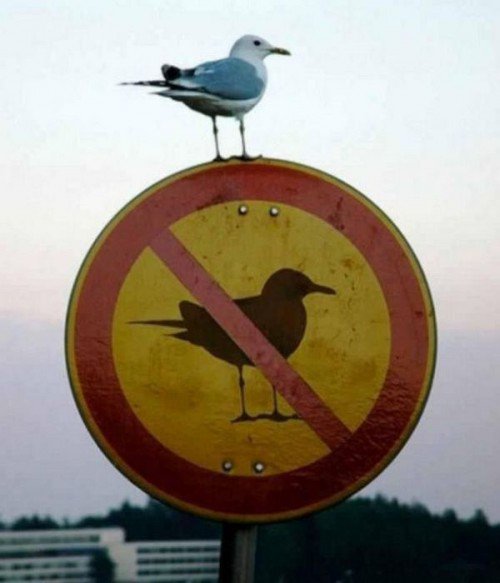
Funny Animal Signs That Warn People (While Animals Ignore Them)
From a seagull on a no-birds disc to classic zoo and park ironies—why animal warning signs get funny, and what the rules are still for.
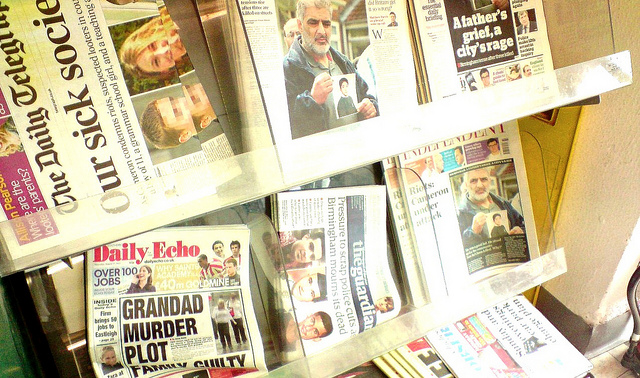
How to Find Local Amenities on Vacation: Mechanics, Haircuts & More
Locate trustworthy local services and everyday spots while traveling or settling in—using publications, reviews, map apps, neighbor tips, and low-pressure exploration.
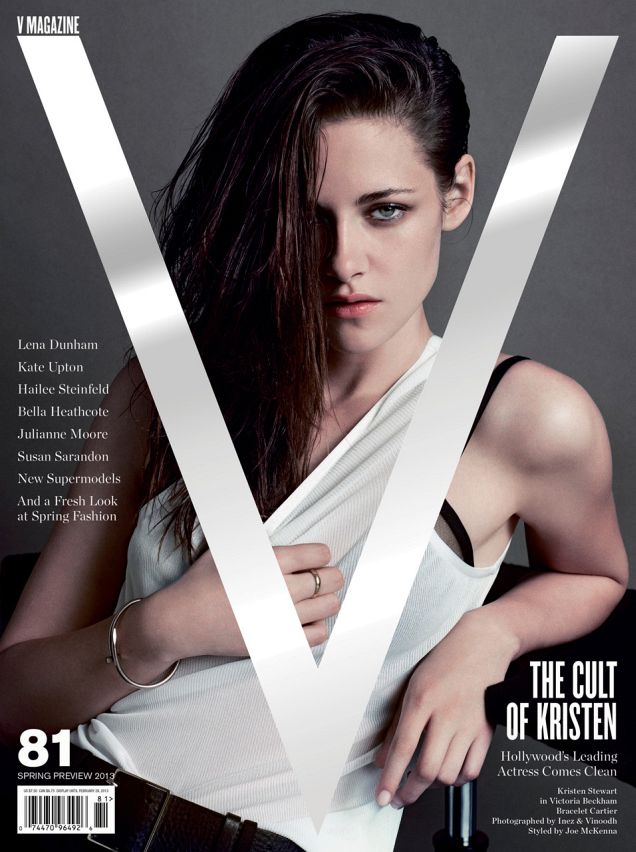
Kristen Stewart for V Magazine, Spring Preview 2013
V81’s Wild at Heart cover story—Kristen Stewart shot by Inez & Vinoodh, styled by Joe McKenna, in pale minimal spring glamour.