
Playful Lunches
How to pack playful lunches that feel designed—character faces, color blocks, and small edible details—without turning noon into a second job.
A lunch can be fuel. It can also be a small stage. “Playful lunches” sit in that second category: meals packed or plated so that color, shape, and character do a little theater before the first bite. Think animal-faced rice balls, vegetable flowers, smiling omelets, bento compartments that look like tiny landscapes. The food is still food. The extra work is for delight—especially for kids, and often for the adult who packs the box and wants the noon hour to feel less gray.
The idea traveled globally through photo blogs and social feeds in the early 2010s, when neatly composed lunchboxes became shareable design objects. Japan’s character bento tradition (often called kyaraben) was already deep; elsewhere, home cooks borrowed the spirit without needing perfect anime fidelity. A face made of nori and sesame seeds was enough. So was a sandwich cut into a star, or fruit arranged into a smile. Playfulness scaled to whatever time you actually had on a Tuesday morning.
What makes a lunch feel playful
Play is not the same as complication. A playful lunch usually does three things well. First, it uses contrast—bright against plain, round against sharp—so the eye finds a centerpiece. Second, it uses recognition: a face, an animal silhouette, a letter, a seasonal motif. Third, it stays edible. The decorations should not turn the meal into a craft project that nobody wants to eat. If the “eyes” are olives and the “hair” is shredded carrot, success looks like an empty box at 1 p.m., not a museum piece.
Color helps more than people expect. A beige lunch can taste fine and still feel dull. Add something green, something red or orange, something pale and creamy, and the box suddenly reads as designed. Japanese bento culture often aims for a balanced plate of colors and textures; playful lunches borrow that instinct even when the menu is leftovers and grocery-store cheese.
Scale is the other quiet tool. Tiny details—seed eyes, cheese stars, cucumber ribbons—make ordinary portions feel special because they signal attention. You do not need a full character scene. One intentional detail can change the mood of the whole pack.
A practical starter kit (no specialty store required)
You can begin with tools you probably already own: a sharp knife, a small cookie cutter or drinking glass for circles, kitchen shears, and a clean cutting board. Optional upgrades that earn their drawer space include a bento box with dividers, silicone cupcake liners to separate wet and dry foods, and a nori punch if you fall in love with faces. Tweezers help with sesame seeds; a short length of dry spaghetti can act as an edible toothpick to hold a cheese ear in place until lunchtime.
For ingredients that behave well under decoration:
- Short-grain or sticky rice holds shape for onigiri and character faces.
- Nori (roasted seaweed) cuts cleanly into eyes, mouths, and outlines.
- Egg omelet sheets, cheese slices, ham, and cooked carrot take cookie-cutter shapes.
- Cherry tomatoes, cucumber, corn, and edamame add color without much prep.
- Fruit—apple rabbits, strawberry hearts, orange smiles—covers dessert and decoration at once.
Food safety still rules the game. Keep cold foods cold. Pack sauces separately when you can. Avoid leaving mayonnaise-heavy salads in a warm backpack for hours. Playful does not mean careless.
Five approaches that look harder than they are
1. The face on anything. A rice ball, a mound of mashed potato, a pancake, even a sandwich half can become a character with two eyes and a mouth. Black sesame, nori scraps, or tiny cheese dots do the job. Keep facial features on one plane so they do not look crooked when the lid closes.
2. The simple animal. Pinch rice into a round body, add triangle ears from cheese or carrot, and stop. Cats, bears, and pandas are popular because the silhouette is forgiving. Perfection is optional; affection is the point.
3. The color-blocked bento. Skip characters entirely. Arrange foods in neat color fields—greens in one corner, yellows in another, protein as a calm center strip. It still feels designed, and it is faster on rushed mornings.
4. The leftover remix. Last night’s roasted vegetables, a hard-boiled egg, and fruit can become a composed lunch if you cut them with intention and give them a clean container. Playfulness can be editorial rather than sculptural.
5. The seasonal nod. A leaf-shaped carrot in autumn, a snowman rice ball in winter, a flower radish in spring. Small seasonal cues make the lunch feel dated to a moment, which is part of the charm when someone opens it later.
For kids, picky eaters, and tired adults
Parents often discover playful packing as a negotiation tool. A broccoli tree next to a cheese sun does not magically create vegetable love, but it can lower resistance. Involve kids in choosing the “character of the week,” and they are more likely to protect the face until lunch instead of smashing it. Keep expectations realistic: some days the character will arrive as abstract art, and that is fine.
Adults packing for themselves deserve play too. A neat bento can be a private mood reset between meetings. You are not performing for a classroom; you are giving your future self a reason to look forward to noon. In that case, elegance may matter more than cuteness—clean lines, good fruit, a piece of chocolate tucked like a secret.
Time budgeting keeps the habit alive. Prep components the night before: wash fruit, boil eggs, cook rice, cut vegetable sticks. Morning assembly should be ten to fifteen minutes, not an hour of sculpting. If a design takes longer than the meal is worth, simplify. The goal is a kinder lunch ritual, not a second job.
Design tips that keep the box from turning soggy
Moisture is the enemy of cute. Pat wet vegetables dry. Use liners or lettuce cups as barriers. Put juicy fruit in its own compartment. Pack dressings in a tiny container. If you use ketchup or sauce as “drawing ink,” apply it lightly or include it separately so the rice does not turn pink soup by midday.
Also plan for transport. A masterpiece that collapses in a backpack was never finished. Firmer shapes, secure lids, and a little empty space (not a packed brick) help. Test your design once at home: close the lid, shake gently, reopen. Adjust before you trust it on a school morning.
A short checklist for tomorrow
- One main that holds shape (rice, wrap, sturdy sandwich).
- One protein you already like.
- Two colors of produce.
- One playful detail—face, cutter shape, or neat color block.
- A lid that seals, and a cold pack if needed.
Open the box at lunch. If it makes you pause for half a second before eating, the playful lunch did its job.

Comments
Continue reading
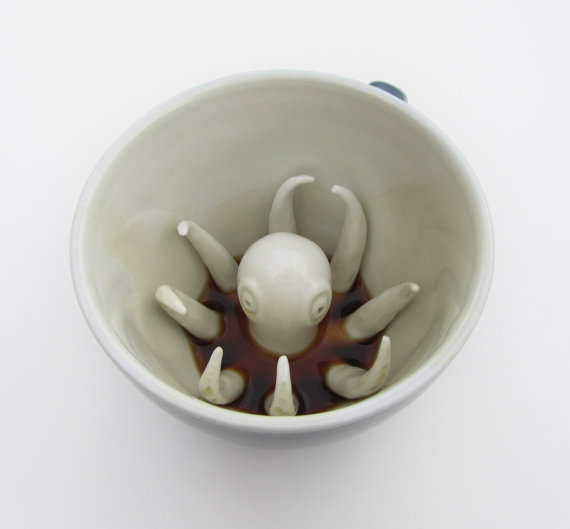
Creature Cups by Yumi Yumi: Hidden Animals at the Bottom of Your Mug
Designer Yumi Yumi’s Creature Cups hide sculpted animals—octopus, otter, and more—under your drink so each sip slowly reveals a ceramic surprise.
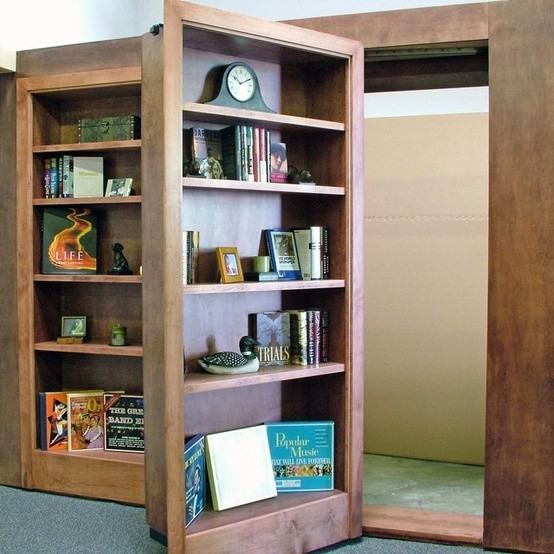
Bookcase Design Ideas: Hidden Doors, Built-Ins, and Sculptural Shelving
From hidden bookcase doors to freestanding towers and quiet built-ins—design ideas that balance storage, scale, styling, and everyday use.
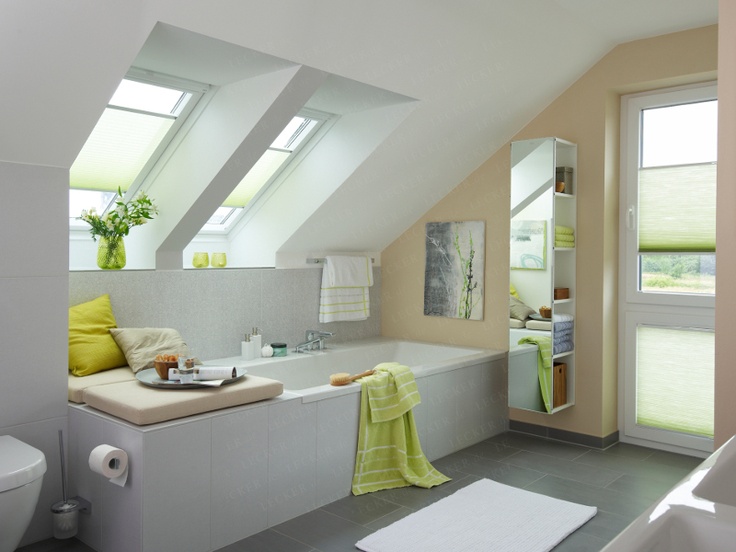
Attic Bathroom Design Ideas: Light, Layout, and Roof-Friendly Fixtures
Design ideas for converting an attic into an extra bathroom—working with slopes, skylights, wet-zone materials, eaves storage, and fixture placement.