
Pictures of Cities at Night #1: A First Gallery of Urban Lights
Twelve night cityscapes—from aerial grids to Montreal, New York, and Paris—open a series on how cities rewrite themselves in light after dark.
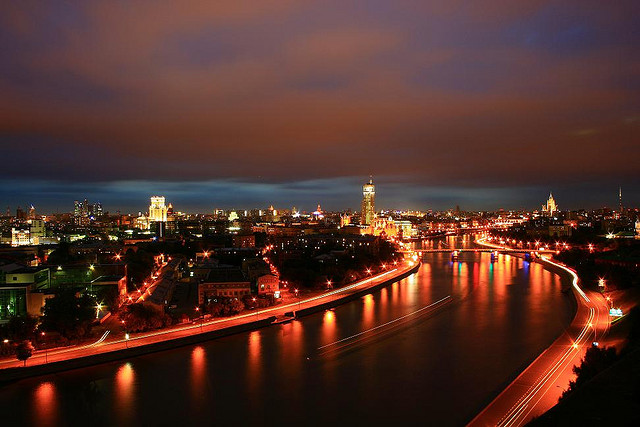
After dark, a city stops pretending to be a map and becomes a field of signals. Streetlamps stitch avenues into bright seams. Office towers hold their grids like unfinished scores. Highways turn into rivers of red and white. This first gallery gathers twelve night cityscapes that share one appetite: the pleasure of looking at density made visible by light.
The set is not a travel brochure and not a complete atlas. It is an opening chapter—enough frames to show how night photography turns infrastructure into atmosphere, and enough variety to invite later chapters without exhausting the subject here.
From above, street grids become luminous lace. The first image reads almost abstract: a dark ground interrupted by hot points, then by longer filaments that mark major roads. Aerial night work thrives on that tension between chaos and order. What feels noisy at street level resolves into pattern when the camera rises.
Photographers chase that altitude for good reason. Elevation compresses time. A single exposure can hold thousands of windows, each one a small decision by someone still awake. The mass of light is not decoration; it is evidence of habit, work, and movement continuing after sunset.
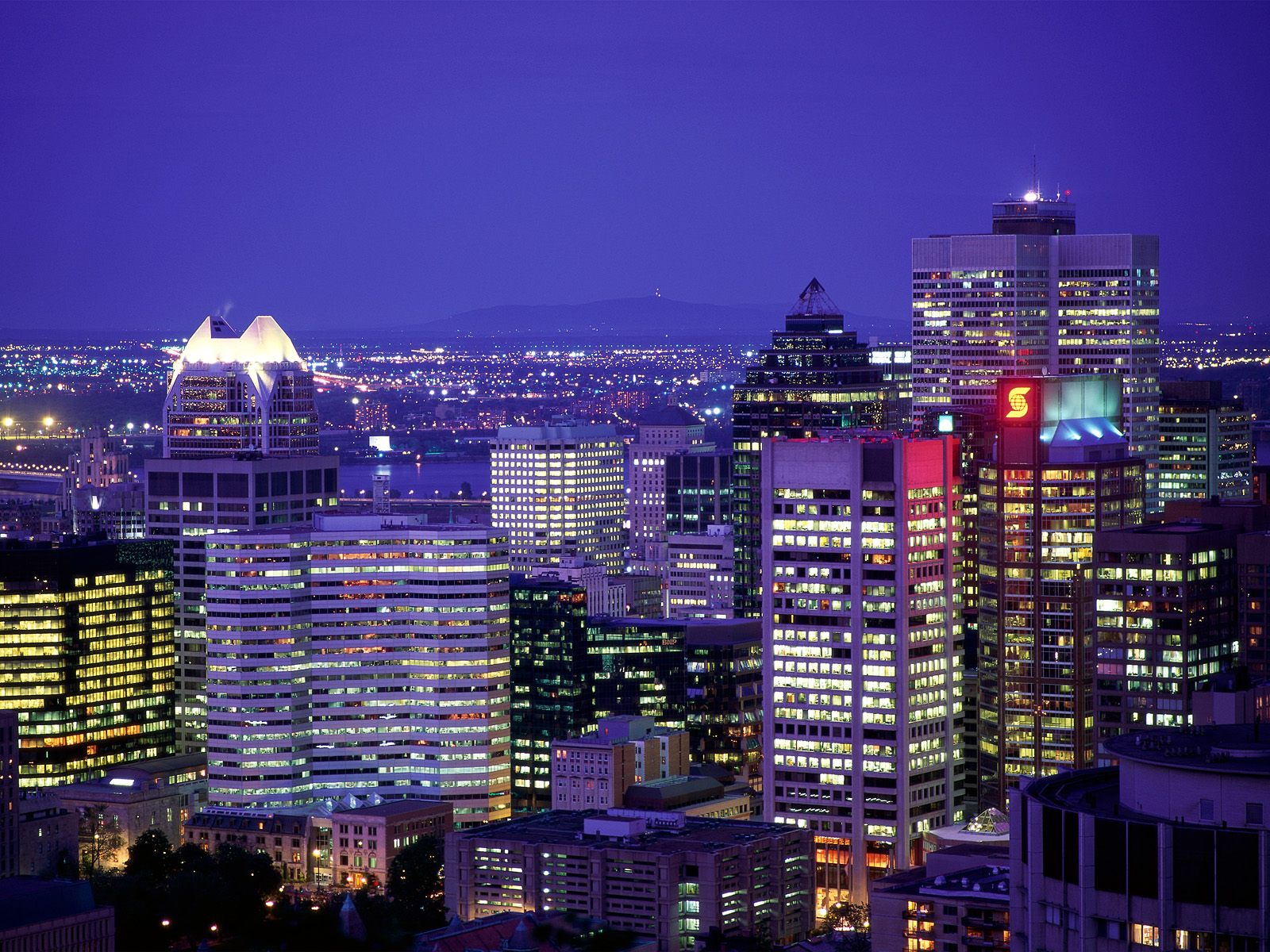
Montreal appears with a cooler palette—cooler air, cooler glass, cooler reflections on water or wet pavement. Canadian winter cities often photograph with a blue-violet bias after dusk, and that chill can make warm interior light feel more intimate. The skyline does not shout; it holds a steady glow.
Night city pictures also teach scale. A tower that looks ordinary at noon can dominate a frame once every window becomes a bright square. Bridges and highways become graphic devices. The skyline is less about architecture as form and more about architecture as a light machine.
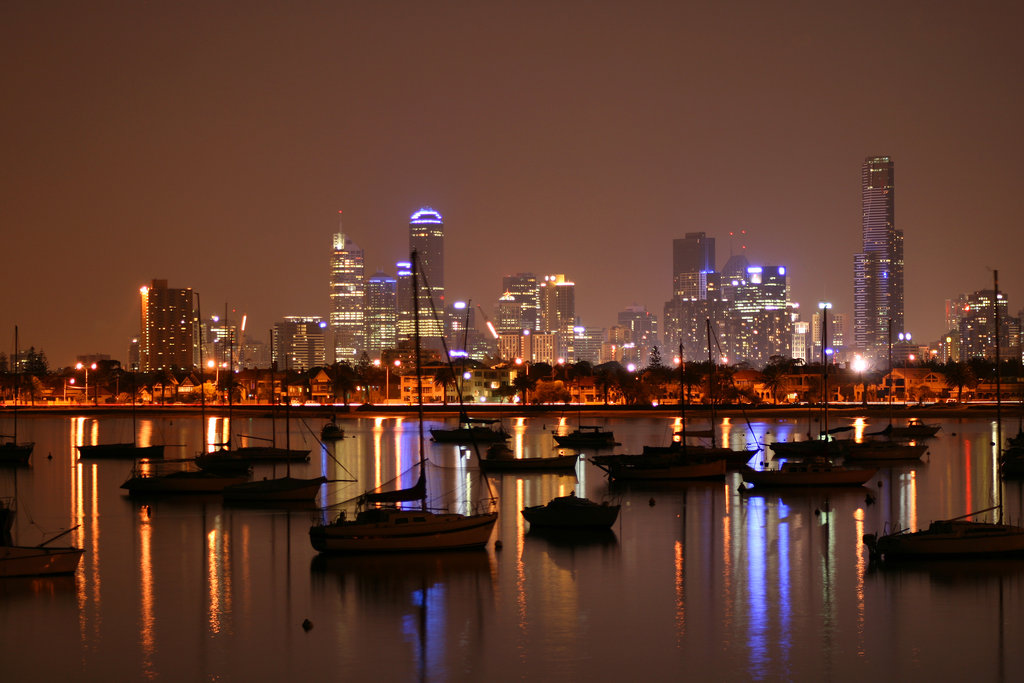
Coastal cities add another ingredient: the meeting of land light and water darkness. Along a curved shoreline, lamps follow the edge like a necklace. Boats and harbors introduce horizontal streaks. The frame above leans into that shoreline drama—dense brightness against a nearly empty night sea.
Monte Carlo and similar Mediterranean night views often mix spectacle with geography. Hills force buildings into stacked tiers. Roads switchback. The result is a vertical city of lights even when the buildings themselves are not especially tall. Night reveals topography as clearly as it reveals streets.
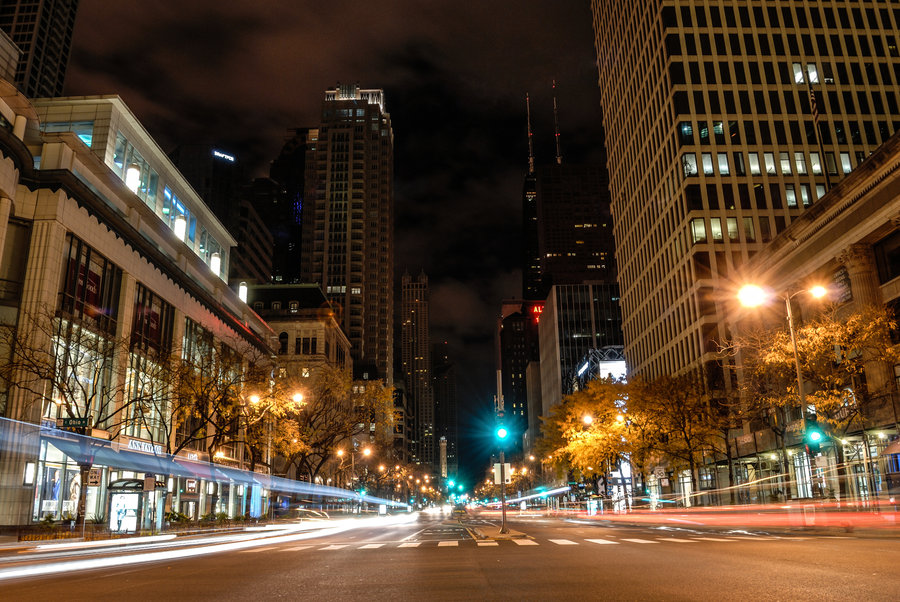
Long exposure turns cars into calligraphy. Headlights and taillights become continuous lines that explain the city’s circulation better than any daytime traffic photo. The technique is simple in theory—stable camera, slow shutter, patience—but the craft is in choosing where the motion should lead the eye.
Some frames favor stillness: empty plazas, solitary street corners, a single neon sign. Others favor motion until the street itself becomes a river. Both belong in a night-city series. Stillness shows the architecture of light; motion shows the city’s pulse.
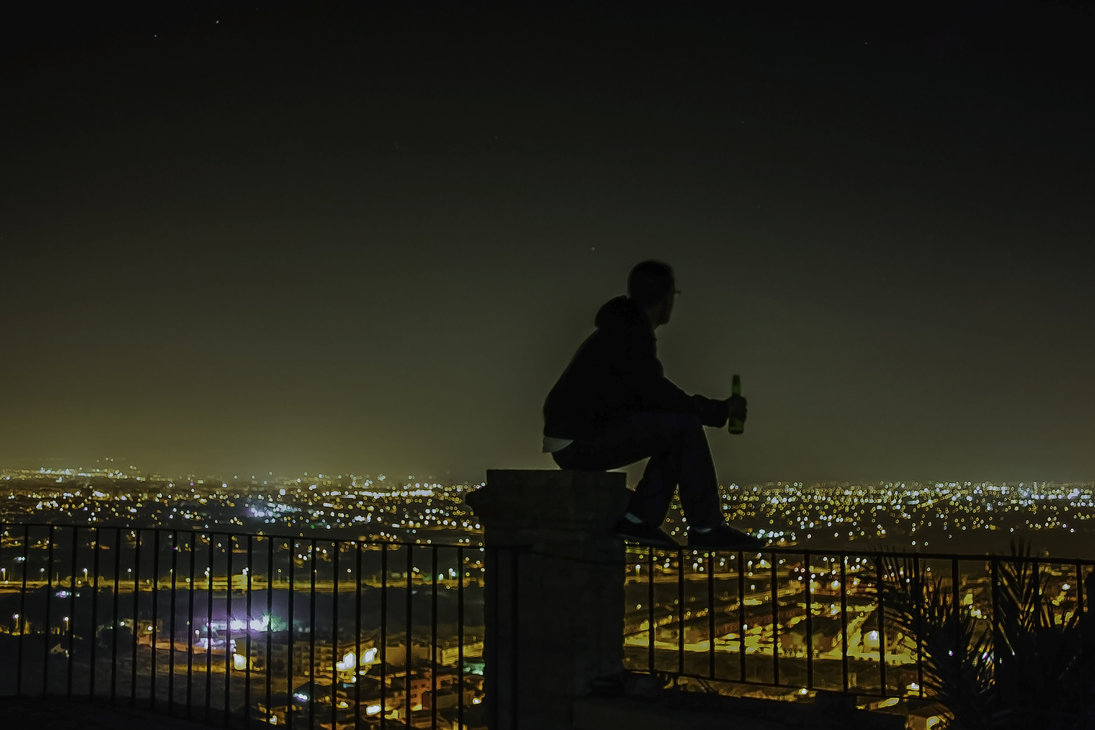
Hill cities reward elevated viewpoints. When lights climb a slope, the image gains depth without needing fog or dramatic weather. Each terrace of buildings becomes a separate band of brightness. You read the photograph the way you read a topographic map—foreground, mid-slope, distant ridge—except the contour lines are made of windows.
East Asian megacity nights often carry that layered density: residential blocks stacked, commercial strips glowing, transit lines cutting bright paths through the dark. Even without naming every district, the structure of the light tells you how people live close together.
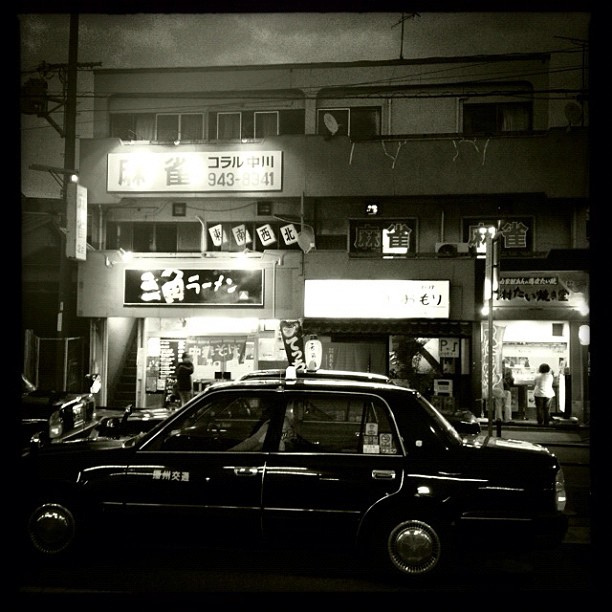
Square frames and tight crops can make downtown feel like a jewel box. Instead of a wide skyline, you get a vertical canyon of façades. Reflections bounce between glass towers. Signage becomes punctuation. The “downtown” title attached to this frame is almost literal: the city reduced to its commercial core after hours.
Photographers who work downtown at night learn to watch white balance. Sodium streetlights pull orange; LEDs pull colder cyan; neon goes feral. Mixed lighting can look messy or musical depending on how the photographer commits. Mixed light is part of the subject, not an error to erase.
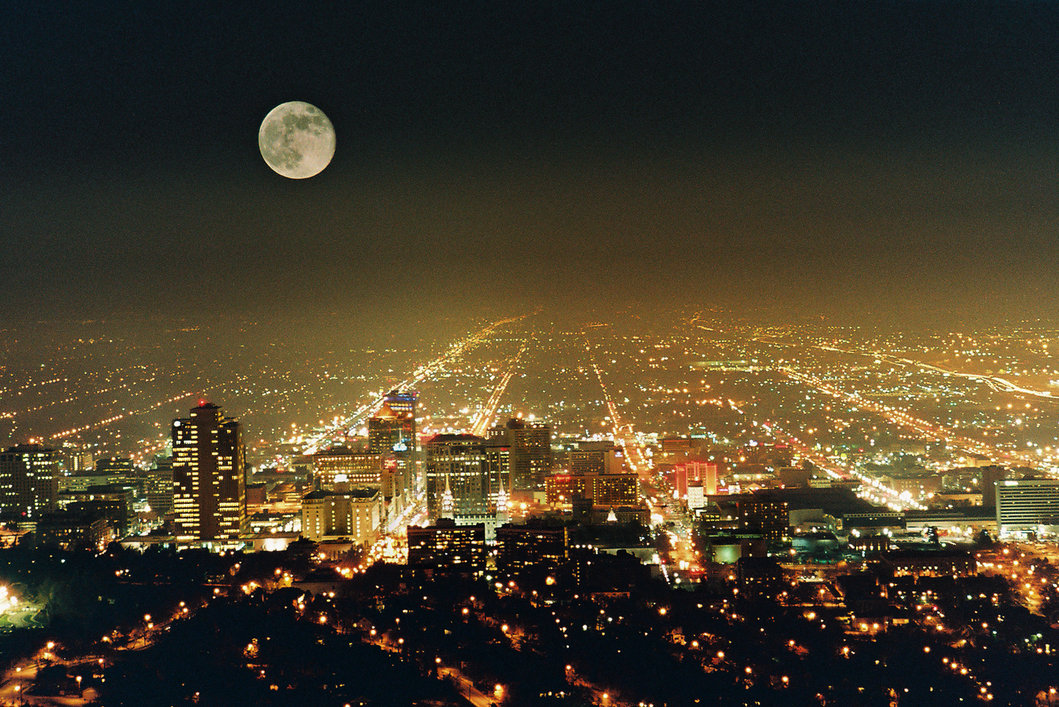
Wide landscape night shots trade intimacy for survey. From a distant hill or an airplane window, the city becomes a single organism. Neighborhoods fuse into one glowing body. Dark wedges mark parks, rivers, airports, or undeveloped land. The mass of lights becomes the headline, and individual buildings become texture.
That “incredible mass of lights” feeling is why night city galleries keep circulating. They satisfy a simple curiosity: what does human settlement look like when the sun is gone and only our own fixtures remain? The answer is oddly beautiful, even when the underlying systems are traffic, commerce, and electricity bills.
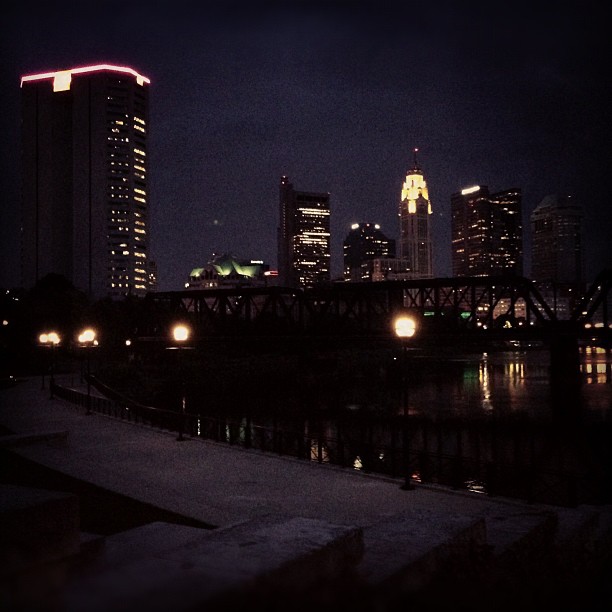
High contrast is a night-city temptation. Crush the blacks and the lights become sparks on velvet. Soften the contrast and you keep more atmosphere in the sky—pollution glow, cloud texture, faint horizon lines. Both approaches appear across this gallery. One emphasizes sparkle; the other emphasizes weather and air.
Carl Decaire’s credit line in the source set is a reminder that many of these images traveled through Flickr-era sharing culture, where night urban photography flourished as a communal genre. Attribution may be incomplete in older shared posts, but the visual language remains recognizable: long exposures, elevated vantage points, and a taste for saturated color.
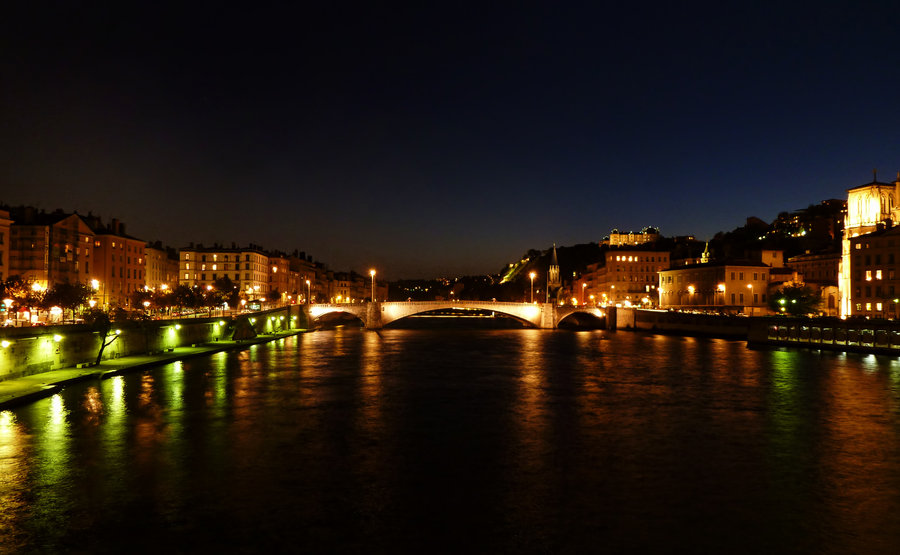
Warm building lights against a near-black sky can feel theatrical. The city becomes a stage set. Photographers often wait for blue hour’s last minutes, then push into full night when the sky empties and façades take over. That timing choice changes the emotional register from twilight romance to nocturnal intensity.
Look for repeating motifs across the set: diagonal highways, window grids, water mirrors, hillside scatter, and the occasional isolated landmark. Those motifs will return in later installments of a night-cities series—different towns, same grammar of light.
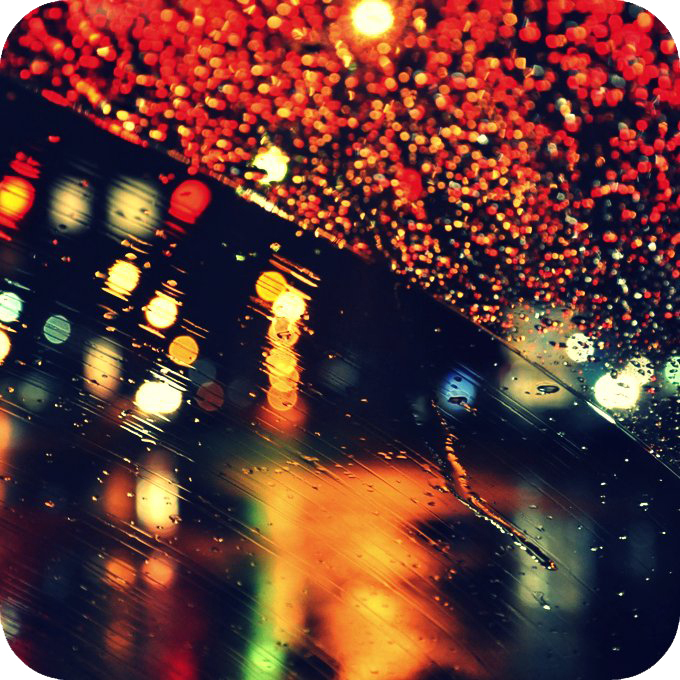
Waterfront reflections double the city and soften it at the same time. Hard edges dissolve into ripples. A skyline that looks severe in dry air can look painterly over a river or bay. Night photographers love that doubling effect because it fills the lower half of the frame without inventing content.
Practical tip if you chase these scenes yourself: protect highlights first. Once windows blow out to blank white, the grid dies. Slight underexposure preserves the sparkle and keeps the dark areas truly dark. Tripods matter less than patience and a stable surface—railings, bags of rice, or a wall can finish the job.
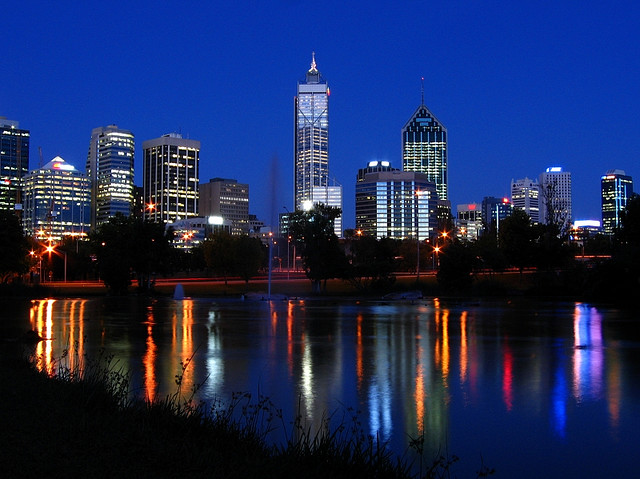
New York arrives with its familiar argument: density as destiny. The city’s night reputation is earned—Midtown grids, river bridges, and the sense that the lights never fully go out. Even a compact frame labeled “city lights New York” carries that recognition. You do not need a postcard landmark for the place to feel known.
Famous cities help a gallery communicate quickly. Less famous ones teach slower looking. A complete night-cities series needs both: the icons that people search for, and the quieter towns that prove the genre is about light behavior, not celebrity skylines alone.
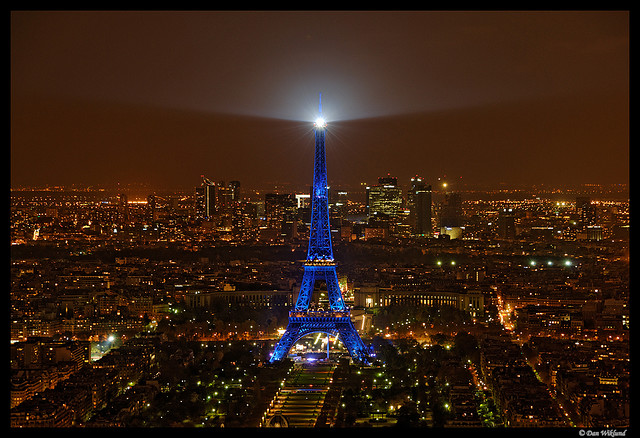
Paris closes this first chapter with its nickname intact: the city of lights. Whether the frame shows boulevards, bridges, or a wider skyline wash, the brand of the place is inseparable from illumination history—gas lamps, electric spectacle, and a long civic habit of treating night as a public stage.
Taken together, these twelve pictures sketch a simple thesis. Night cities are readable. Their roads, towers, waterfronts, and hills announce themselves in light. This installment stays with that thesis and stops short of a worldwide survey. Later parts can widen the map—more coasts, more megacities, more small towns glowing in valleys—without changing the subject. For now, the invitation is to look slowly at the mass of lights already here, and notice how each city’s night handwriting differs.

Comments
Continue reading
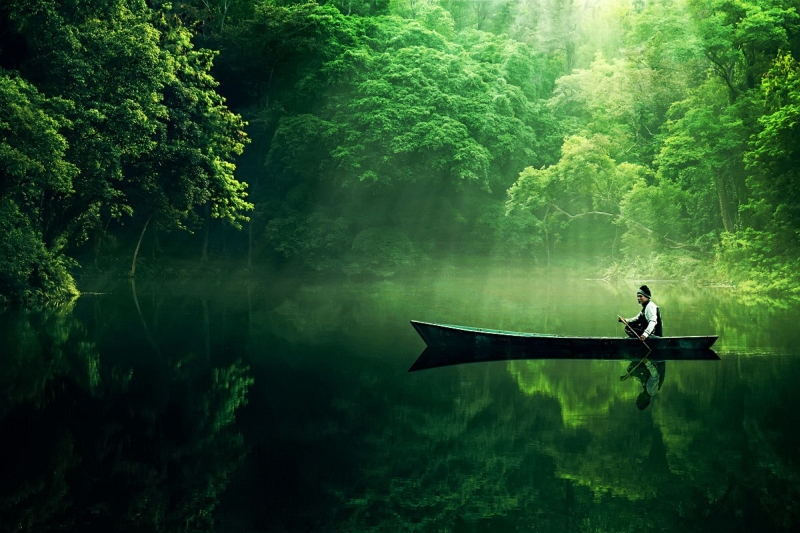
Dramatic Photo Art by Sukron Ma’mun (Ipoenk Graphic)
Cirebon, Indonesia photographer Sukron Ma’mun uses theatrical natural light to frame village life, play, and place in lyrical photo art.

Bird’s-Eye Views: Florian Beaudenon’s Instant Life
Paris photographer Florian Beaudenon’s Instant Life series captures people in their rooms from above—intimate, collaborative overhead portraits of everyday joy.
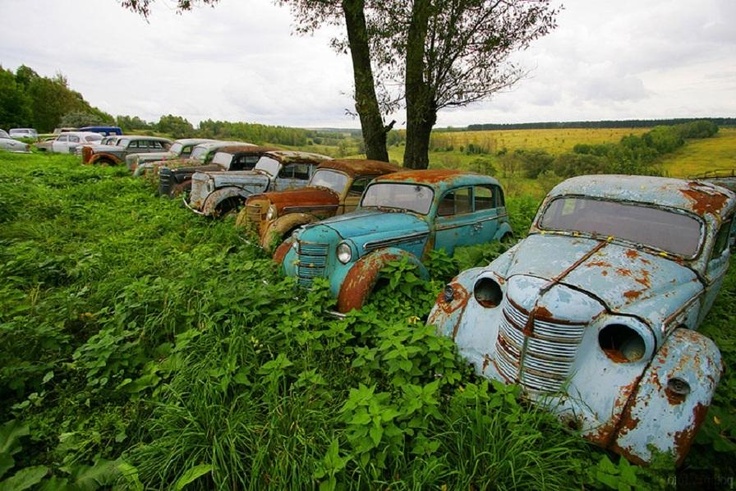
Abandoned Cars Reclaimed by Nature: Rust, Growth, and Quiet Ruin
When neglected vehicles are left outdoors long enough, rust, moss, and trees rewrite them into strange still lifes—sad, photogenic, and slowly returning to the ground.