
Mysteriously Beautiful Abandoned Places
A photography gallery of deserted interiors and exteriors—ruin texture, haunted light, and the quiet questions empty rooms still ask.
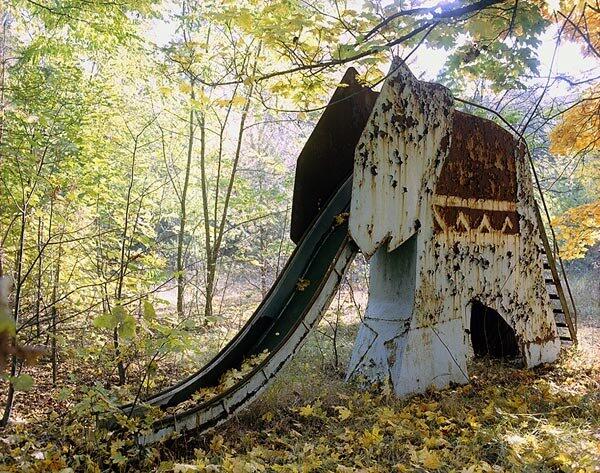
Abandoned places hold a strange kind of beauty. Peeling paint, collapsed roofs, and rooms emptied of people somehow feel more vivid than polished interiors. They ask the questions architecture usually answers too neatly: Who lived here? What ended? Why did the world move on while the walls stayed?
This gallery gathers dramatically deserted spaces—homes, halls, industrial shells, and landscapes where time has become the main designer. The mood is not cheap horror. It is curiosity mixed with quiet respect for places that still stand after their original purpose has gone. Scroll for the pictures; linger for the atmosphere they share: mystery, texture, and the soft shock of absence.
Why ruin photographs fascinate
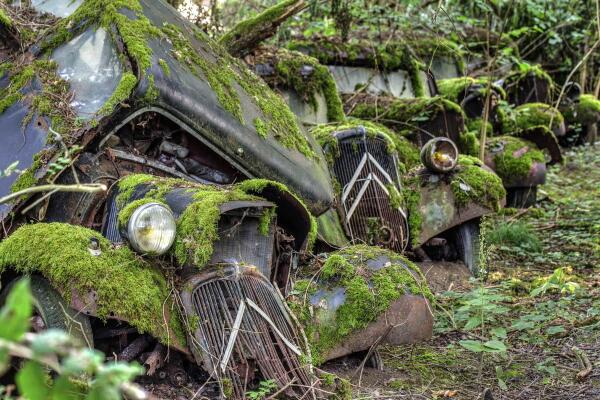
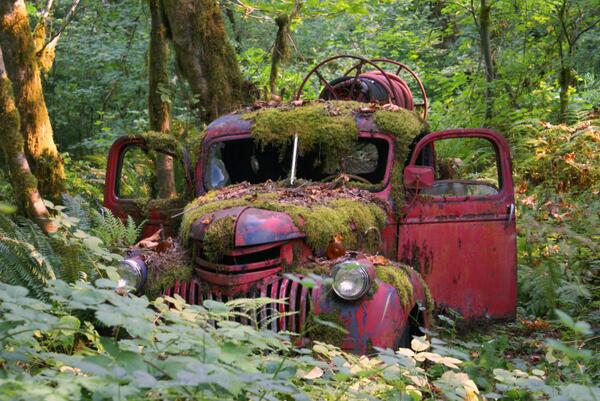
Ruin photography sits between documentary and dream. Light falls through broken windows onto floors that once held furniture and footsteps. Nature reclaims doorways with vines and moss. Geometry remains—staircases, arches, window grids—but function has slipped away. The result feels mysterious because the story is incomplete, and viewers supply the missing chapters without needing a plaque.
There is also aesthetic tension. Decay softens hard edges; color fades into muted palettes; dust turns into atmosphere. What would look like neglect in a living building becomes texture in an abandoned one. That is why these images reward slow looking rather than a quick scroll past another “creepy” thumbnail.
People also love thresholds. Doorways into silence, staircases into dust, windows into empty sky—each frame is a border between use and afterlife. Photography freezes that border long enough for us to notice materials: plaster blooming with moisture, timber warping, brick holding its dignity longer than paint.
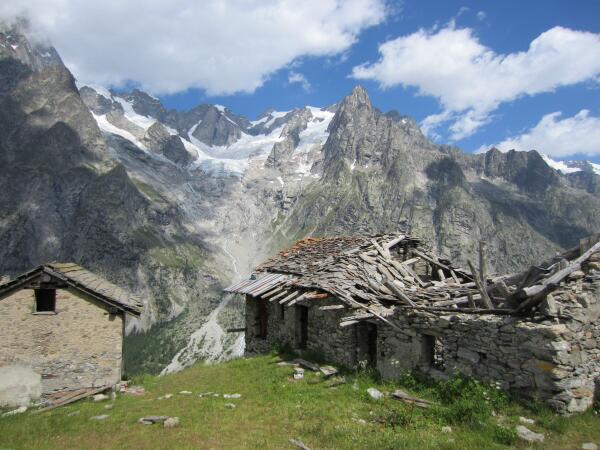
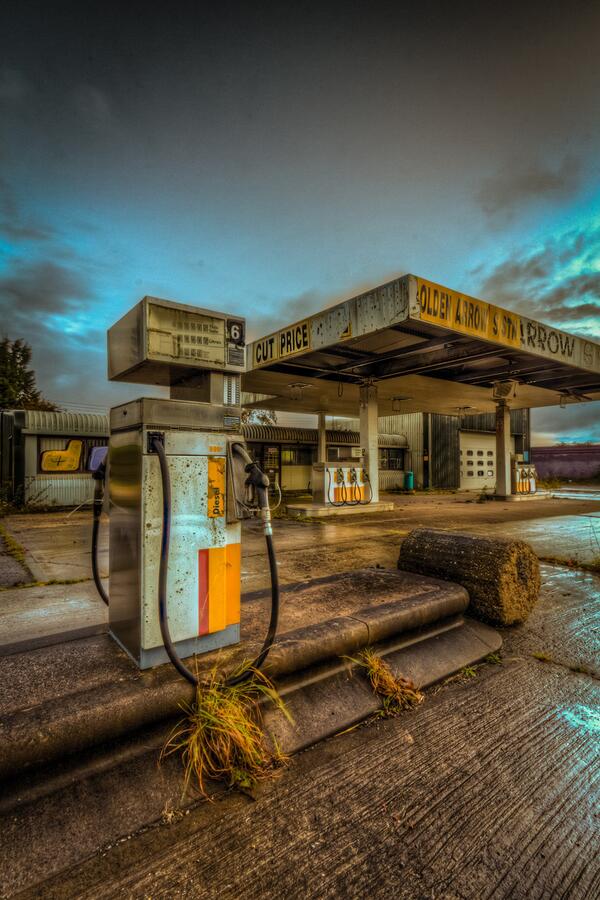
Rooms that keep their posture
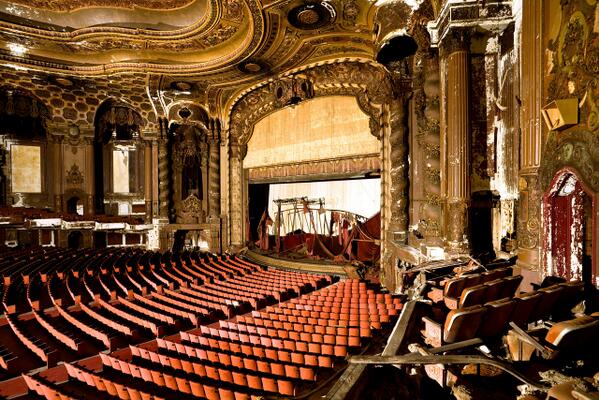
Some abandoned interiors still hold a proud posture: high ceilings, ornate moldings, long corridors that suggest ceremony. Others feel intimate and domestic—a chair left behind, wallpaper curling like paper skin. Both kinds remind us that buildings are social objects. When people leave, the objects remain as clues, and the clues are uneven. A grand hall without chairs can feel colder than a small kitchen with one cup still on a shelf.
Photographers often frame these spaces with deep perspective lines, letting hallways pull the eye toward a bright exit or a dark dead end. Vertical frames emphasize height and isolation; wide frames emphasize emptiness. Either way, the absence of people becomes the subject. You are not looking at a lifestyle room. You are looking at a room that outlived its lifestyle.
Notice how color behaves indoors. Greens of mold, ochres of rust, blues of cold daylight on plaster—these palettes are accidental collaborations between chemistry and weather. Designers spend fortunes trying to manufacture “patina.” Abandoned rooms produce it without trying.
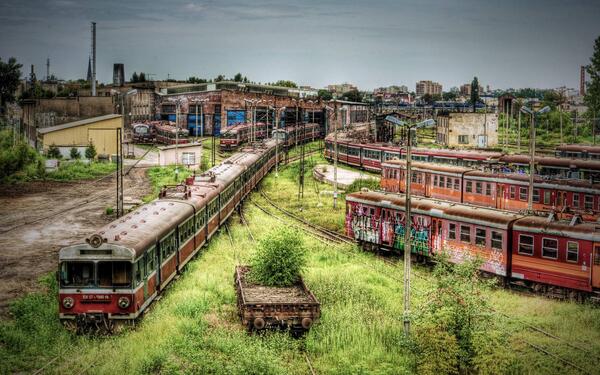
Exteriors and the weather of neglect
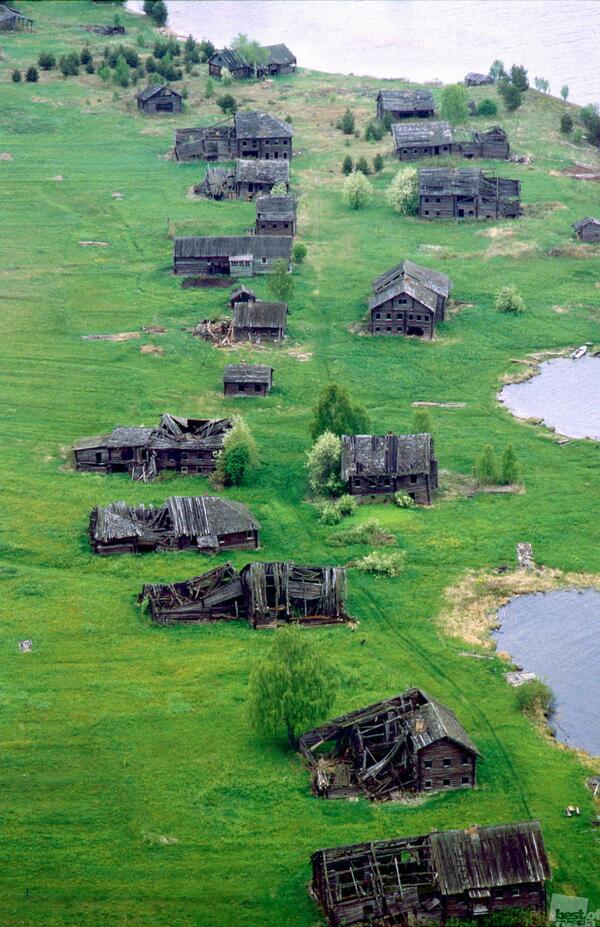
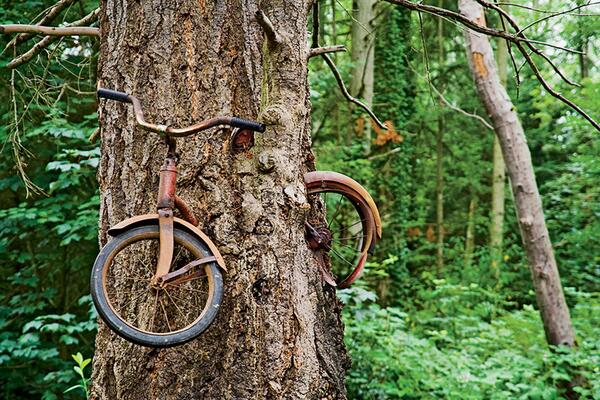
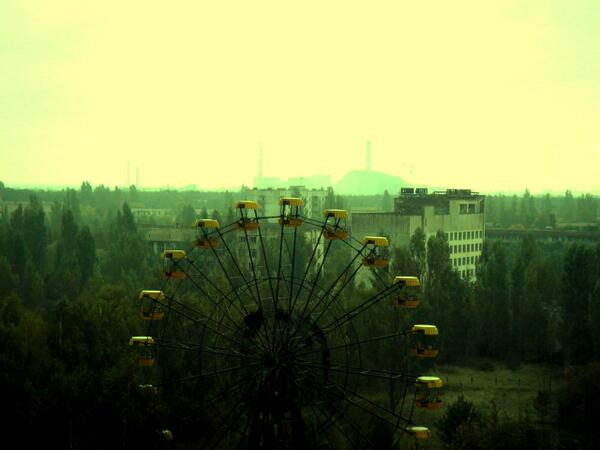
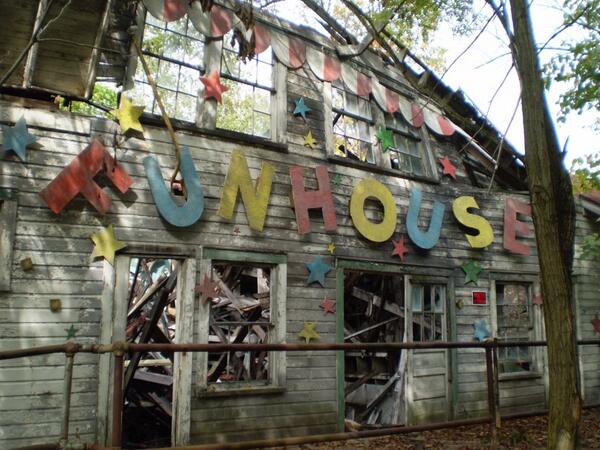
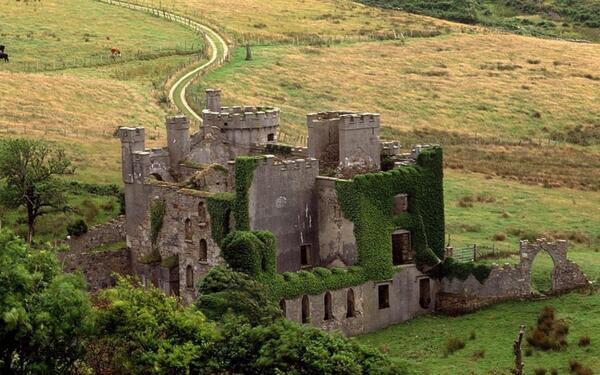
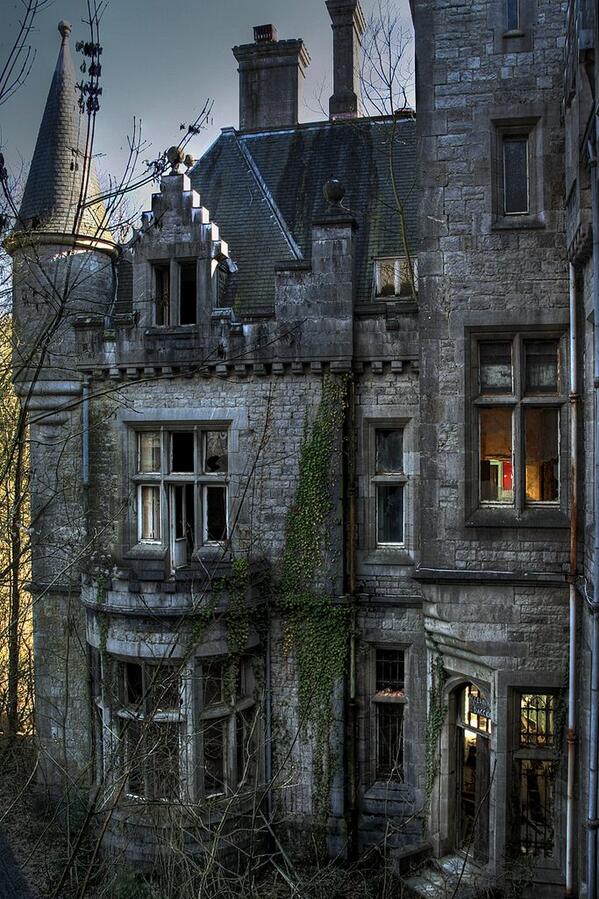
Outside, abandonment reads differently. Facades crack. Windows go blind. Roofs sag into soft angles. Weather becomes a collaborator: rain stains, snow outlines, sun bleaching. A building that once announced status can look almost geological—part architecture, part landscape. Trees grow where courtyards used to be swept. Vines write new calligraphy across brick.
These exteriors also show how communities change. Mills close, industries relocate, families move, tourism shifts. The photographs freeze a moment in that longer economic story without needing a caption to explain every cause. Mystery is part of the appeal; so is the honesty of visible wear. Perfect renovation hides history. Ruins refuse to hide.
From a distance, abandoned complexes can look like stage sets. Up close, they look like labor—someone cut those stones, hung those doors, painted those rails. The mystery of “who lived here” is also the mystery of who built here and what their ordinary Tuesday felt like.
Light, shadow, and the “haunted” look
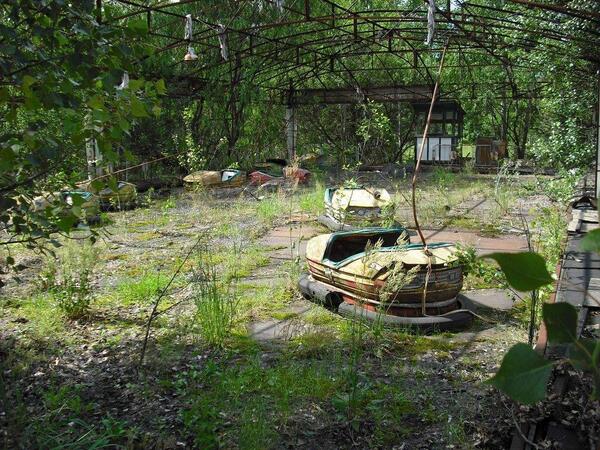
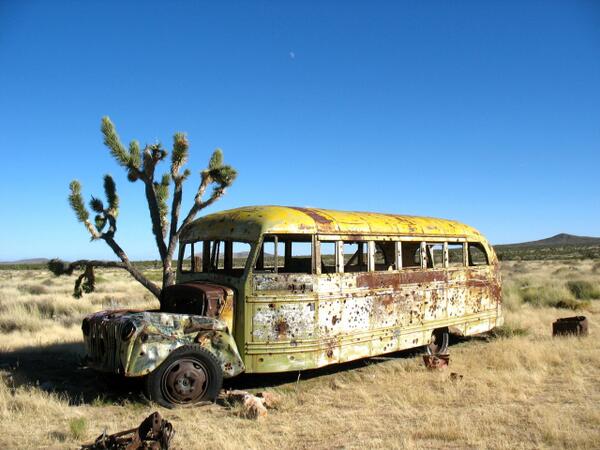
Many of these frames look haunted because light behaves strangely in unmaintained spaces. Dust floats in shafts of sun. Dark corners swallow detail. Reflections in cracked glass multiply rooms into ghost versions of themselves. The effect is cinematic, but it comes from physics as much as folklore.
Photographers chase that light carefully—early morning for soft entry, late afternoon for long shadows, overcast days for even, mournful tones. The “spooky” reading is optional. You can also read the same image as a study in materials: plaster, brick, timber, metal, and the way each fails differently under water and freeze-thaw cycles.
Sometimes the most dramatic image is the quietest: a single beam landing on a floorboard, a curtain still hanging, a chair facing a window that no longer has glass. Those small facts often feel more “alive” than theatrical wreckage. Beauty here is not always spectacular. Sometimes it is patient.
Looking ethically from a distance
Abandoned sites can be fragile, private, or unsafe. Floors collapse. Chemicals linger. Owners still exist even when occupancy does not. This collection is for looking and thinking, not for encouraging trespass. The strongest response to these images is often curiosity about history and conservation: what should be documented, what should be restored, and what should be left to return to earth.
Beauty here is not an invitation to disturb. It is a reminder that human places have afterlives, and that photographs can honor those afterlives without turning them into props for a dare. If a picture makes you want to know the town’s story, that impulse is better than a plan to climb through a window.
How to read the rest of the gallery
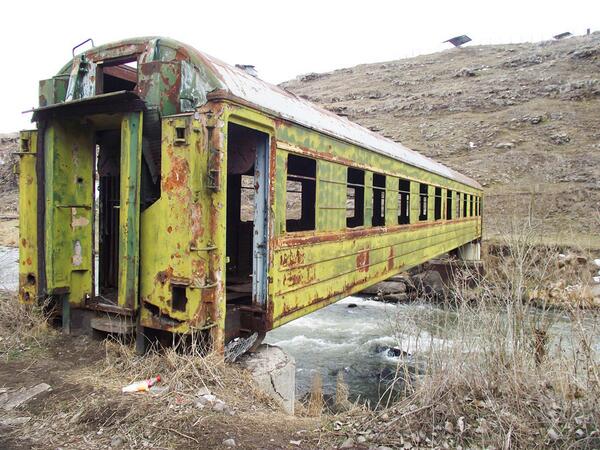
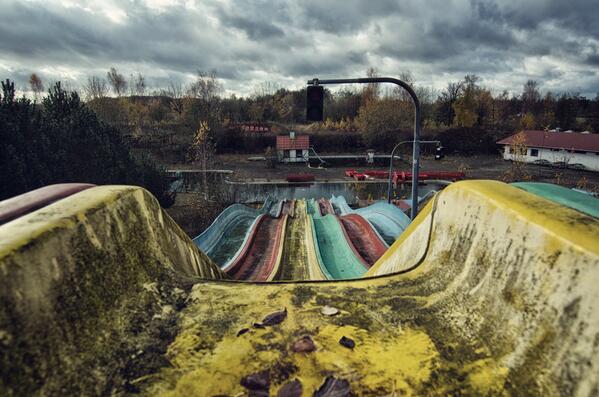
Take the remaining frames as a sequence of moods rather than a checklist of locations. Some spaces feel grand; others intimate. Some feel recently left; others feel centuries past usefulness. Symmetry breaks under collapse. Color drains toward earth tones. Nature presses in from the edges. Those repeats are the visual grammar of abandonment.
If one image feels especially occupied, pause there. Ask what detail creates that feeling—a curtain still hanging, a beam of light on a floor, a path worn into flooring, a mirror that still reflects sky. Those small facts are often more powerful than the overall drama of ruin. The gallery’s job is not to name every site. It is to keep the question alive: what happened here, and what does beauty look like after use ends?
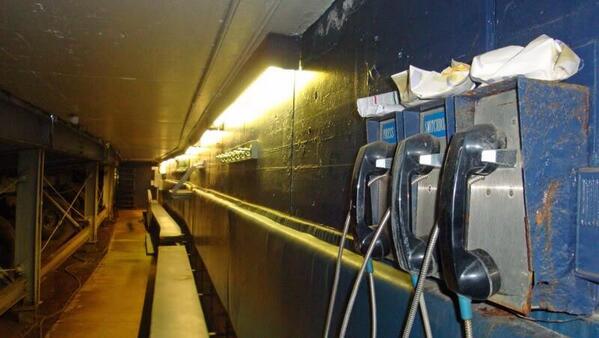
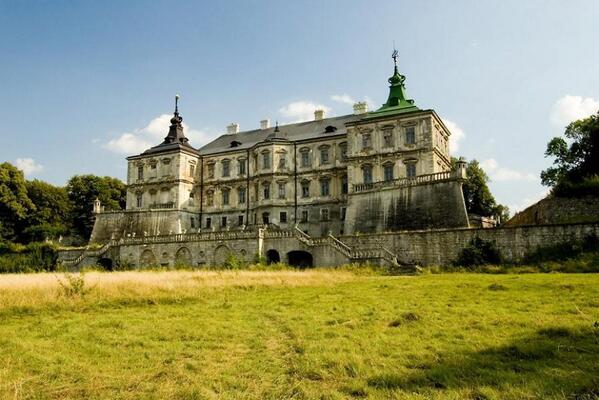
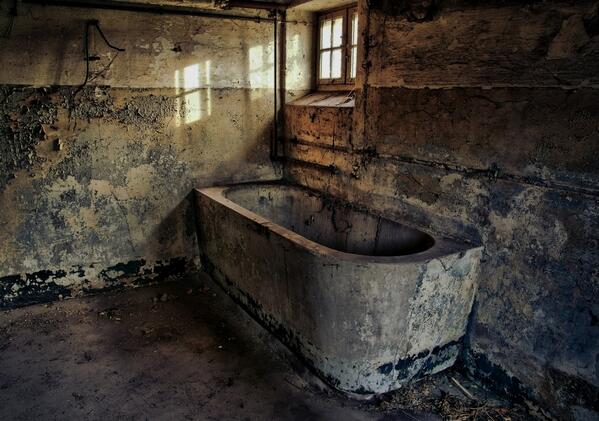
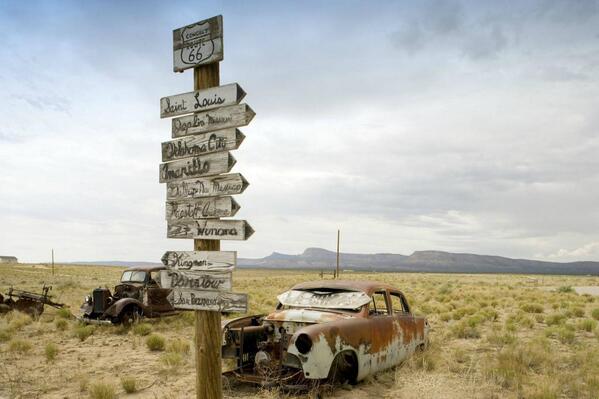
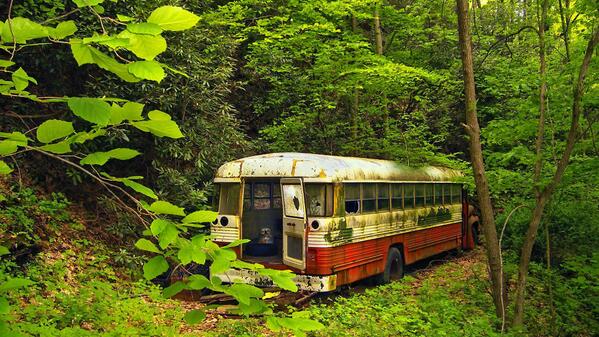
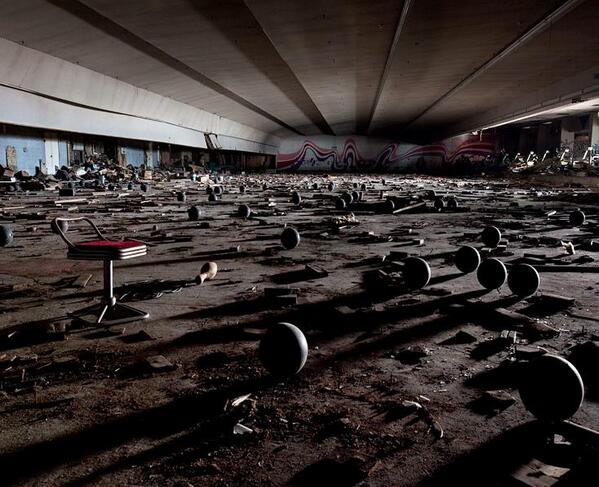
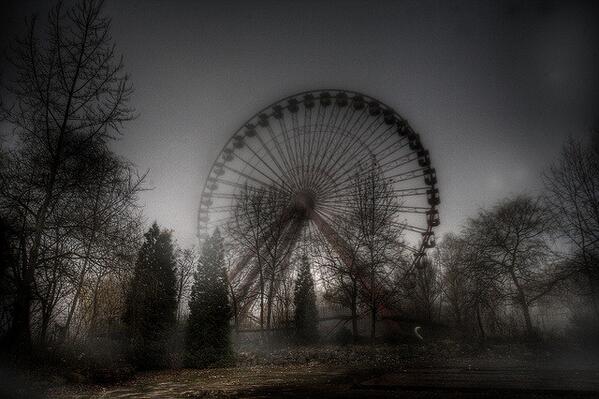
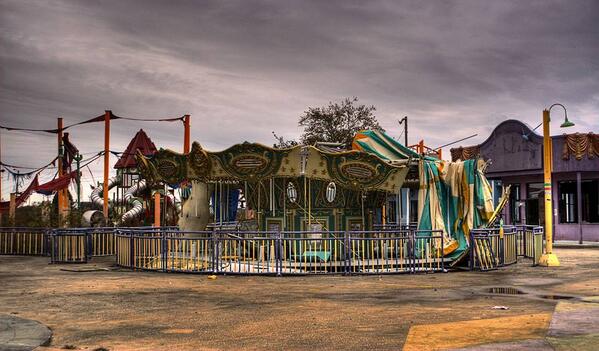
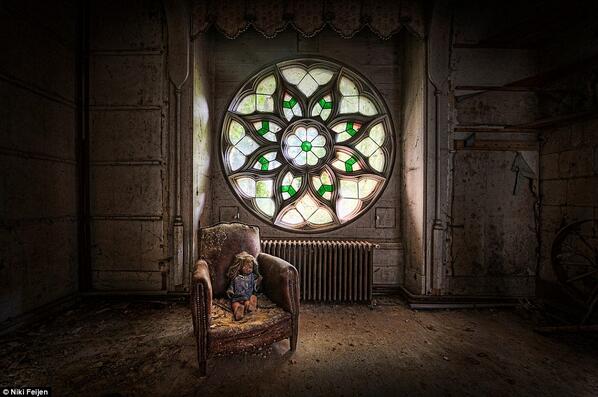
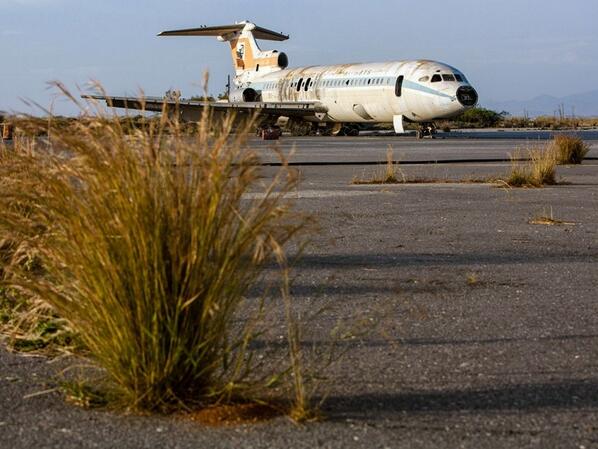
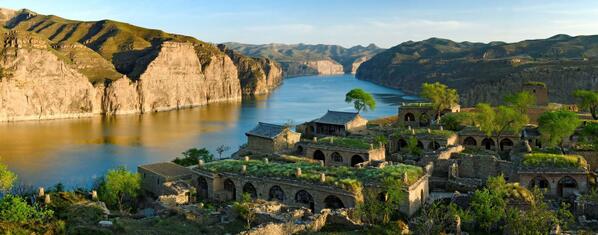
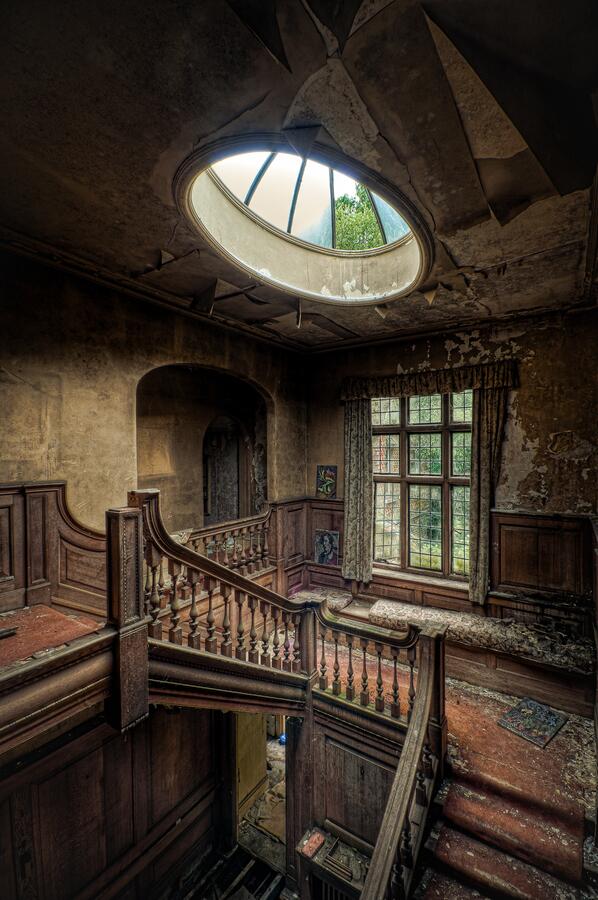
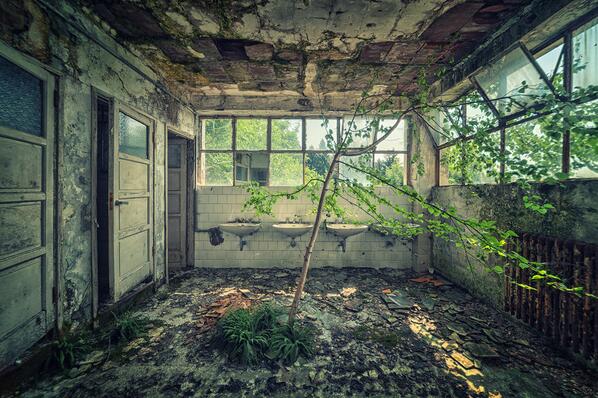
Which of these rooms still feels occupied to you—and what single object or shaft of light creates that illusion?

Comments
Continue reading
Dramatic Photo Art by Sukron Ma’mun (Ipoenk Graphic)
Cirebon, Indonesia photographer Sukron Ma’mun uses theatrical natural light to frame village life, play, and place in lyrical photo art.

Bird’s-Eye Views: Florian Beaudenon’s Instant Life
Paris photographer Florian Beaudenon’s Instant Life series captures people in their rooms from above—intimate, collaborative overhead portraits of everyday joy.
Abandoned Cars Reclaimed by Nature: Rust, Growth, and Quiet Ruin
When neglected vehicles are left outdoors long enough, rust, moss, and trees rewrite them into strange still lifes—sad, photogenic, and slowly returning to the ground.