
Modern Functional End Tables: Scale, Materials, and Daily Use
How to choose modern end tables that actually work beside a sofa—height, storage, materials, shapes, and a short buying checklist.
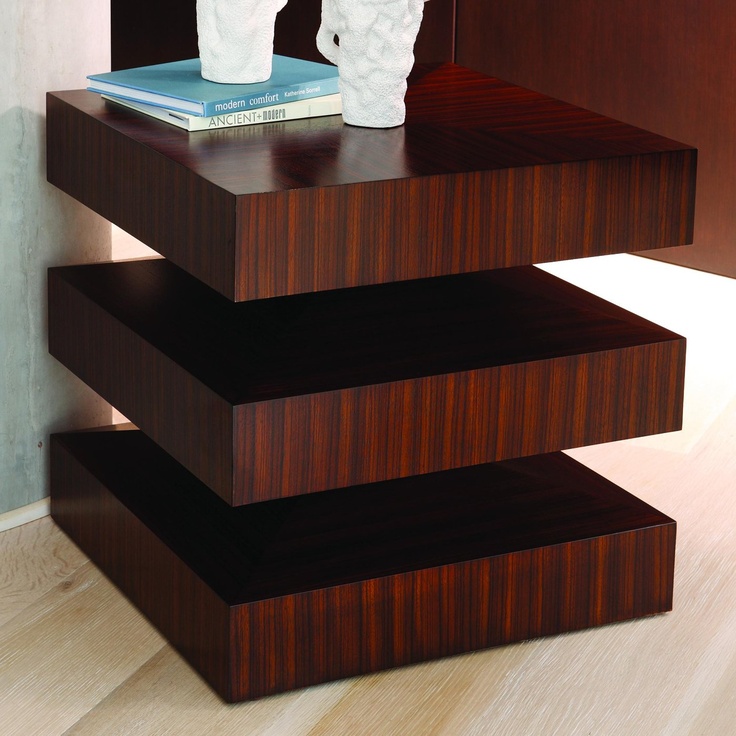
End tables are small, but they decide how a seating area behaves. Lamp height, drink placement, remote storage, and the visual weight beside a sofa all hang on that one surface. A modern end table should feel intentional next to upholstery—not like leftover patio furniture, not like a temporary stool hoping nobody notices, and not like a sculpture that refuses a coffee cup.
Finding the right piece is less about collecting “unique” shapes and more about matching job, scale, and material to the room you already have. Living rooms expose taste in peripheral objects: the sofa may be the headline, but the end table is the daily interface. This gallery focuses on functional modern designs—pieces that hold a lamp without tipping, clear a sofa arm gracefully, and still look composed when the tray is empty.
What “functional” means beside a sofa
Function starts with height. An end table that sits within a couple of inches of the sofa arm usually feels usable; much lower and you reach awkwardly for a glass, much higher and the lamp shade blocks conversation or casts a cave over the seat. Depth matters next. A table that barely holds a book and a mug will push clutter onto the floor. A table that juts too far will bruise shins in a tight living room and make vacuuming a negotiation.
Then ask what the table must store. Some households need a closed drawer for chargers, remotes, and the small mess of daily life. Others want an open lower shelf for magazines and a basket. Nesting tables earn their keep in small apartments: expand for guests, collapse for circulation. C-tables that slide under a sofa seat solve the “nowhere to put dinner” problem without claiming permanent floor real estate—especially useful with deep sectionals.
Stability is underrated in catalog photography. Pedestal bases look light on screen and tip in real homes if the top is stone and the foot is tiny. Four-leg frames, trestles, or cross bases often behave better with kids, pets, and enthusiastic guests. If the top is glass, check edge quality, thickness, and how visible fingerprints will be under your evening lamps. A functional modern table survives contact, not only a styled shoot.
Clearance around the piece is part of function too. Leave a path for legs to stretch, for a side chair to pull up, and for a robot vacuum if you own one. Measure with the people who actually sit there. A table that fits the floor plan on paper can still fail the Saturday movie stretch test.
Material language of modern end tables
Wood keeps modern rooms from going clinical. Walnut, oak, ash, and stained maple read warm even in minimal silhouettes. Lacquer and painted surfaces give color blocks that can echo a sofa pillow, a door trim, or a rug motif. Metal frames—black steel, brass, chrome, powder-coated aluminum—draw a thin graphic line that helps a soft sofa look structured. Stone and concrete tops add gravity; they scratch and stain differently than wood, so coasters become habit rather than etiquette theater.
Mixing materials is where contemporary design usually lives: wood top on metal legs, stone slab on a slender base, glass over a sculptural frame, cane or perforated metal as a light secondary plane. Keep the mix to two languages per piece. Three materials on one small table often look busy rather than curated, especially when the sofa fabric already carries pattern.
Finish sheen should match the room’s other reflections. High gloss amplifies lamps and windows and can make a quiet corner feel louder. Matte and satin finishes hide dust better and feel calmer in bright spaces. In open-plan rooms, repeating one finish from coffee table to end table ties the seating group together without forcing a matching set from a single catalog page. Related is better than identical.
Think about acoustics and touch. A hollow drum that rings when you set a glass down will annoy you nightly. Felt pads, soft-close drawers, and slightly textured tops change the lived experience more than another millimeter of bevel. Modern function includes how the object sounds and feels at 11 p.m.
Shapes that solve different rooms
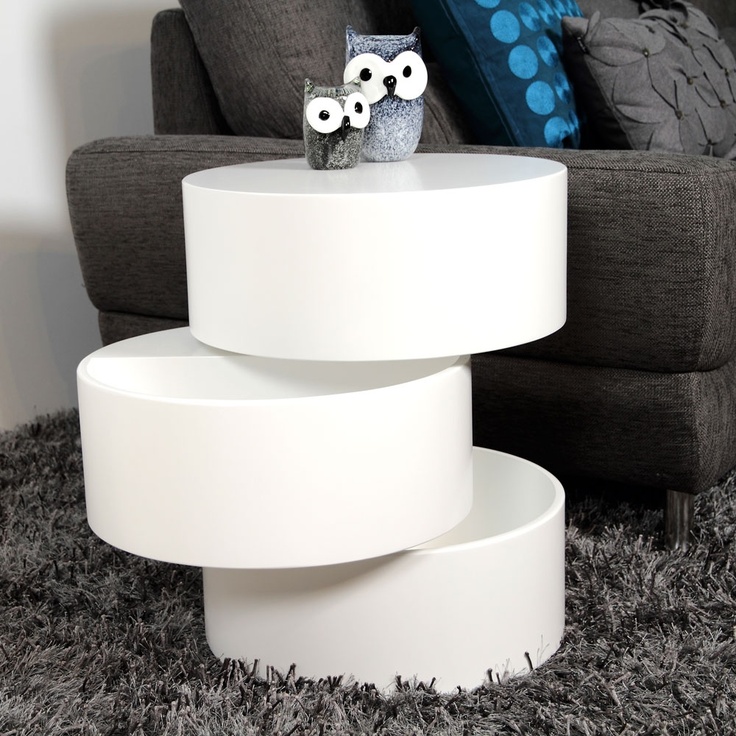
Round tops soften sectional corners and improve traffic flow—no sharp corners waiting in the walkway. Square and rectangular tops maximize usable surface for lamps with wide bases and for the occasional laptop. Triangular or wedge tables fit awkward angles beside chaise sections. Drum tables hide storage inside a cylinder and work well when you want mass without legs to clean around. Waterfall edges and cantilevered tops look architectural; confirm that the overhang still accepts a lamp base safely.
Sculptural silhouettes—asymmetrics, ribbon bases, stacked volumes—are fine if the function survives the sculpture. Test the fantasy: can you set a drink down without it sliding toward a tilted edge? Does the lamp cord have a path that does not star in every photograph of your living room? Does the shape still make sense when the styled books are gone and only a water glass remains?
Pairs of end tables do not have to match. Mismatched twins often look more designed: same height family, different materials, shared metal tone or shared wood family. Matching pairs still work in formal rooms where symmetry is the point—flanking a sofa under a centered artwork, for example. Choose the strategy on purpose rather than by default from a boxed set.
In bedrooms, the end-table logic becomes nightstand logic: reach to a lamp switch without sitting up fully, a surface for a glass and a phone, perhaps a drawer for the unphotogenic necessities. The same modern rules apply, but height relative to the mattress matters more than height relative to a sofa arm.
Styling without turning the table into a still life
A modern end table looks best with a short stack: lamp, one vertical object (book or small vase), and empty space. Leave room for the living—phone, glass, paperback—that actually happens. Trays corral small items and protect finishes. If every surface is “decorated,” the room photographs well and lives poorly. Negative space is not unfinished; it is hospitality for use.
Lamp choice is half the table’s job. The shade should clear seated eye level enough to avoid glare, and the switch should be reachable without yoga. Cord management—along a leg, through a grommet, into a floor outlet—keeps the modern line honest. Wireless charging trays and power modules exist; use them if they disappear into the design rather than announcing themselves as gadgets perched on art furniture.
Seasonal clutter is the enemy of small surfaces. If mail, keys, and chargers migrate to the end table, add a closed drawer elsewhere or a bowl by the entry rather than blaming the table for being too useful. The best modern pieces invite use without becoming landfills.
Pull the table tight to the sofa arm if the walkway is behind the seating. Float it slightly if you need a place to set a bag when entering the conversation circle. In tight rooms, a nesting pair or a C-table may outperform a single heroic object. Function is contextual; the same design can be perfect in one plan and obstructive in another.
Buying checklist for modern end tables
- Height within about two inches of the sofa arm (or mattress for nightstands).
- Top large enough for lamp base plus a drink, with a little spare.
- Base stable enough for your household’s real life.
- Material that matches cleaning habits (stone, wood, glass, lacquer, metal).
- Storage type that matches clutter (drawer, shelf, open, nesting, none).
- Finish that relates to other metals or woods in the room.
- Clearance for legs, vacuum paths, curtains, and swinging doors.
- Cord path planned before the lamp is chosen.
If two candidates both pass the checklist, choose the quieter one. End tables sit in peripheral vision for years; the piece that still feels calm after the trend cycle moves on is usually the functional modern choice—and the one that keeps serving the seat beside it.

Comments
Continue reading

Garden Decoration Beyond Beds: Lace, Mosaiculture, and Upcycled Yard Art
From dressed topiary and floral cyclists to license-plate dragonflies and lace between trees—garden decorations that give a yard a voice.
Kitchen Design Ideas: Layout, Storage, Light, and Finishes That Work
Practical kitchen design ideas—work zones, cabinetry, lighting, and durable finishes—so inspiration translates into rooms that cook and gather well.
25 Cool Room Partition Ideas That Actually Divide Space
From frosted sliders and pallet screens to book towers and branch walls—twenty-five ways to carve rooms without building solid walls.