
LIT Photography: Lauren Chambers’ Northern Ireland Wedding Work
Portrush photographer Lauren Chambers built LIT—Lauren, Isla, Tyler—around emotive documentary wedding images that treat love as the subject, not the camera.
LIT Photography is the Northern Ireland wedding practice of Lauren Chambers—Portrush-based, documentary in instinct, and named as a monogram of Lauren with her children, Isla and Tyler. The work gathered under that name is not about proving a camera brand. It is about catching the quiet seconds most wedding timelines rush past: a hand squeeze before the doors open, a parent’s face when the music starts, the laugh that arrives after the formal portraits end.
Lauren came to photography sideways. She studied criminology at Queen’s University Belfast, then built a career on emotion rather than courtroom logic—feeling happiness, fear, excitement, and sadness at high volume and turning that sensitivity into a working method. On her own telling, that intensity can be heavy in ordinary life and useful on a wedding day, because the job is not only to see a moment but to recognize what it will mean years later.
What LIT stands for
LIT is Lauren–Isla–Tyler. The business name is a family stamp, not a clever acronym invented for search engines. Lauren has written openly about motherhood, including raising children with autism, and about how their way of seeing the world sharpened her own attention to small beauty. She has joked that including her husband Jason would have produced “JILT”—a terrible name for a wedding brand—so the monogram stayed with mother and children.
That origin story matters because it explains the pictures’ priorities. LIT’s public philosophy keeps circling love as subject: romantic love, parental love, self-regard, the soft glue between people who share a day. Lauren has put it plainly in her own words—photography is not primarily about the camera; it is about the person behind it, and being a better photographer requires being a better version of herself. The claim sounds soft until you look at the work’s refusal to over-stage. The best frames feel overheard rather than directed.
Documentary warmth on wedding day
Northern Ireland weddings give a photographer weather, landscape, and intimate venues in close range—coast light near Portrush, country houses, city halls, churches, and the odd unplanned location that becomes the day’s emotional center. Lauren’s approach sits in the documentary-emotive tradition: limited posing when possible, attention to reaction shots, and a preference for real interaction over rigid catalogue smiles.
Couples who book LIT often describe the same relief afterward—they forgot the camera was there, or they felt hyped rather than managed. That feedback matches the method. A photographer who treats every minute as a setup will get clean geometry and thin feeling. A photographer who treats the day as a sequence of human weather systems will miss a few “perfect” alignments and keep the ones people cry over later.
Lauren has said she works with a limited number of couples each year and now leads a wider team—second shooters, associates, assistants, trusted vendors—so the brand is no longer only one person with a bag. The energy of that team is part of the deliverable. Still, the visual signature remains hers: love as the organizing principle, emotion as the exposure setting.
Examples of what to look for in LIT-style wedding frames
Even without treating this page as a sales pitch, it helps to name the kinds of moments LIT’s work typically elevates—useful both for couples studying portfolios and for photographers studying craft:
- Threshold minutes: getting-ready quiet, first look nerves, the walk toward vows.
- Relational triangles: couple plus parent, siblings in orbit, friends forming temporary constellations.
- Aftermath joy: the unposed laugh after a formal group finally breaks.
- Place as character: Causeway Coast wind, soft Irish rain, a room’s existing light used rather than fought.
- Gesture over spectacle: fingers, glances, tears wiped badly, vows remembered imperfectly.
Those categories are not a formula. They are a checklist for reading any strong wedding gallery—and they map cleanly onto Lauren’s stated aim to capture love in multiple forms, not only couple romance in golden hour.
Craft notes without fetishizing gear
Wedding photography discourse loves lenses and presets. Lauren’s public voice keeps steering back to temperament. Feeling everything intensely becomes a professional instrument: if you can sense which hug will matter in ten years, you raise the camera before the hug ends. Technical competence still matters—exposure in dark churches, group sharpness, delivery speed—but it is the servant of recognition.
That hierarchy shows in how LIT talks about elopements and full wedding days alike. Smaller celebrations still get treated as complete emotional arcs. Larger days get team coverage so the “missed moments” problem shrinks. Either way, the standard is the same: images should let people feel the day again, not merely prove attendance.
Recognition outside Northern Ireland has followed. Professional Photo Magazine has placed Lauren among the UK’s top wedding photographers in multiple years, and industry shortlists have noticed the work beyond local word of mouth. Awards are not the subject of the photographs, but they explain why couples from farther afield find the portfolio and ask about Irish light.
Working with an emotive documentary photographer
Couples who want LIT-like results—whether booking Lauren or another photographer in the same tradition—usually need to make room for unscripted time. Overpacked timelines kill the very moments this style exists to keep. Build buffers. Protect a private first look if you want one. Tell the photographer which relationships matter most so the lens knows where to linger when the room gets crowded.
Also decide how much direction you actually want. Some pairs need gentle prompts to feel safe; others wilt under posing. Lauren’s clients often praise the sense that nothing felt staged. That outcome is a collaboration: photographer restraint plus couple willingness to be present with each other instead of performing for the gallery.
If you are a photographer studying this lane, watch how emotion is prioritized without turning the day into melodrama. The best documentary wedding work is specific, not soggy. Tears are honest; endless tear tropes are not. LIT’s better frames stay particular to the people in them.
Northern Ireland as working landscape
Portrush and the North Coast offer drama without requiring travel pastes from a stock library—cliffs, changing Atlantic weather, small-town warmth, venues that feel lived-in. Lauren has guided visiting couples toward that coast when planning allows, treating place as part of the love story rather than a generic backdrop. Local knowledge becomes aesthetic advantage: knowing when wind will wreck hair versus when it will make a coat look cinematic.
That geographic rootedness also keeps the brand from reading as anonymous Instagram wedding content. The work belongs to a real coast and a real family monogram. LIT is not a floating aesthetic; it is Lauren Chambers’ practice with Isla and Tyler written into the name.
One question worth asking while you study any wedding portfolio, including this tradition: which images would still matter if the venue were ordinary? If the answer depends only on scenery, the photographer is selling place. If the answer survives a plain hotel corridor, the photographer is selling people. Lauren’s stated philosophy aims at the second answer—love as subject, camera as witness, personality as the real gear list.

Comments
Continue reading

Dramatic Photo Art by Sukron Ma’mun (Ipoenk Graphic)
Cirebon, Indonesia photographer Sukron Ma’mun uses theatrical natural light to frame village life, play, and place in lyrical photo art.

Bird’s-Eye Views: Florian Beaudenon’s Instant Life
Paris photographer Florian Beaudenon’s Instant Life series captures people in their rooms from above—intimate, collaborative overhead portraits of everyday joy.
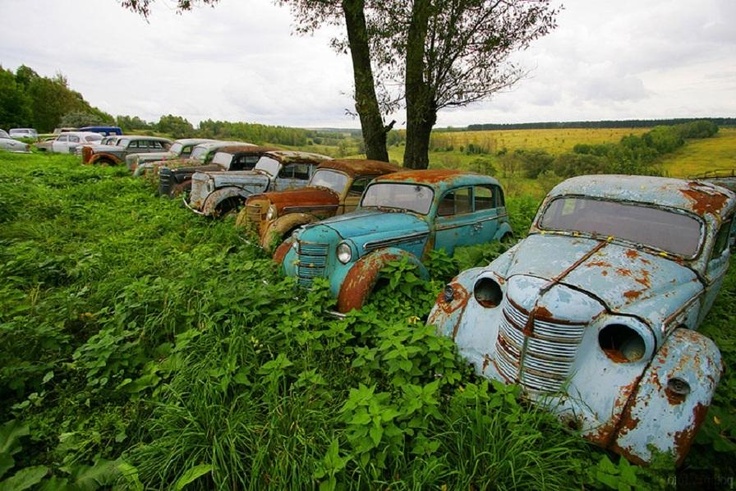
Abandoned Cars Reclaimed by Nature: Rust, Growth, and Quiet Ruin
When neglected vehicles are left outdoors long enough, rust, moss, and trees rewrite them into strange still lifes—sad, photogenic, and slowly returning to the ground.