
Make Learning Guitar Your New Year’s Resolution
Why guitar is a realistic winter resolution—choosing a first instrument, lessons vs. apps, a practice routine, and milestones that survive February.
January fills up with ambitious lists: run every day, cook from scratch, finally get organized. Many of those goals fight the season—cold mornings, early dark, and the pull of the couch after holiday noise. Learning guitar sits in a different category. You need an instrument, a quiet corner, and a habit you can keep when the weather makes outdoor plans miserable. That alone makes it one of the more realistic New Year resolutions.
This is not about becoming a stage-ready soloist by March. It is about building enough skill that you can play songs you like, keep time, and feel progress week to week. Treat the resolution as a practice system, not a shopping spree or a vague wish you repeat every December.
Why guitar works as a winter goal
Fitness goals often fail when routines depend on commuting to a gym or perfect energy after work. Guitar practice happens where you already are. Twenty focused minutes on open chords beats an hour of distracted scrolling with the instrument on your lap. Winter evenings give you natural blocks of indoor time; use them before they fill with other noise.
Music also gives quick feedback. A clean chord change feels different from a muted one. You hear improvement without waiting weeks for a scale to tip. That feedback loop helps resolutions stick when motivation fades in February—the month when many gym memberships go quiet and living rooms get louder.
If you already exercise outdoors, you can keep that goal and still add guitar. The point is to choose at least one habit that does not require ideal weather or a packed bag by the door.
Choose a beginner-friendly first guitar
You do not need a famous brand to start. You need something that stays in tune reasonably well, has a comfortable neck for your hand size, and will not fight you with buzzing frets or razor-sharp string ends. Acoustic guitars are simple—no amp required—and teach you to hear your own dynamics. Electric guitars can be gentler on the fingertips and quieter with headphones through a small practice amp or interface.
Visit a music shop if you can. Play a few models in your budget, sit with them, and notice shoulder and wrist comfort. Ask staff to check setup basics: action (string height), neck relief, and intonation. A modest guitar with a good setup often beats a prestige name that hurts to press. If you buy online, budget for a local tech to adjust it after delivery.
Starter tips:
- Full-size instruments suit most adults; consider a 3/4 size if hands are small or reach is limited.
- Light-gauge strings are kinder for the first months.
- Include a tuner, picks, a strap, and a soft case or gig bag in the initial kit.
- Skip collecting pedals until open chords and simple songs feel reliable.
Secondhand can be excellent if someone knowledgeable checks for neck issues, fret wear, and electronics that crackle. A cheap new instrument that will not stay in tune will train you to quit, not to play.
Lessons, apps, or both
Free videos are useful for seeing fingerings and hearing songs. They struggle to correct your posture, timing, or muted strings in the moment. A teacher—in person or live online—shortens the awkward beginner phase by catching habits early. Even a short run of lessons (six to eight weeks) can set foundations you then reinforce alone.
If budget is tight, combine a structured course or method book with occasional check-ins from a teacher. Apps that listen to your playing can help with pitch and rhythm, but they should support a plan, not replace listening to real music. Pick three songs you actually want to play and reverse-engineer the chords; motivation stays higher than with random exercises alone.
Ask a teacher to prioritize clean fretting, steady strumming, and song goals over flashy lead runs. Beginners who chase solos before chords often stall with frustration.
Build a practice routine that survives February
Resolutions die when sessions depend on “feeling inspired.” Schedule practice like a recurring appointment. Fifteen to thirty minutes most days beats a heroic two-hour session once a week. Keep the guitar on a stand in the room where you relax so setup friction stays low.
A simple session structure:
- Tune every time—habits start with sound that is in pitch.
- Warm up with chromatic fretting or slow chord changes for two minutes.
- Work one technical focus (a new chord, a strumming pattern, a clean barre attempt).
- Play something musical—even a two-chord loop—so the session ends with music, not only drills.
- Note one win in a phone memo: “G to C cleaner today,” “kept tempo with a metronome.”
Use a metronome sooner than you think you need it. Slow and steady beats fast and sloppy. Record a short phone video every two weeks; progress is easier to believe when you can hear January-you next to March-you. On days when energy is low, commit to five minutes of tuning and one song fragment—showing up matters more than duration.
Set milestones instead of vague vows
“Learn guitar” is too broad. Turn it into checkpoints:
- Month 1: open chords C, G, D, Em, Am; switch between two of them without stopping.
- Month 2: one full song with a steady strum; simple down-up patterns.
- Month 3: introduce F or a partial barre; play along with a recording at reduced speed.
- Month 6: a small set of three songs you can perform for a patient friend.
Celebrate those markers without moving the goalposts into “tour-ready.” If you miss a week, restart the next day—do not wait for a new year or a new instrument.
Avoid the gear trap and the comparison trap
New players often stall by researching gear instead of practicing. One decent instrument and consistent time will outrun a wishlist. Likewise, comparing your month-two hands to someone’s polished social clip is unfair. Most fluent players spent years sounding rough in private.
Finger soreness is normal at first; sharp pain in joints or wrists is not—adjust posture, lower the action with a tech’s help, or shorten sessions. Keep nails on the fretting hand short. Sit with a straight back, guitar resting comfortably, fretting wrist relaxed rather than collapsed. Stretch your hands briefly before practice if they feel stiff from cold weather or desk work.
Make accountability light but real
Tell one friend the resolution, or join a beginner group. Play for someone once a month, even badly. Pair practice with an existing habit: after coffee, after dinner dishes, before a favorite show. If winters are long where you live, treat bad weather as scheduled studio time rather than a reason to abandon outdoor goals entirely—you can keep both, but guitar does not need perfect conditions.
By late winter you should not need a motivational speech. You need a tuned instrument within reach and a short list of songs that still sound fun. Keep showing up for those twenty minutes; the resolution takes care of itself when the habit does.

Comments
Continue reading
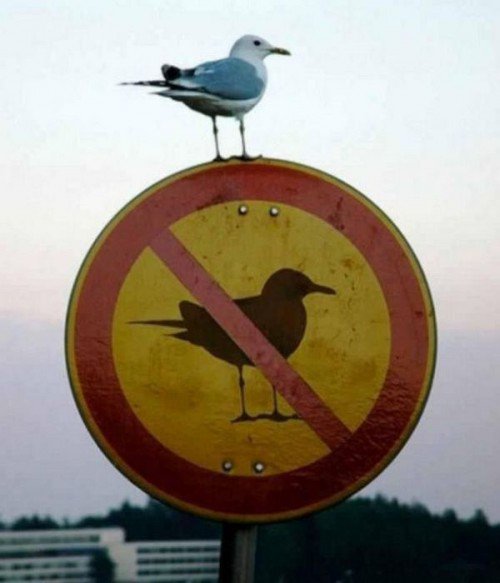
Funny Animal Signs That Warn People (While Animals Ignore Them)
From a seagull on a no-birds disc to classic zoo and park ironies—why animal warning signs get funny, and what the rules are still for.

How to Find Local Amenities on Vacation: Mechanics, Haircuts & More
Locate trustworthy local services and everyday spots while traveling or settling in—using publications, reviews, map apps, neighbor tips, and low-pressure exploration.

Kristen Stewart for V Magazine, Spring Preview 2013
V81’s Wild at Heart cover story—Kristen Stewart shot by Inez & Vinoodh, styled by Joe McKenna, in pale minimal spring glamour.