
Mother and Baby Animal Photos: Care Across Species
A warm gallery feature on mother and infant animal photographs—why caregiving images move us, how photographers wait for them, and how to look beyond cuteness to real care.
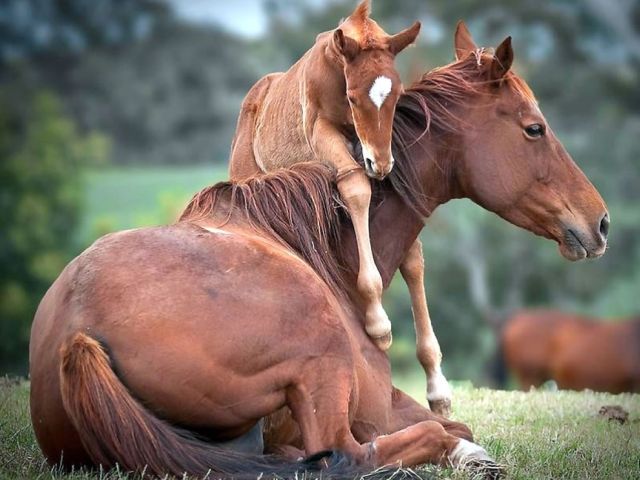
Motherhood does not require a shared language. Across species, the same grammar repeats: a body curved around a smaller body, a muzzle checking scent, a wing tented like a roof, a paw pinning a restless infant into safety. Whether the family has feathers, fur, flippers, or fingers, care looks startlingly familiar once a camera slows down long enough to watch it.
This collection of mother and baby animal photographs belongs to that older visual tradition—wildlife and nature images that treat nurturing as the main event rather than a side note to predation or spectacle. The pictures are heart-melting on purpose. They also reward a second look: for posture, scale, light, and the quiet engineering of protection.
Why mother–infant animal images move us so quickly
Humans are wired to read caregiving cues. Round faces, large eyes, close contact, and soft textures trigger recognition before analysis catches up. Kindchenschema—the cluster of baby features that softens adult behavior—works across species boundaries. A foal’s long legs and dark eyes, a cub’s stubby muzzle, a chick’s fluff: each flips a switch that says handle gently. When the adult animal mirrors that gentleness, the image doubles the effect.
There is also narrative efficiency. A hunting photograph needs context: stalk, chase, outcome. A mother-and-baby photograph often needs only proximity. Viewers invent the rest—hunger calmed, danger delayed, a lesson in walking or swimming about to begin. That invented story is usually kind. In a media diet heavy on conflict, kindness is refreshing even when it arrives via strangers with paws.
Importantly, these images do not require us to pretend animals are miniature people. Anthropomorphism can be lazy. Better viewing notices species-specific care: marsupial pouches, elephant trunks guiding calves, penguin parents trading incubation duty, big cats carrying cubs by the scruff. The emotional hit remains; the biology stays honest.
What photographers look for in the wild and at the edge of wildness
Professional wildlife photographers and patient amateurs chase similar moments with different gear. The shared craft is anticipation. Mothers nurse, groom, shade, and herd on schedules shaped by heat, predators, and the infant’s stamina. Good timing means waiting through empty hours for sixty seconds of unmistakable tenderness.
Light matters as much as luck. Early and late sun turns fur into gold and feathers into stained glass. Overcast light softens contrast so a dark mother and pale infant both keep detail. Backlight can rim a nursing silhouette and make breath visible in cold air. Harsh noon light flattens emotion; soft side light sculpts it.
Distance ethics belong in the same sentence as aperture settings. Approaching a den, nest, or nursery herd for a closer frame can stress animals and, in some cases, invite real harm. Long lenses, blinds, and respect for protected areas keep the photograph from becoming an interruption. The warmest images are often made by people who chose not to push.
Captive and sanctuary settings change the logistics but not the responsibility. Clear glass, clean enclosures, and calm keepers can yield intimate frames without wilderness risk. The honest caption still matters: zoo tenderness is still tenderness, but it is not the same as an undisturbed field observation. Readers can hold both truths.
Reading the body language of care
Spend time with mother–baby pictures the way you might study dance. Where does the adult place weight? Is the infant tucked into a protected pocket of the adult’s body, or walking in the adult’s footprint line? Are eyes open and scanning, or half-closed in a rare rest? Protection often looks like geometry: curves, tents, walls of flank and wing.
Nursing scenes show economics as well as affection. Milk is energy transferred under threat of interruption. Photographers who catch mid-feed moments also catch vulnerability—heads down, attention narrowed. Grooming scenes show maintenance: parasites removed, bonds reinforced, coats prepared for weather. Carrying scenes show logistics—how a mother moves a family unit through grass, snow, or surf.
Sibling presence adds subplot. Twins jostling at a teat, a third cub waiting turn, an older juvenile hovering near a newborn: family is rarely a perfect pair. Including that complexity keeps a gallery from becoming syrup. Real care includes impatience, hunger, and the mother’s finite body.
Domestic echoes of the wild theme
Farmyards and living rooms replay the same motifs at closer range. A mare nosing a foal upright, a cat moving kittens one by one to a quieter closet, a dog enduring a puppy’s needle teeth—these scenes feel intimate because we can hear them. They also remind us that “wildlife gallery” emotions are not exclusive to exotic places. Care is local.
Pet owners sometimes stage mother-and-baby nostalgia with costumes or forced poses. The stronger photographs avoid that theater. Let the mother choose distance. Let the infant nurse or sleep without a ring light in its face. If you photograph a whelping box or a barn stall, prioritize welfare over virality. A stressed animal makes a worse picture and a worse memory.
Children looking at these galleries often ask practical questions: Will the baby fall? Is the mother angry? Where is the father? Those questions are openings into natural history rather than interruptions. Answering them carefully—some species share parenting, many do not; “angry” faces are often concentrated watchfulness—turns a cute scroll into quiet literacy.
How to look at a mother-and-baby gallery
Move slowly. Name what you see before you rank cuteness. Texture of coat. Direction of light. Whether the background is habitat or blur. Whether the infant’s eyes are open. Whether the mother’s posture is relaxed or braced. That inventory deepens pleasure instead of killing it.
Compare species across a mental grid. Hoofed mammals often show standing nursing and rapid mobility. Primates show grasping and face-to-face contact. Birds show nest architecture and beak-to-beak feeding. Marine mammals show buoyant support and surfacing rhythms. Diversity keeps the theme from flattening into one generic “aww.”
For photographers building their own sets, a short discipline list helps:
- Prioritize animal welfare over proximity.
- Learn basic breeding seasons for your subject so waiting is informed, not random.
- Expose for faces and fur detail; clipped highlights erase tenderness.
- Include context shots—den entrance, herd edge, shoreline—so intimacy has a world.
- Caption honestly: species, place type, and whether the moment was wild or managed.
Online roundups from the early 2010s loved this subject because it travels well without explanation. A mother and infant need little translation across languages. That universality is a gift and a temptation. The gift is shared feeling. The temptation is to strip away ecology until only sentiment remains. Keep a little ecology in the frame—habitat, behavior, restraint—and the sentiment grows sturdier.
Return to the photograph in this feature and ask a simple question: what is the mother doing that the baby cannot yet do alone? Warmth, shade, milk, warning, transport, grooming—the answer is usually plural. That plurality is the real subject. Cute is the doorway. Care is the room.
Do galleries like this change how we treat living animals, or do they only decorate a tired afternoon? The honest reply is probably both, depending on the viewer. Still, every carefully made image of a mother keeping a smaller life alive rehearses an idea worth rehearsing: vulnerability is not weakness when someone larger chooses to stay close.

Comments
Continue reading
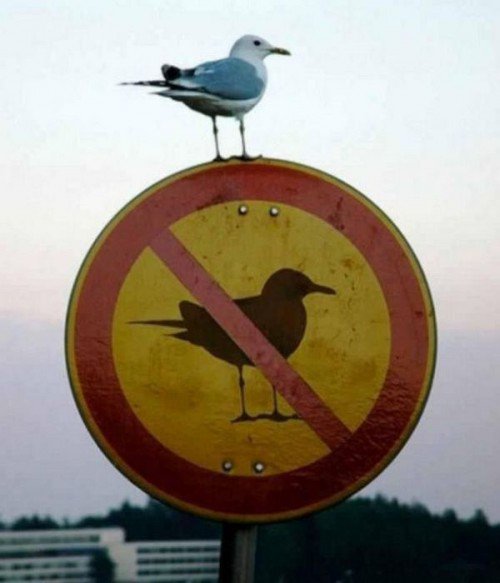
Funny Animal Signs That Warn People (While Animals Ignore Them)
From a seagull on a no-birds disc to classic zoo and park ironies—why animal warning signs get funny, and what the rules are still for.
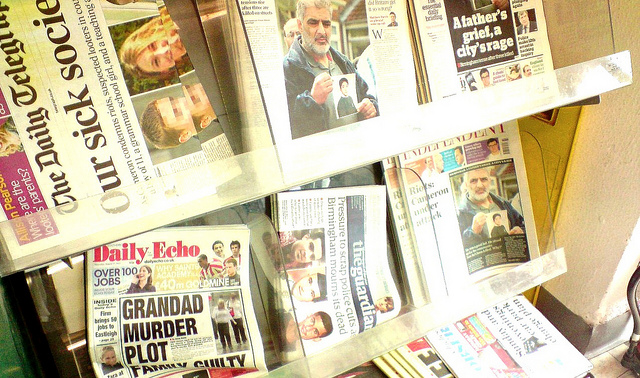
How to Find Local Amenities on Vacation: Mechanics, Haircuts & More
Locate trustworthy local services and everyday spots while traveling or settling in—using publications, reviews, map apps, neighbor tips, and low-pressure exploration.

Kristen Stewart for V Magazine, Spring Preview 2013
V81’s Wild at Heart cover story—Kristen Stewart shot by Inez & Vinoodh, styled by Joe McKenna, in pale minimal spring glamour.