
Perfectly Imperfect Family Photo Ideas for Your Next Shoot
Prompts, locations, and grouping structures for family photo shoots that favor connection over catalog poses—walking lines, floor sits, and short sessions.
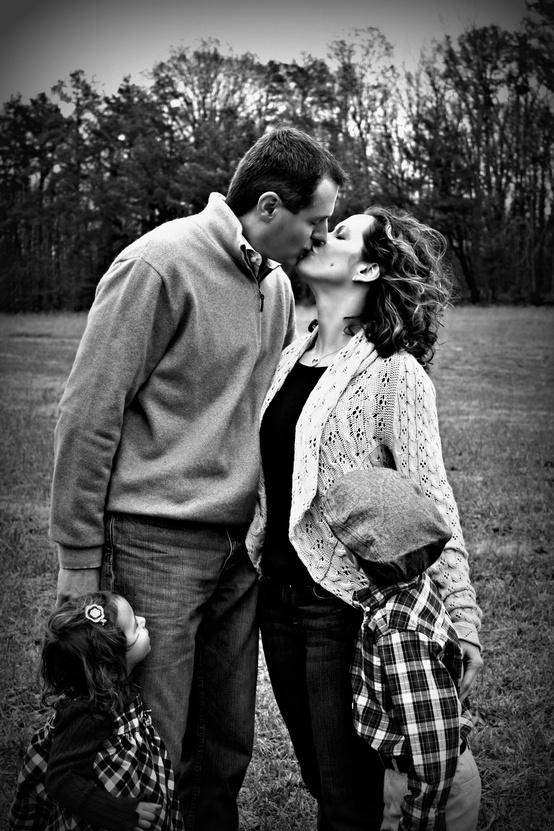
Family photographs age better when they allow a little mess. Perfect matching outfits and locked smiles can feel dated within a year; frames that catch a private joke, a leaning shoulder, or a child mid-spin stay readable much longer. This gallery gathers perfectly imperfect family photo ideas—poses, settings, and moods meant to inspire the next shoot without turning it into a military drill.
Unlike a profile of one photographer’s daily practice with her own children, these images work as a prompt list for households of many shapes. Steal a composition. Borrow a location type. Notice how groups stand when nobody is barking orders. Then adapt the idea to your own family’s energy, ages, and patience level. The point is not to recreate every frame. The point is to leave with a clearer plan than “everyone look here and say cheese.”
Imperfect on purpose
The phrase “perfectly imperfect” is not an excuse for blurry accidents you do not like. It is permission to stop chasing catalog symmetry. Families rarely arrange themselves into neat pyramids in real life. They cluster, overlap, look at each other instead of the lens, and break formation the moment someone tells a story. Photographs that keep a bit of that disorder feel truer when you open them five years later.
Before the shoot, decide what “good enough” means for your household. Maybe it is sharp eyes and connected bodies, even if a shirt is wrinkled. Maybe it is one authentic laugh across a slightly chaotic group. Maybe it is grandparents seated comfortably while kids orbit nearby. Tell everyone the goal out loud. Children especially relax when they understand they are not being graded on stillness. Adults relax when they know a crooked collar will not ruin the day.
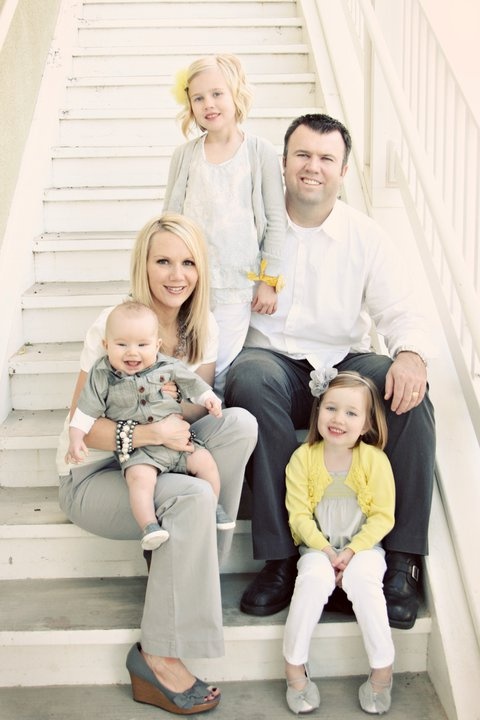
Wardrobe helps when it stays simple. Coordinated neutrals photograph more kindly than identical outfits bought for the occasion. Avoid large logos and noisy patterns that steal attention from faces. Texture—knits, denim, linen—adds dimension without demanding a matching set from a catalog. Shoes matter more than people think; muddy sneakers can be charming outdoors and distracting on a pale sofa. Ask people to dress as a related palette, not as a uniform.
Locations that do half the work
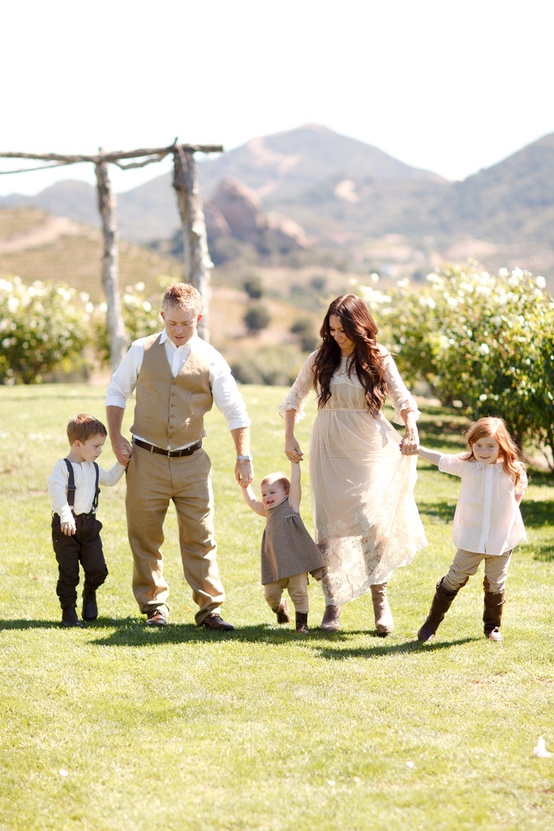
Open outdoor light remains the friendliest default for family pictures: a park edge, a quiet street at golden hour, a backyard fence line, a beach path with wind that forces hair and jackets to move. Movement photographs as life. Flat noon sun is harder; if that is your only window, seek open shade beside a building or under high trees so faces stay even.
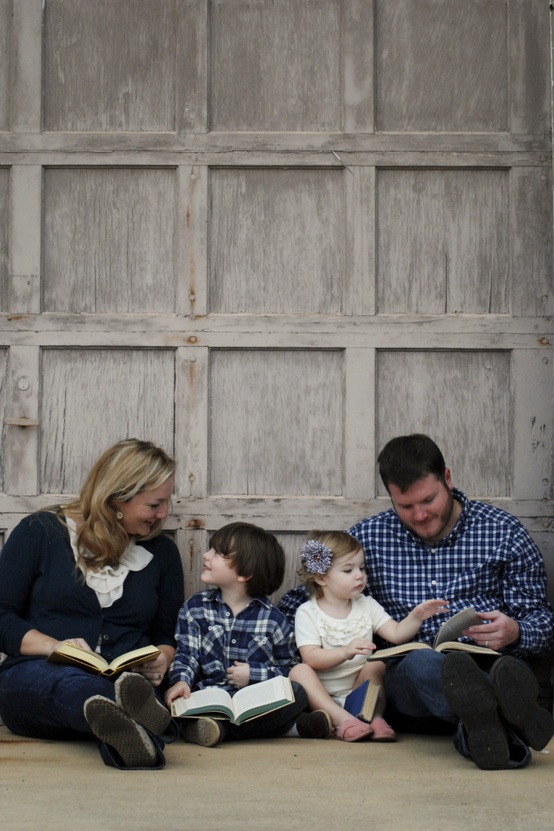
Indoor options work when windows are large—kitchens with morning light, hallways, bedroom floors scattered with books and blankets. Beds and couches invite pile-ons that look staged only if you force eye contact with the camera too early. Let people settle first. Photograph the settling. Then ask for one glance toward the lens if you still want a more formal frame.
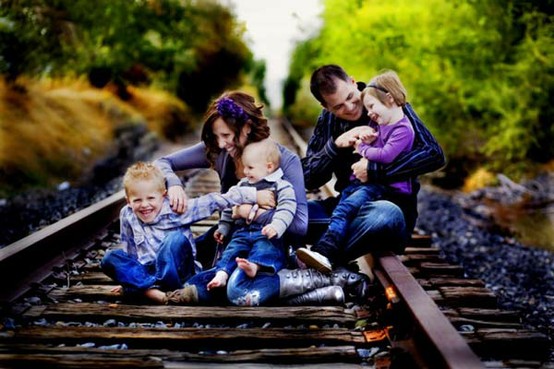
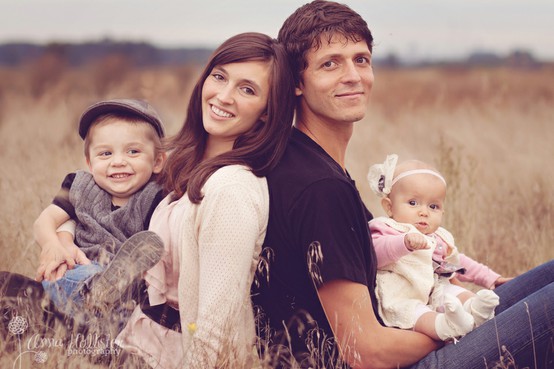
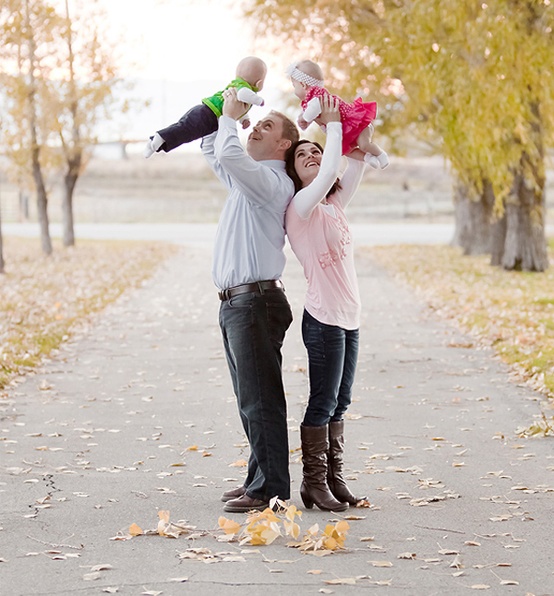
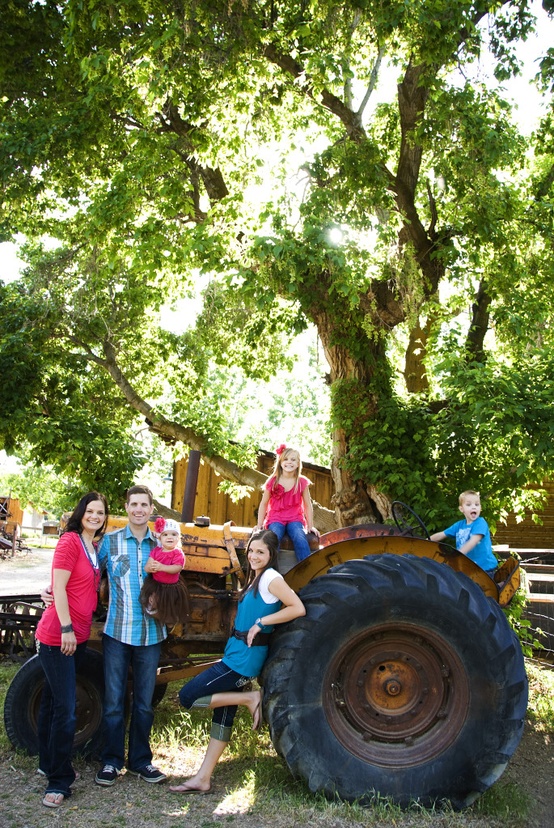
Choose one primary location and one backup within a short walk. Fatigue ruins family shoots faster than imperfect weather. If light fails or a toddler melts down, move rather than lecture. A covered porch, garage doorway, or bright café window can save a session that would otherwise dissolve into complaints. Keep snacks and water nearby. Treat logistics as part of creative success, not as an afterthought.
Prompted moments instead of frozen poses
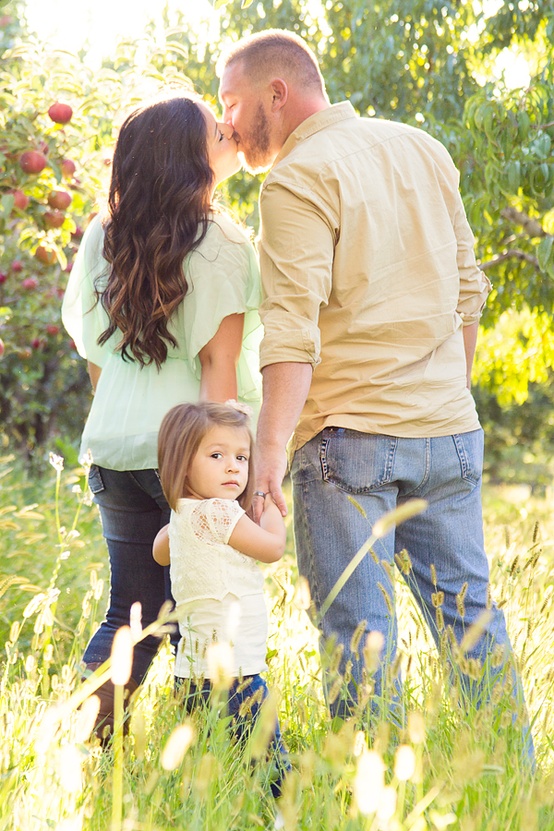
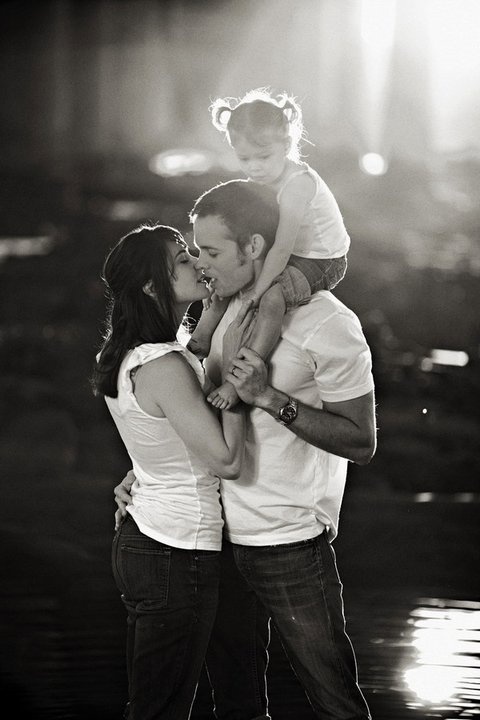
Prompts beat poses for most households. Ask siblings to whisper a secret. Ask parents to walk toward the camera while looking at each other. Ask everyone to squeeze into a too-small patch of shade. Ask the tallest person to lift the youngest for three counts, then put them down and keep talking. The photograph often happens in the transition, not in the held peak of a pose.
Other useful prompts: count to twenty while walking away from the camera, then turn on fifteen; sit back-to-back and lean until someone laughs; compare hands in a close circle; recreate an old family snapshot badly on purpose. The last one is especially good with teenagers who resist sincerity. Humor lowers the stakes. Lower stakes produce better faces.
If you are photographing with a phone, turn volume down, clean the lens, and shoot more than you think you need during the good thirty seconds. If you are working with a dedicated camera, prefer a slightly longer lens for flattering compression when space allows, and a wider lens when you want environment to explain the family’s world. Either way, watch the edges of the frame for amputated hands and distracting poles. Composition kindness is part of imperfect style, not a contradiction of it.
Grouping structures you can reuse
Scan the gallery for structures you can reuse without copying styling exactly:
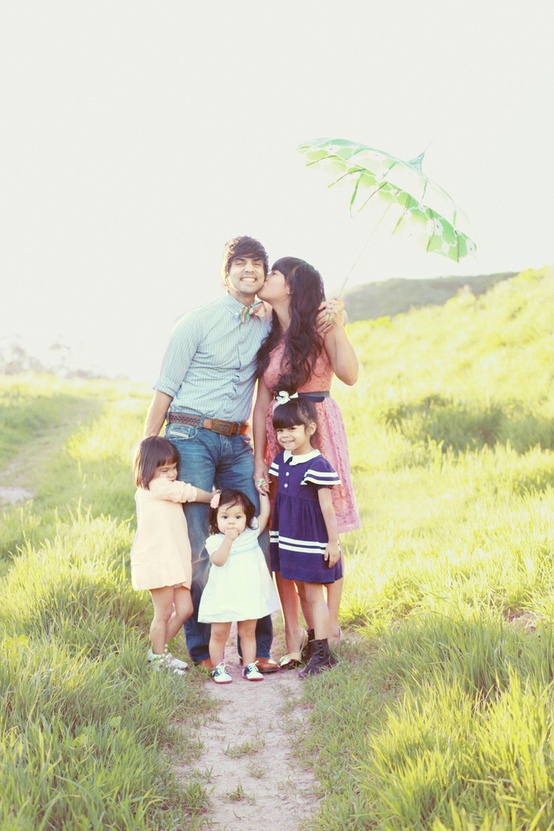
- Vertical stacks: taller adults behind, children in front, bodies overlapping so the unit reads as one shape
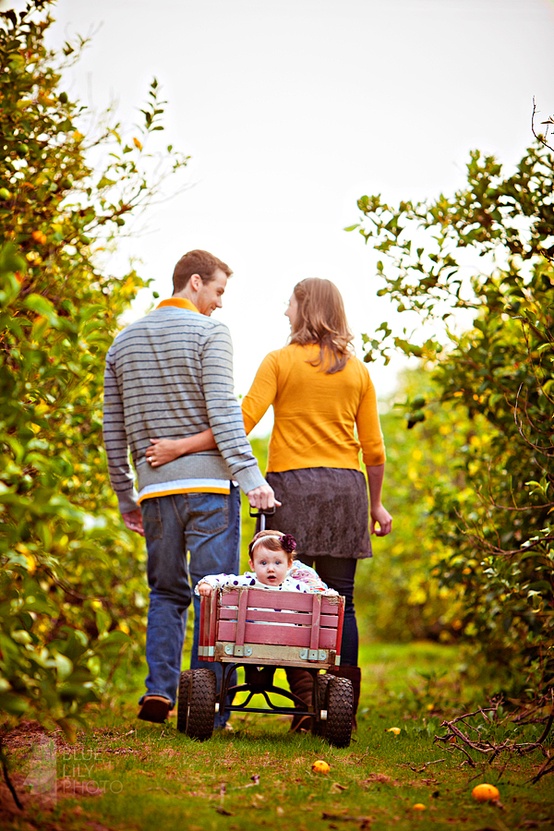
- Walking lines: family moving through a path, captured in stride rather than stopped cold
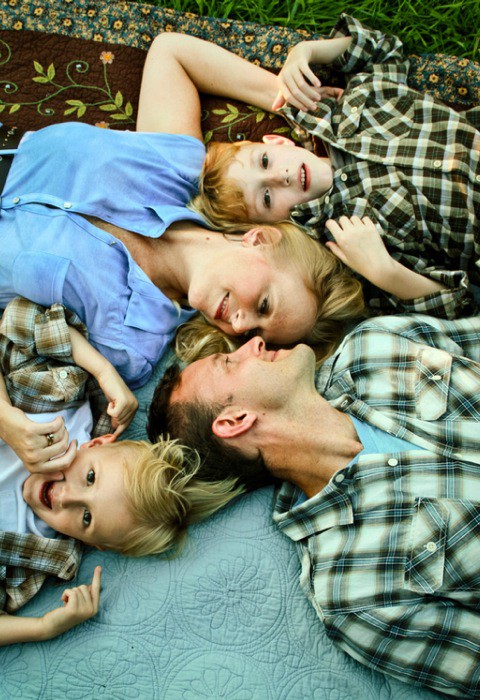
- Floor sits: everyone at child height, which equalizes power and softens formality
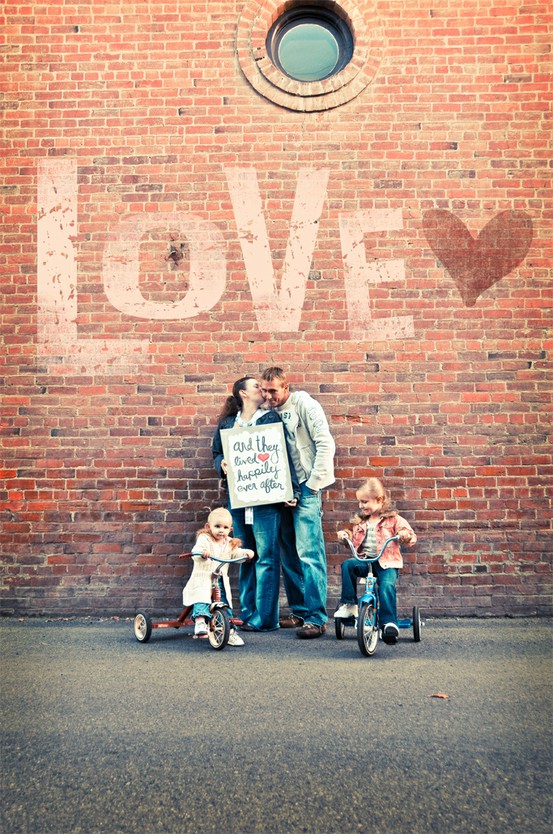
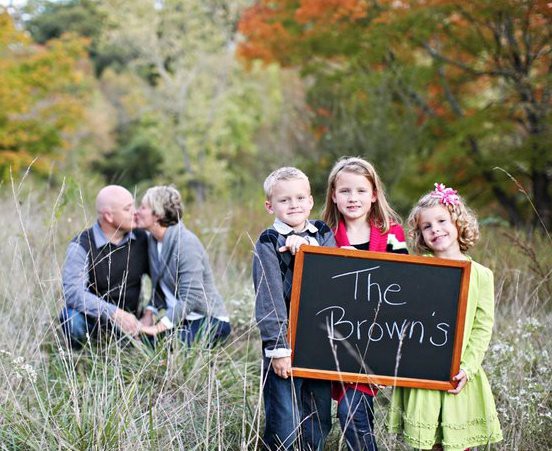
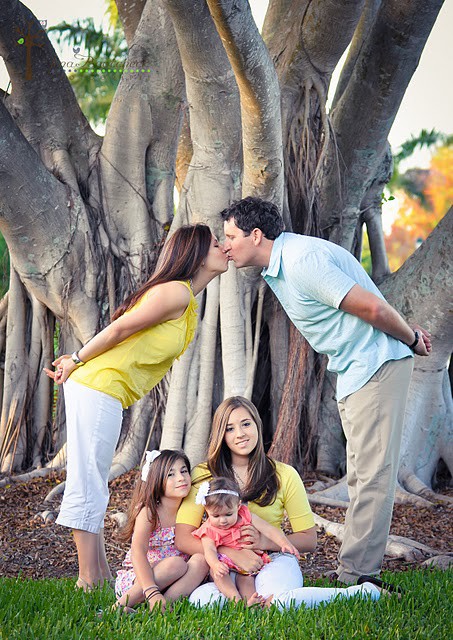
- Pair breakouts: two people for a moment while others wait nearby—especially useful for large groups
- Object play: a blanket, bike, book, pet, or picnic basket that gives hands something true to do
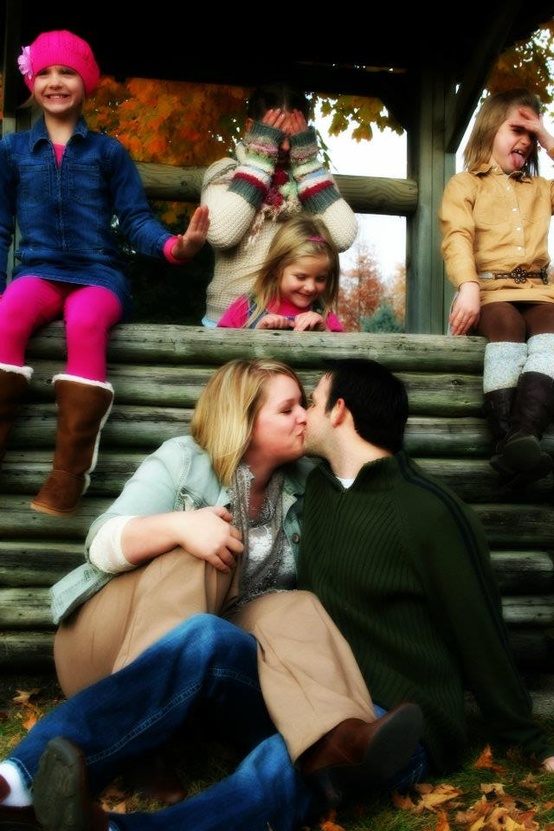
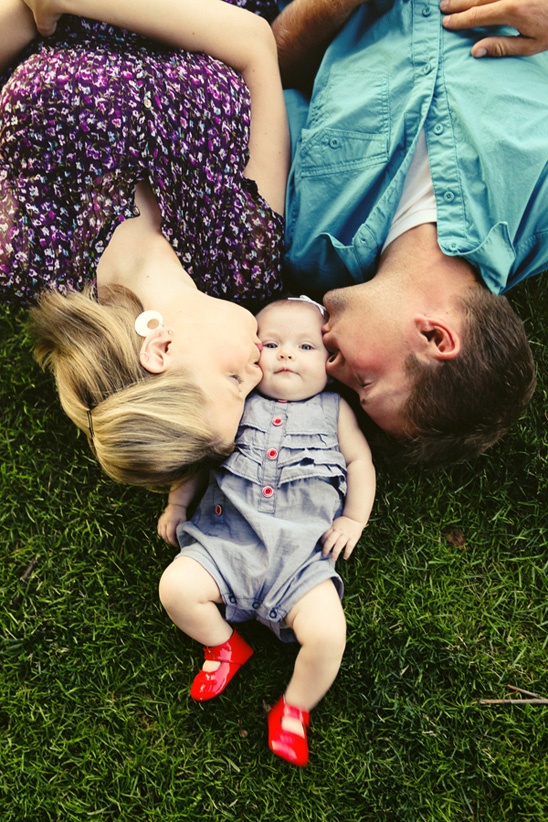
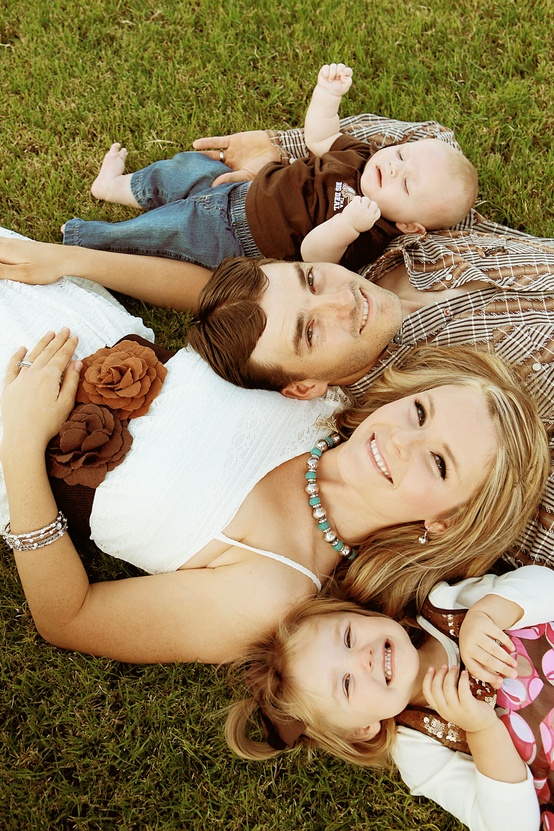
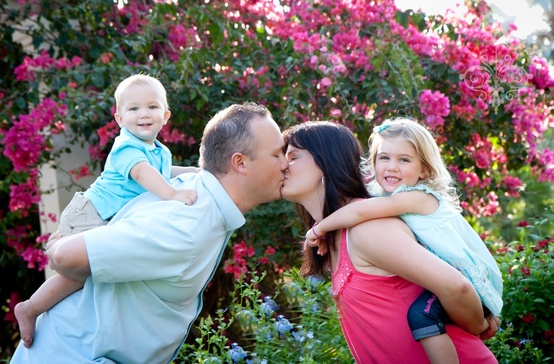
For multi-generational groups, prioritize connection over completeness in every single frame. It is fine if an uncle’s shoulder is cropped in one shot if the grandparents’ hands are visible on a grandchild’s back. Shoot a few wider “everyone in” frames for the record, then spend most of the time on smaller constellations. Those smaller frames are usually the ones hung later, printed for wallets, or sent as the message that actually gets replies.
Keep the session shorter than your optimism suggests. Forty-five focused minutes with breaks beat two hours of negotiations. Start with easy walking shots while energy is high. Move to closer clusters when people are warmed up. Save the sillier prompts—pile-ons, races, whispered jokes—for the end, when patience is thin but affection is still available. Review a couple of frames on the camera only if it reassures a nervous adult; otherwise keep momentum and edit later.
When you look back through this set, treat each image as one suggestion rather than a costume to recreate. The useful inheritance is attitude: bodies close, expressions mid-thought, formality optional. Build the next family photo shoot around that attitude, and the imperfect parts will do the remembering for you.

Comments
Continue reading
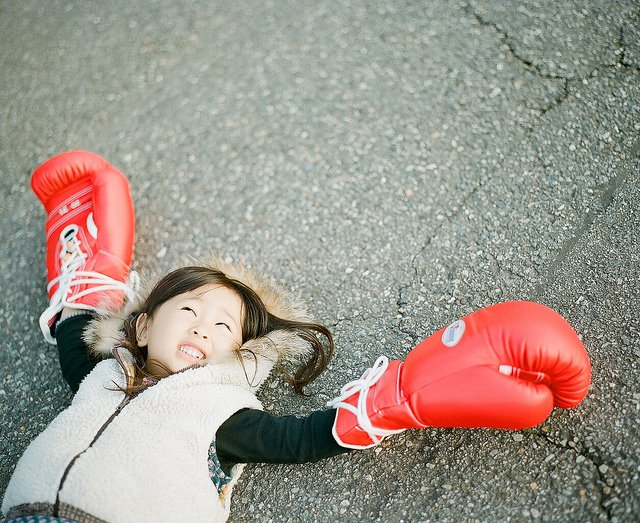
Dad Takes Cute Photos of His Daughters: Toyokazu Nagano’s Magic Road
Japanese photographer Toyokazu Nagano turns a quiet agricultural road into a stage for imaginative portraits of his daughters—especially the series built around Kanna.

Dramatic Photo Art by Sukron Ma’mun (Ipoenk Graphic)
Cirebon, Indonesia photographer Sukron Ma’mun uses theatrical natural light to frame village life, play, and place in lyrical photo art.
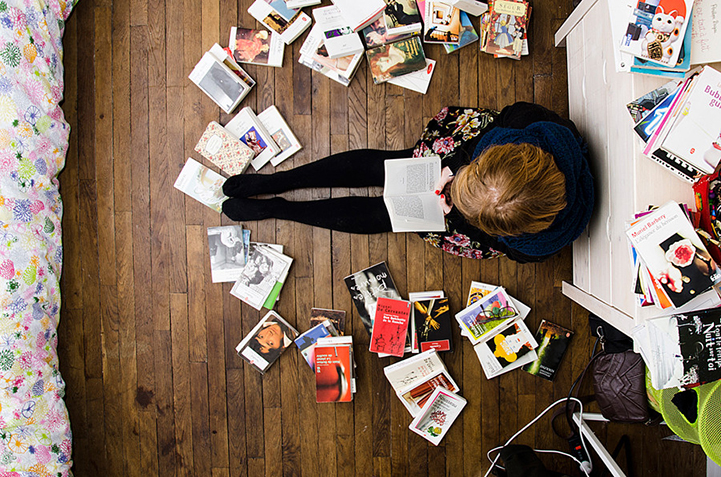
Bird’s-Eye Views: Florian Beaudenon’s Instant Life
Paris photographer Florian Beaudenon’s Instant Life series captures people in their rooms from above—intimate, collaborative overhead portraits of everyday joy.