
Dad Takes Cute Photos of His Daughters: Toyokazu Nagano’s Magic Road
Japanese photographer Toyokazu Nagano turns a quiet agricultural road into a stage for imaginative portraits of his daughters—especially the series built around Kanna.
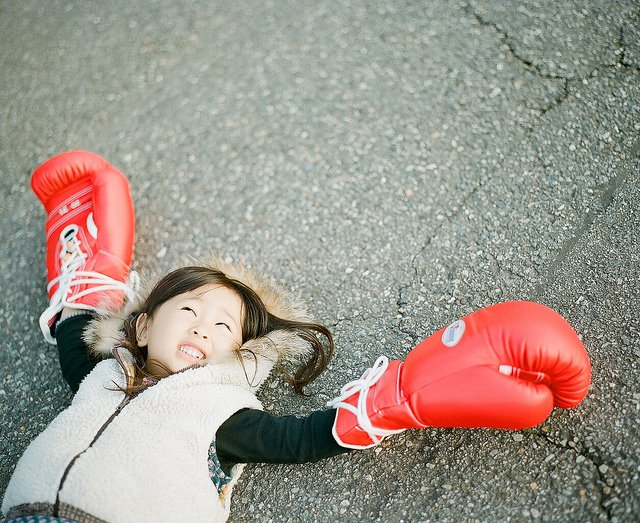
Toyokazu Nagano is a Japanese father who picked up a camera to hold onto ordinary days with his daughters—and somehow turned a quiet agricultural road into one of the most recognizable family-photo stages on the early-2010s internet. His Flickr stream, especially the series built around his younger daughter Kanna, traveled through photography blogs, news sites, and design roundups because the pictures are tender without being generic. They look like memories someone staged carefully enough to survive time.
Nagano has said in interviews that he began photographing in earnest around 2008, after a friend handed him a used DSLR and the habit stuck. His second daughter had just been born. Everyday breakfasts, play, and sibling moments became subjects. Then a familiar parent problem arrived: while he wrestled with manual settings, the perfect candid would vanish. Instead of abandoning the craft, he started inventing the moments he wanted to keep. Costumes, props, and a repeated location turned documentation into collaboration.
The road that fans called magic
Many of the best-known frames are made on the same stretch of agricultural road near the family’s home in Ishikawa Prefecture. Nagano has described it plainly as a local road. Online admirers named it the “magic road,” and the nickname stuck because the backdrop works like a theater flat: open pavement, fields, a horizon that does not fight the subject. Against that spare stage, a small child in a costume becomes the entire story.
Repetition is the secret architecture of the series. Same place, new outfit, new prop, new pose. Over months and years, viewers watched Kanna grow inside a consistent frame. That continuity is rare in viral photo sets, which usually jump locations and styles. Here, the road becomes a calendar. Fans who followed the Flickr stream were not only collecting cute images; they were watching time pass in one carefully chosen rectangle of Japan.
Nagano’s older daughter, Miu, also appears across family work, and sibling pictures sit beside the solo Kanna portraits. The internet, predictably, fell hardest for the younger daughter’s theatrical series—partly because she took to the camera, and partly because the prop inventiveness kept escalating without abandoning tenderness.
From family album to conceptual play
What separates these photographs from standard parent snapshots is planning. Nagano often starts with a concept, prepares clothing and objects, then takes Kanna to the road. The results can look like children’s-book covers or soft surreal advertising: a tiny figure pulling an expressionless panda statue on a leash; bowling fantasies; seasonal costumes; quiet stares that feel bigger than the props around them. The humor is gentle. The composition is serious.
Because a preschooler does not always follow precise direction, Nagano has described making faces for Kanna to imitate—direction by play rather than by barked instruction. He has also joked, warmly, about performance fees paid in sweets. That tone matters. The pictures never read as exploitation theater; they read as a dad inventing games that happen to photograph beautifully.
In one widely quoted line, Nagano explained a shift in purpose: he began taking photos to keep family memories, then realized he was taking photos to create them. That sentence is the thesis of the whole body of work. The camera is not only a witness. It is a reason to dress up, walk to the road, and invent a scene worth remembering later.
Why the pictures traveled so far
By the early 2010s, Flickr still functioned as a discovery engine for photography editors. Nagano’s stream offered something blogs needed: emotional clarity at thumbnail size, and richer detail when you clicked through. Life’s Tumblr, NPR’s Picture Show, PetaPixel, The Japan Times, and many lifestyle sites ran features. Readers who never cared about gear discussions still understood the images immediately.
One portrait even escaped the usual blog cycle and entered internet infrastructure folklore: a panda-on-a-leash photograph became associated with Flickr’s error page messaging—“Bad, bad panda!”—turning a father-daughter weekend frame into an accidental mascot for site downtime. Nagano’s reported reaction was delight that a bonding habit had wandered into that kind of public life. The anecdote is funny, but it also shows how strongly the images communicate. Even stripped of context, they feel authored.
There is craft under the cuteness. Light is handled cleanly. Horizons are steady. Props are chosen for silhouette and color, not clutter. Negative space does real work. Many parent photographers fill every corner; Nagano leaves room, which is why a four-year-old can dominate a wide road without looking lost.
What parents and photographers can learn
You do not need Ishikawa, a viral Flickr account, or a panda statue to borrow the useful ideas:
- Pick one simple stage. A repeated location trains your eye and builds a series instead of a pile of unrelated snaps.
- Prepare before you shoot. One strong prop beats ten random toys dumped on the ground.
- Let the child play the game. Direction that feels like imitation and reward photographs more honestly than forced posing.
- Think in sequences. The power of “My Daughter Kanna” is cumulative. One cute frame is charming; dozens on the same road become a story.
- Protect the reason you started. Nagano’s public comments keep returning to future memory—what his daughters will recognize when they are older—not to traffic metrics.
Those lessons also explain why the work aged better than many “viral kids” posts of the same era. The internet moved on to newer platforms; the photographs still look intentional.
Looking at the series now
Context has changed since 2013. Conversations about children’s privacy online are sharper, and that is healthy. Approaching Nagano’s archive today means holding two truths at once: the pictures were made as family collaboration and shared with a gentleness that was unusual for viral content, and every family has to decide what belongs on a public stream. What remains instructive is the photographic ethic inside the frames—respect for the child’s presence, humor without mockery, and a stage that never overwhelms the person standing on it.
If you only know the work from a single shared JPEG, seek the broader Flickr run: the quiet breakfast frames beside the costume epics, the sister pictures beside the solo road portraits, the gradual change in Kanna’s face across seasons. The famous images are the doorway. The series is the house.
And if you are a parent with a camera and a free Saturday, you do not need to copy the costumes. Walk somewhere ordinary. Bring one idea. Take enough frames to find the one that feels like a memory you invented on purpose. That is the spirit of Nagano’s road—less a tourist site than a method.

Comments
Continue reading
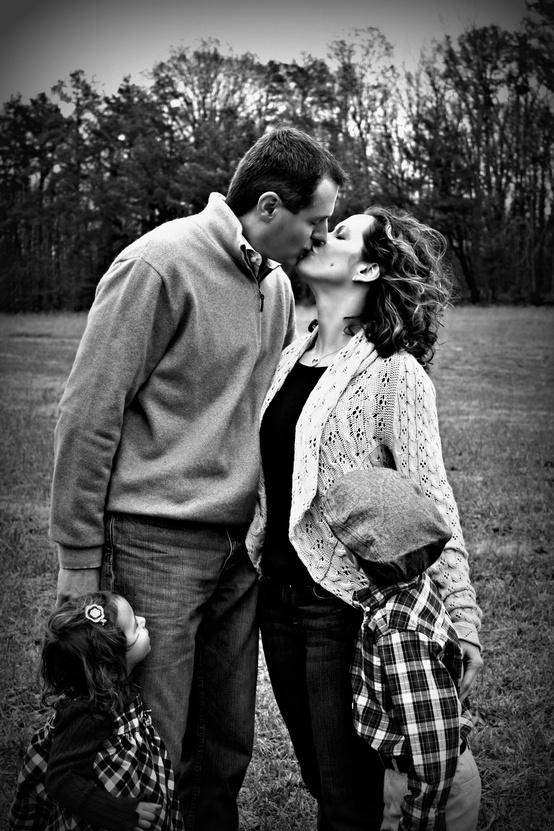
Perfectly Imperfect Family Photo Ideas for Your Next Shoot
Prompts, locations, and grouping structures for family photo shoots that favor connection over catalog poses—walking lines, floor sits, and short sessions.
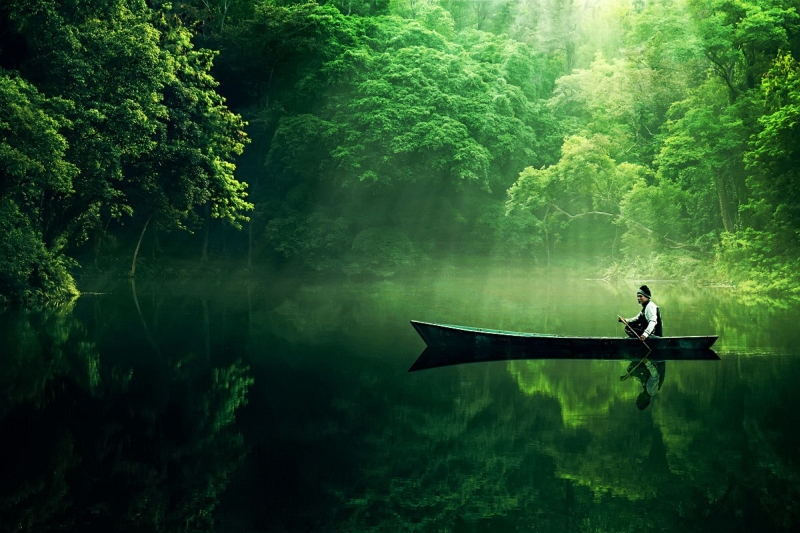
Dramatic Photo Art by Sukron Ma’mun (Ipoenk Graphic)
Cirebon, Indonesia photographer Sukron Ma’mun uses theatrical natural light to frame village life, play, and place in lyrical photo art.

Bird’s-Eye Views: Florian Beaudenon’s Instant Life
Paris photographer Florian Beaudenon’s Instant Life series captures people in their rooms from above—intimate, collaborative overhead portraits of everyday joy.