
Lotus Flower Tattoo Ideas: Meaning, Styles, and Placement Tips
Lotus tattoo symbolism across cultures, plus design styles, placement advice, and a gallery of lotus flower tattoo ideas for inspiration.
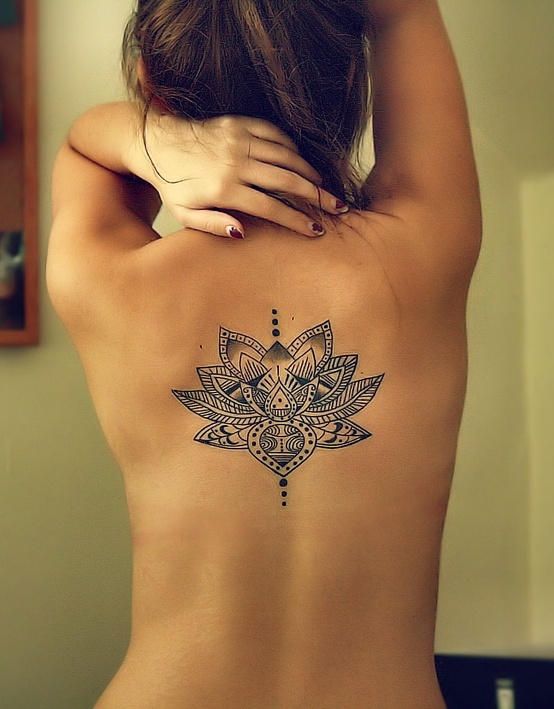
Lotus flowers have traveled through religion, art, and personal symbolism for thousands of years—from ancient Egypt and India across Asia and into contemporary body art. In tattoos, the bloom usually stands for purity rising from murky water, spiritual awakening, rebirth after difficulty, or quiet resilience. Because the plant literally lifts clean petals above mud, it offers a visual metaphor people recognize even before they know the cultural details.
Meanings shift by tradition. In Buddhist imagery, the lotus often signals enlightenment and the path out of suffering. In Hindu contexts it can connect to divinity, creation, and prosperity. In ancient Egyptian religion, lotus motifs tied to the sun, creation cycles, and rebirth. Modern wearers may borrow any of those layers—or simply love the geometry of layered petals. The designs below are starting points: study form, placement, and line weight with a reputable artist before you commit ink to skin.
#1
Why the lotus works as tattoo language
A strong tattoo symbol needs silhouette clarity. The lotus provides a radial structure—petals opening from a center—that reads at small and large scales. It can sit alone on a wrist or shoulder, or weave into sleeves with koi, mandalas, water ripples, script, moons, and geometric frames. Color versions lean pink, white, blue, or purple; blackwork and dotwork versions rely on contrast and negative space between petals.
Symbolism also travels well across styles. Traditional Asian-influenced pieces may emphasize botanical balance and careful composition. Neo-traditional work thickens outlines and saturates color. Fine-line and minimalist tattoos reduce the flower to a few elegant contours. Illustrative and watercolor approaches soften edges into washes. The same plant idea supports all of those dialects, which is why lotus tattoos remain common without looking identical from person to person.
That flexibility is useful in consultation. You can love the meaning while still choosing a visual dialect that matches the rest of your collection—bold traditional, airy fine line, dense blackwork, or soft color realism.
#2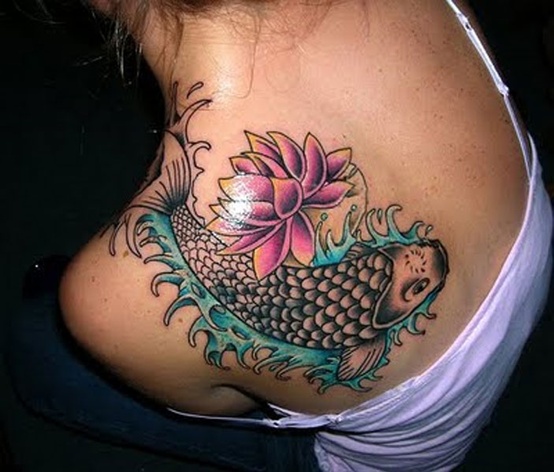
#3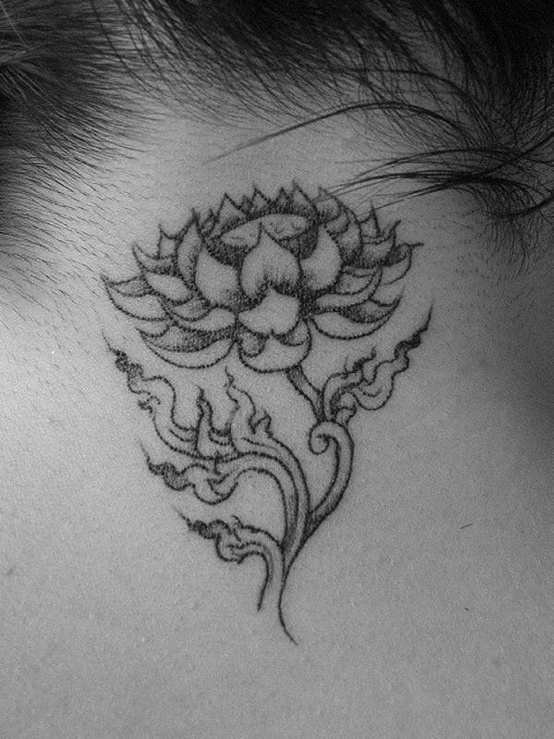
Design directions to consider
Single bloom, open face. A front-facing lotus is the clearest statement—symmetry, calm center, readable from a distance. It suits sternum, upper back, calf, or forearm placements where a circular motif can breathe without fighting busy clothing lines.
Side view or budding stages. A partially closed bud can suggest becoming rather than arrival. Pairing bud, half-open, and full bloom in one composition narrates growth without extra text, though it needs enough width so stages do not crowd into mud.
Lotus with water and roots. Showing stem and a murky base makes the metaphor explicit: beauty that rose through difficulty. This denser storytelling wants real estate—thigh, outer arm, or back panels—so fine ripples and root lines survive healing and years of wear.
Geometric or mandala hybrids. Circles, sacred geometry, and petal repetition create meditative patterns. These designs demand precise linework and patient artists; imperfect symmetry shows quickly on the body.
Blackwork, stipple, and ornamental. High-contrast black lotus tattoos age differently from soft color. Dotwork shading can keep the flower luminous without heavy fill. Ornamental versions may integrate filigree or jewelry-like frames that turn the bloom into a personal crest.
#4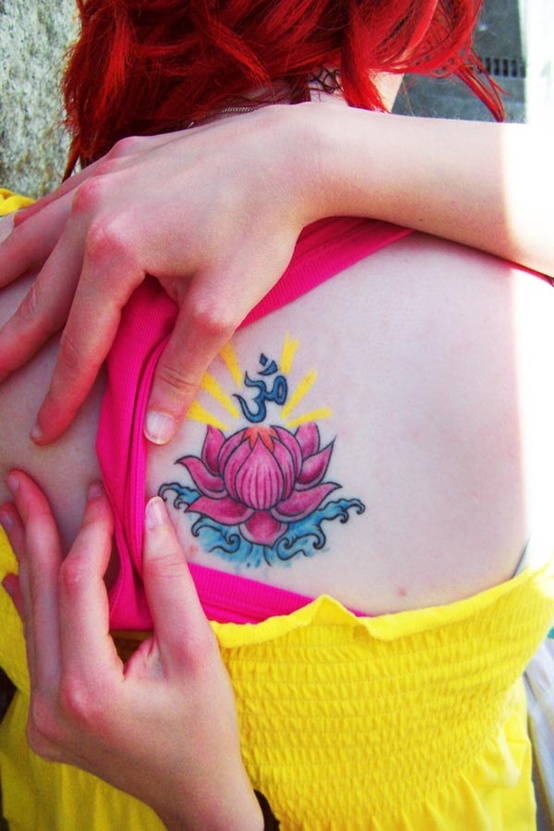
#5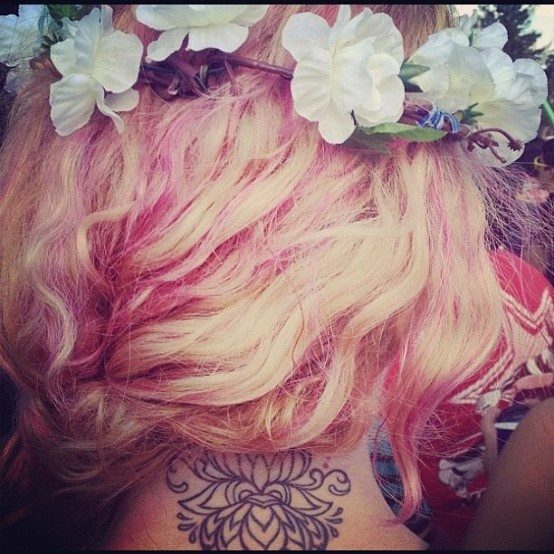
#6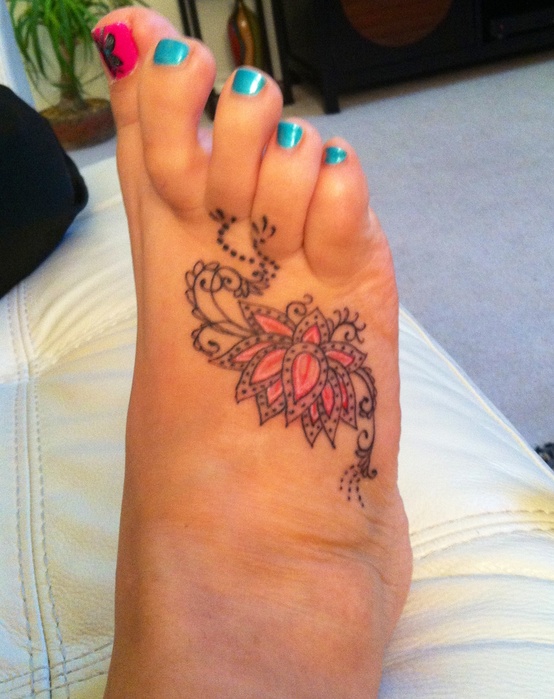
Placement, size, and longevity
Placement changes meaning and maintenance. Ribs and sternum place the lotus near the heart metaphorically but hurt more and need careful aftercare. Outer forearm and calf offer visibility and a relatively stable canvas. Fingers, feet, and high-friction zones fade faster; fine botanical detail suffers first. If you want a tiny lotus, accept that touch-ups may be part of the piece’s life.
Think about clothing lines and professional contexts. A discreet ankle or shoulder-blade lotus behaves differently from a bold throat or hand piece. None of those choices is wrong; they simply change how public the symbol becomes day to day.
Sun, dryness, and skipped moisturizer age all tattoos. Soft pinks and purples benefit from sunscreen habits. Blackwork still needs care, but it often remains readable longer when the original contrast was strong and the petal gaps were designed with aging in mind. Ask your artist how lines will look in five and ten years, not only on day one.
#7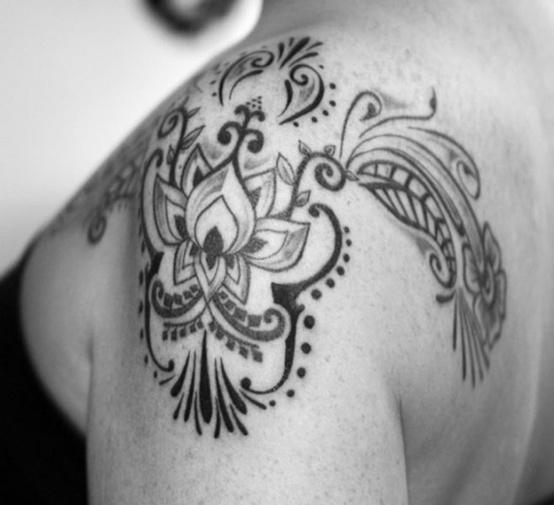
#8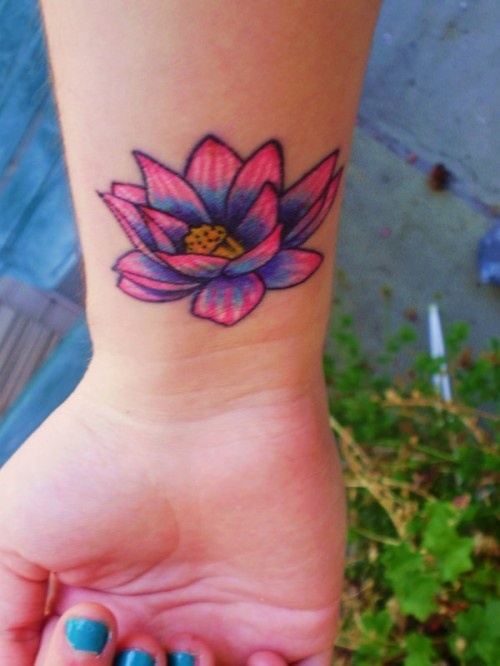
#9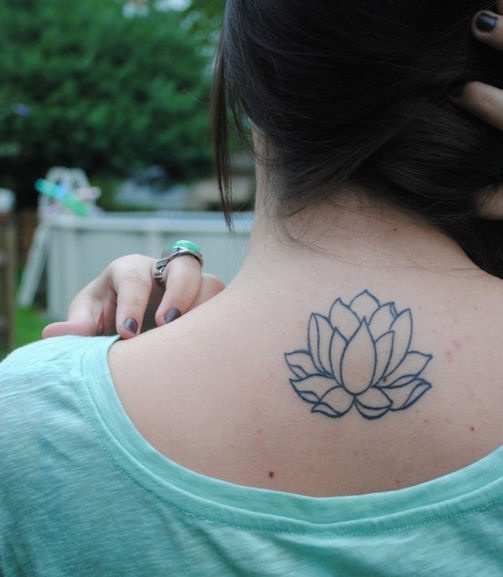
Cultural respect without freezing the design
Because the lotus is sacred in several traditions, some wearers research before mixing religious icons, deities, or mantras into a decorative flower. Appreciation and appropriation debates are real in tattoo culture. A practical approach: understand what elements you are borrowing, avoid mocking sacred forms, and talk with your artist about composition that honors rather than flattens the symbol. A botanical lotus without religious text can still carry personal rebirth meaning.
If your inspiration is specifically Buddhist or Hindu, learn the difference between decorative motif and ritual image. Artists experienced in Asian traditional or spiritual tattooing can help you avoid accidental mash-ups that read as costume rather than intention. Respect is not about forbidding the flower; it is about knowing what you are asking the image to do on your body.
#10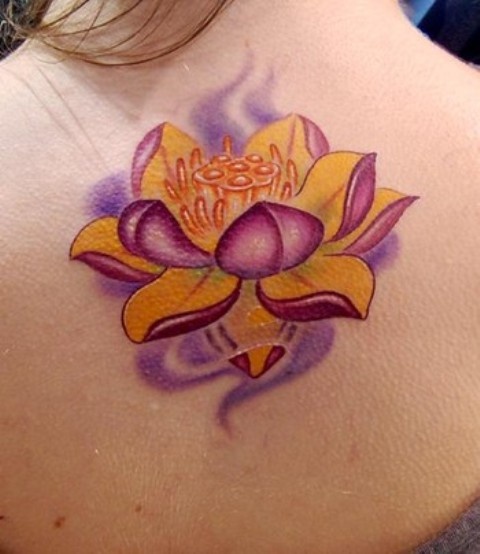
#11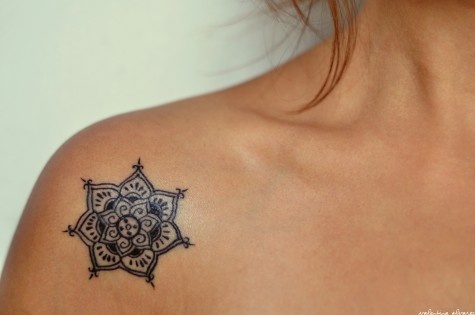
#12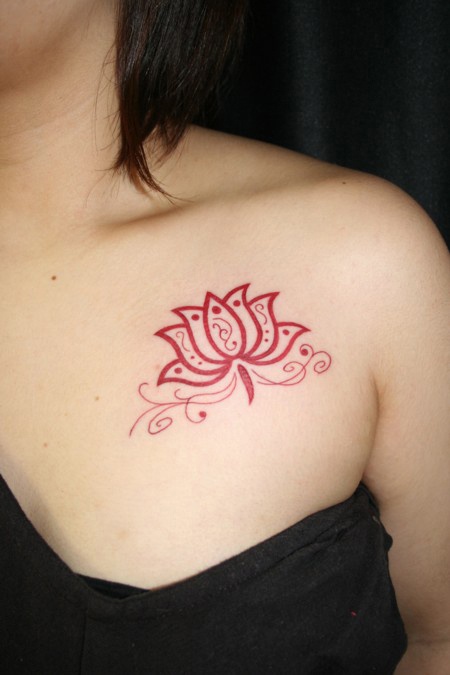
Working with an artist
Bring references, not demands for clones. Point to petal structure, shading style, color mood, and size range you like in galleries like this one. Ask how the design will be adjusted for your body’s curves. Good artists redraw; they do not stencil a random internet image that ignores anatomy, scar tissue, or existing tattoos nearby.
Discuss line thickness for aging, whether color or black-and-grey fits your skin tone and lifestyle, and how the lotus might grow into a larger piece later. Leave breathing room if you expect a future sleeve or thigh panel. Confirm studio hygiene, aftercare instructions, and a clear pricing structure before the needle starts. A cheap lotus that collapses into a blot in two years is more expensive than a carefully planned one.
#13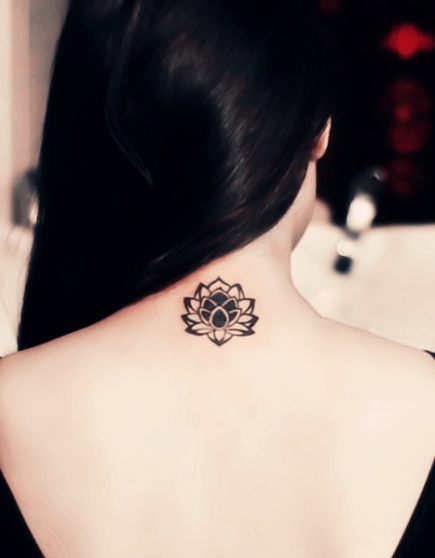
#14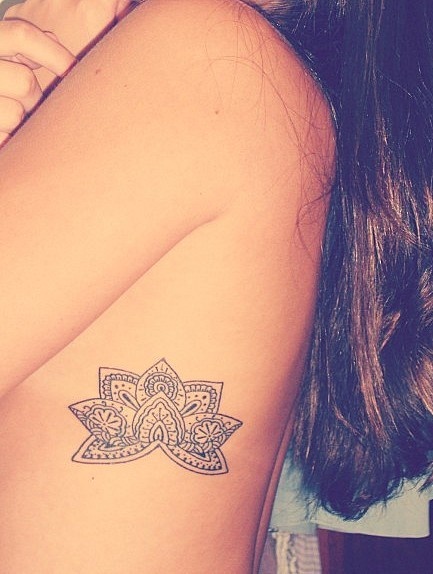
#15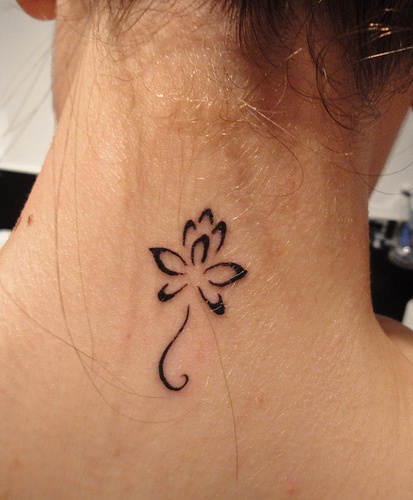
A practical shortlist before you book
- Open lotus for clarity and calm symmetry
- Bud-to-bloom sequence for personal growth stories
- Blackwork or stipple for long-term contrast
- Soft color for classic botanical romance
- Geometric frames if you want meditative structure
- Water and stem details if the “from mud to light” metaphor matters most
Also decide what you do not want: excessive script, overly tiny petal gaps, or a style mismatch with neighboring tattoos. Constraints help artists design cleaner work.
#16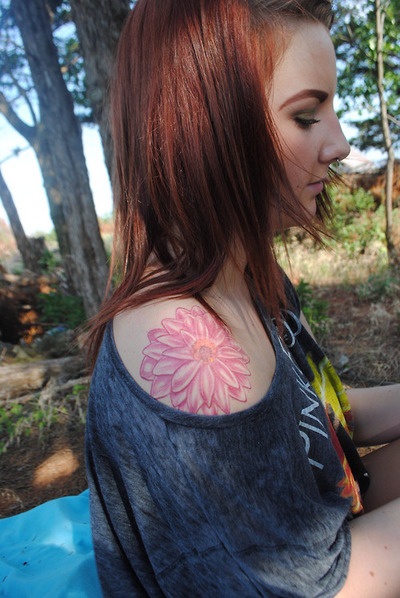
#17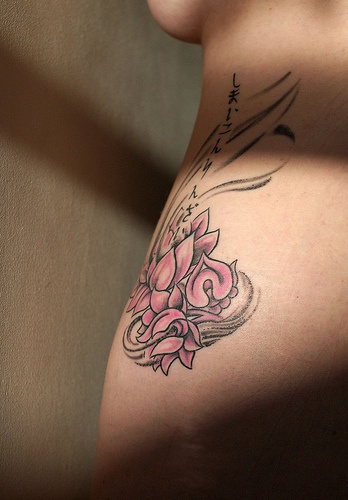
#18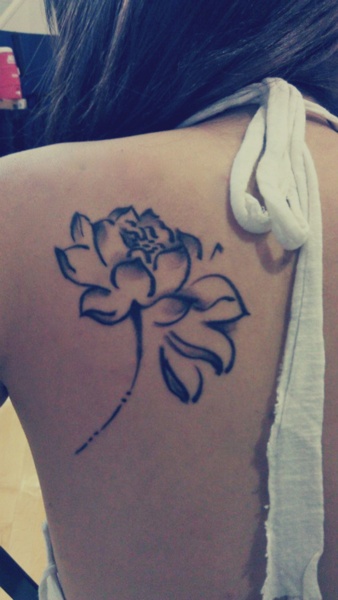
Save two or three favorites from this set, note what you love about each—petal count, shading, color, or negative space—and bring those notes to a consultation. The best lotus tattoo is not the most elaborate gallery image; it is the one redrawn for your body, your story, and a style your artist can execute cleanly for years of wear.

Comments
Continue reading
Meaningful Love Quotes for Inspiration (and Ink)
Meaningful love quotes that still feel true — short lines for tattoos, gifts, and everyday reminders, with placement and wording tips.
40 One-Word Tattoo Ideas: Placement, Type, and Meaning
A gallery of single-word tattoos—love, faith, strength, wanderlust, and more—with guidance on typography, body placement, and choosing a word that still fits years later.
16 Taurus Tattoo Ideas: Bulls, Glyphs, and Venus-Inspired Ink
Sixteen Taurus tattoo directions—from minimal glyphs and constellation maps to floral bulls and bold blackwork—plus placement and artist tips for lasting earth-sign ink.