
Lana Del Rey for FASHION Magazine Summer 2013: Lana Mania
Lana Del Rey’s Canadian FASHION Magazine Summer 2013 cover—Mark Williams & Sara Hirakawa at Zuma Beach, Heidi Meek styling, and the Lana Mania interview moment.
In summer 2013, Canada’s FASHION Magazine put Lana Del Rey on its seasonal cover under the banner of “Lana Mania”—a beachside editorial photographed by the duo Mark Williams and Sara Hirakawa. The feature belongs to that year’s magazine calendar: newsstand heat, California light, and a singer then deep into the afterglow of Born to Die and the Paradise era, pausing between studio work to shoot on Malibu’s Zuma Beach. Treat it as a 2013 fashion artifact, not as a current campaign.
FASHION is a Canadian glossy with a North American voice: accessible luxury, celebrity covers that still talk to Toronto and Vancouver newsstands, and summer issues that lean into sun, skin, and weekend glamour. Williams and Hirakawa’s frames for the story play that register. The set trades European salon formality for ocean air, pinup memory, and the cinematic California daydream that already lived in Del Rey’s early videos. Styling came from Heidi Meek with fashion direction by Zeina Esmail; creative consulting from Johnny Blueeyes; hair by Anna Cofone; makeup by Pamela Cochrane; manicure by Ashlie Johnson. Features editor Elio Iannacci’s interview sat beside a roughly ten-page photo story that hit stands around mid-May 2013.
Canadian summer cover, California location
The geography of the shoot matters to the magazine’s mood. Del Rey reportedly chose the Zuma Beach area herself, and the location pulled the crew into the same visual weather as her music videos: mid-century pinups, MGM-adjacent glamour, and a Pacific backdrop that reads as myth more than postcard. For a Canadian summer issue, that California day trip was strategic. It imported heat and Hollywood adjacency without abandoning FASHION’s familiar cover language—pretty, wearable, celebrity-forward.
Cover looks that circulated with the issue included a Catherine Malandrino top paired with a Pink Tartan skirt: polished enough for newsstand type, relaxed enough for sand and wind. Inside, Meek’s wardrobe reportedly pulled retro-glam pieces from names such as Sally Lapointe, Chanel, and Dolce & Gabbana. The mix is telling. Canadian fashion magazines of the early 2010s often balanced international luxury with approachable silhouettes; Del Rey’s “sadcore” persona could have invited pure noir, but the summer brief pushed toward light, body, and beach outing energy instead.
Williams and Hirakawa shoot as a partnership known for clean editorial clarity. On this set, that clarity meets Del Rey’s self-mythologizing. The camera does not need heavy fog machines when the subject already arrives with a built-in narrative of Americana, romance, and old Hollywood quotation. The photographs sell a lifestyle hypothesis familiar to summer covers: that the star could step from frame to shoreline café and still look edited.
What Del Rey was saying in 2013
The interview snippets FASHION published around the cover emphasized themes that defined her public conversation that year. She described fashion people as having “rescued” her when music-industry baggage made support complicated—an early-career claim that fashion’s distance from chart politics created safer patronage. She talked about thematic preparation for shoots, mentioning old Spanish films and Spanish guitar on new material, and the ritual of listening to the Eagles’ “Hotel California” while getting ready. Admiration for Amy Winehouse and Lauren Bacall surfaced as models of uncompromised selfhood. She also addressed critiques of anti-feminism, framing personal romantic dynamics as choice rather than prescription.
Those quotes belong to the summer-2013 press climate: post-breakthrough scrutiny, soundtrack work (including “Young and Beautiful” for The Great Gatsby), and a still-intensifying fashion embrace. Reading them now is historical listening. The magazine was packaging a pop figure mid-ascent, not summarizing a finished legacy. The beach pictures and the Q&A work together: sunlight and confession, glamour and self-myth.
Musically she was between worlds—debut-album fame still loud, newer material and soundtrack prestige opening another door. Visually she was already a fashion fluent. FASHION’s cover bet on that fluency: Del Rey as someone clothes could narrate as easily as songs could.
How this differs from European couture covers of the same year
2013 also saw Del Rey on European books with different climates of style. A Canadian summer cover shot on a Malibu beach will not speak the same dialect as a Paris April story built around romantic Spanish fantasy and lace. FASHION’s “Lana Mania” is North American magazine English: celebrity access, beach light, mix of designer and accessible glam, interview beats that travel easily online. The clothes can be luxurious, but the fantasy is coastal rather than salon.
Williams and Hirakawa’s partnership look tends toward contemporary polish—skin, hair, and garment detail readable at phone scale—whereas some European editorials of the period chased denser narrative costume. Here the narrative is already in the location and the persona. You do not need a chapel or a flamenco quotation when Zuma and a Catherine Malandrino top can do the summer sentence.
That difference is useful for archives. If you are sorting Del Rey’s 2013 magazine trail, file this one under Canadian glossy / Pacific beach / Williams–Hirakawa. Keep April’s French story in a separate drawer. Same star, same year, different editorial country and weather.
Credits as a map of the look
Fashion covers are team sports. Meek’s styling decides whether Del Rey reads as pinup, rock girlfriend, or resort guest. Esmail’s fashion direction sets the issue’s broader taste. Cofone’s hair and Cochrane’s makeup determine whether the face leans soft Hollywood or sharper modern gloss. Johnny Blueeyes’s creative consulting—already a recurring name in Del Rey’s fashion orbit—helps keep the persona coherent across shoots. Listing credits is how you reverse-engineer why a summer cover feels breezy instead of brooding.
The production details that survive in contemporary write-ups also fix the timeline: shoot day in mid-January 2013, issue on newsstands by about May 20, online cover posts in early May. Winter shoot for summer print is normal magazine logic; the light still has to sell heat. Zuma’s open sky does that work.
Look back at the cover ensemble as a design sentence. Soft top against structured skirt; jewelry and hair as punctuation; ocean as backdrop rather than as documentary subject. The magazine is not reporting a beach day. It is casting Del Rey inside a summer fiction that Canadian readers could buy at the checkout: Hollywood-adjacent, fashion-forward, warm.
If you return to only one frame from FASHION’s summer 2013 story, make it the cover’s Malandrino-and-Pink-Tartan balance—the moment Canadian newsstand glamour and California shoreline myth shake hands. That handshake is the editorial’s whole weather system.

Comments
Continue reading
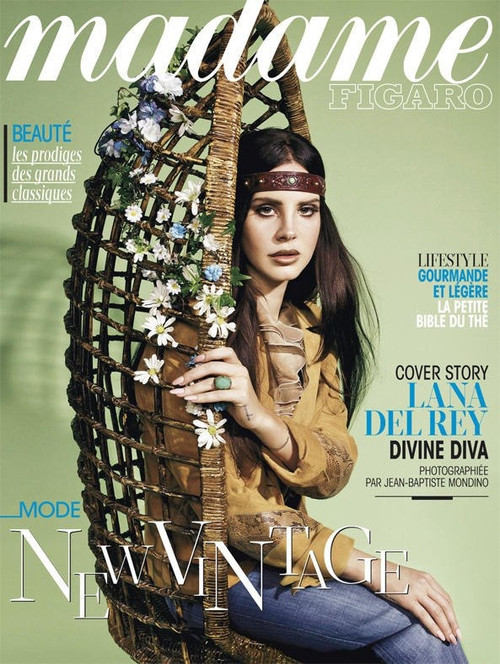
Lana Del Rey for Madame Figaro, January 2013
Jean-Baptiste Mondino’s Paris haute-hippie cover package for Madame Figaro’s January 2013 issue—suede, bronze light, and French weekly glamour.
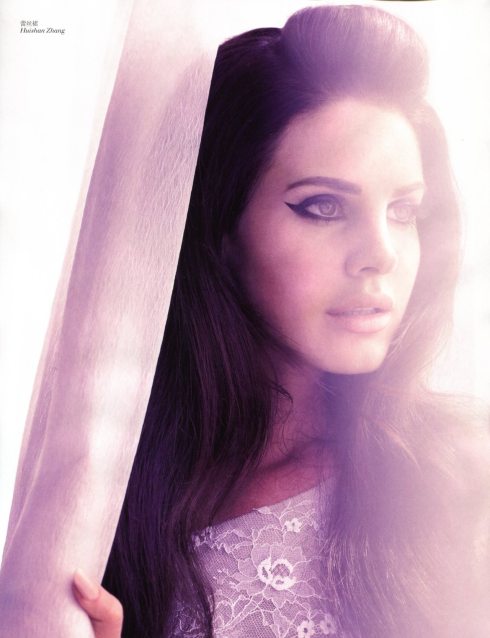
Lana Del Rey for Vogue China: Say Goodbye to the Wonderland
Wee Khim and Grace Lam’s ethereal January 2013 Vogue China story—soft waves, cat eyes, and dreamlike fashion far from French weekly bronze.
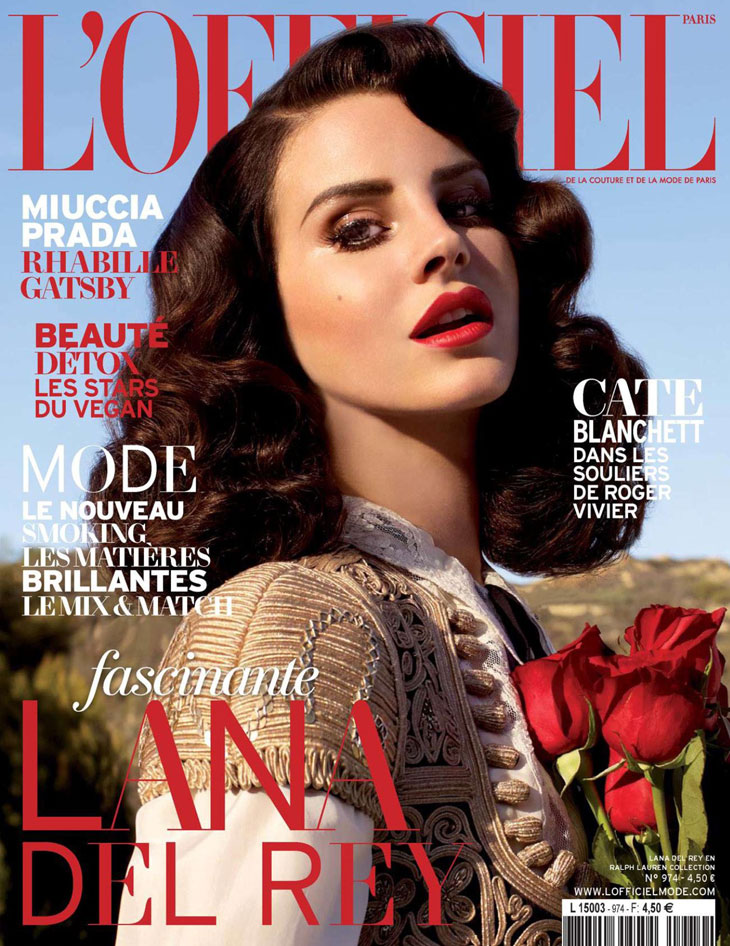
Lana Del Rey for L’Officiel Paris April 2013 by Nicole Nodland
Lana Del Rey’s April 2013 L’Officiel Paris cover story—Nicole Nodland’s Spanish-romantic Rosalita editorial, Vanessa Bellugeon styling, and Paris spring fashion voice.