
Sister Tattoo Designs: Matching Motifs, Criteria, and Respectful Choices
Sister and chosen-family tattoo ideas with clear design criteria—match level, placement, style, and consent—so paired ink stays meaningful and respectful.
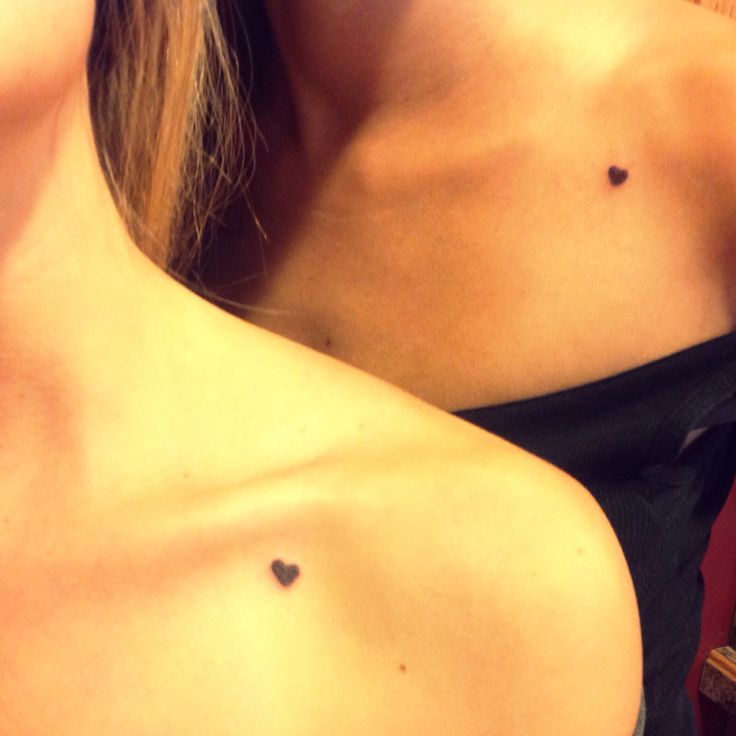
Sister tattoos—and matching marks shared by chosen family—are a way to carry a private bond in public skin. The designs collected here lean toward symbols, script, and paired motifs that read as connection without needing a long explanation. Before any needle work, treat the idea as a design problem and a consent problem: both people should want the same permanence, the same visibility, and the same level of matching. Respect starts with listening, not with a photo you both liked for ten seconds.
Matching tattoos are not a test of loyalty. Some sisters prefer identical marks; others prefer complementary halves—two pieces of a whole that only make sense together. Some want tiny symbols that stay private under a sleeve; others want bolder statements on forearms or ankles. None of those choices is more “real” than another. What matters is that the design criteria are clear before you book, and that each person remains free to decline or delay without pressure. A tattoo you resent is not a tribute.
This gallery is best used as a mood board, not a mandate. Point at line weight, scale, and motif families you like, then ask an artist to design original work for your bodies. Copying someone else’s exact tattoo—especially from a photo online—often disappoints on skin and can disrespect the original artist. Shared criteria plus custom drawing is the healthier path.
Design criteria worth agreeing on first
Use a short shared checklist before you fall in love with a single image from a gallery:
- Meaning: Is the symbol personal to your relationship, or a generic trend you may outgrow?
- Match level: Identical, mirrored, complementary, or thematically linked with different artwork?
- Size and placement: Will both of you be comfortable with that visibility at work, in family settings, and years from now?
- Style: Fine line, bold traditional, script, geometric, botanical—pick one language so the pair feels intentional.
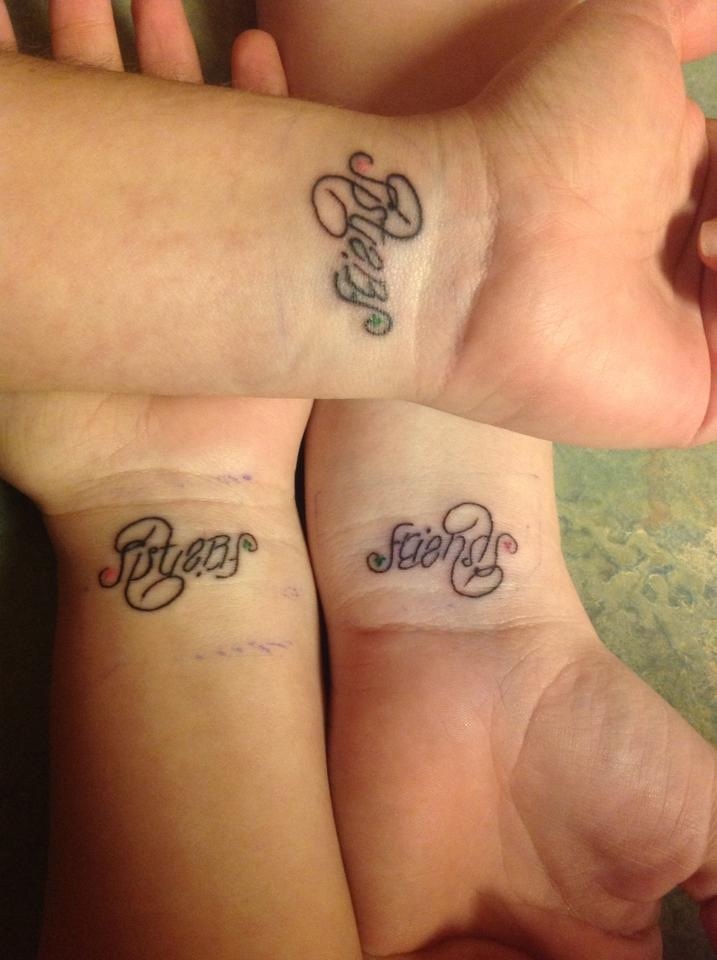
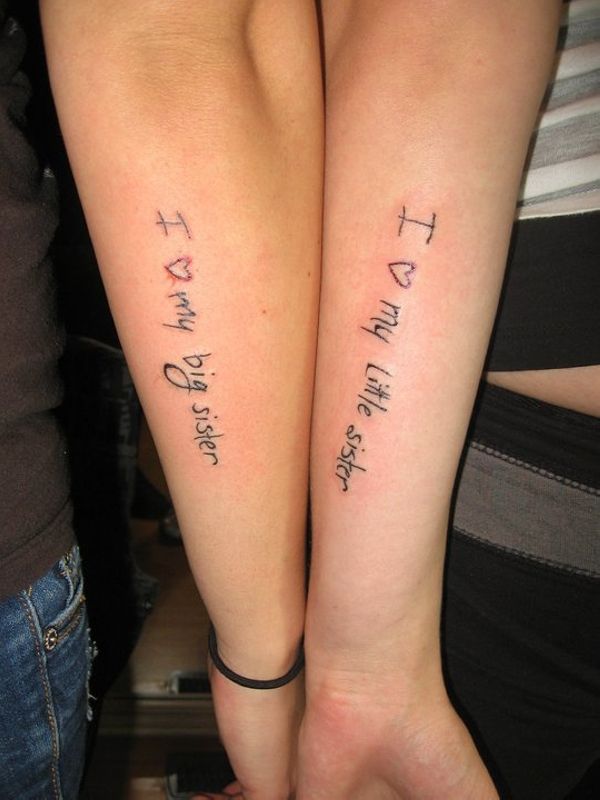
- Text: Names, dates, or a private word can customize a design; misspellings and trendy fonts age poorly—proof carefully.
- Artist: One artist for both tattoos usually improves consistency of line weight and spacing.
Those criteria keep the conversation practical. Inspiration images help you point at a mood—“delicate,” “graphic,” “nature-based”—without demanding a copy of someone else’s exact tattoo. A good artist will translate your criteria into original linework. If one sister wants fine line and the other wants heavy traditional, decide early whether you will compromise on a middle ground or embrace related-but-different pieces that still feel paired.
Budget and timing belong on the checklist too. Matching sessions work best when both people can pay deposits, sit on the same day or within a planned sequence, and follow the same aftercare. Rushing because of a birthday weekend often produces regret. Waiting a season while you refine the design is not a failure of sisterhood.
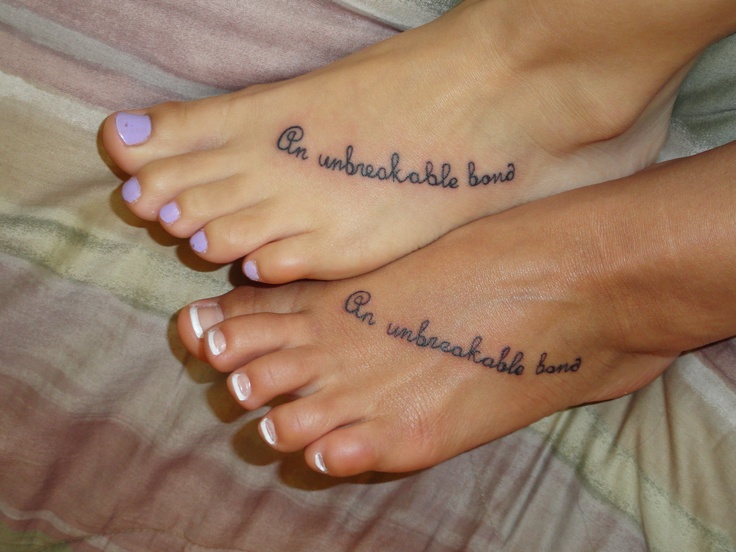
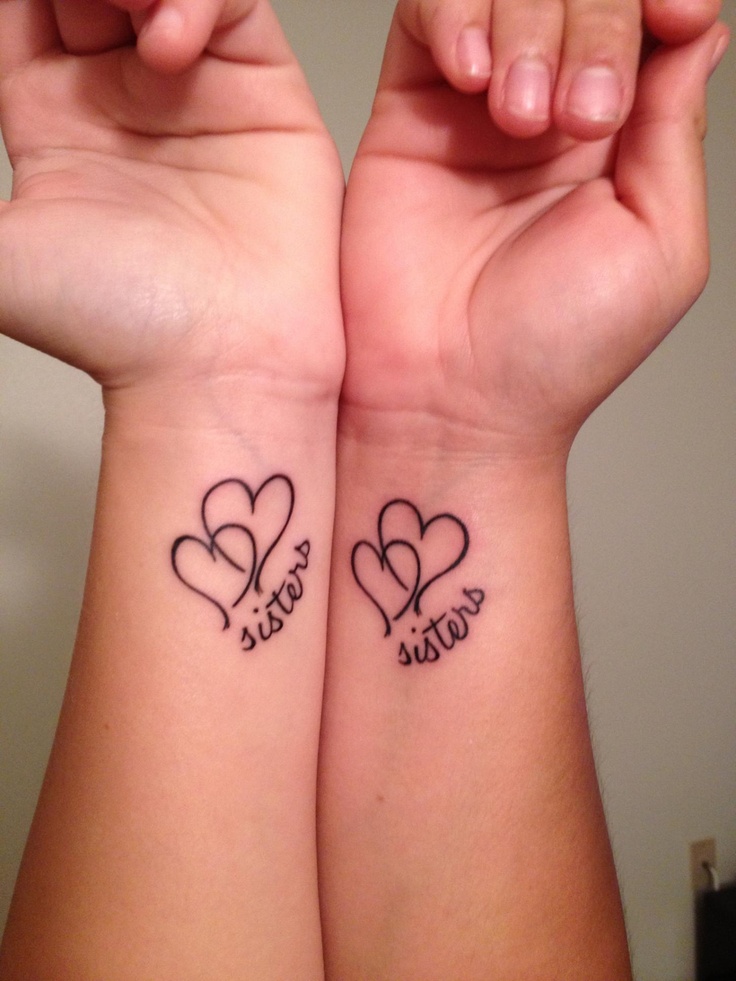
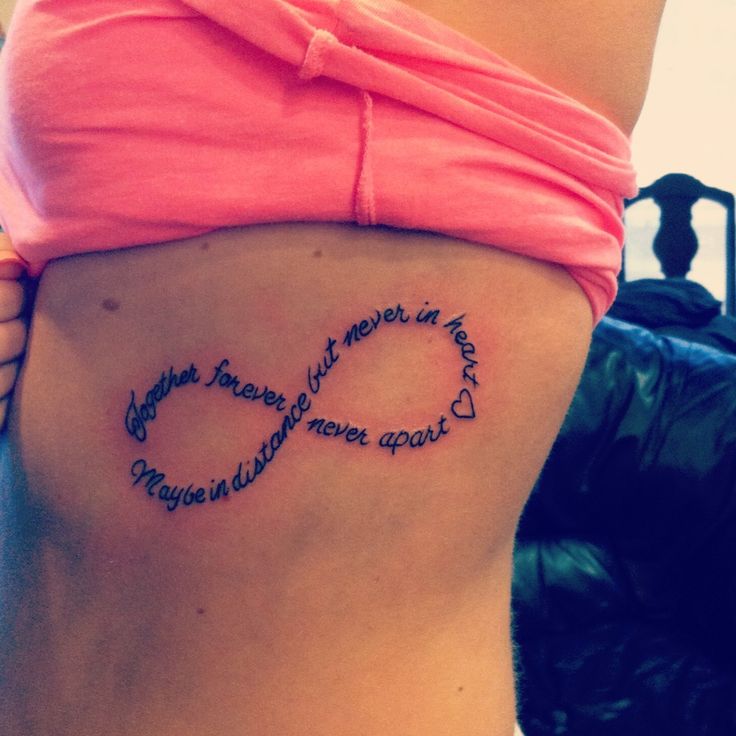
Motifs that often work—and why
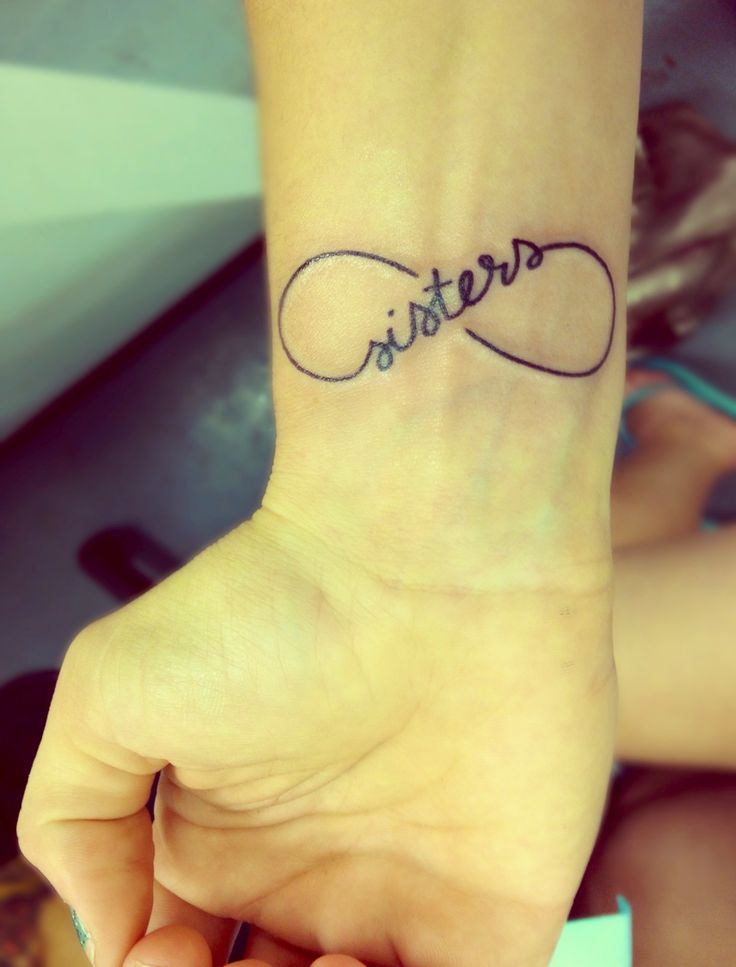
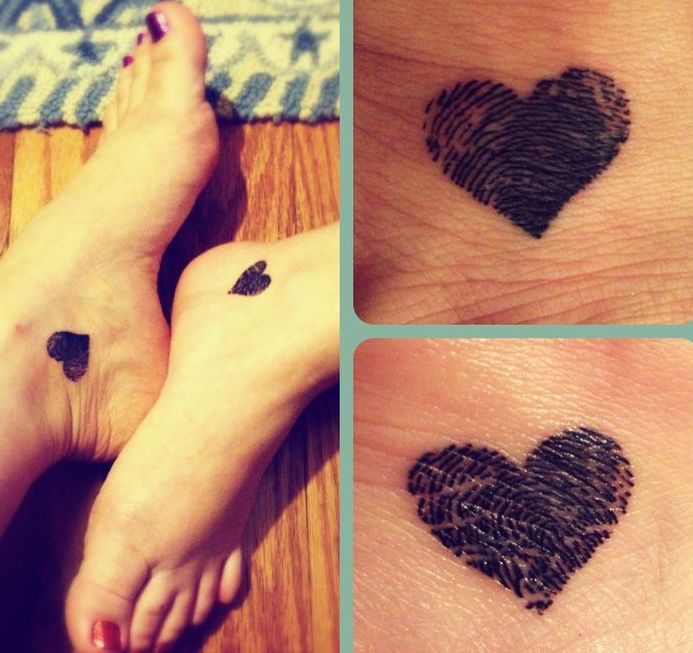
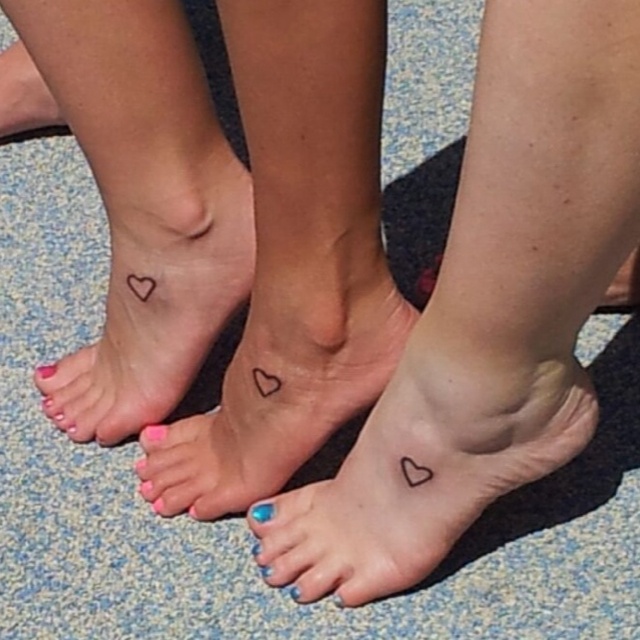
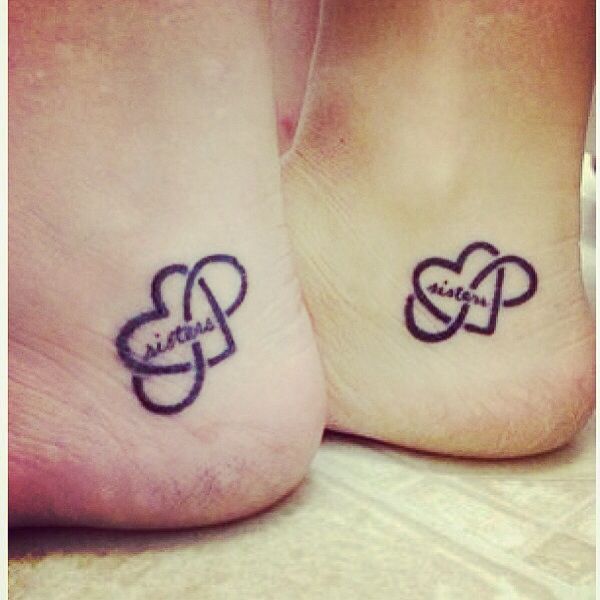
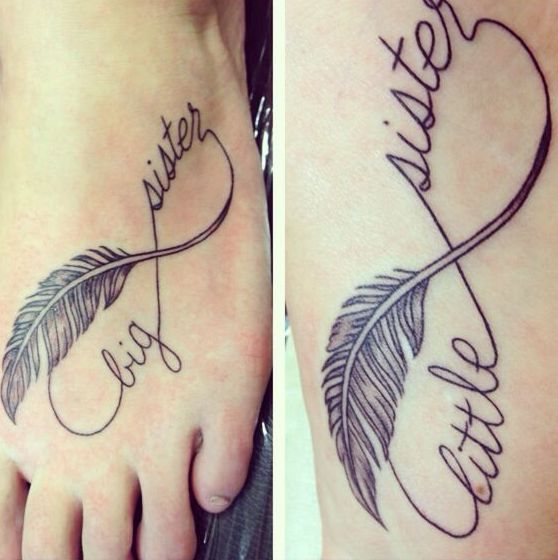
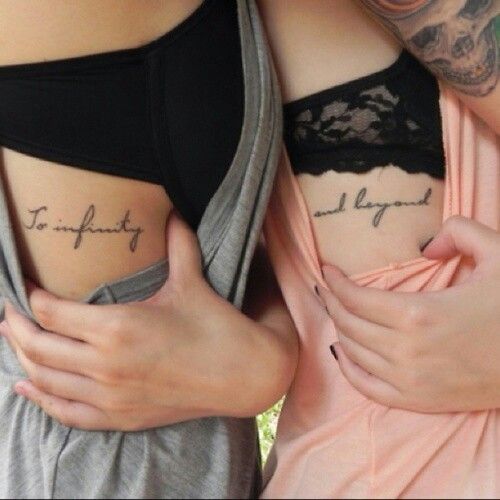
Certain themes appear again and again in sister designs because they scale well and stay legible small: interlocking shapes, paired florals, moons and stars, simple line icons, coordinates of a shared place, or two halves of a heart or infinity form. Script words—“sister,” a nickname, a short phrase—can be beautiful when letterforms are custom and spacing is generous. Crowded calligraphy becomes muddy as ink spreads slightly over time.
Birth flowers, zodiac marks, and matching animals can feel personal when they map to real stories. They feel hollow when chosen only because a trend list said so. If your bond is about humor, a small witty symbol may suit you better than a solemn crest. If your bond is about caretaking through hard seasons, a quiet botanical may fit better than a loud banner. Let the relationship lead the motif, not the other way around.
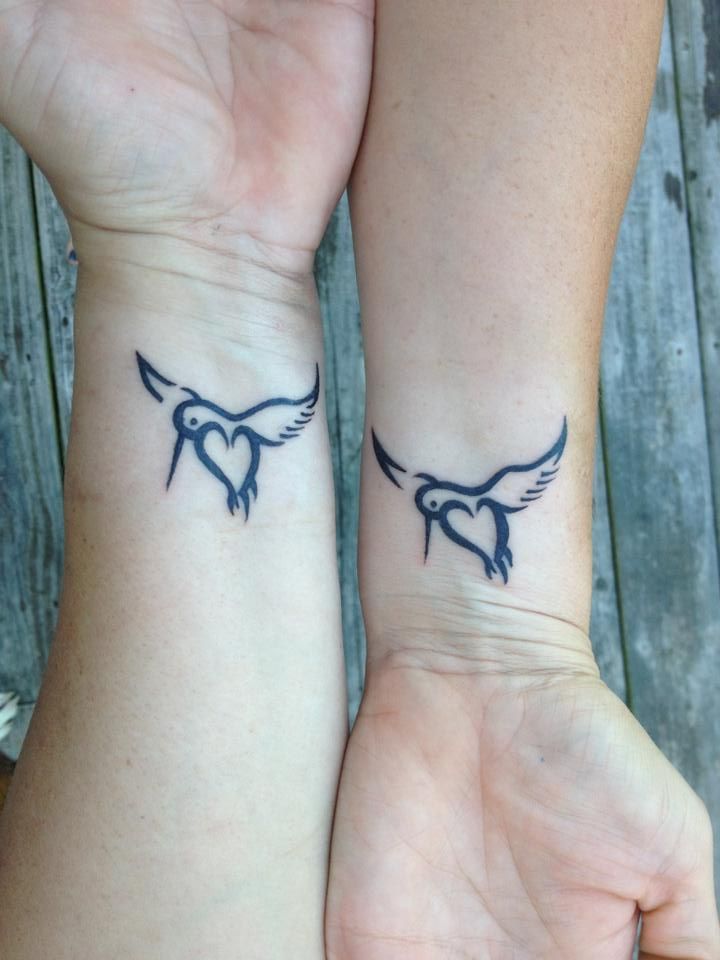
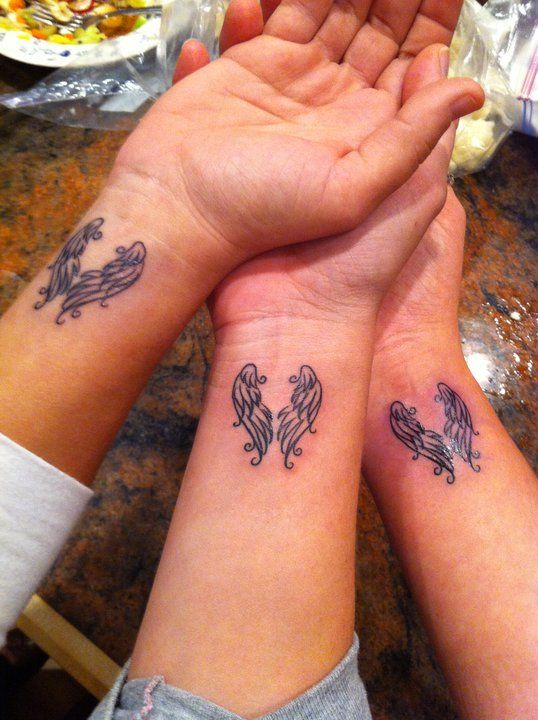
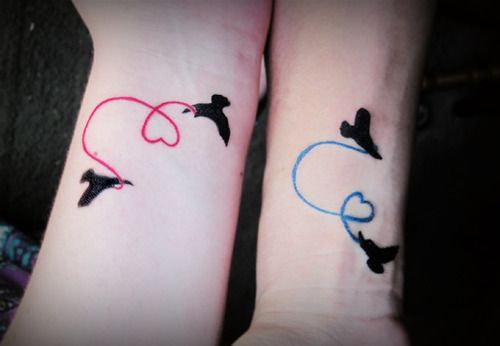
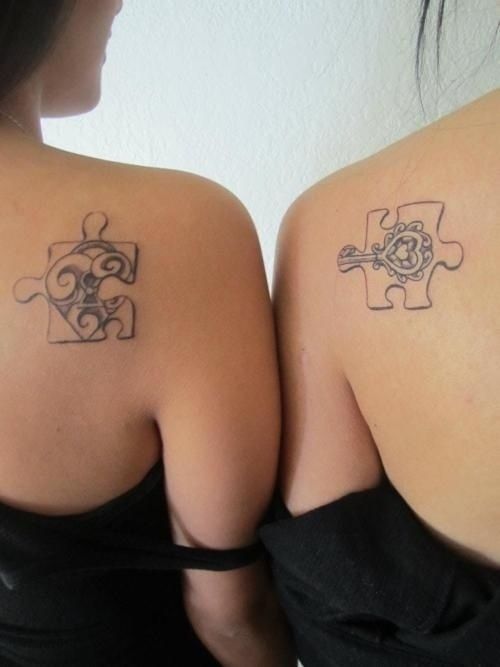
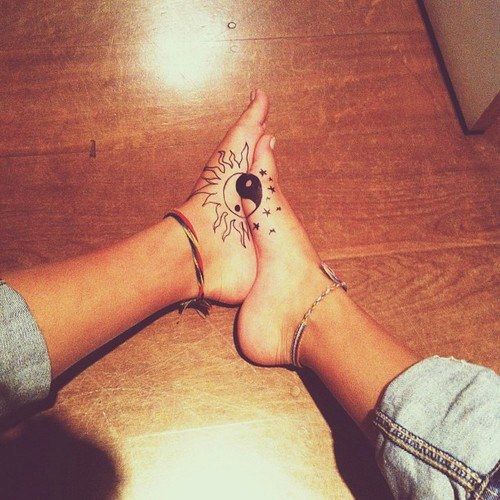
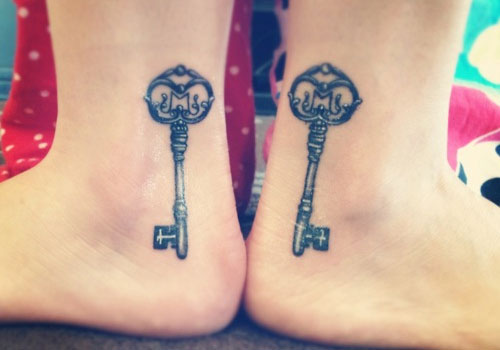
Complementary designs deserve special attention. A lock and key, sun and moon, or two halves of a botanical stem can look elegant—but only if both pieces are finished to the same standard. One sister should not receive a detailed half while the other gets a rushed outline. Ask the artist to draw both sides before either session begins, and confirm sizes with stencil placement on both bodies.
Placement, pain, and practical life
Placement changes how a tattoo lives with clothing, sun, and aging skin. Inner wrists and ankles are popular for small matching pieces; ribs and feet tend to hurt more and heal with more friction. Forearms show easily; upper arms and shoulder blades can stay private. Discuss careers and family expectations honestly—without shame—so nobody feels ambushed later. Pain tolerance differs even between close siblings; schedule breaks, eat beforehand, and never push someone who is not ready that day.
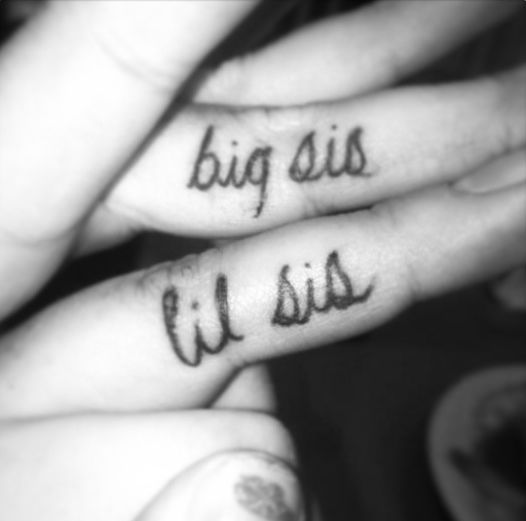
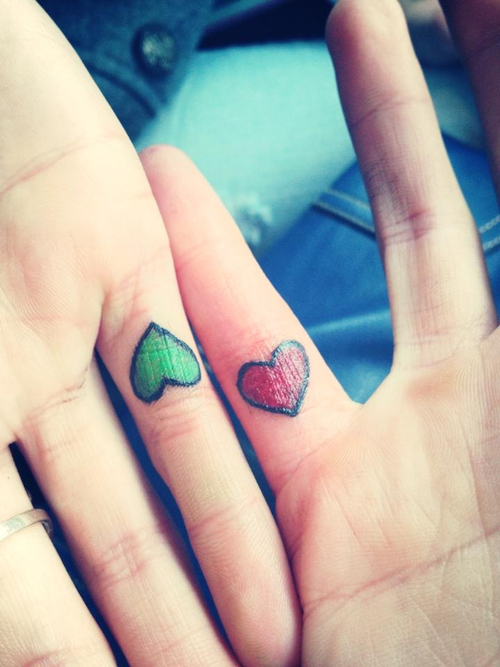
Sun, swimming, and skincare habits affect longevity. Fine lines on hands and fingers fade and blur faster. If you want delicate matching script, choose a placement with thicker skin and less constant abrasion. Your artist can advise; listen when they suggest scaling up a design that would otherwise collapse into a blot. Matching tattoos that heal differently because one person ignores aftercare will not look like a pair for long.
Consider future body changes with kindness, not fear. Weight fluctuation, pregnancy, and aging can shift fine designs. That does not forbid tattoos; it argues for slightly bolder line decisions and placements that age more gracefully. A respectful conversation includes those realities without body-shaming anyone involved.
Respect, consent, and choosing an artist
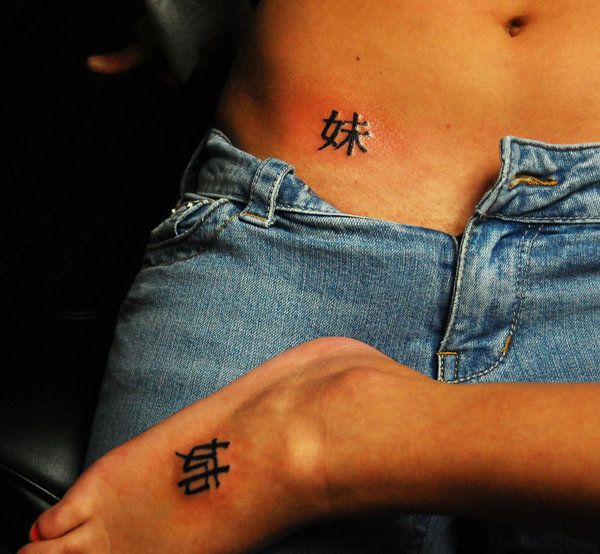
A respectful process means no guilt trips, no surprise appointments, and no borrowing cultural or sacred symbols you do not understand. If a motif belongs to a tradition that is not yours, research and, when appropriate, choose another direction. Friendship tattoos between non-sisters deserve the same care: chosen family is real, and permanence still requires clear yeses from everyone involved.
Book a reputable studio with strong hygiene practices. Look at healed work, not only fresh ink photos. Ask whether the artist prefers to design a custom pair based on your references. Budget for both sessions, tip fairly, and follow aftercare instructions the same way—matching tattoos look best when both heal cleanly. If one sister cannot sit for the full piece, consider a two-appointment plan rather than rushing.
Consent also includes privacy. Not every pair wants social media documentation of the appointment. Agree in advance whether photos will be shared, tagged, or kept offline. Respecting that boundary is part of respecting the relationship the tattoos are meant to honor.
Browsing the gallery with intention
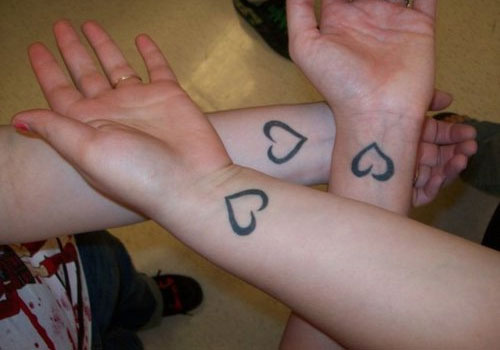
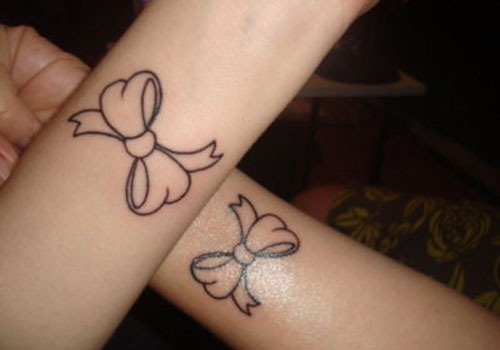
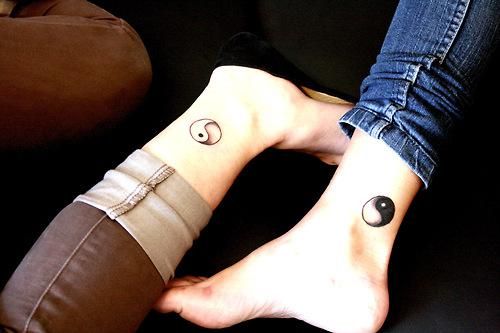
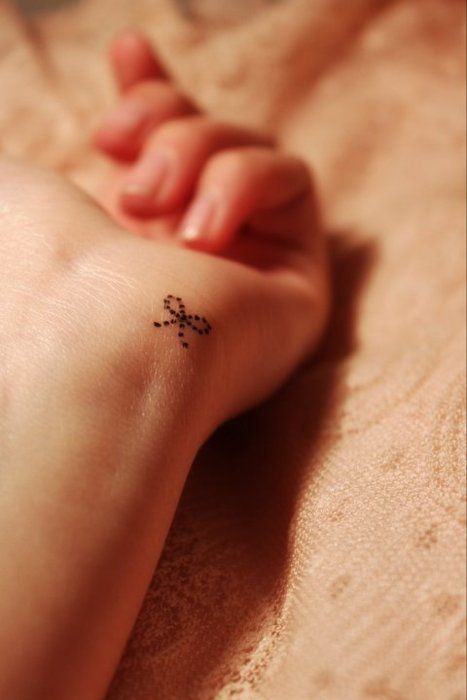
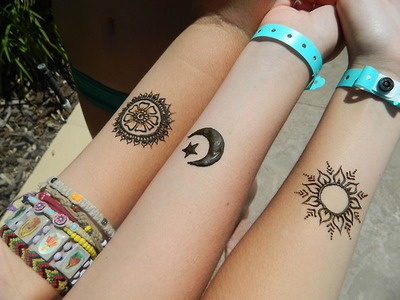
As you look through the images, notice structure more than trend. Which pairs are identical, and which are complementary? Where does negative space keep a small tattoo readable? Which letterforms would still look clear if slightly softened by time? Save two or three references that share a style, then bring those—and your checklist—to a consultation. The goal is not to reproduce a stranger’s tattoo; it is to leave with a pair that fits your criteria and your relationship.
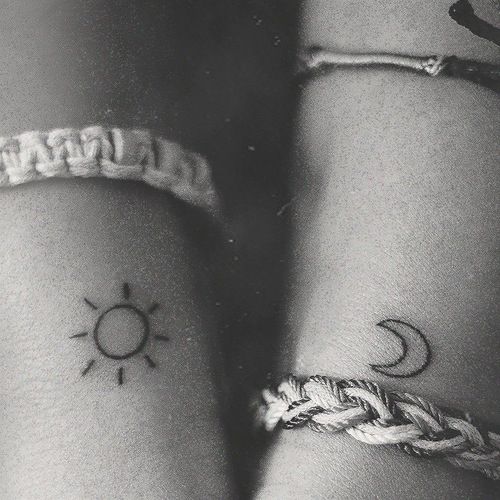
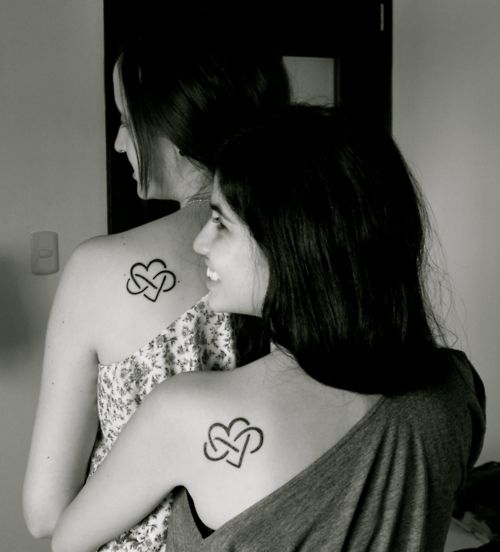
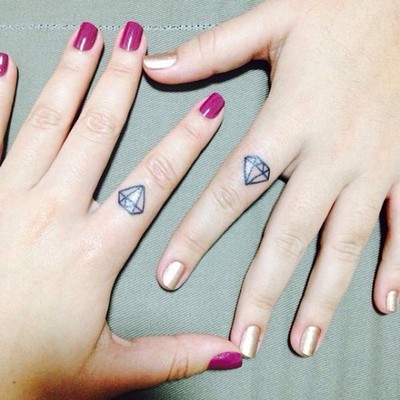
If you only take one practice from this page, make it the shared checklist: meaning, match level, size, style, text, and artist. When those answers are honest, the gallery becomes a tool instead of a dare—and the tattoos you choose are more likely to feel like yours for the long run.

Comments
Continue reading
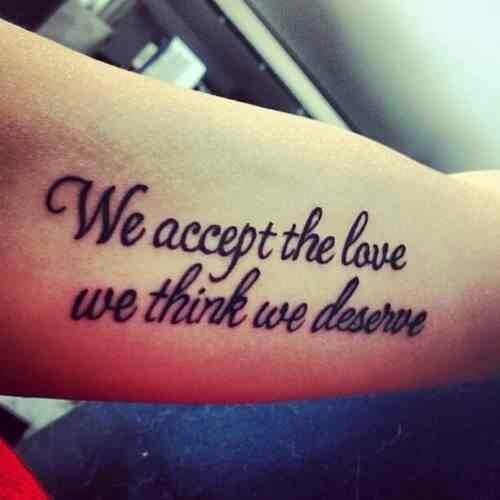
Meaningful Love Quotes for Inspiration (and Ink)
Meaningful love quotes that still feel true — short lines for tattoos, gifts, and everyday reminders, with placement and wording tips.
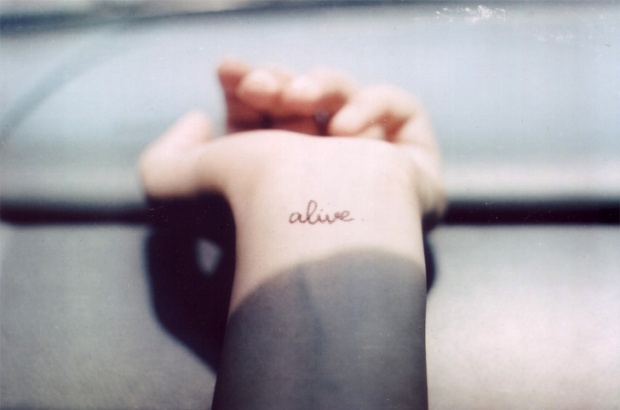
40 One-Word Tattoo Ideas: Placement, Type, and Meaning
A gallery of single-word tattoos—love, faith, strength, wanderlust, and more—with guidance on typography, body placement, and choosing a word that still fits years later.
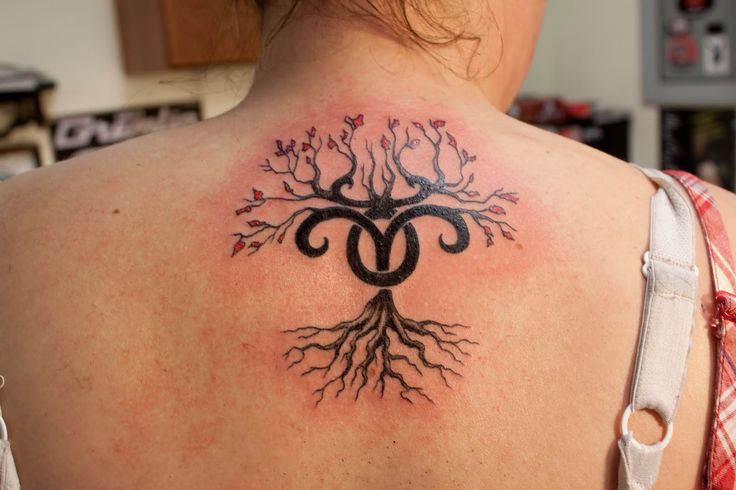
16 Taurus Tattoo Ideas: Bulls, Glyphs, and Venus-Inspired Ink
Sixteen Taurus tattoo directions—from minimal glyphs and constellation maps to floral bulls and bold blackwork—plus placement and artist tips for lasting earth-sign ink.