
Inspiring Arrow Tattoo Designs and Patterns: Design Criteria
Arrow tattoo ideas—silhouette, direction, motifs, patterns, and placement—plus criteria to brief an artist. Design inspiration only, not medical advice.
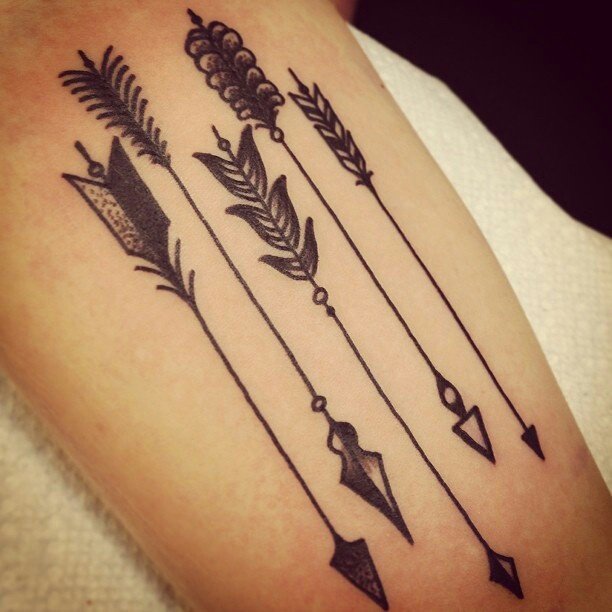
An arrow is a simple graphic with a long memory: tip, shaft, fletching. As a tattoo, that clarity is an asset. The mark reads at small sizes, scales into larger compositions, and carries flexible meanings—direction, focus, protection, moving forward—without forcing a single story. People often pair arrows with bows, feathers, compasses, florals, or script; Sagittarius-associated designs lean into the archer motif, though the symbol is popular far beyond any zodiac season.
This gallery collects arrow tattoo designs and patterns as visual reference. The notes below are design criteria for choosing a composition and briefing an artist. They are not medical advice, and they are not a substitute for studio guidance about suitability, placement comfort, or aftercare.
Why arrows work as tattoo subjects
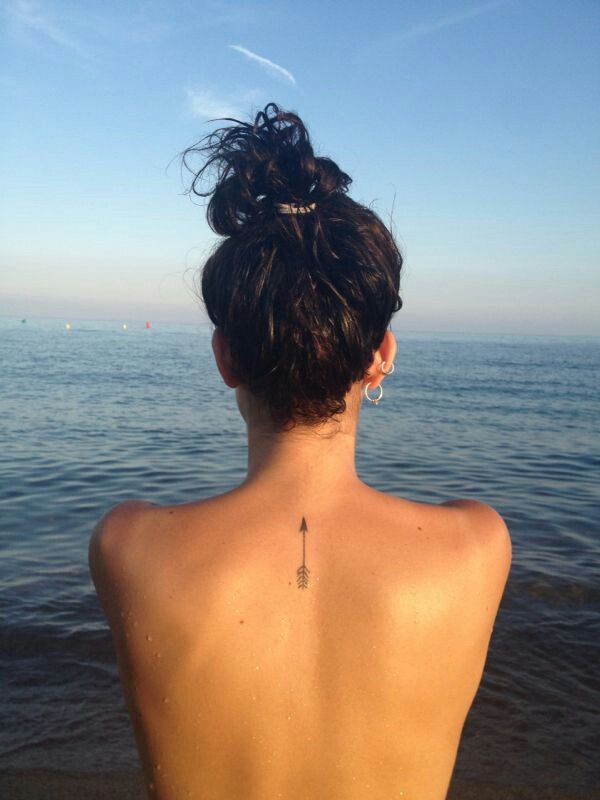
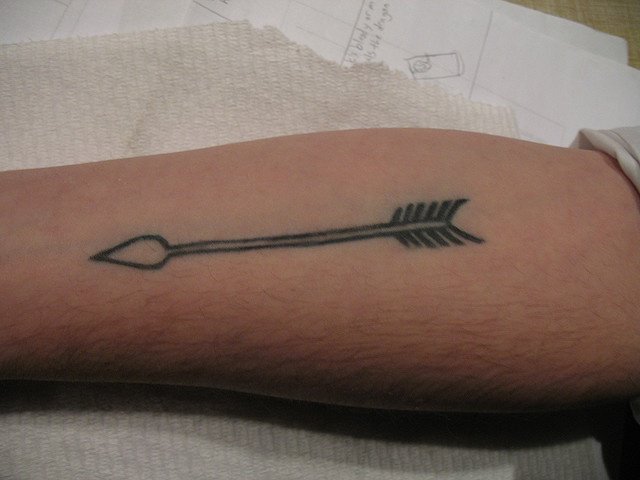
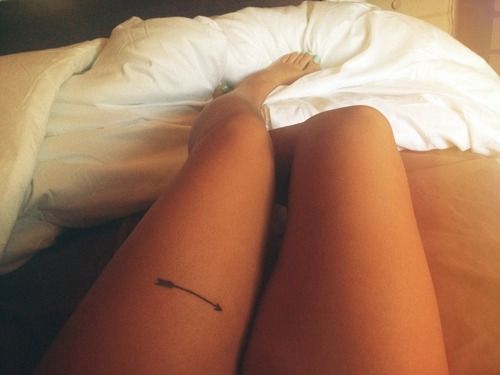
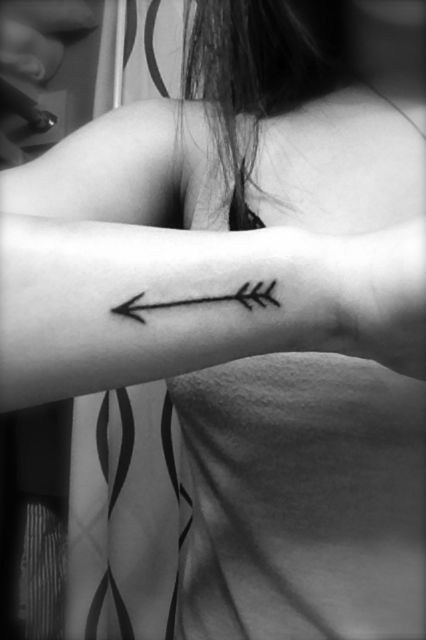
Arrows are mostly linear. Line tattoos love subjects that stay recognizable when simplified. A strong arrow silhouette survives fine-line wrists, bold traditional forearms, and ornamental bands alike. Directionality gives the design a verb: aiming, releasing, traveling, returning. Even a static arrow implies intent.
Symbolism is optional. Some wearers want “always forward,” others want a memorial path, a shared couple mark (two arrows, crossed or parallel), or pure graphic interest. Tell your artist which reading matters so composition can support it—open space ahead of the tip for future motion, denser detail at the fletching for weight, or a broken arrow if that personal metaphor is deliberate. Forced meaning rarely rescues a muddy drawing.
Because arrows are common, originality lives in execution: line weight, negative space, cultural pattern references used respectfully, and how the shaft follows the body.
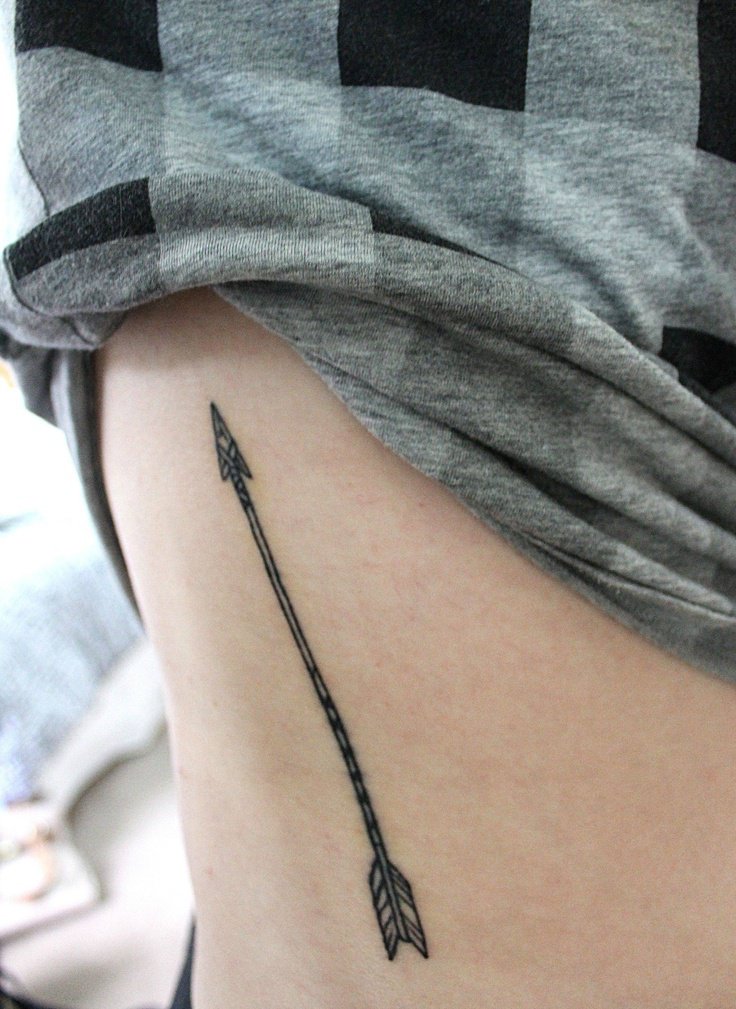
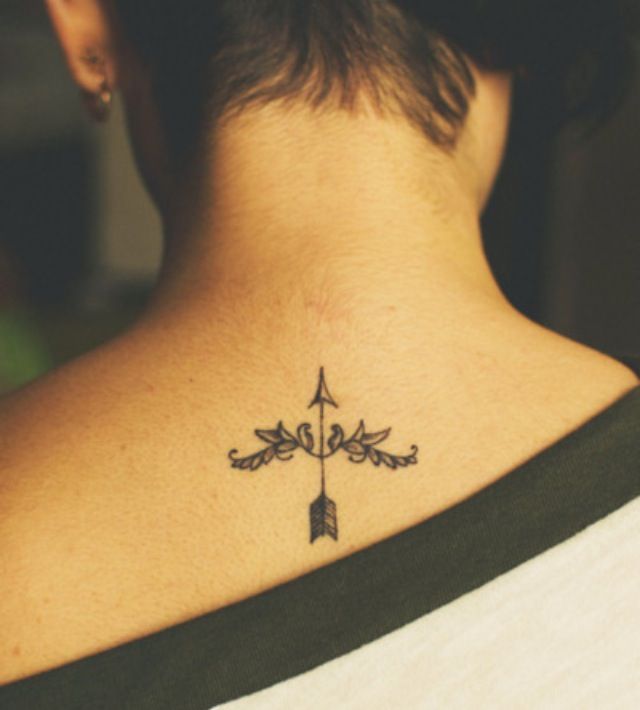
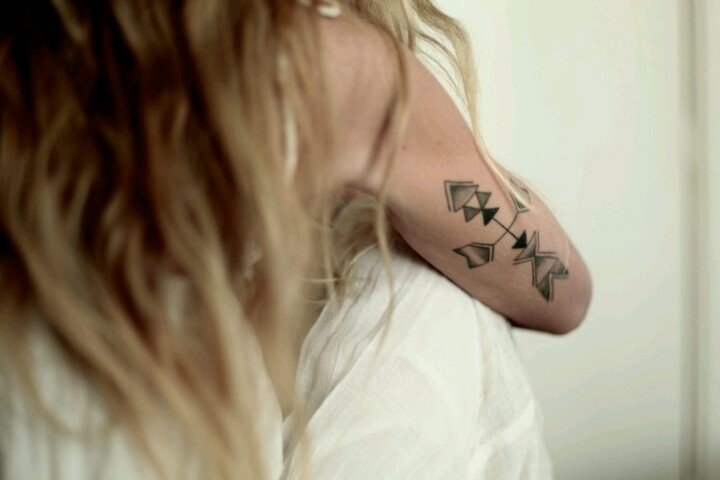
Design criteria before you book
- Silhouette first. Squint at the sketch. Tip, shaft, and fletching should still read. If the piece collapses into a stick with noise, simplify.
- One clear direction story. Upward, along the arm, wrapping a wrist, aiming at a secondary symbol—pick a primary trajectory. Competing tips confuse the eye.
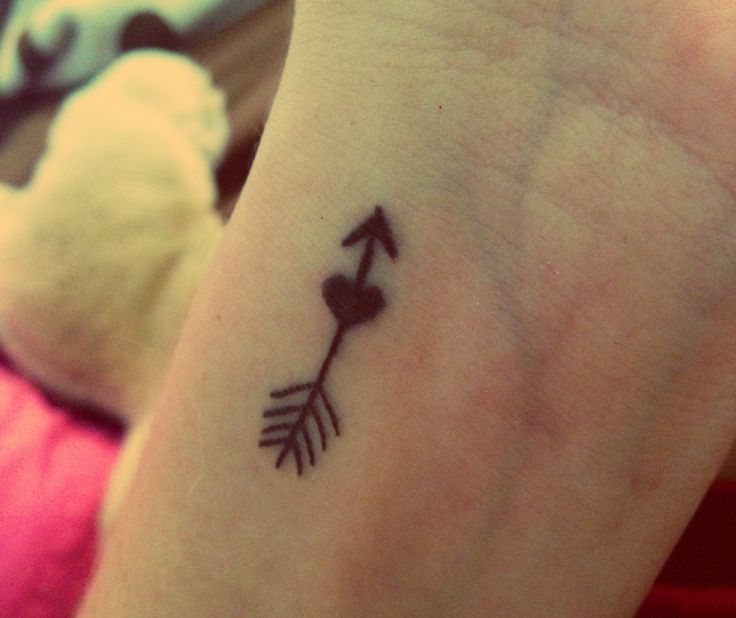
- Scale honest to detail. Micro-barbs, mandala fills, and tiny script need enough skin. Tiny arrows favor bold shapes over microscopic texture.
- Tip and fletching balance. An oversized tip with weak feathers (or the reverse) feels lopsided. Decide where the visual weight sits.
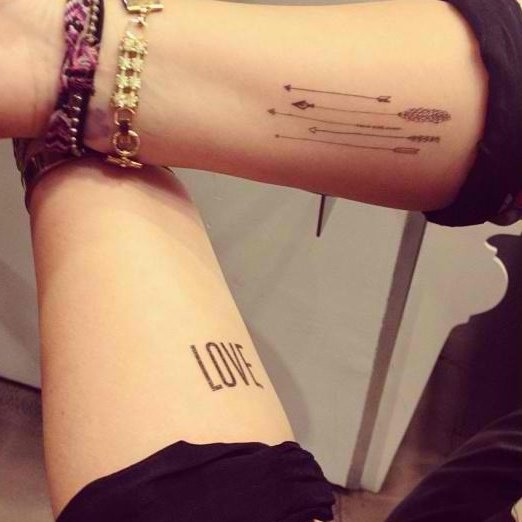
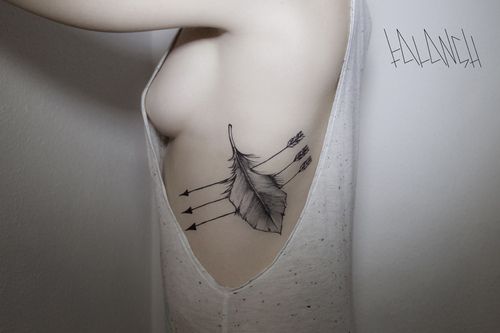
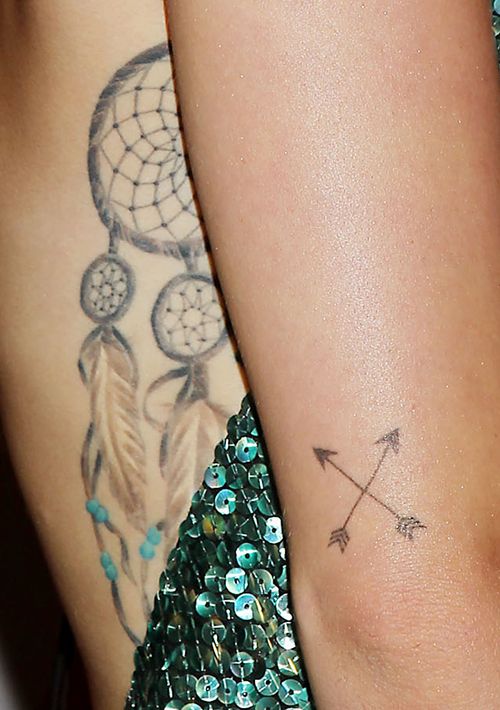
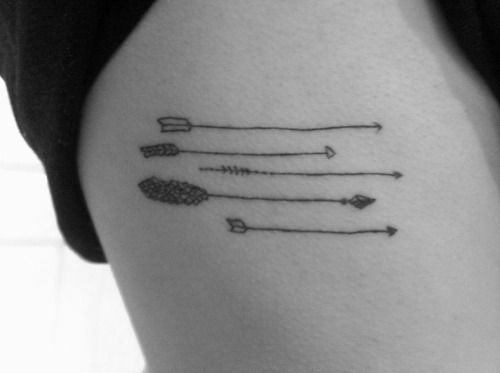
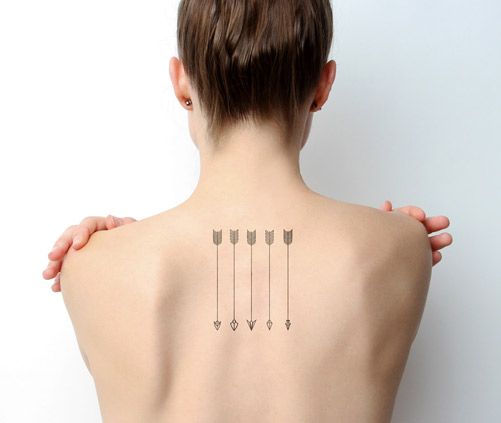
- Single vs. multiple arrows. One arrow is a statement; a bundle or crossed pair becomes a composition. Crossed shafts need planned intersections so lines do not muddy.
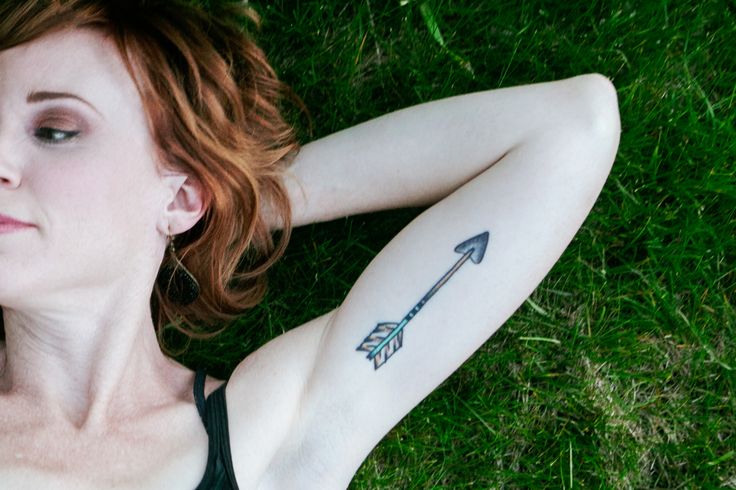
- Blackwork vs. color. Black-and-grey emphasizes form; color can live in feathers, gem tips, or floral wraps. Mixed styles need a plan so elements share one world.
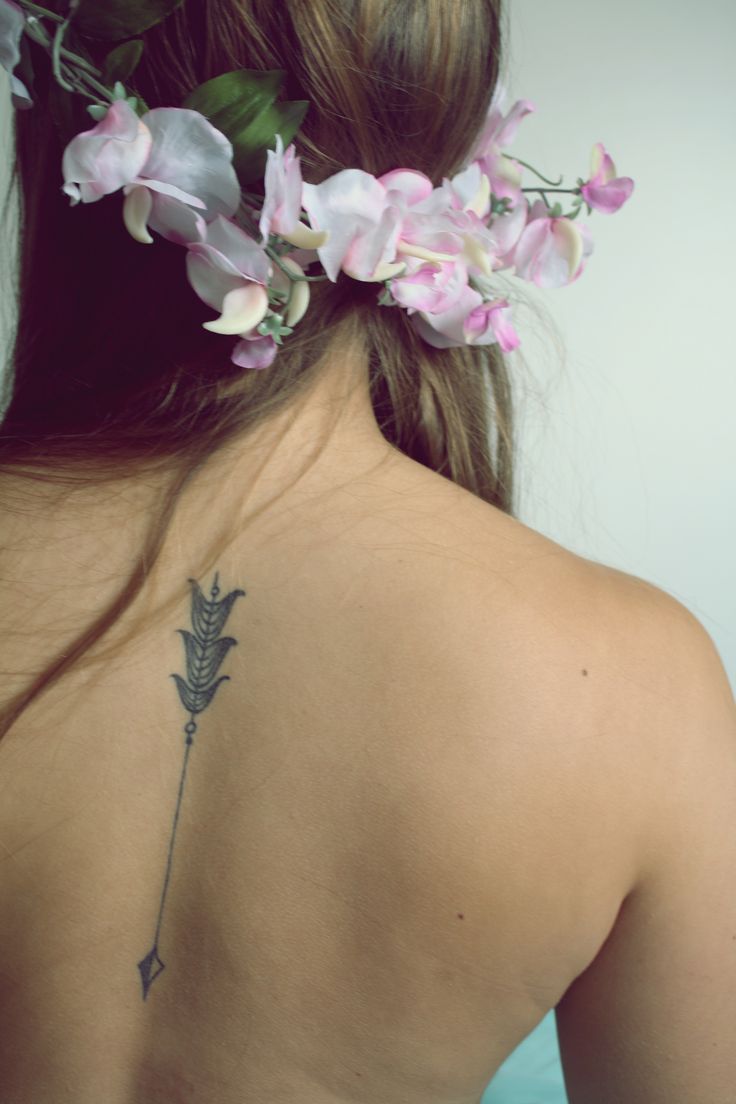
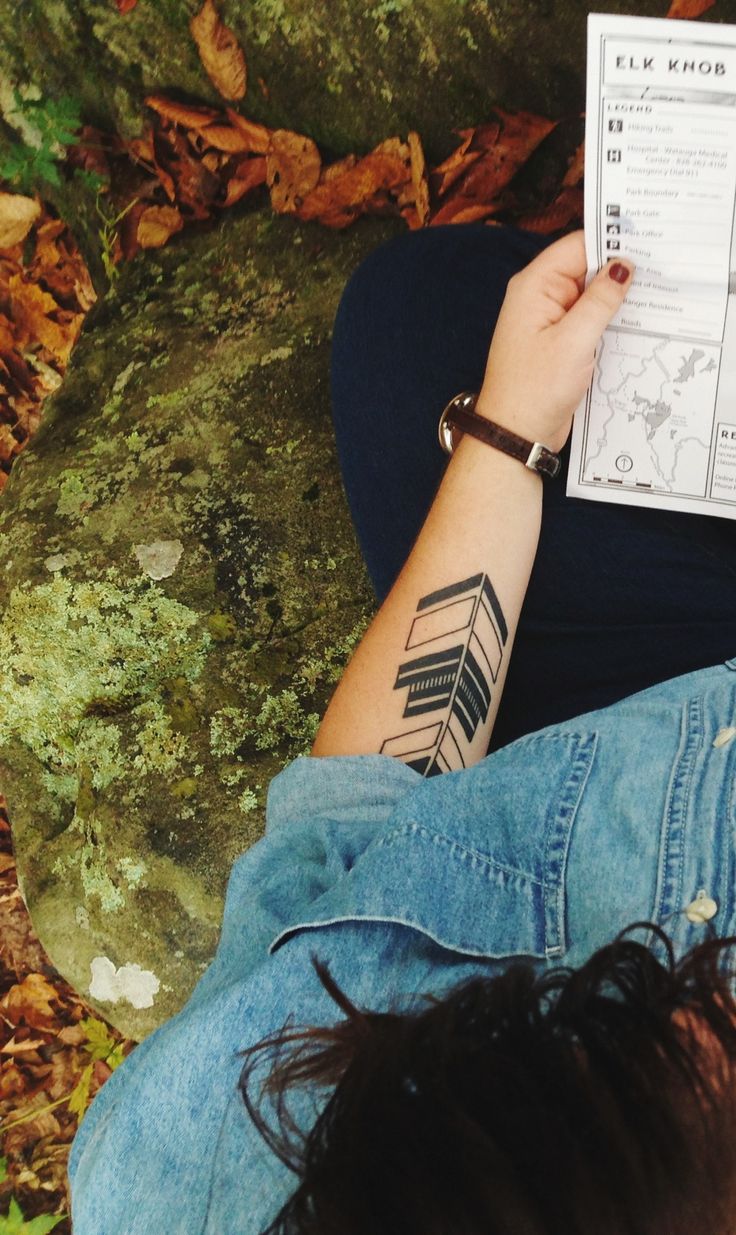
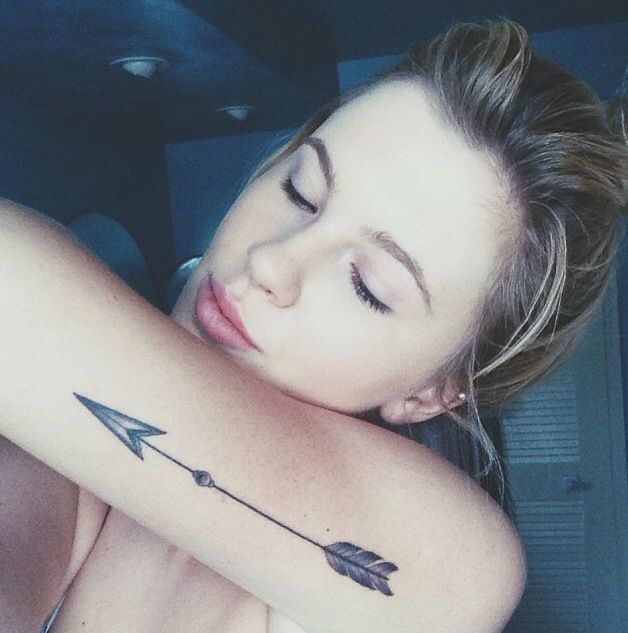
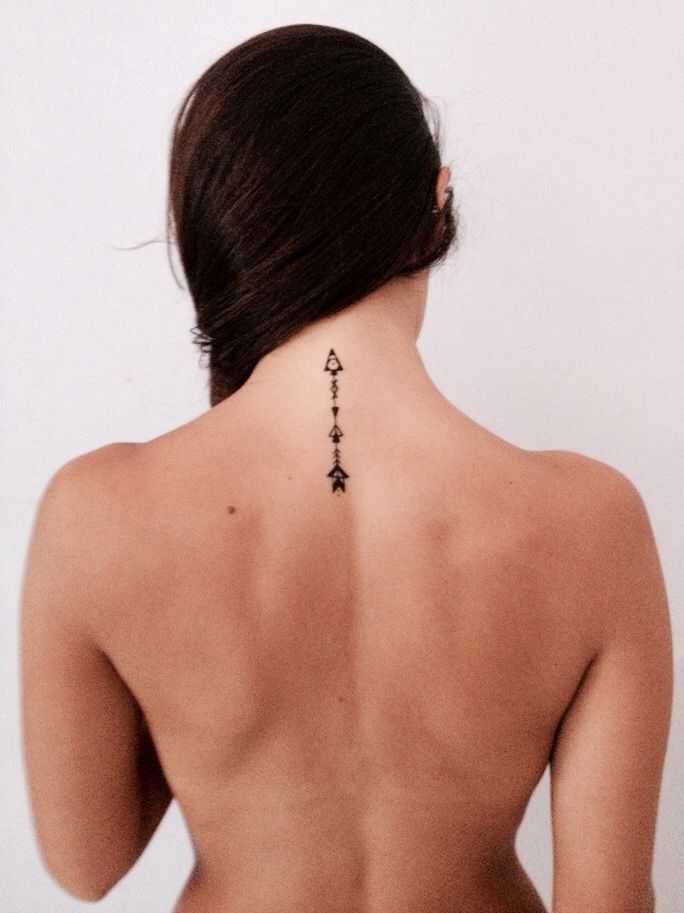
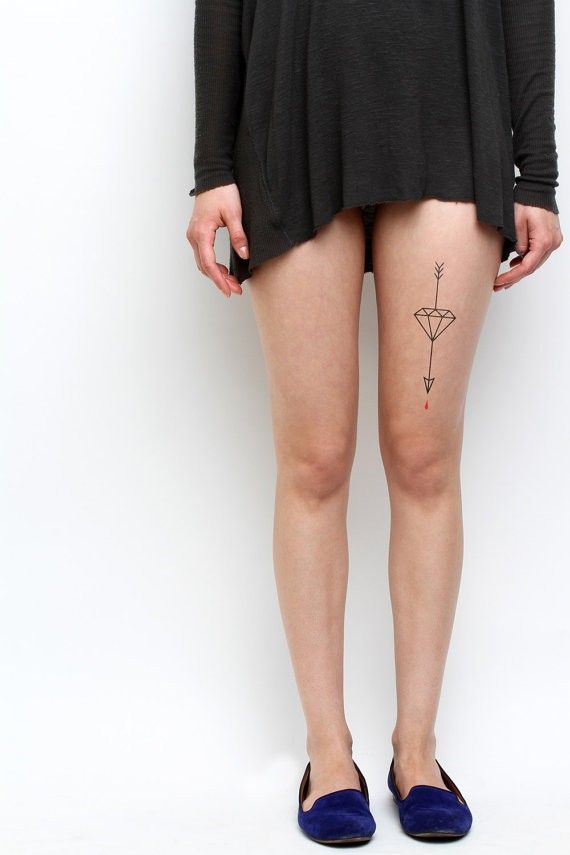
- Body flow. Align the shaft with muscle and bone lines—forearm meridian, collarbone, spine-adjacent verticals, ankle wrap—so the tattoo moves with you.
- Artist match. Fine-line, traditional, geometric, illustrative, and blackwork arrows are different crafts. Choose portfolios that already show clean long lines and confident tips.

Style directions in the gallery
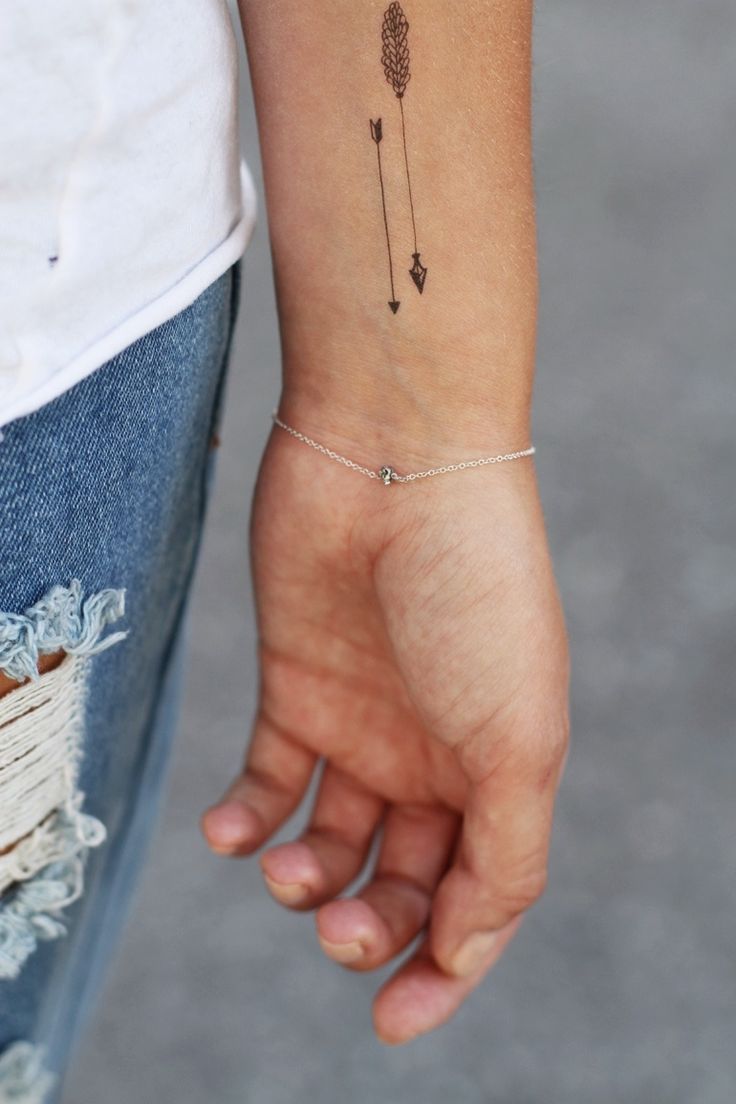
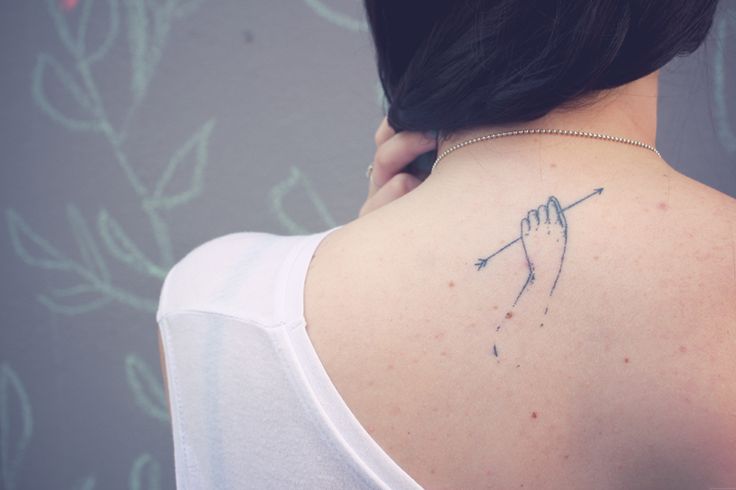
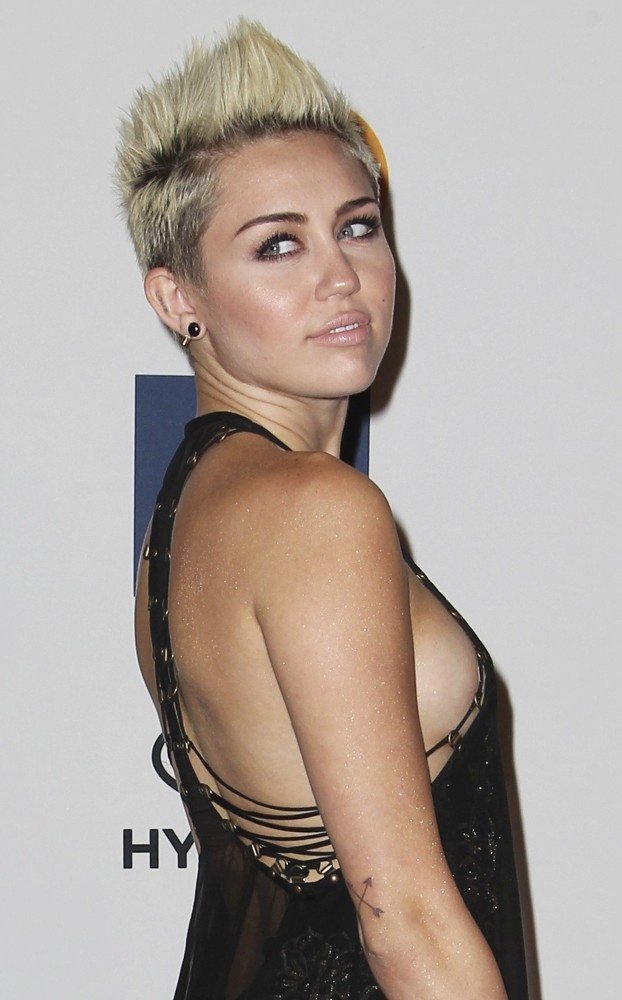
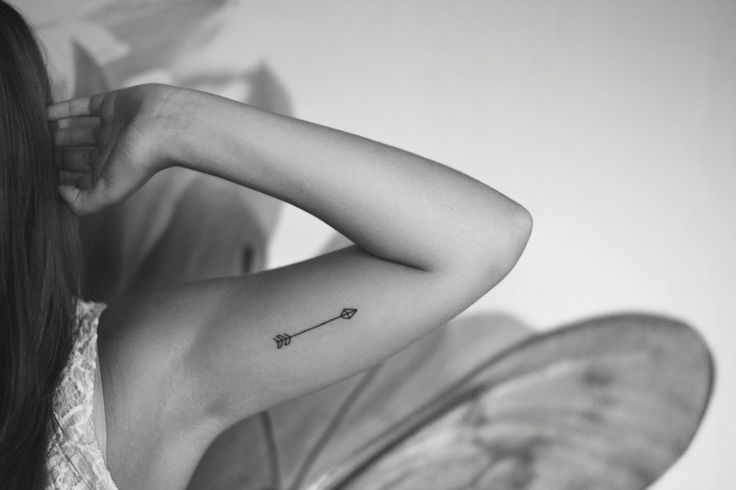
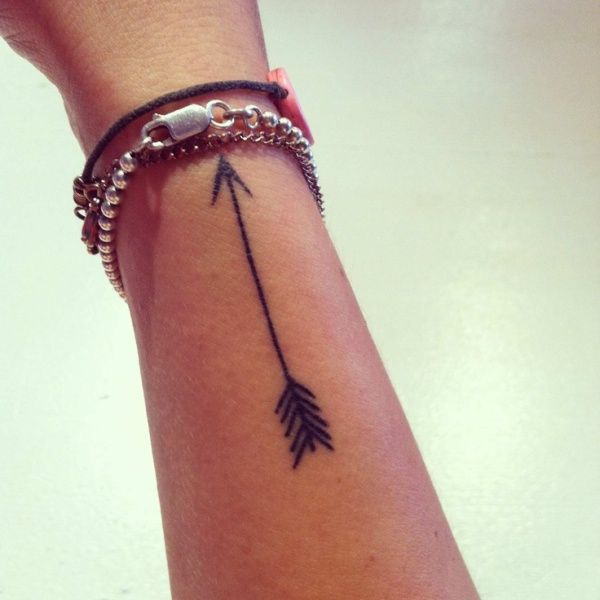
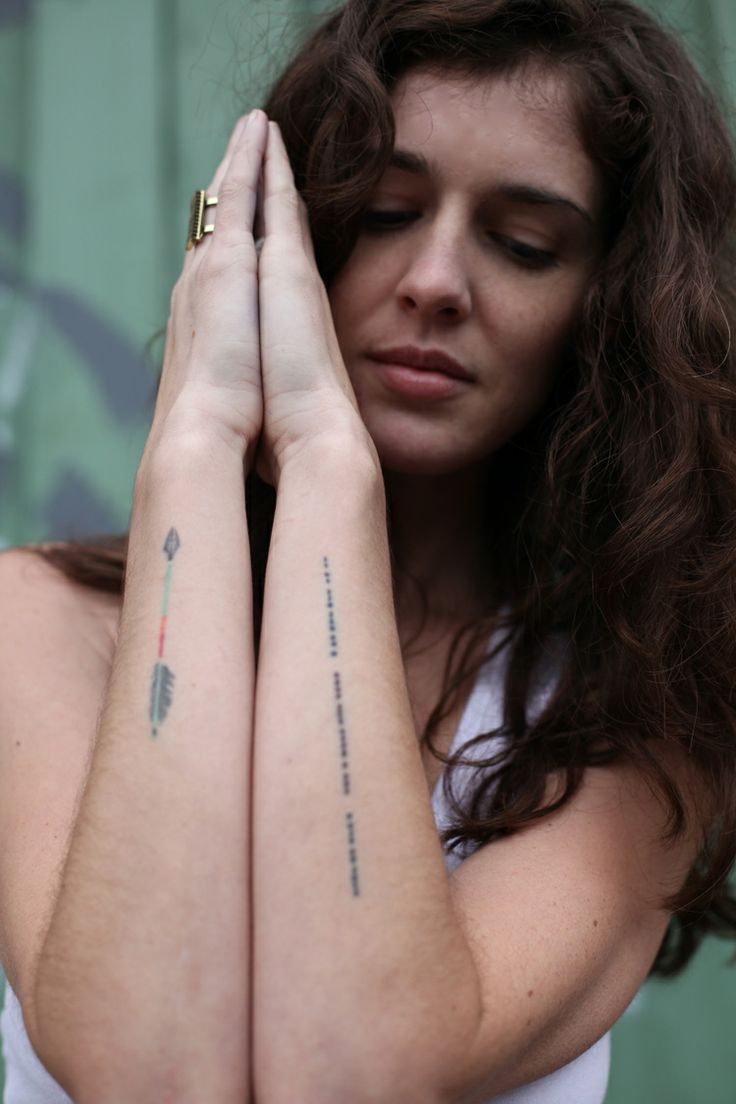
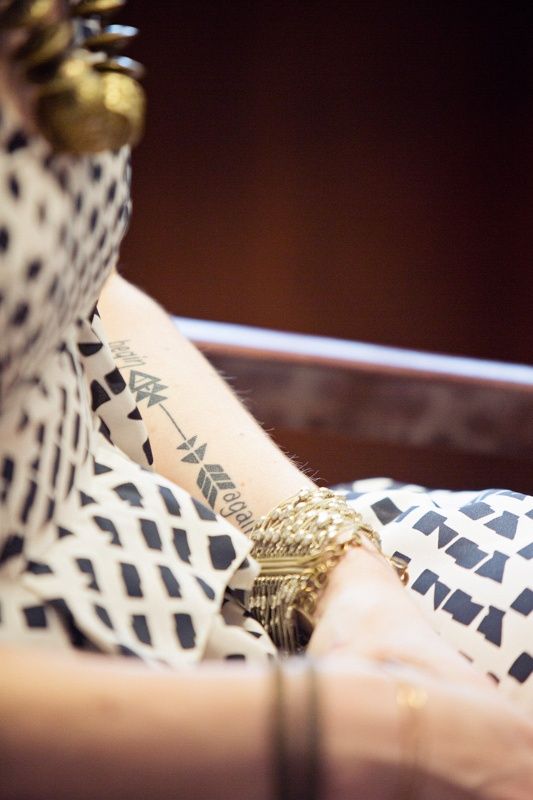
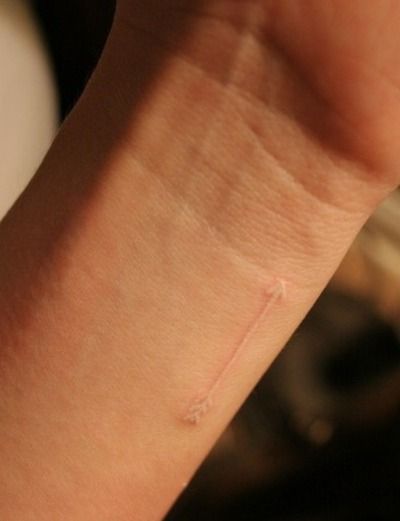
Fine-line arrows chase elegance: thin shafts, delicate fletching, often paired with small script. They suit restrained placements but ask for honest talk about how ultra-fine lines may soften over years depending on skin, sun, and line weight choices your artist recommends for longevity of the look.
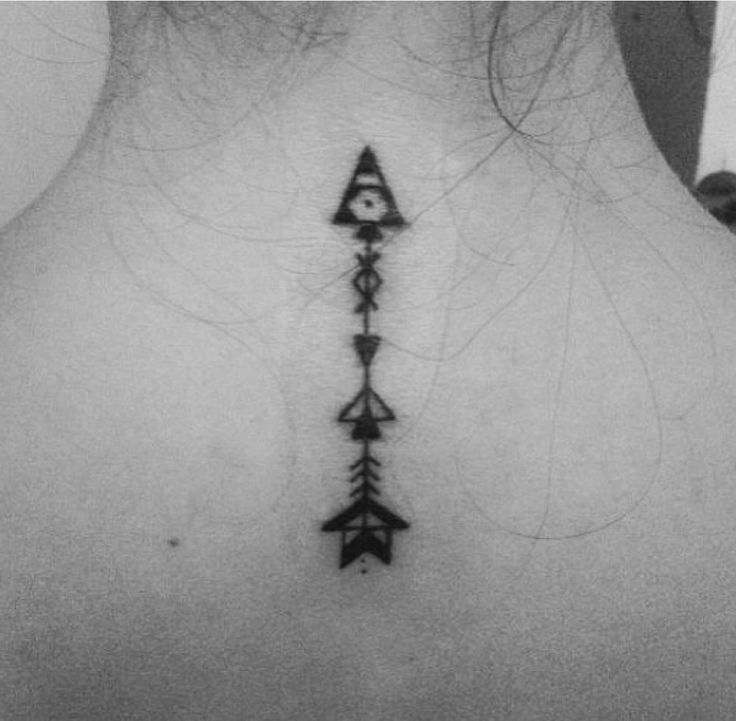
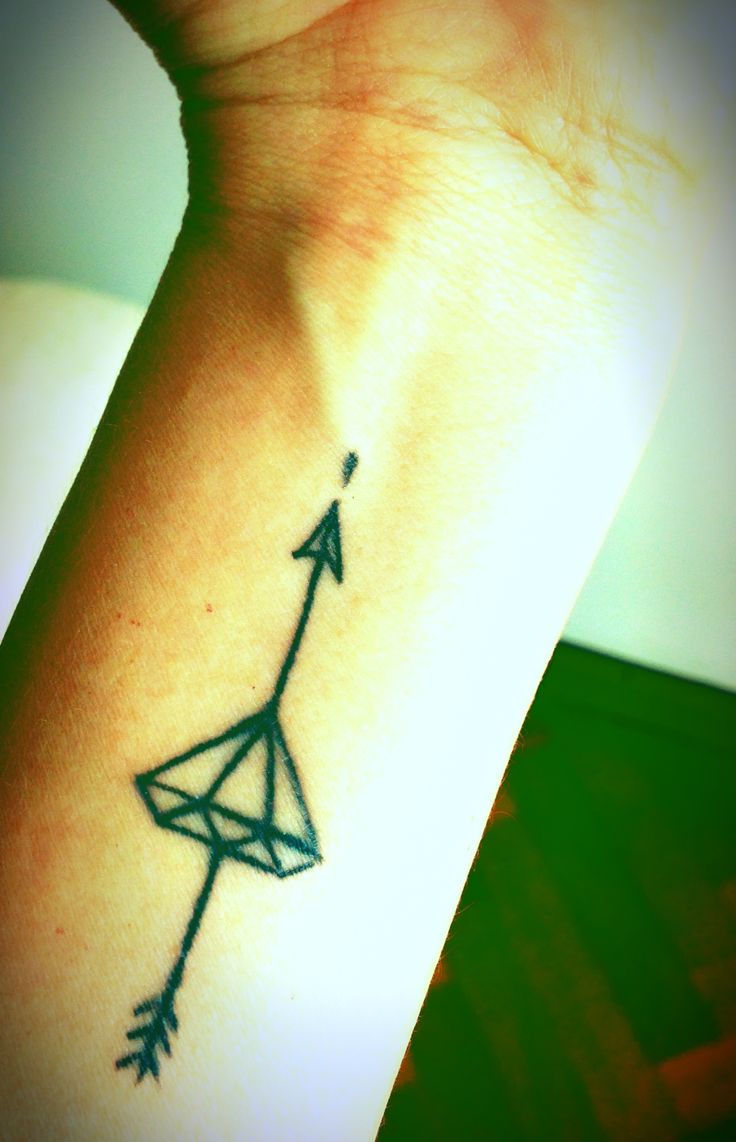
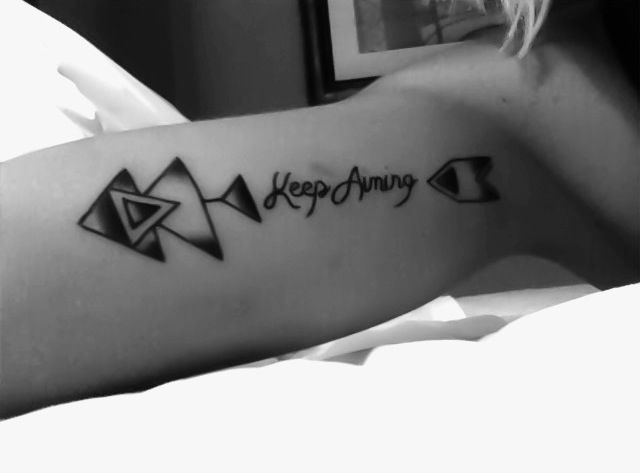
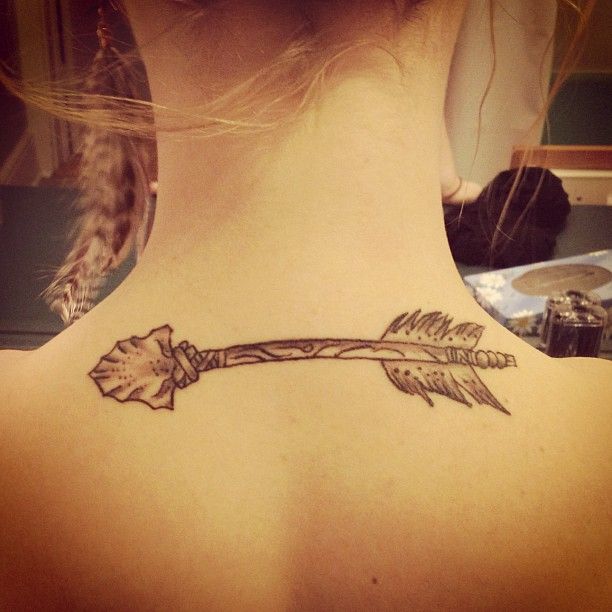
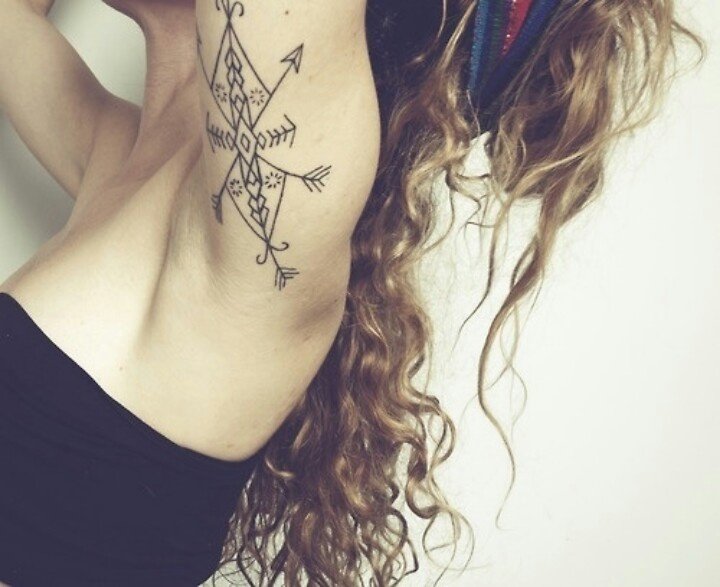
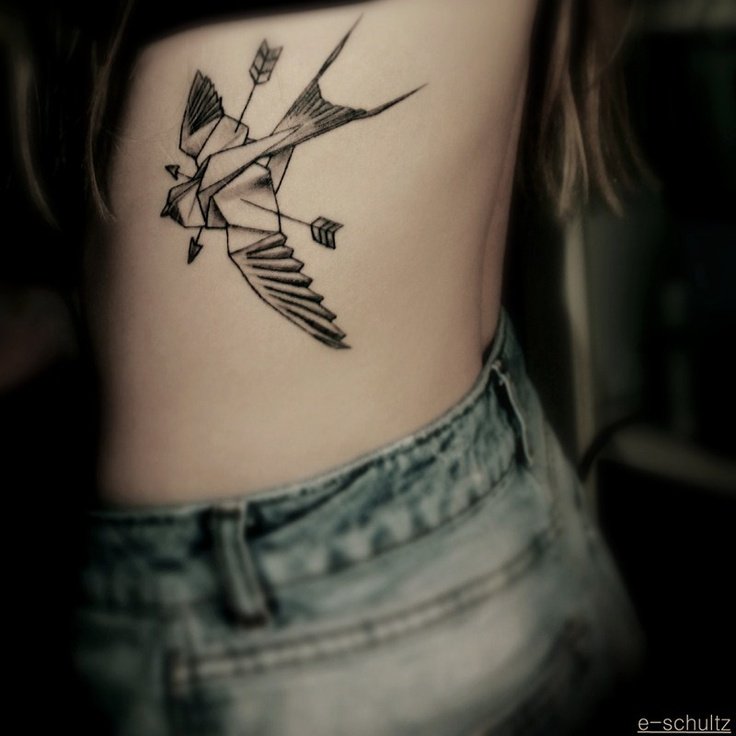
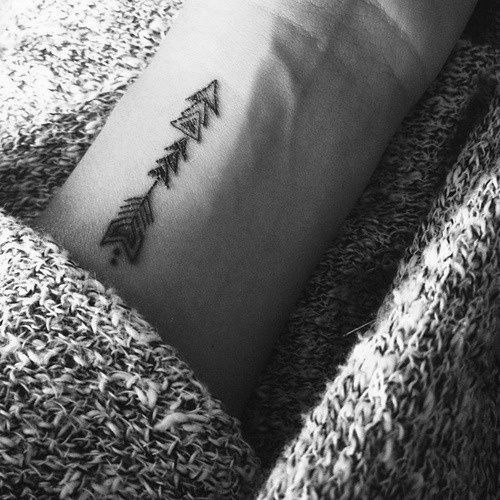
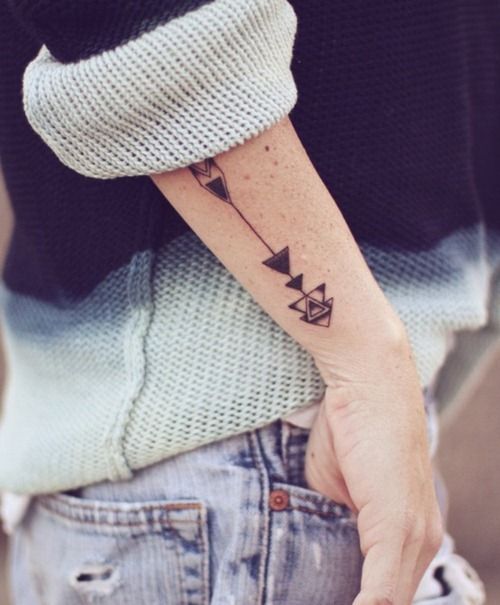
Traditional and neo-traditional arrows thicken outlines, push saturated feathers, and sit well in patchwork arms. Geometric and dotwork versions break the shaft into patterns, diamonds, or mandala segments—strong when the overall arrow silhouette remains intact at a distance. Illustrative pieces may add banners, moons, mountains, or floral vines; keep secondary motifs from stealing the tip’s priority.
Ornamental arrows treat the shaft as a jewelry band. These can wrap wrists or become sternum/centerline compositions. Ornament works when repetition is rhythmic, not random clutter.
Motifs that commonly complete an arrow
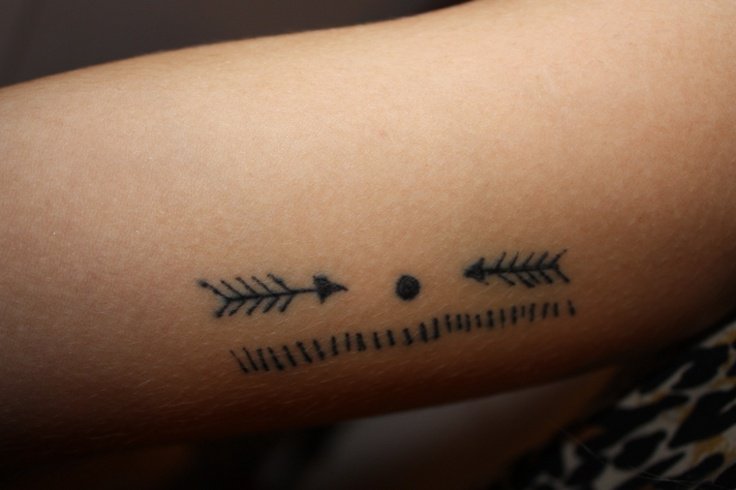
Feathers and fletching. The natural finish of the shaft. Detailed feathers show craft; simplified chevrons read cleaner small.
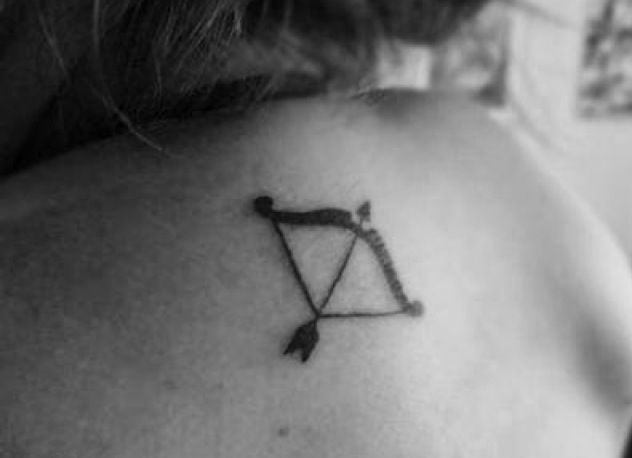
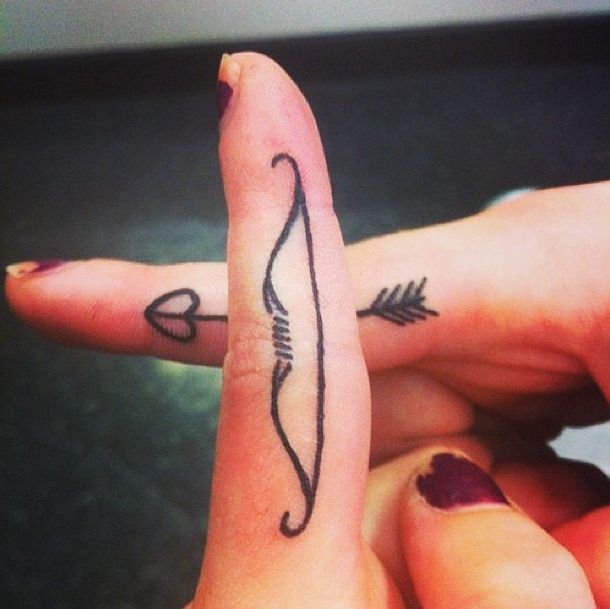
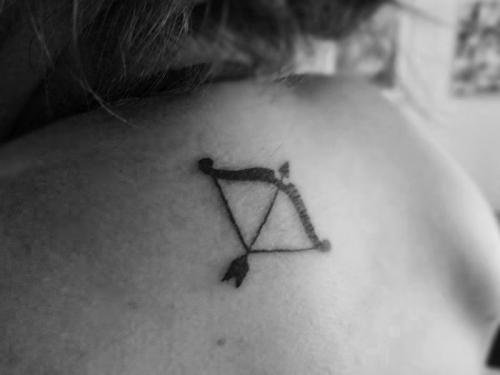
Bow. Completes an archer story—useful for Sagittarius-inspired pieces or literal hunting metaphors. Bows add width; plan placement accordingly.
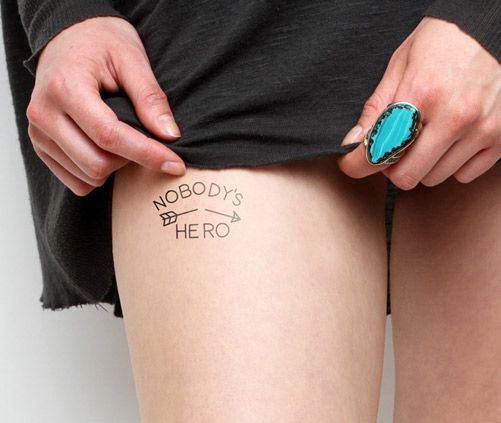
Compass, map lines, or coordinates. Tie direction to travel or home. Keep typography secondary to the arrow’s silhouette.
Florals and vines. Soften a martial shape. Let blooms attach at logical points (mid-shaft, near fletching) rather than floating randomly.
Animals or skulls. Higher complexity; ensure the arrow still reads as the spine of the design.
Broken or reversed arrows. Strong personal metaphors—confirm the reading you want so the break looks intentional, not like a healed scar in the drawing.
Placement ideas that respect the form
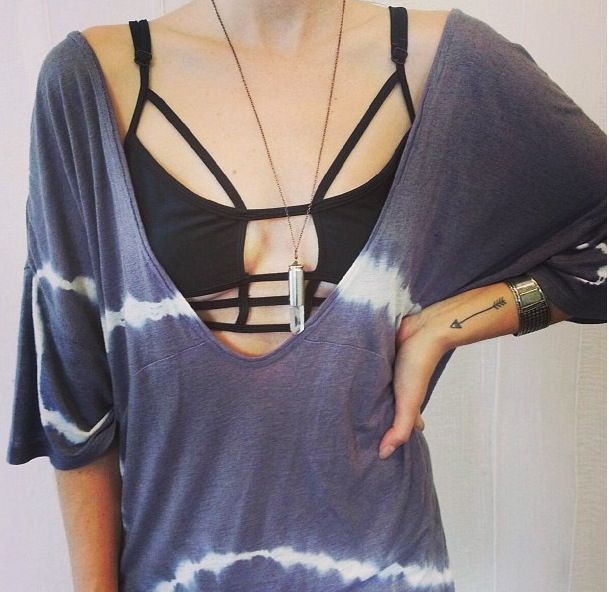
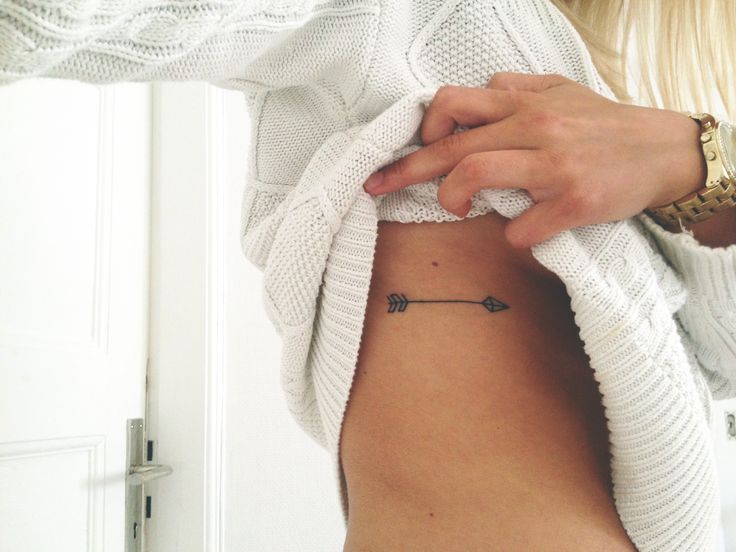
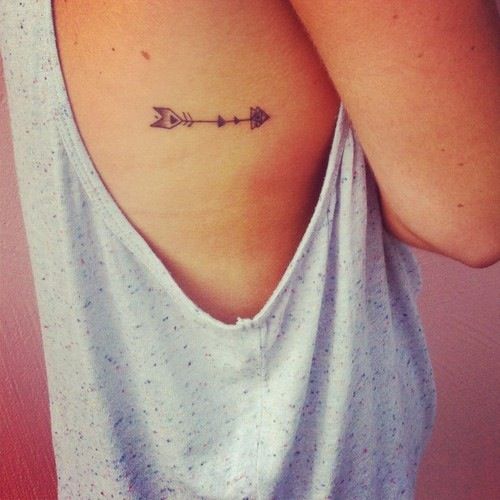
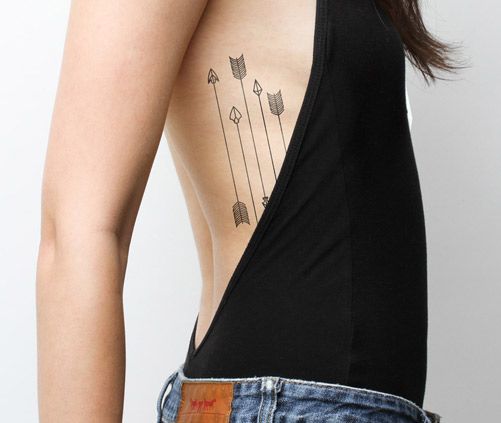
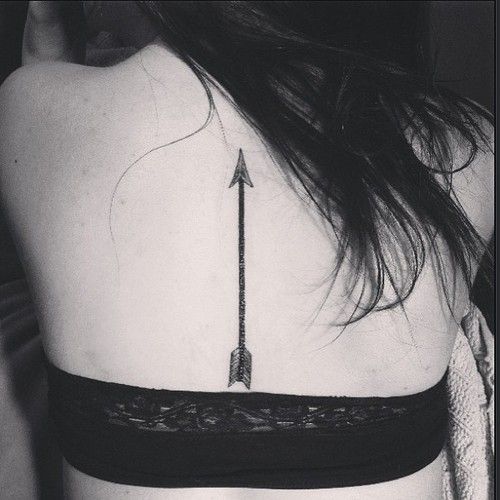
Forearms offer a natural flight corridor for single arrows. Outer biceps and shoulders allow larger fletching and bows. Wrists and ankles suit minimal shafts; simplify detail. Ribs and side placements can look striking in photos but involve wrap and session comfort considerations to discuss with your artist. Spines and sternums favor vertical symmetry; measure carefully so the tip does not drift visually when posture changes.
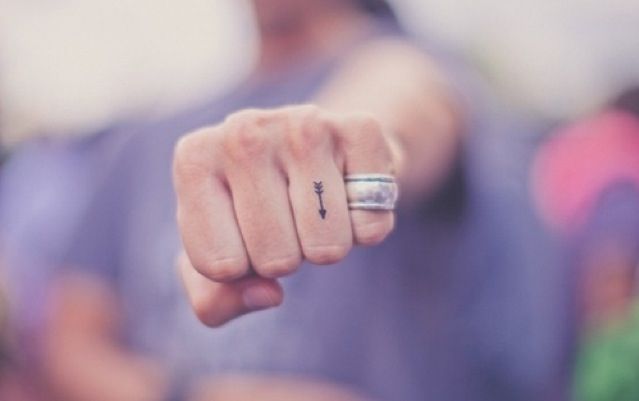
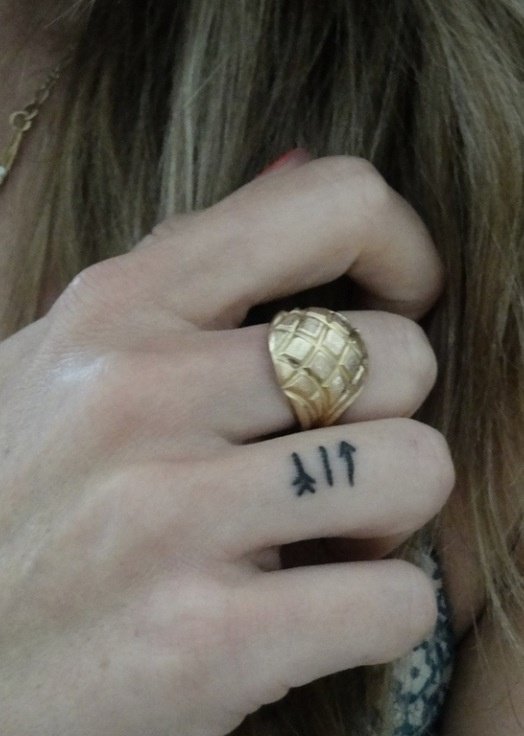
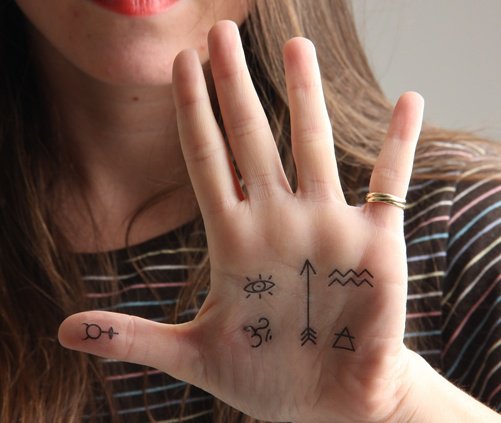
Fingers and behind-the-ear spots only work with radical simplification. Long parallel arrows on fingers demand an artist experienced with small linear work.
Think about clothing and social volume. A thin wrist arrow is a private signal; a full forearm archer scene is a louder one. Neither is better. Tape a temp stencil and live with the direction for a day—especially which way the tip points when your arm hangs naturally.

Pattern and repetition
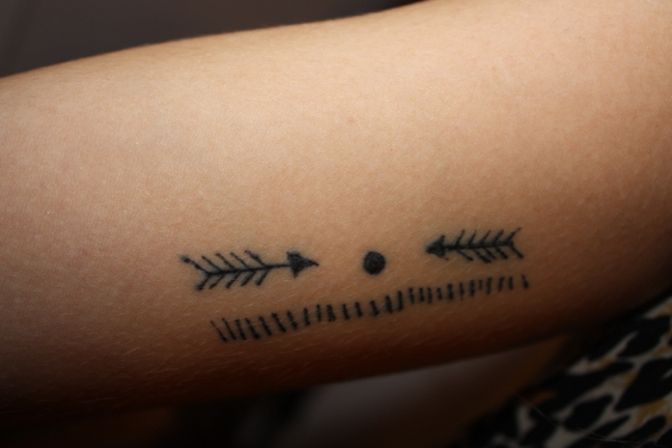
Arrow patterns—bands of repeated tips, chevron stacks, mirrored pairs—behave like textile design on skin. Consistency of spacing and angle matters more than quantity. A wrist band with uneven gaps looks accidental; a measured rhythm looks intentional.
Negative space is part of the pattern. Overfilling every millimeter around the shaft can erase the arrow’s identity. Leave air so the tip still “cuts” through the design.
If you already have tattoos nearby, bring clear photos. An arrow can bridge gaps in a patchwork sleeve or act as a standalone charm. Matching line weight and contrast with neighbors usually looks more cohesive than forcing thematic sameness.
How to brief an artist with this gallery
Save two or three favorites that share a trait—line weight, fletching style, geometric fill, or motif pairing—rather than a collage of unrelated genres. Say which trait you want translated and which details are flexible. Custom work fitted to your limb and existing tattoos will outlast a direct copy of someone else’s photo.
Ask to review a stencil or refined sketch before the session. Confirm tip direction when the body is at rest, spelling on any text, and whether multiple arrows cross cleanly. Budget time for a design fee when the piece is custom; arrows look simple until feathers, patterns, and companions multiply.
Bring questions about contrast, size, and how the design might read years from now. Keep medical, allergy, and healing questions for the studio’s professional process and your clinician when needed—the criteria above stay on the design side of the decision.

Comments
Continue reading
Meaningful Love Quotes for Inspiration (and Ink)
Meaningful love quotes that still feel true — short lines for tattoos, gifts, and everyday reminders, with placement and wording tips.
40 One-Word Tattoo Ideas: Placement, Type, and Meaning
A gallery of single-word tattoos—love, faith, strength, wanderlust, and more—with guidance on typography, body placement, and choosing a word that still fits years later.
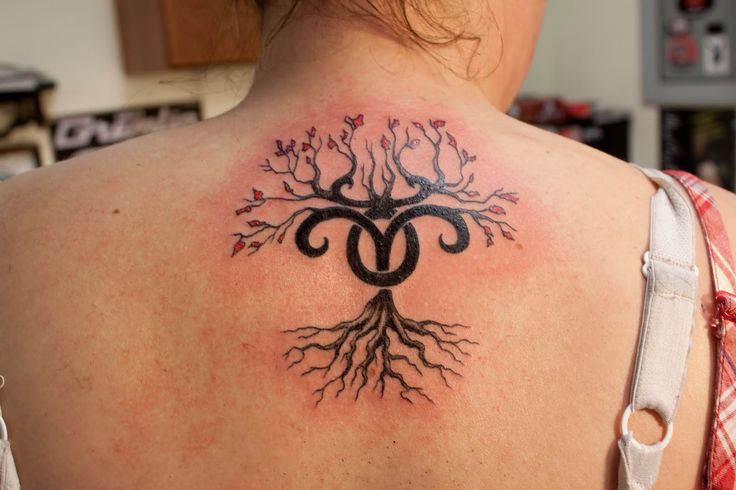
16 Taurus Tattoo Ideas: Bulls, Glyphs, and Venus-Inspired Ink
Sixteen Taurus tattoo directions—from minimal glyphs and constellation maps to floral bulls and bold blackwork—plus placement and artist tips for lasting earth-sign ink.