
Garden Decoration from Recycle, Reuse, and Repurpose
Salvage can decorate a garden without becoming litter—practical filters for toxicity, drainage, and cohesion, plus material families that survive outdoors.
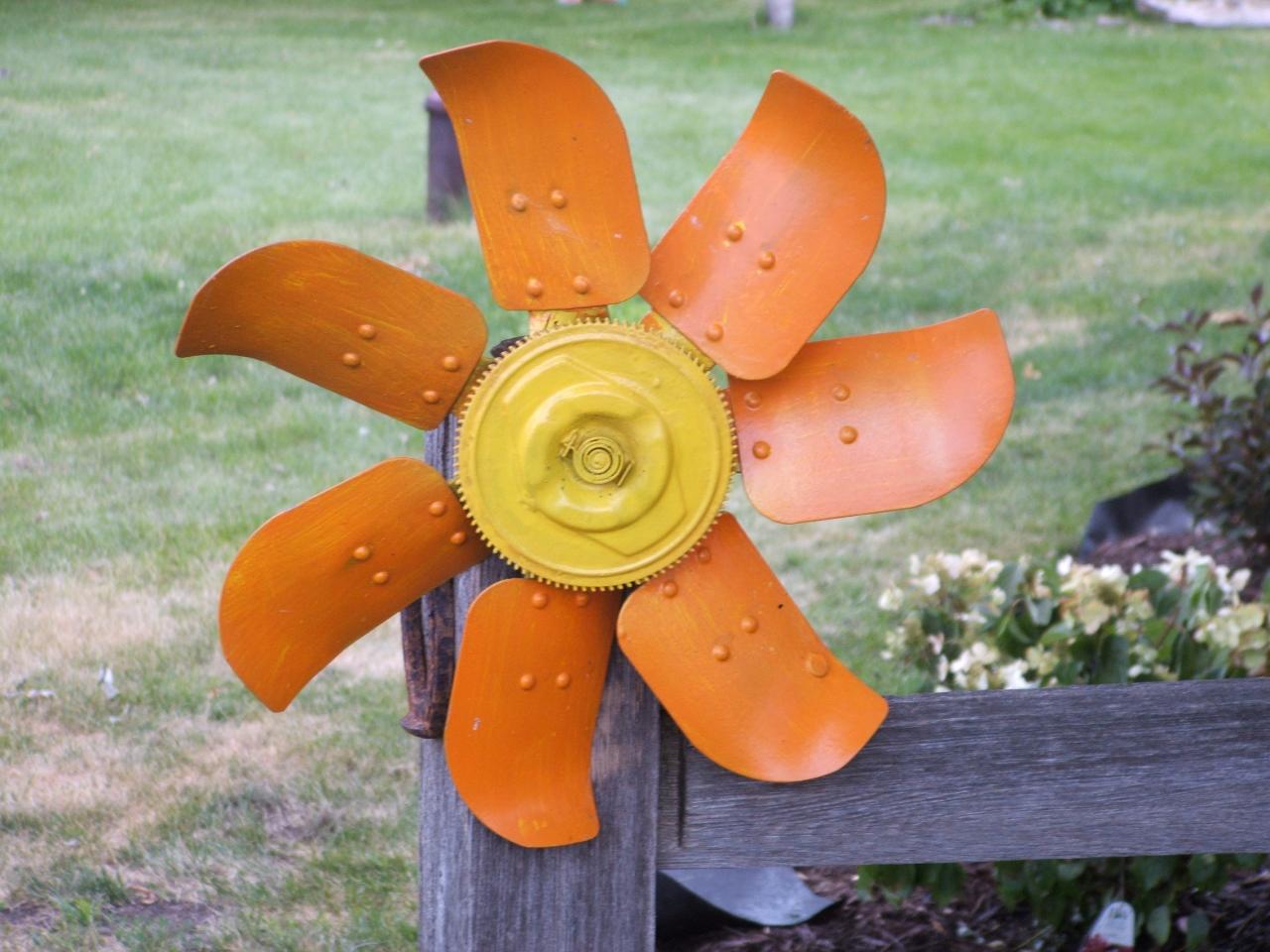
A garden can look expensive without buying anything new. Salvaged wood, chipped crockery, tired tools, and leftover brick already carry color, texture, and history. Recycle, reuse, and repurpose are not slogans for a mood board—they are three different jobs you can give materials that would otherwise leave the property in a trash bag.
The difference matters. Recycling usually means breaking something down so it can become raw feedstock again. Reusing means putting an object back to work in the same basic role. Repurposing means changing the job: a ladder becomes a vertical planter, a colander becomes a hanging herb basket, a dresser drawer becomes a raised bed. Outdoor decoration thrives on the third category, but only when the object can survive weather, soil, and safety checks.
Start with criteria, not with a cute picture
Before you haul a “vintage find” into a border, run a short filter. First, toxicity: old paints, pressure-treated lumber of uncertain age, chemical drums, and mystery metals can leach into soil where you grow food. Keep questionable materials for ornamental zones only, or skip them. Second, structural honesty: will this still stand after a wet winter and a windy spring? Thin plastic that already cracks in the sun will not become a timeless feature; it will become litter with a story.
Third, drainage. Almost every container idea fails the same way—water sits, roots rot, mosquitoes celebrate. Drill, elevate, or choose objects that already shed water. Fourth, scale. A single boot planter can charm; twelve mismatched novelty containers can look like a yard sale that never ended. Edit for rhythm: repeat one material family, or one color family, so salvage reads as design.
Fifth, maintenance honesty. If you hate scrubbing, do not build a fountain from porous junk that algae will love. If you move often, prefer freestanding pieces over poured-in-place collage walls. Sustainable decoration that exhausts you gets abandoned, which is the opposite of sustainable.
Material families that earn their keep outdoors
Wood and pallets. Untreated or known-safe wood can become planters, compost bay walls, simple benches, and trellis frames. Sand splinters, check for mold, and lift wood off constant soil contact with feet or gravel so it lasts longer. Avoid mystery industrial pallets for edible beds unless you can verify treatment stamps and history.
Metal. Galvanized tubs, old watering cans, bed frames, and wire baskets make durable containers and supports. Watch for sharp edges and rust that stains paving. A light scrape and a plant-safe finish can extend life without making the piece look showroom new—patina is part of the salvage look.
Stone, brick, and concrete rubble. Broken pieces become edging, stepping pads, and dry-stack borders. They are heavy, inert, and honest. Dry-laid edges also forgive mistakes: you can rebuild after a season of learning where people actually walk.
Glass and ceramics. Bottles can edge paths or become cloches in mild climates; cracked bowls become succulent dishes if drainage is added. Do not place thin glass where bare feet and kids play. Frost and impact turn decorative glass into hazard.
Textiles and soft goods. These are short-term players outdoors. Use them as temporary ties, shade experiments, or seasonal bunting, not as structural elements. Nature will win.
Repurpose ideas that stay practical
Vertical space is the easiest win on small lots. A sturdy ladder, leaning securely and anchored, holds pots on rungs. A shoe organizer on a fence (in a sheltered spot) can grow shallow herbs for a season. Hanging colanders and crates keep plants off damp ground and free bed space for larger crops.
Path and edge projects hide the “junk” origin best. Brick bats, broken pavers, and flat stones create lines the eye trusts. When the geometry is clean, the irregular material looks intentional. When the geometry is chaotic, the same materials look unfinished.
Water features need extra caution. A sealed trough can become a wildlife-friendly basin if you control mosquitoes (movement, refresh, or biological controls appropriate to your region) and keep electrical pumps on outdoor-rated equipment with proper grounding. If that sentence already feels like too much, choose a simple birdbath refresh instead of inventing a fountain from scrap.
Tool aesthetics count as decoration too. A cleaned rake, a wooden crate of terracotta, a row of watering cans on a shelf—these are functional still lifes. They reduce the urge to buy plastic ornaments that do no work.
Recycle versus reuse in a garden workflow
Some waste should leave the garden for municipal recycling: clean rigid plastics your local program accepts, metal that is truly scrap, cardboard that will not become a weed barrier because of tape and glossy inks. Do not “upcycle” materials your city can process more safely at scale if your version creates pollution or danger.
Other waste should stay and cycle biologically. Leaves, untreated wood chips, and plant trimmings belong in compost or mulch pathways when disease-free. Cardboard sheet mulching can suppress weeds under wood chips if you remove plastic tape and keep the layer breathable. That is reuse of a shipping leftover as a temporary soil tool—not decoration, but part of the same ethic.
The decorative layer sits on top of that honesty. Salvage ornaments should not block compost access, hose routes, or harvest paths. Beauty that fights maintenance loses.
A weekend plan that does not require a shopping cart
Walk the property and one nearby free source (curb alerts, friends’ renovation leftovers, your own shed) with a notebook. List candidates under three headings: container, structure, edge. Reject anything that fails the toxicity, drainage, or safety filters.
Pick one focal project only—say, a single raised herb trough from a metal tub, or a brick edge along one bed. Finish it completely: drainage, soil, plants, and a stable stance. Photograph it. Live with it for two weeks before starting a second piece. Gardens teach scale better than Pinterest boards do.
Plant choices should match the container’s depth and sun. Succulents forgive shallow dishes; tomatoes do not. Herbs forgive neglect better than fussy annuals. If the salvage container is ugly up close, let trailing plants soften the rim rather than painting everything in a panic.
When salvage looks designed
Cohesion comes from repetition and restraint. Repeat galvanized metal three times and it becomes a theme. Scatter twenty unrelated novelties and it becomes noise. Leave negative space—bare mulch, a calm lawn patch, a simple gravel court—so the eye can rest between stories.
Color can unify mismatched forms: a single stain on varied woods, or a repeated terracotta tone among ceramics. Alternatively, let materials stay honest and unify with plant palette instead—silver foliage, white flowers, one strong green.
Finally, accept endings. Salvage pieces fail. When a crate collapses, retire it to the scrap pile without guilt. Circular thinking includes returning materials to the next use, not preserving every experiment forever.
If you want one measure of success, use this: after a month of weather, does the piece still look like a decision? If yes, you recycled attention as carefully as you reused the object. If not, simplify—because the best garden decorations made from scrap are the ones that still work when nobody is watching.

Comments
Continue reading
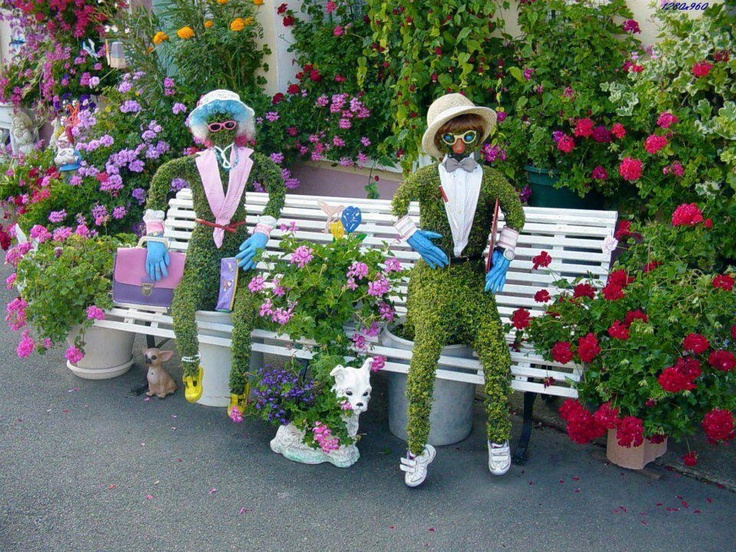
Garden Decoration Beyond Beds: Lace, Mosaiculture, and Upcycled Yard Art
From dressed topiary and floral cyclists to license-plate dragonflies and lace between trees—garden decorations that give a yard a voice.
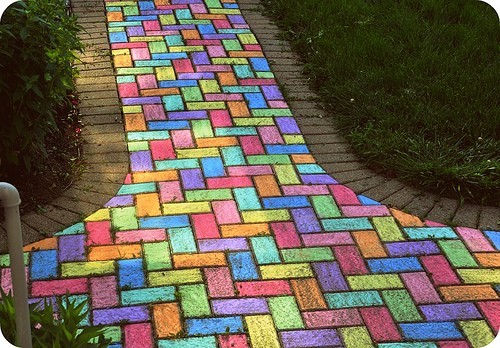
Garden Walkway Designs: Materials, Width, Edges, and Planting Ideas
Pathway design ideas for stone, brick, gravel, concrete, and wood—plus width, drainage, edges, and planting that make a walkway work day to day.
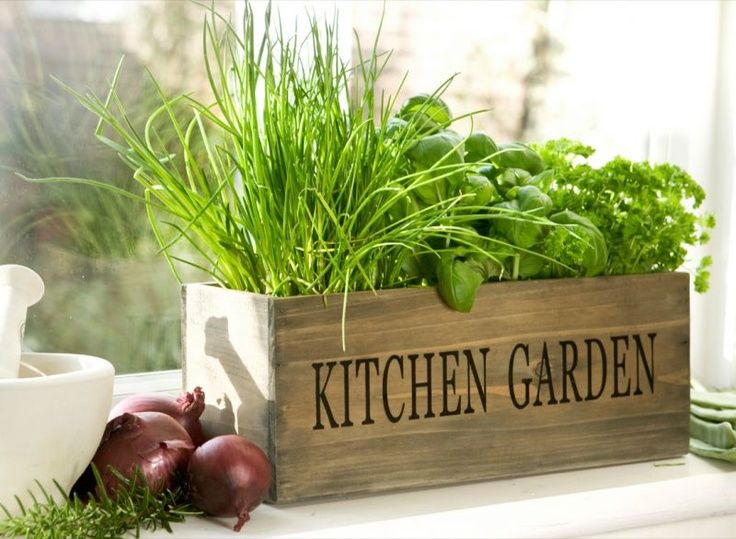
How to Create an Indoor Herb Garden at Home
Grow rosemary, thyme, parsley, mint, and dill indoors with the right light, drainage, and planters—from window boxes and wall mounts to simple DIY pots.