
Imaginary Faces from Everyday Objects by Victor Nunes
São Paulo artist Victor Nunes places snacks, scissors, and other ordinary things on paper, then draws around them until household clutter becomes witty faces and mini-scenes.
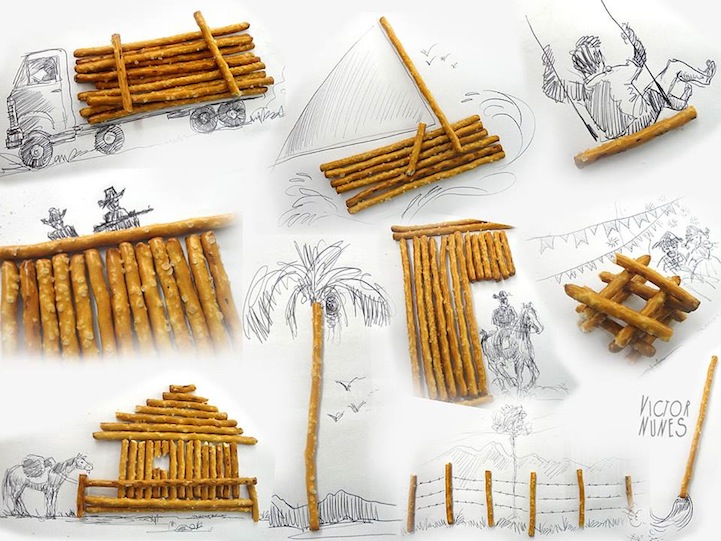
A grape becomes a nose. A pair of scissors turns into eyes. Popcorn multiplies into a zoo of animals. Brazilian artist Victor Nunes builds imaginary faces—and whole quirky scenes—by placing ordinary objects on paper and drawing around them until the mundane starts behaving like a character. The materials are not rare. The wit is.
Nunes, based in São Paulo and long experienced as an advertiser and art director, treats the kitchen drawer and the snack bowl as a casting department. He photographs the finished arrangements for his portfolio, so what you see online is both drawing and still life: a hybrid that depends on the object remaining physically present. Remove the walnut or the cork and the line work would look unfinished. Leave it in place and the page snaps into a face you cannot unsee.
Victor Nunes and the “Faces” habit
The series often circulated as Faces is less a formal manifesto than a sustained game. Nunes places everyday items—food, seeds, fabric scraps, scissors, wrappers—onto a sheet, then sketches freely around them. The pen or pencil stays simple. Detail is restrained on purpose. He has said the creative idea should show off more than ornate hatching. That restraint keeps attention on the surprising join between object and line.
He has described drawing as therapy and as fun, and he aims to surprise himself with each piece. That self-surprise is visible in the work’s tone. These are not dark surrealist nightmares. They are playful, quick, and generous—the visual equivalent of a good joke that also happens to be carefully composed. After posting early experiments on social media and watching people respond, he kept going, eventually concentrating creative posts on a dedicated page. The internet did what it does best with clear visual concepts: it spread them.
Pareidolia as the quiet co-author
Psychologists call our tendency to find faces and meaning in random patterns pareidolia. Nunes does not wait for the accident alone. He engineers conditions for it. A cookie’s curve suggests a helmet or an umbrella; grape stems become fish, headdresses, or flowers; salty snacks arrange into trucks and boats. Once the object proposes a reading, the drawing confirms and extends it.
That is why the pieces feel collaborative even though one person made them. The object contributes shape, color, and texture. The line contributes narrative: who is smiling, who is riding a bicycle, who is sweeping the floor with a cookie. Viewers complete the circuit by recognizing the face. Recognition is the punchline and the pleasure.
Typical moves in the imaginary-face toolkit include:
- Object-as-feature — a nut, seed, or snack becomes nose, hair, or body mass.
- Tool-as-character — scissors, corks, and wrappers gain personalities through contour.
- Food theater — edible items staged as props that refuse to stay edible in the imagination.
- Minimal line — just enough ink to lock the illusion without smothering the object.
- Photo as presentation — the portfolio image preserves the temporary assembly.
How these differ from similar object art
Artists who draw around found things share a family resemblance, and readers of inspiration blogs often meet several of them in the same afternoon scroll. Javier Pérez, for example, also gives ordinary objects new meanings through illustration. Nunes’s lane is distinct in its advertising-honed clarity and its recurring commitment to faces and animated scenes that read instantly. The humor is forward; the compositions are busy in a joyful way rather than austere.
Where some object-illustration leans poetic or eerie, Nunes usually leans comic. A feather might become a knife in another artist’s vocabulary; in Nunes’s world, cookies can sweep floors and popcorn can populate a menagerie. The emotional temperature stays warm. That warmth is a choice, and it matches his comments about seeking challenges in simple, accessible materials—coffee, cloths, food—things anyone can find without a specialty store.
A practical way to “read” one of the photos
Because the final presentation is a photograph of a drawing-plus-object, looking works best in layers:
- Name the physical thing first. What is actually sitting on the paper—scissors, grape, biscuit?
- Find the facial map. Where did Nunes place eyes, mouth, hair, or limbs?
- Notice what the object already suggested. Did a curve invite a smile? Did twin blades invite eyes?
- Check the negative space. Empty paper is active; it lets the object breathe as a feature.
- Ask what would break if the object moved. That dependency is the craft’s honesty.
This method keeps you from treating the images as pure doodles. They are temporary sculptures of attention. The photo freezes a moment when household matter and line agreed to pretend together.
Materials as challenge, not fetish
Nunes has said he has no rigid preference for materials and regards everything as a challenge, while still favoring simple, easy-to-find things. That stance matters editorially. The work is not about luxury craft supplies. It is about noticing. A retired art director’s eye for layout and punchline helps, but the materials remain democratic. Anyone can try a version at a kitchen table; few will match his timing and wit.
Later projects, including interactive book ideas built around creative play, extend the same philosophy: drawing as invitation. The Faces series remains the clearest public statement of the method—objects first, lines second, surprise mandatory.
Why the concept traveled so well online
Early-2010s design and lifestyle sites thrived on galleries that explained themselves in one sentence. “Artist turns everyday objects into faces” is an almost perfect sentence of that era. It promises a before/after in the mind even when the page only shows the after. Readers zoom, share, and attempt their own versions. The spammy wrappers and ad blocks that once surrounded many such posts were noise. The core idea—imaginary faces made with ordinary stuff—was signal.
What survives the cleanup is the same topic the URL promises: faces that exist only because an object and a drawing agree to meet. No need to inflate the claim into high theory. The intelligence is already in the craft: selection, placement, economy of line, and the decision to photograph the hybrid before the snack gets eaten or the scissors return to the drawer.
Try a tiny version (without copying)
If the pictures make your hands itch, keep the experiment modest:
- Pick one object with a strong silhouette.
- Place it off-center so the drawing has room to invent.
- Draw the minimum that creates a face—two marks for eyes can be enough.
- Stop before decoration. Let the object remain the star.
- Photograph quickly; the piece is partly performance.
You will discover how hard “simple” is. Nunes makes the join look inevitable. Your first attempts will look forced. That gap is educational. It clarifies why his portfolio pages feel light: years of visual problem-solving sit under the play.
Open question for the next kitchen table
Walk past a bowl of fruit or a jar of pens and ask what face is already half-formed there. Victor Nunes’s imaginary faces do not invent pareidolia; they stage it. The everyday object stays itself and becomes someone else at the same time. That double life is the whole trick—and once you have seen it done well, the snack aisle never looks entirely innocent again.

Comments
Continue reading
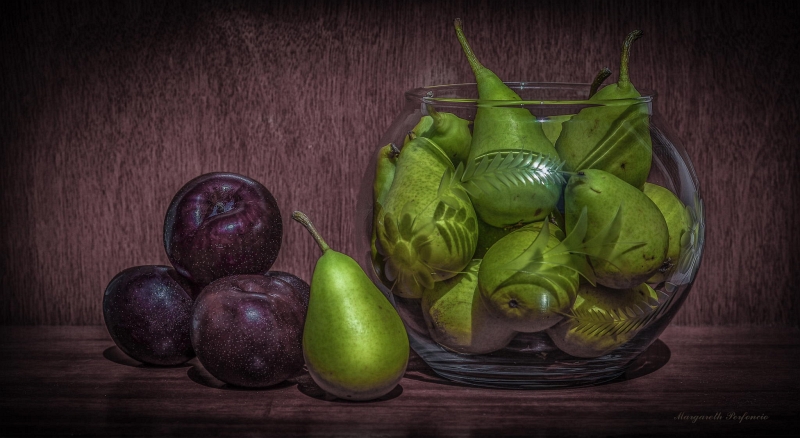
Still-Life Photography by Margareth Perfoncio
São Paulo photographer Margareth Perfoncio’s still lifes of food and flowers—Old Master light, dark wood, and tables that feel inevitable.
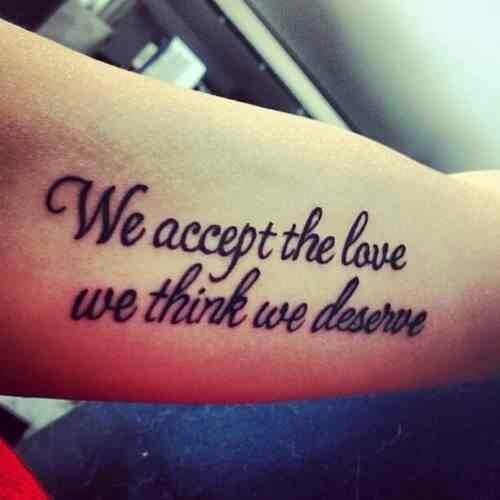
Meaningful Love Quotes for Inspiration (and Ink)
Meaningful love quotes that still feel true — short lines for tattoos, gifts, and everyday reminders, with placement and wording tips.
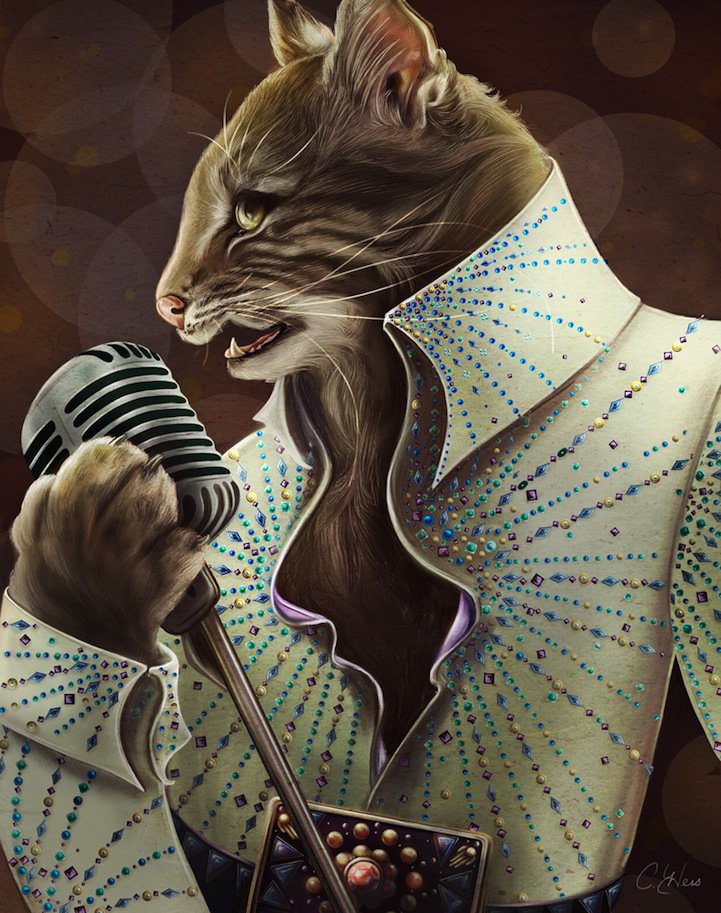
Christina Hess’s Animals From History: Costumed Pets as Playful Portraits
Illustrator Christina Hess reimagines historical icons as ornate animal portraits—Elvis Petme and friends—mixing puns, costume detail, and soft history lessons.