
How to Craft a Sharp Golf Look: Cap to Cleats
Build a course-ready golf wardrobe—polo, trousers, shoes, and weather layers—that balances dress codes, mobility, and modern style without the stiff stereotype.
Golf has a reputation for stiff dress codes and forgettable outfits—polo, trousers, done. That stereotype is outdated. Performance fabrics, smarter cuts, and a wave of golf-specific labels have made it easier to look sharp without sacrificing swing freedom or clubhouse rules. The goal is not runway drama. It is a kit that fits the course, the weather, and your own taste.
Brands such as Loro Piana, J. Lindeberg, and Galvin Green helped push golf clothing toward weatherproof materials and athletic cuts. Mainstream sports giants like Nike and Adidas keep refining shoes and apparel that feel like modern sportswear rather than office-casual leftovers. Whether you play a quiet municipal nine or a coastal resort round, the same building blocks apply: sun protection, mobility, grip underfoot, and a silhouette that still reads as “golf.”
Start with the rules, then add style
Before you shop for color or logo placement, check the dress code where you play. Many private and resort courses still expect collared shirts, tailored trousers or tailored shorts, and proper golf shoes. Soft spikes are now the norm; metal spikes are rare. Some venues ban jeans, athletic shorts, or collarless tees. Knowing the baseline keeps you from buying pieces you cannot wear on the first tee.
Function still outranks fashion. A beautiful shirt that binds at the shoulder or a shoe that slips on wet grass will ruin the round. Choose pieces that stretch through the torso, wick sweat, and stay presentable after four hours outdoors. Style comes from proportion, color harmony, and a few deliberate accessories—not from stacking logos.
The cap: sun, sight lines, and polish
Few sports rely on headwear as much as golf. A well-fitted cap or visor cuts glare so you can see the target and read greens more cleanly. It also protects face and scalp during long sunny rounds. Look for structured crowns that keep their shape, adjustable closures that sit flat, and fabrics that breathe. Dark underbrims can reduce reflected light under the bill.
Color is where personality shows. A neutral navy or charcoal cap pairs with almost any polo. A brighter accent can echo a detail on your shirt or belt without matching everything like a costume. Avoid oversized novelty logos if you want a cleaner look; a small mark or tonal embroidery usually ages better in photos and at the clubhouse.
Polo shirts that move and regulate temperature
The polo remains the core of most golf wardrobes. Modern golf polos use moisture-wicking knits, light stretch, and sometimes UPF ratings. Slimmer athletic cuts sit closer through the chest and taper at the waist; classic cuts leave more room through the midsection. Either can look intentional if the shoulder seam sits on the shoulder and the sleeve hits mid-bicep rather than floating halfway to the elbow.
Collar quality matters. A collar that collapses after nine holes makes the whole outfit look tired. Choose shirts with enough structure to stay upright through humidity. For cooler mornings, a lightweight quarter-zip or a thin layer under a roomy polo can bridge the gap until the day warms without the bulk of a heavy sweater.
Palette strategy keeps outfits simple: one dominant color, one supporting neutral, one small accent. White, navy, olive, soft grey, and muted pastels photograph well and mix across seasons. Loud patterns work if the rest of the kit stays quiet—busy shirt, plain trousers, restrained shoes.
Trousers and shorts that earn their place
Golf trousers should look tailored enough for the course and move enough for a full turn. Cotton blends feel soft and breathable; polyester or technical mixes resist wrinkles, dry faster, and hold a crease longer in humid weather. A flat front and a moderate taper generally look more current than baggy pleats, but comfort and club rules come first.
In heat, tailored golf shorts are often allowed and far more comfortable than long pants. Aim for a length that hits near the knee—neither running-short short nor cargo-length long. Pair shorts with a belt and socks that match the formality of the club. If the course requires trousers, choose a lighter fabric weight and a lighter color to stay cooler.
Fit checks worth doing in the store: sit in a chair, mimic a setup posture, and raise your arms as if addressing a ball. If the waistband digs, the seat pulls, or the hem rides high, size or cut is wrong. Hem length should skim the top of the shoe without pooling.
Shoes: traction, comfort, and color
The right golf shoes improve stability and confidence on uneven lies. Soft-spike outsoles replaced most metal-spike systems and are kinder to greens while still gripping firm turf. Waterproof uppers help on wet mornings; breathable mesh panels help in heat. Break shoes in before a tournament or a long walking round—blisters turn style into a side note.
Color options are broader than the old white-only standard. White and grey remain versatile. Black or navy can look sharper with darker trousers. Bold accents can work if they pick up a polo detail rather than fighting every other piece. Lace-ups still dominate for adjustability; some slip-ons suit casual clubs if the outsole is true golf traction, not a fashion sneaker pretending to be one.
Layering and weather pieces
Even on fair-weather days, temperature swings are common. A golf-specific pullover or midlayer—stretchy, quiet fabric, unrestricted shoulders—beats a stiff cotton sweater that rides up on the backswing. Pack it in the bag even if the forecast looks perfect; wind on an exposed hole can change the feel of a round quickly.
Rain gear belongs in the kit for serious players. A lightweight waterproof jacket and trousers designed for golf should allow a full swing without sounding like a tent. Pair them with a quality golf umbrella sized for two people and bags when needed. Umbrellas are unglamorous until the first downpour; then they become the most stylish item you own.
Small accessories that finish the look
Socks designed for golf manage moisture and reduce friction in cleated shoes. Mid-calf heights often look cleaner with trousers; no-show or ankle lengths can work with shorts if club rules allow. Match sock tone to trousers or shoes rather than introducing a third competing color unless you are deliberately going playful.
Belts should echo the base color of your trousers or shoes—not clash with both. A simple leather or performance belt with a modest buckle keeps attention on fit and fabric. Gloves, towels, and bag accents can carry a bit more color if the clothing itself stays controlled.
Sunglasses with good coverage and polarized lenses protect eyes and help with glare on bright fairways. Choose frames that stay put when you bend over a putt. A simple watch or rangefinder strap is enough jewelry; anything that catches on the grip or flashes with every swing is a distraction.
Building a small rotation that works
You do not need a closet full of golf clothes. A practical starter set might include:
- Two or three polos in complementary neutrals plus one accent color
- One pair of dark trousers and one lighter pair (or one trousers and one shorts, depending on climate and rules)
- One reliable pair of soft-spike shoes broken in before important rounds
- One midlayer, one rain shell, one cap, and golf-specific socks
- A belt and umbrella that do not fight the rest of the kit
Rotate pieces so the same shirt does not appear in every photo from the same weekend trip. Mix textures—matte knit polo with slightly technical trousers—rather than matching a full branded tracksuit look unless that is your intentional brand.
On-course and off-course continuity
A strong golf look should survive the walk from car to first tee and still feel appropriate at a casual lunch afterward. That usually means avoiding extreme athletic cuts that only make sense mid-round, and avoiding stiff dress pieces that restrict the swing. Think of it as polished sportswear: clean lines, good fabric, minimal clutter.
If you travel to play, pack layers rather than duplicates of the same polo. Coastal wind, inland heat, and sudden showers reward flexibility. Keep one “nicer” combination for clubhouse dinners if the trip includes them—often just swapping a midlayer and cleaner trousers over the same shoes works.
When you next kit up, check three things in the mirror: collar still standing, hem and sleeve lengths balanced, and colors talking to each other instead of competing. If those hold and you can make a free turn, you have the best kind of golf look—one that disappears from your mind the moment the ball leaves the clubface.

Comments
Continue reading
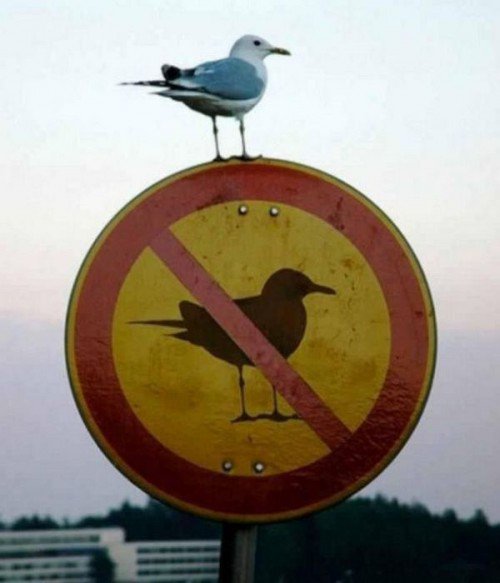
Funny Animal Signs That Warn People (While Animals Ignore Them)
From a seagull on a no-birds disc to classic zoo and park ironies—why animal warning signs get funny, and what the rules are still for.
How to Find Local Amenities on Vacation: Mechanics, Haircuts & More
Locate trustworthy local services and everyday spots while traveling or settling in—using publications, reviews, map apps, neighbor tips, and low-pressure exploration.
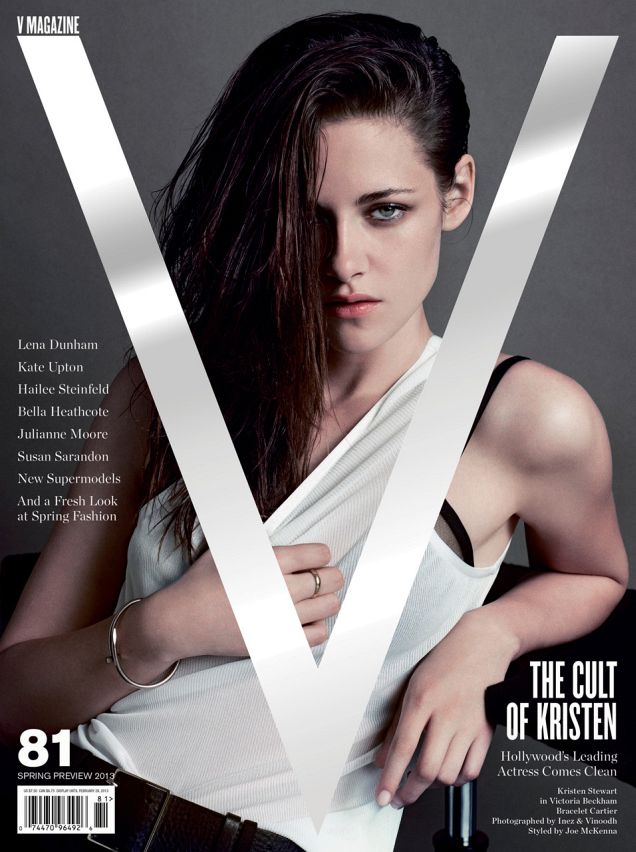
Kristen Stewart for V Magazine, Spring Preview 2013
V81’s Wild at Heart cover story—Kristen Stewart shot by Inez & Vinoodh, styled by Joe McKenna, in pale minimal spring glamour.