
Glamorous Bridal Nail Art: Styling Criteria and Gallery
Choose wedding nails by palette, shape, detail level, and photo behavior—using bridal examples as criteria, not a product pitch.
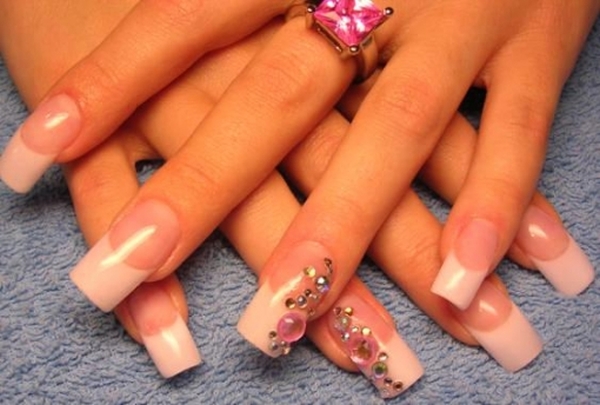
Bridal nail art has one job on the wedding day: look intentional in every handshake photo without stealing focus from the rings, the bouquet, or the dress. Glamour here is rarely about stacking every trend on ten nails. It is about finish, proportion, and how much detail your overall look can carry. Use the gallery as visual reference; use the criteria below to choose a set you will still like in album close-ups years later.
Read the wedding’s visual temperature first
Before you pin a motif, decide whether the day reads cool, warm, or mixed. Cool weddings—silver flatware, icy florals, modern glass and stone—favor soft pinks with silver micro-glitter, cool nudes, milky tips, and crisp but not stark whites. Warm weddings—gold bands, candlelight, cream lace, honey wood—favor champagne, blush, soft peach, and restrained gold foil. Mixed palettes need discipline: choose one metal family and one soft base so hands do not compete with both bracelet stacks and bouquet ribbons at once.
Lighting changes everything. A tip that looks bridal under salon LEDs can look chalky in outdoor noon sun or yellow under tungsten reception bulbs. Bring a dress swatch or a photo of the gown fabric to your appointment, and check colors in daylight near a window before you approve the set.
Length and shape are styling decisions, not afterthoughts. Soft oval and almond shapes photograph elegantly and snag less on lace gloves, veil edges, and gift wrap. Extreme stiletto length can look dramatic in a manicure chair and awkward when you are fastening buttons or holding a heavy bouquet for portraits. If you are not used to long nails, schedule a trial at least two weeks before the wedding so comfort and typing habits catch up.
Base finishes that read expensive on camera
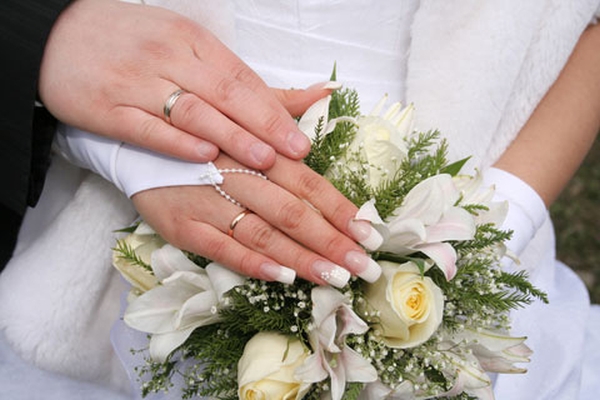
Most lasting bridal looks sit on a calm foundation: sheer blush, milky white, soft beige, or classic soft pink. Cream and satin finishes tend to look costly in both daylight and candlelight because they catch light without throwing flash glare. Full-nail mirror chrome can blow out in photography; if you want reflective drama, confine it to a thin French line, a single accent nail, or a whisper of foil near the cuticle.
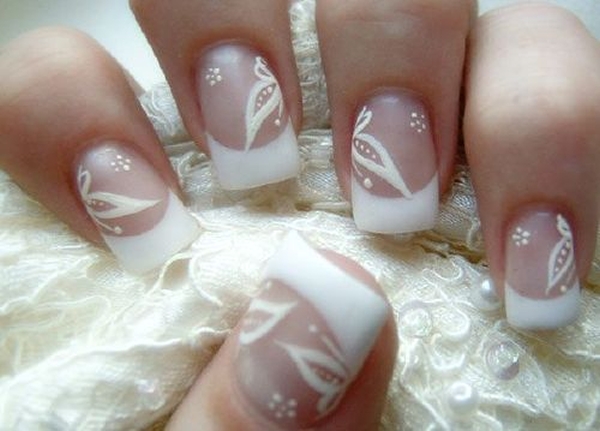
French manicures remain bridal for structural reasons—they frame the fingertip and elongate the finger without adding competing color. Modern versions soften the smile line, use a barely-there nude bed, or tip the free edge with micro-glitter instead of opaque white. Negative-space designs, where bare nail shows through thin geometric windows, feel contemporary when lines stay delicate and the palette stays pale. Thick black graphics or neon blocking usually fight a white or ivory gown in portraits.
Opacity matters. A jelly or sheer polish that lets a hint of natural nail show often looks fresher in person than a dense pastel that photographs as a plastic shell. If your nails are uneven in tone, ask for a sheer builder or ridge-filling base rather than hiding everything under a heavy opaque that will emphasize every edge chip later.
How much art is enough
Glamour on wedding nails usually means controlled hierarchy, not ten different stories. A useful scale:
- All-over soft color: safest for formal, classic ceremonies and lace-heavy gowns.
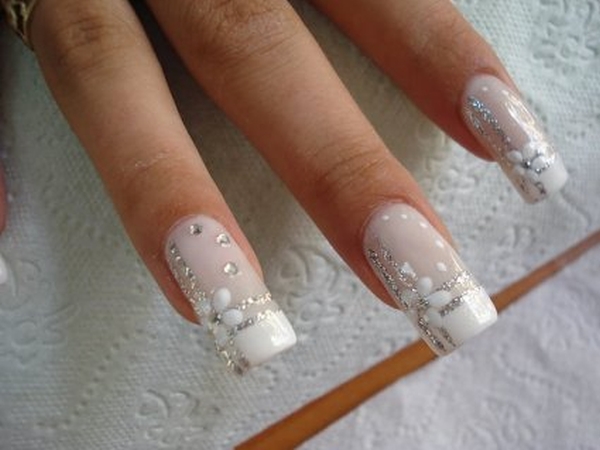
- Accent nails (often ring fingers): room for lace motifs, tiny florals, pearls, or foil without overwhelming the set.
- Full-hand art: only when the gown is simple and jewelry is minimal—busy lace plus busy nails compete for the same visual bandwidth.
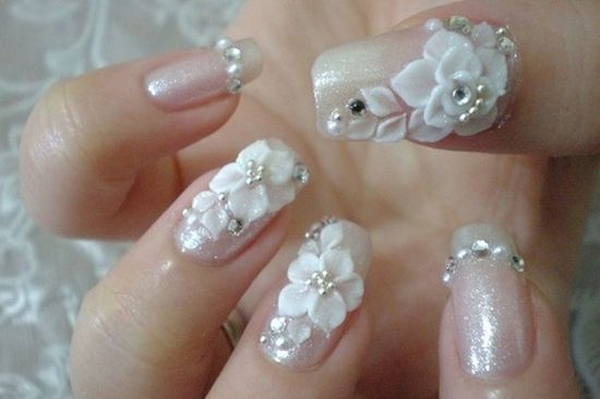
Motifs that tend to photograph well in bridal contexts include micro florals, delicate vines, faint lace stamps, and a few crystals placed near the cuticle rather than a full rhinestone gauntlet. Motifs that often age poorly in albums include cartoonish charms, opaque neon, heavy 3D embellishments that catch on hair, and designs so trendy they date the photos to a single season.
If you love sparkle, ask where it should live. Scattered micro-glitter in a sheer pink can read as glow. A chunky glitter gradient on every nail can read as costume under flash. One glitter tip or one foil accent often gives more luxury than total coverage.
Coordinate with dress, rings, and bouquet
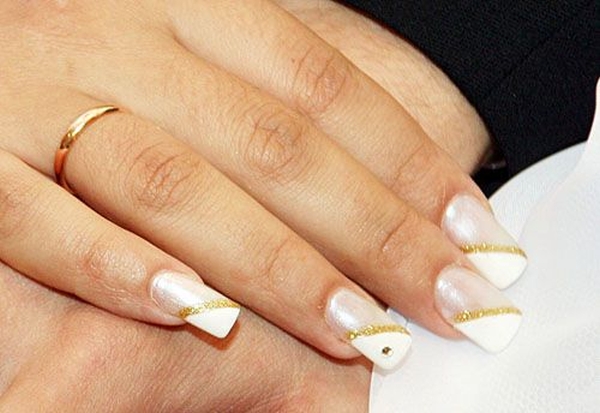
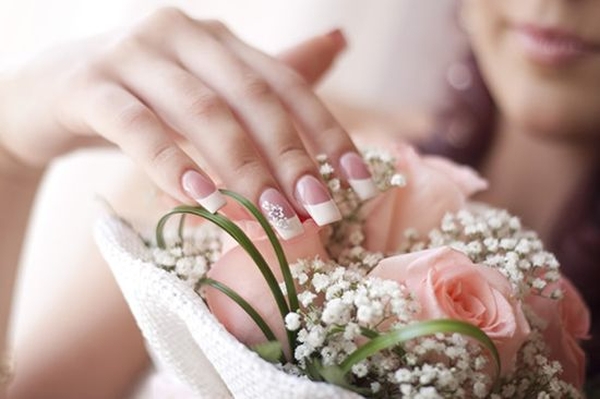
Hold a nail swatch against your dress fabric and ring metal under light similar to the ceremony. Ivory gowns can make stark blue-white tips look cold; a warmer milky tip often blends better. Yellow gold rings love champagne and peach undertones. White metals love cool pink and soft gray-beige. Rose gold sits between—soft blush and muted mauve usually cooperate.
Bouquets change contrast. White roses and greenery leave room for a little sparkle on the nails. Bright garden blooms or autumn berries may call for a quieter manicure so hands do not introduce another loud color in every portrait. If your bouquet includes metallic ribbon or crystal pins, simplify the nails so those details do not stack.
Also consider the ring shot. Thick embellishments beside a delicate heirloom band can visually crowd the jewelry. A clean nail bed with detail pushed toward the free edge or limited to accent nails keeps the rings readable.
Wear systems, timing, and trials
Book the final set close enough to the wedding that chips are unlikely, but early enough that an allergic reaction, shape regret, or curing issue can be fixed. Many people do a full rehearsal manicure for engagement photos or the rehearsal dinner, then refine length, opacity, or accent detail for the ceremony.
Gel and structured manicures last through travel and setup days for many wearers; classic polish is fine if you trust your touch-up plan and your timeline is short. Whatever system you choose, prioritize cuticle comfort and an even apex—camera close-ups are unforgiving of flooded cuticles, ridges, and uneven free edges. Pack a mini file and a shade-matched touch-up for emergencies. Skip experimental removers, new adhesives, and untested press-ons the morning of the wedding.
If you are getting married somewhere humid, cold, or outdoors, tell your nail tech. Humidity and temperature affect how products settle, and outdoor ceremonies mean more hand washing, sunscreen, and temperature swings that stress edges.
How to read bridal nail galleries
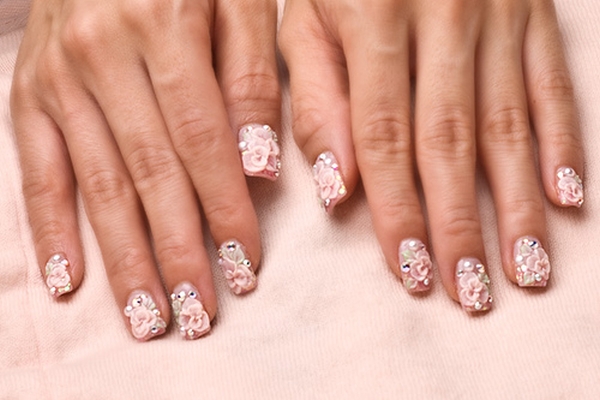
As you look through examples, score each look against practical questions rather than pure novelty:
- Does the base color flatter warm or cool ivory near my dress?
- Is detail concentrated on accents or scattered across every nail?
- Will sparkle read as glow or as glare under flash?
- Can I type, hold a glass, and grip a bouquet without catching embellishments?
- Will I still like this on album pages in five years?
- Does the shape match how I already use my hands?
A glamorous bridal manicure is less about buying a named kit and more about choosing one clear idea—clean French, soft blush with a single accent, or delicate lace on two nails—and executing it cleanly. When hands enter the frame, the viewer should notice polish as part of the bride’s calm finish, not as a separate spectacle. If you leave the salon glancing at your hands with quiet satisfaction instead of worry, the selection did its job.

Comments
Continue reading
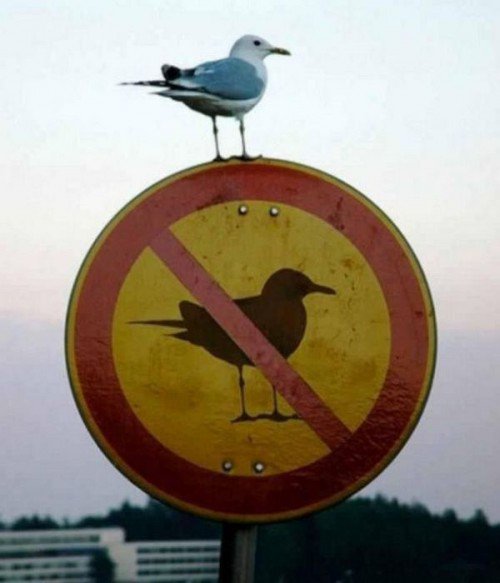
Funny Animal Signs That Warn People (While Animals Ignore Them)
From a seagull on a no-birds disc to classic zoo and park ironies—why animal warning signs get funny, and what the rules are still for.
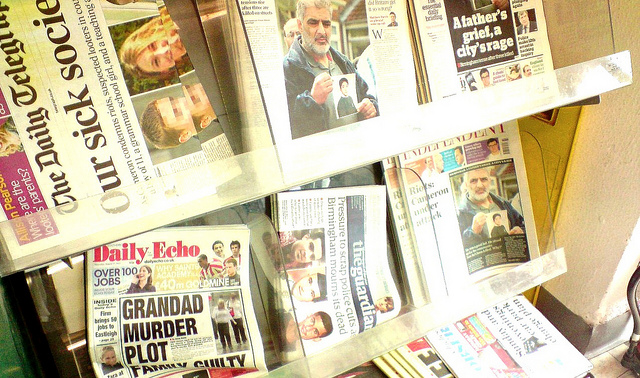
How to Find Local Amenities on Vacation: Mechanics, Haircuts & More
Locate trustworthy local services and everyday spots while traveling or settling in—using publications, reviews, map apps, neighbor tips, and low-pressure exploration.
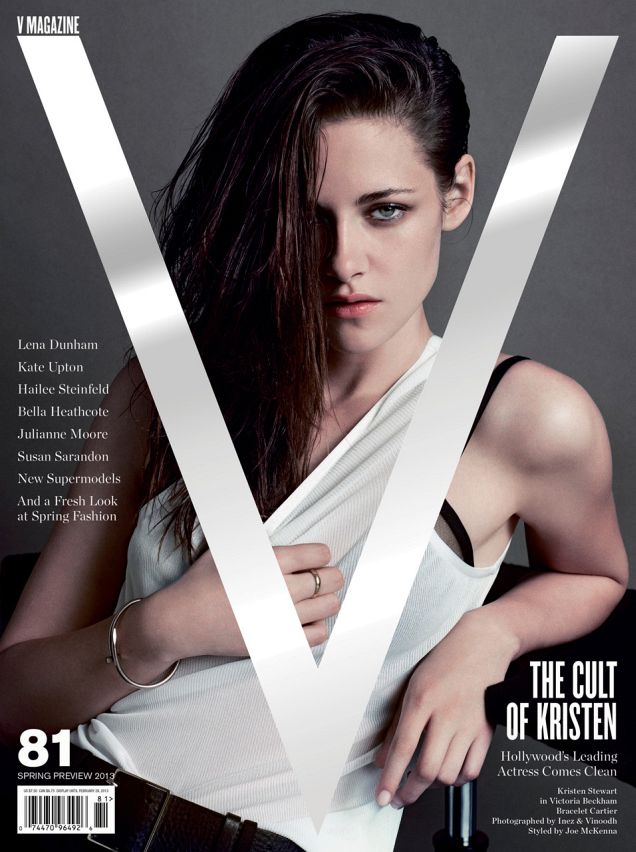
Kristen Stewart for V Magazine, Spring Preview 2013
V81’s Wild at Heart cover story—Kristen Stewart shot by Inez & Vinoodh, styled by Joe McKenna, in pale minimal spring glamour.