
Garden Decoration with Stone: Paths, Borders & Natural Accents
How to use gravel, flagstone, boulders, and recycled rock to shape paths, beds, and quiet garden corners that last.
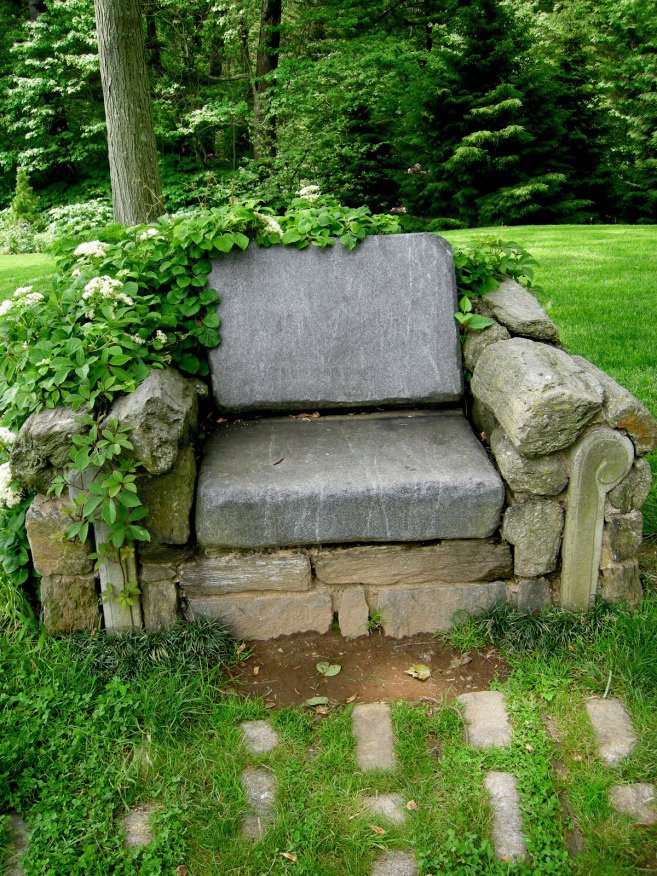
Stone is one of the few garden materials that can look finished on day one and still feel right ten years later. It does not compete with plants so much as frame them: a pale gravel path, a rough boulder beside a fern bed, a dry-stacked edging that keeps mulch where it belongs. If you want a landscape that reads as natural rather than temporary, stone is usually the strongest place to start.
This guide walks through the main ways gardeners use decorative stone—paths, borders, rockeries, water edges, seating, and recycled-stone accents—plus the practical choices that decide whether a project ages well or turns into a weed trap.
Why stone works in a garden
Unlike timber sleepers or plastic edging, stone does not rot, warp, or bleach into an odd color. Its texture catches light differently through the day, so a simple path or border changes mood from morning to evening. Stone also helps with maintenance: gravel and cobbles discourage muddy traffic, while larger pieces create permanent structure so planting beds keep a clear outline after winter storms.
The visual trick is contrast. Soft foliage looks softer next to hard mineral surfaces. Moss, thyme, and low groundcovers read as intentional when they spill over a flat flagstone rather than disappear into bare soil. Even a single large rock can anchor a corner that otherwise feels empty.
Choose stone with a job in mind
Decorative stone is not one product. Match the form to the use:
- Gravel and pea stone — paths, seating pads, mulch alternatives in dry beds. Easy to install; needs a weed barrier and occasional top-ups.
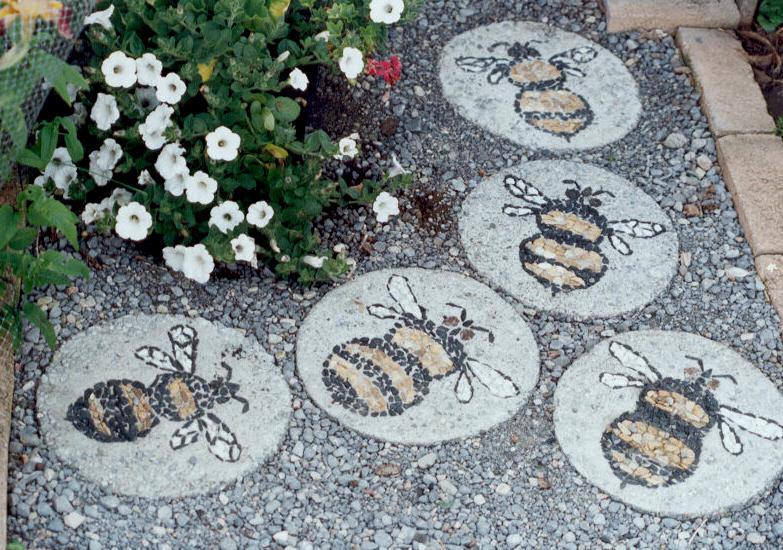
- Flagstone and stepping stones — walkways and patio islands. Look for flat faces and consistent thickness so the surface does not rock underfoot.
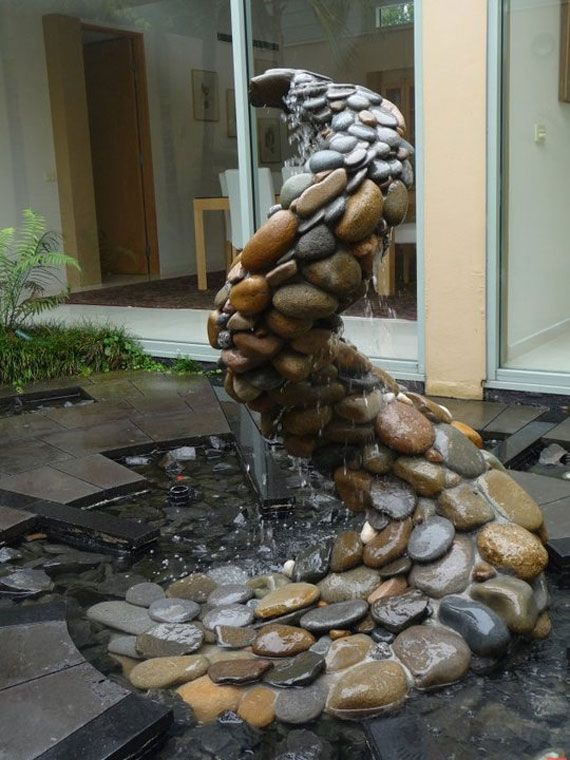
- Cobbles and river rock — dry creek beds, pond edges, and textured borders. Rounded stone looks softer; angular stone holds in place better on slopes.
- Boulders and fieldstone — focal points, retaining pockets, and informal seating. One well-placed boulder often beats a pile of small rocks.
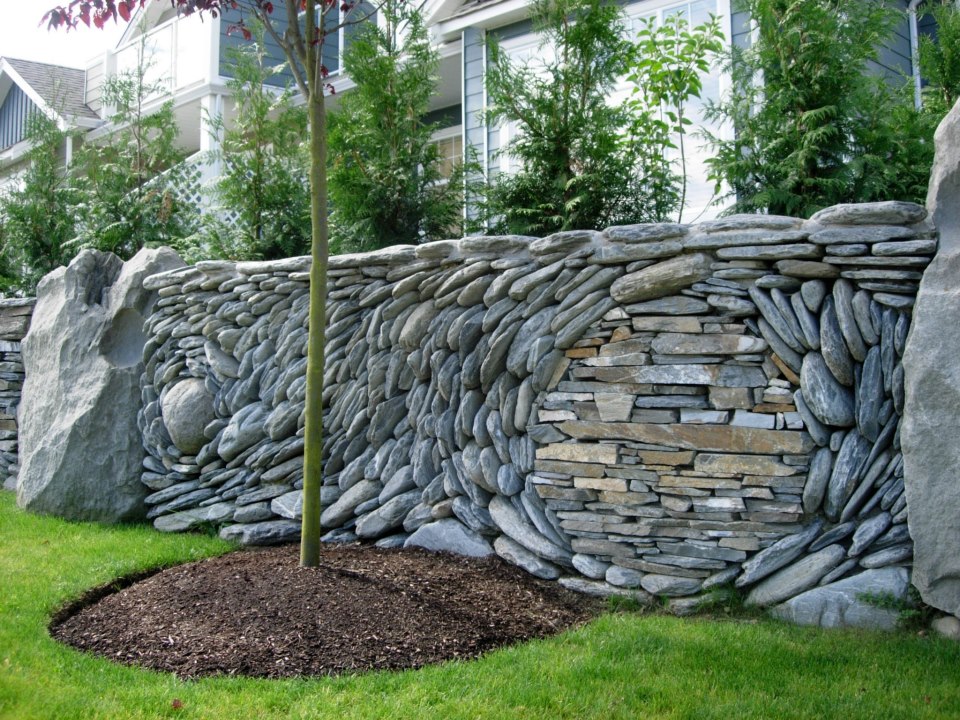
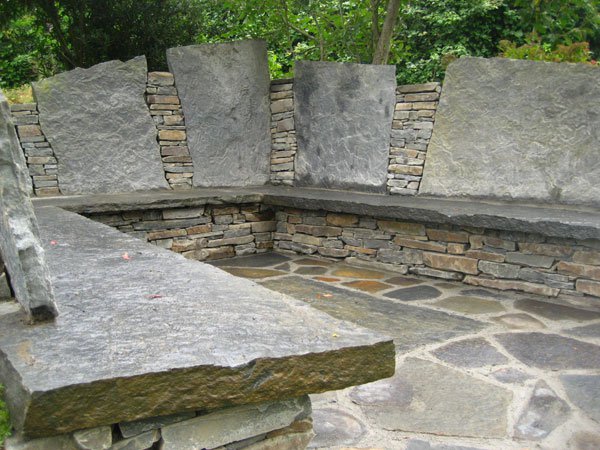
- Cut wall stone or stacked rubble — low walls, raised beds, and fire-pit surrounds. Dry stack for a rustic look; mortar where frost or traffic demands stability.
Local stone usually looks more “at home” than exotic imports because the color already exists in nearby soil and architecture. Ask a yard what is quarried or commonly stocked in your region before you fall in love with a sample that will be expensive to deliver.
Paths that invite walking
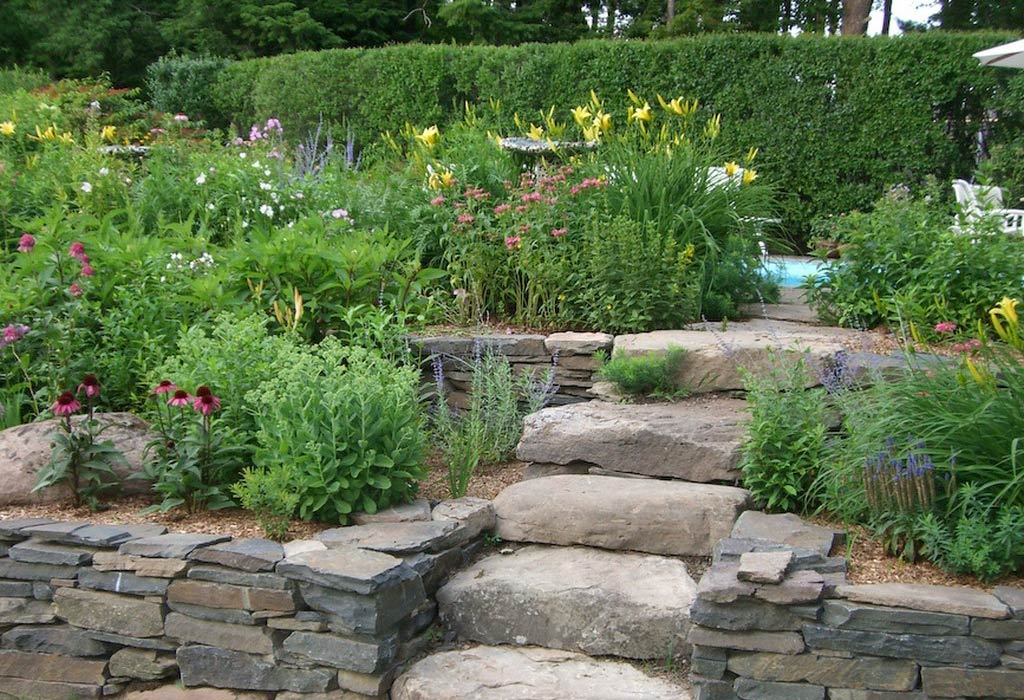
A stone path should do two things at once: keep shoes dry and lead the eye. Stepping stones set in lawn or groundcover work when traffic is light; leave roughly a comfortable stride between centers so people do not stretch or shuffle. For heavier use, a continuous gravel or flagstone walk with a defined edge lasts longer and weeds less.
Base work matters more than the pretty top layer. Excavate, compact, and add a crushed-stone base before setting flags or pouring gravel. On clay soils, slight crowning or a gentle fall away from the house keeps water from pooling. Edge with metal, brick, or larger stones so gravel does not migrate into beds.
Borders, beds, and rockeries
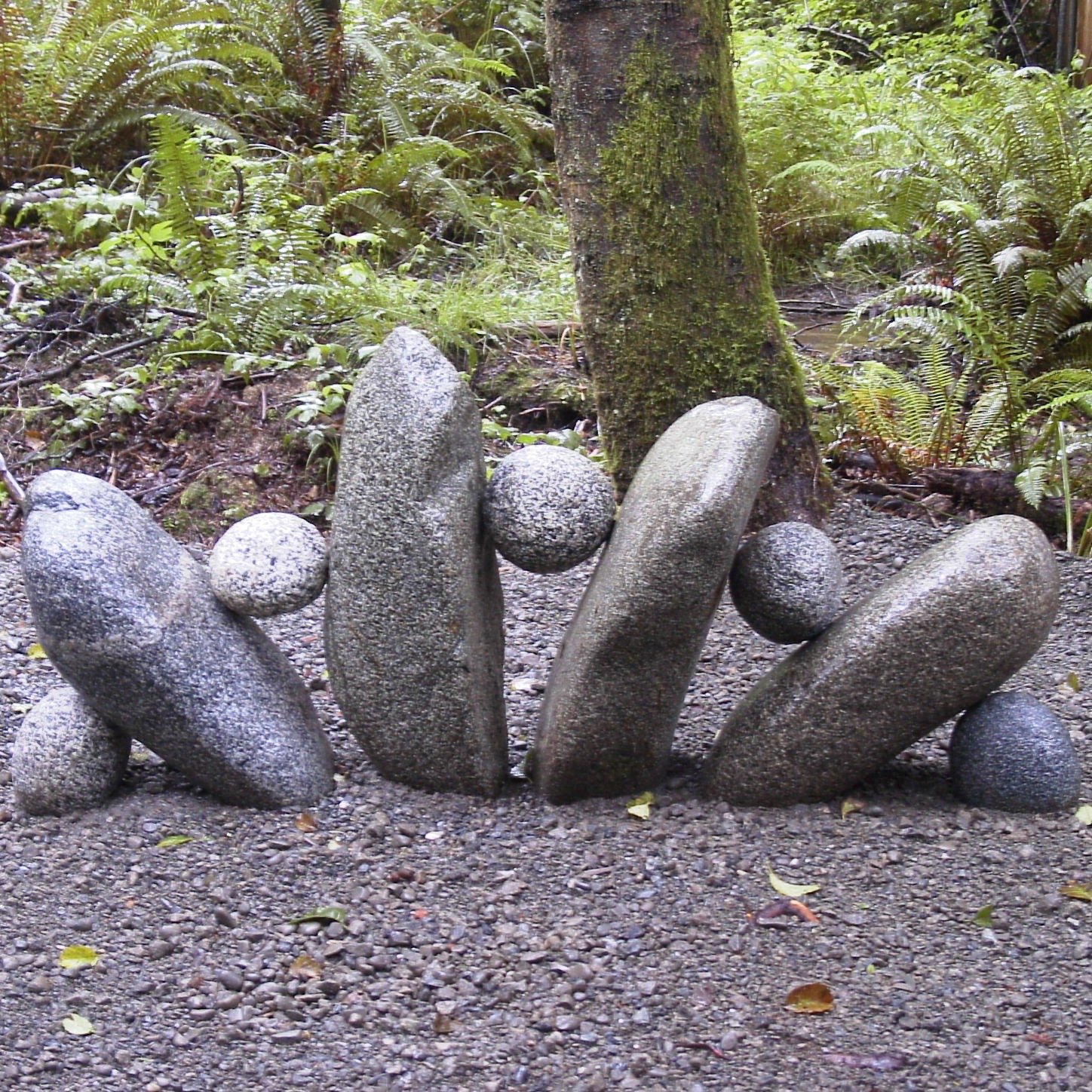
Stone edging is the quiet upgrade that makes a planting bed look designed. A single course of flat stones or a low dry wall separates mulch from lawn and creates a mowing strip. Keep the height modest unless you need a retaining function; tall walls cast shade and can look heavy in a small yard.
A rockery—or alpine-style mound—mixes soil pockets among stones so drought-tolerant plants can settle into crevices. Build from the largest stones up, tipping them slightly into the slope so they look settled rather than perched. Leave planting gaps large enough for roots; packing every joint with stone leaves nowhere for life.
Water, drainage, and “dry streams”
Where water already runs after rain, a dry creek of river rock can turn a muddy channel into a feature. Line the trench with landscape fabric, set larger stones along the banks, and fill the center with mixed sizes so the surface does not look like a uniform bag dump. The same idea works beside downspouts: stone dissipates splash and reduces erosion without a full drainage rebuild.
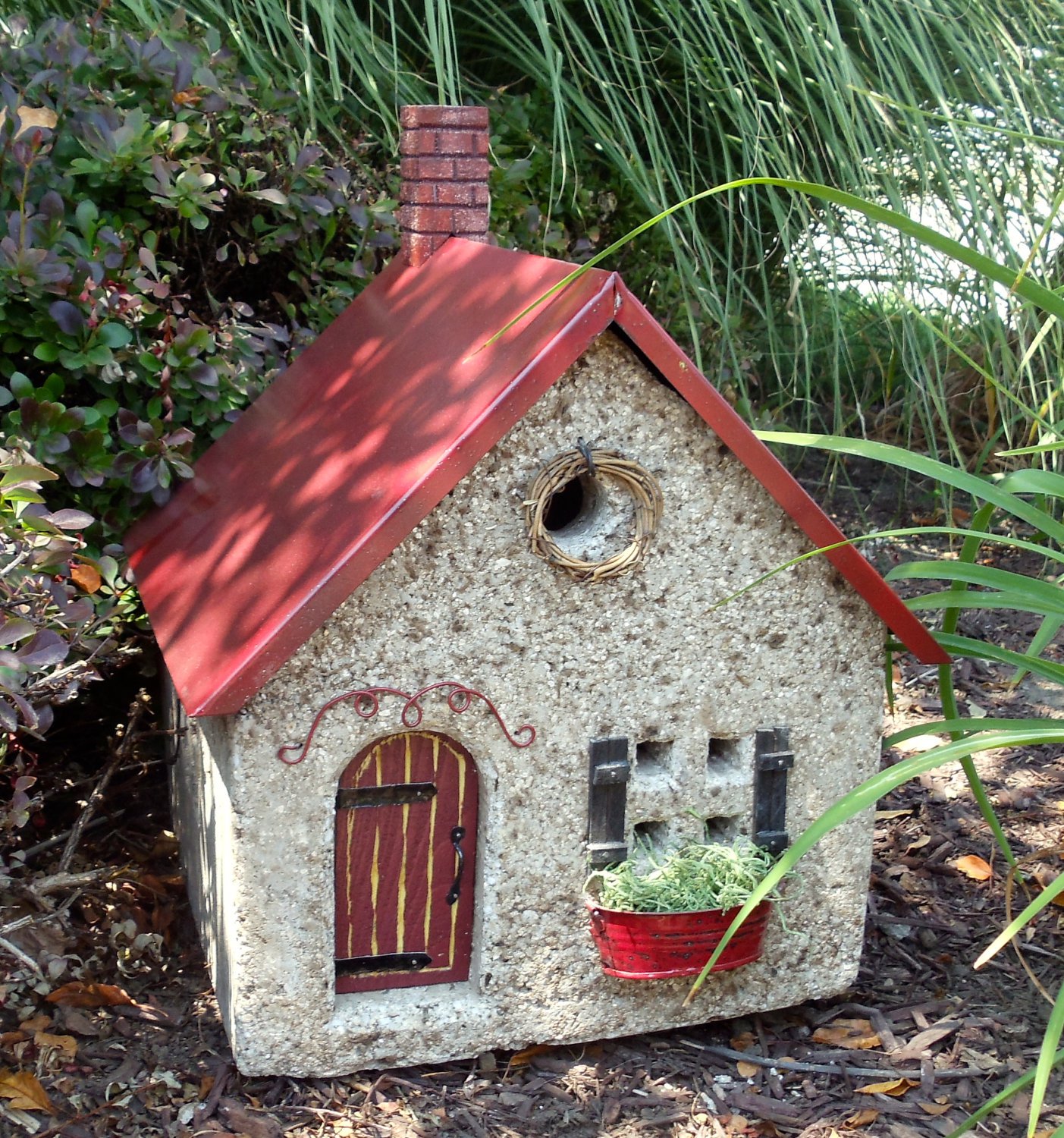
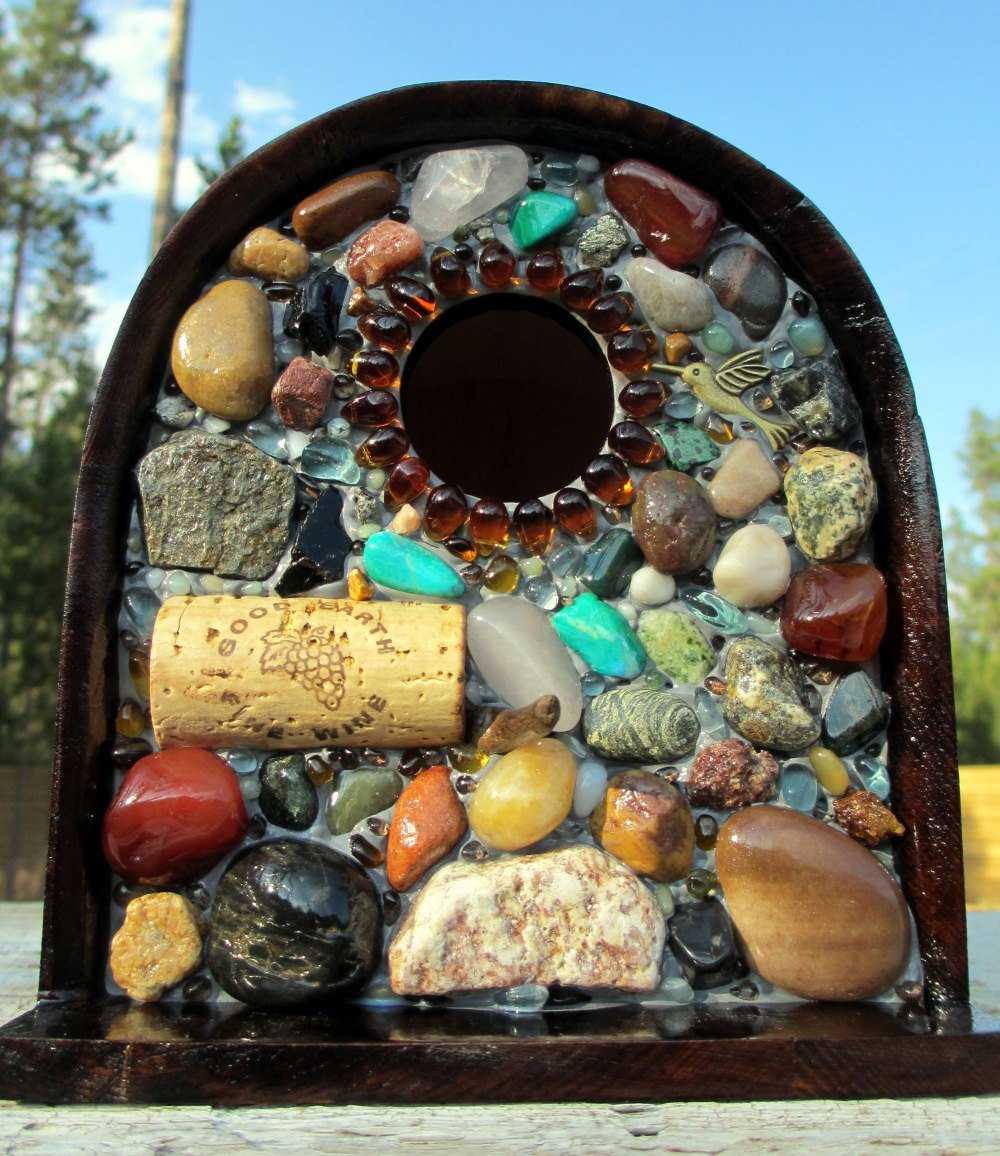
Around ponds or birdbaths, irregular stone hides liner edges and gives wildlife a place to perch. Avoid sharp crushed rock where children or pets play barefoot; smoother river stone is kinder underfoot.

Seating, walls, and small structures
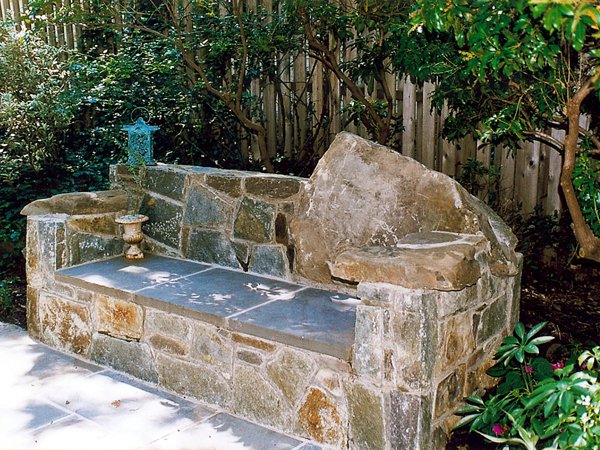
Large flat-topped stones or low walls double as informal seats near a fire bowl or vegetable patch. Check that the top surface is stable and not slippery when wet. For taller retaining, follow local rules and use proper drainage behind the wall; decorative facing stone on a failing wall only hides a bigger problem.
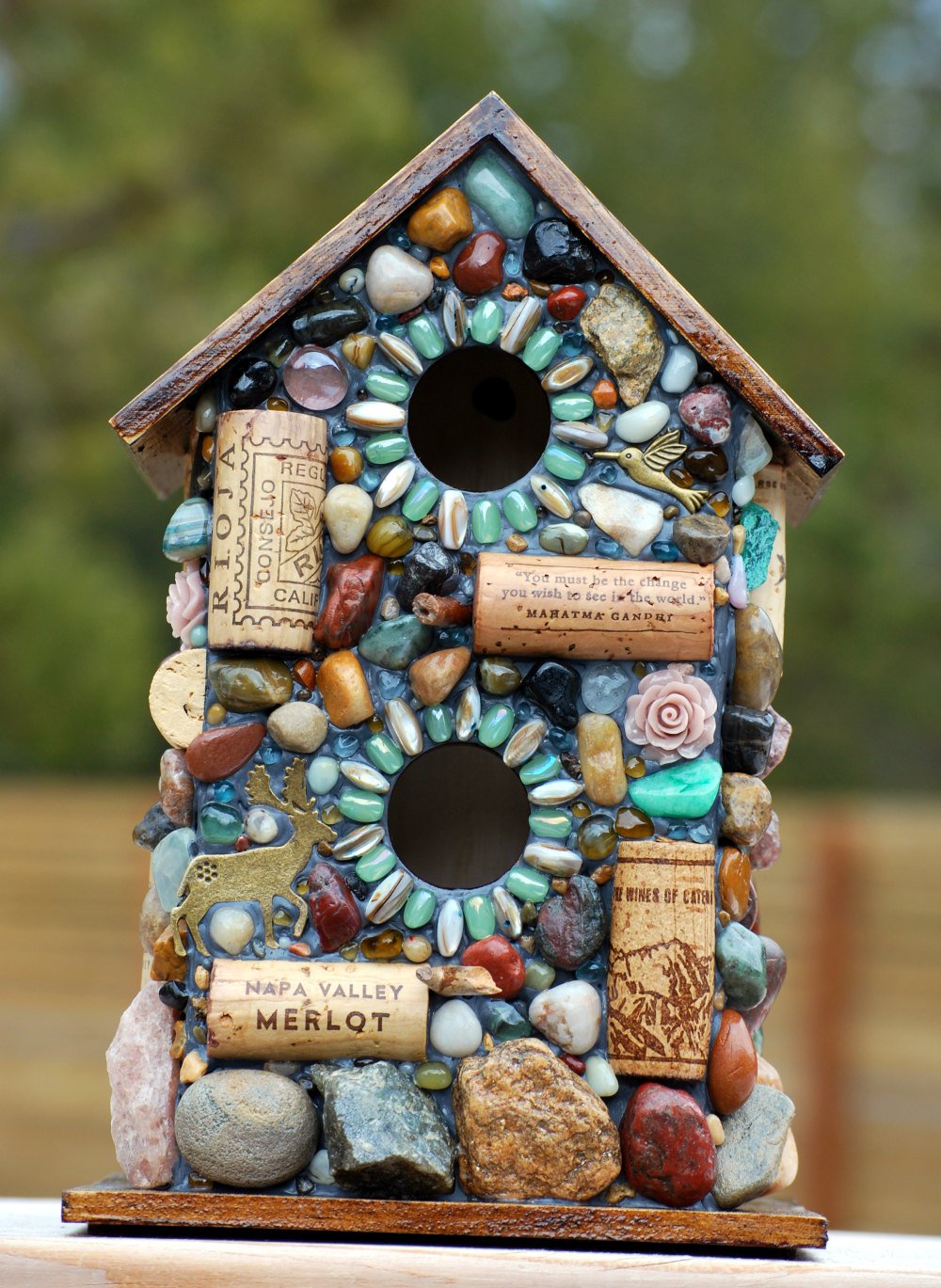
Stone can also define outdoor rooms: a gravel “floor” under a bench, a cobbled circle for a table, or a paved niche for a sculpture. Keep the palette short—two stone types plus plants—so the space feels calm instead of like a materials showroom.
Color, scale, and planting partners
Warm honey and rust tones pair well with terracotta pots and warm-season flowers. Cool greys and blues flatter silver foliage, white blooms, and evergreen structure. Very dark stone can look dramatic in sun but disappears in shade; very white gravel can glare and show every leaf.
Scale with the garden. A tiny courtyard wants fist-sized cobbles and slim flags, not truck-bed boulders. A wide lawn edge can take bigger pieces. Repeat a stone type in more than one spot so the design feels connected—path gravel that matches the dry creek, for example.
Good planting partners for stone include thyme, sedum, lavender, ornamental grasses, ferns in shade, and creeping phlox on sunny banks. Let a few plants soften joints; a garden made only of rock can feel harsh.
Recycled and found stone
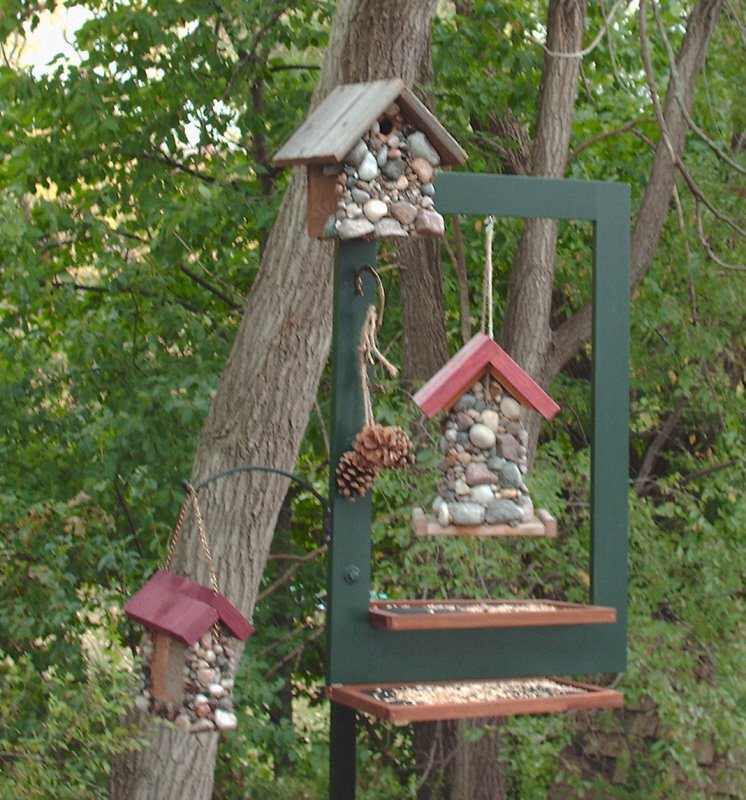
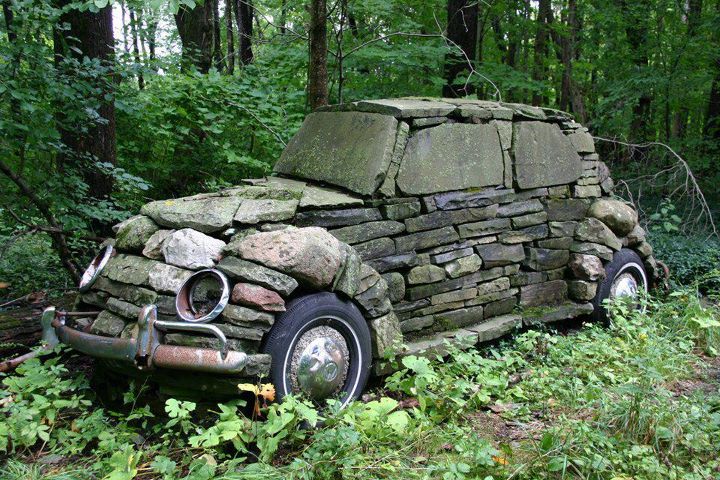
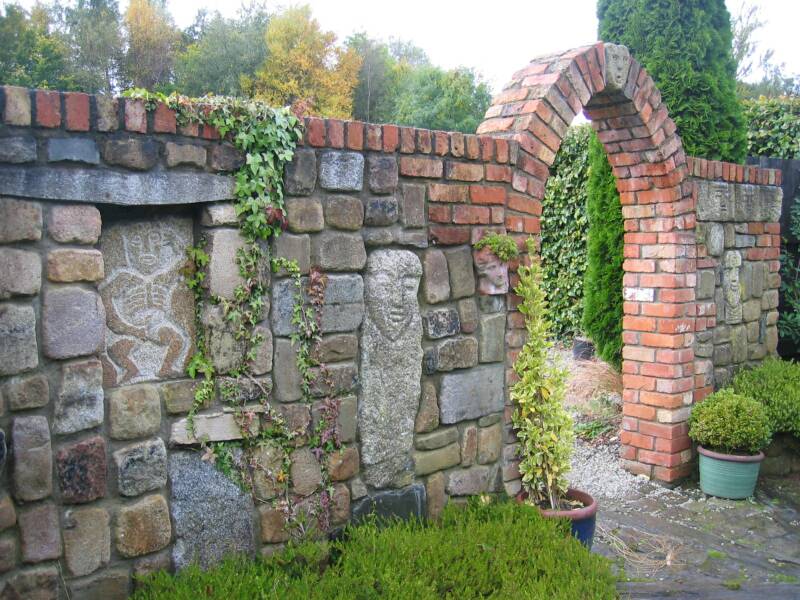
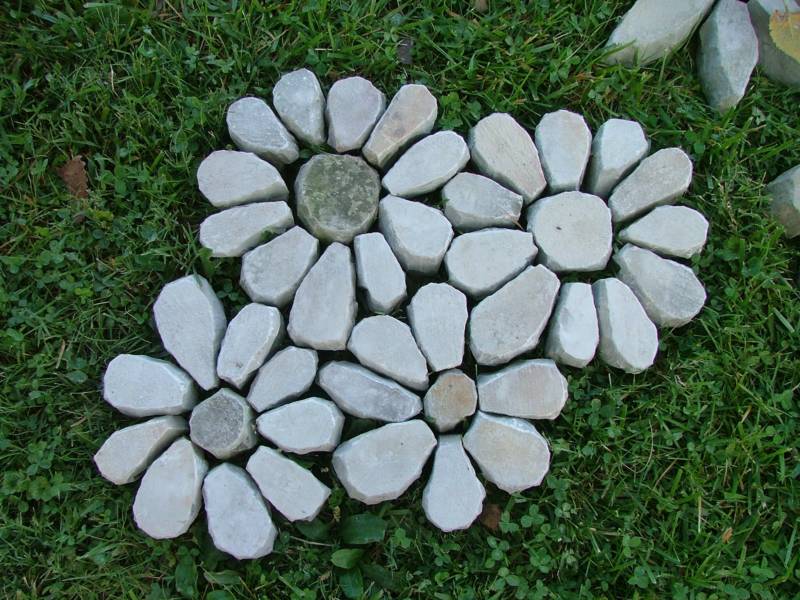
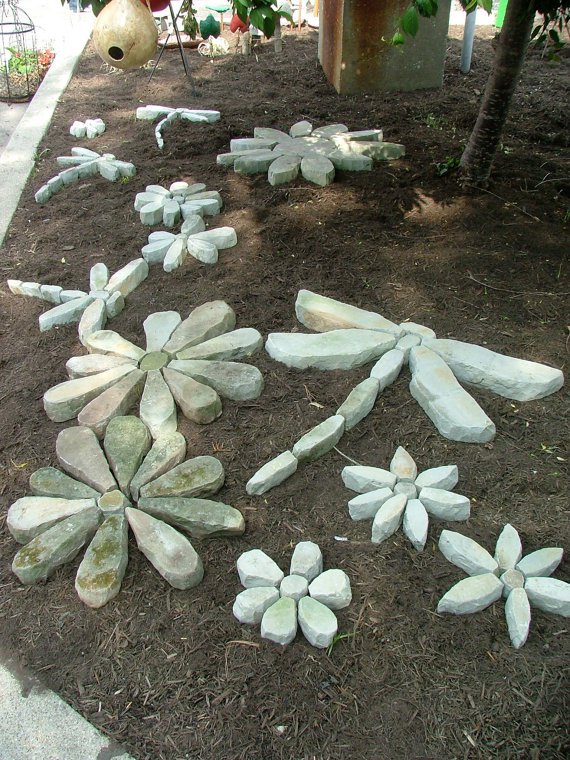
Broken concrete, salvaged pavers, and leftover quarry culls can look intentional when sorted by size and laid with care. Clean off old mortar where you can, and use pieces with one decent face for visible edges. Recycled stone is often cheaper and already weathered, which helps new work blend with older plantings.
Be cautious with painted or chemically treated rubble, and never dig into buried utilities when scavenging on site. If you are unsure what you are lifting, buy labeled material from a landscape yard instead.
Installation habits that prevent regret
- Call before you dig; utility lines are not always where you expect.
- Install fabric and edging under gravel beds—skipping them is the usual reason stone projects fail.
- Slope hard surfaces away from foundations.
- Leave access for hoses and mowers; stone that blocks maintenance will be hated by spring.
- Start with a small zone (a path stub, one bed edge) before committing the whole yard.
Care through the seasons
Rake gravel back into place after storms. Pull weeds while they are small; fabric slows them but does not create a permanent vacuum. On flagstone, moss in joints can be charming in shade—or slippery in frost—so decide which you want and treat accordingly. Re-level any rocking stepping stone before someone twists an ankle.
In freeze–thaw climates, avoid trapping water under flat stones. In hot, dry climates, light-colored gravel reduces heat around roots better than dark crushed rock next to thirsty shrubs.

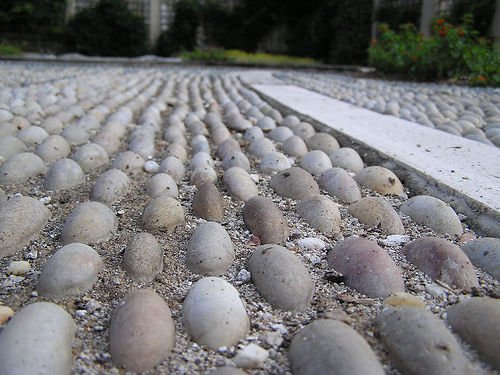
Pick one job for stone this season—a path, a border, or a single boulder pocket—and finish the base properly. A small, well-built piece of stonework will teach you more than a yard full of loose rock dumped in a weekend, and it will still look like it belongs when the plants grow in.

Comments
Continue reading
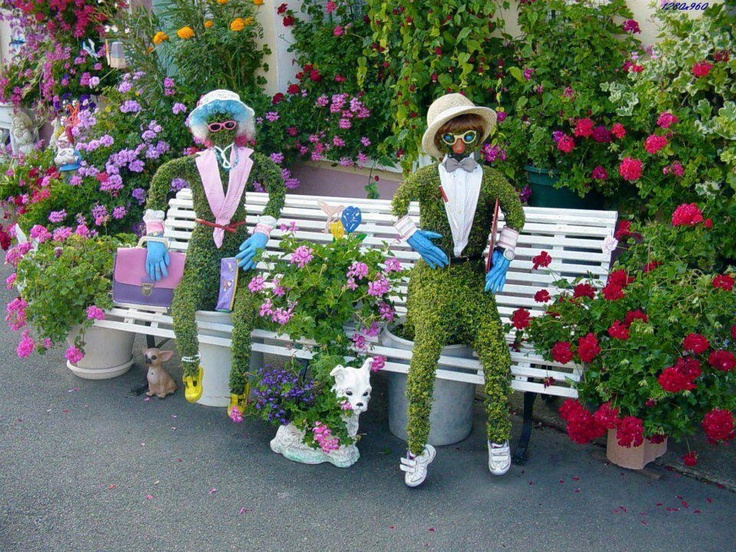
Garden Decoration Beyond Beds: Lace, Mosaiculture, and Upcycled Yard Art
From dressed topiary and floral cyclists to license-plate dragonflies and lace between trees—garden decorations that give a yard a voice.
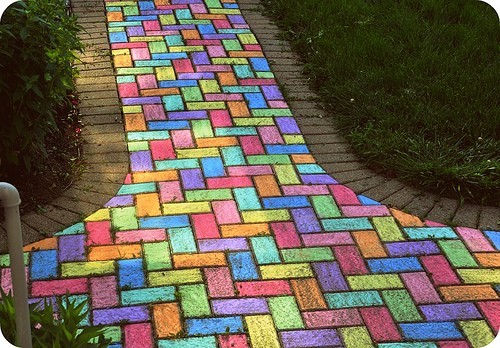
Garden Walkway Designs: Materials, Width, Edges, and Planting Ideas
Pathway design ideas for stone, brick, gravel, concrete, and wood—plus width, drainage, edges, and planting that make a walkway work day to day.
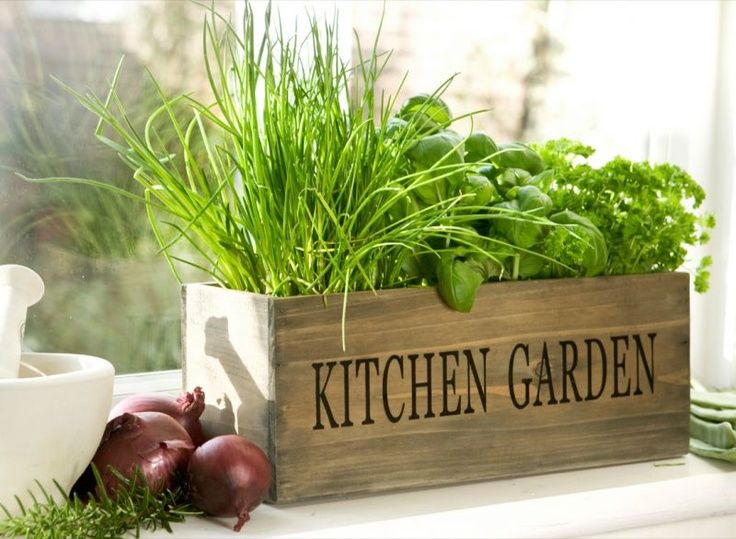
How to Create an Indoor Herb Garden at Home
Grow rosemary, thyme, parsley, mint, and dill indoors with the right light, drainage, and planters—from window boxes and wall mounts to simple DIY pots.