
Finger Taekwondo: The Viral Palm-Sized Martial Arts Gag
A light look at finger taekwondo—the early-2010s novelty of a hand dressed as a tiny martial artist breaking sugar-wafer “boards,” plus how to stage the joke yourself.
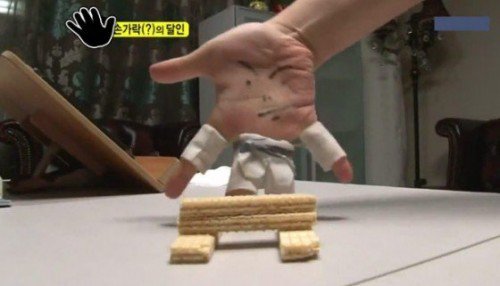
Finger taekwondo is comedy engineered from spare parts: a palm with a face drawn on it, fingers wrapped to resemble tiny legs in a martial-arts uniform, and a stack of sugar wafer cookies standing in for wooden boards. Around late 2011, videos of the act—often nicknamed “Taekwondo Finger Guy”—moved through humor blogs, BuzzFeed-style lists, and casual share chains. Viewers watched a hand warm up, shout a miniature battle cry, and attempt to smash cookies with the solemn focus of a demonstration-team board break. The premise is ridiculous. The performance is sincere. That collision is the entire joke, and it is why the clip still works when someone digs it out of an old bookmark folder.
What the character is made of
Underneath the costume you still have an ordinary human hand. Marker brows and a mouth on the palm create a face the brain accepts immediately. Fabric wrapped around two or more fingers suggests legs in white dobok-like cloth; the remaining digits become arms, balance, or dramatic flair depending on the puppeteer’s inventiveness. No animatronics required. No digital effects required. The craft is closer to classic finger theater than to Hollywood creature work, which is precisely why it feels charming instead of slick.
Camera craft matters more than people admit. Operators who understood the bit shot from table height rather than from standing height looking down. Low angles make the fighter tall inside the frame. Side light throws sharp shadows from the finger-legs and turns a kitchen table into an arena floor. A living-room sofa in the background does not break immersion; it advertises that the epic is happening between homework and dinner, which makes the seriousness funnier.
The cookie break is the third act. Sugar wafers are the classic prop because they look layered like boards, snap with a satisfying crack when the strike is clean, and fail in crumbly slow motion when it is not. Soft sandwich cookies collapse without drama. Hard candy is a bad idea for teeth and for anyone standing nearby. The viral energy came from treating those wafers as worthy opponents—stacked carefully, approached with ritual focus, celebrated or mourned afterward as if rank and honor were on the line.
How the joke traveled in 2011
Coverage that carried the act beyond its first audience pointed to Korean television and web segments featuring the character. Related footage circulating at the same time indicated that the puppeteer behind the palm fighter was a young woman. International posts on sites such as Laughing Squid, Neatorama, and Wimp summarized the bit in a sentence or two—“a cute martial-arts expert made from a hand”—embedded or linked the video, and let the images do the rest. That was a common early-2010s pattern: clear gag, short runtime, easy share.
Nobody with sense mistook finger taekwondo for a new competition division. It was novelty performance wearing taekwondo’s visual vocabulary—stances, intensity, the mythology of the clean break. Parody that bothers to copy a real sport’s silhouette is usually affectionate. The dobok scraps and fighting spirit were the punchline’s costume department, not a claim about belt ranks.
Real mats, real kicks, cookie-scale respect
Taekwondo practiced in a dojang or contested in Olympic brackets involves forms, sparring, conditioning, and breaking as trained skill. Demonstration teams earn genuine gasps with aerial kicks and precise board destruction. Finger taekwondo borrows only the theater. It shrinks physical risk to crumbs while keeping the clarity of gesture that makes martial-arts demos watchable even on mute. If you train for real, you are still allowed to laugh; humor does not cancel athleticism. If you have never bowed onto a mat, the video still teaches something true about spectacle: audiences love a setup they understand in two seconds and a payoff they can cheer without a rulebook.
That same appetite explains why footage of professional demonstration teams continues to go viral years later. People want difficulty made visible. Change the scale from human athlete to costumed hand, keep the structure of warm-up then break, and the appetite remains. Finger taekwondo is a parody that accidentally reveals why the serious version works as mass entertainment.
Staging your own bout without chaos
Collect washable markers or face paint, scrap fabric in white or white-and-black, soft ties that will not cut off circulation, a tray for inevitable crumbs, and a tower of sugar wafers. Draw a simple face—strong brows and a straight mouth read better at phone-screen size than elaborate shading that smears. Dress the finger-legs loosely enough to move. Brace a phone on a mug or mini-tripod at table height. Use window light from the side if you can.
Film a tiny narrative arc: introduce the champion, show a few warm-up motions, reveal the wafer tower, approach, strike, bow. Failed breaks are not wasted takes; they are rising action. Keep sessions short so hands do not go numb or change color. Clean skin promptly. Keep pets away from the snack props. Do not involve glass, ceramic, or anything that could send shards toward eyes. This is desk comedy, not a stunt reel for people who confuse internet jokes with real breaking practice.
Photographers can treat the scene as miniature set design. Hard side light, a quiet backdrop, and one sincere gag beat a cluttered table full of unrelated toys. The image long associated with this topic—a hand mid-fight against cookie boards—works because scale contrast and total commitment do the storytelling without needing a paragraph of caption.
Why the fad felt oddly kind
Plenty of internet humor ages into meanness. Finger taekwondo aged into nostalgia. Nobody is humiliated for sport. No stranger is the villain. The only antagonists are gravity and the structural integrity of layered sugar. The fighter tries hard. The cookies surrender or refuse. Viewers root for a palm. That gentleness is part of why people hit share in 2011 and still smile when the clip resurfaces in “remember this?” threads.
It also belongs to a wider family of hand entertainment: finger puppets at birthday tables, shadow animals on bedroom walls, office-supply stop-motion quests, desk toys with Sharpie faces. The taekwondo costume simply gave the tradition a sharper outline and a built-in climax. Costume plus ritual plus breakable prop equals a complete short film you can shoot before the kettle boils.
Nostalgia with crumbs on the table
Somewhere, the Taekwondo Finger Guy is still squaring up to a wafer tower with unreasonable confidence. You do not need a franchise reboot, a cinematic universe, or a lore wiki. You need a marker, a scrap of cloth, and willingness to look ridiculous on purpose. Crooked eyebrows are funnier than polished ones. A clean break deserves a bow deep enough to smudge the tabletop. A failed break deserves another attempt and, realistically, a snack either way.
That is the whole sport in miniature: martial epic, domestic arena, crumb finale. Finger taekwondo never asked to be taken seriously by federations or coaches. It only asked to be watched once with a straight face—and then, ideally, attempted once with sticky fingers and no dignity left to protect. If the wafers win, bow anyway. Champions train tomorrow. The cookies, unfortunately, do not get a rematch once eaten.

Comments
Continue reading
Funny Animal Signs That Warn People (While Animals Ignore Them)
From a seagull on a no-birds disc to classic zoo and park ironies—why animal warning signs get funny, and what the rules are still for.
How to Find Local Amenities on Vacation: Mechanics, Haircuts & More
Locate trustworthy local services and everyday spots while traveling or settling in—using publications, reviews, map apps, neighbor tips, and low-pressure exploration.
Kristen Stewart for V Magazine, Spring Preview 2013
V81’s Wild at Heart cover story—Kristen Stewart shot by Inez & Vinoodh, styled by Joe McKenna, in pale minimal spring glamour.