
Hiring a Photographer in Berlin for Travel Photos That Last
Practical criteria for booking a travel photographer in Berlin—portfolio checks, deliverables, timing, and shoot-friendly stops from the Wall to Brandenburg Gate, Museum Island, and Gendarmenmarkt.
Berlin rewards travelers who want history and everyday city life in the same frame: fragments of the Wall, neoclassical gates, museum courtyards, and busy squares where street musicians share space with tour groups. Hiring a photographer for part of the trip can free you from juggling a camera while you navigate, and it can produce a coherent set of images instead of a phone roll of near-duplicates. The useful question is not which landmark is “most Instagrammable,” but how to hire well for travel photos in a city this layered.
Decide what kind of session you actually want
Travel photography sessions fall into a few practical types. A short landmark walk (ninety minutes to half a day) covers two or three locations with portraits and environmental shots. A half-day documentary style follows your itinerary more loosely—cafés, transit, neighborhoods—with fewer posed setups. A couple or family portrait session prioritizes people over architecture, using Berlin as backdrop. Night or blue-hour work needs different timing, lighting skill, and often different rates.
Write your priority in one sentence before you message anyone: “Portraits of us at Brandenburg Gate and along a Wall fragment at golden hour,” or “Candid coverage while we explore Museum Island without posing for an hour.” Clear scope prevents mismatched portfolios and awkward shoots where the photographer expects fashion posing and you wanted quiet documentary frames.
Hiring criteria that matter more than slogans
Look at full galleries, not only hero shots. You want consistent exposure, flattering but honest skin tones, and a mix of wide context frames and tighter moments. For Berlin specifically, check whether the photographer has worked around crowds, reflective glass, harsh midday sun between buildings, and low winter light. A beautiful forest portfolio does not automatically prove street and monument skill.
Ask about language and local logistics. Can they communicate comfortably in a language you share? Do they know which corners of tourist sites allow a calmer background, and when light hits certain facades? Local knowledge is part of what you pay for: not trivia lectures, but efficient routing so you spend minutes shooting instead of hunting for an angle.
Clarify deliverables in writing: how many edited images, color versus black-and-white, raw files or not, turnaround time, and personal-use rights. Travelers usually need web-sized files quickly and a selection of high-resolution images for prints. Commercial licensing for blogs or brand work should be priced separately if that is your plan.
Compare total cost, not just the hourly number. Some quotes include location scouting, second shooters, or rush edits; others do not. Travel time across the city, public-transport tickets, and museum entry fees may be extras. A transparent package with fewer surprises beats a low headline rate that balloons later.
Practical questions to send before you book
- Which dates and time windows are open, and what happens if weather turns?
- How long is the shoot on-site, and how many locations fit that block?
- What do you recommend wearing for portraits in mixed urban light?
- Do you scout or confirm permissions where tripods or commercial gear are restricted?
- When will previews and final selects arrive, and through which gallery?
- What is included in the quoted price, and what is billed separately?
Reliable professionals answer these without pressure. Hard-sell urgency, vague “unlimited photos” claims with no edit definition, or insistence on large upfront payment to an unverified account are warning signs. A reasonable deposit with a clear cancellation policy is normal; secrecy around terms is not.
Berlin locations that photograph well—and how to use them
The Berlin Wall remains one of the city’s most charged visual subjects. Most of the barrier is gone, but preserved sections and related memorials still carry the story of division after World War II and the opening of 1989. For photos, fragments with texture, murals, and interpretive context often work better than trying to recreate a postcard that no longer exists. A photographer who knows quieter approaches can help you avoid peak-crowd midday at the most famous panels.
Brandenburg Gate is an emblem of the city and of reunification, with a heavier history as a border landmark when Berlin was split. It is also busy. Early morning or later evening softens both light and foot traffic. Decide whether you want yourself small in the architecture or closer portraits with the gate readable behind you; those two goals need different lenses and distances.
Museum Island concentrates major museums and classical buildings in a compact area. You will not “do” every collection in a photography window, and you should not try. Use the exterior architecture, bridges, and river edges for travel portraits, then pick one interior priority if tickets and photography rules allow. A local photographer can help sequence outdoor frames around opening times so you are not backlit against a closed façade for an hour.
Gendarmenmarkt offers a strong triangular composition: the French Cathedral, the German Cathedral, and the Konzerthaus around a broad square. It suits wide establishing shots and mid-distance portraits when the plaza is not closed for events. Stained glass and concert programming are cultural draws; for a photo session, the exterior geometry and open space usually matter more than going inside every building.
Build a short route rather than a scavenger hunt. Two or three locations with time to breathe will outperform five rushed stops. Berlin’s transit is good; still, buffer for delays and for the minutes it takes to find a clean background when a tour group fills your first choice.
Timing, light, and what to wear
Golden hour flatters stone and skin; midday sun between tall buildings can carve harsh shadows under eyes and brows. Overcast days are often kinder for portraits even if the sky looks dull in wide cityscapes. Winter brings short days and cold—plan shorter outdoor blocks and warm layers that still look intentional on camera. Summer evenings stretch late; book that light deliberately instead of assuming any afternoon slot will do.
Clothing should read clearly at a distance: solid colors or simple patterns beat tiny logos and neon that clash with historic stone. Comfortable shoes matter because good frames often require walking farther than the postcard viewpoint. Bring one backup layer in a dark or neutral tone. Leave a bulky daypack with a companion when possible so straps do not dominate every portrait.
During the shoot: how to get better frames
Share a few reference images beforehand—not to copy someone else’s pose library, but to show whether you prefer candid walking shots, classic standing portraits, or detail-oriented storytelling. Then trust the photographer’s direction on where to stand; they are watching backgrounds, horizon lines, and strangers entering the frame.
Stay present between clicks. The point of hiring help on vacation is to experience the place, not to perform constantly. The best travel sets usually mix a handful of intentional portraits with frames of you looking at the city—reading a plaque, crossing a square, sharing a joke—so the album feels like a trip rather than a catalog.
Aftercare and keeping the trip usable
When the gallery arrives, select a tight set for your own album and a smaller set for social posts. Back up files in two places. If you want prints, ask which images were edited for large output. Note location names while you still remember them; future you will thank present you when the Wall segment and the concert-hall square start to blur together.
Hiring a photographer in Berlin works best when you treat it like any other skilled service: defined goals, reviewed portfolio, clear deliverables, and a realistic route through places that matter historically and visually. Do that, and the landmarks—Wall remnants, Brandenburg Gate, Museum Island, Gendarmenmarkt—become settings for a trip you can actually remember, not just a checklist you rushed past with a phone held at arm’s length.

Comments
Continue reading
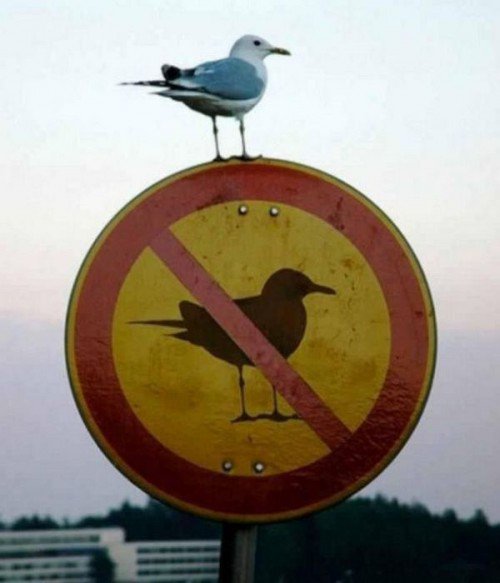
Funny Animal Signs That Warn People (While Animals Ignore Them)
From a seagull on a no-birds disc to classic zoo and park ironies—why animal warning signs get funny, and what the rules are still for.
How to Find Local Amenities on Vacation: Mechanics, Haircuts & More
Locate trustworthy local services and everyday spots while traveling or settling in—using publications, reviews, map apps, neighbor tips, and low-pressure exploration.

Kristen Stewart for V Magazine, Spring Preview 2013
V81’s Wild at Heart cover story—Kristen Stewart shot by Inez & Vinoodh, styled by Joe McKenna, in pale minimal spring glamour.