
Florian Olbrechts: Travel Photography from Road, Light, and Phone Beginnings
French photographer Florian Olbrechts—Paris-born, Aix-based when this feature appeared—shares luminous travel frames shaped by early phone cameras and a road-first eye.
Florian Olbrechts photographs travel the way some people keep a journal: consistently, visually, and with a preference for places that still feel like discovery when the light is right. A French photographer—native of Paris and, when this feature first circulated, a young PhD student and research fellow in business law based in Aix-en-Provence—he treats the camera as both inheritance and habit. His grandfather loved photography and collecting older cameras; Florian grew up around that curiosity, then taught himself through the first camera phones and, later, better devices chosen as much for image quality as for calls.
That origin story matters because it explains the tone of his travel work. These are not laboratory images made with racks of studio gear. They are pictures made while moving: coastal villages, alpine towns, warm stone streets, blue-hour harbors, and the small pauses between transit and arrival. Shared widely on Instagram under the handle that became his public signature, butnomatter.theroadislife, the feed reads as a continuous invitation to look at destinations through careful framing rather than through checklist tourism.
From phone cameras to a travel-first eye
Many travel photographers begin with a “serious” camera and a trip. Olbrechts’ path ran the other way: phones first, then a stubborn refusal to stop photographing once better tools arrived. That continuity shows in an instinct for immediacy. He notices color relationships on a wall, the way a narrow street funnels light, or how a coastline looks when the crowds thin and the weather softens. The law studies and research life sit in the background of the biography as contrast—structured academic days against the open-ended pull of the road—but the photographs themselves rarely lecture. They prefer atmosphere.
Travel pages and blogs amplified his work because it fits a clear hunger online: images that make a place feel both specific and reachable. Specificity comes from local detail—shutters, boats, cliff paths, café chairs, mountain reflections. Reachability comes from clean compositions and flattering light rather than extreme adventure staging. You do not need to be a climber or a fixer with special access to imagine standing where he stood. You need curiosity and patience with golden hour.
As his audience grew, the same qualities that work in a single frame also work as a body of work: consistency of taste. Warm stone against blue water. Soft dusk instead of harsh noon. Human presence suggested more often than centered as spectacle. The road is the theme; luxury and romance appear when the location offers them, not as a pasted-on brand voice.
What “travel photography” means in his feed
Travel photography can mean documentary hardship, glossy resort marketing, or personal diary. Olbrechts sits closer to the third category with professional polish. The pictures suggest a traveler who plans for beauty—timing visits for milder seasons, lingering for sunset, returning to a viewpoint when the sky cooperates. A village like those of Cinque Terre, for example, photographs differently in a crowded August afternoon than in a quieter September evening; his public captions and reels often show an awareness of that difference. Good travel images are partly logistics.
Look for recurring compositional habits. Horizons are often calm and level. Foregrounds give you a place to “enter” the scene—steps, a railing, a boat prow, a patch of flowers. Midgrounds hold the destination’s identity: painted houses, a harbor curve, a mountain wall. Skies are allowed to be simple when the architecture is complex, or dramatic when the land is quiet. That balance keeps the frames from collapsing into either pure postcard or pure abstraction.
Color is another signature. Mediterranean and Alpine palettes dominate much travel content for good reason, and Olbrechts uses them without apology: terracotta, seafoam, evening indigo, snow brightness, deep green. Saturation tends to feel inviting rather than radioactive. The goal seems to be desire—make someone want the evening walk—not shock.
France as home base, the world as subject
Being based in Aix-en-Provence while rooted in Paris places him inside a country that is itself a travel magnet. French locations—Provence light, Alpine lakes, Atlantic or Mediterranean edges—appear naturally in a practice like his, alongside Italy and other European favorites that reward road trips and short flights. The point is not a passport-stamp contest. It is a repertoire of places that photograph generously when you understand their seasons.
Home base also shapes how travel imagery stays fresh. Someone who only flies to once-in-a-lifetime destinations can run out of novelty. Someone who also re-sees regional beauty learns timing, weather, and local quiet hours. That dual practice—near and far—often produces the most usable lessons for viewers who want to photograph their own trips: start with light, not with landmarks alone.
Reading travel photos without the checklist mindset
If you browse Florian Olbrechts’ work as inspiration for your own camera bag, try three questions on each frame. First, what time of day made this possible? Hard shadows usually mean midday; long soft shadows and warm walls usually mean morning or late day. Second, what did the photographer exclude? Crowds, cars, signage, and construction are often cropped or timed away. Third, where is the quietest area of the image? Many strong travel photographs leave a calm zone—sky, water, or open pavement—so the eye can rest.
Also notice how rarely the photograph depends on a famous skyline alone. Iconic places still appear, but they are usually filtered through weather, season, or a side angle. That approach keeps even well-known destinations from looking identical to every other feed. The road is life, the handle suggests; the photographs argue that life on the road is made of repeated small decisions about where to stand and when to wait.
Sharing as part of the craft
Olbrechts has long treated publishing as part of the practice—sharing travel photographs with a large Instagram audience and exchanging energy with other photographers who work in the same visual territory. Social sharing can flatten work into trends, but it can also train consistency: post often enough and your taste becomes visible even without a manifesto. His feed’s clarity—destination beauty, careful light, clean geometry—is that trained taste made public.
None of that replaces being there. The pictures still depend on trains, boats, walking shoes, and the willingness to stay out when the air cools and the street lamps come on. Academic life and travel life can coexist; the camera is the bridge. For viewers fond of traveling the world through other people’s lenses, Florian Olbrechts offers a particular pleasure: places rendered welcoming, luminous, and specific enough that you can almost hear the evening settle.
Next time you land in a new town with an hour before dinner, walk toward the water or the highest street you can find and wait for the light to change once. That single habit—more than any new app—explains a surprising amount of what makes travel photography like his feel alive.

Comments
Continue reading
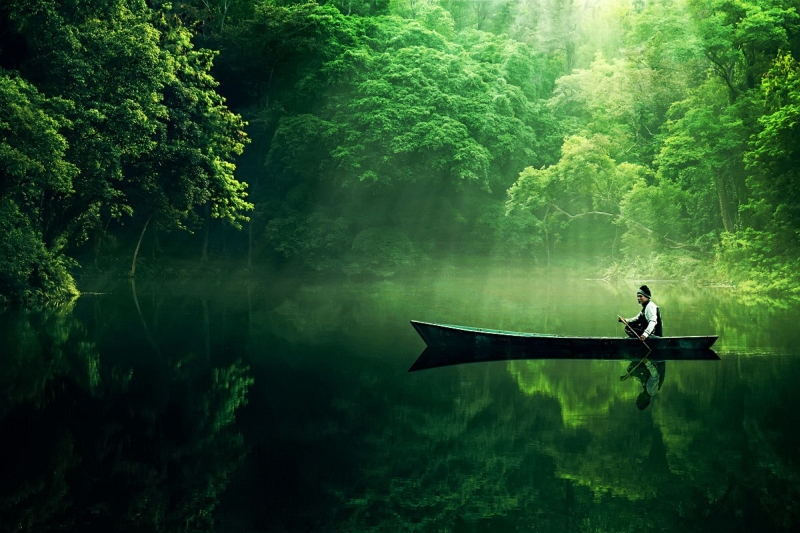
Dramatic Photo Art by Sukron Ma’mun (Ipoenk Graphic)
Cirebon, Indonesia photographer Sukron Ma’mun uses theatrical natural light to frame village life, play, and place in lyrical photo art.

Bird’s-Eye Views: Florian Beaudenon’s Instant Life
Paris photographer Florian Beaudenon’s Instant Life series captures people in their rooms from above—intimate, collaborative overhead portraits of everyday joy.
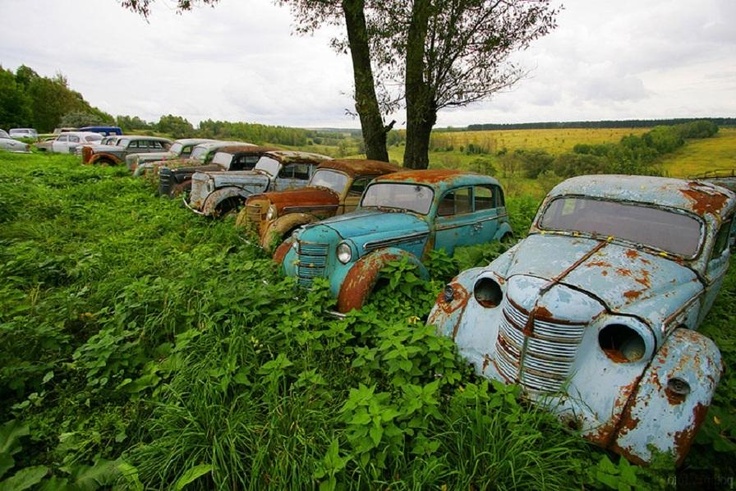
Abandoned Cars Reclaimed by Nature: Rust, Growth, and Quiet Ruin
When neglected vehicles are left outdoors long enough, rust, moss, and trees rewrite them into strange still lifes—sad, photogenic, and slowly returning to the ground.