
Eye-Catching Ankle Tattoo Designs: Placement, Scale, and Inspiration
Design criteria for ankle tattoos—bands, florals, small icons, and lettering—focused on fit, visibility, and longevity, not medical advice or copy-this-ink pressure.
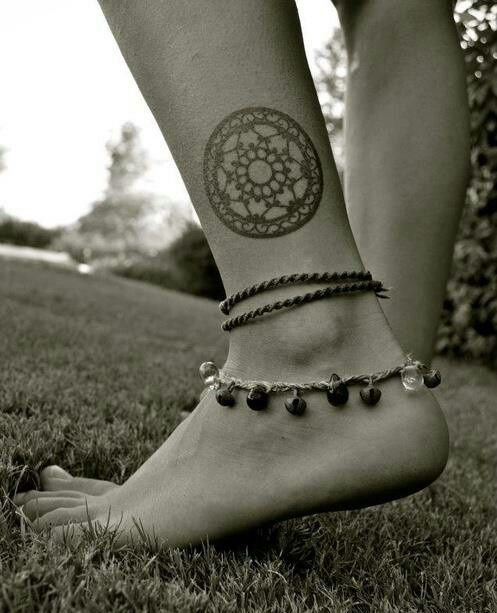
Ankle tattoos sit where movement and visibility meet. A design can flash under a pant hem, wrap like jewelry, or stay small enough to feel private until shoes come off. Eye-catching ankle tattoo designs often succeed less because they are trendy and more because they respect the body’s architecture: the curve above the heel, the narrowness of the ankle bone, the way skin stretches when you walk or flex.
This gallery is for inspiration and design thinking—not medical advice, and not pressure to copy any single image exactly. Tattooing is permanent personal work. Use ideas as starting points, then collaborate with a professional artist on size, placement, and aftercare guidance appropriate to you.
Why the ankle is a distinct canvas
Unlike a flat forearm panel, the ankle is cylindrical and bony. Fine lines can wrap elegantly; large solid blacks can crowd the joint and feel heavy in shoes. Designs that follow the limb—bands, vines, spirals, bracelet-like motifs—often look intentional because they echo how jewelry already sits on that spot. Small standalone icons (a flower, butterfly, heart, initial, or short word) work when negative space around them keeps the ankle from looking stamped.
Visibility is a choice. Some people want a tattoo that peeks with sandals and disappears in boots. Others want a continuous band that reads as ornament every day. Decide that preference before falling in love with a flash sheet, because a piece meant to hide will frustrate you if it sits too high, and a piece meant to show will disappoint if socks always cover it at work.
Design criteria that keep ankle work readable
Scale is the first filter. Tiny script that looks crisp on a phone screen can blur as the skin moves and ages. Ask your artist what line weight they recommend for that location. Detail density is the second filter: ankles do not forgive overcrowded micro-realism as kindly as a calf or thigh might. A simplified silhouette often ages more cleanly than a miniature portrait.
Flow is the third filter. Hold a printout or stencil against the ankle while standing and walking. Does the design twist oddly when the foot turns? Do points land on the most sensitive bony spots? Many clients underestimate how much the ankle flexes. A vine that looks perfect on a straight mannequin leg may need redrawing for a real gait.
Contrast and skin tone matter too. Soft gray wash can look romantic in photos and faint in daily life; bold black or carefully chosen color may hold better depending on your skin and the artist’s style. None of this replaces a consultation—it simply gives you better questions to bring into one.
Popular directions without treating them as rules
Spiral and bangle-like bands remain popular because they read as adornment. They can be geometric, floral, or abstract. Leaving a gap or varying thickness keeps a band from feeling like a stamped cuff. Floral and botanical motifs suit the ankle’s vertical real estate: stems can climb toward the calf or trail toward the foot. Butterflies and small creatures suggest lightness; they work best when wing shapes are not crushed into a space too tight for their span.
Single-word tattoos and initials appeal for meaning, but lettering on a curve is specialized. An artist experienced with type will adjust kerning and baseline so the word does not look like it is sliding off the bone. Hearts and symbols are clear from a distance; they also invite cliché, so personal detail—line style, flanking dots, a custom flourish—helps the piece feel yours rather than generic flash.
Matching or complementary ankle tattoos for partners or friends can be sweet; they also lock two people into the same visual forever. If that is the goal, great. If not, consider related motifs with different compositions so each ankle still stands alone.
Practical life around an ankle piece
Shoes, socks, and sports gear rub. During healing, that friction is a planning problem: you may need looser footwear for a stretch of time. Discuss timing with your artist if you have a race, a beach trip, or a formal event that demands specific shoes. Long-term, high-friction areas can need touch-ups sooner than a protected ribcage piece—another reason not to pack microscopic detail into the sock line.
Pain and healing vary by person and by exact spot; bony areas often feel more intense than fleshy ones. That is a conversation for your artist and, if needed, your clinician—not something a mood-board article should diagnose. What a design article can say is: choose a studio that explains aftercare clearly, answers placement questions without rushing, and draws on the body rather than only on paper.
Building a reference set that helps the artist
Collect images for structure, not for cloning. Mark what you like: “thin band,” “negative space,” “botanical but not peony,” “no heavy shading.” Note what you dislike just as clearly. Bring photos of your ankle from multiple angles, including how you usually wear shoes. Mention job dress codes and how public you want the tattoo to be.
Ask about custom drawing versus flash. Eye-catching does not require inventing a never-seen motif; it requires fit. A common flower redrawn for your ankle’s circumference can look more striking than a rare symbol jammed into the wrong scale. Budget time for a redraw if the first stencil does not hug the joint well—better one extra appointment than a lifetime of “almost.”
Inspiration checklist
- Do you want wrap, vertical climb, or a small single icon?
- Will socks and shoes hide it daily, or is visibility the point?
- Is the line weight bold enough to survive that location?
- Does the design still make sense when you flex and walk?
- Are you choosing a motif you will still want if trends shift?
Ankle tattoos earn attention when they behave like jewelry designed for skin: balanced on a curve, clear at a glance, and sized for a joint that never sits still. Browse widely, decide slowly, and let a skilled artist translate inspiration into a piece that fits your ankle—not the other way around.

Comments
Continue reading
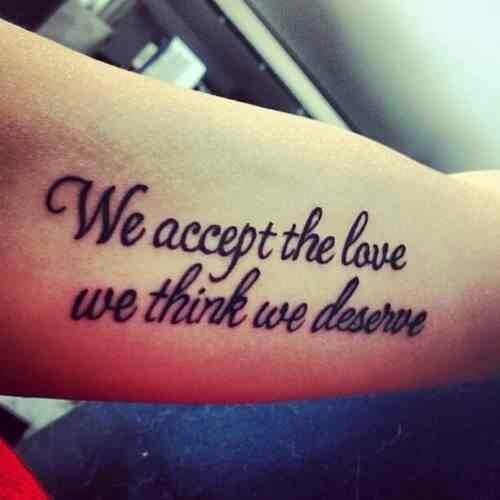
Meaningful Love Quotes for Inspiration (and Ink)
Meaningful love quotes that still feel true — short lines for tattoos, gifts, and everyday reminders, with placement and wording tips.
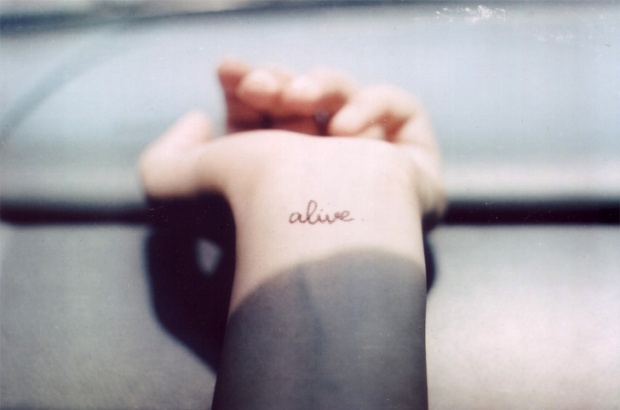
40 One-Word Tattoo Ideas: Placement, Type, and Meaning
A gallery of single-word tattoos—love, faith, strength, wanderlust, and more—with guidance on typography, body placement, and choosing a word that still fits years later.
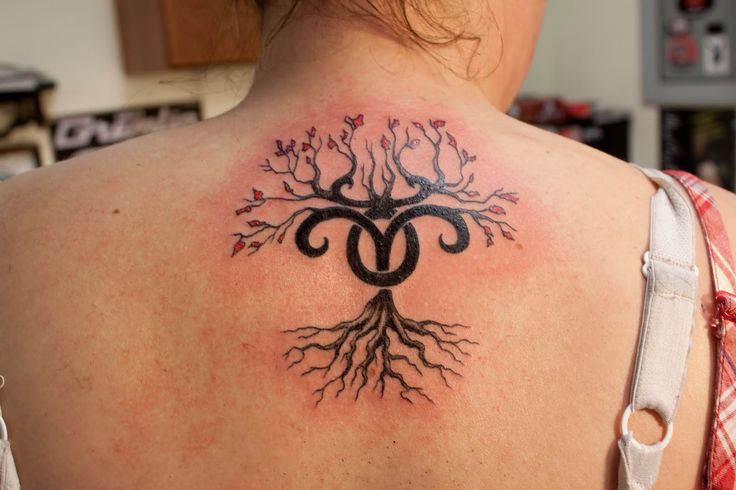
16 Taurus Tattoo Ideas: Bulls, Glyphs, and Venus-Inspired Ink
Sixteen Taurus tattoo directions—from minimal glyphs and constellation maps to floral bulls and bold blackwork—plus placement and artist tips for lasting earth-sign ink.