
Every Picture Tells a Story
A gallery of photographs that work like one-act plays—single frames with readable stakes, tension, and the feeling of a thousand words compressed.
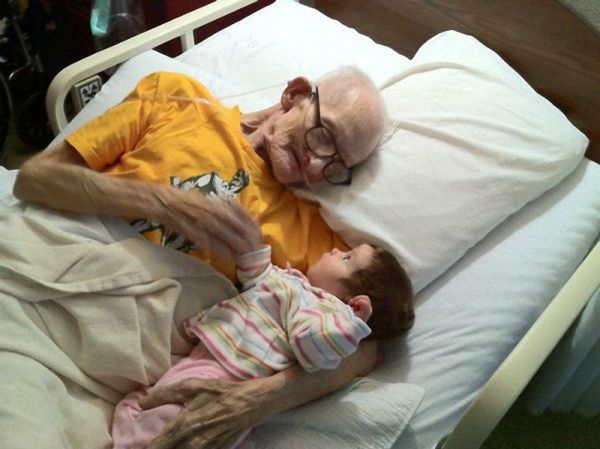
A photograph can hold an entire argument in a single frame: who has power, who is waiting, what just happened, what might happen next. The old saying that a picture is worth a thousand words is not a claim that images replace language. It is a claim that some images compress story so efficiently that captions feel optional. This gallery gathers examples of that compression—pictures that read like short films paused at the decisive second.
Part of the pleasure is narrative inference. You arrive mid-scene. The photographer has already chosen angle, timing, and what to exclude. Your job is to complete the plot with whatever life knowledge you bring. Two viewers rarely invent identical stories, yet both can feel the picture “speak.” That shared sense of speech is what these images chase. They are not puzzles with one correct answer. They are invitations to competent guessing.
Story as structure, not caption
When people say every picture tells a story, they sometimes mean only that an image is emotional. Emotion helps, but story needs more: a situation with tension, change, or consequence. A smiling portrait can be lovely without narrating. A frame that narrates usually contains a relationship between elements—person and object, body and landscape, one gesture answering another, an interruption in an expected order.
Look for verbs. Not the grammatical kind—visual verbs: reaching, falling, waiting, confronting, protecting, abandoning, celebrating. A still photograph cannot show duration the way video can, so it implies duration through pose and context. A half-open door implies passage. A glance off-frame implies an unseen other. Mud on shoes implies a journey already taken. These are the quiet engines of still-image storytelling. Once you start naming verbs, ordinary photos become easier to sort: decorative versus narrative.
Character also appears without names. Clothing, age cues, tools, and posture propose who someone is in this micro-drama. Setting proposes the rules of the world. Together they create genre in miniature—comedy, tragedy, documentary grit, gentle absurdity—long before a title card could arrive.
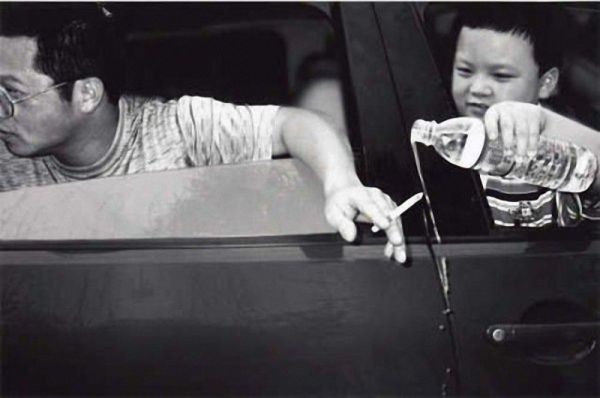
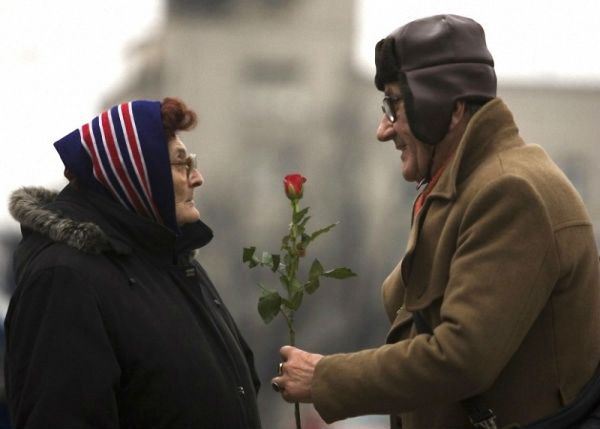
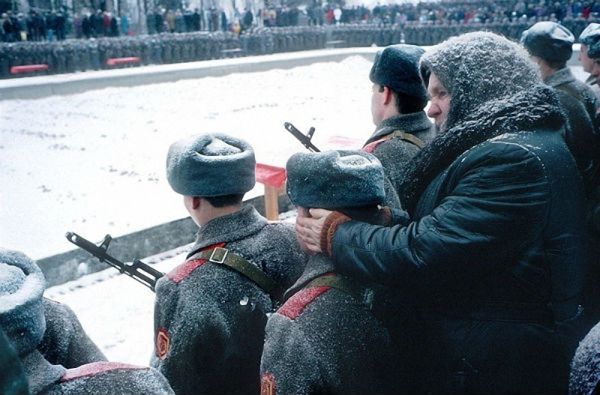
What the first set emphasizes
This page is the first of two related galleries. The focus here is on images that feel complete as standalone scenes—one-act plays. Each frame asks to be read on its own terms: setup, conflict, and emotional landing without requiring a sequel. Later, a second collection widens the lens toward irony, contradiction, and pictures that deliberately leave the ending unfinished. Keeping the two approaches separate helps you practice different kinds of looking.
In a standalone narrative photo, clarity is a virtue. You may not know names or dates, but you can usually name the stakes. Someone is small against a system. Someone has found an unexpected shelter. Humor and tenderness collide. Scale shifts so that the ordinary becomes monumental. The “thousand words” arrive because the picture has already edited reality down to a readable crisis or grace note.
Completeness does not mean simplicity. A one-act photograph can still hold secondary details—background jokes, symbolic clutter, a second relationship at the edge of the frame. Completeness means the central dramatic question feels answered enough that you could walk away satisfied, even if curiosity remains. That is different from an image that withholds the hinge on purpose, which is more the business of part 2.
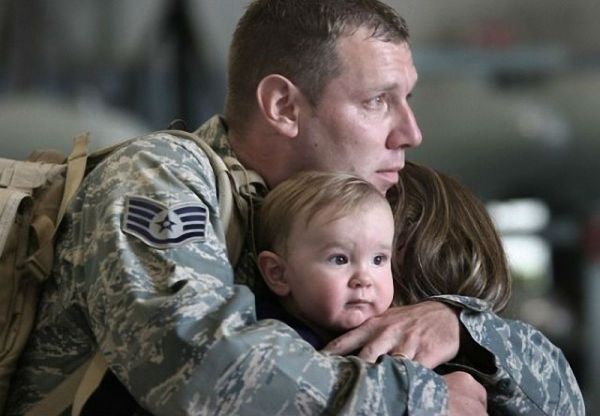
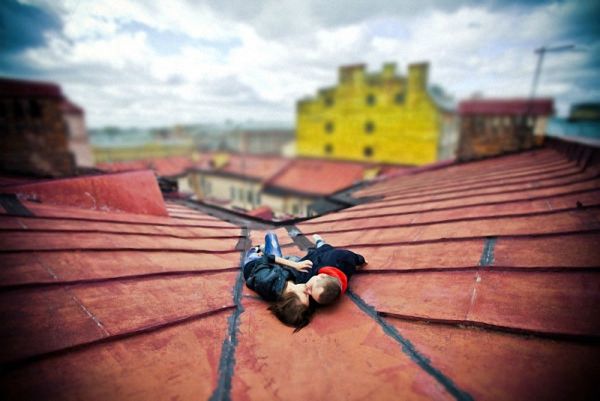
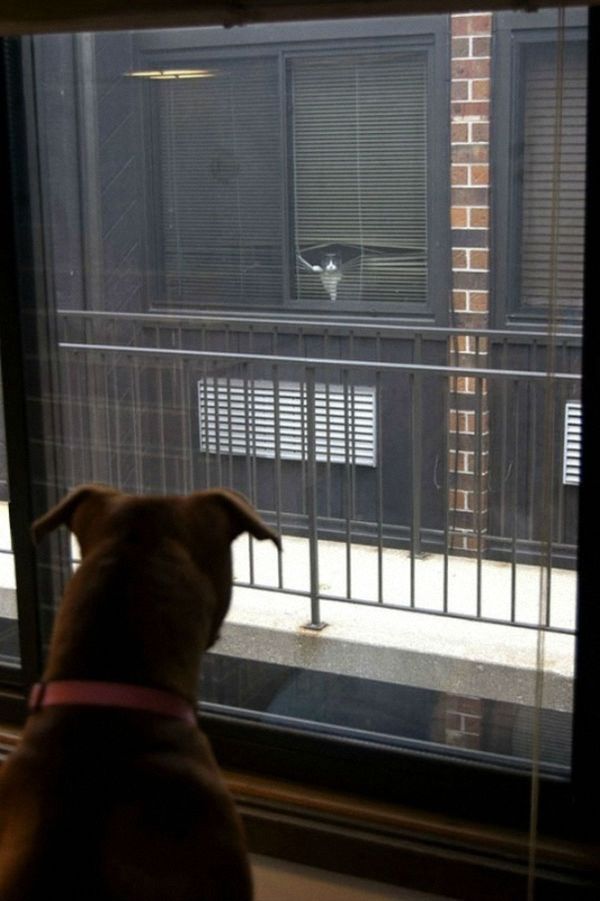
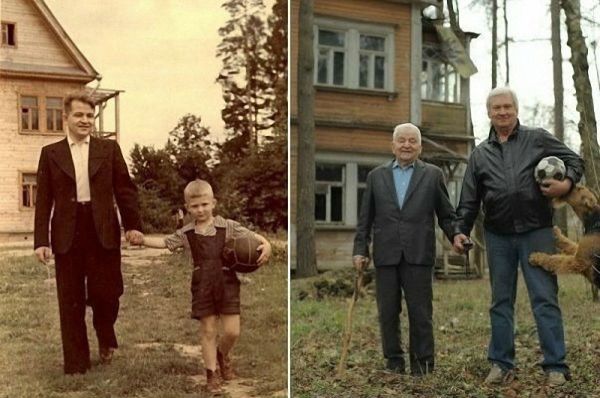
How to read without over-explaining
It is easy to smother a strong picture with invented biography. A better first pass stays closer to evidence:
- List what is literally present—people, objects, weather, signs, animals, architecture.
- Name the strongest relationship in the frame (near/far, touch/distance, order/chaos).
- Identify the moment type: before, during, or after a turning point.
- Notice your own projection—what you add that the pixels do not prove.
- Only then draft a one-sentence story, and keep it provisional.
- Ask whether a stranger could draft a similar sentence without your help; if yes, the narrative is doing public work.
That discipline protects the photograph’s ambiguity where ambiguity is part of the power, while still honoring the fact that these particular images were chosen because they feel eloquent. Eloquence in still photography often comes from contrast: soft subject against hard world, tiny detail against vast setting, private gesture in public space.
Try the exercise aloud with a friend. If your two one-sentence stories share a verb and a stake, the picture is communicating. If they diverge wildly, the picture may be atmospheric rather than narrative—or it may be rich enough to support multiple competent readings. Both outcomes are useful information.
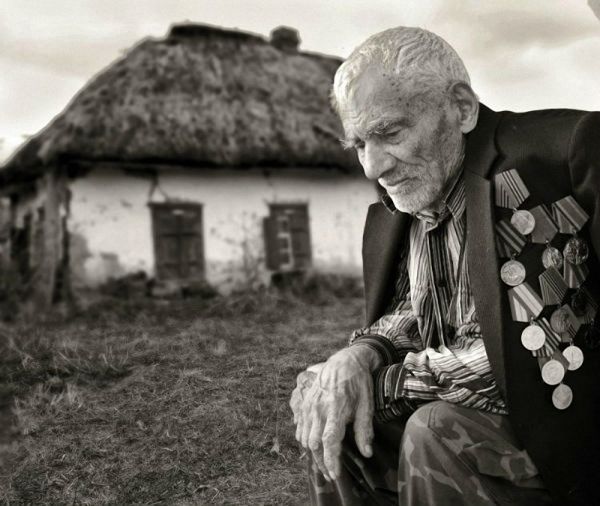


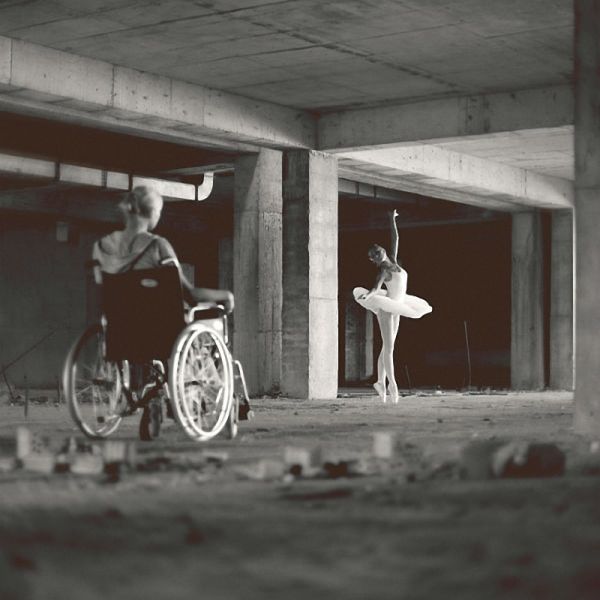
Why “meaningful” photos stick
In the early 2010s, collections like this moved quickly through magazines and share culture because they offered instant recognition: you felt you “got it” in a second, then kept discovering secondary details. That two-speed experience—punch, then aftertaste—is a hallmark of strong narrative stills. The first read gives you the headline. The second read gives you the subplot hiding in a hand, a reflection, a poster on a wall, a mismatch of scale.
Meaningful does not always mean solemn. Some of the most durable storytelling pictures are funny, absurd, or gently surreal. Humor is a narrative device: it creates expectation and then bends it. Tenderness works similarly, creating a protective circle around a vulnerable subject. Outrage can narrate too, though it ages differently depending on context. What unites the best examples is specificity. Generic “sadness” fades. A precise situation lodges in memory.
Composition supports story whether or not you consciously analyze it. Leading lines can act like plot arrows. Negative space can feel like silence in dialogue. A centered subject can feel iconic; an off-center subject can feel unstable or in motion. Color and light set genre: warm tones can suggest nostalgia or safety; hard noon light can suggest exposure; dusk can suggest ending. You do not need academic vocabulary to feel these effects. Your nervous system already reads them.
If you make photographs yourself, this gallery is a useful training set for intention. Before releasing the shutter, ask what verb you are trying to catch. Before posting, ask whether a stranger could draft a one-sentence story without your explanation. If the answer is no, the image may still be beautiful—but it may not be doing the particular job these pictures celebrate. Beauty and narrative overlap often; they are not identical skills.
Also notice what is missing. Narrative photographs are defined as much by exclusion as inclusion. The photographer cropped away the explaining billboard, the distracting stranger, the moment after the peak. That editorial courage is part of why a still can feel louder than a paragraph of context. Restraint creates pressure, and pressure creates story.
Sit with the last frame a little longer than is comfortable. Notice which detail your eye returns to when you stop hunting for a clever caption. That returning detail is often where the real story lives—not in the slogan that a picture is worth a thousand words, but in the one quiet fact the photographer refused to look away from.

Comments
Continue reading
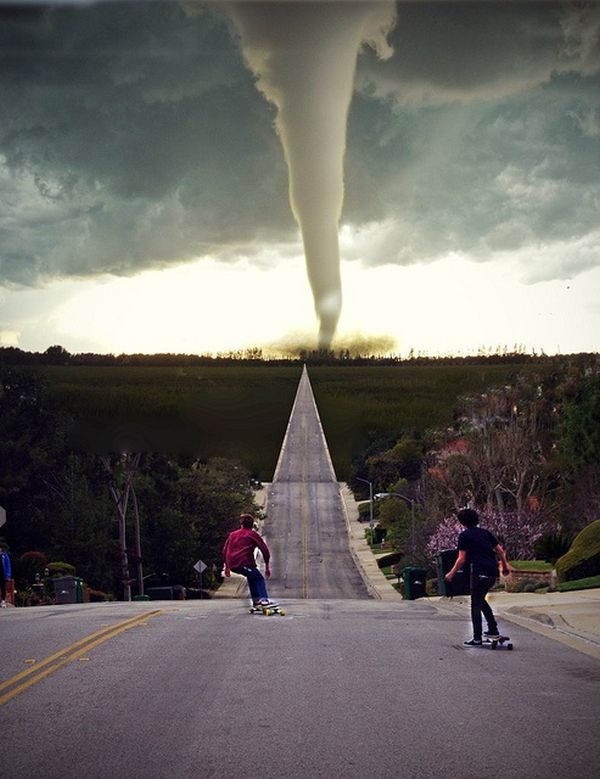
Every Picture Tells a Story – Part 2
A second gallery of storytelling photographs—less about tidy one-act scenes, more about irony, contradiction, and images that leave the ending open.

Dramatic Photo Art by Sukron Ma’mun (Ipoenk Graphic)
Cirebon, Indonesia photographer Sukron Ma’mun uses theatrical natural light to frame village life, play, and place in lyrical photo art.

Bird’s-Eye Views: Florian Beaudenon’s Instant Life
Paris photographer Florian Beaudenon’s Instant Life series captures people in their rooms from above—intimate, collaborative overhead portraits of everyday joy.