
Every Picture Tells a Story – Part 2
A second gallery of storytelling photographs—less about tidy one-act scenes, more about irony, contradiction, and images that leave the ending open.
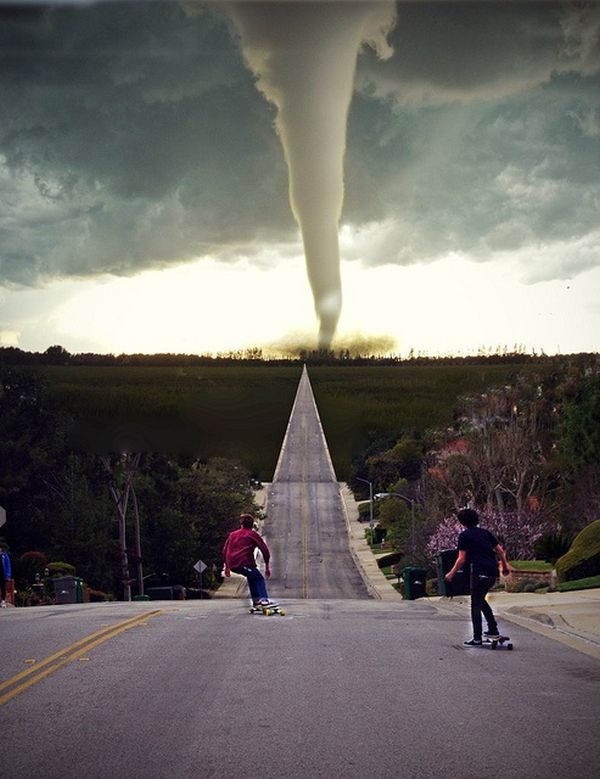
Some photographs resolve like a short story with a final line you can almost hear. Others refuse resolution on purpose. This second gallery continues the idea that a picture can speak volumes, but it leans into a different register: images that thrive on irony, mismatch, double meaning, and endings you have to finish yourself. If the first collection rewarded clarity—one scene, readable stakes—this set rewards a second look, and sometimes a third.
Calling it “part 2” is not just a numbering habit. It is a shift in viewing mode. Here, the thousand words are often an argument between what the frame shows and what you expected it to mean. A gesture that looks heroic until context makes it comic. A tender detail sitting inside a harsh environment. A public sign colliding with private behavior. The story is not only in the subject; it is in the friction. Friction is what keeps these pictures from feeling like duplicates of the earlier gallery.
When the story is a contradiction
Contradiction is a powerful narrative engine in still photography. The camera freezes two truths at once: beauty and damage, order and improvisation, loneliness and crowd, play and danger. Because a photograph cannot sequentially explain (“first this, then that”), it must stack meanings in space. That stacking can feel like wit, critique, or melancholy depending on tone.
Train yourself to hunt for the colliding elements. What is the official message of the scene—the signage, uniform, architecture, ceremony—and what is the unofficial message carried by a body, animal, weather, or leftover object? The gap between official and unofficial is often where the picture’s intelligence lives. You are not merely watching an event; you are watching a society’s script meet a human revision.
Irony is especially common in this mode. Irony is not automatically cynicism. It can be affectionate, bleak, or simply observational: the world arranged itself into a joke, and someone with a camera noticed in time. The ethical risk is punching down. The artistic opportunity is revealing systems and habits that usually hide in plain sight. Strong ironic photographs often protect the vulnerable party in the frame while letting the surrounding system look absurd.
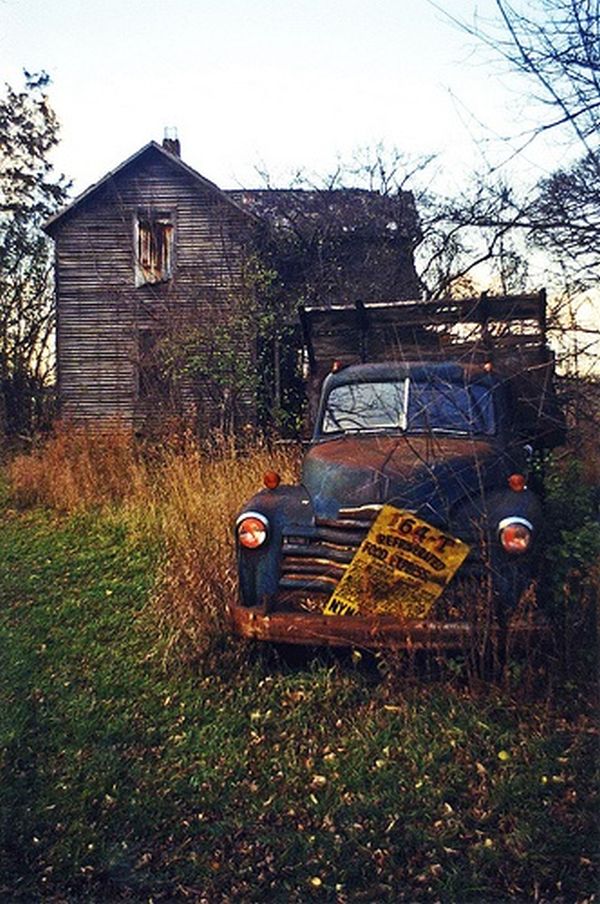
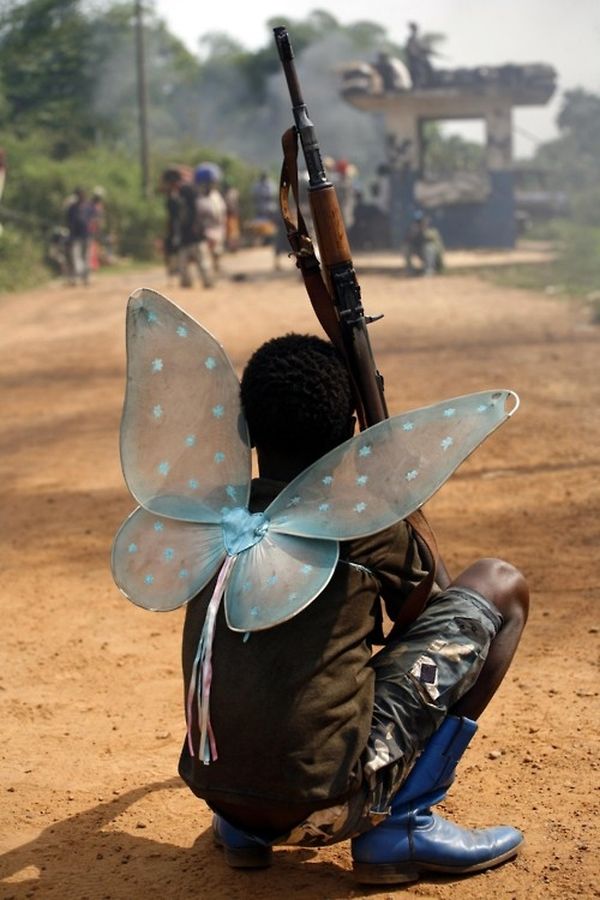
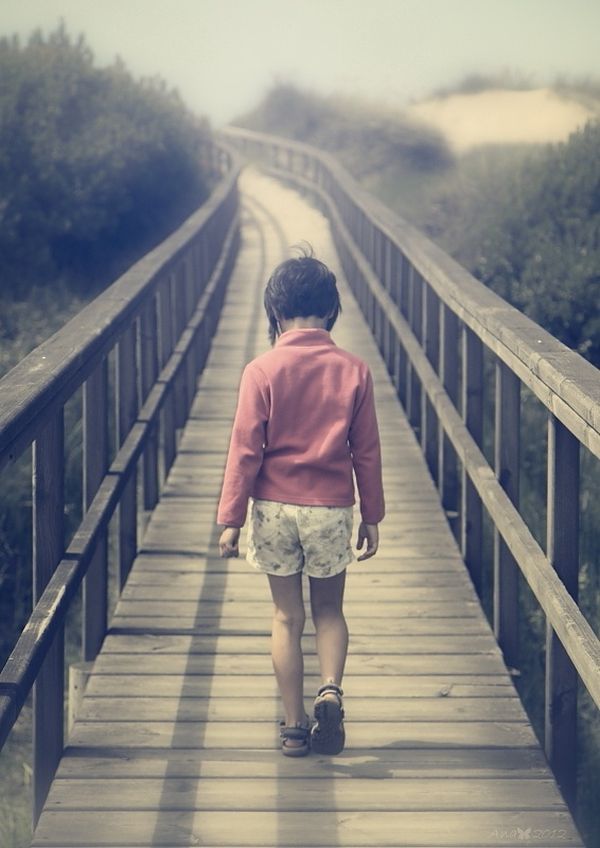
Open endings and viewer authorship
Some of these frames stop before the punchline. That is not a failure of storytelling; it is a different contract with the viewer. An open-ended photograph hands you authorship of the next minute. Will the person turn around? Will the object fall? Is the meeting accidental or arranged? Your answers say as much about you as about the image, which is why such pictures stay sticky in memory. You partly wrote them.
Compared with part 1’s emphasis on complete one-act scenes, this collection often feels like chapter middles. The before is implied; the after is withheld. That structure mirrors how real life usually arrives to strangers: we rarely get the whole dossier. We get a charged fragment and must decide how much to invent. Ethical looking means noticing the invention—especially when the subjects cannot answer back.
Open endings also change how you remember a gallery. Clear one-act images tend to lodge as icons. Ambiguous ones lodge as questions you rehearse later in the day. Both are valuable; they train different muscles. Part 2 is the question gym.
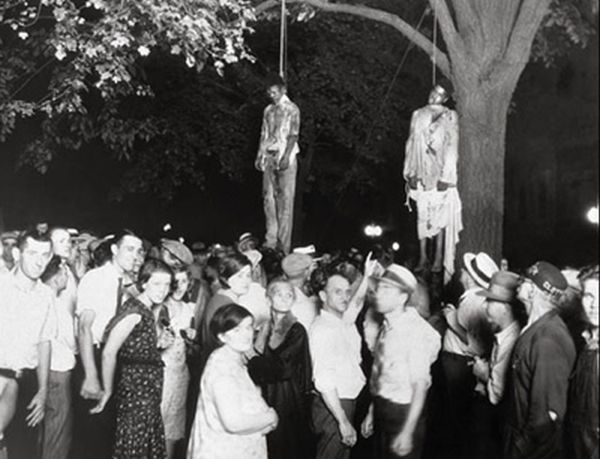
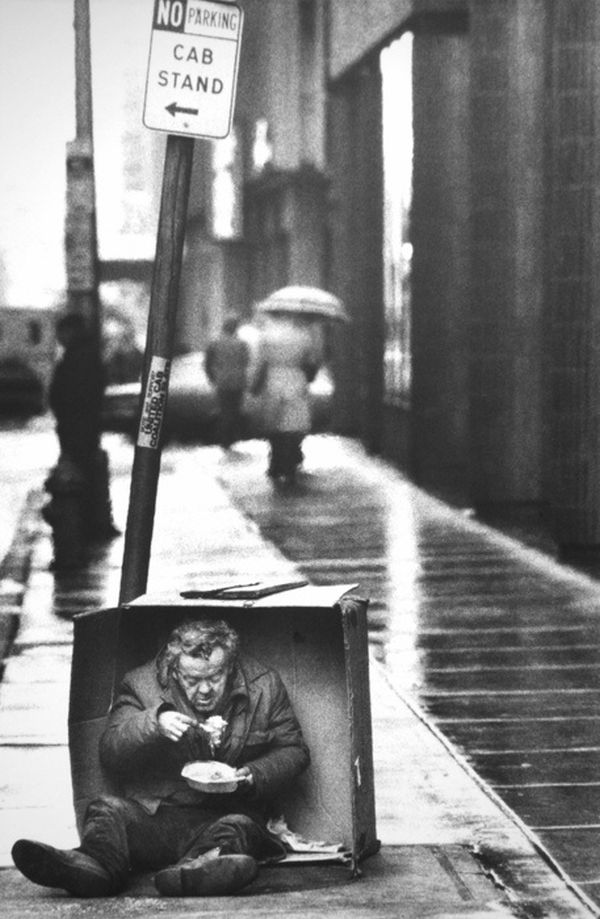
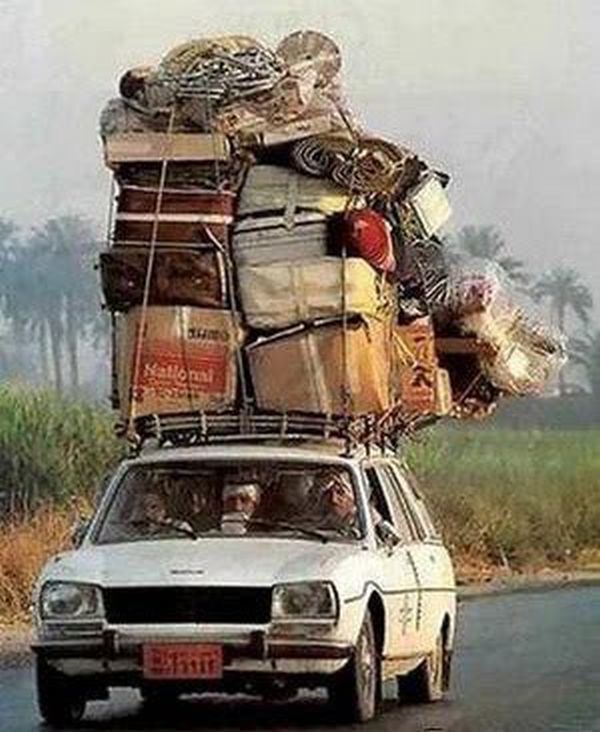
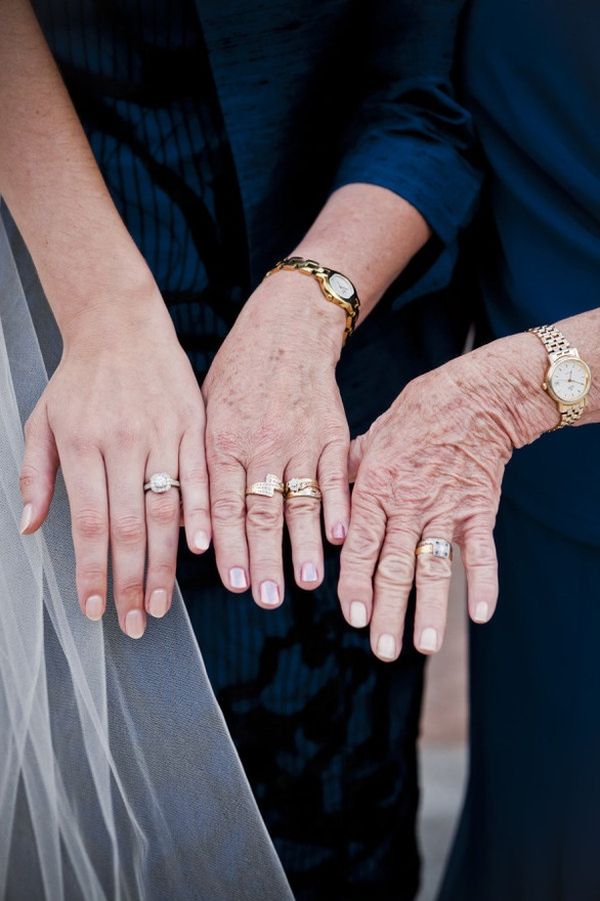
A second reading method
Because this set leans on ambiguity and tension, a slightly different reading method helps:
- Capture your first one-word reaction—funny, uneasy, tender, strange—before analysis.
- Find the element that contradicts that first reaction.
- Ask which reading would change if one object were removed from the frame.
- Decide whether the photo feels like critique, celebration, coincidence, or all three.
- Delay the clever caption. Let the discomfort or delight breathe.
- Note whether you are protecting a person in the frame or laughing at them; adjust if needed.
Social-media culture often rewards the fastest joke. Many of these images can survive a joke, but they deepen when you allow a slower weather system of meaning. A picture that “tells a story” in this mode may tell two stories that refuse to reconcile. Holding both is the point. Speed-reading will flatten them into one-liners; patience restores their depth of field.
Scale, symbol, and the aftertaste
Pay special attention to scale games in this collection: small figures against systems, oversized objects beside fragile bodies, intimate gestures in oversized public architecture. Scale is not only composition; it is metaphor. It tells you who is large in the world’s eyes and who is large in the photographer’s. Symbol works similarly. A repeated color, an animal, a uniform, a toy—any of these can become a stand-in for vulnerability, authority, or time passing. Part 2’s images often let symbols remain slightly unstable, which keeps them from collapsing into poster slogans.
Timing still matters. The “decisive moment” tradition is not only about peak action; it is about peak meaning. In ironic or open-ended pictures, the decisive moment may be the instant when two incompatible meanings become simultaneously visible. Miss that instant and you get a merely odd picture. Catch it and you get a story that argues with itself in a productive way.
Sound is absent, yet many of these frames imply noise or hush. A crowd scene can feel loud; a single figure in a huge space can feel like held breath. Imagining the soundtrack for five seconds is a surprisingly good test of narrative density. If you can hear an environment, the story has body.
If you viewed the first gallery earlier, try a deliberate comparison exercise. Choose one image from that set that felt complete and one image here that feels unfinished. Write a three-line beat sheet for each: before, now, after. Notice how easily the first fills all three lines, and how the second resists the “after.” That resistance is not a flaw in the photograph. It is the aesthetic of this second chapter.
Photographers who chase only perfect resolution miss half of what still images can do. Ambiguity, handled with craft, is not vagueness; it is pressure without release. Viewers carry that pressure with them, which is another way a picture becomes worth more than a caption’s word count.
Return to the opening frame of this page—the one that stopped you longest—and ask a narrower question than “what is the story?” Ask: what expectation did this picture set up, and how did it break or bend that expectation? The answer is usually smaller and sharper than a full plot summary. It might be a mismatch of costume and place, a glance that undercuts a pose, or a quiet object that refuses to stay background. Whatever it is, that hinge is where this gallery does its best work: not by repeating that pictures speak, but by showing how they argue, hesitate, and hand the last word back to you.

Comments
Continue reading
Every Picture Tells a Story
A gallery of photographs that work like one-act plays—single frames with readable stakes, tension, and the feeling of a thousand words compressed.

Dramatic Photo Art by Sukron Ma’mun (Ipoenk Graphic)
Cirebon, Indonesia photographer Sukron Ma’mun uses theatrical natural light to frame village life, play, and place in lyrical photo art.

Bird’s-Eye Views: Florian Beaudenon’s Instant Life
Paris photographer Florian Beaudenon’s Instant Life series captures people in their rooms from above—intimate, collaborative overhead portraits of everyday joy.