
Entrancing Surreal Still Life by Dina Belenko
Khabarovsk photographer Dina Belenko turns coffee, books, and sugar into dreamlike still-life stories—portraits of objects that feel as alive as people.
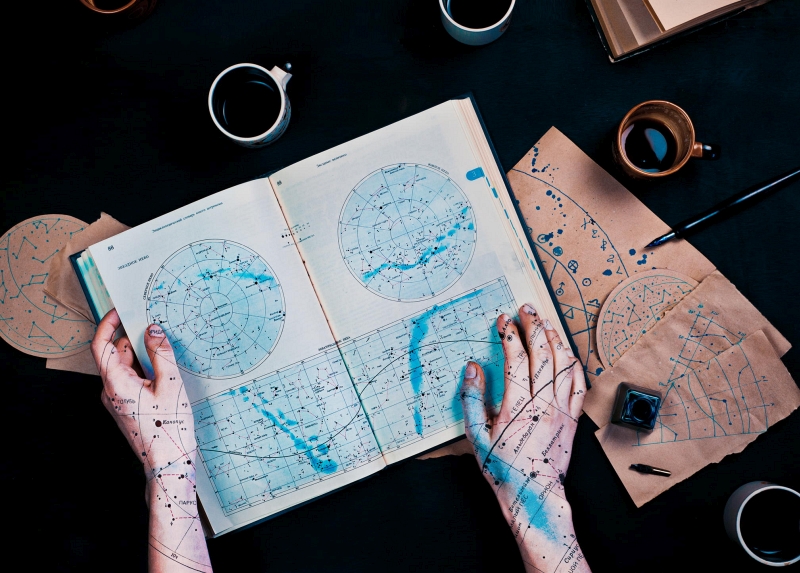
Dina Belenko photographs ordinary objects as if they keep diaries. Cups, books, sugar, maps, and coffee do not sit politely on a table waiting to be documented. They act. They spill, orbit, conspire, and remember. Working from Khabarovsk, Russia, Belenko built a recognizable language of conceptual still life: bright, staged, story-driven scenes where inanimate things carry emotion the way a portrait carries a face. Her premise is simple and stubborn. Capturing an object can be like making a portrait of its soul.
She has said, in substance, that everything around us keeps the prints of our emotions, expectations, and feelings—aging and damaged as we are—and that a thing can be as substantive a portrait as a person. That belief turns kitchen clutter into theater. A cracked cup is not only ceramic; it is a survivor. A map is not only paper; it is a promise of elsewhere. Powdered sugar becomes weather. Coffee becomes cosmology. The camera, in her hands, is less a recorder than a stage manager for quiet miracles.
Still life as narrative, not inventory
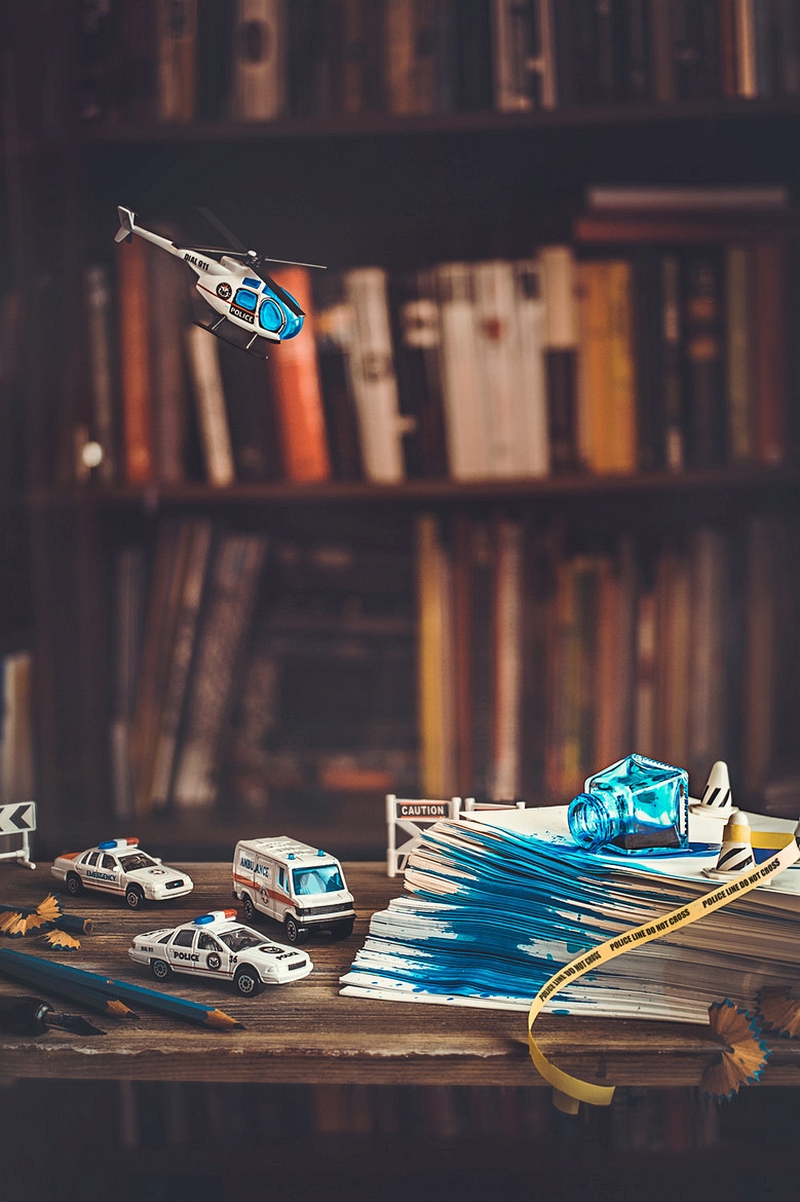
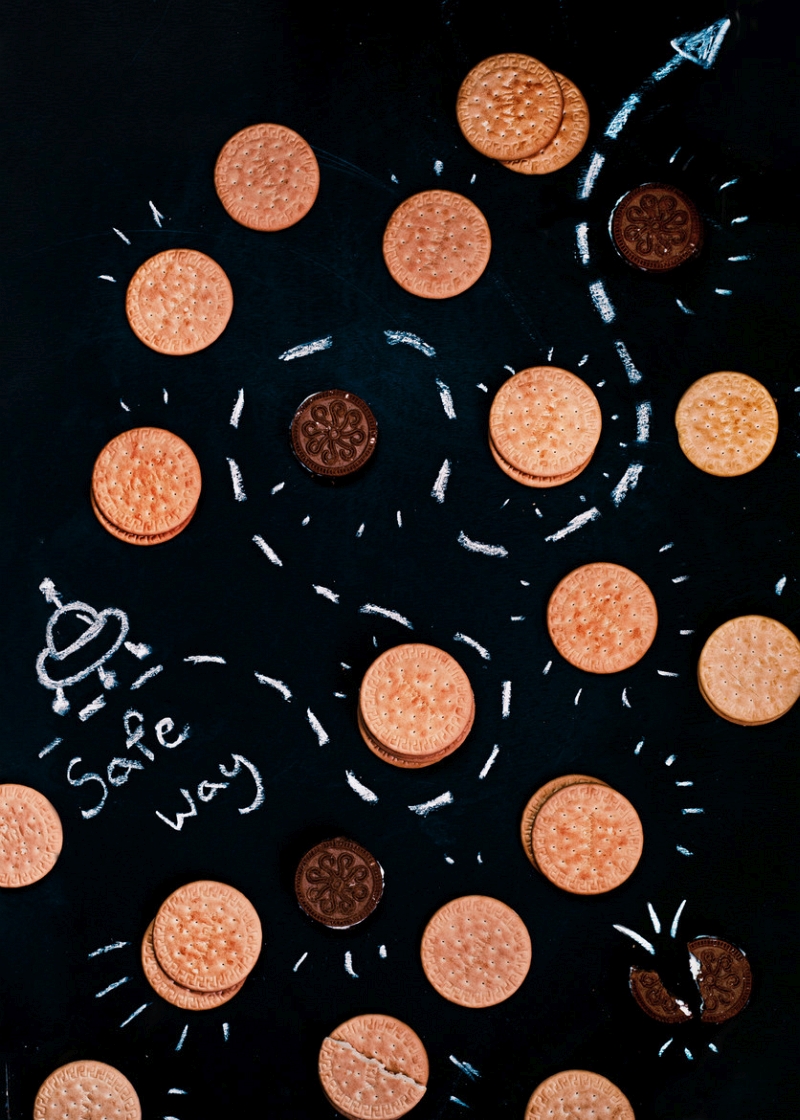
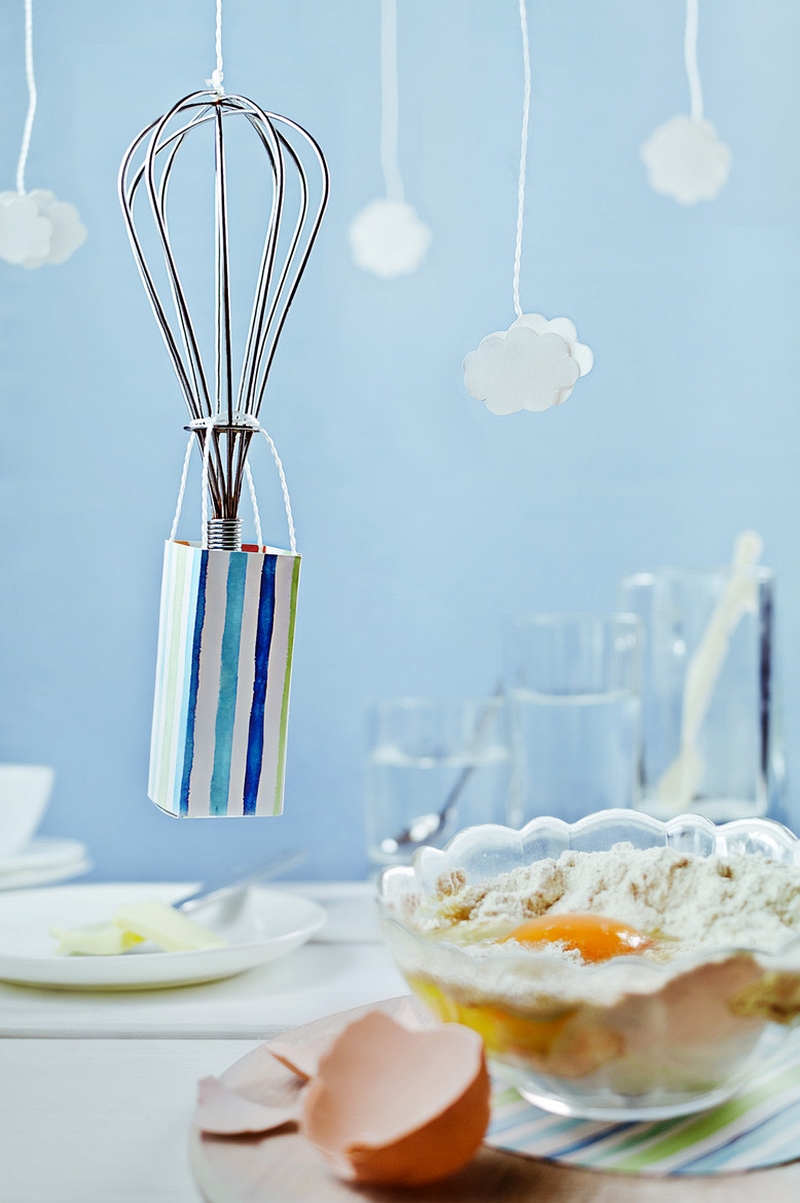
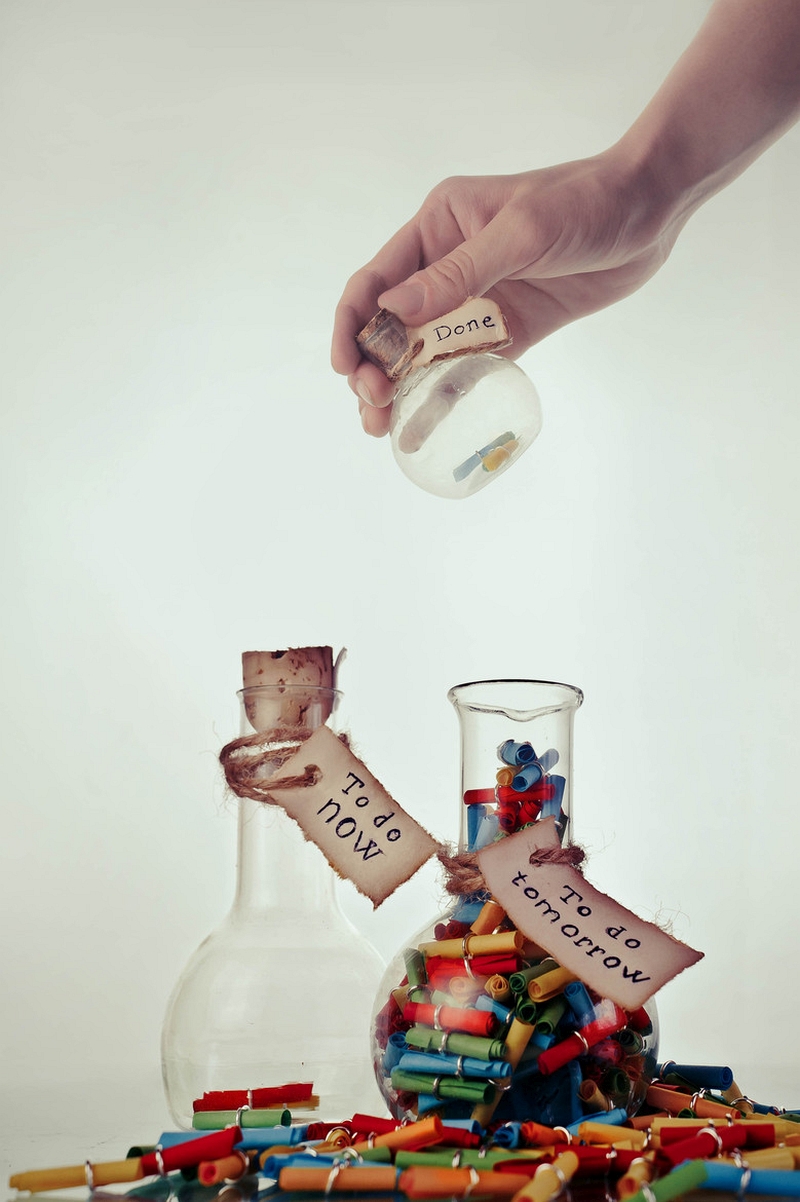
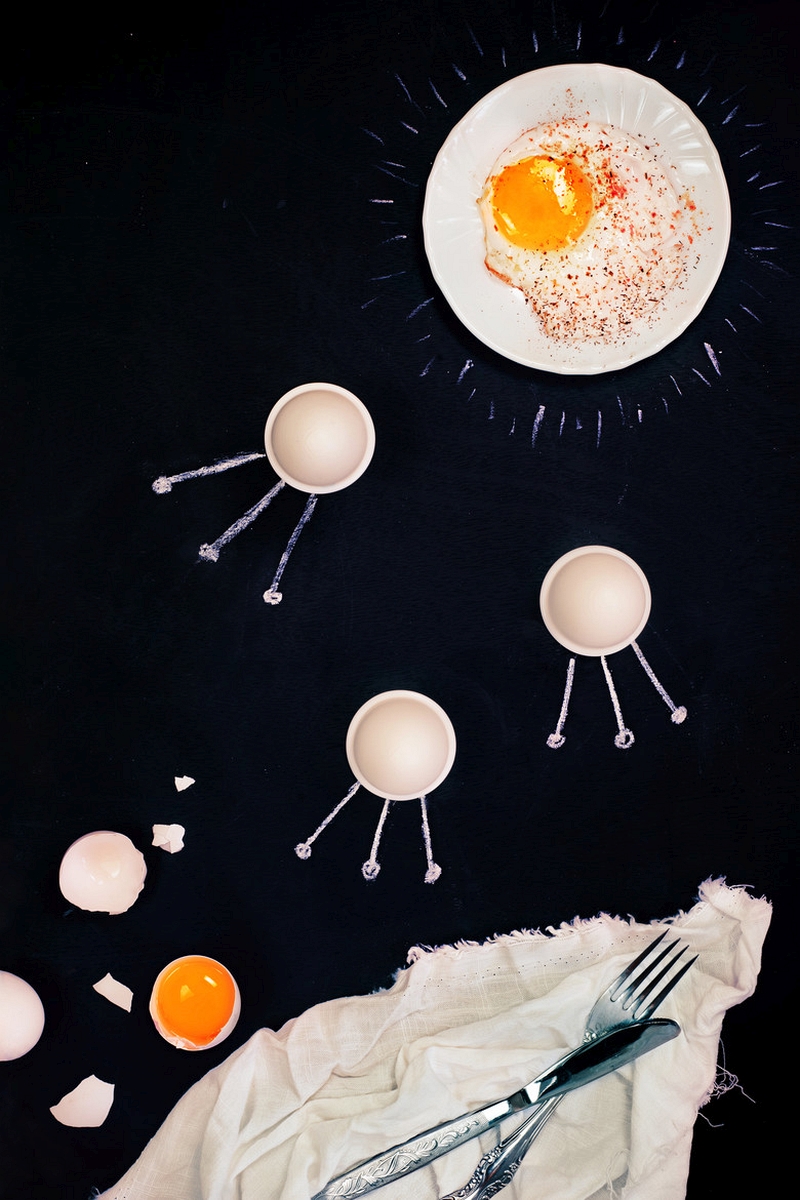
Traditional still life often celebrates abundance, craft, or mortality: fruit, glass, skull, shadow. Belenko keeps the control of the genre—every prop placed, every highlight managed—but redirects it toward whimsy and allegory. Her frames feel closer to short stories than product shots. Titles in this set hint at the joke and the ache at once: workaholic coffee that tries harder, time management gone sideways, hedonism served on a plate, a pastry adventurer crossing edible terrain. You do not need the title to sense a plot. You need only notice what is floating, leaking, or refusing gravity.
That refusal matters. Levitating cups, inverted pours, and Rube Goldberg breakfast machines are not empty tricks. They announce that the rules of the table can be rewritten for emotion. When coffee hangs in air, the photograph is talking about desire, delay, or delight—whatever the composition argues—more clearly than a straight documentary cup ever could. Surrealism here is practical. It is a tool for making the invisible habits of daily life visible. The domestic table becomes a planetarium of small human dramas: ambition, craving, distraction, sweetness, panic, play.
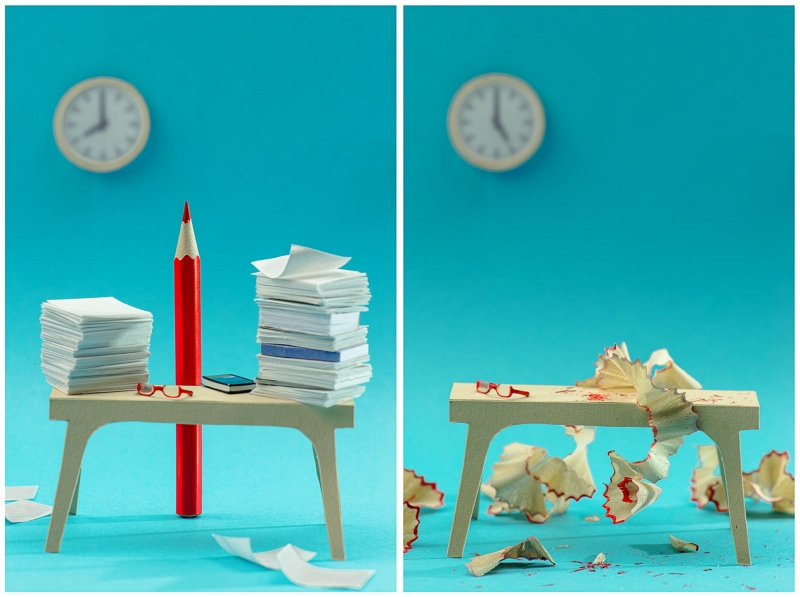
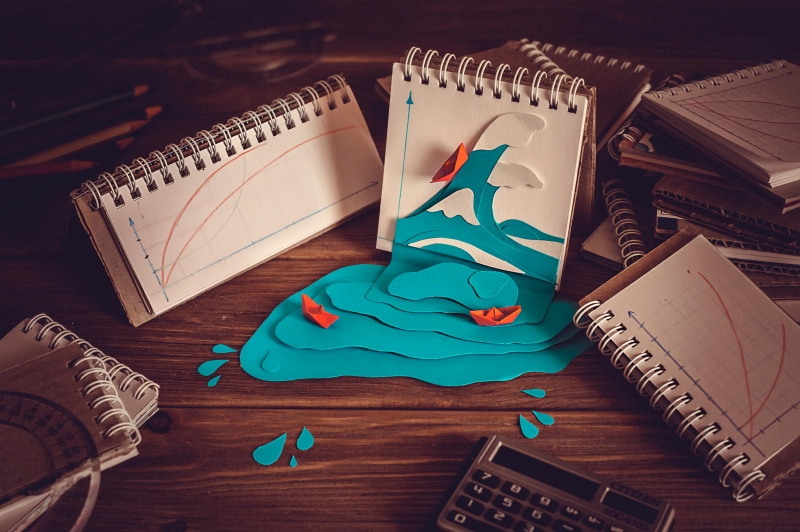
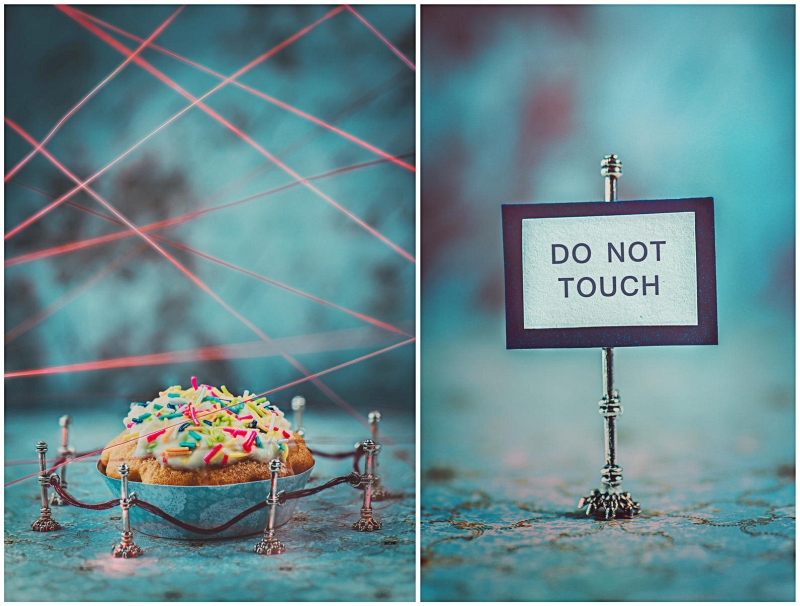
Look closely at texture. Belenko’s world is tactile: sugar crystals, paper edges, liquid sheen, the soft bruise of pastry. Surreal photographs sometimes abandon material truth for collage polish. Hers usually keep the physics of flour and glass even when the narrative breaks physics. That tension—real materials, impossible events—is where the entrancement lives. You believe the coffee enough to accept the orbit. Belief, in still life, is earned grain by grain.
Coffee, books, and domestic cosmos
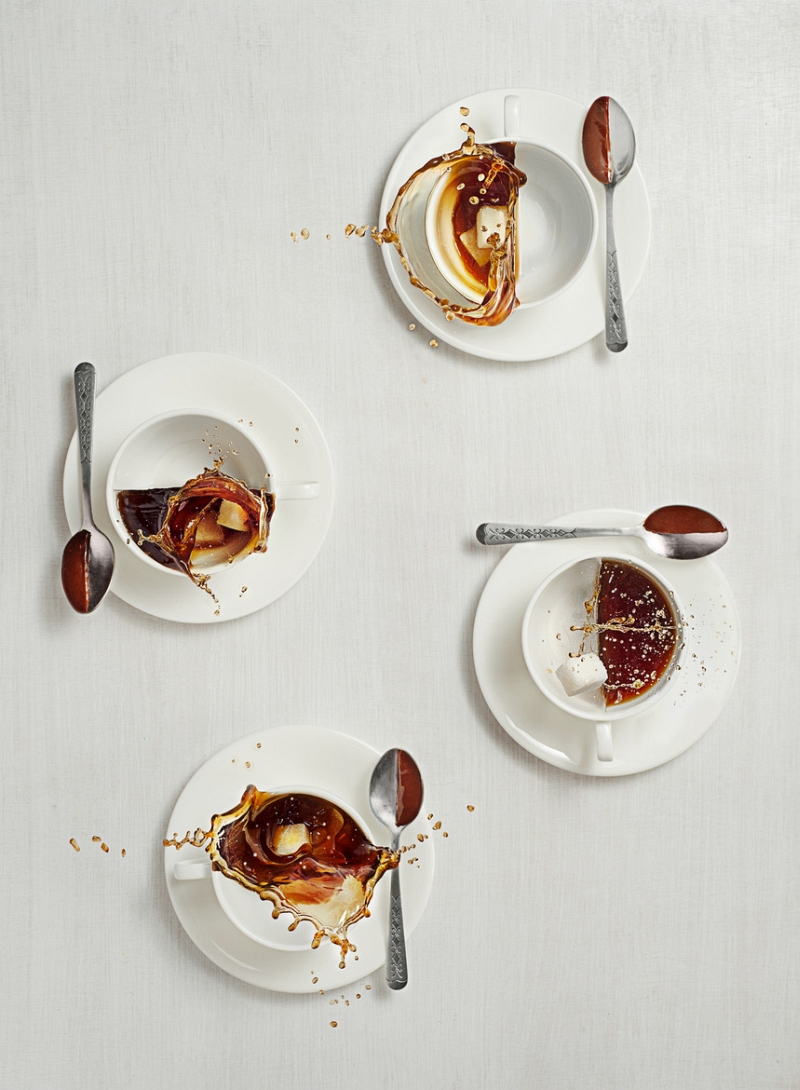
Coffee recurs like a character actor who never misses a call. It is fuel, ritual, mess, and metaphor. Inverted pours and spilled constellations turn the morning cup into astronomy. Tiny “crimes” of desktop accident and coffee case treat spills as mysteries with culprits and motives. The humor is gentle. Nobody is mocked; the small disasters of work and pleasure are given costume drama. That generosity is part of Belenko’s charm. She does not sneer at consumer habits. She mythologizes them until they feel tender.
Anyone who has lived through a deadline week recognizes the workaholic cup that “tries harder.” Anyone who has watched a morning dissolve into tabs and sticky notes recognizes time management as comedy. These are not obscure symbols. They are public moods given private staging. The surreal twist simply turns up the volume until the mood becomes visible from across the room.
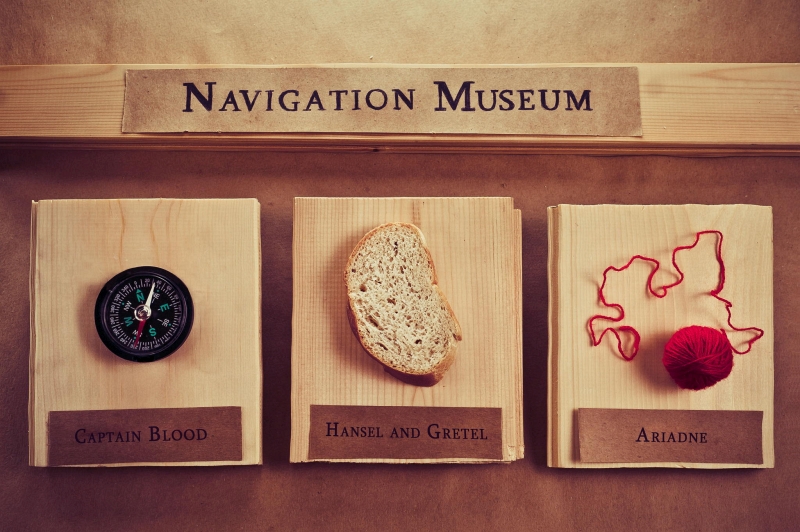
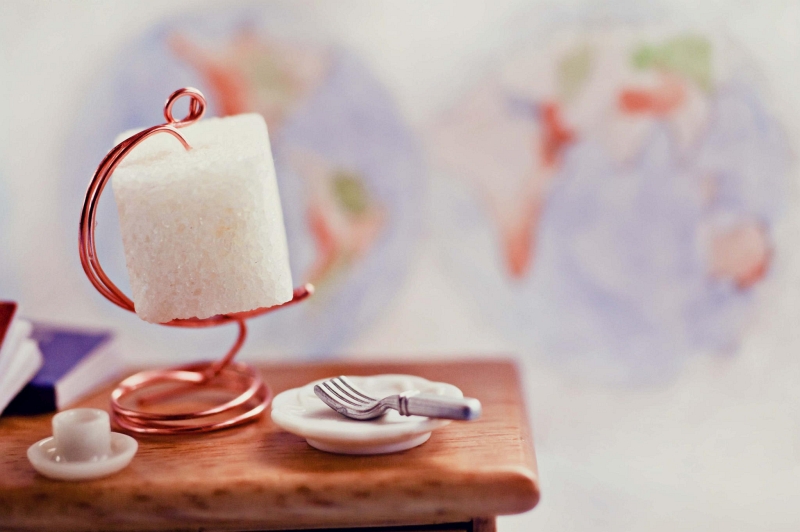
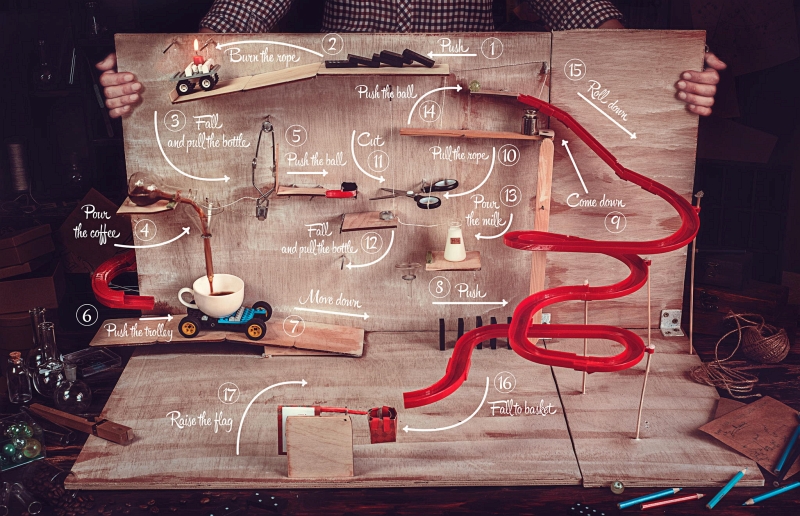
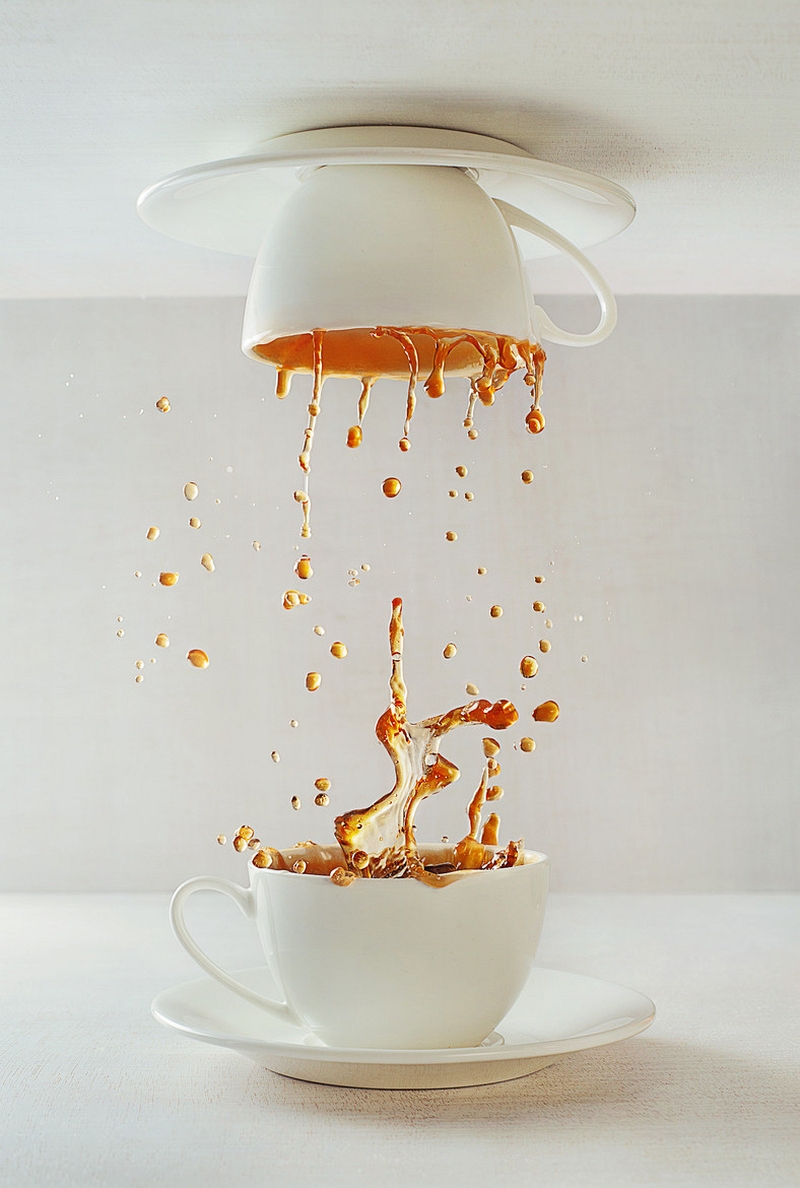
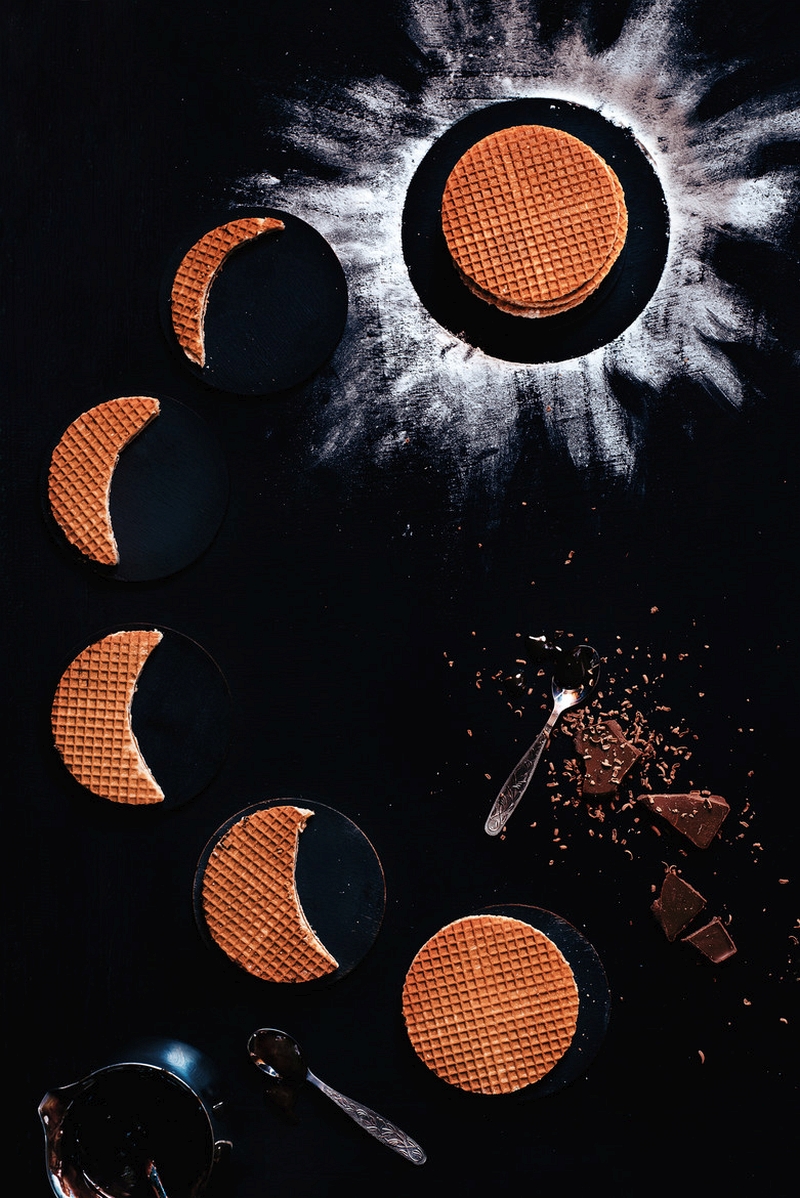
Books and maps open another chamber of the same house. Endless Book scenes—map-marked stars, eclipses, aliens, don’t-panic pages—treat reading as travel and paper as landscape. A book can contain an asteroid belt. A page can host an emergency. For anyone who has ever used fiction as weather control, the metaphor lands without explanation. Belenko’s surrealism is literate without being academic. It trusts viewers who know what it feels like to disappear into print and come back slightly rearranged.
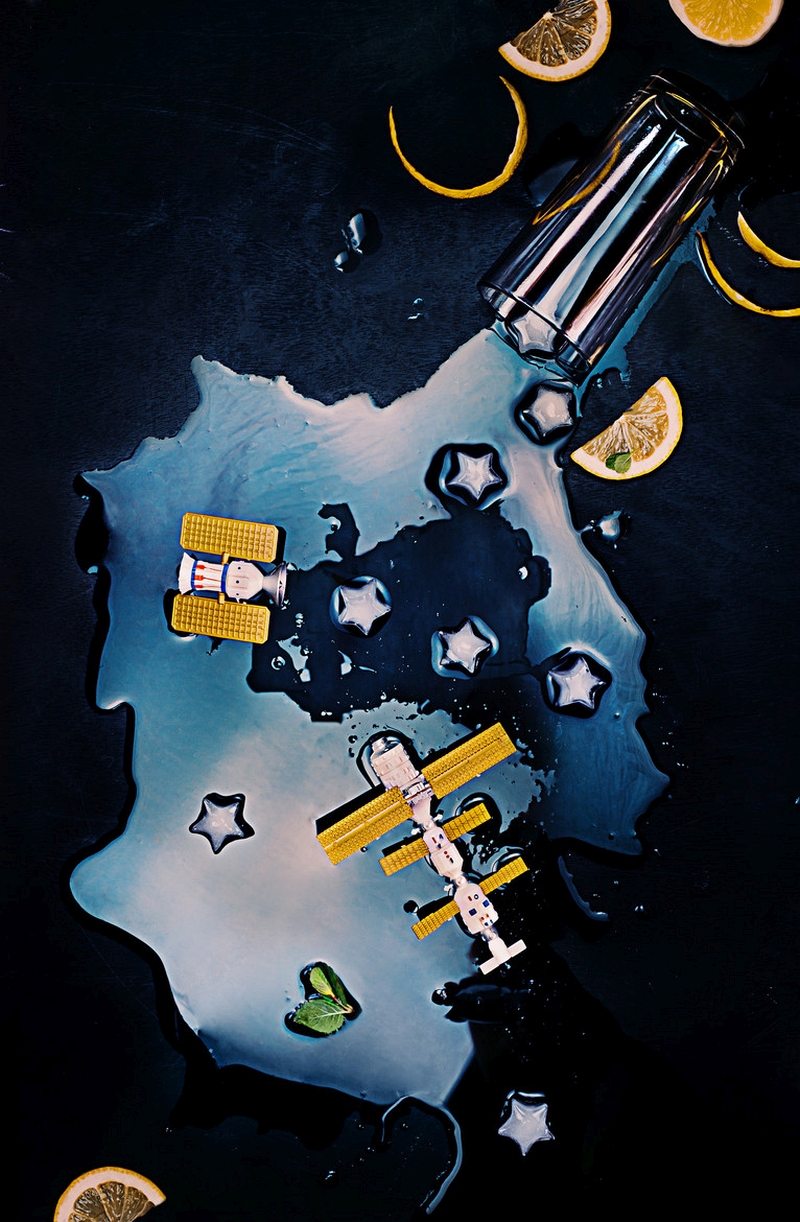
Wanderers, satellites, and pastry adventurers extend the same grammar outdoors and into edible terrain. Motion is implied even when the shutter freezes everything. A still life that implies journey is doing double work: celebrating control of the set while dreaming of escape from it. That contradiction feels honest. Many creative lives are built on exactly that push-pull between desk and elsewhere.
Craft you can feel even when physics breaks
Conceptual still life of this density demands patience: lighting that sculpts sugar without melting narrative; focus that keeps a floating object sharp enough to believe; color that stays playful without turning into candy noise. Belenko’s palette often leans warm and inviting—the opposite of clinical surrealism. Shadows behave. Highlights have edges. The “magic” reads as something you could almost build on a desk with wire, tape, and stubbornness, then refine in post. That almost-handmade quality keeps the work human. You sense a person arranging the world rather than an algorithm inventing one.
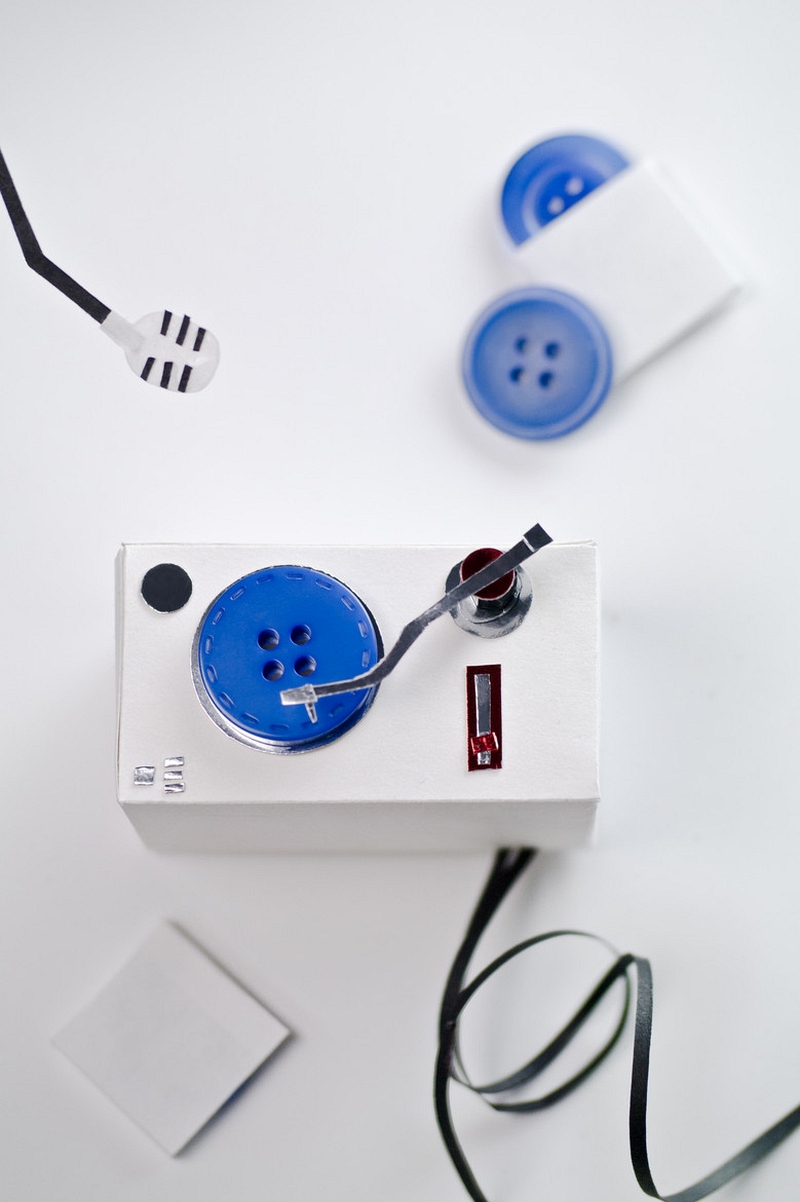
Procrastination, sunny-day kits, blue music, satellites, spilled stars: each scene names a mood many viewers already own. The photographs do not lecture. They stage recognition. You have known the desk that breeds tiny crimes. You have known the sugar-no-milk preference as a personality trait. You have known the eclipse that arrives when a book swallows an afternoon. Belenko’s surreal world is entrancing because it is continuous with ordinary life, only louder and kinder.
Her background as someone who moved from editorial work into freelance photography also helps explain the narrative confidence. Editors think in sequence and emphasis. Still-life surrealists who can “edit” a tabletop inherit that instinct. What stays in the frame earns its place. What leaves the frame leaves a useful silence. The result is not cluttered maximalism; it is directed abundance—enough detail to explore, enough restraint to keep a central joke or ache clear.
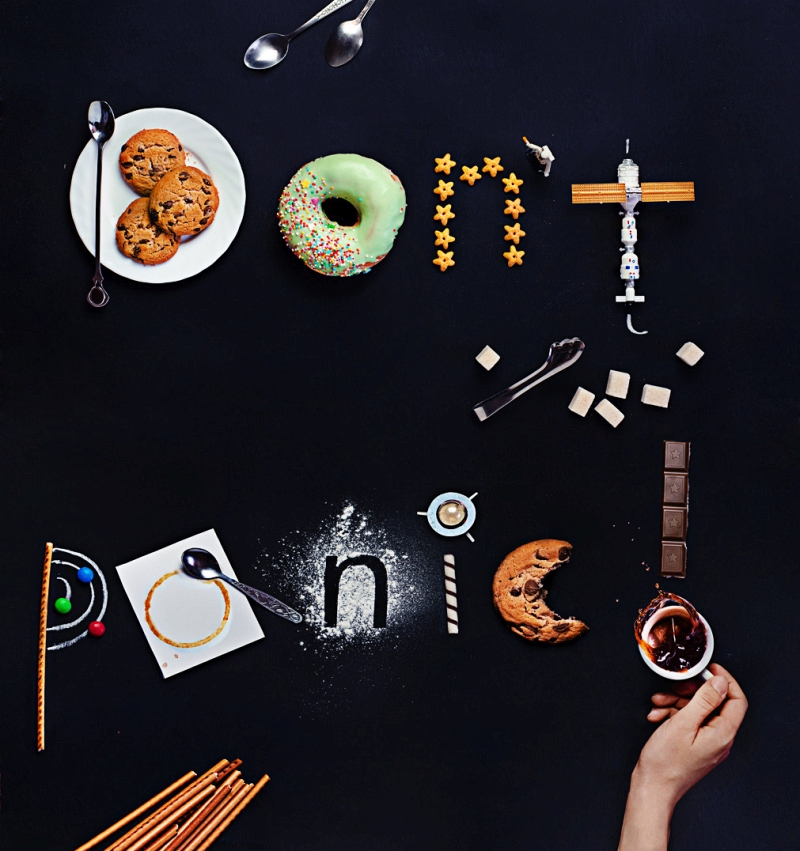
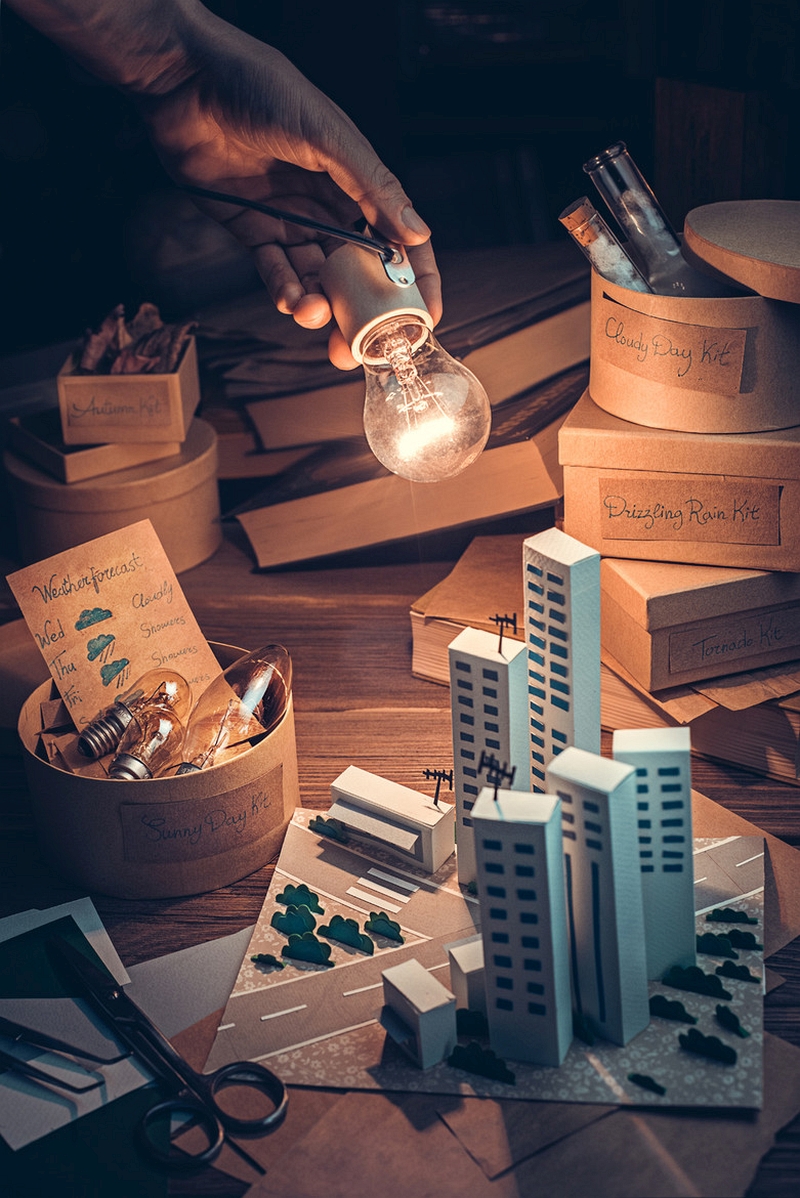
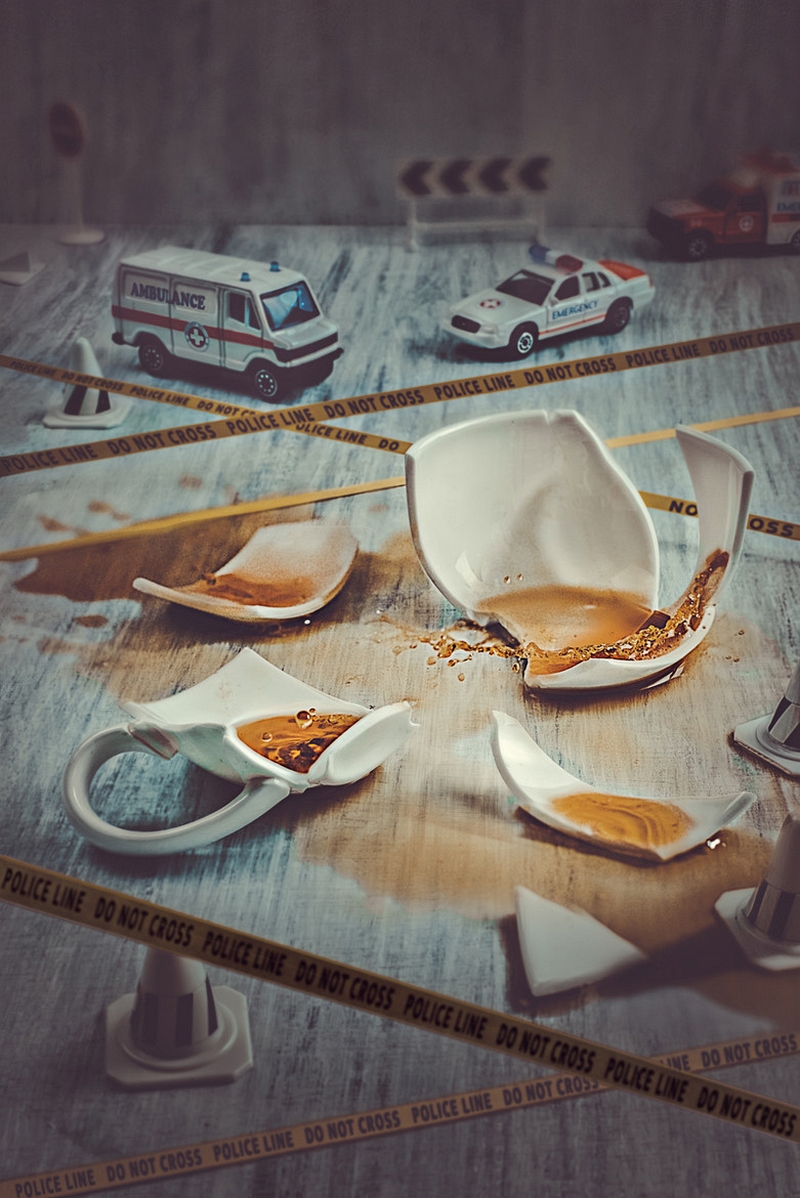
In the mid-2010s, when this feature first circulated online, audiences were hungry for photographic work that felt imaginative without abandoning craft. Belenko’s images traveled well across blogs and portfolio sites because they reward both a quick scroll and a long look. At thumbnail size they sparkle; at full size they reveal seams of intention—string lines of narrative, careful crumbs, decisive negative space. She later became widely known as an educator as well as a maker, teaching creative thinking around still life. Even without that later context, the pictures themselves teach: control the set, invent the story, let objects speak.
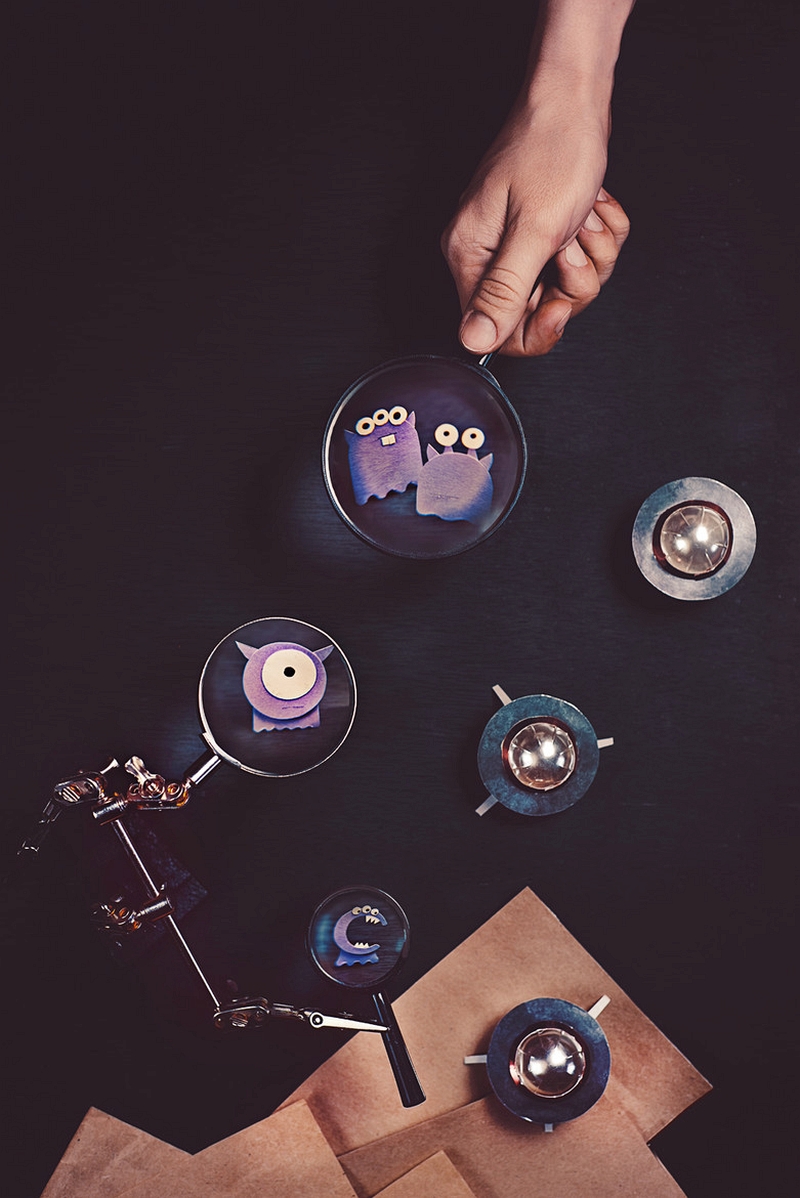
How to look at this gallery
Try reading each frame as a one-act play with props instead of actors:
- Identify the hero object—the cup, book, pastry, or tool that owns the scene.
- Name the disruption: spill, float, orbit, eclipse, invasion, delay.
- Ask what human habit the disruption exaggerates—work, craving, reading, worry, play.
- Notice whether the lighting feels like morning kitchen, night desk, or storybook sky.
- Decide what would remain if the impossible detail vanished. That remainder is often the emotional subject.
- Give the scene a five-word title of your own, then compare it with Belenko’s; the gap between them can be revealing.
If one image sticks, return to “Inverted coffee” or “Spilled Stars” and watch how liquid and sugar behave like weather systems. Then look again at a quieter preference piece—“With sugar no milk”—and notice how personality can be staged without a human body in sight. Belenko’s surreal world is not an escape from the table. It is the table, dreaming aloud—and inviting you to admit that your own ordinary objects have been telling stories all along, waiting for someone to listen with a camera.

Comments
Continue reading
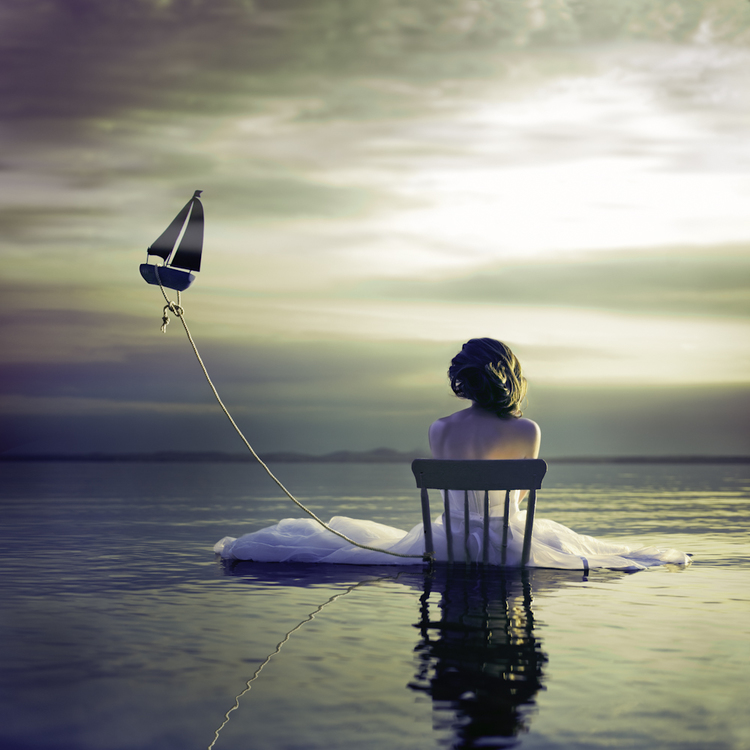
Alicia Savage’s Surreal Self-Portraits of Travel
Boston photographer Alicia Savage turns road trips into Destinations self-portraits—literal miles and metaphorical journeys layered through curiosity and post-production.
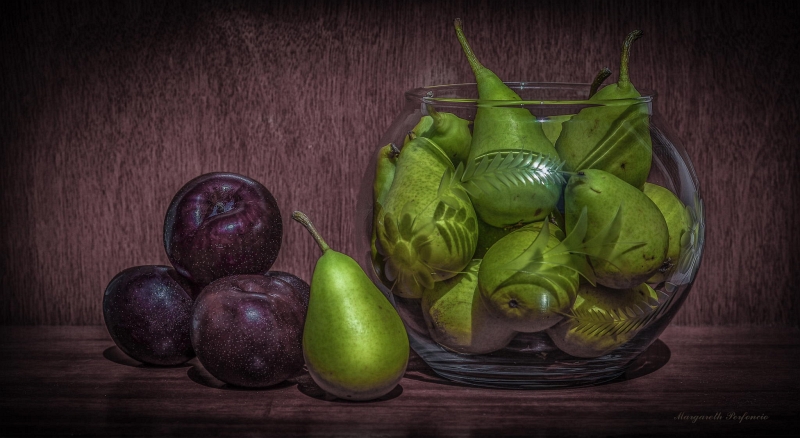
Still-Life Photography by Margareth Perfoncio
São Paulo photographer Margareth Perfoncio’s still lifes of food and flowers—Old Master light, dark wood, and tables that feel inevitable.

Meaningful Love Quotes for Inspiration (and Ink)
Meaningful love quotes that still feel true — short lines for tattoos, gifts, and everyday reminders, with placement and wording tips.