
Elegant and Beautiful Rooms: Design Criteria That Hold Up
Proportion, quiet palettes, layered light, durable materials, and disciplined editing—practical ways to read refined interiors and apply the same decisions at home.
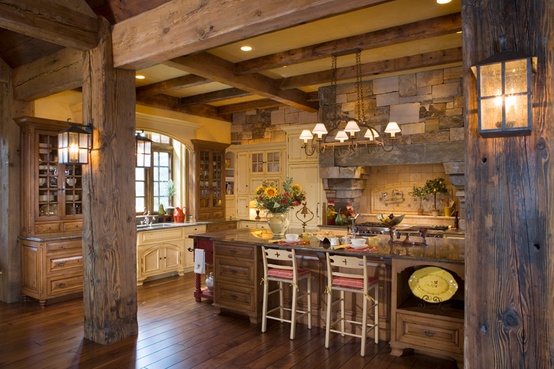
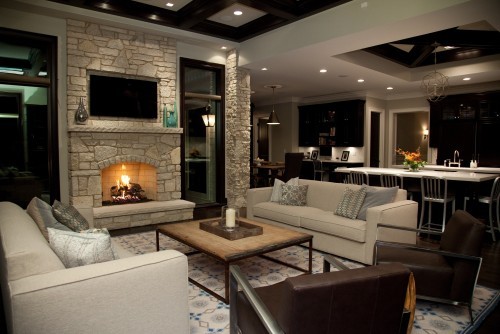
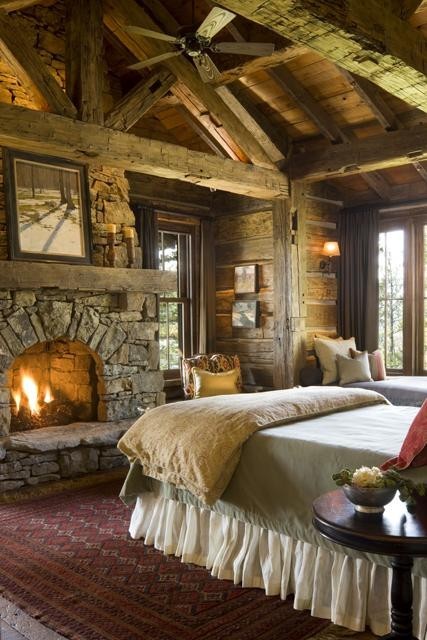
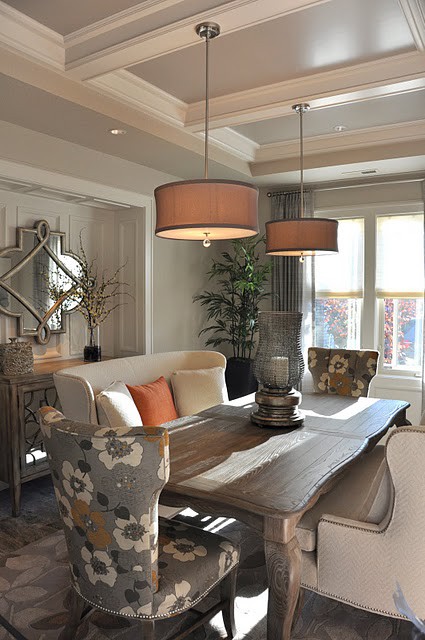
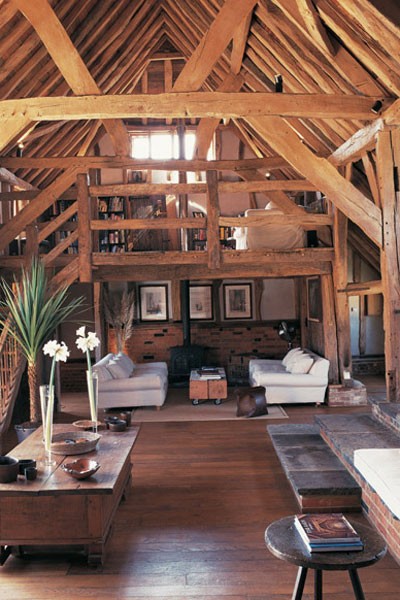
Elegant rooms are not produced by stacking expensive objects until the camera is happy. They come from clear proportions, controlled light, a restrained material story, and enough empty space for the eye to rest. The interiors gathered here—tall windows, layered neutrals, sculptural furniture, calm bedrooms, formal sitting rooms—differ in mood, yet they share decisions you can borrow at almost any budget.
Read the images as criteria, not as a checklist of products to duplicate. Scale, palette, rhythm, and editing travel; logo fabrics and one-season trends do not. If a room still feels composed after you mentally remove brand names, the design is doing real work.
Proportion and pathway first
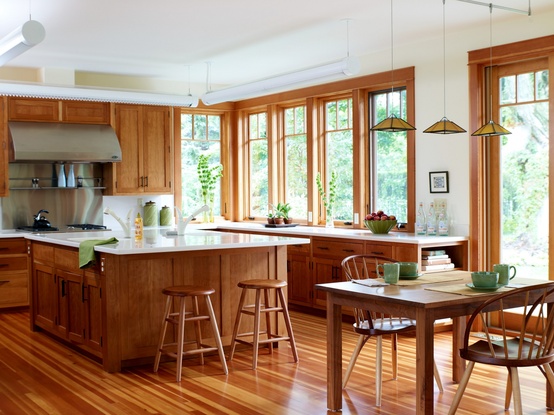
Before choosing a sofa or rug, walk the room’s circulation. Elegant layouts leave honest paths between doors, windows, and seating. Furniture should float enough to show floor or sit purposefully against architecture—not block light or force guests into sideways shuffles. In long rooms, create one primary conversation group and resist filling every wall with a secondary set that dilutes focus.
Match furniture scale to ceiling height and window size. Low, horizontal pieces calm tall volumes; a single taller cabinet or artwork can mark vertical emphasis without a forest of competing heights. Sketch the plan on paper with real measurements. If a catalog piece looks perfect in isolation but overwhelms your floor plate, believe the plan.
Door swings and drawer clearances count as design. A beautiful sideboard that cannot open fully becomes daily friction. Elegance includes the unseen geometry of how bodies move through the room at rush hour, not only how it photographs at noon.
A quiet palette with one deeper note
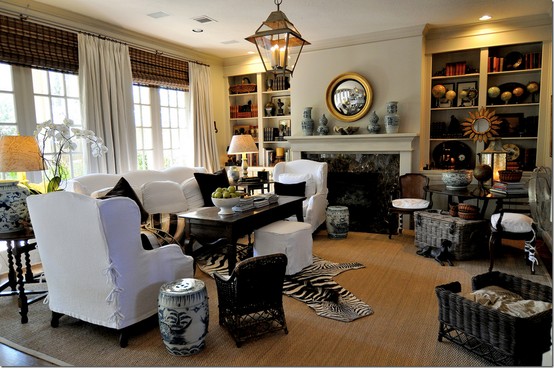
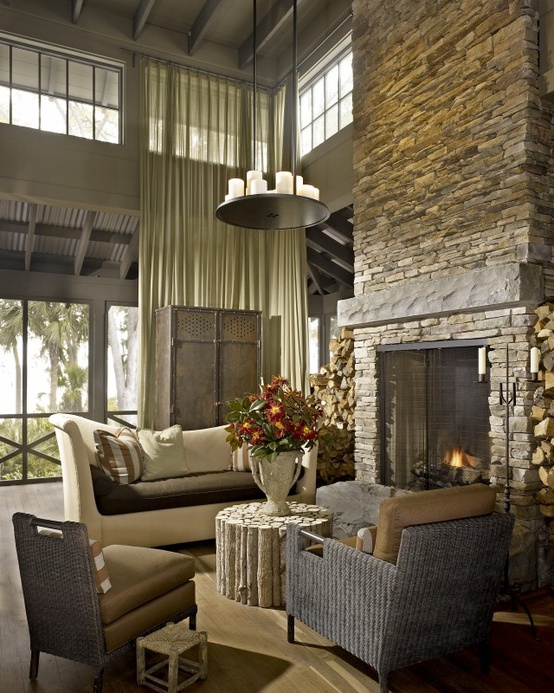
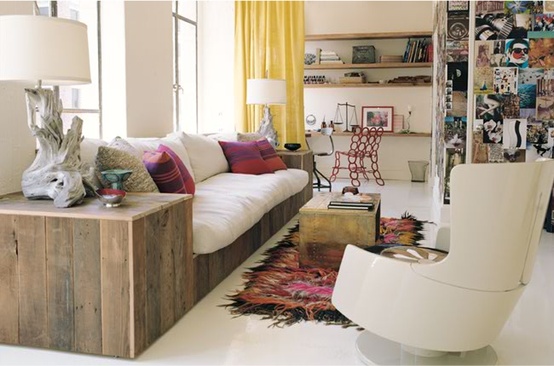
Most rooms that read as elegant rely on a narrow color range: warm whites, stone, soft gray, pale wood, and muted metallics. Variation comes from texture—linen against velvet, matte plaster against polished stone—more than from competing hues. Once the base is calm, a deeper note (ink, forest, oxblood, or charcoal) in a chair, art, or curtain panel anchors the scheme without turning the space into a swatch fight.
Keep large surfaces quieter than small ones. Walls, major upholstery, and rugs carry the harmony; pillows, books, and objects can carry contrast. If every surface shouts, nothing feels intentional. Test paint on the actual wall through a full day; elegant color is as much about light temperature as pigment name.
Repeat undertones. A warm beige next to a cool gray can look like a mistake even when both are “neutral.” Pull wood samples and fabric cuttings into the room together before you commit. Cohesion is cheaper than correction.
Light in layers
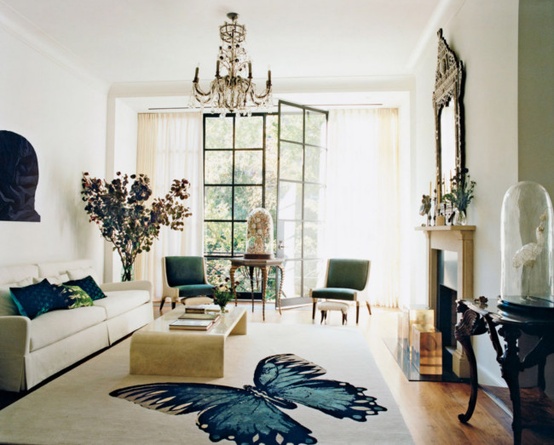
Daylight is the first luxury. Keep window treatments architectural: panels that stack clear of glass, sheers that soften without smothering, or shutters that cast clean rhythms. Avoid bulky valances that eat height unless the architecture specifically asks for them. Dirty glass and heavy clutter on sills sabotage even good curtains.
At night, combine ambient, task, and accent light. A central fixture can set tone—a simple drum, a quiet chandelier, a sculptural pendant—but rooms feel richer when lamps pool light at seating height and a few accents graze art or textured walls. Dimability matters more than crystal count. Warm-white bulbs usually flatter skin and wood better than cold office light in living spaces.
Hide cords and choose fewer better lamps over a scatter of weak ones. Glare on screens and shiny tabletops breaks the calm; adjust angles until faces and pages are lit without hotspots.
Materials that age with dignity
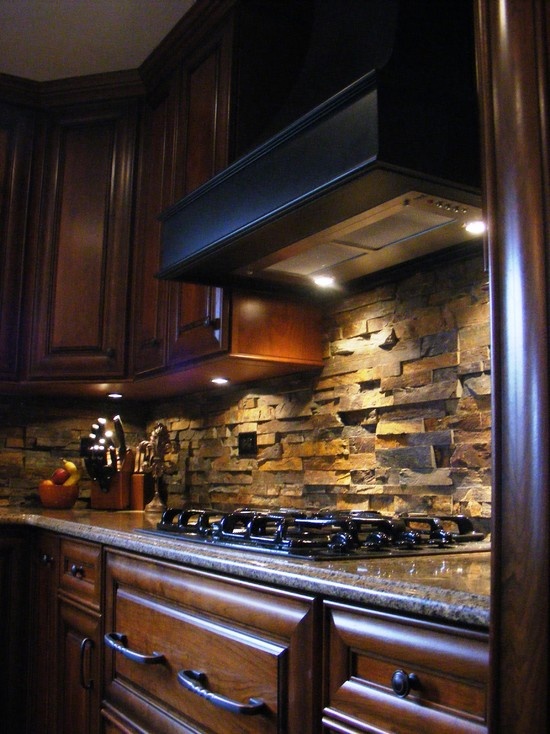
Elegant rooms favor materials that gain character: solid wood with honest grain, stone with quiet variation, metal with a consistent finish language, textiles with enough weight to drape well. Mixing is fine—wood, stone, fabric, and one metal family is usually enough. When finishes multiply (chrome here, brass there, black nickel elsewhere), the room starts to feel like a parts catalog.
Upholstery should invite use. Performance fabrics in refined weaves exist that do not scream utility. Choose durability where bodies land daily; reserve delicate textiles for pillows or formal chairs with lighter wear. Beauty that cannot be lived with becomes museum staging, not a room.
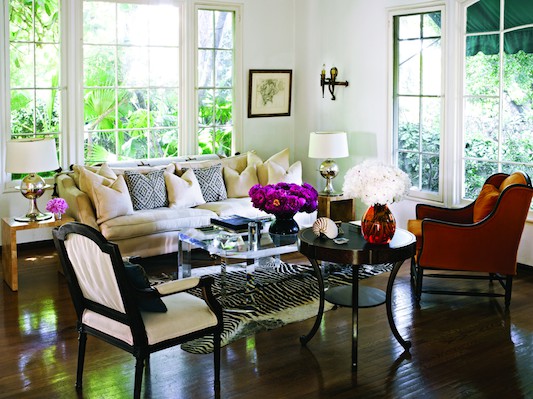
Floors set the tone under everything else. Continuous flooring helps small footprints. Where you change material, do it at a logical threshold. Rugs should be large enough to catch the front legs of seating groups; floating postage-stamp rugs make furniture look temporary.
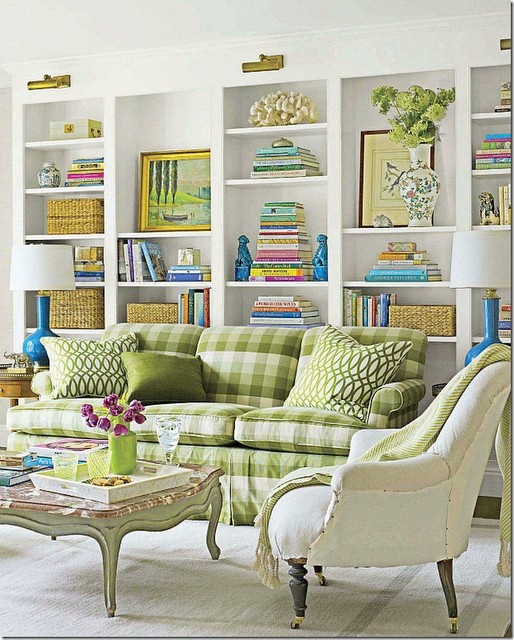
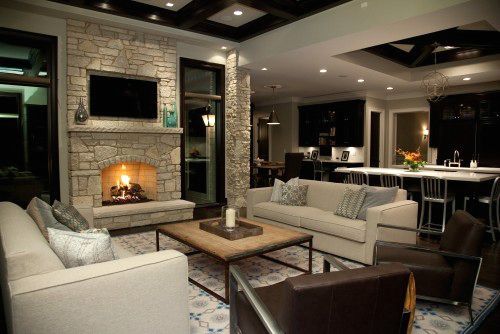
Furniture with clear roles
Every major piece should earn its footprint. A sofa defines conversation; a table holds light and a drink; a cabinet stores what would otherwise clutter surfaces. Side tables beat a scatter of tiny stands that collect junk. In bedrooms, symmetry can soothe—matched lamps, balanced pillows—but perfect twinning is optional if balance is achieved through visual weight instead.
Leave negative space around statement pieces. A sculptural chair needs air; a grand headboard needs quieter side tables. When furniture edges nearly touch, elegance collapses into storage-unit density. Pull pieces a few inches from walls when the room allows; floating arrangements often look more deliberate than everything shoved to the perimeter.
Comfort is part of beauty. Seat depth, cushion firmness, and table height should match how you actually sit, eat, and talk. A room that looks refined but bruises knees will not stay elegant for long—people will drag in mismatched fixes.
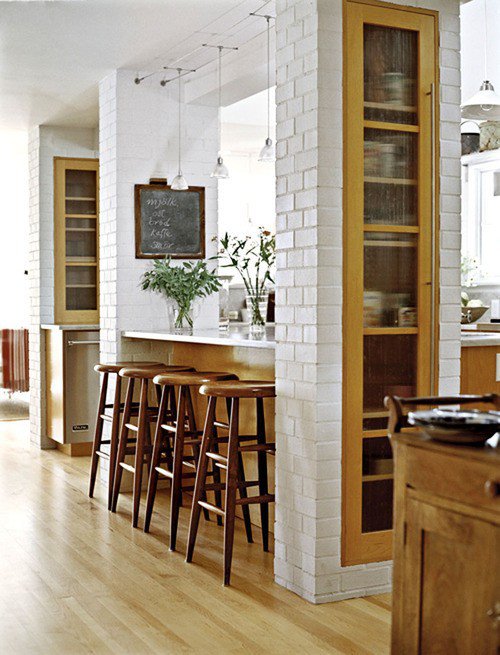
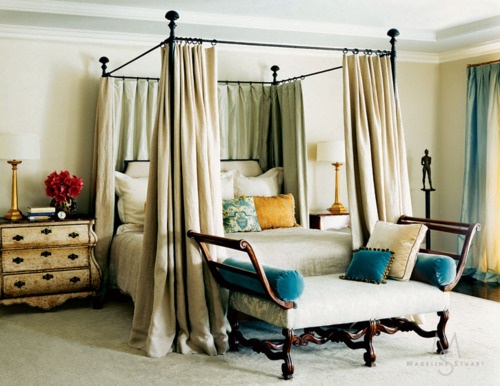
Art, objects, and editing
Art should be hung with intention: centered on furniture groups or aligned to architectural features, not sprinkled at random heights. One strong work often outweighs a wall of small frames fighting each other. Objects on tables work in odd-number clusters with varied height, then stop. Books can sit vertical and horizontal; trays corral small items so surfaces still read as planes.
Editing is the invisible craft behind beautiful rooms. Remove anything that does not support comfort, narrative, or proportion. Gift clutter, unused gear, and cord nests break elegance faster than an imperfect sofa. Closed storage—cabinets, closet baskets, a single handsome trunk—protects the public surfaces.
Seasonal change can be light: swap pillow covers, a throw, or a single branch arrangement rather than restaging the entire room. Restraint keeps the architecture visible.
Rhythm from room to room
Homes feel more elegant when rooms relate to neighbors. Repeat a wood tone, a metal finish, or a curtain style down a hall so the house reads as one composition. Contrast can still exist—a darker library beside a pale living room—but shared DNA in trim, flooring, or hardware keeps transitions from feeling like separate catalogs taped together.
Sightlines matter. What you see through a doorway should feel intentional: a lamp, a piece of art, a clear path—not laundry piles or cable tangles. Stage the ending of each view the way you would crop a photograph.
A practical pass before the next purchase
Stand in the doorway and notice the first three things you see. If they are cords, clutter, or clashing finishes, fix those before ordering a new chair. Check whether paths are clear, whether night lighting has somewhere soft to land, and whether the palette still holds after you remove two decorative items. Elegant rooms are usually what remains after honest subtraction—not what accumulates after another weekend of browsing.

Comments
Continue reading

Garden Decoration Beyond Beds: Lace, Mosaiculture, and Upcycled Yard Art
From dressed topiary and floral cyclists to license-plate dragonflies and lace between trees—garden decorations that give a yard a voice.
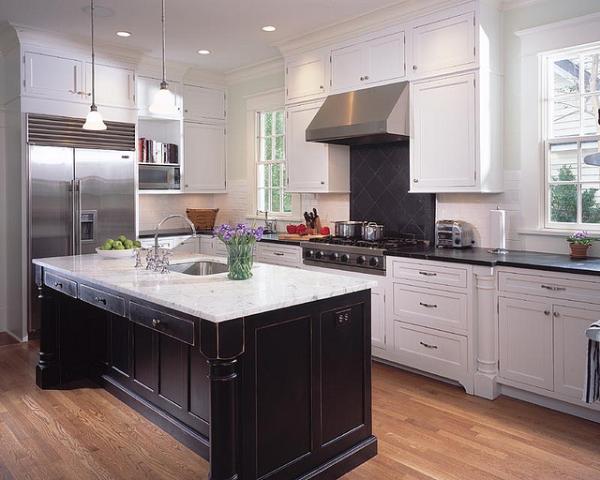
Kitchen Design Ideas: Layout, Storage, Light, and Finishes That Work
Practical kitchen design ideas—work zones, cabinetry, lighting, and durable finishes—so inspiration translates into rooms that cook and gather well.
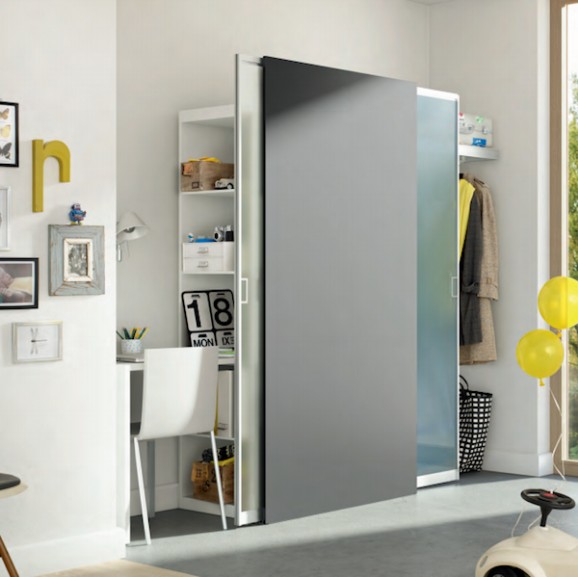
25 Cool Room Partition Ideas That Actually Divide Space
From frosted sliders and pallet screens to book towers and branch walls—twenty-five ways to carve rooms without building solid walls.