
Why Effective Aesthetic Work Needs the Right Tools
From studio gear to dance footwear and room-styling basics: match tools to technique, practice under performance conditions, and upgrade friction points before adding clutter.
Strong aesthetic work depends on more than taste. Painters need reliable pigments and surfaces. Musicians need instruments that stay in tune across the range they practice. Dancers need footwear and apparel that let the body learn correct lines instead of compensating for gear that slips, binds, or collapses. The right tools do not replace skill, but the wrong ones quietly teach bad habits that are expensive to unlearn.
This is not a shopping pitch for any single brand. It is a practical look at how tools shape aesthetic outcomes—in visual art, music, movement, and the everyday craft of making spaces and performances look intentional. If you are building a practice, a studio, a classroom, or a small ensemble, treat equipment as part of the curriculum, not as an afterthought once inspiration arrives.
Why “make do” has a ceiling
Improvisation can be creative. Artists have made compelling work with scrap, found objects, and broken instruments. Difficulty sometimes sharpens attention. Past a point, though, inadequate tools stop being a useful constraint and start being a distortion. Watercolor attempted with muddy pigment and a stiff household brush teaches mud, not wash control. A keyboard with dead notes teaches gaps in muscle memory. Pointe work on shoes that do not support the foot teaches pain and collapse instead of lift.
The useful question is not whether genius can survive poverty of means—history says yes—but whether your current tools match the standard you are trying to reach. If the goal is exhibition-quality printmaking, classroom ballet exams, or a living room that photographs cleanly, “almost the right tool” becomes a hidden tax on every hour of practice.
Match the tool to the technique
Every aesthetic discipline has a short list of non-negotiables. A photographer needs a way to control exposure and focus; a calligrapher needs ink that flows and a nib that holds a line; a set designer needs accurate scale and light. List the techniques you actually use in a typical week, then ask which tools touch those techniques every session. Spend first on that short list. Specialty gadgets that appear once a month can wait.
Specificity beats vague upgrades. “Better brushes” means little until you know whether you need a springy round for watercolor edges or a firm flat for acrylic coverage. “Better dance shoes” means different things for tap, jazz, and pointe. Name the technique, then name the tool property that serves it: weight, balance, range, grip, archival stability, washability, or safety.
Practice on what you will perform on
Skill transfers poorly across mismatched equipment. A pianist who only practices on a toy-range keyboard will hesitate on a full instrument. A dancer who rehearses in floppy slippers and then performs in structured shoes will fight the footwear instead of the choreography. A maker who designs on a color-uncalibrated screen will be surprised by print and paint results.
When budgets force a compromise, choose the compromise closest to performance conditions. A used upright in tune beats a silent plastic keyboard for a student preparing a recital. Studio monitors that reveal harsh mixes beat fashionable headphones that flatter everything. In interiors, sample paint on the actual wall under morning and evening light before committing—your phone screen is not the room.
Tools that teach correct form
Some equipment exists primarily to protect the body and encode good mechanics. Ballet pointe shoes, fitted with care and introduced at the right stage of training, support a specific alignment. Cheap substitutes that bend in the wrong place encourage sickling and strain. In visual work, a stable easel at the right height reduces shoulder fatigue so longer sessions stay precise. In kitchens and workshops—spaces with their own aesthetics of order—sharp tools and clear lighting reduce both injury and sloppy results.
Fit matters as much as category. Apparel and footwear for movement should allow full range without constant adjustment. Tools held in the hand should balance so the wrist stays neutral. If you are outfitting a group—students, a cast, a small company—standardize key items where possible so instruction can focus on technique instead of troubleshooting twenty different failures.
Quality signals that actually matter
Ignore prestige packaging. Look for properties you can test:
- Consistency: Does the tool behave the same on Tuesday as on Friday?
- Repairability: Can worn parts be replaced, or is the object disposable?
- Feedback: Does it show you when pressure, pitch, or alignment is wrong?
- Safety and hygiene: Especially for shared classroom gear and footwear.
- Finish that serves the work: Matte where glare hurts; grip where sweat is expected.
Read reviews for failure modes, not star averages. “Noisy after six months,” “colors fade in sun,” and “shank breaks early” are more useful than vague praise. Ask people who practice at your level, not only professionals whose budgets and maintenance routines differ from yours.
Buying for groups without wasting money
Studios, schools, and parent groups often purchase apparel, instruments, or consumables in batches. Consolidation helps when sizes and styles are standardized and when shipping or fitting sessions are coordinated. Timing purchases to replacement cycles—end of term, after intensive rehearsal blocks—reduces emergency buys at retail markups.
Still, bulk is not a virtue by itself. Ill-fitting dancewear bought in a rush teaches the same problems as cheap solo purchases. Measure bodies, keep a simple size chart, and prioritize durable basics (leotards, tights, shoes appropriate to the syllabus) over novelty costumes for daily class. Costumes for performance can be a separate budget with different lifespan expectations.
Maintenance is part of the aesthetic
A neglected tool becomes the wrong tool. Brushes left standing in water splay. Knives dull. Shoes wear unevenly if rotations are ignored. Screens collect color drift. Build a short maintenance ritual into the creative week: clean, dry, tune, sharpen, rest materials flat, retire gear that no longer holds form. Replacement on a schedule is cheaper than injury or a ruined commission.
Storage belongs in the same conversation. Light-sensitive papers and textiles need darkness. Instruments need stable humidity when possible. Movement gear needs airing so moisture does not become odor and breakdown. Aesthetic results are downstream of how tools are kept between sessions.
A simple audit for your studio or practice
Once a season, walk through your setup with a notepad:
- Which three tools do I touch every practice?
- Which of those actively fight me—slip, stick, go out of tune, irritate skin?
- What is the smallest upgrade that removes that fight?
- Am I practicing on equipment close to performance conditions?
- What maintenance have I deferred that is now costing quality?
Fund the top friction point before adding a new category of gadget. Depth beats clutter.
Aesthetics beyond the art room
The same logic applies when the “work” is a room, a table setting, or a storefront window. Proper tools might mean a decent steamer, consistent hangers, daylight-balanced bulbs, a level, and painter’s tape that releases cleanly. Interior styling fails for the same reason performances fail: people improvise with gear that cannot hold a crisp line. Choosing the right clamp, adhesive, or light temperature is not fussiness; it is how intention becomes visible.
Creative fields romanticize struggle. Useful struggle is the hard repetition of skill. Useless struggle is fighting tools that should have been replaced or never purchased. Know the difference, and your aesthetic work gets the hours back.
Before your next session, set out only the tools required for one focused exercise—one piece, one phrase, one wall. If anything in that small kit fails under ordinary use, that is your next purchase. Everything else can wait until the fundamentals stop arguing with you.

Comments
Continue reading
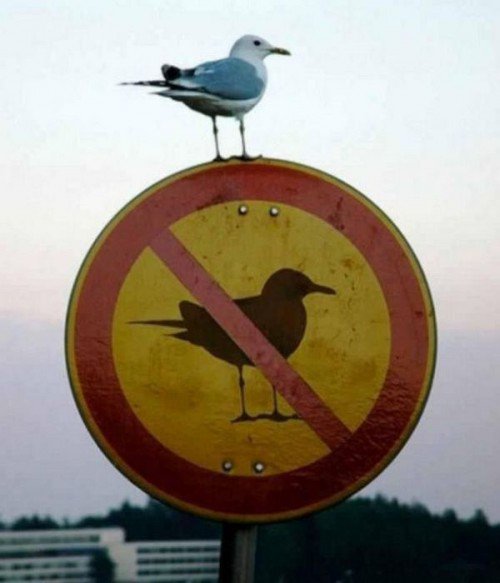
Funny Animal Signs That Warn People (While Animals Ignore Them)
From a seagull on a no-birds disc to classic zoo and park ironies—why animal warning signs get funny, and what the rules are still for.
How to Find Local Amenities on Vacation: Mechanics, Haircuts & More
Locate trustworthy local services and everyday spots while traveling or settling in—using publications, reviews, map apps, neighbor tips, and low-pressure exploration.
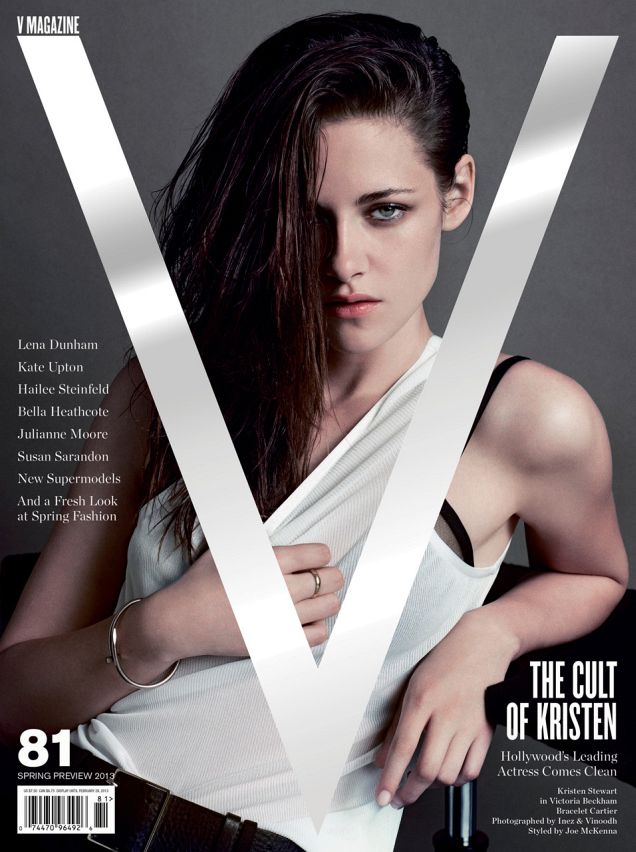
Kristen Stewart for V Magazine, Spring Preview 2013
V81’s Wild at Heart cover story—Kristen Stewart shot by Inez & Vinoodh, styled by Joe McKenna, in pale minimal spring glamour.