
Baby Blanket Tutorials: No-Sew Fleece, Patchwork, Rag Quilts, Knit, and Crochet
Make warm baby blankets safely—no-sew fleece, receiving blankets, patchwork, rag quilts, chenille, granny squares, and knit chevrons with infant-safe finishes.
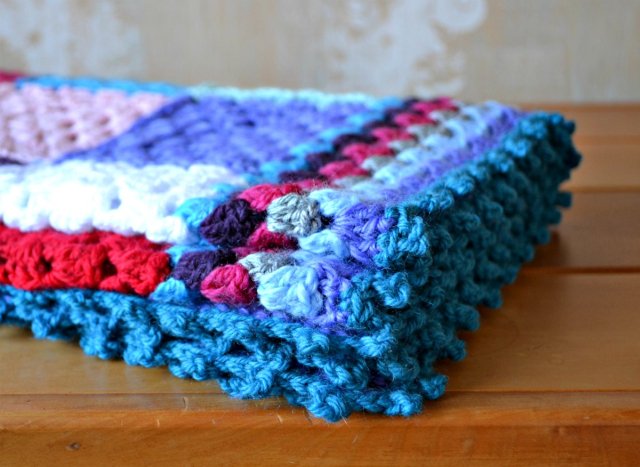
A baby blanket is one of the most useful handmade gifts you can give: it wraps a newborn for photos, lines a stroller, and often becomes the comfort object that survives into toddlerhood. Whether you are sewing for your own nursery or building a gift set for a friend, choose methods that match your skills—and safety rules that match an infant’s age. Softness matters, but secure construction matters more.
This guide covers no-sew fleece, simple sewn receiving blankets, patchwork and rag quilts, chenille textures, crochet granny squares, and knit chevron throws. Use it as a practical checklist, not a race to the fanciest pattern. For sleep, follow current safe-sleep guidance: firm flat surface, no loose blankets in the crib with young infants. Handmade blankets shine for supervised cuddling, tummy time on the floor, and stroller use when the baby is observed.
Safety first: what belongs near a baby
Skip loose buttons, beads, bells, long ribbons, and poorly attached appliqué on anything meant for infants. If you want decoration, embroider directly on the fabric or use securely stitched felt shapes with no small parts. Trim threads flush. Avoid long fringe that can wrap fingers or catch. For crochet and knit blankets, weave ends thoroughly; a dangling yarn tail is a hazard and a look nobody wants in photos.
Fiber choice: many parents prefer washable cotton, cotton flannel, or soft acrylic labeled for baby. Wool can be wonderful but check for sensitivity and care instructions with the recipient. Fleece is warm and no-sew friendly; watch for pill and static, and keep fleece away from open flames and heater vents.
Size guide for sewing: a receiving blanket often lands around 30–40 inches square—large enough to wrap, small enough to manage one-handed. Bigger quilts are fine for floor play and older babies; label gifts so parents know intended use.
No-sew fleece for true beginners
Two layers of fleece, cut to size, with edges fringed and knotted or looped together, make a warm blanket without a machine. Cut fringe strips evenly—about four inches deep and one inch wide—so knots look intentional. Round the corners slightly before fringing to reduce bulk. Use sharp fabric scissors; dull blades chew fleece and leave ragged edges.
Choose patterns that will still look good if the print shifts a little when you knot. Solid-plus-print combinations hide uneven fringe better than two busy prints. Shake the finished blanket outdoors to release loose fibers before gifting.
Simple sewn receiving blankets and binding
A classic beginner sew: two squares of flannel or cotton, right sides together, sew around leaving a turning gap, clip corners, turn, press, and topstitch closed. Add rickrack or a narrow binding if you want a vintage edge—stitch it down fully so nothing flaps loose for little hands to pull.
Pre-wash flannel; it shrinks. Use a walking foot if layers shift. Press seams so the blanket lies flat in a gift box. A matching burp cloth from leftover fabric turns one project into a small set without buying more yardage.
Patchwork without the overwhelm
Leftover quilting cotton becomes a patchwork baby blanket when you keep blocks large—five- or six-inch squares are kinder than tiny puzzle pieces when you are short on time. Sew rows, press, join rows, then add batting and a soft backing. Quilt simply: stitch in the ditch or a wide grid so the layers cannot shift in the wash.
No-batting patchwork throws exist too—just a pieced top and backing—but batting adds loft babies seem to like for floor time. Choose low-loft cotton or bamboo blends that wash well. Avoid heavy polyester batting that feels stiff and hot.
Rag quilts: cozy texture, intentional fray
Rag quilts stack squares of flannel (often with batting squares inside each block), sew an X through each stack, join blocks with seams to the outside, then clip seam allowances and wash to create a fluffy frayed look. The fray is the aesthetic—but keep clipped edges consistent and remove loose threads after the first wash before giving the blanket to parents.
Because rag quilts are thicker, they suit strollers and couches more than summer wraps. Use breathable flannel, not waterproof laminated scraps. Double-check that no clip went through a seam into the block interior where it could leave a hole.
Chenille and cut-channel texture
Heirloom-style chenille blankets are made by layering fabric, stitching channels, and cutting upper layers so washing blooms a soft ridge. The method needs patience and sharp scissors or a chenille cutter. Practice on a square first. Keep channels away from edges that will fray into weakness; finish outer edges with binding.
Handmade chenille should still pass the “no loose parts” test—no decorative buttons on the front. Softness comes from the cut fibers, not from add-ons.
Crochet granny squares and knit chevrons
Granny square baby blankets are modular: crochet squares, join as you go or sew together, then add a simple border. Use a soft yarn and a hook size that creates a fabric without large holes a tiny finger gets stuck in. Aim for a dense-enough stitch for warmth without cardboard stiffness.
Knit chevron blankets look polished in soft pastels or modern neutrals. Choose a pattern with a stable edge so the zigzag does not curl wildly. Superwash wool or acrylic blends survive nursery laundry. Block gently so chevrons align before you weave the last ends.
For both knit and crochet gifts, include a care card: fiber content, wash temperature, and whether tumble drying is safe. Parents remember the maker who made laundry easy.
Practical sewing and finishing criteria
- Seams: reinforced or finished so they survive repeated washing.
- Backing: soft against skin; avoid scratchy seams on the baby side.
- Hardware: none for infant use—no buttons, snaps as decoration, or beadwork.
- Colorfast: wash a scrap with hot water and white cloth to test bleeding.
- Label: fiber and care; optional “handmade by” tag sewn flat, not dangling.
If you only make one blanket this month, choose the method you will finish: a no-sew fleece for a last-minute shower, or a simple flannel receiving blanket if you want sewing practice with low drama. Warmth is the goal; secure edges and washable fiber are how you get there without turning a gift into a worry.

Comments
Continue reading
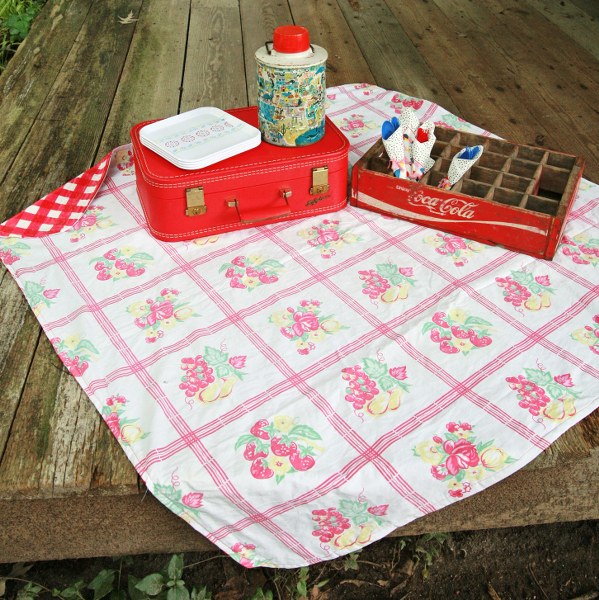
9 DIY Picnic Blanket Projects for Parks, Patios, and Beaches
Oilcloth classics, sunburst piecing, patchwork, roll-up straps, geometry, vintage tablecloths, and date-night sizes—nine DIY picnic blankets you can sew (or nearly sew) yourself.
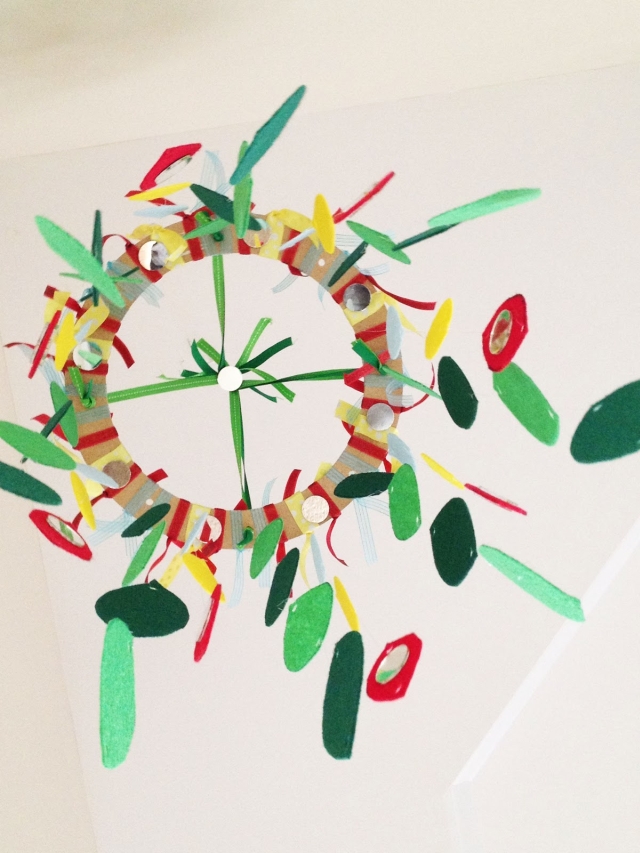
11 DIY Baby Mobile Projects for the Nursery
Felt clouds, pom-poms, yo-yos, polka dots, and star fields—eleven handmade crib mobile ideas that save budget and become keepsakes.
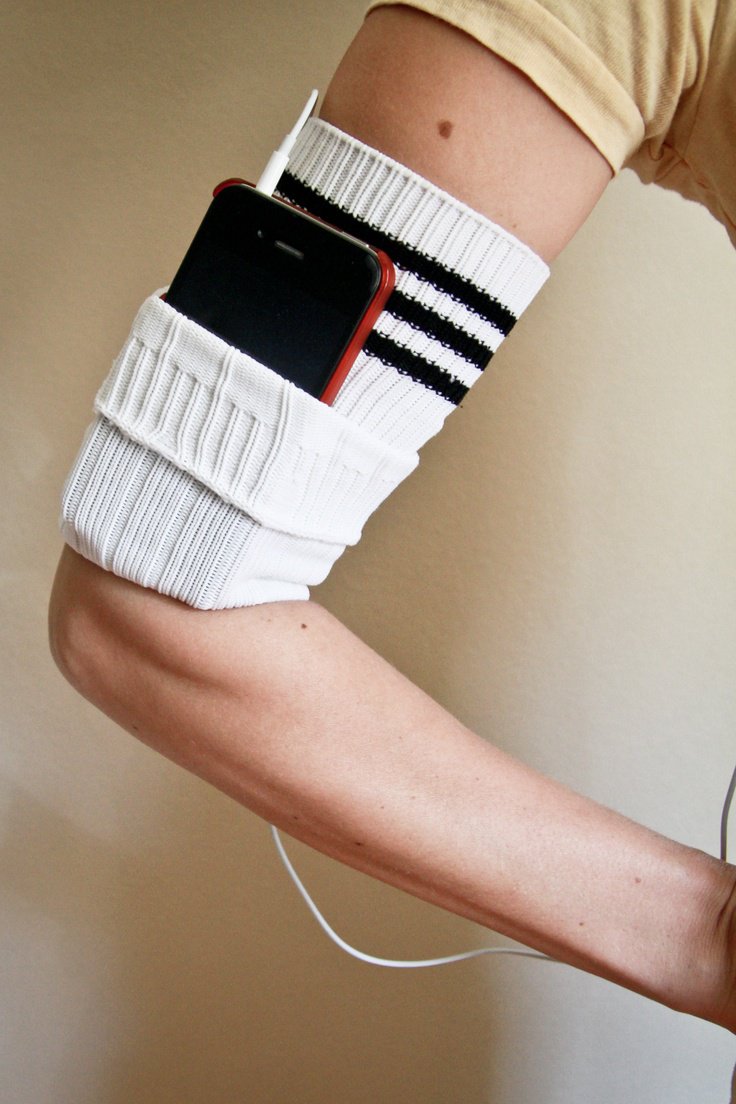
DIY Ideas for Old Socks: Rugs, Puppets, Mittens, and More
Sort leftover socks by fiber, then turn them into braided rugs, hand puppets, soft toys, mittens, and pin cushions with practical cutting and sewing tips.