
Dreamy Caravan Interiors: Small Spaces Built for Freedom
Cozy caravan interiors that turn compact kitchens, bunks, and lounges into traveling rooms—wood tones, soft light, and layouts that make small feel generous.
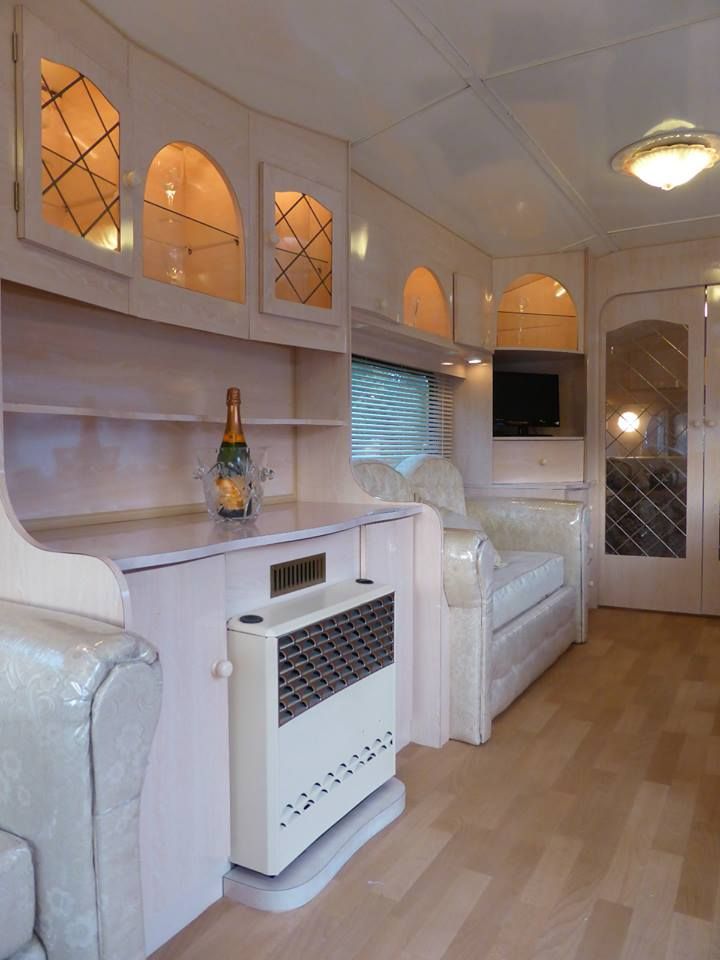
A caravan parked near the door is already a kind of permission slip. Even on weeks when you never hitch it, the idea of leaving remains available: a compact shelter with a kitchen corner, a bed, a wash space, and windows that turn every stop into a temporary address. For owners and dreamers alike, caravan interiors are less about square footage than about atmosphere—how a small volume can feel like freedom instead of constraint.
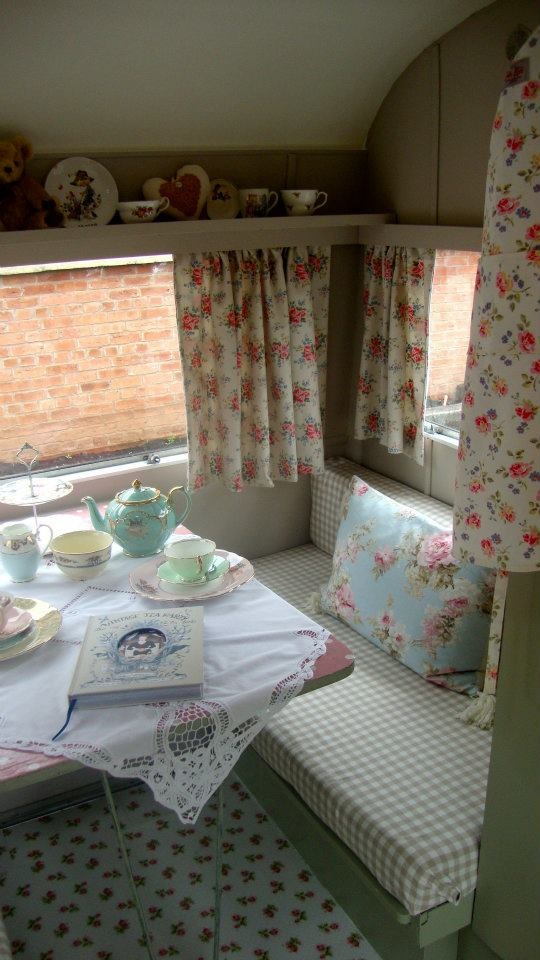
These spaces succeed when they behave like homes rather than luggage. Soft textiles, warm light, clever storage, and a clear sense of where cooking, sleeping, and sitting happen turn a vehicle into a room that travels. The galleries below gather dreamy caravan interiors that lean cozy rather than clinical: wood tones, layered fabrics, pendant lamps, and the kind of lived-in detail that makes you imagine rain on the roof and coffee on a fold-down table. Whether you already own a trailer, hope to convert one, or simply enjoy the romance of a movable nest, the design lessons travel well beyond wheels.
Why small interiors feel so persuasive
Large homes can hide awkward planning behind spare rooms. A caravan cannot. Every cupboard, bench, and surface must earn its place. That pressure produces design clarity: multifunctional furniture, vertical storage, and finishes chosen for both mood and durability. When those choices are handled with care, the result is strangely luxurious—not because materials are expensive, but because nothing feels accidental. You notice the hinge, the lamp, the cushion that turns a bench into a daybed.
Emotionally, the caravan myth is travel without homelessness. You keep a private nest while the landscape changes. That combination soothes people who love movement and people who love nesting in equal measure. Looking at beautiful interiors is partly practical inspiration and partly daydream rehearsal: Could this layout work? Would I cook here? Where would books go? What color would make a rainy Tuesday feel kind? The dream is strongest when it stays specific. Vague “van life” aesthetics fade; a real sink placement and a real bunk height stick.
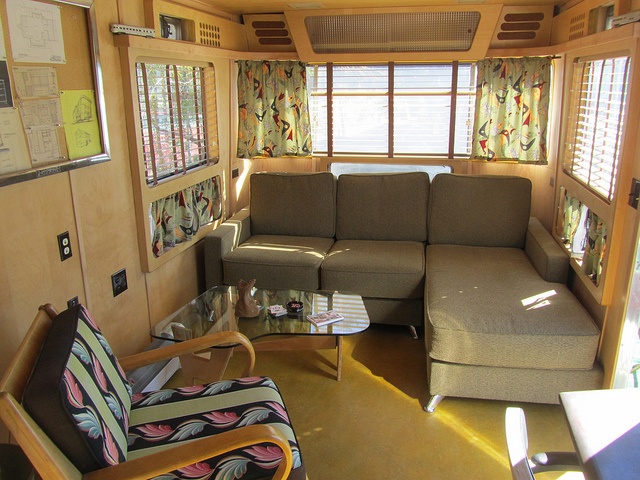
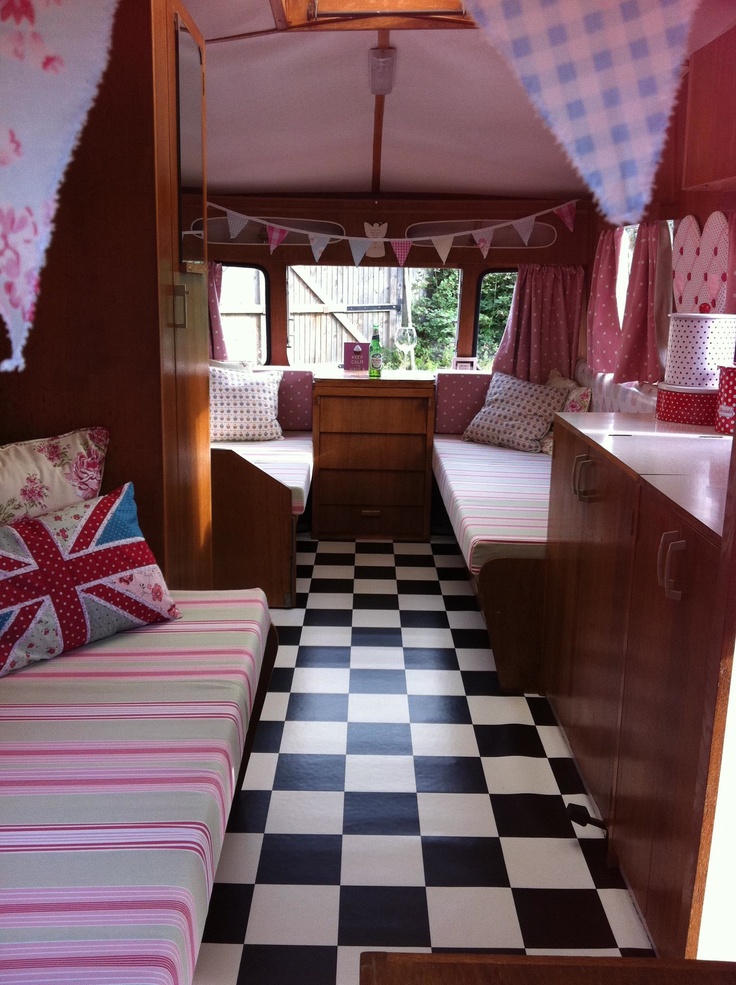
Materials that make a box feel like a cabin
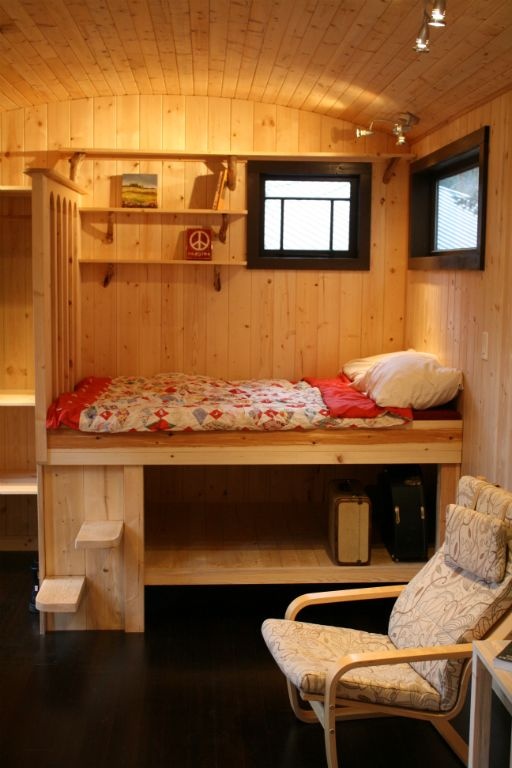
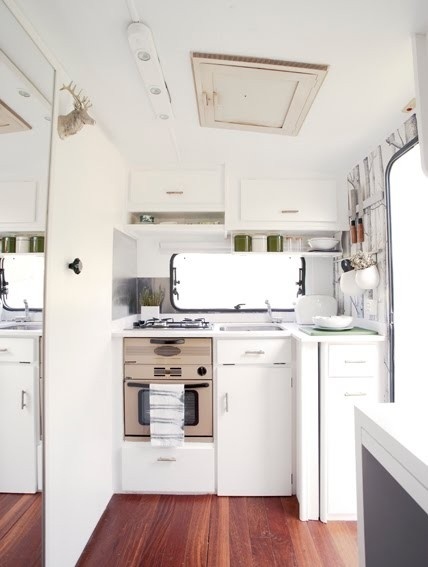
Wood—real or convincingly warm laminate—anchors most of the dreamiest vans and trailers. It softens metal shells, adds grain for the eye to rest on, and pairs naturally with linen, wool, and cotton. Painted cabinetry in cream, sage, or muted gray can brighten a narrow plan without demanding high wattage. Darker schemes work when lighting is layered: task lights for cooking, soft ambient glow for evening, and a reading lamp that makes the bunk feel intentional. Avoid a single overhead glare that turns every surface into a parking-lot wash.
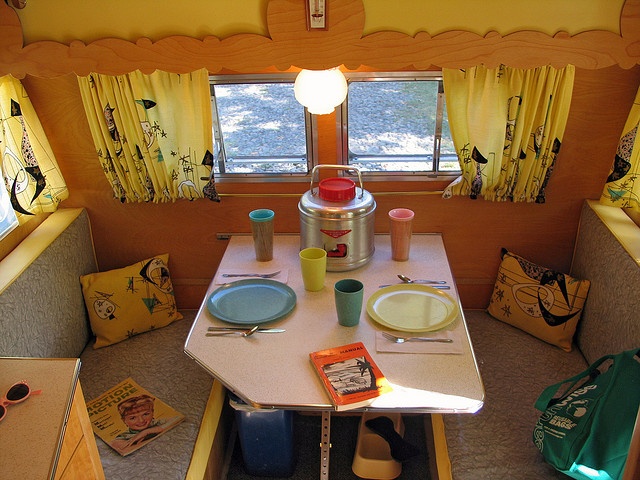
Textiles do disproportionate work. Cushions, throws, curtains, and rug scraps break up hard planes and absorb sound in a space that can otherwise feel echoey. Pattern should be edited: one hero print is usually enough; the rest can support with solids and subtle texture. In a caravan, clutter reads as chaos faster than in a house, so the dream look is curated, not crowded. Choose fabrics that forgive travel—removable covers, washable throws, curtains that still look fine after a dusty road.
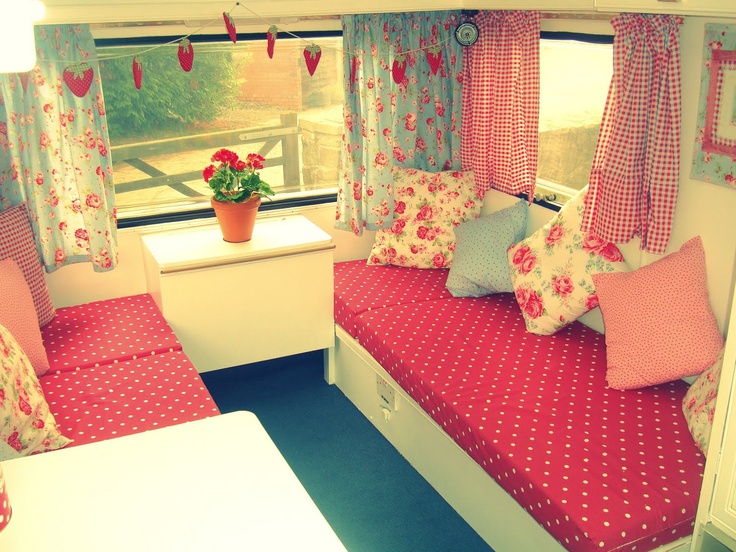
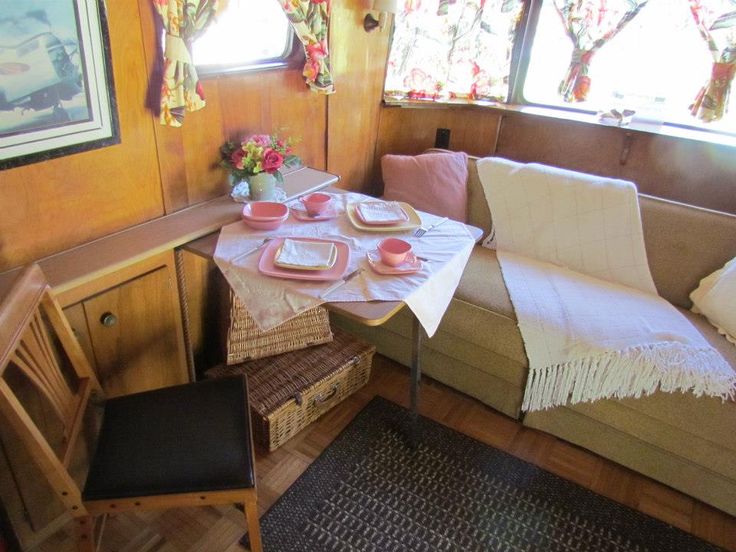
Zones in a tiny footprint
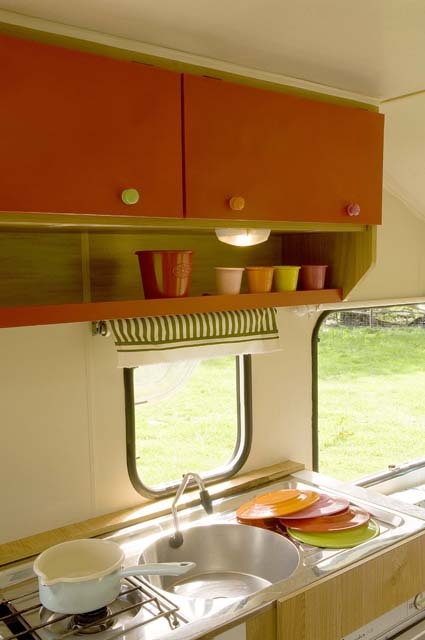
Even when walls are few, good interiors imply zones. A galley kitchen needs a wipeable run of counters and a place for heat that does not fight the sleeping area. Dining often doubles as a desk or extra bed. The bathroom, however compact, benefits from honest moisture planning and a door that closes—privacy is part of comfort. Storage should be visible enough that you use it: overhead lockers, under-bench drawers, wall hooks, and slim shelves for the items you reach for daily. Hidden storage only helps if you remember what lives inside.
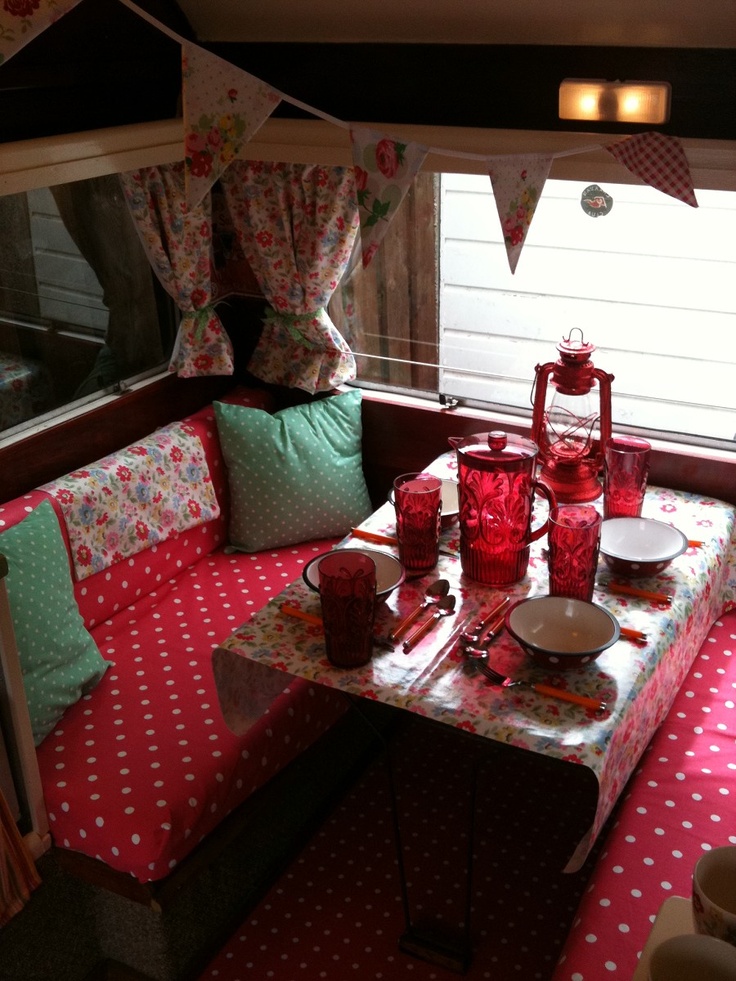
Windows and rooflights change everything. Natural light stretches a narrow plan; framed views make the “outside” feel like part of the décor. Sheer curtains soften glare without killing the connection to landscape. At night, warm bulbs matter more than design theory—cool fluorescent light can make even pretty joinery feel like a waiting room. If you can add a dimmable reading light near the bunk, you gain evenings that feel like a cabin instead of a corridor.
Styles within the dreamy look
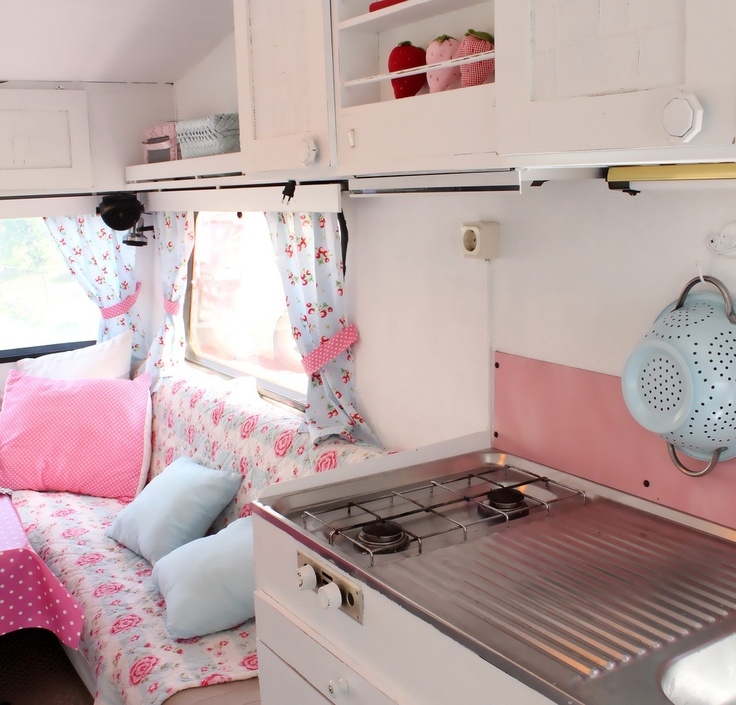
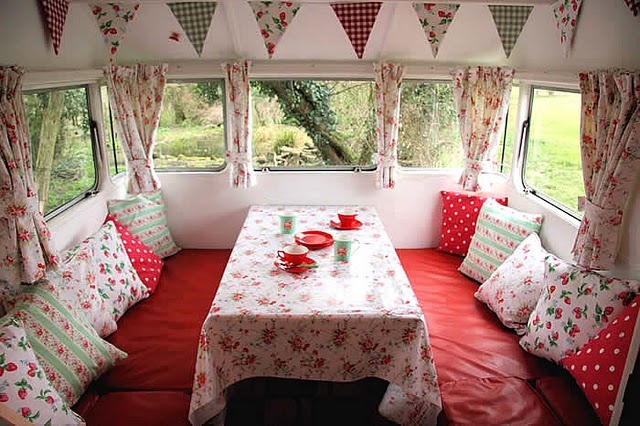
Not every charming caravan looks the same. Some lean vintage: rounded cabinetry, retro colors, and fittings that recall mid-century travel trailers. Others prefer modern cabin—pale wood, black hardware, and Scandinavian calm. Boho versions pile kilims, plants, and mismatched ceramics until the space feels like a movable studio apartment. Rustic conversions favor reclaimed boards and open shelves. The common thread is hospitality: these interiors want you to stay a while, not merely stow gear.
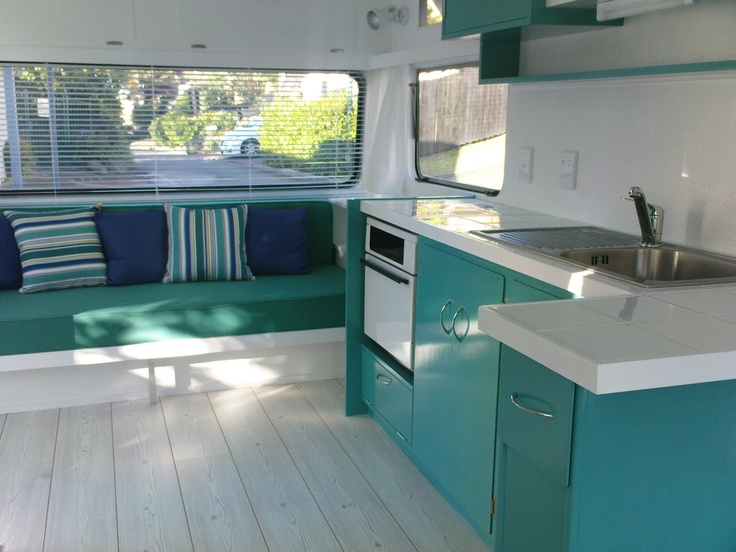
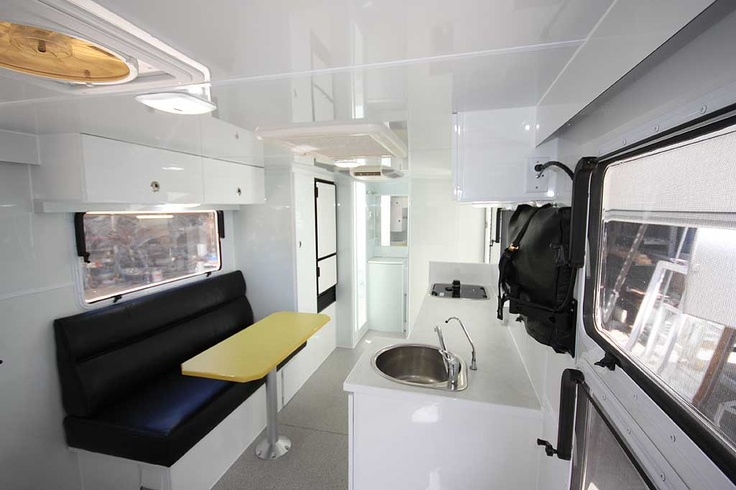
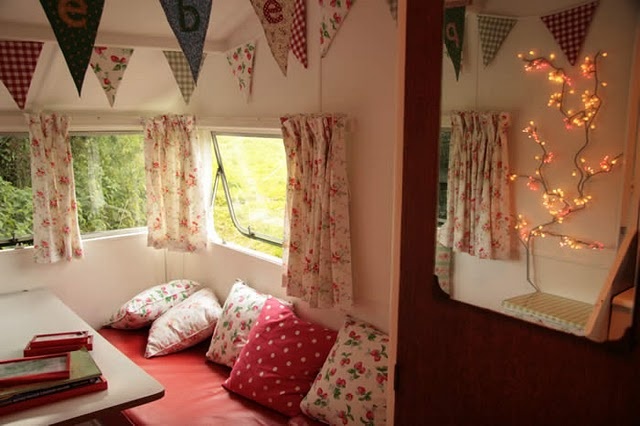
If you are planning a fit-out, steal principles rather than copying props. Measure circulation first: can two people pass? Can a fridge door open fully? Can you cook without blocking the exit? Then choose a limited palette so small rooms do not fracture visually. Finally, leave empty surface—dreamy photos often hide how quickly counters fill with keys, chargers, and groceries. Weight and balance matter too; beautiful stone-look counters are useless if they overload the axle.
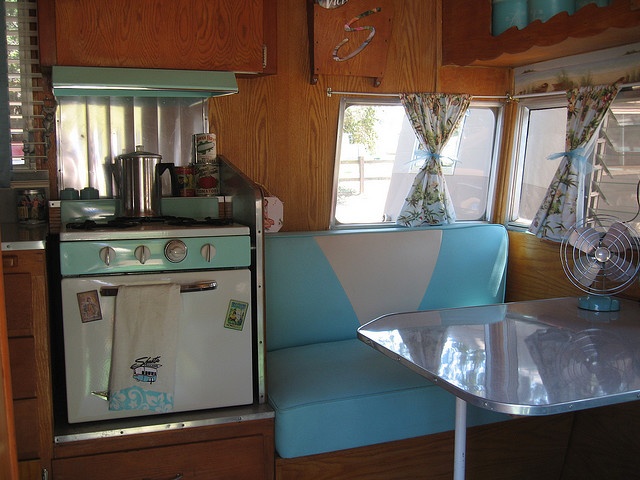
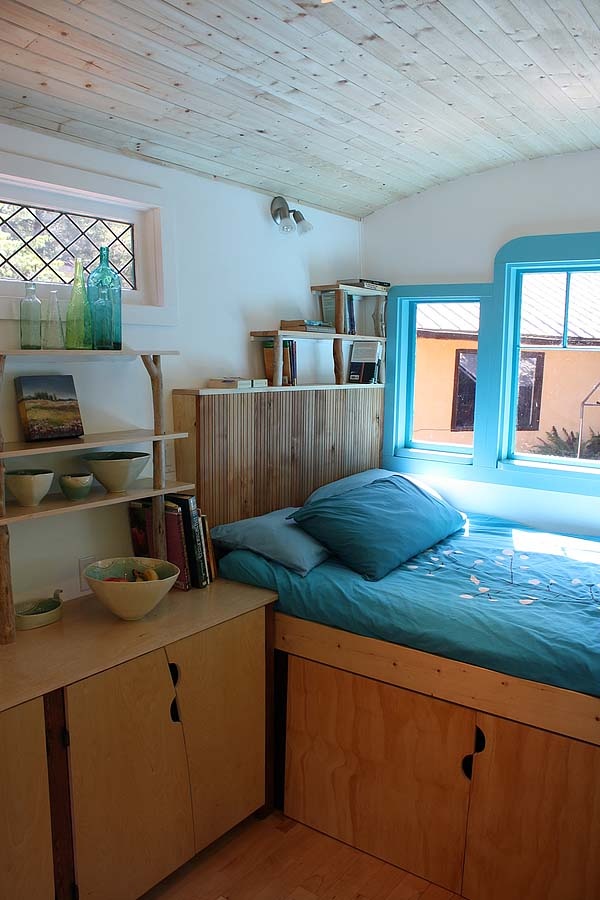
Living with the romance
Beautiful photos flatten maintenance: condensation, weight limits, battery budgets, and the reality of washing dishes in a sink the size of a mixing bowl. Still, romance and practicality are not enemies. Owners who love their caravans usually settle into routines—everything has a home, evenings are lit softly, mornings start with a view. The dream is not endless vacation. It is the option of elsewhere, kept ready. A tidy routine is what lets the cozy photographs stay true after the first month on the road.
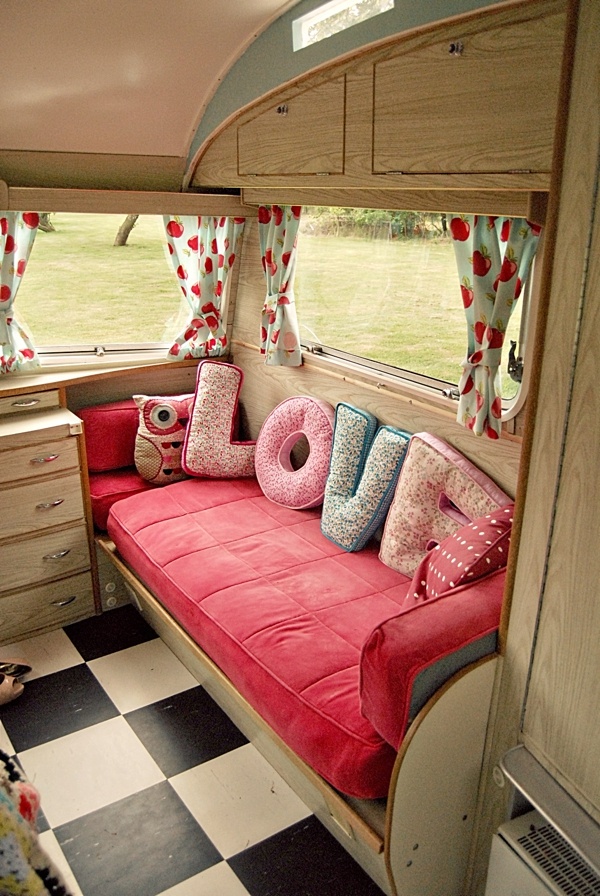
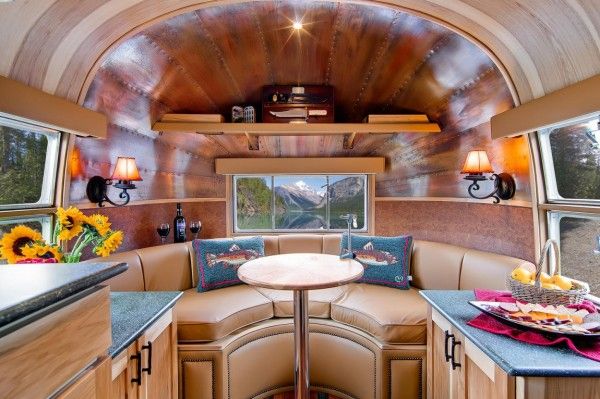
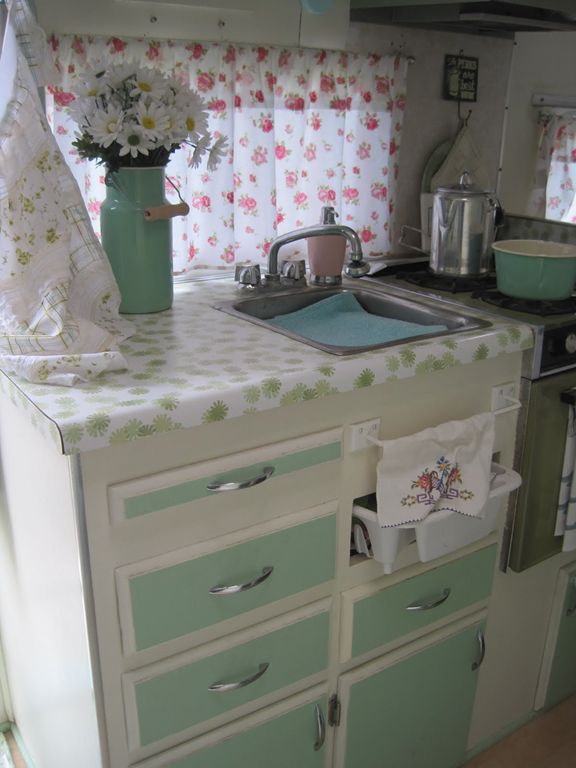
Use this set as a mood board with a checklist mind. For each favorite photo, note three specifics: the dominant material, the light source, and one storage idea. That habit turns scrolling into planning. Ask also how the space would feel with two people, a wet dog, or a week of rainy laundry drying on a line indoors. Dreamy interiors survive those tests when the layout was honest from the start.
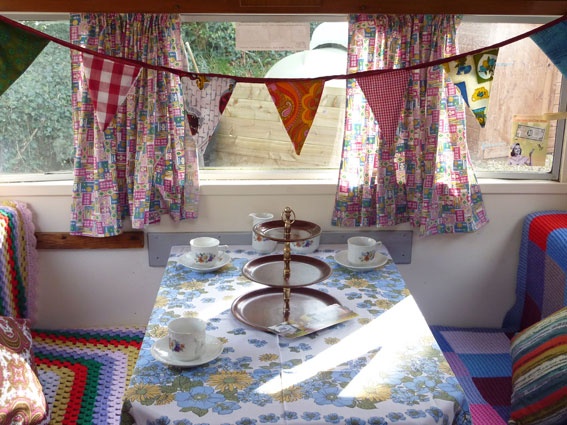
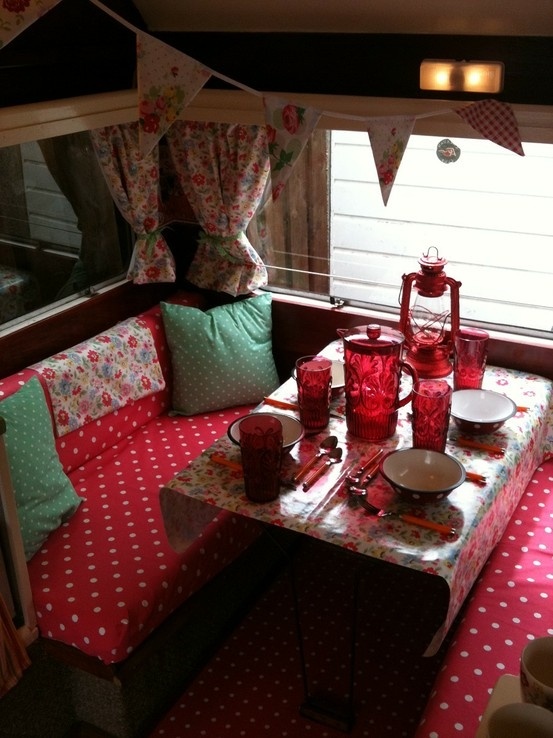
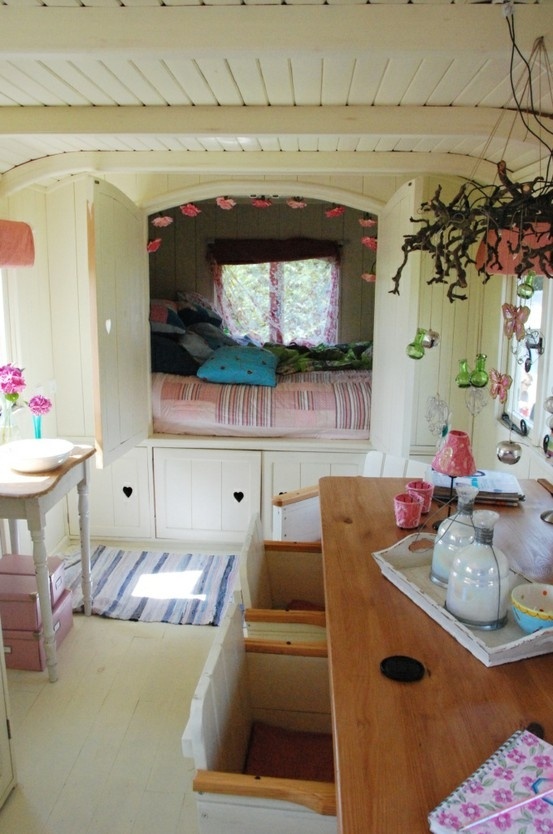
Pick one layout that matches how you actually travel—weekend escapes, long routes, or mostly parked daydreaming—and sketch its zones on paper before buying a single cushion. Note where bags land when you arrive, where wet coats hang, and where morning coffee can sit without blocking the door. The prettiest caravan is the one whose dream survives the first rainy morning.

Comments
Continue reading
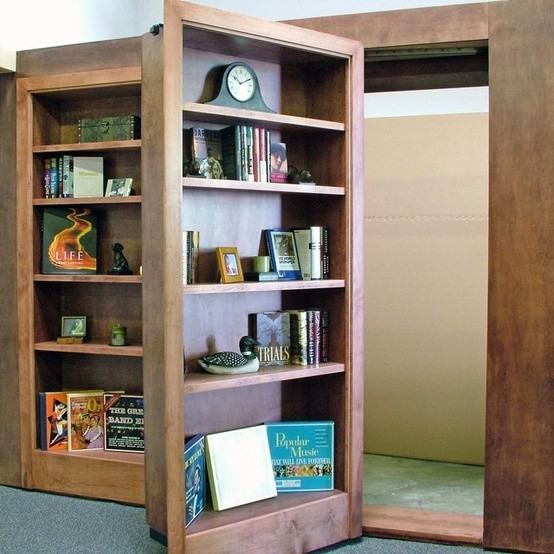
Bookcase Design Ideas: Hidden Doors, Built-Ins, and Sculptural Shelving
From hidden bookcase doors to freestanding towers and quiet built-ins—design ideas that balance storage, scale, styling, and everyday use.
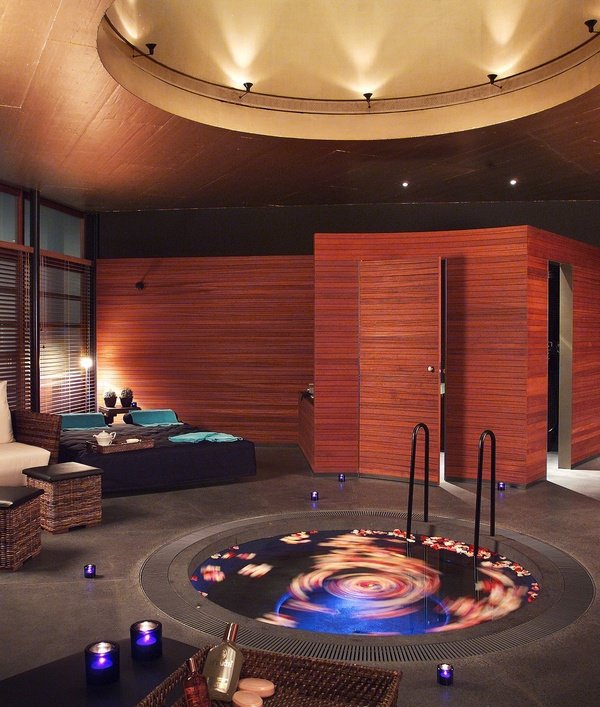
Magnificent Indoor Pools: Light, Materials, and Quiet Luxury
A design gallery of indoor swimming pools—glass, stone, night lighting, and circulation cues—read as architecture rather than lifestyle envy.
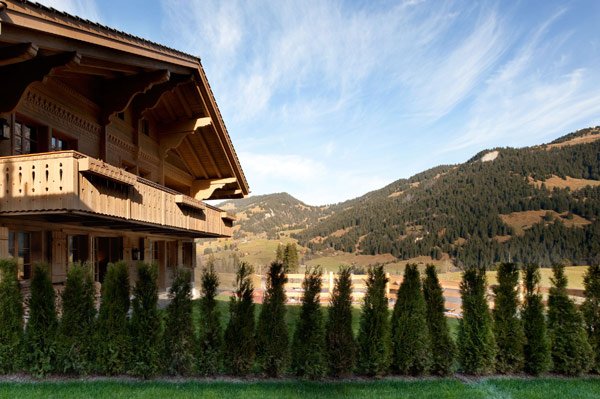
Chalet Gstaad by Ardesia Design and Amaldi Neder Architects
A 380 m² Swiss Alps holiday lodge where rough-sawn timber, long fir floors, fabric headboards, and mineral bathrooms replace alpine kitsch with quiet warmth.