
Doodling a Smile: Lim Heng Swee’s ilovedoodle Illustrations
Kuala Lumpur illustrator Lim Heng Swee (ilovedoodle) builds gentle visual punchlines—clean doodles made to spark a daily smile, from prints to apparel.
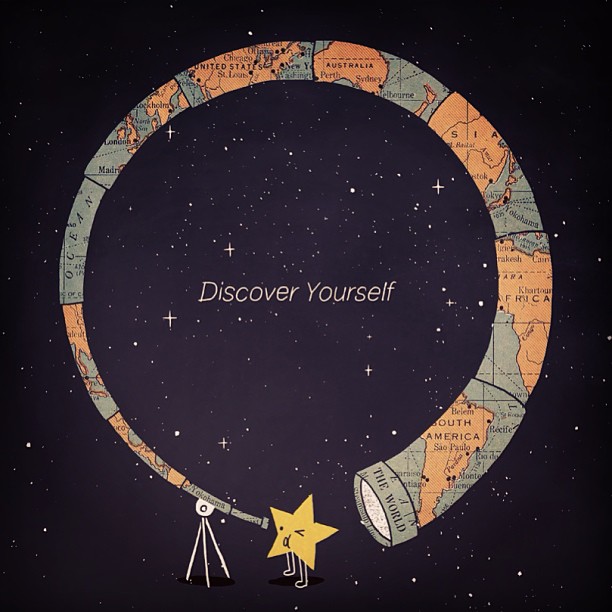
Kuala Lumpur illustrator and graphic designer Lim Heng Swee—known as ilovedoodle—builds small visual jokes that land with unusual clarity. His long-running mantra is “Doodling A Smile”: drawings meant to interrupt a hard day with a soft punchline. The pieces collected here sit in that lane—clean lines, warm color, concepts you can explain in one sentence and still want to look at twice. In a feed full of noise, that kind of brevity is a craft decision, not a lack of ambition. A doodle that works hard to look effortless is doing serious design work under the surface.
By the mid-2010s, when blogs began circulating these works widely, Lim had already earned a reputation on Threadless (including Designer of the Year recognition in 2009 and 2011) and seen many illustrations licensed for apparel. The point of this page, though, is not a résumé parade. It is the doodles themselves: animals, people, and everyday objects staged so that kindness and wit share the same frame. If a drawing makes you exhale a little faster—the quiet laugh, not the loud one—it is doing the job he named for the project.
From engineering path to daily drawing
Lim studied mechanical engineering before leaving that track to draw full time. The pivot matters because it frames his practice as chosen discipline rather than default hobby. Early visibility came through community voting sites and daily challenges—especially the habit of posting ideas regularly rather than waiting for a perfect brief. That cadence sharpened a style: simple shapes, careful negative space, and concepts that feel handmade even when the finish is polished for print or screen.
He has spoken about shifting away from designing only for what crowds might approve, toward personal themes that still invite a smile. Threadless taught speed, feedback, and what reads at T-shirt scale; personal projects such as daily doodling restored authorship. The result is commercial-friendly without feeling cynical. A shirt graphic or print can carry a private joke and still travel across cultures—one reason his work moved from Malaysia to collaborators and retailers far beyond Kuala Lumpur, including apparel, stationery, and lifestyle partners over the years that followed these early gallery posts.
Engineering training may also explain the structural calm in the drawings. Forms lock together cleanly. Visual weight is balanced. Nothing wobbles unless the joke requires wobble. That quiet competence lets the punchline stay front and center, the way a well-designed product lets function feel obvious.
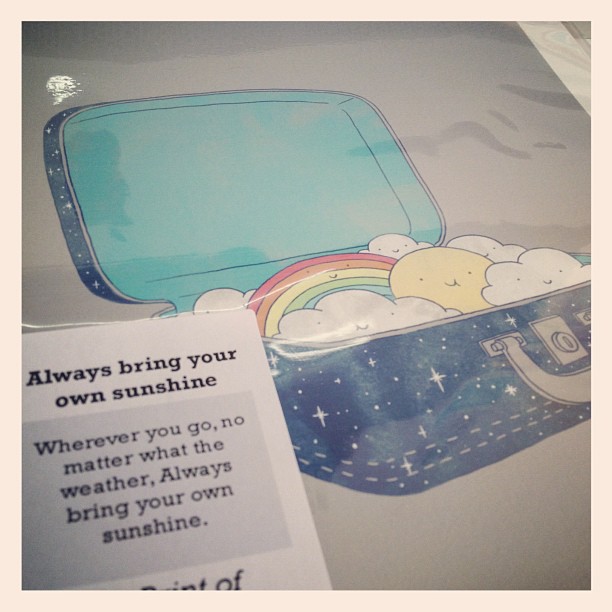
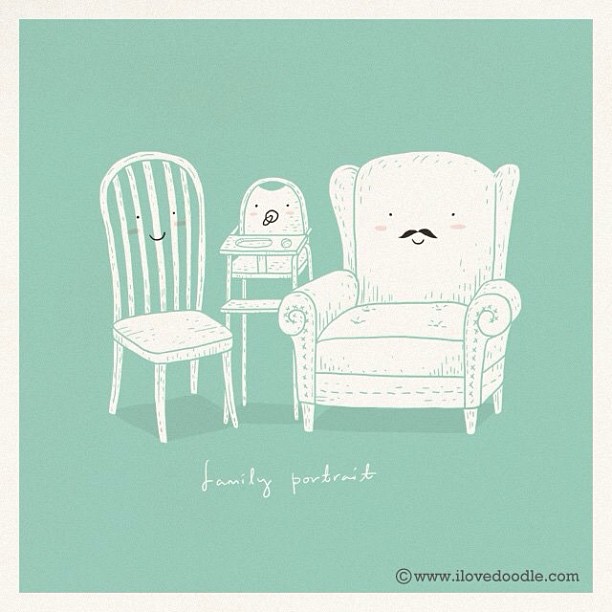
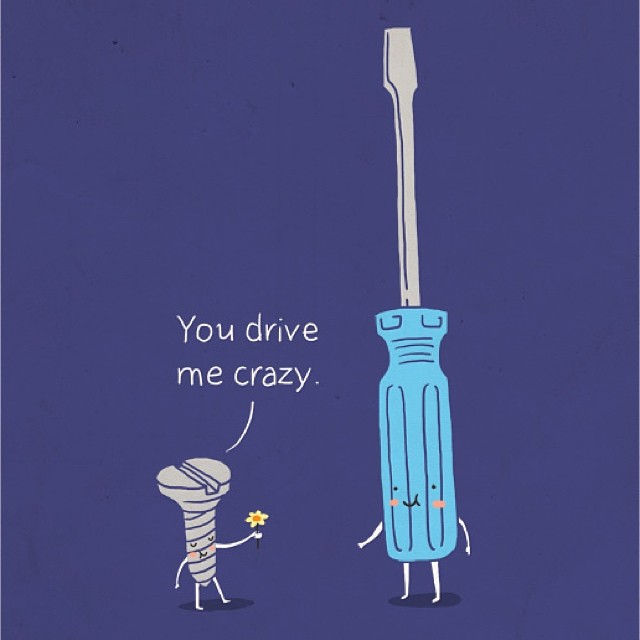
What “Doodling A Smile” looks like on the page
Lim’s best frames behave like visual one-liners. A character’s posture does half the storytelling. A prop does the rest. Nothing is overloaded with texture for its own sake; the eye goes straight to the relationship that makes the joke. That restraint is harder than it looks. Overdraw the background and the smile gets buried. Underdraw the idea and the piece becomes only cute—pleasant, forgettable, gone by the next scroll.
Humor here is rarely mean. Even when a drawing teases human habits—procrastination, longing, small vanities, the awkwardness of modern life—it does so with a soft landing. That tone matches the mantra. The goal is not to dunk on the viewer. It is to hand them a tiny lift they can carry into the rest of the day, whether the image lives on a screen, a print, or a T-shirt worn on a commute through Kuala Lumpur heat or a colder city far away.
Color choices reinforce the welcome. Warmth appears often; harsh contrast is used for clarity, not aggression. Characters feel approachable at a glance, which is why the work translates so well to gifts and everyday objects. You do not need a design education to feel invited in. That democratic readability is part of why apparel buyers and blog readers both responded so quickly when these doodles circulated.
Design that wears well
Apparel licensing shaped how many people first met ilovedoodle: bold silhouettes that survive reduction to chest-print size, colors that stay friendly under store lighting, ideas that do not require a caption. More than a hundred of his illustrations had already been licensed for well-known labels by the time this gallery circulated—an early signal that the smile was portable. Later collaborations across brands and regions followed the same logic. The drawing has to work as an object in someone’s life, not only as a portfolio piece hanging in a browser tab.
That commercial pressure could flatten an artist’s voice. Lim’s answer has been consistency of tone: clever, gentle, and specific enough that fans recognize the hand even without a signature block. Cats, plants, people, and metaphor-friendly objects recur, but the recurring pleasure is conceptual clarity. You can usually name the joke in under ten words. That is a high bar for illustration that still feels personal rather than committee-safe.
Prints and apparel also change how we judge the work. On a wall, a doodle becomes a small daily companion. On a shirt, it becomes a social signal. Lim designs for both contexts without shouting. The pieces in this gallery show why that dual fitness matters: they are complete as images and ready as products, which is rarer than the internet’s endless “cute art” feed suggests.
A closer look at the gallery
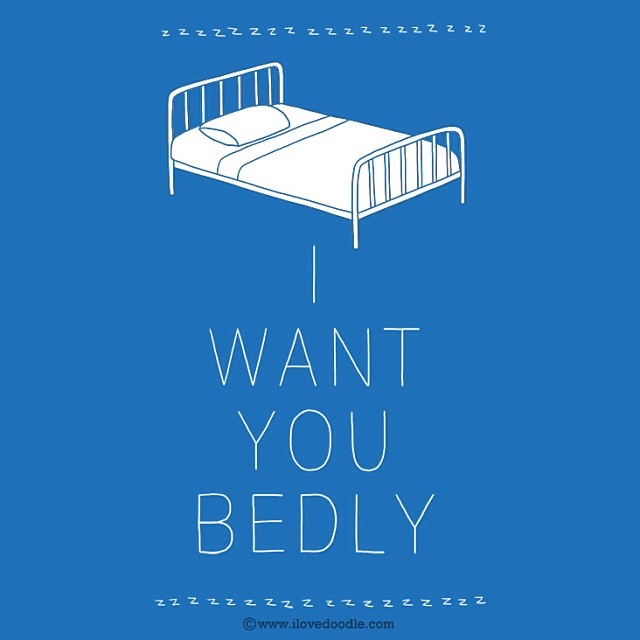
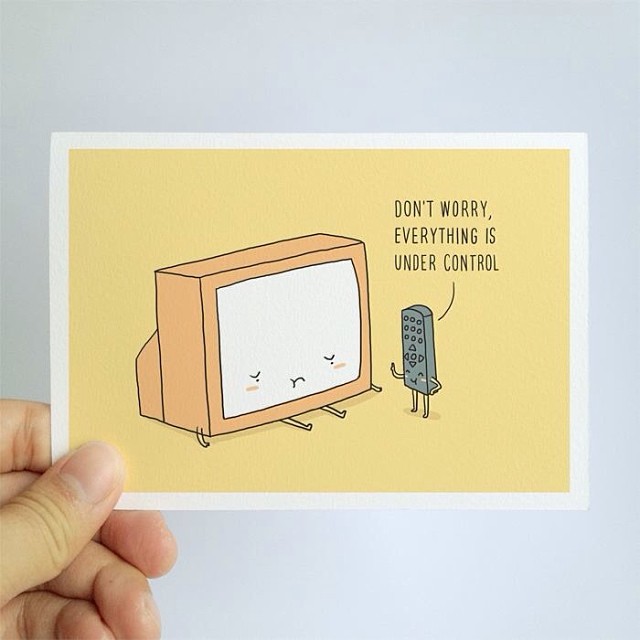
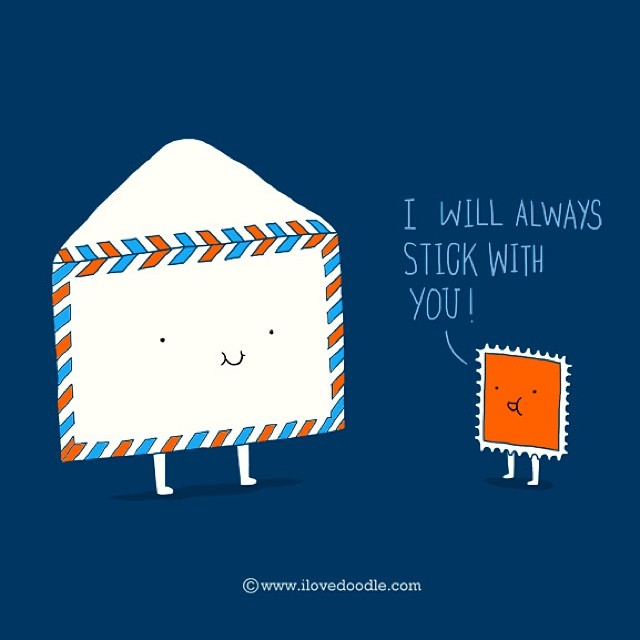
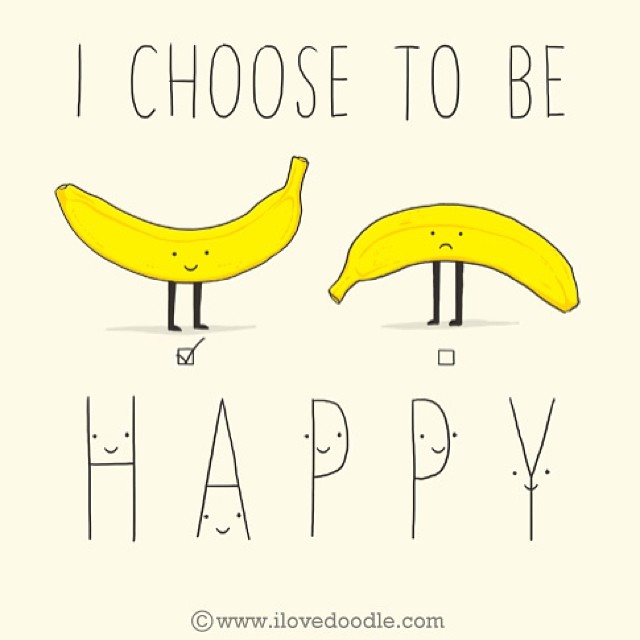
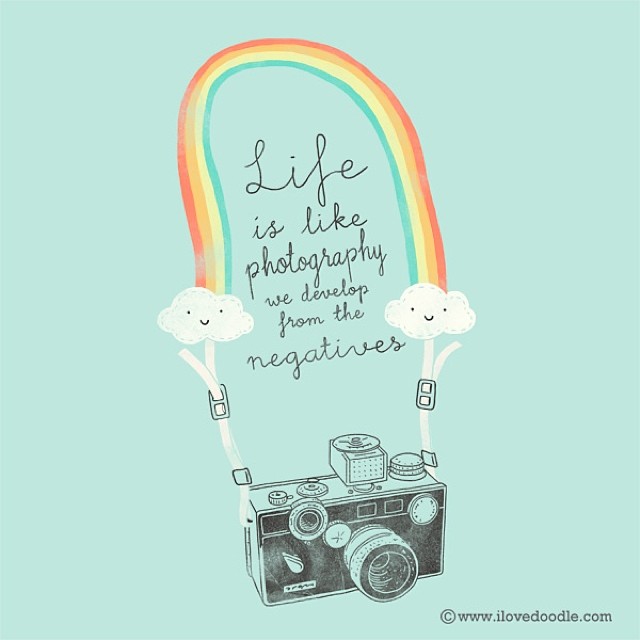
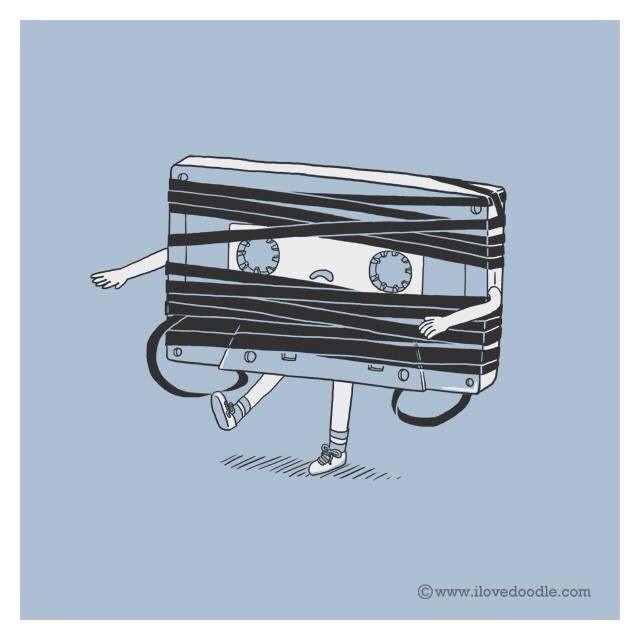
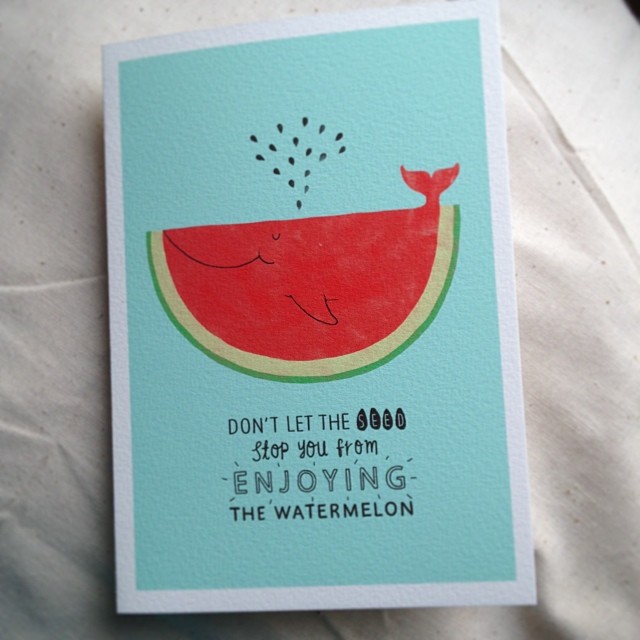
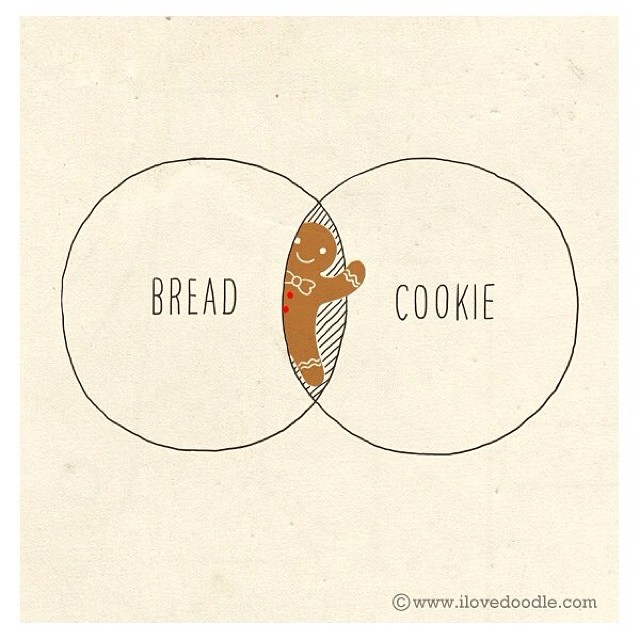
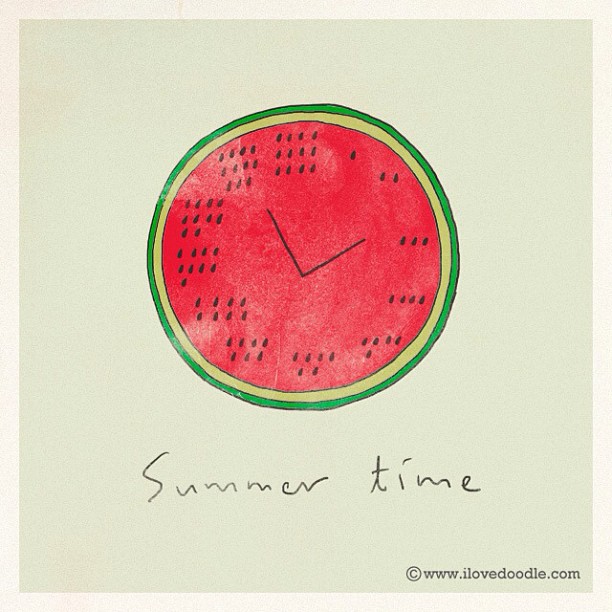
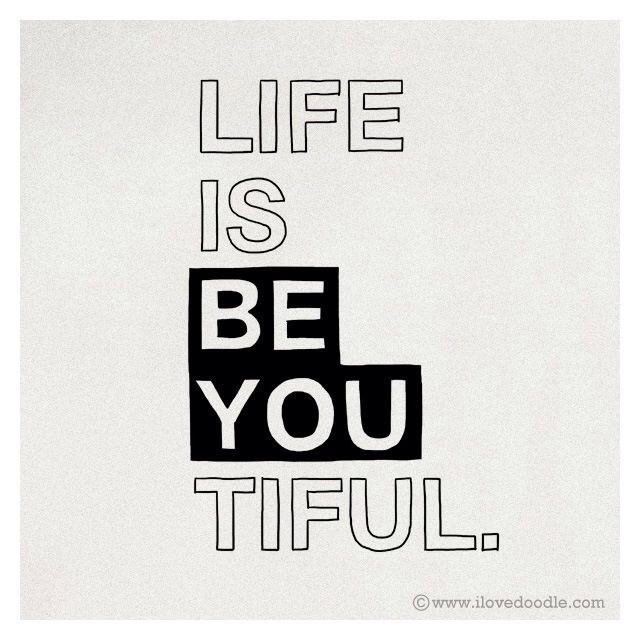
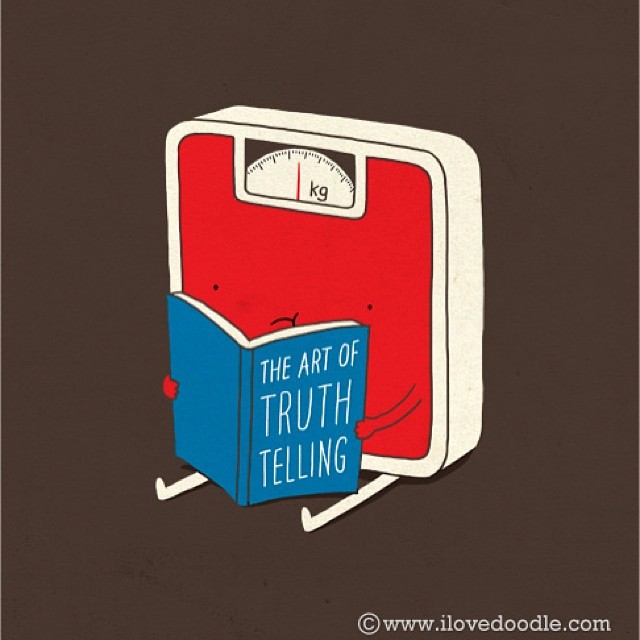
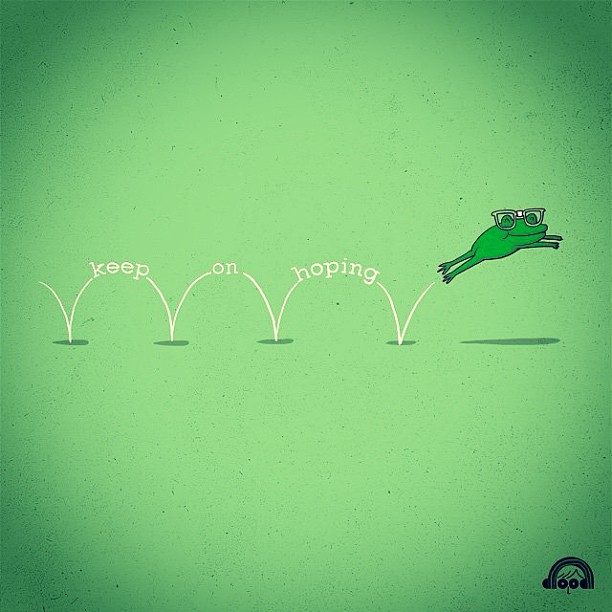
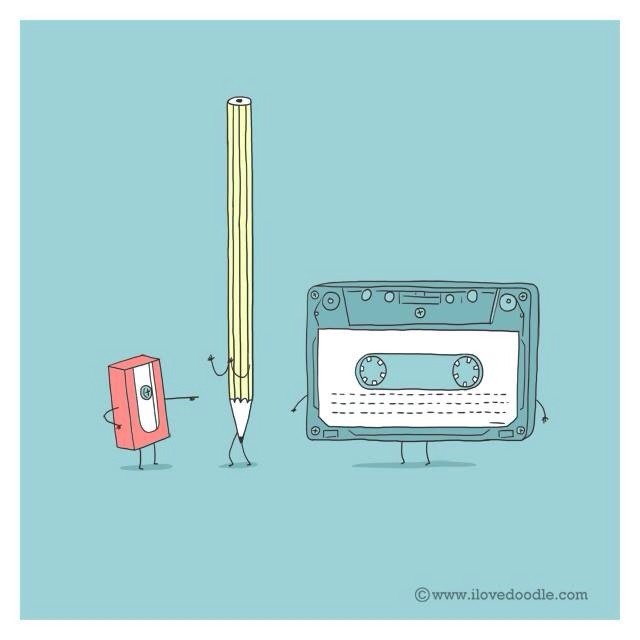
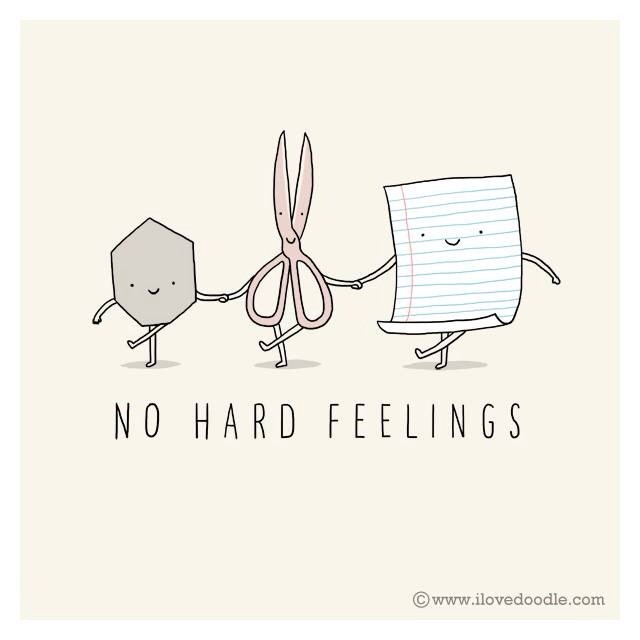
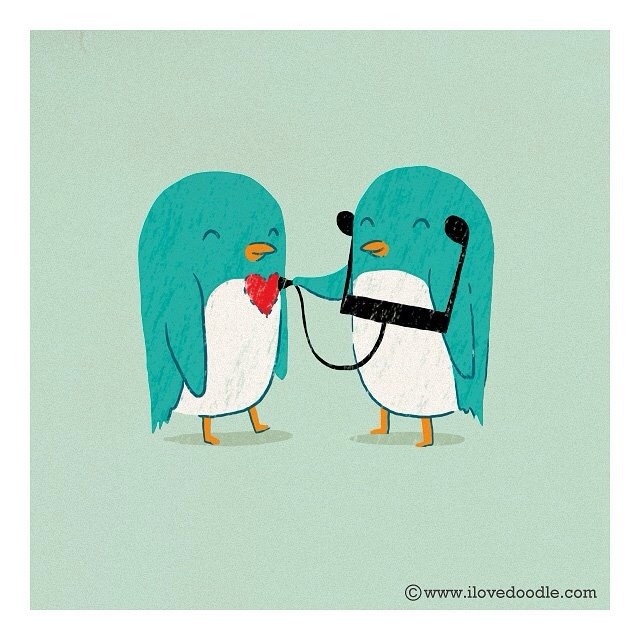
Scroll the images as a sequence rather than a random stack. Notice how often a single unexpected relationship—between creature and object, figure and thought, body and landscape—carries the whole composition. Notice, too, how rarely the drawings rely on dense cross-hatching or noisy patterns. Calm surfaces make the concept louder. Some pieces lean cute; others lean conceptual. The shared DNA is readability. You can screenshot any one of them, send it without explanation, and trust the recipient will get the emotional temperature even if they miss a cultural reference.
That test—smile first, caption optional—is useful for anyone making illustration meant to live outside a gallery. Lim’s set here is a case study in meeting that test repeatedly without repeating the same joke. Watch for recurring strategies: scale surprise, gentle anthropomorphism, and the decision to leave empty space alone so the eye has somewhere quiet to rest after the punchline lands.
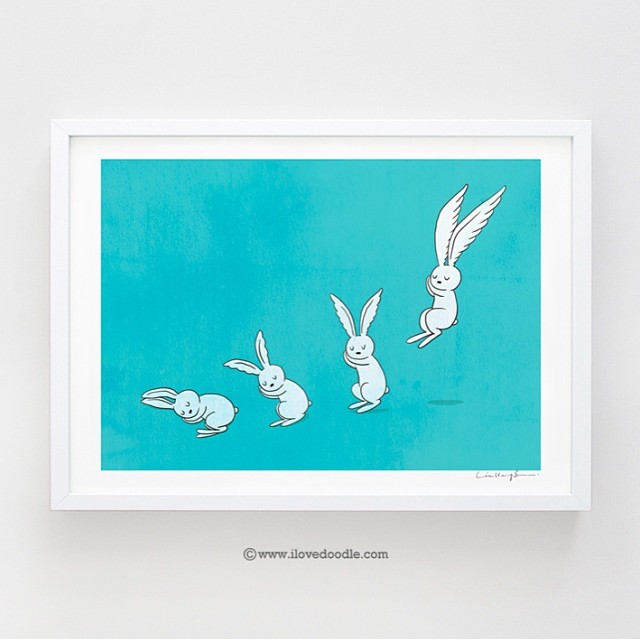
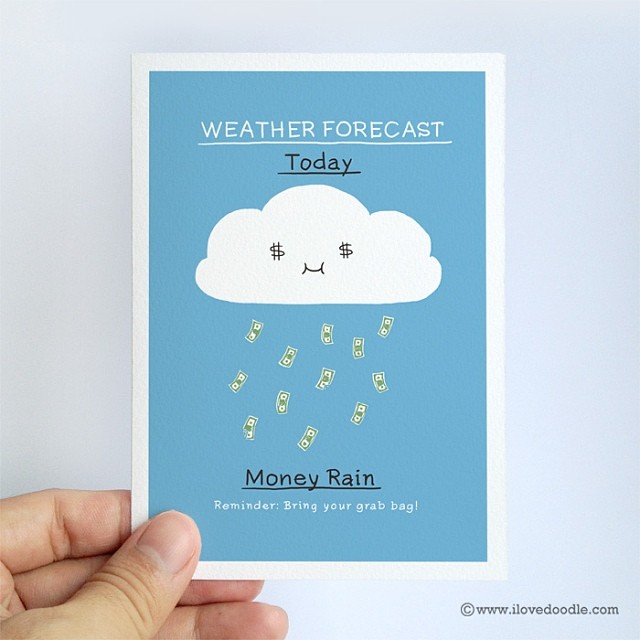
If you draw, steal the constraint rather than the characters: one clear relationship, one soft tone, one smile that does not need a caption. If you only look, pick a favorite and leave it open beside whatever you are working on today. Either way, Lim Heng Swee’s ilovedoodle project keeps making the same modest offer—and, image after image, keeping it.

Comments
Continue reading
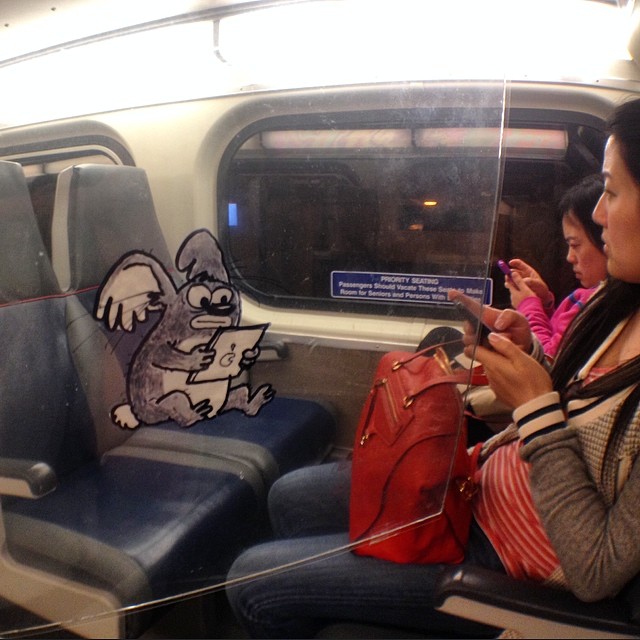
Marty Cooper’s Transparency Doodles Drop Cartoons into Real Life
Storyboard artist Marty Cooper (Hombre McSteez) draws on clear sheets, lines them up with everyday props, and photographs cartoon chaos in the real world.
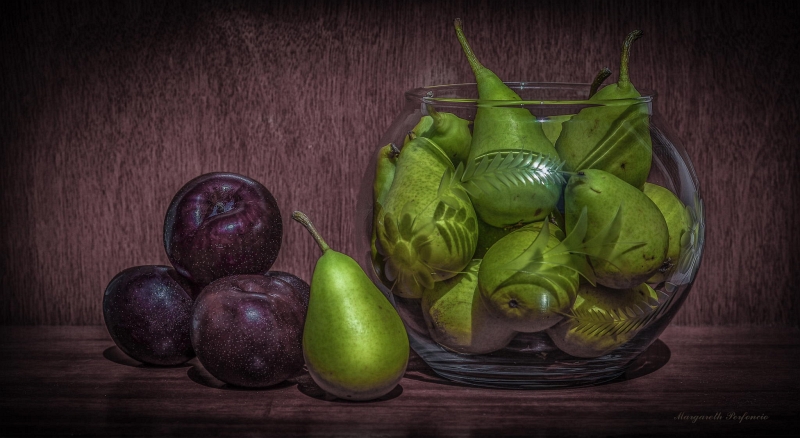
Still-Life Photography by Margareth Perfoncio
São Paulo photographer Margareth Perfoncio’s still lifes of food and flowers—Old Master light, dark wood, and tables that feel inevitable.
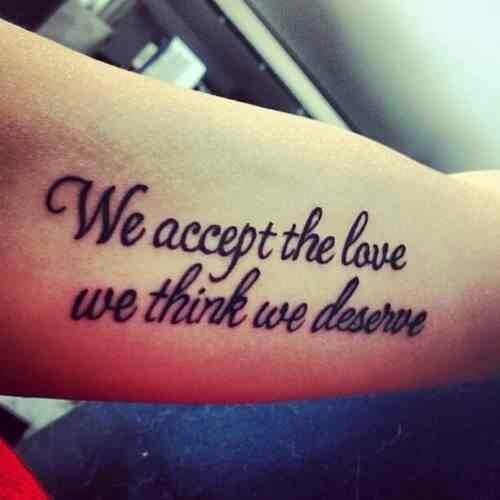
Meaningful Love Quotes for Inspiration (and Ink)
Meaningful love quotes that still feel true — short lines for tattoos, gifts, and everyday reminders, with placement and wording tips.