
DIY Slippers for Winter: Crochet, Knit, Sweater, and Denim Builds
Make house slippers that actually stay warm and grippy—crochet and knit patterns, sweater and jeans upcycles, felt soles, and fit tips for cold floors.
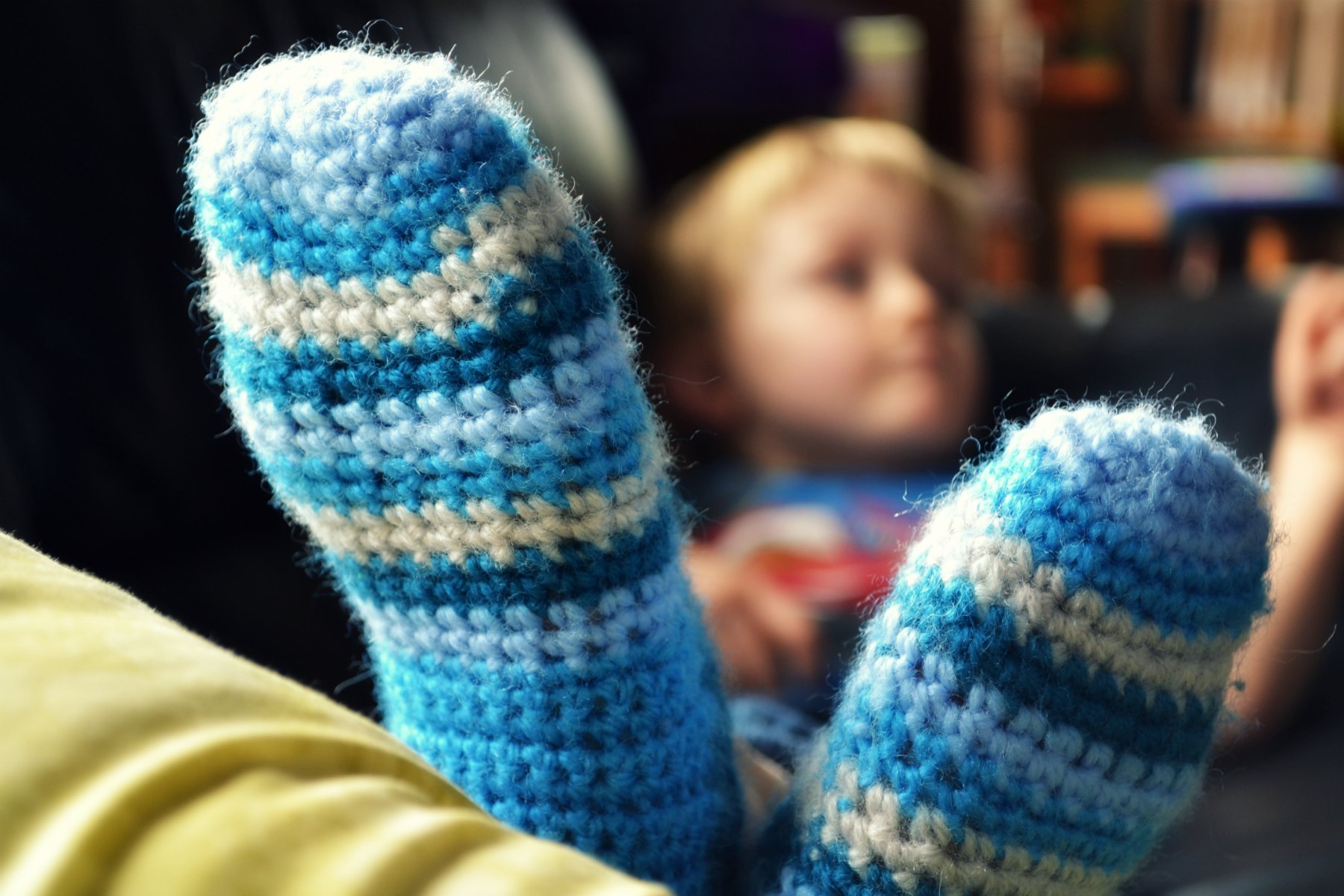
House slippers earn their keep on cold floors, late-night kitchen trips, and long weekends when outdoor boots stay by the door. Store-bought pairs work, but handmade slippers let you match foot length, arch height, and the exact yarn or fabric you already like against your skin. Winter is also when knitting, crochet, and sewing projects feel like a fair trade for the hours they take—you wear the result every morning.
This guide walks through crochet and knit routes, sweater and jeans upcycles, felt soles, and towel-and-flip-flop builds so you can pick a method that matches your skills and scrap bin. Skip affiliate shopping lists; use what you have, measure carefully, and finish soles so you do not slide across tile.
Decide warmth, grip, and how hard you wear them
Before you cast on or cut fabric, name the job. Soft indoor loungers can be all yarn with a light non-slip treatment on the sole. Slippers for basement workshops or hardwood hallways need denser fabric and real grip—suede patches, rubber sole sheets, or puffy fabric paint in a dotted pattern. If you will wear them to take out trash on a frosty porch, add a water-resistant outer layer or accept that wool will get wet and need drying time.
Fit matters more than pattern fame. Measure foot length from heel to longest toe while standing, and measure around the ball of the foot. For stretchy knits, aim for slight negative ease so the slipper hugs without cutting circulation. For sewn felt or denim, add seam allowance and a little positive ease so toes can flex. Children’s feet grow fast—check size every season before you gift a pair that will be outgrown by January.
Fiber choice drives comfort. Wool and wool blends trap heat and breathe better than pure acrylic in long wear, but some people find untreated wool itchy; a soft merino or a fleece lining solves that. Cotton towels feel friendly but stay damp longer after a shower walk. Denim is durable and cool at first; line it with flannel if winter floors are truly cold.
Crochet and knit slippers that finish in a weekend
The easiest crochet slippers are often rectangles or ovals folded and seamed at the heel and toe, then cinched for a gathered look. They teach shaping without complex stitch charts. Work a dense stitch—single or half-double crochet—so cold air does not whistle through the fabric. Try the slipper on before you close the toe; it is easier to add or remove a round than to frog a finished pair.
Classic knit slippers in garter stitch follow a similar spirit: a flat piece shaped with simple decreases, seamed along the sole or instep. Garter fabric has useful stretch and a casual look. If you prefer a sock-like slipper, work in the round from the cuff down, short-row the heel, and decrease the toe the way you would a basic sock. Use needles a size smaller than your usual scarf gauge for denser fabric that holds heat.
Cuffs decide whether slippers stay on. A ribbed ankle band, a folded hem with elastic, or a short bootie shaft that climbs the ankle all beat a floppy opening that slides off when you climb stairs. For kids, consider a longer cuff or a small button loop—lost slippers under the couch are a winter tradition you can reduce.
Work both slippers close together in time. Tension drifts across a week of TV knitting, and mismatched pairs are obvious on feet. Weave ends as you go; knotty interiors feel terrible against bare skin.
Upcycled sweaters and old jeans
Felted or thick knit sweaters are a favorite slipper shortcut. Choose a sweater with enough body to hold a shoe-like shape—boiled wool and dense acrylic both work. Trace a sole template on paper, cut two pairs of uppers and soles (or use the sweater’s ribbed hem as a ready cuff), sew with a sturdy zigzag or hand blanket stitch, and reinforce stress points at the heel. Wash and dry wool sweaters hot first if you want true felt; test a scrap so you do not shrink a sentimental garment by accident.
Jeans slippers use the strong fabric of thrifted denim. Cut soles from the flatter areas of the legs, uppers from softer seat or thigh fabric, and line with flannel or an old sweatshirt. Topstitch for durability. Denim frays—zigzag or serge raw edges, or embrace fray as a cuff detail and glue or stitch it so it does not shed into socks. These pairs photograph well and survive rough household wear better than lace-weight knits.
Christmas-gift batches work well with sweater upcycles: one large thrifted sweater can yield two adult pairs or several child pairs if you nest patterns carefully. Keep a consistent sole template so siblings get matching shapes even when colors differ.
Soles, felt bottoms, and non-slip habits
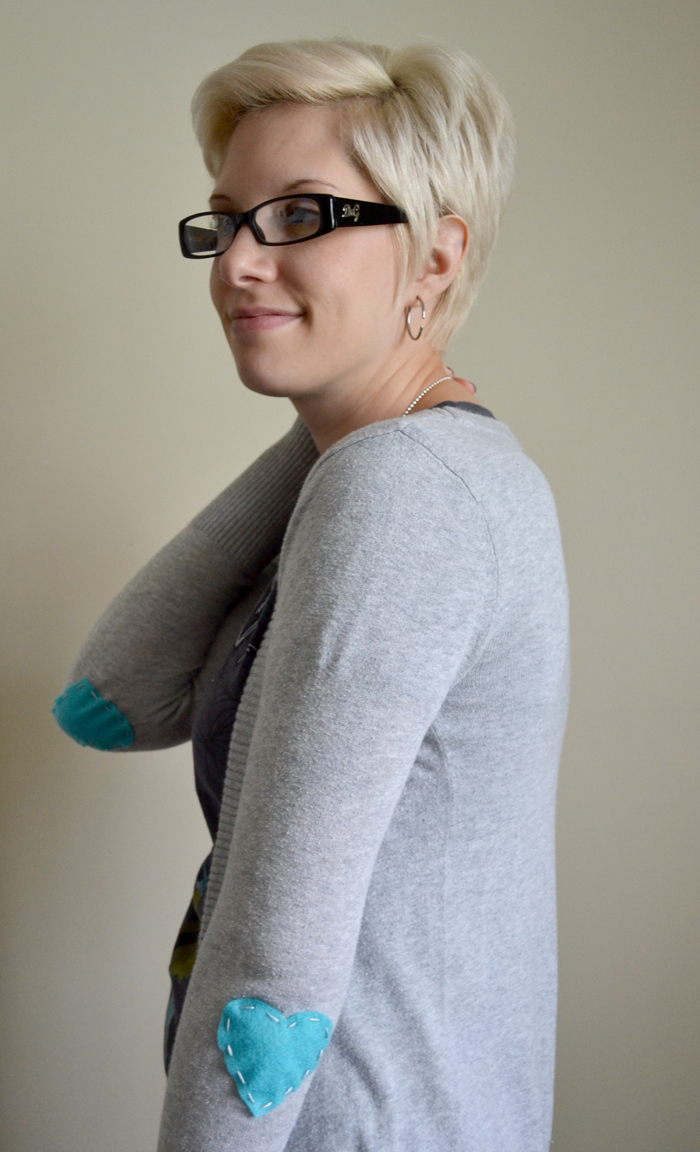
Fancy felt soles stitched onto crocheted or knitted uppers add structure and a handmade look. Cut felt slightly smaller than the foot outline so edges do not catch on rugs, stitch with strong thread, and consider a second thin sole layer if the wearer is heavy on their feet. Leather or suede scraps from old bags make excellent outdoor-adjacent soles; punch holes and stitch, or use contact cement rated for footwear if you prefer glue—clamp until fully cured.
Non-slip treatments save trips. Options include iron-on grippy sole sheets cut to shape, silicone fabric paint dotted in a grid, or purchased rubber sole blanks. Reapply paint when it wears smooth. On wet bathroom tile, even grippy slippers can slide—teach household members to slow down rather than trusting craft paint as ice cleats.
Another thrifty build uses old flip-flops as a rigid sole and a bath towel or fleece as the upper wrap. Trace the flip-flop, cut fabric with seam allowance, sew a sock-like cover, and glue or stitch it to the foam sole after cleaning the plastic thoroughly. These are excellent pool-house or dorm slippers; they are less elegant than cable-knit booties but they dry fast and cost almost nothing.
Care, safety, and gift timing
Wool slippers prefer hand washing or a gentle cycle in a mesh bag, then reshaping while damp. Acrylic pairs tolerate more machine washing but pill over time—a sweater stone helps. Never store damp slippers in a closed bin; mildew smells cling to fiber. Keep a radiator distance rule: high heat can shrink wool and warp foam flip-flop soles.
If slippers include small buttons, beads, or pom-poms, secure them for young children or skip embellishments that can detach and become choking hazards. Hot-glue décor fails faster than sewn-on pieces under daily flex.
For holiday gifting, finish pairs at least a week early so you can test-fit and adjust cuffs. Include a note on fiber content and washing. Recipients who live in warm apartments may prefer lighter cotton or thin knit slippers; ask about floor type and typical indoor temperature when you can.
A practical starter map
- Beginner crochet or knit: rectangular fold-up slippers in bulky yarn, dense stitches, simple seam.
- Beginner sew: felt or sweater slippers from a traced foot template.
- Scrap hero: jeans uppers with flannel lining and painted grip dots.
- Comfort upgrade: knit or crochet uppers plus stitched felt or leather soles.
- Nearly free: towel wrap on cleaned flip-flop soles.
Cast on or cut the first sole this evening while the weather forecast still shows frost. Wear the finished pair on a full indoor day—kitchen, stairs, desk—before you call the pattern done. Cold spots at the heel or a cuff that slips tell you exactly what to change on the next pair, and winter gives you plenty of mornings to iterate until the slippers become the ones you reach for without thinking.

Comments
Continue reading
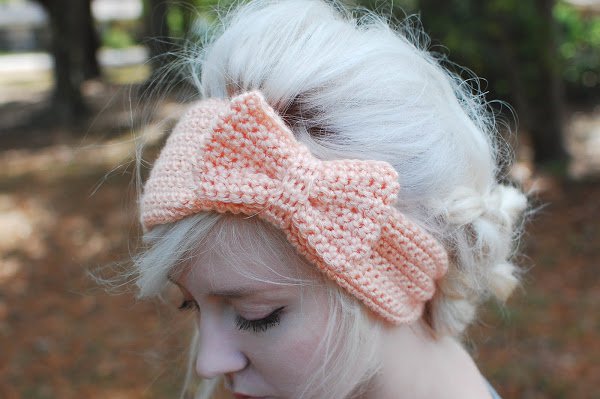
DIY Ear Warmer Tutorials: Knit, Crochet, Bow, and Buttoned Bands
Skip the hat and make ear warmers—bow headbands, chunky knit cuffs, textured crochet, buttoned bands, beaded accents, and fleece options with fit and care tips.
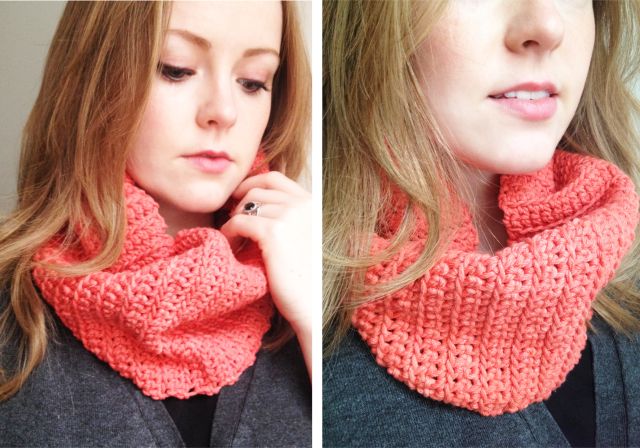
20 Knit and Crochet Scarf Patterns for Women: Cowls, Tubes, and Lace
Twenty knit and crochet scarf ideas for women—tube scarves, lace and chunky cowls, puff stitch, and möbius loops—from makers like annaevers, All About Ami, and Flax & Twine.
DIY Mitten Tutorials for Winter: Knit, Crochet, and Sweater Upcycles
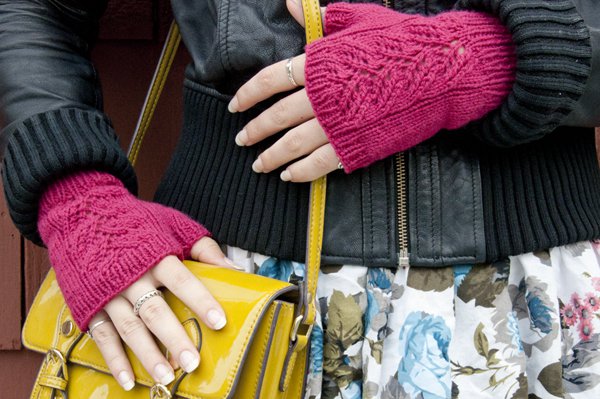
A practical winter guide to handmade mittens—full, fingerless, felt, and thrifted-sweater styles—with fit tips, yarn choices, and finishing habits that keep hands warm.