
Depiction of Reflection: Women, Mirrors, and Doubled Selves
A photography gallery on women and mirrors—where reflected eyes, ornate frames, and surreal “back-side” glass images explore the gap between outer face and inner feeling.
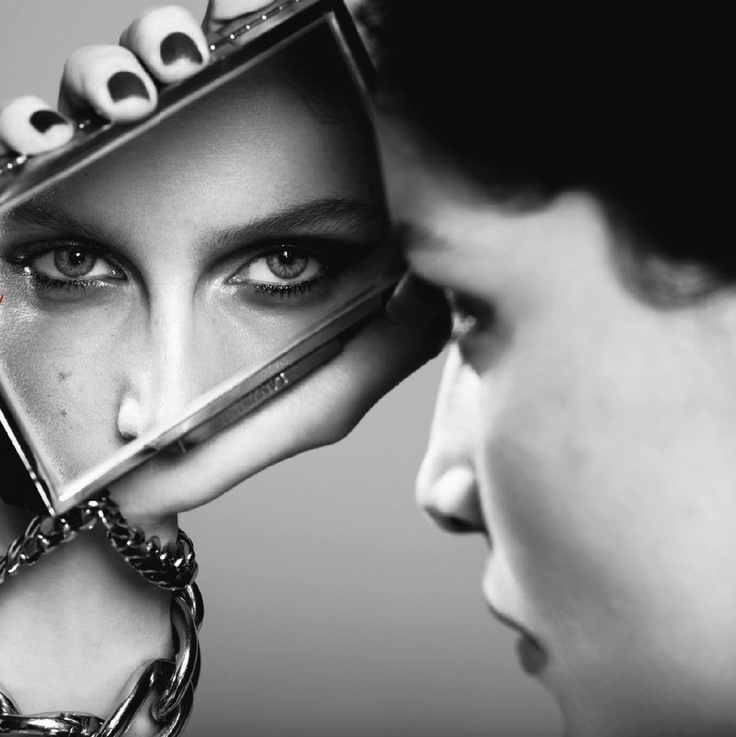
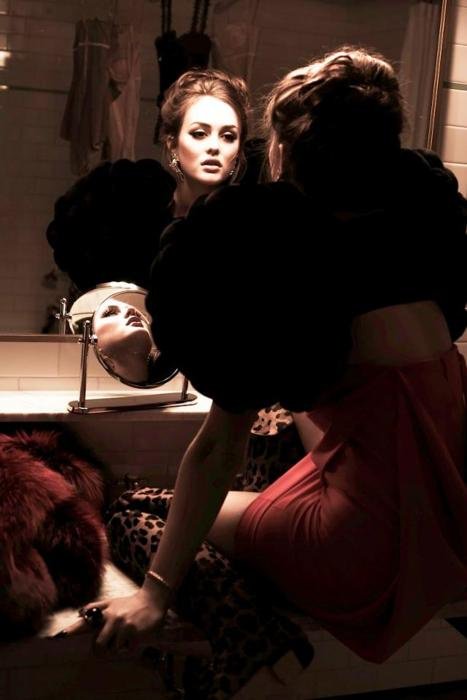
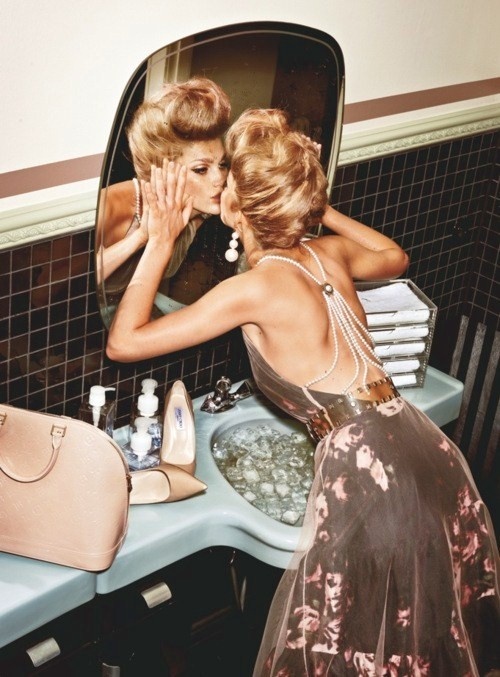
What shows in a woman’s eyes is rarely the whole story she offers the room. Look long enough at a reflection—glass, mirror, polished metal—and you meet a second version of her: sometimes sharper than the face beside it, sometimes stranger, sometimes more honest than the expression she manages for other people. Put a mirror into that already doubled image and the copies begin to multiply, the way two facing mirrors open a corridor that never quite ends. Photography that chases this idea is not only about pretty glass. It is about interior weather made visible—the private temperature of feeling held up against the public face.
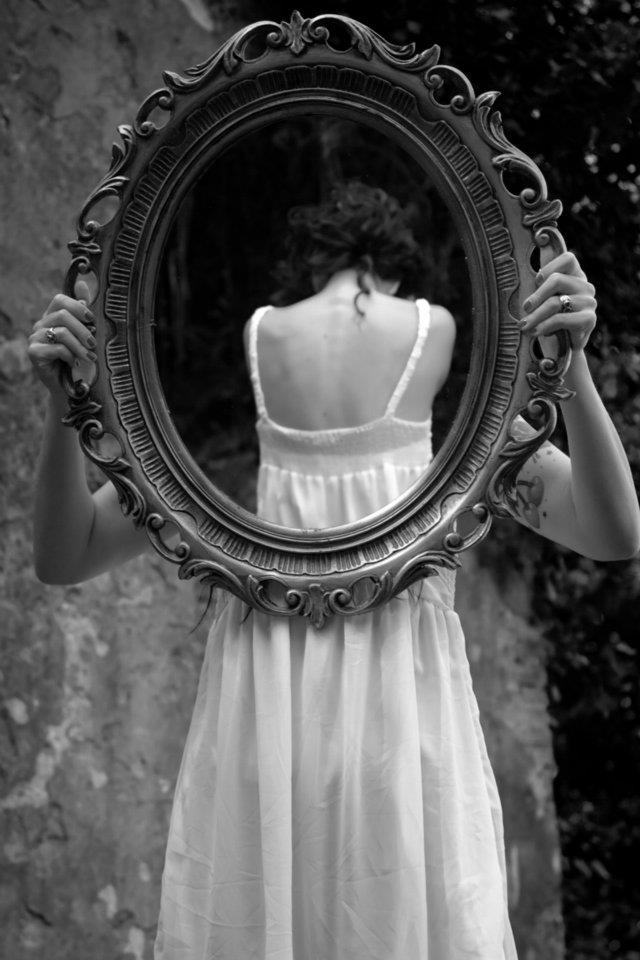
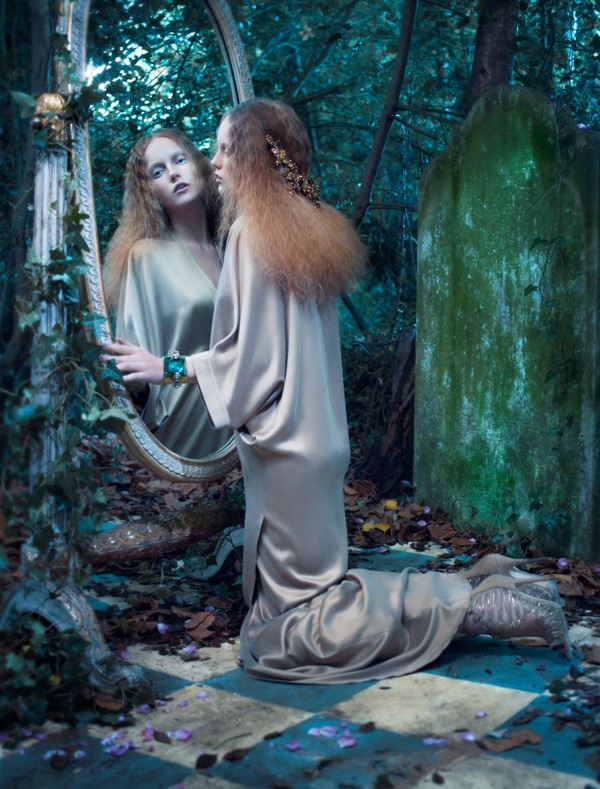
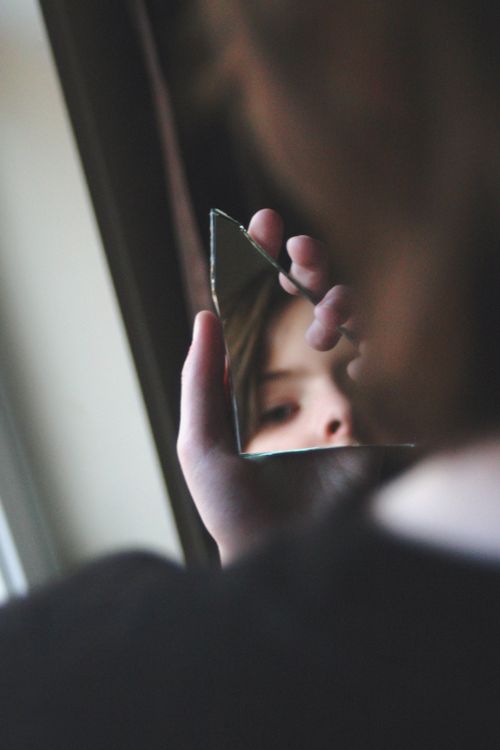
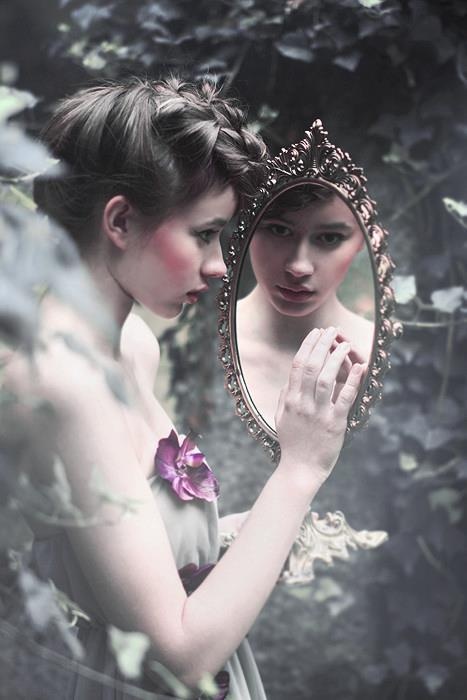
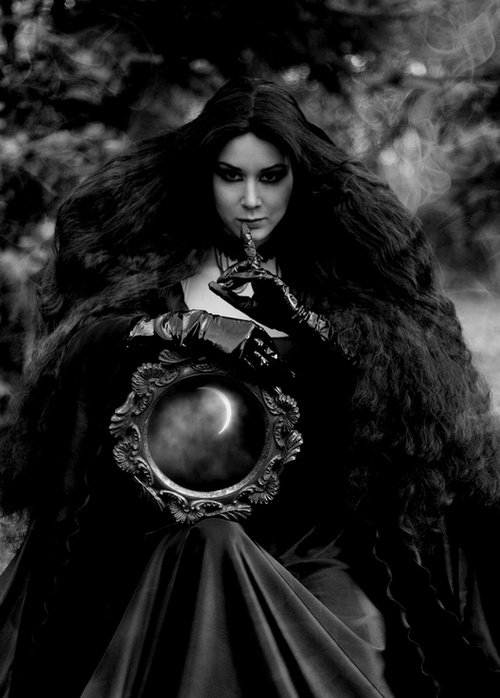
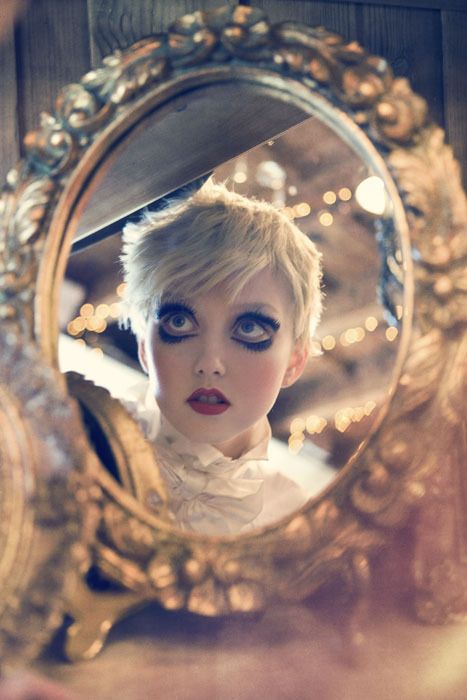
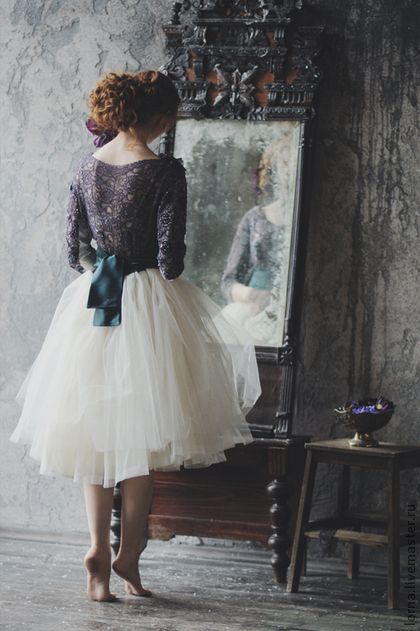
The pictures gathered here treat reflection as subject and method. Women hold mirrors, stand before them, or step into frames that behave like mirrors even when they refuse to obey physics. Some frames are fashion-close: liner, nail polish, chain jewelry, a vanity glass catching only the eyes. Others are surreal: an ornate oval floating over a blurred body, a wooden frame that shows a bare back where a front should be. Across the set, the same question returns. Which surface is telling the truth—the body in the room, or the face that looks back?
When the reflection is sharper than the person
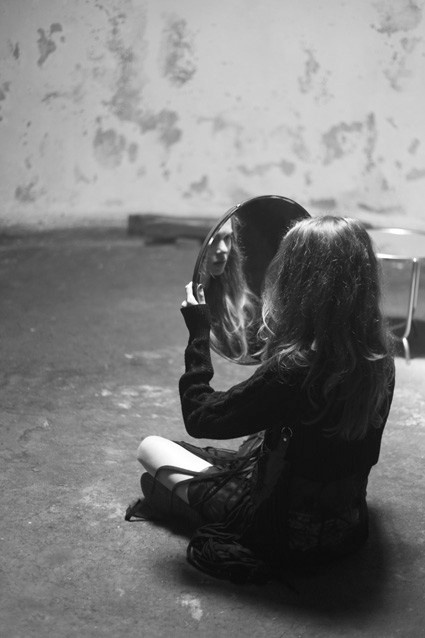
In the opening portrait, the handheld mirror does the editorial work. The living profile softens into blur; the eyes inside the glass stay razor-focused, dark makeup intact, gaze locked on the viewer. A chunky chain and dark nails keep the image in fashion grammar, but the emotional argument is simpler: the self she chooses to present through glass can feel more decisive than the self standing beside it. Depth of field becomes psychology. The photographer decides which version deserves clarity, and which version becomes atmosphere.
That choice echoes through reflective portraiture generally. Mirrors let an artist separate “being looked at” from “looking.” The subject can face away from the camera while her reflected eyes still confront us. Or she can face the camera while the glass invents a second angle the room never contained. Either way, the viewer is forced to negotiate between versions instead of consuming a single flattering likeness. The negotiation is the point of the picture.
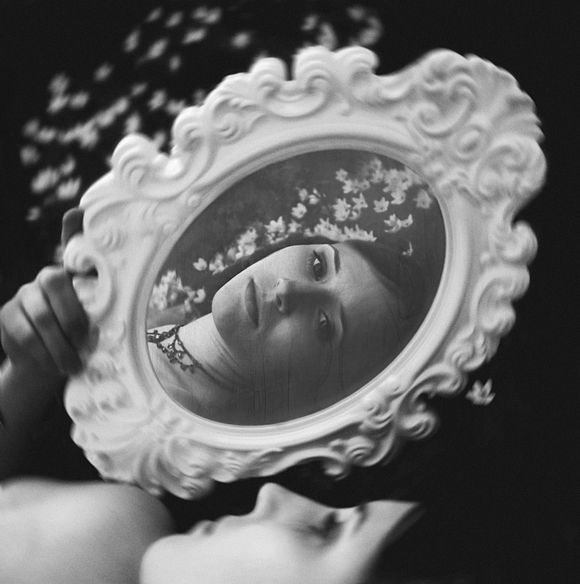
An ornate white Rococo-style frame lifts a solemn face out of darkness while the “real” profile at the bottom of the frame blurs into secondary status. Falling petals or butterfly shapes drift through both spaces, as if the boundary between room and reflection has become porous. The glass is no longer a tool for checking lipstick. It is a portal that promotes one self and demotes another. Dream logic replaces vanity-table logic, and the reflected face becomes the main character of the scene.
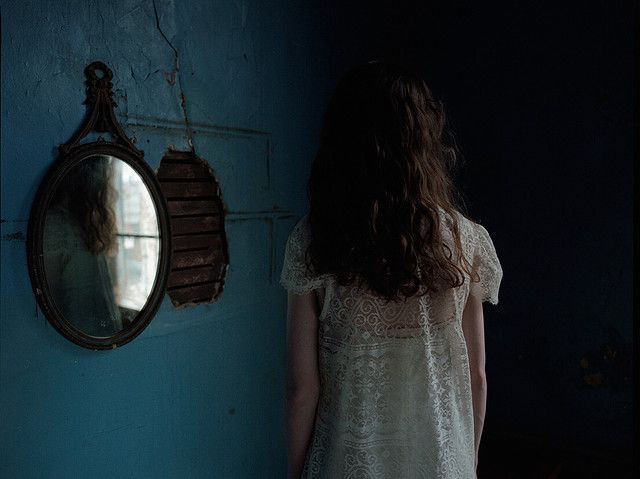
Frames that refuse to behave like mirrors
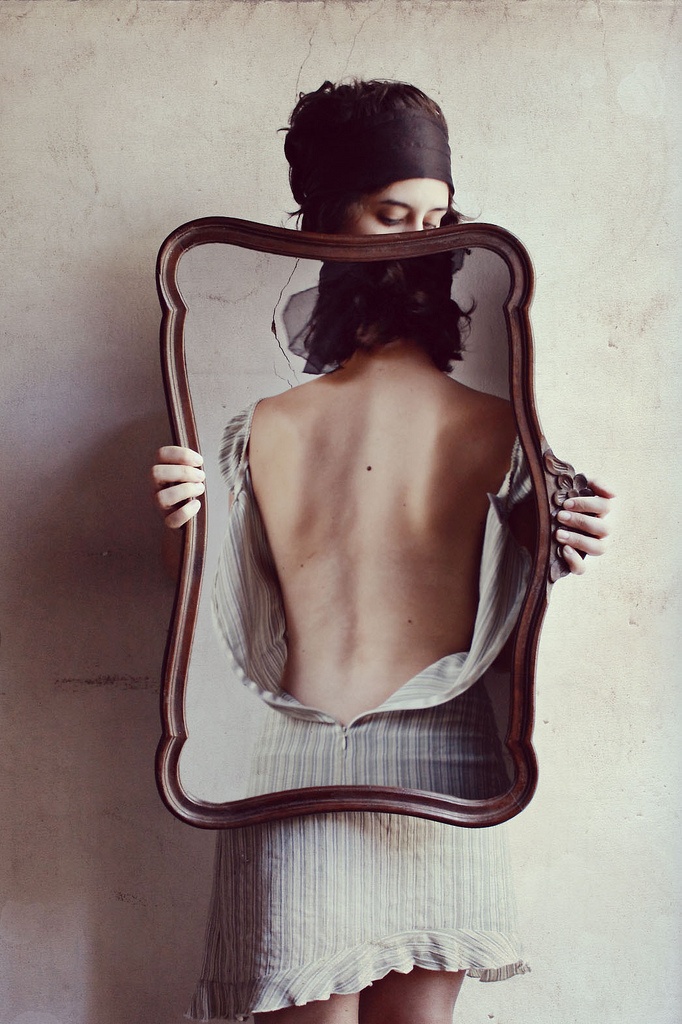
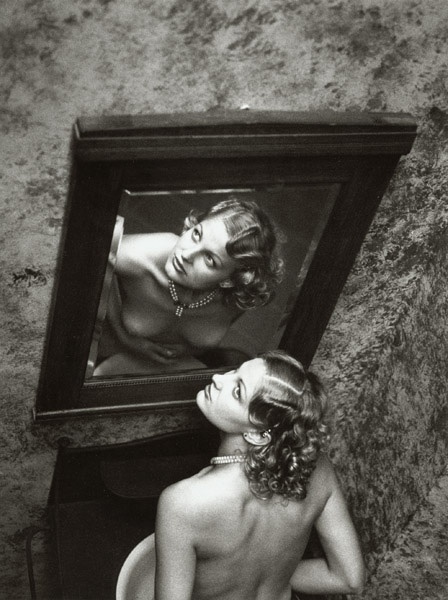
Not every “mirror” reflects forward. A wavy wooden frame held against a striped dress opens onto a bare back—spine, shoulder blades, a mole—as if the glass were a window through the body. The crack in the wall continues inside and outside the frame, stitching the trick together so the eye accepts the impossible as continuous space. Reflection here means the private side made public: what she carries behind her, not what she presents at the dinner table or in a posed smile.
Images like this matter because they keep the theme from collapsing into “pretty girl with mirror.” Surreal frames argue that identity has sides the ordinary portrait cannot show at once. The doubled self is not always a twin face. Sometimes it is the hidden surface—skin, vulnerability, the part of the body we do not rehearse in bathroom light before leaving the house.

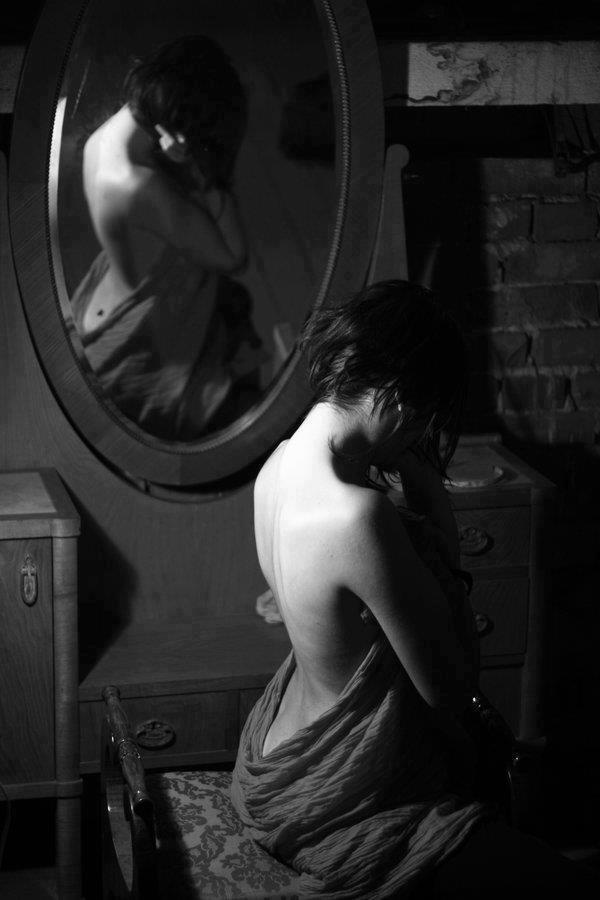

Multiplication and overwhelm
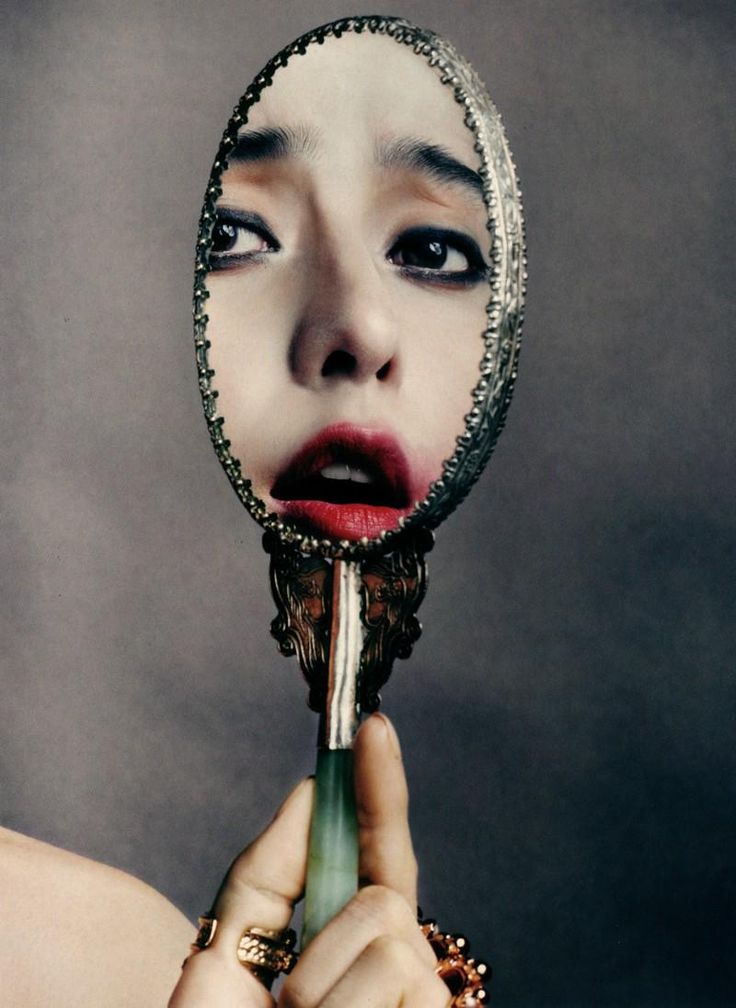
When photographers stack reflections—mirror inside mirror, face against glass, eyes caught twice—the image starts to feel like emotion under pressure. The old claim still holds in plain language: seeing yourself repeated can overwhelm. Some people can stand in that corridor of selves; others look away. That is not mysticism so much as a description of intense self-regard. Endless reflection can feel like honesty, or like a trap, depending on the day and the viewer standing in front of the print.
Layered compositions also slow the scroll. You cannot take in every surface at once. The eye travels, compares, doubts. In a feed built for instant reaction, that delay is a kind of respect—for the subject and for the idea that a woman is more than one usable expression packed for strangers.
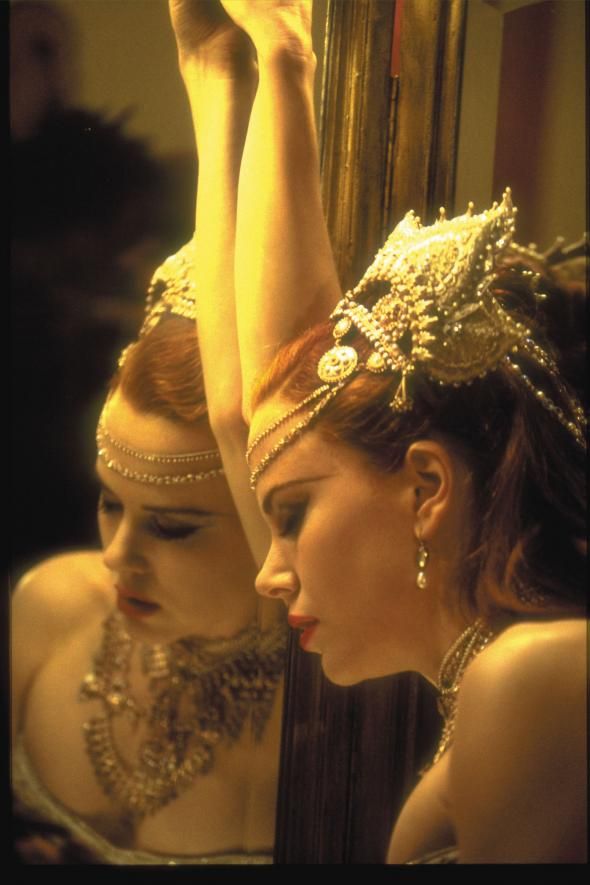
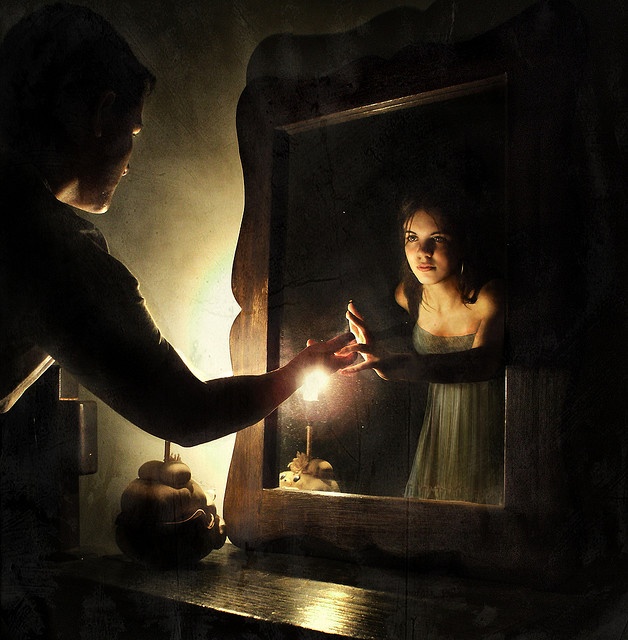
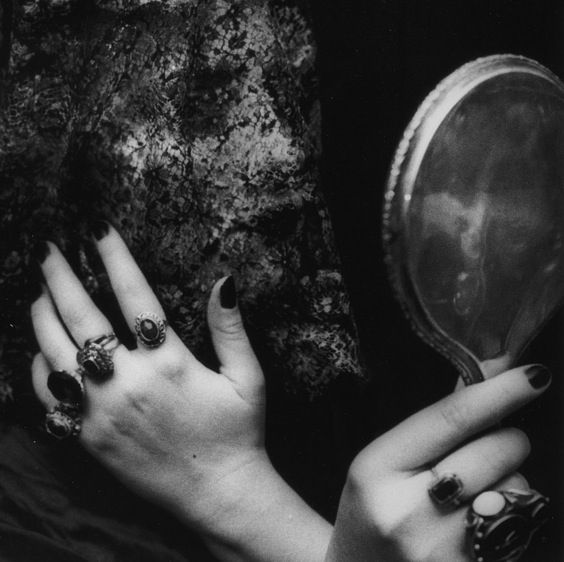
Fashion grammar shows up often in this theme: dark nail polish, chain jewelry, heavy liner, handheld vanity mirrors. The props are not neutral. A chain-wrapped wrist holding glass says control and display at once. Black-and-white contrast turns skin into landscape and makes the reflected eyes the only sharp news in the frame. Soft color versions trade drama for intimacy—bedroom light, bare shoulders, a quieter inventory of self. Both modes belong to the same inquiry. One shouts; one whispers. Both ask what leaks through when a woman looks at herself looking.

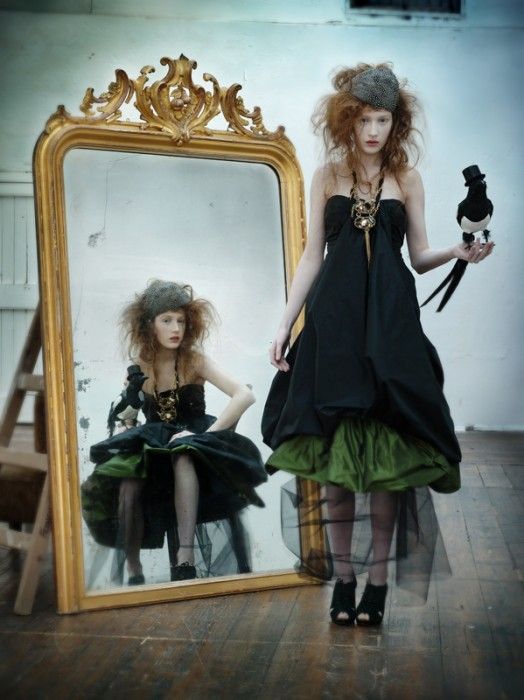
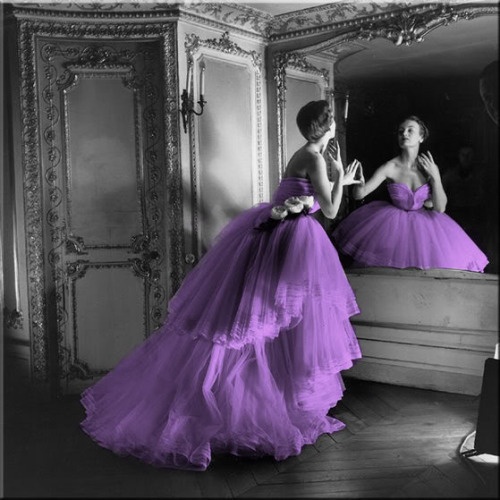
Square crops and tight framing matter in reflective work because they remove escape routes. There is nowhere for the eye to wander except between the living face and the glass face. Photographers use that confinement the way poets use refrain: repeat until the difference between versions becomes the story. Wide environmental portraits can show context; these frames insist on confrontation and leave little room for decorative distraction.
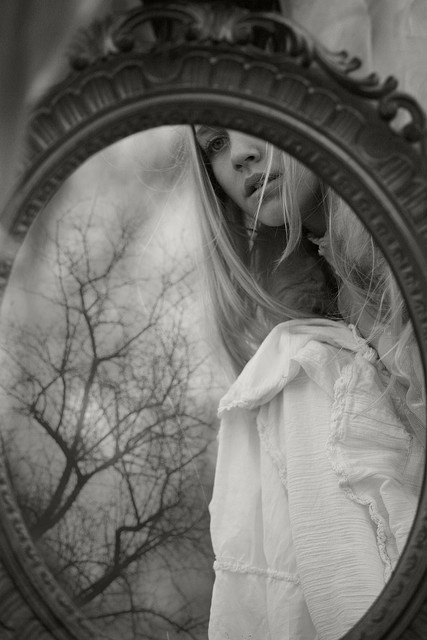
What the glass keeps asking
Across these depictions, reflection is never only optics. It is a way to show that the feeling inside and the face outside can disagree—and that photography can hold both versions in one frame long enough for a viewer to notice the gap. Sometimes the mirror flatters. Sometimes it invents a back where a front should be. Sometimes it multiplies until the corridor of selves feels hard to stand in.
If you photograph people, try one constraint borrowed from this set: make the reflection carry more information than the “real” face, or make the frame lie in a way that still feels emotionally true. If you only came to look, stay with one image until you can name what differs between the two selves. The strongest pictures here do not explain which version to trust. They leave you with the question the glass always asks: who is looking, and who is being seen?

Comments
Continue reading
Black and White Beauty Portraits, Part 3: Mood, Shadow, and Editorial Distance
A smaller monochrome beauty set focused on atmosphere—shadow language, hair as graphic design, crop orientation, and which frames still hold when you squint.
Black and White Beauty Portraits, Part 2: Distance, Gesture, and Contrast
A second monochrome beauty gallery read like a contact sheet—framing distance, hand gesture, wardrobe tone, and contrast recipes for your next shoot.
Black and White Beauty Portraits: Light, Tone, and Expression
A gallery of monochrome beauty portraits with notes on lighting, pose, conversion, and how grayscale changes what flattery means.