
DIY Pallet Projects: Tables, Patio Sofas, Headboards, and More
Prep heat-treated pallets safely, then build coffee tables, buffet caddies, patio furniture, headboards, living walls, sofas, dog beds, signs, and folding desks.
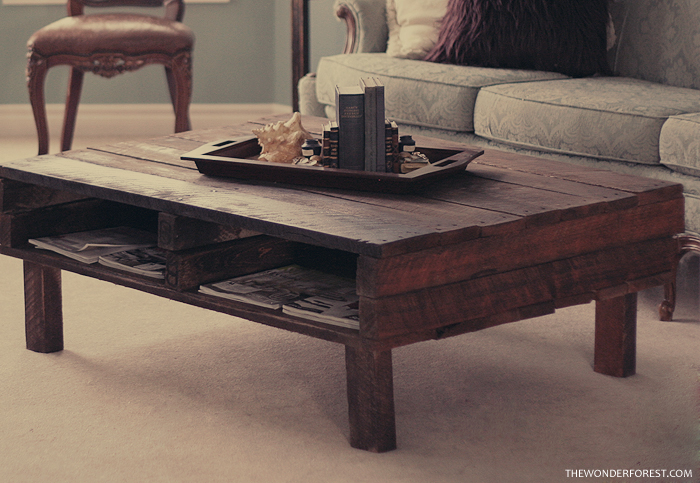
Shipping pallets look like scrap until you see one as a ready-made grid of boards, gaps, and structural rails. Coffee tables, patio sofas, headboards, vertical planters, and small signs all start from the same object: a rectangular platform built to carry weight. Creativity helps, but so do a pry bar, a sander, exterior screws, and a clear plan for how the finished piece will be used indoors or outside.
Not every pallet is safe to bring home. Prefer heat-treated wood marked HT over chemically treated MB boards, and avoid pallets stained with spills you cannot identify. Knock off loose nails, scrub dirt, and let the wood dry fully before you sand. The projects below follow the classic pallet furniture set—rustic tables, buffet caddies, patio seating, headboards, living walls, sofas, dog beds, mini signs, and folding desks—with enough process to start without outbound tutorial clutter.
Tools, safety, and wood prep
Disassembly is often harder than building. A reciprocating saw, cat’s paw, and hammer free boards with less splitting than brute force alone. Wear gloves and eye protection; pallet nails bend and fly. Once boards are free, sort by thickness and length. Keep the strongest rails for frames; save pretty face boards for tabletops and headboard fronts.
Sand in stages—80 grit to level splinters, 120 to smooth, 180 if the piece will be touched often, like a coffee table edge. Fill deep cracks with wood filler only where structure matters; small character cracks can stay if they do not catch clothing. Finish with oil, wax, paint, or exterior sealer depending on weather exposure. Raw indoor pieces still benefit from a clear coat so dust does not grind into open grain.
Measure twice for seating height and table clearance. Pallet sofas that look great in photos fail in real rooms when seat depth is too deep or backrests lean at the wrong angle. Sketch the joinery: pocket screws, metal brackets, and wood glue all have a place, but outdoor furniture needs fasteners rated for moisture.
Rustic coffee table
A coffee table is the friendliest first build. Use one intact pallet as the top, or stack two for storage height and slide a tray between the decks. Add hairpin legs, timber blocks, or caster wheels—locking casters help when you want to move the table for cleaning. If the top has wide gaps, overlay thin plywood or glass cut to size; glass shows the pallet pattern while giving cups a stable surface.
For a cleaner look, break the pallet down and rebuild a solid plank top on a simple apron frame. Countersink screws and plug holes with dowels if you want a furniture-grade finish. Bottom shelves made from leftover slats hold books and remotes. Always check that the finished height clears your sofa cushions when you sit—tables that force shoulders up look stylish and feel wrong.
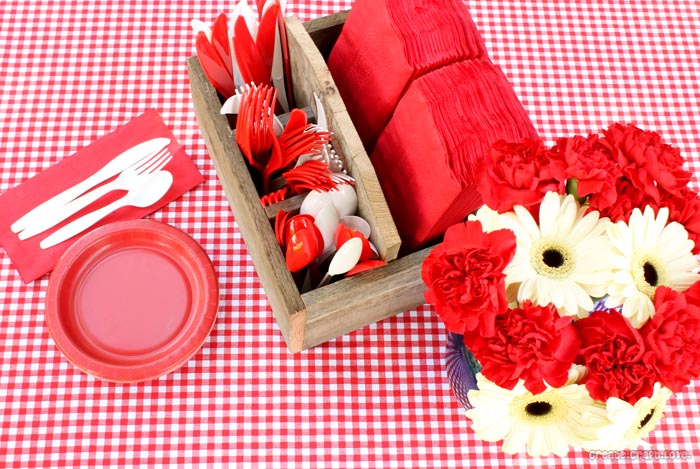
Buffet caddy and serving pieces
A buffet caddy uses a short section of pallet or a few boards as a tray with raised edges. Add handles cut from rope or leather straps bolted through the side rails. Line the base with a thin board so utensils do not fall through slat gaps. These pieces shine at outdoor parties: carry flatware, napkins, and condiments in one trip, then hang the caddy on a fence hook when not in use.
Scale the same idea into a larger serving station by mounting a pallet vertically against a wall with shelves in the slat openings. Keep food-contact surfaces sealed and wipeable. Avoid unfinished rough wood for anything that holds unwrapped snacks.
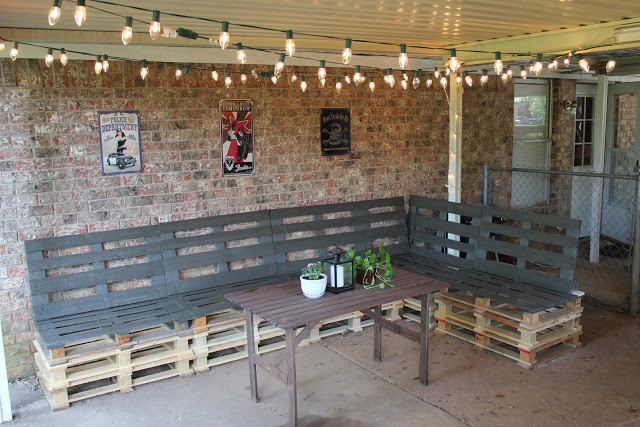
Outdoor patio furniture
Patio sets usually combine modular cubes: seat bases from one or two pallets, backrests from upright pallets screwed at a slight recline, and armrests from reinforced side rails. Bolt modules together so the sofa does not rack when someone sits on the end. Elevate everything on feet or a treated base so rainwater does not soak the bottom boards into rot.
Cushions matter as much as carpets of wood. Use outdoor foam and covers you can remove for washing. Strap cushions discreetly so wind does not redistribute your seating across the yard. Seal all surfaces with exterior stain or paint, and recoat yearly in harsh climates. If you live where winters are wet, design pieces light enough to stack in a shed, or accept that stationary builds need excellent drainage underneath.
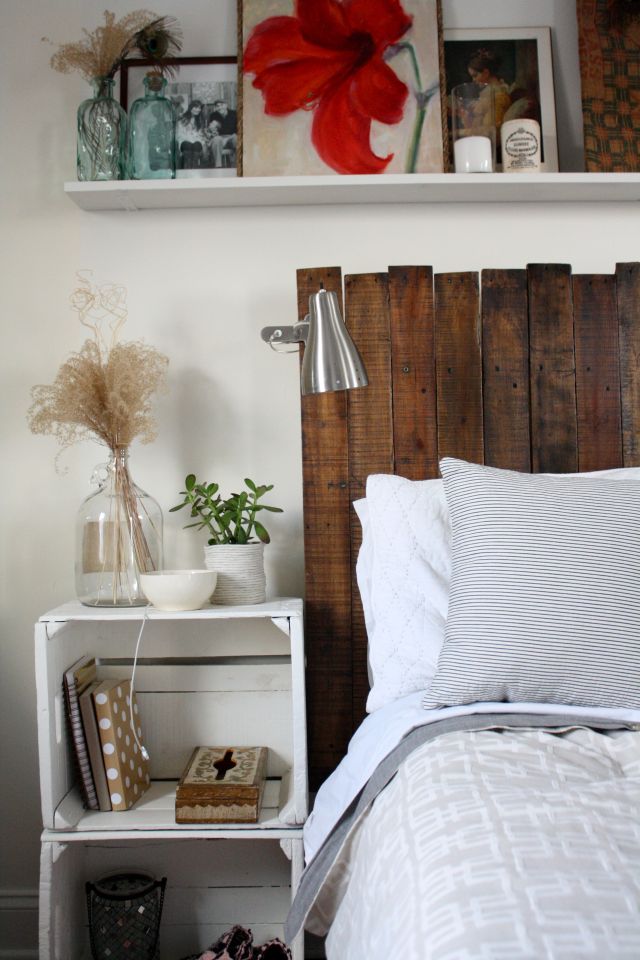
Headboards
A pallet headboard can be as simple as one pallet mounted horizontally behind the bed, or a mosaic of boards arranged in chevron, horizontal, or mixed widths. Secure into wall studs with heavy lag screws or French cleats—never rely on drywall anchors alone for a wide wooden panel. Sand thoroughly where pillows and hair will rub.
Paint a soft color for calm bedrooms, or leave a light whitewash that shows grain. Integrate LED strip lighting behind the top rail for a floating glow without drilling the mattress area. If your bed frame already has a metal headboard, use the pallet as a decorative overlay attached to the frame rather than the wall so you can move apartments without patching a constellation of holes.
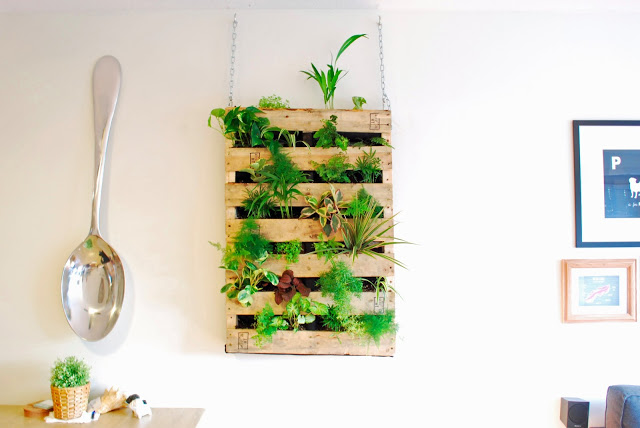
Living wall planters
Vertical gardens turn a pallet into a shallow planter rack. Staple landscape fabric across the back and into each trough formed by the slats, fill with potting mix, and plant herbs, lettuces, or trailing flowers. Lean the pallet slightly or fix it firmly to a wall so watering does not tip the whole assembly. Start with plants that forgive uneven moisture; top rows dry faster than bottom rows.
Drill drainage paths so water does not stagnate against the house siding. A drip tray or gravel bed at the base catches runoff. For renters, keep the living wall on a freestanding frame with wheels. Indoor versions need saucers and plants suited to lower light—succulents in a bright room beat thirsty herbs in a dim hallway.
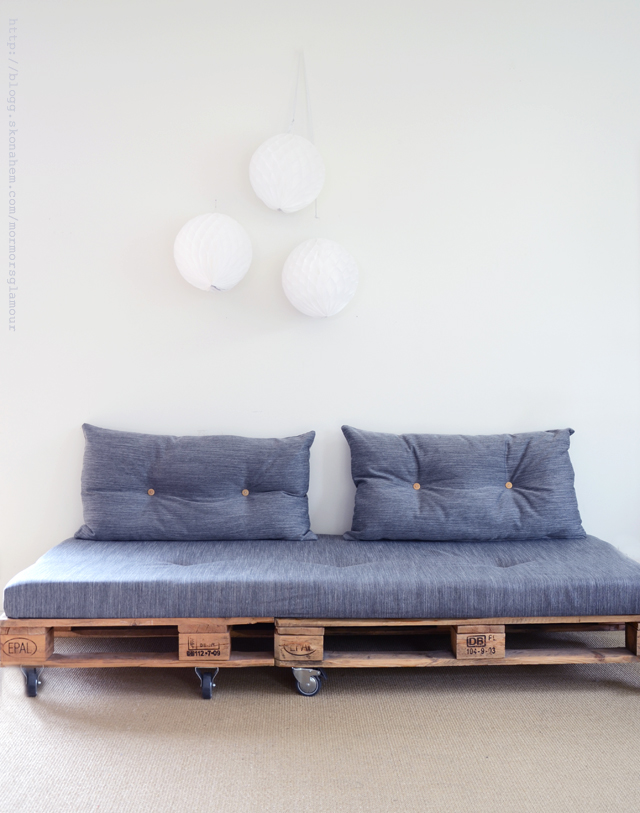
Indoor sofas and daybeds
Indoor pallet sofas follow patio logic with finer finishing. Stack pallets for seat height, add a plywood sheet if cushions sink into gaps, and build a backrest that meets your spine, not just Instagram. Corner units need extra bracing at the join. Slipcover foam blocks for a cleaner look than mismatched throw pillows alone.
Think about cleaning under the sofa before you build a permanent base to the floor. Removable legs or a slight lift make vacuuming possible. If the wood still smells like a warehouse after sanding, air it outside for several days or seal with a shellac-based primer before the topcoat.
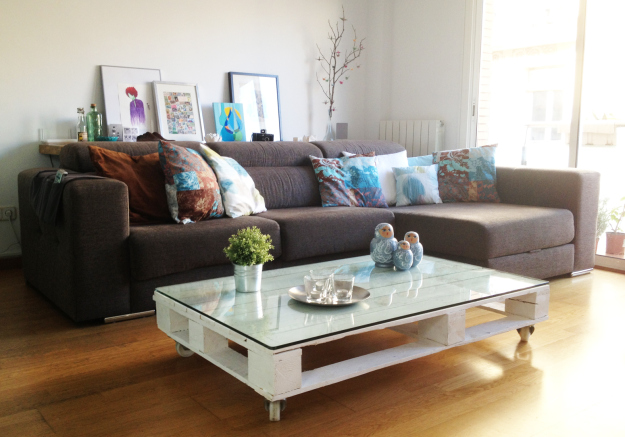
Dining and side tables
Beyond coffee tables, full dining tables need stronger aprons and legs that do not wobble under elbows. Use kiln-dried lumber for legs if pallet wood is too twisted, and reserve pallet boards for the top surface only. Side tables can be single cubes with a solid top and an open shelf. Round the corners of family-room pieces; sharp pallet edges and toddlers are a poor match.
Glass or sealed epoxy tops are optional upgrades when you want wipe-clean dining without hiding every board. If you prefer a matte wood look, expect to use coasters—open-pore finishes mark with water rings.
Dog beds and pet platforms
A pallet dog bed raises bedding off cold floors and creates storage underneath for toys. Sand obsessively; pets investigate splinters with their mouths. Build a shallow tray for a washable cushion, and size the frame to your dog’s stretched-out length, not the curled-up photo pose. Heavier breeds need more cross-bracing than a toy-breed lounge.
Avoid chemical finishes with strong solvents near sleeping areas. Water-based sealers with full cure time are safer. If your dog chews wood, skip the project or use a metal insert tray the pet cannot gnaw.
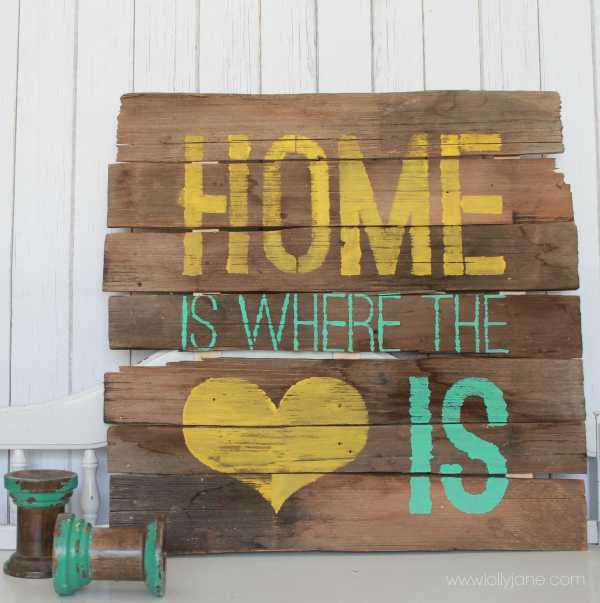
Mini signs and small accents
Not every pallet project needs a truck and a weekend. Mini signs use a few slats glued to cleats, painted, and lettered with stencils or a wood burner. Hang with twine or sawtooth hangers. These are good scrap-busters and gifts. Coat outdoor signs with exterior varnish so painted words do not chalk away after one season.
Other small builds include key racks, magazine holders, and spice shelves from single stringer sections. They teach joinery without the commitment of a sofa.
Folding desks and space savers
A fold-up pallet desk mounts to the wall with hinges and a folding brace, then drops flat when you need the hallway back. Reinforce the hinge line; desks fail when hardware is undersized for the lever arm of a wide surface. Add a lip so pencils do not roll off when you close it. Check wall studs and use a level—crooked wall desks feel wrong every time you open a laptop.
For apartments, a simple trestle desk from pallet tops and removable legs may be smarter than a permanent fold-down if you move often. Label hardware bags so reassembly is not a puzzle.
Project chooser
- First build: coffee table or mini sign.
- Outdoor focus: patio sofa modules with sealed cushions.
- Plant lover: living wall with fabric pockets and drip control.
- Bedroom update: wall-mounted headboard into studs.
- Small space: folding desk or narrow buffet caddy.
- Pet household: raised dog bed with washable pad.
Pick one pallet that is already clean and square, finish that single piece completely—including sealer and felt pads—before you drag three more home from behind the grocery store. A finished table in the living room teaches more than a yard full of half-disassembled lumber.

Comments
Continue reading
DIY Ideas for Old Socks: Rugs, Puppets, Mittens, and More
Sort leftover socks by fiber, then turn them into braided rugs, hand puppets, soft toys, mittens, and pin cushions with practical cutting and sewing tips.
DIY Ideas with Lace Doilies
Upcycle heirloom lace doilies into framed art, runners, pillows, lamps, and more—practical craft projects that keep the crochet visible.
Toilet Paper Roll Crafts: Organizers, Toys, and Ornaments
Cardboard tubes become pencil holders, wreaths, cord cubbies, monsters, race cars, ornaments, and more—structural DIY distinct from magazine-page crafts.