
Upcycled Bags from Hoodies, Ties, Denim, and Towels
Turn neckties, sweatshirts, cargo pants, beach towels, and jeans into hobo bags, duffels, messengers, and totes—with cutting plans and stitch tips that last.
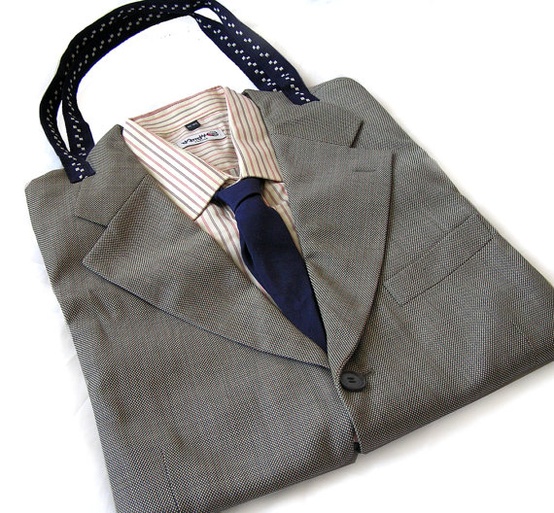
Old clothes already hold shape, seams, and sometimes pockets—exactly what bags need. Before a worn hoodie, necktie collection, or faded pair of cargo pants becomes rags, ask whether the fabric is still strong enough to carry books, groceries, or a beach towel. Upcycling into a bag keeps prints and memories in circulation and costs less than new canvas. You need a sewing machine for most of these projects, sharp scissors, pins, and thread that matches or deliberately contrasts. A walking foot helps with thick denim layers; a heavy needle prevents skipped stitches.
Wash and dry garments first so shrinkage happens before you cut. Remove hardware you will not reuse, but keep zippers, snaps, and sturdy pockets when they can become closures or exterior details. The projects below move from necktie and towel totes to hoodie duffels, sweatshirt sacks, cargo messengers, and woven denim—each with different skills and end uses.
Necktie hobo bags
Silk and polyester ties make surprisingly elegant hobo purses when you stitch them edge to edge. Open the ties, press flat if the construction allows, or sew them closed as tubes for a quilted look. Arrange colors before you commit—stripes and florals can clash or sing depending on sequence. A simple crescent or slouchy shape works well: sew a body from joined ties, add a lining from an old shirt, and use one long tie or a braided group as the strap.
Reinforce the strap joins with a box stitch or triangle of dense stitching; silk tears at stress points if you rely on a single seam. A magnetic snap or zipper salvaged from a ruined jacket keeps contents in. These bags shine as evening extras or gift purses—not as gravel-hauling totes—so treat the fabric with the same respect you would give a blouse.
Hoodie and sweatshirt bags
A hoodie duffel keeps the kangaroo pocket as exterior storage and the hood as a decorative flap or cinch detail. Cut carefully around the pocket, use the sleeves for straps or leave them as side accents, and sew the bottom closed after turning the garment inside out and trimming excess. Reinforce the base with a second fabric layer from the sleeves you removed. Drawstrings from the hood can become bag closures if they are still strong.
Sweatshirt recycled bags are even simpler: cut off the sleeves, sew the bottom hem or cut edge closed, and use sleeve fabric for handles. Ribbed cuffs make tidy handle covers. Soft fleece and french terry are comfortable shoulder bags for gym clothes or library runs. Avoid overloading; knit stretches and seams can pop if you treat a sweatshirt sack like a hiking pack.
For a cleaner look, add a fabric liner cut from a pillowcase. Lining hides raw fleece edges and lets you include an interior pocket from a shirt front. Topstitch around the opening so the liner does not pull out when you dig for keys.
Cargo pants messenger and denim weaves
Cargo pants already offer flaps, buttoned pockets, and tough cotton. To convert them into a messenger bag, use one pant leg as the body depth guide, keep the largest cargo pocket on the front, and cut a flap from the other leg or waistband area. A length of webbing or a second waistband becomes the strap—adjustable with a slide buckle from an old backpack if you have one. Bar-tack every strap corner; messengers take diagonal stress when worn across the body.
Woven recycled denim totes start with strips cut from jeans. Remove seams you do not want in the weave, or leave felled seams as texture. Weave on a simple cardboard or wooden loom, or stitch strips to a backing fabric in a basket pattern. Finish with sturdy handles from waistbands—the button and belt loops can stay as design features. Denim dulls needles; keep extras nearby and walk the machine slowly over layered crossings.
Beach-towel totes
A beach towel that is thin in the center but fine at the borders can still become a roomy tote. Fold, sew side seams, and add handles from the towel’s own fringe edge or from cotton webbing. Some makers fold the towel so a pre-finished edge becomes the bag opening—less hemming, more swimming time. These bags love sand and sunscreen; rinse and hang dry. They are not structured briefcases—roll, pack, and go.
If the towel is large, sew a flat bottom by boxing the corners so the bag stands open for wet swimsuits. A small mesh pocket from an old laundry bag keeps goggles from migrating to the bottom. Skip delicate embellishments that will catch on lounge chairs.
Planning cuts so fabric lasts
- Sketch the finished bag size on paper and compare to the garment’s usable panels.
- Preserve pockets and zippers first; build the pattern around them when possible.
- Cut strap pieces from the strongest grain—waistbands and side seams often win.
- Interface thin fashion fabrics (silk ties, worn tees) where handles attach.
- Finish raw edges with zig-zag or a serger so laundry day does not unravel your work.
Not every garment deserves a second life as a bag. Fabric with deep stains at stress points, dry-rotted elastic, or torn denim at the seat may be better as cleaning rags or stuffing. Choose pieces you still like looking at; you will carry this object in public.
Care and everyday use
Wash upcycled bags inside a pillowcase or on gentle if they include silk, glued patches, or mixed fibers. Air dry structured bags so interfacing and straps keep their shape. Repair loose strap stitches early—one afternoon of restitching beats losing a bag on the bus. Rotate which bag you use for heavy loads; even good denim fatigues.
Start with a sweatshirt tote if you are new to sewing bags: few pattern pieces, forgiving knit, clear progress in an evening. Move to cargo messengers and necktie hobos when you are ready to place pockets and wrestle slippery silk. The best upcycled bag is the one whose fabric you recognize—“that was Dad’s tie,” “that was my college hoodie”—and which still zips shut after a full day out.

Comments
Continue reading
Simple, Cute Valentine Gift Wrapping Ideas
A craft guide to personalized Valentine wraps—kraft bases, paper hearts, ribbon, tags, and texture mixes—using inexpensive supplies and the gallery examples as patterns.

DIY Spring and Easter Napkin Rings for the Holiday Table
Make Easter and spring napkin rings—nest, knit flower, bunny, scrap-flower, and edible styles—with sizing, food-safety, and batch tips for a calm tablescape.

20 DIY Shoe Makeover Ideas: Paint, Glitter, Clips, and More
Twenty shoe upgrades—floral boots, glitter wedges, neon soles, crystal pumps, lace overlays, and novelty heels—with practical steps for each.